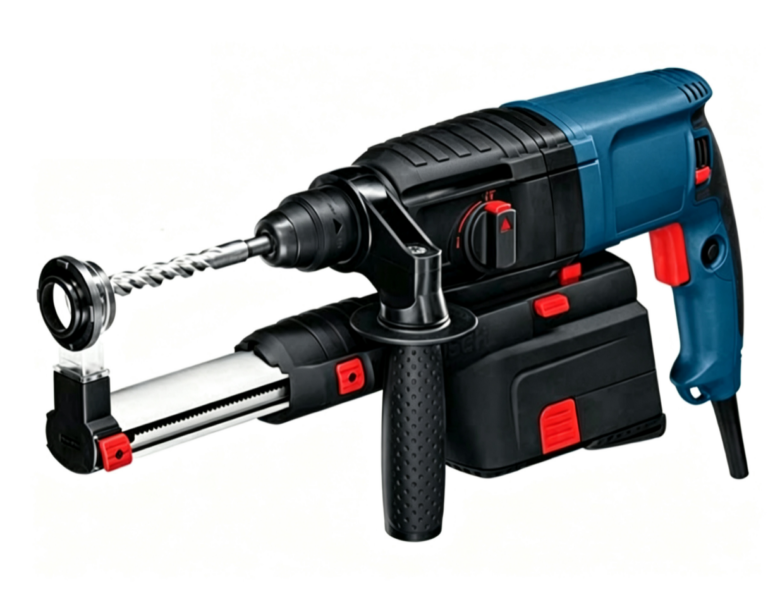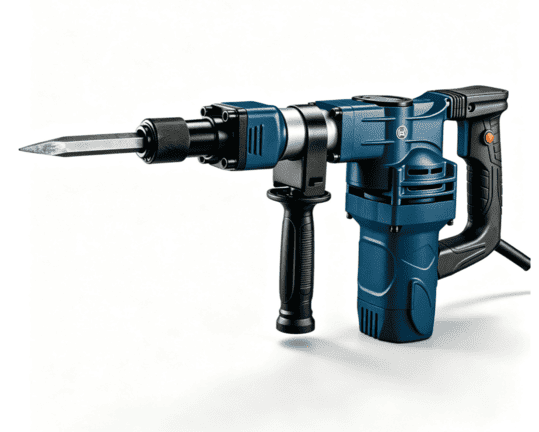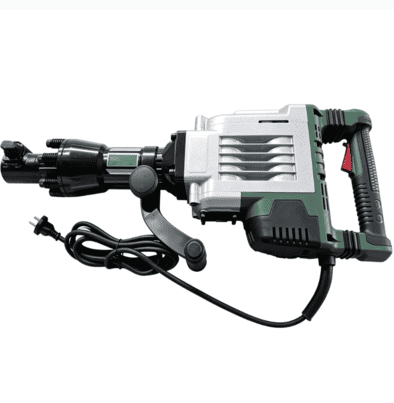
drill machine
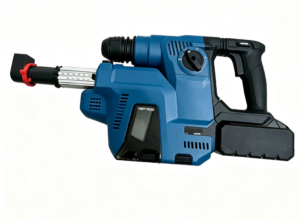
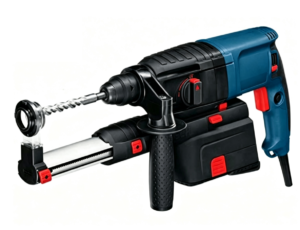
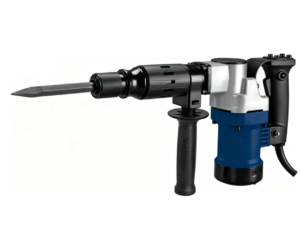
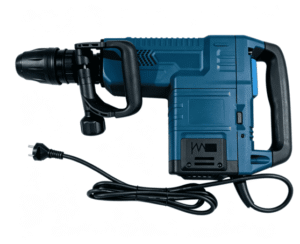
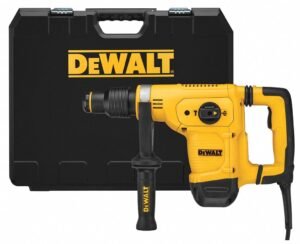
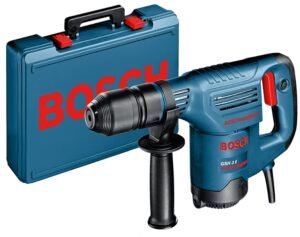
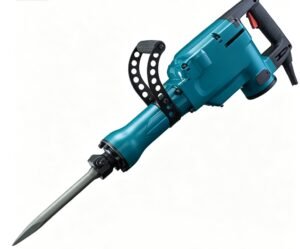
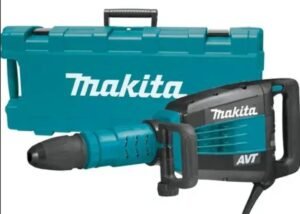
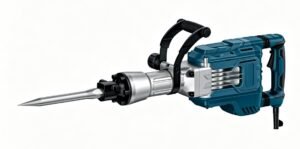
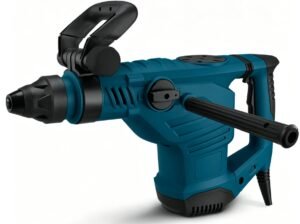
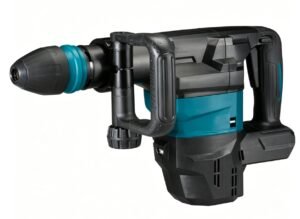
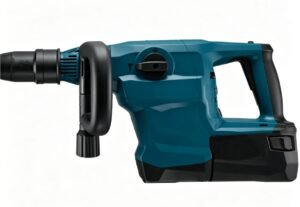
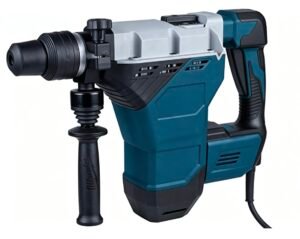
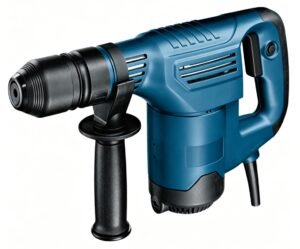
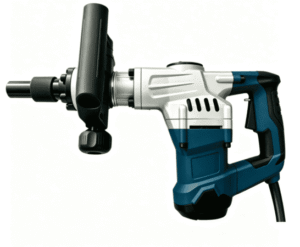
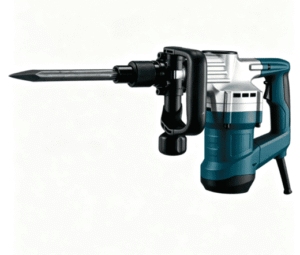
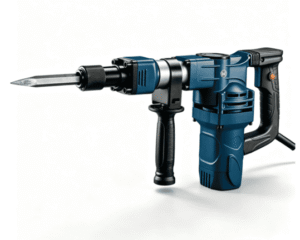
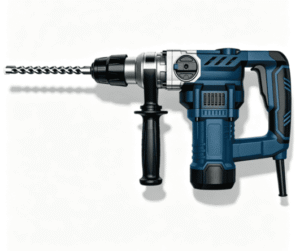
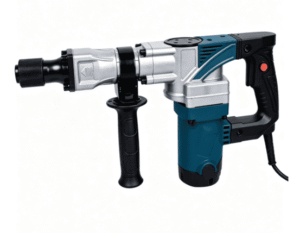
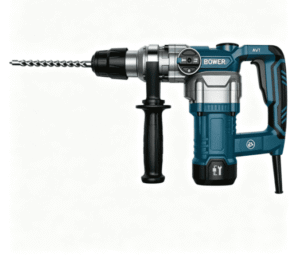
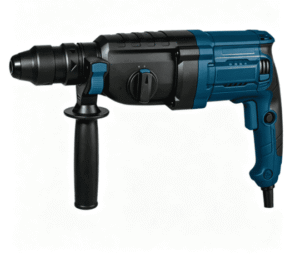
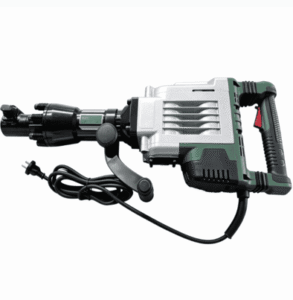
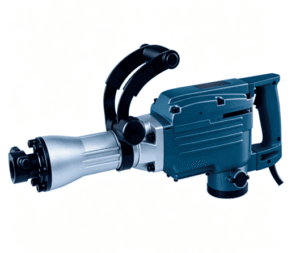
drill machine
A drill machine is a type of general industrial drilling equipment that is used to drill holes on a variety of working surfaces. It can fulfill full-scenario drilling requirements in a variety of industries, from heavy-duty mining exploitation to precise mechanical processing.
Basic Definition and Core Attributes
A drill machine is a class of mechanical equipment used in professional drilling that uses its own power system to drive drill bits in order to process holes. The drill machine can drill vertical, horizontal, and inclined holes in accordance with various building and processing requirements thanks to various tools and power combinations. It can adapt to difficult working angles and structural conditions in engineering construction and industrial production, and it is not restricted to single-angle operation. The drill machine is a fundamental piece of universal industrial equipment that is used in nearly every industry that needs hole forming processing.
It include both civilian processing industries like furniture and mechanical part manufacturing as well as large-scale heavy industries like mining exploitation, infrastructure development, and petroleum drilling. Different kinds of drill machines can offer specialized technological support for tasks like precision small-hole processing for final products or deep hole drilling for resource extraction.
Development History of Drill Machine
Drill machines have been developed throughout thousands of years, starting with simple manual drilling instruments and ending with sophisticated new energy drilling equipment. The world’s first percussion well-drilling machine was created by mankind as early as 221 BC during China’s Qin Dynasty.
Early subterranean water and resource exploitation was made possible by this antiquated drilling apparatus, which used impact drilling principles and could drill as deep as 1500 meters. Modern electric drilling technology started to take shape in the late 19th century following a protracted phase of mechanical and manual exploration. Electrified drilling equipment officially began in 1889 when an Australian innovator received the first electric drill patent in history.
With the successful development of the first portable handheld electric drill in 1895, drill machines underwent a significant change from huge, fixed equipment to portable handheld instruments, considerably expanding the range of applications for drilling tasks. Due to its high terrain adaptability and steady performance, fully hydraulic crawler drilling machines have increasingly become the standard equipment in the industry as we enter the modern industrial era. In order to help the drilling sector achieve effective, low-carbon, and unmanned upgrading, intelligent operation and new energy driving have emerged as the primary development direction of drill machine technology worldwide.
Mainstream Classification of Drill Machines
Different classification criteria apply to drill machines, and they can be classified into various varieties based on practical application scenarios and rock breaking techniques. Each type of drill machine has unique structural properties and suitable working circumstances.
Drill machines are primarily classified into mechanical and physical-chemical types based on the principles of rock breaking. The three types of mechanical drill machines that are most commonly used in the industry are impact rotation, rotary cutting, and rotary impact. These mechanical drilling structures, which are appropriate for the majority of traditional drilling situations, rely on pure mechanical kinetic energy to fracture rock and materials.
They have reliable performance and are inexpensive to operate. Thermal spalling drilling machines, which use unique physical and chemical reaction principles to break through extremely hard strata that regular mechanical drills are unable to penetrate, are an example of the physical-chemical kind. Extreme geological drilling activities involving extremely hard rock layers and intricate formations are the primary applications for this unique drilling technique.
Drill machines can be categorized into three types based on application scenarios: mining engineering, mechanical processing, and woodworking special. Down-the-hole drills, rotary drills, and hydraulic rock drills are examples of mining engineering drilling equipment that is specifically used for open-pit blasting hole drilling, mine tunnel excavation, and underground support hole construction in mining projects.
With an emphasis on precise hole drilling and tapping processing of metal parts in industrial manufacture, mechanical processing drills primarily consist of drilling machines, milling and drilling integrated machines, and multi-axis drilling machines. Professional tools utilized in the furniture production sector, woodworking drilling machines are specifically designed to process tenon holes and plate through holes on wood boards, guaranteeing standard and smooth hole forms for the processing of wood products.
Core Technical Characteristics
When compared to conventional mechanical drilling equipment, modern advanced drill machines have achieved significant improvements in intelligence, energy conservation, and efficiency. Automatic scanning and intelligent path planning systems are features of intelligent drilling machines.
In order to control the drilling placement error within five centimeters, the equipment can automatically recognize the working surface and plan the best drilling track prior to construction. This clever feature significantly increases the accuracy and qualification rate of drilling construction while successfully avoiding hole location deviation brought on by human operation. Lithium battery power supply mode is used by new energy electric drill machines, eliminating the need for an external AC power source entirely.
In accordance with current environmental protection construction regulations, they may operate regularly in outdoor fields, remote building sites, and other off-grid settings while achieving zero emission and low-noise, low-carbon operation. Additionally, multi-axis synchronous drilling machines replace the conventional single-hole repeated processing mode by supporting the simultaneous processing of numerous holes at once.
This equipment may significantly minimize repetitive mechanical labor, shorten processing cycles, and increase production efficiency in mass production and batch processing projects.
Typical Application Scenarios
Drill machines are essential pieces of equipment in the mining, infrastructure, and manufacturing sectors due to their wide variety and strong performance. Professional mining drills perform crucial construction tasks in the mining industry, including tunnel excavation support hole processing, underground gas drainage hole construction, and open-pit mine blasting hole drilling. They provide a secure and dependable hole foundation for mine blasting, gas treatment, and roadway support. Drilling machines are widely employed in the infrastructure industry for horizontal directional pipeline laying, building foundation pile construction, and municipal engineering hole punching.
They are essential tools for building construction, renovating urban roads, and transforming subterranean pipeline networks. In the manufacturing sector, multi-axis equipment enables batch drilling of board furniture, while precision drilling machines finish high-precision drilling and tapping operations for metal mechanical parts. The high-precision and mass production requirements of the contemporary manufacturing industry are successfully satisfied by the employment of drill and milling integrated machines for composite drilling and milling processing of vehicle parts.
Specifications:
Technical Specifications
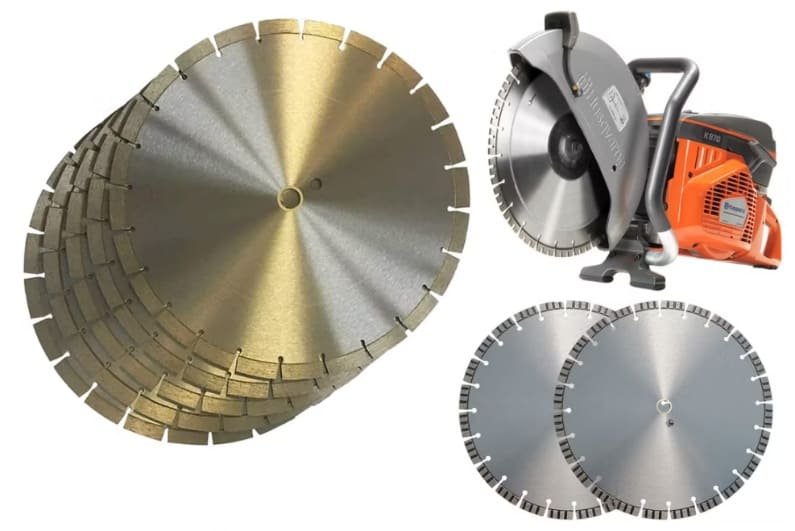
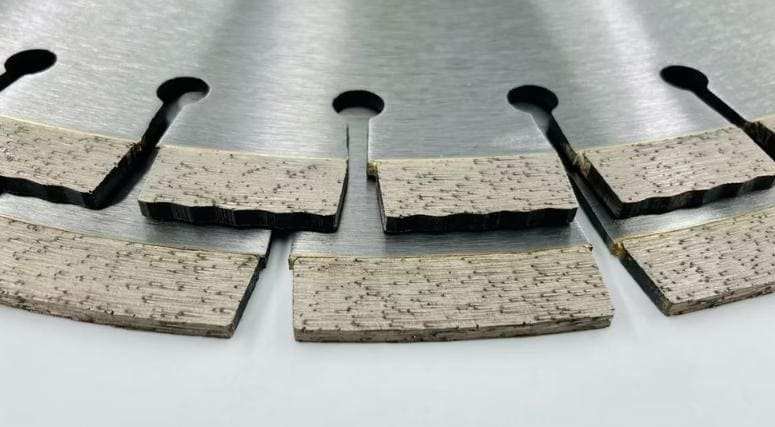
- Diameter: 750 mm (30 inches)
- Segment Thickness: 4.8 mm or 5.0 mm
- Segment Height: 10 mm, 12 mm, or 15 mm (customizable)
- Inner Bore (Arbor Hole): Standard sizes include 25.4 mm (1 inch), 50 mm, 60 mm, and 80 mm. Custom bore sizes are available upon request.
Detailed Specifications for 750mm Blades:
| Inch | Diameter (mm) | Segment Length (mm) | Segment Thickness (mm) | Segment Height (mm) | Segment Number (pcs) |
|---|---|---|---|---|---|
| 30″ | 750 | 40 | 4.8/5.0 | 10 | 46 |
| 30″ | 750 | 40 | 4.8/5.0 | 12 | 46 |
| 30″ | 750 | 40 | 4.8/5.0 | 15 | 46 |
Other Available Diamond Saw Blade Sizes We Manufacture:
| OD (mm) | Length (mm) | Thickness (mm) | Height (mm) | Number (pcs) | Bore (mm) |
| 350 | 40 | 3.2 | 10/12/15 | 24 | 25.4 |
| 400 | 40 | 3.4 | 10/12/15 | 28 | 25.4 |
| 500 | 40 | 4.0 | 10/12/15 | 36 | 25.4 |
| 600 | 40 | 4.4 | 10/12/15 | 42 | 25.4 |
| 650 | 40 | 4.8/5.0 | 10/12/15 | 42 | 25.4 |
| 800 | 40 | 4.8/5.0 | 10/12/15 | 46 | 25.4 |
| 900 | 40 | 4.8/5.0 | 10/12/15 | 52 | 25.4 |
| 1200 | 40 | 4.8/5.0 | 10/12/15 | 68 | 25.4 |
| 1500 | 40 | 4.8/5.0 | 10/12/15 | 90 | 25.4 |
Key Features & Advantages
1)Ultra-Wide Application Compatibility:Drill machines are incredibly versatile industrial tools that may be used in a variety of settings and with a wide range of materials. By swapping out different drill bits and operating modules, they can handle a variety of media, including hard rock, concrete, metal, and wood. This machine can reliably finish conventional drilling jobs, whether they are for delicate furniture hole processing or heavy mining rock breaking. Because of their great interoperability, a single device series can be used in the manufacturing, resource exploitation, and construction industries. It simplifies general industrial operating procedures and successfully lowers equipment purchase costs for manufacturers and technical teams.
2)Diversified Rock-Breaking and Drilling Modes:In order to adapt to various geological and material circumstances, modern drill machines support several working principles, such as impact rotation, rotary cutting, and physical-chemical spalling. While specialized thermal drilling technology resolves the drilling challenges of ultra-hard strata, conventional mechanical drilling guarantees steady and effective processing for the majority of ordinary materials. Depending on the structural complexity and hardness of the site, users are allowed to change their working methods. The success rate of drilling in challenging working conditions is significantly increased by this diverse design, which overcomes the limitations of a single operating mode. It increases the adaptability and dependability of drilling construction in a variety of harsh conditions.
3)High Precision and Intelligent Operation Performance: To achieve digital drilling operation, new-generation intelligent drill machines are outfitted with automated scanning and precise path planning features. When compared to conventional manual operation, the accuracy of hole position and hole depth is significantly increased since the positioning error can be rigorously controlled within 5 centimeters. In response to material changes, the intelligent system may instantly modify operating parameters and automatically rectify drilling deviation. It successfully prevents processing errors brought on by human error and minimizes manual involvement. For high-standard infrastructure projects and mechanical production, this high-precision performance is especially crucial.
4)High Efficiency and Mass Production Capacity:Instead of doing repeated single-hole operations, contemporary drill machines with multi-axis synchronous drilling structures may process numerous holes simultaneously. In batch manufacturing scenarios, this structural advantage significantly increases production speed and reduces the whole processing cycle. High-power drilling devices also greatly increase single-hole forming speed in mining and infrastructure development. Slow hand drilling is replaced by effective mechanical operation, which also lowers labor intensity. It significantly raises the general productivity of engineering construction and industrial output.
5)Low-Carbon and Environment-Friendly Working Ability:As new energy technologies gain traction, more drill machines are switching from gasoline and wired power modes to lithium battery electric drives. Modern green building criteria are met by the battery-driven architecture, which achieves zero exhaust emissions and low-noise operation throughout the working process. It can operate regularly in isolated highland regions, off-grid outdoor locations, and environmentally restricted areas. Additionally, the redesigned electric structure lowers energy consumption and mechanical wear. Modern drill machines are better suited to future low-carbon industrial development trends because to this eco-friendly and adaptive working capability.
Packing, Delivery & Shipping
If can reach MOQ 800pcs or 500pcs, can make color box + carton box, or BMC box+ color sleeve, OEM your brand or our brand also ok. logo, sticker, color box, carton box design please provide your PDF file.
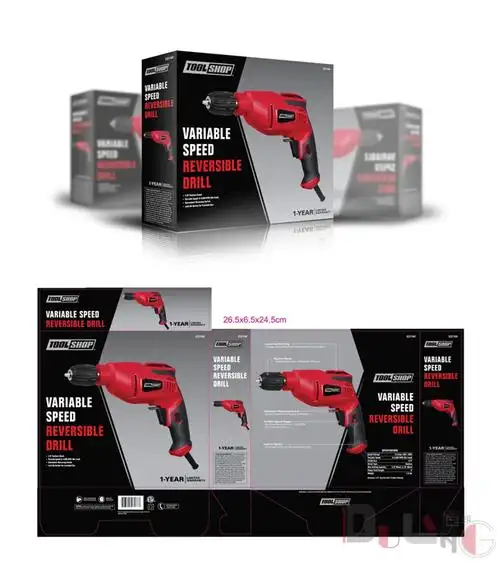
If can not reach MOQ, can nuetural brown box + carton box, sticker can make your own brand.

If
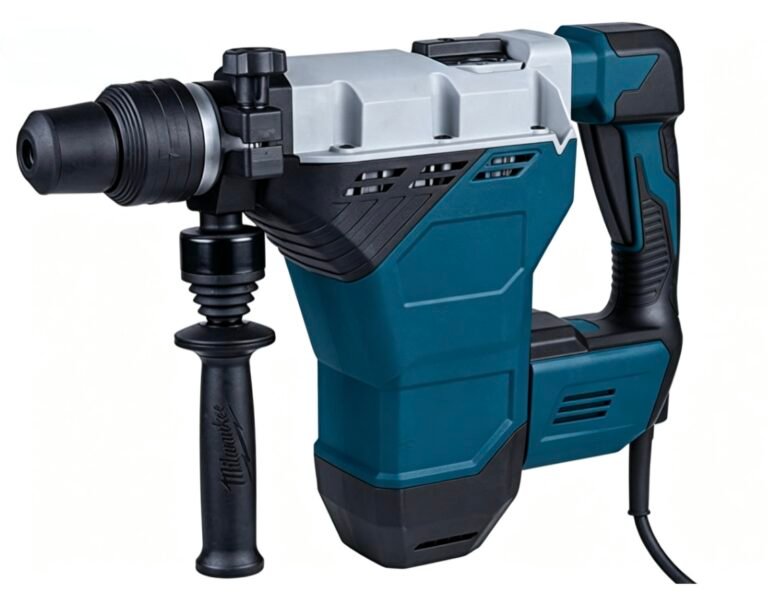
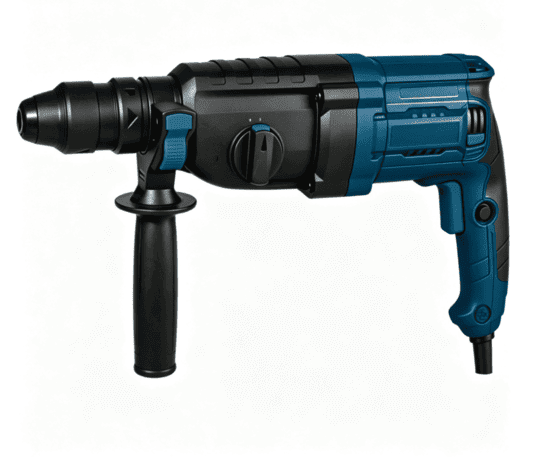
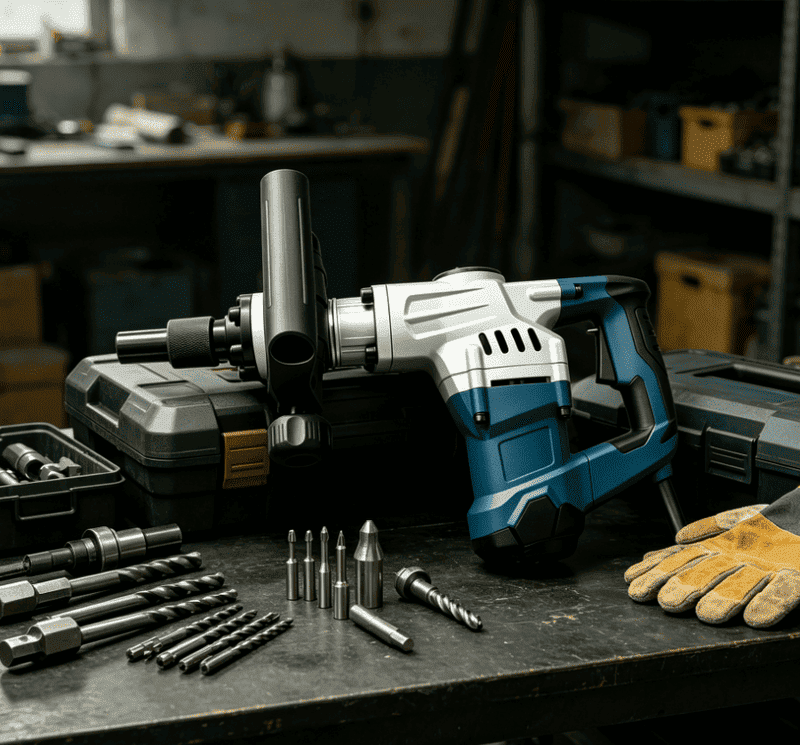
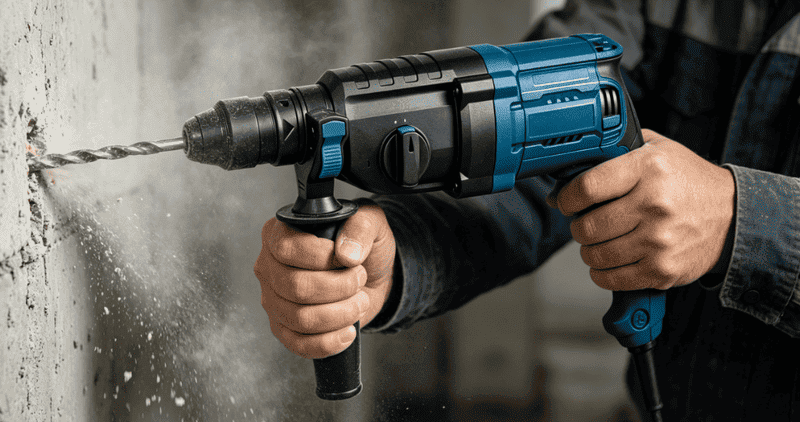
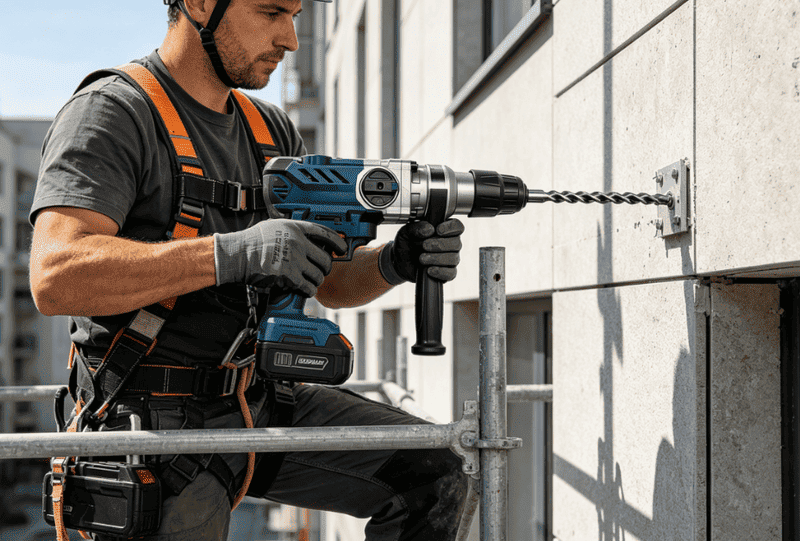
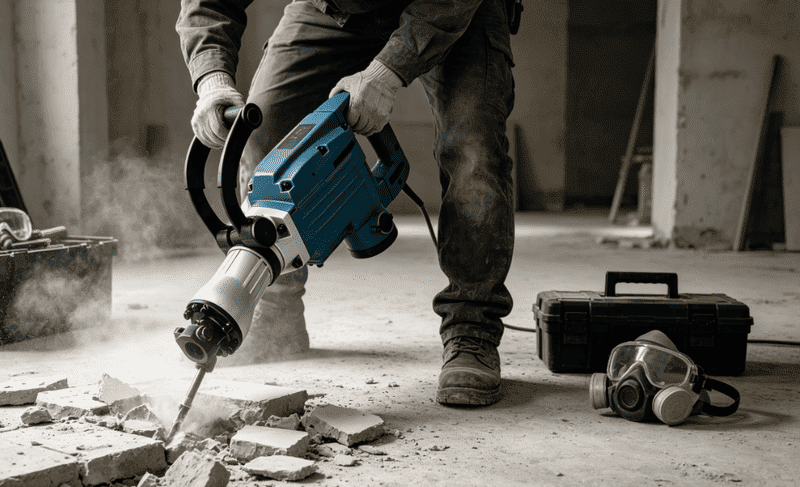
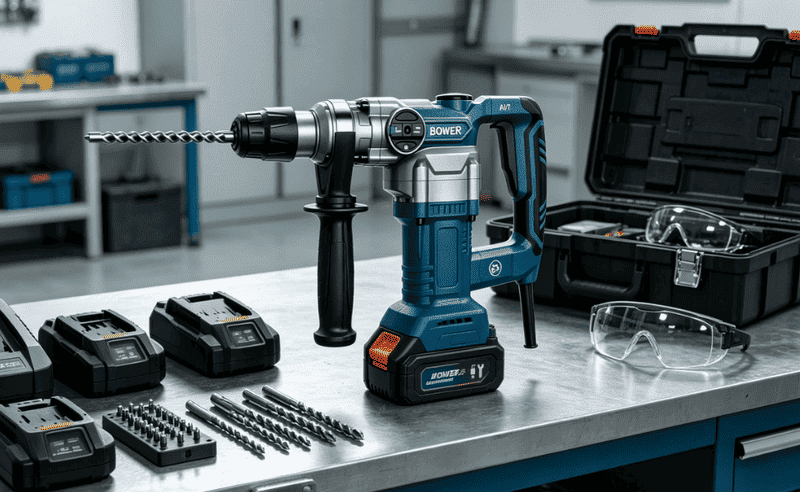
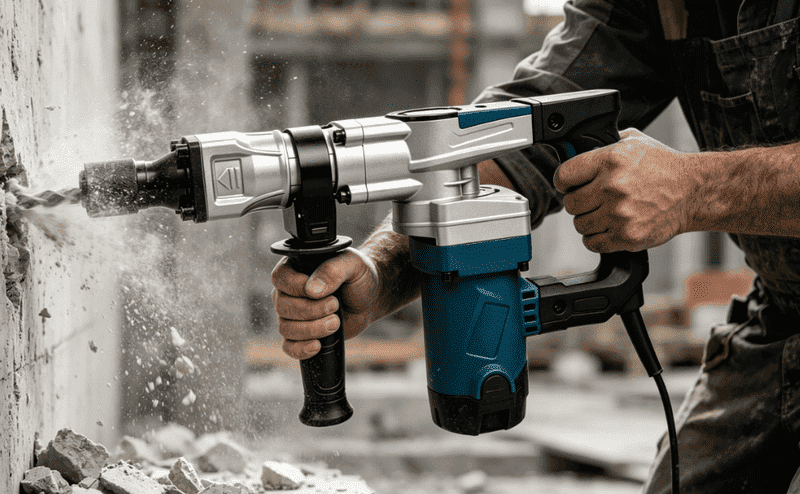
Demolition Hammer & Rotary Hammer
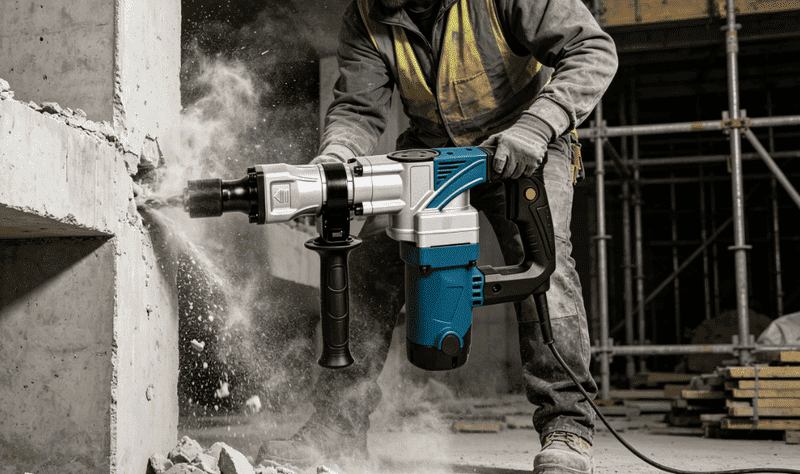
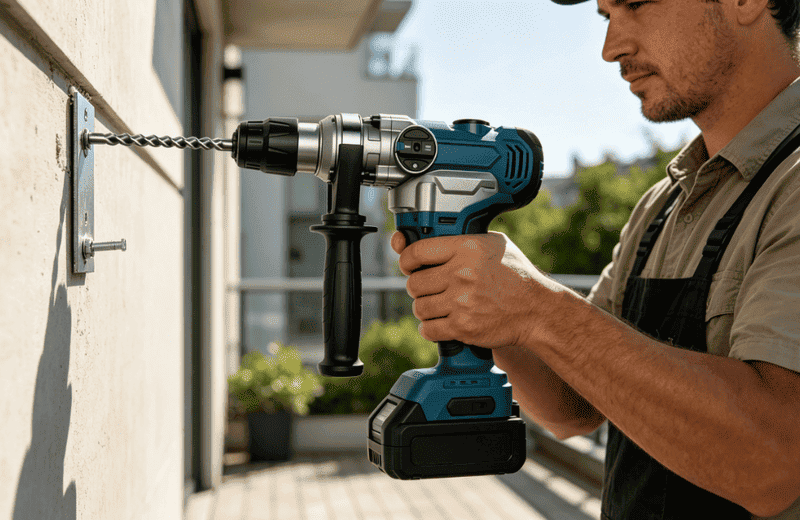
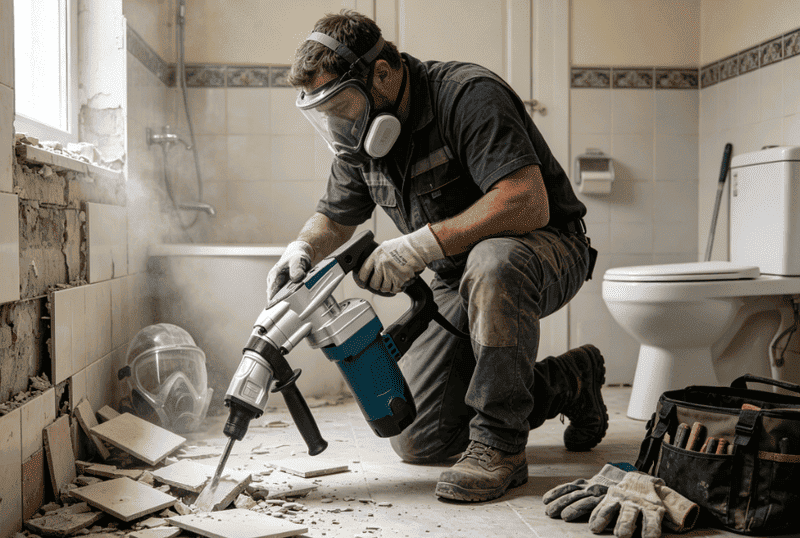
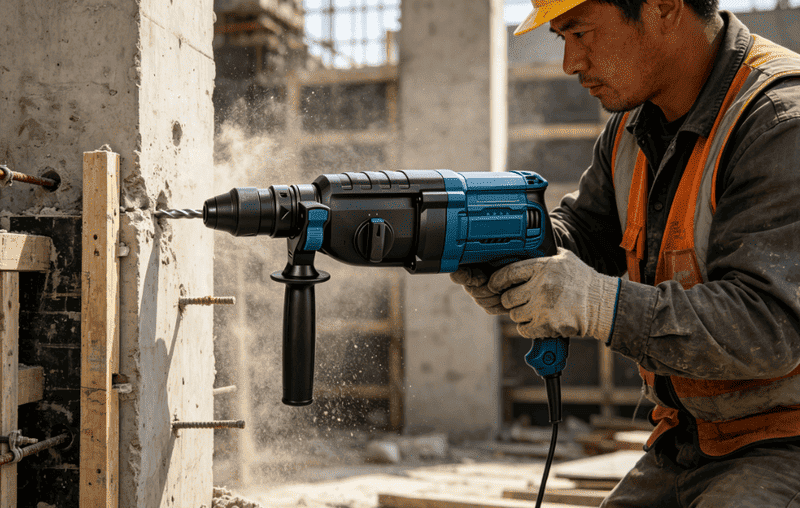
Wide Application Scenarios
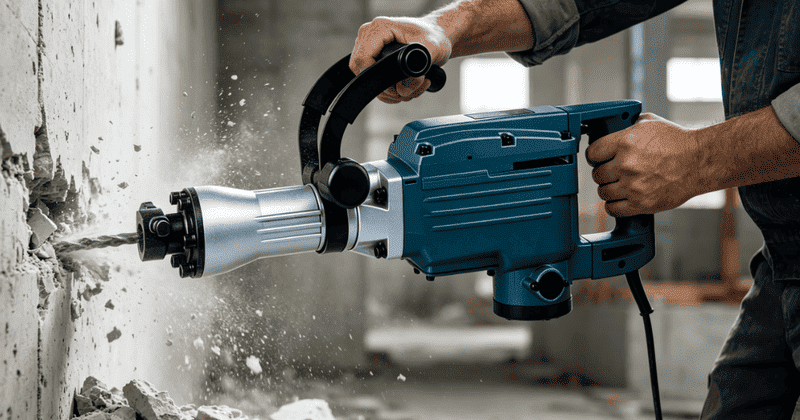
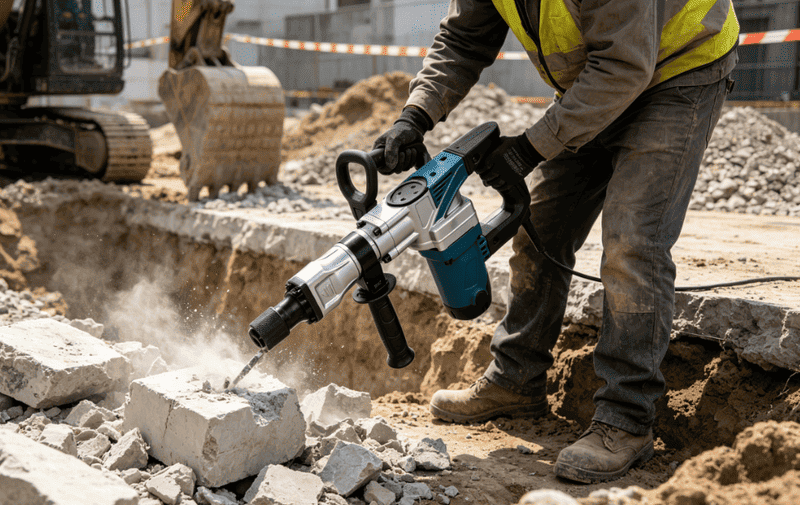
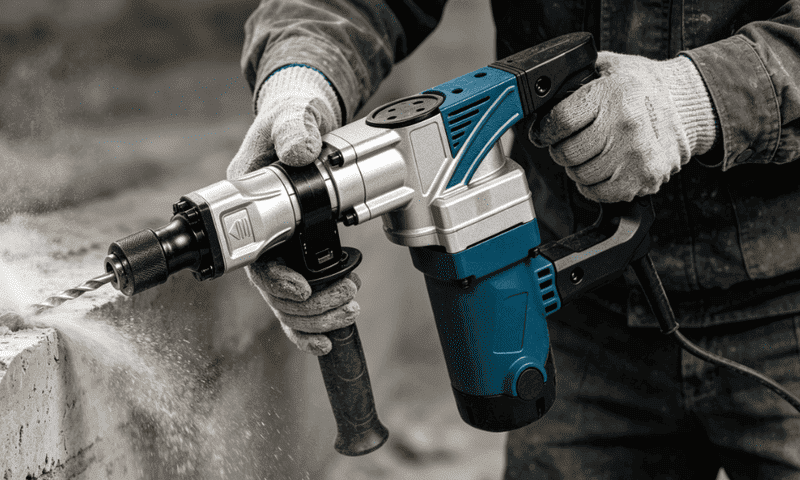
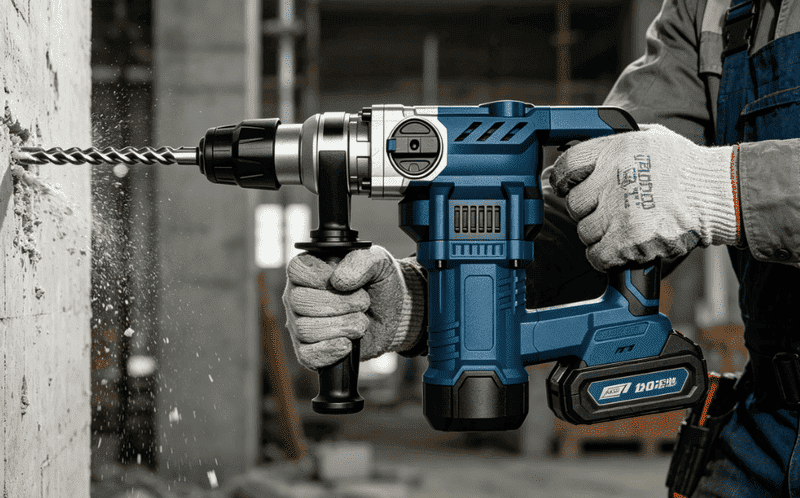
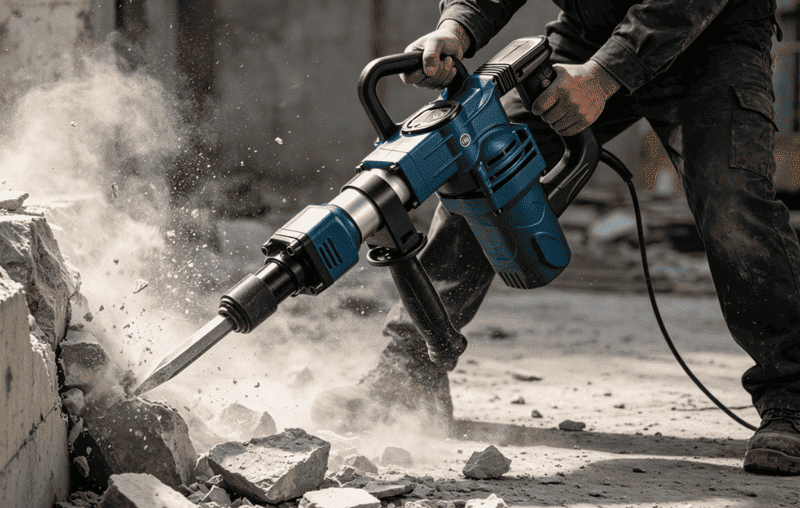
Nearly all heavy-duty engineering breaking and demolition scenarios are covered by the incredibly broad industrial adaptability of this line of 1700W MAX heavy-duty demolition hammers.
It has become the go-to core tool for professional engineering contractors, municipal engineering teams, and large equipment leasing companies. It is widely used in steel bar concrete crushing, urban road renovation and demolition, large building structure reconstruction and dismantling, mine quarrying and material pretreatment, pipeline foundation excavation, and other high-intensity engineering operations.
It provides dependable pre-processing support for the regular operation of subsequent high-speed grinding equipment, industrial pulverizers, and full-set grinding machines.
In industrial supporting scenarios, it is frequently used for the demolition and renovation of old factory buildings, production line reconstruction, and equipment foundation dismantling.
It can produce uniform particle size raw materials, thereby improving the processing efficiency of food, chemical, medical, and metal materials and lowering the operating energy consumption and failure rate of 200KG grinder and 500KG grinder production lines. This is true whether coarse crushing pretreatment is combined with coarse crusher and Hammer Mill, or fine grinding supporting for Ultrafine Grinder and airflow pulverizer.
Demolition Hammer & Rotary Hammer
Angle
Diamond Blade

Welcome to call us
Contact Us to get quotation
Working Time: 8:00~17:00 Monday to Friday.
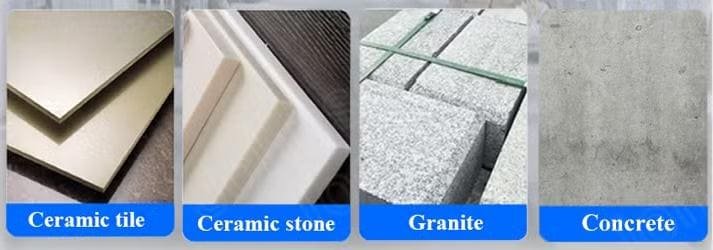
Applications:
Factory:
FAQ
Welcome to call us
Contact Us to get quotation
Working Time: 8:00~17:00 Monday to Friday.