
Can a diamond blade break?
Yes, diamond blade can break.
The diamond saw blade, a multi-edged tool with outstanding cutting performance, surpasses ordinary alloy saw blades in both lifespan and cutting efficiency.
However, nothing is absolute. Despite its superior performance, the manufacturing cost of diamond saw blades is significantly higher than that of ordinary alloy saw blades.
Yet, even so, many industrial aluminum profile processing companies and stone processing enterprises still opt for diamond saw blades for cutting profiles.
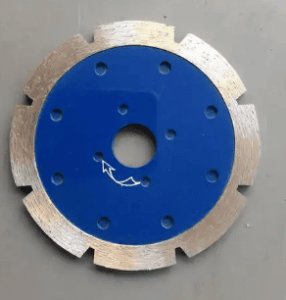
The widespread acceptance of diamond saw blades reflects the relentless pursuit of product quality by many businesses. Among the reasons for their extensive use are burr-free cutting and high precision.However, there is rarely a perfect solution. As a type of saw blade, diamond saw blades are ultimately consumables. Over time, even the highest-quality diamond saw blades will wear out.
Compared to ordinary alloy saw blades, which may suffer from broken teeth or base fractures, the cost of discarding a single blade is relatively low. But for diamond saw blades, it represents a significant expense.
While larger enterprises may have more flexibility in deciding whether to discard a worn diamond saw blade, smaller businesses often act cautiously, even hesitating to retire a blade that has already worn out.
In reality, one of the most common signs of wear in diamond saw blades is root fractures in the teeth, a frequent issue encountered during use.
Compared to tooth wear, root fractures are more severe and have greater negative consequences. There are numerous examples where root fractures have disrupted business operations.
Therefore, for companies using diamond saw blades for cutting, in addition to selecting high-quality blades upfront, it is crucial to prepare for potential root fractures during usage.
Why Do Root Fractures Occur in Diamond Saw Blades?
Reason 1: The cutting force exceeds the tooth’s limit
As a multi-edged tool, the cutting performance of a diamond saw blade depends on its teeth. Although the teeth are made of diamond, even this exceptional non-metallic material has a fatigue life.
When cutting different materials, factors such as the material’s hardness, feed speed, and rotation speed affect the blade’s lifespan. If the cutting force per unit area exceeds the peak fatigue limit of the blade, root fractures are likely to occur.
To control the cutting force within a reasonable range, operators must adjust cutting parameters based on the material to prevent fractures.
Reason 2: Inadequate cooling
During operation, the teeth endure extremely high temperatures due to continuous cutting. While diamond teeth are highly durable, prolonged exposure to heat can still cause damage.
After extended use, scratches often appear at the junction between the teeth and the blade base. If not addressed promptly, aluminum chips can adhere to the base, hindering heat dissipation. Over time, this leads to overheating, deformation, and eventually root fractures.
Reason 3: Material factors
Different materials have varying properties. Harder materials impose greater mechanical impact on the blade during cutting.
For example, diamond saw blades wear out faster when cutting stone compared to aluminum profiles, where the mechanical impact is lighter. Thus, blades used for aluminum typically have a longer lifespan and fewer root fractures.
Preventive Measures
Measure 1: Ensure proper cooling during cutting
The friction-generated heat during cutting is immense. Although diamond blades have excellent heat resistance, prolonged exposure accelerates wear.
To maintain optimal tooth temperature, a micro-lubrication cooling device is widely used. This device sprays atomized cutting fluid at a rate of 0.05 mL per second, effectively controlling the blade’s surface temperature.
Measure 2: Blade re-sharpening to restore performance
Despite being consumables, diamond saw blades can be re-sharpened to extend their usability. While cooling measures delay wear, re-sharpening is necessary for blades with root fractures or significant wear.
Re-sharpening can restore up to 80% of a blade’s cutting performance, offering cost savings for businesses. Even large enterprises facing high procurement costs can benefit from this service.
The Issue of Diamond Saw Blade Wear
Diamond saw blade wear has long been a challenge for aluminum profile and stone processing companies. To address root fractures, proper cooling and post-use re-sharpening are critical.
Why Do Ultra-Thin Diamond Saw Blades Crack During Use?
Ultra-thin diamond saw blades may crack due to the following reasons:
- Poor blade quality: Inferior diamond particle bonding, manufacturing defects, uneven flatness, inconsistent structure, excessive hardness, or lack of toughness can lead to cracking under high-speed rotation and stress.
- Overheating: Prolonged cutting or insufficient cooling raises internal stress, causing thermal fatigue cracks and eventual cracking.
- Overloading: Cutting materials harder than the blade’s design limits or excessive feed pressure can cause extreme stress and cracking.
- Excessive rotation speed: Operating beyond the blade’s maximum designed speed subjects it to excessive centrifugal force, leading to structural failure.
- Improper installation: Unbalanced or loose mounting causes vibration and impact, eventually resulting in cracking.
- Misuse: Incorrect blade size, improper installation, or excessive circumferential speed can cause cracking.
- Material issues: Irregular or excessively long materials, or contaminants like nails or uneven surfaces, can disrupt cutting and cause cracking.
- Poor maintenance: Lack of regular re-sharpening or improper maintenance increases cutting load, leading to cracking.
To prevent cracking, ensure high-quality blades, proper installation, and controlled cutting parameters. Regular maintenance and operator training are also essential.
Why Do Diamond Saw Blades Lose Teeth?
Beyond normal wear, tooth loss in diamond saw blades can occur due to:
- Excessive welding temperature: During production, welding temperatures above 950°C can create brittle martensite structures in the teeth, making them prone to breakage.
- Lack of tempering: Skipping the tempering process reduces blade toughness, increasing the risk of tooth loss.
Given their high cost, ensuring strict quality control during production and selecting reliable suppliers are vital. Re-sharpening worn blades can extend their lifespan by months, offering significant cost savings.
Conclusion
“Great things are achieved through attention to detail.” To maximize the performance of diamond saw blades, both manufacturers and users must remain vigilant and avoid complacency.
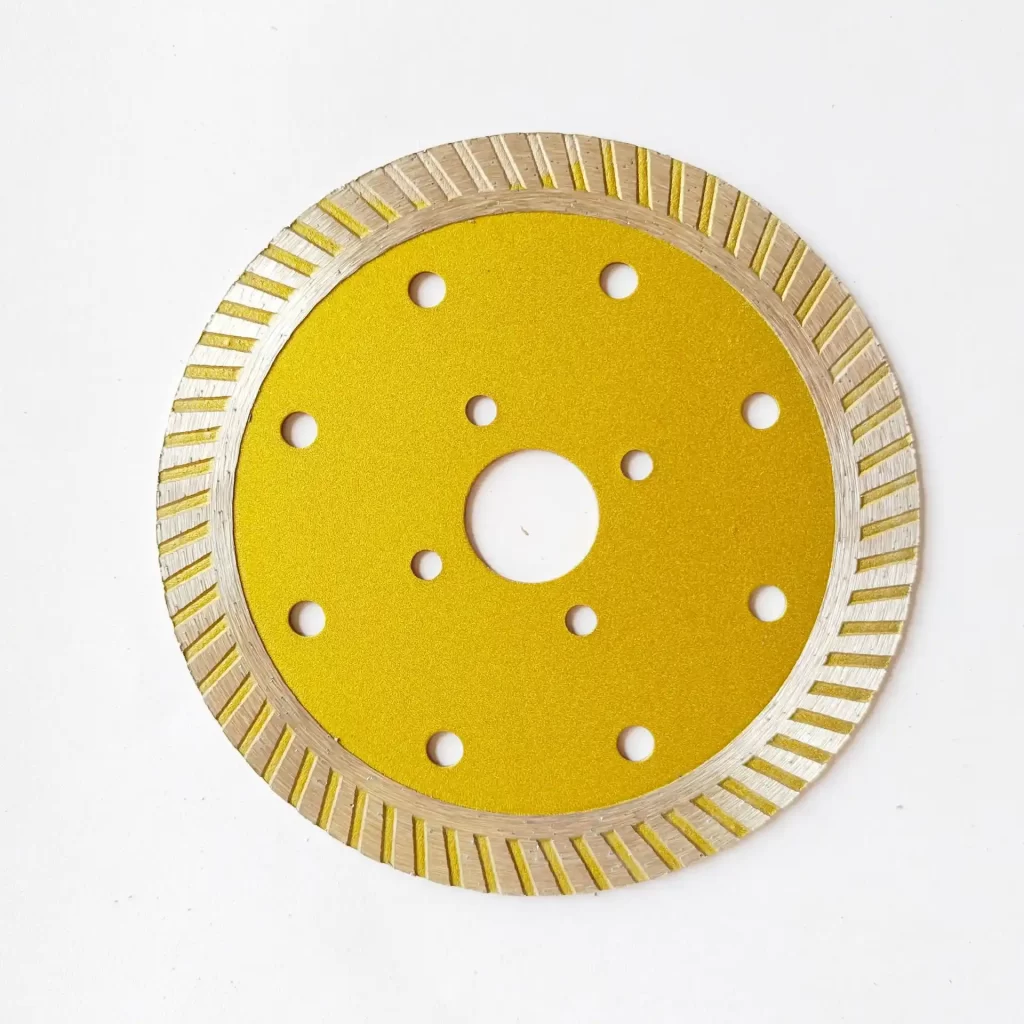
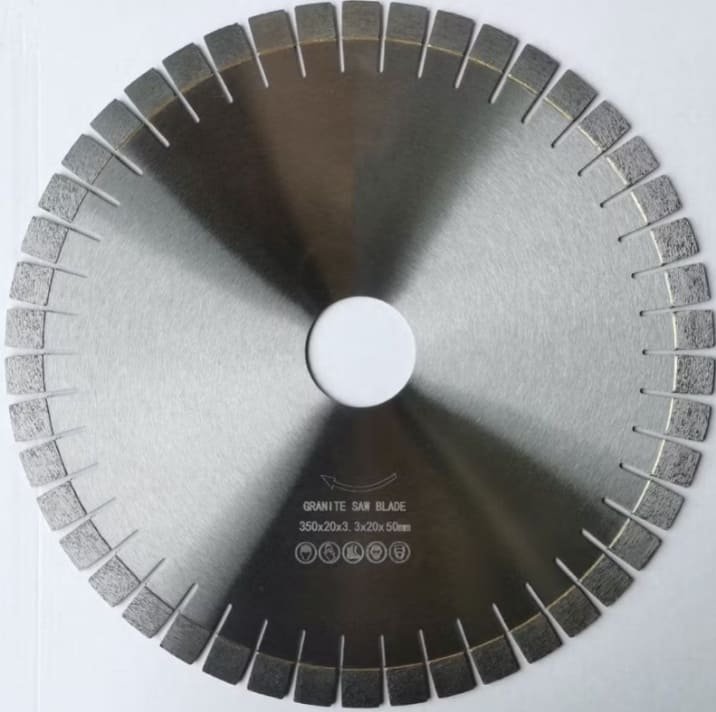
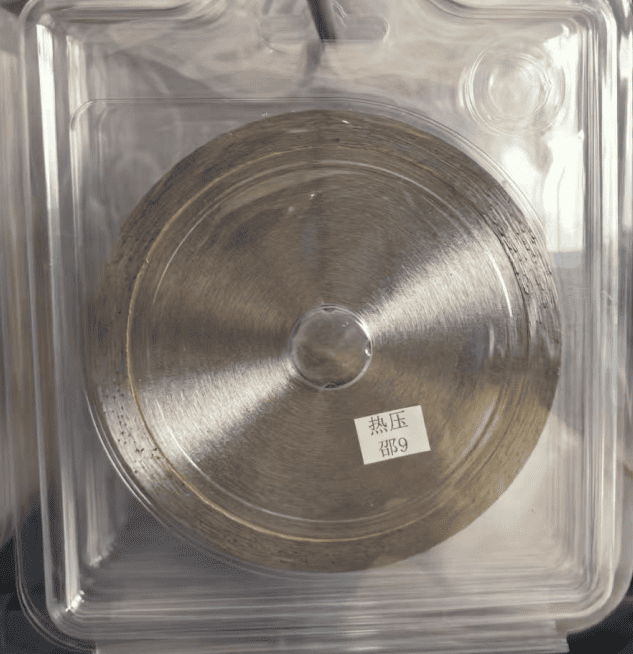
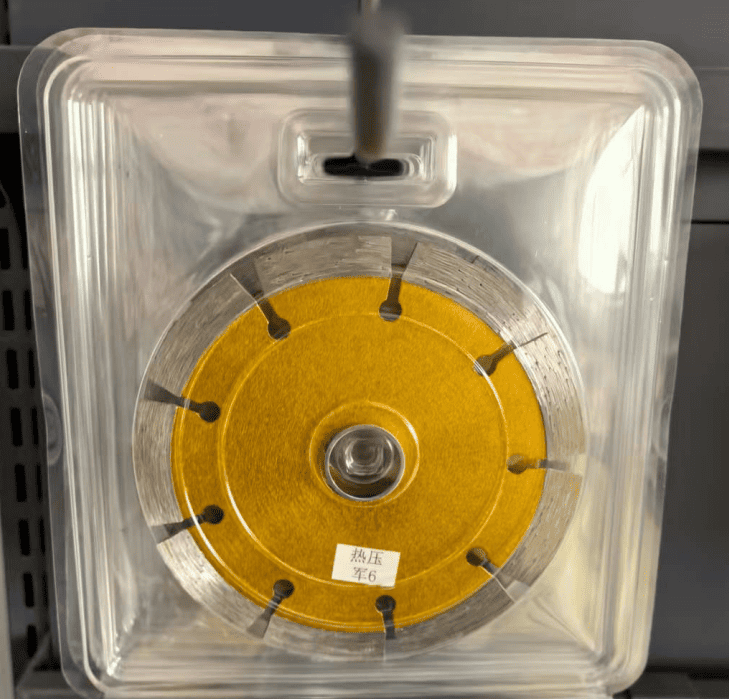
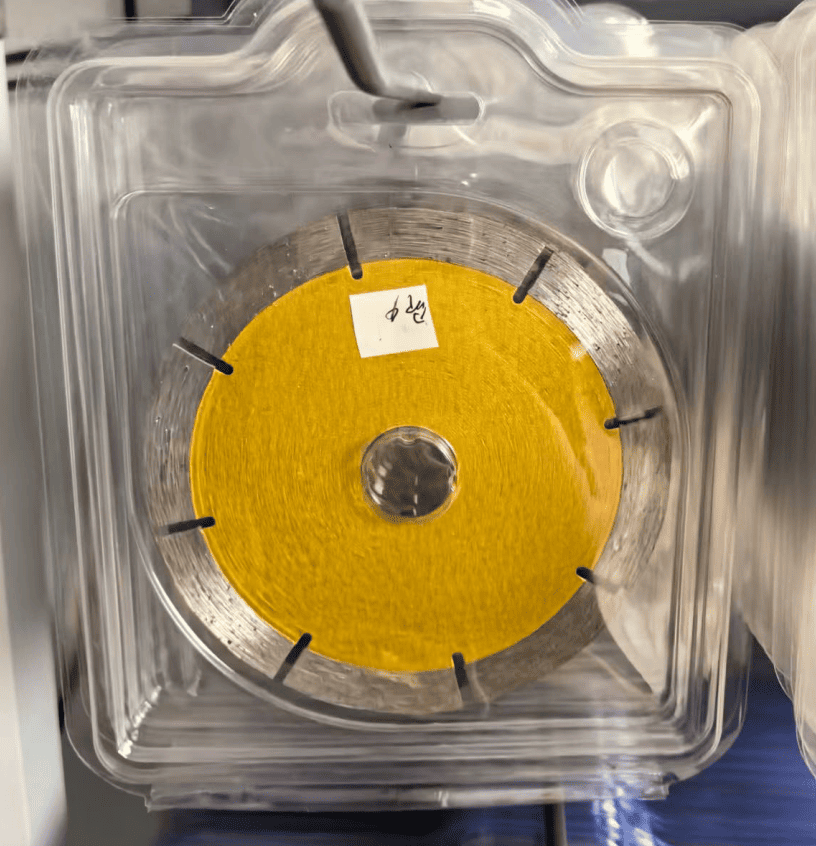
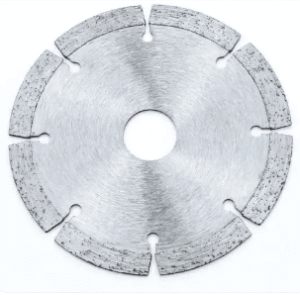
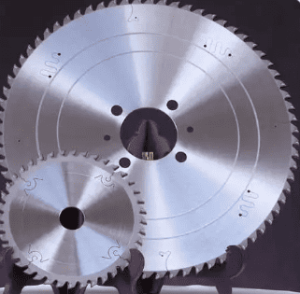
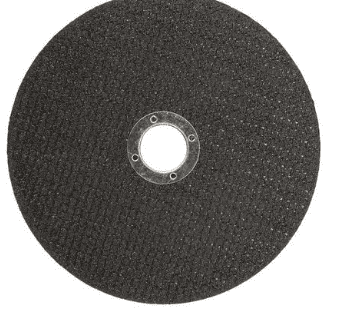
Diamond Blade for Sale:

Related Post about diamond blade
Di
-768x443.jpeg)