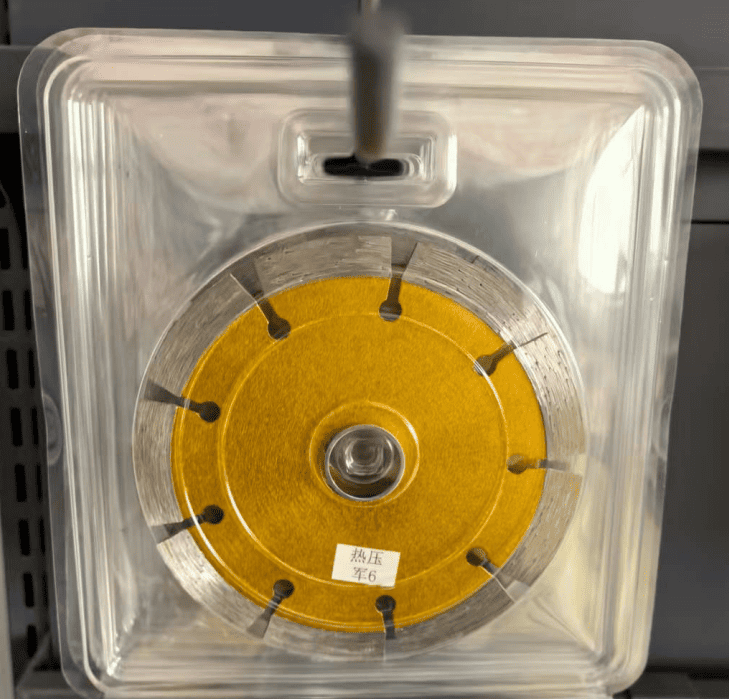
Turbo cutter diamond blade
1
Customize diamond blade
When place order for saw blades please inform the following:
Price: US$180
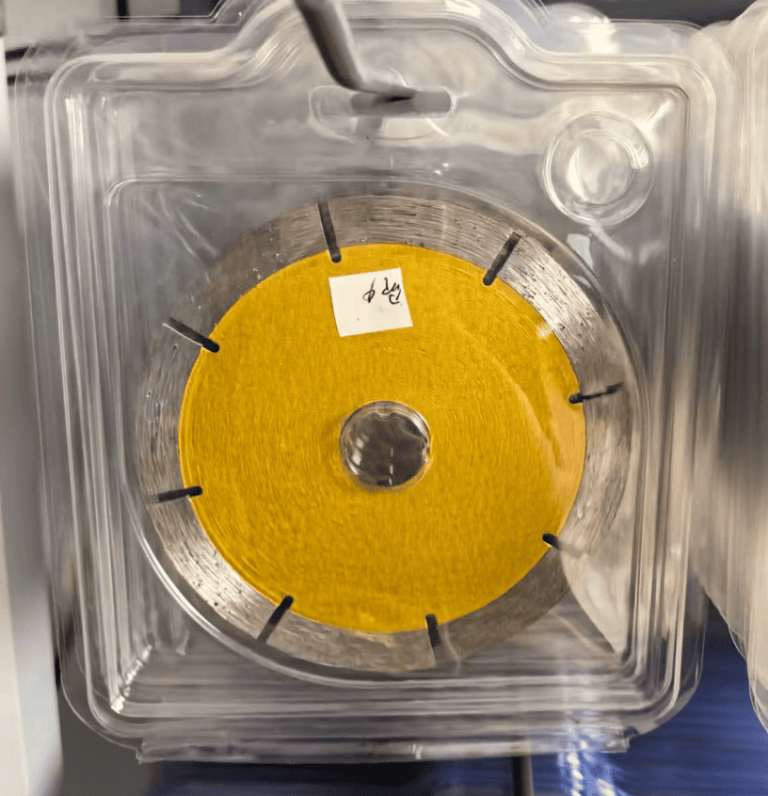
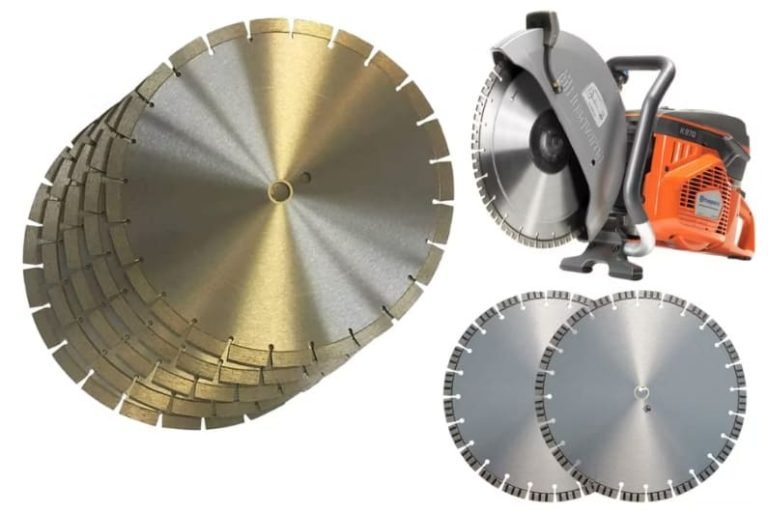
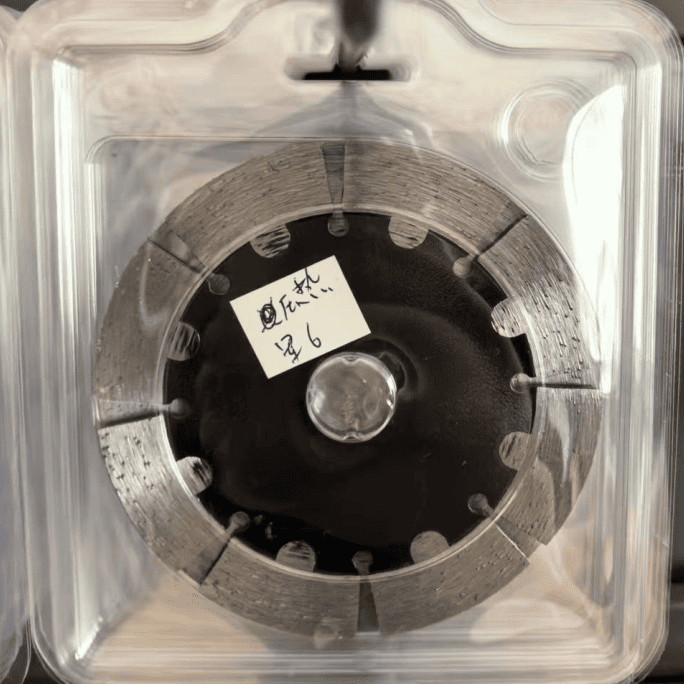
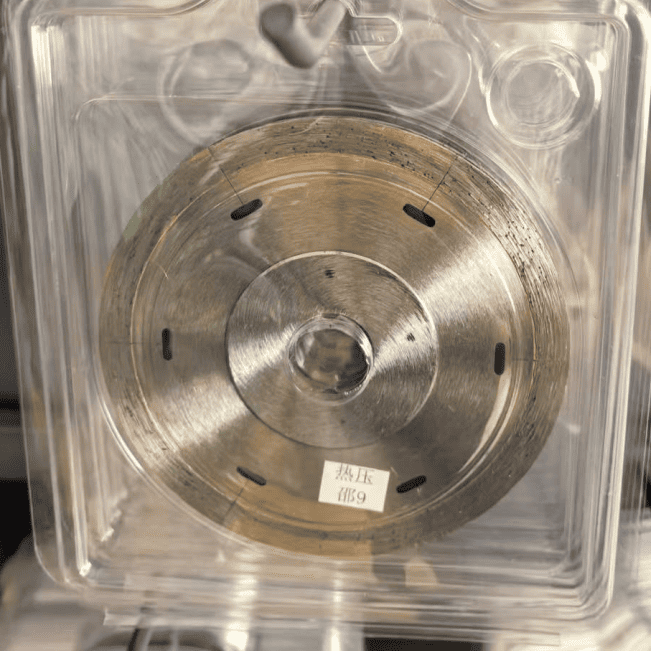
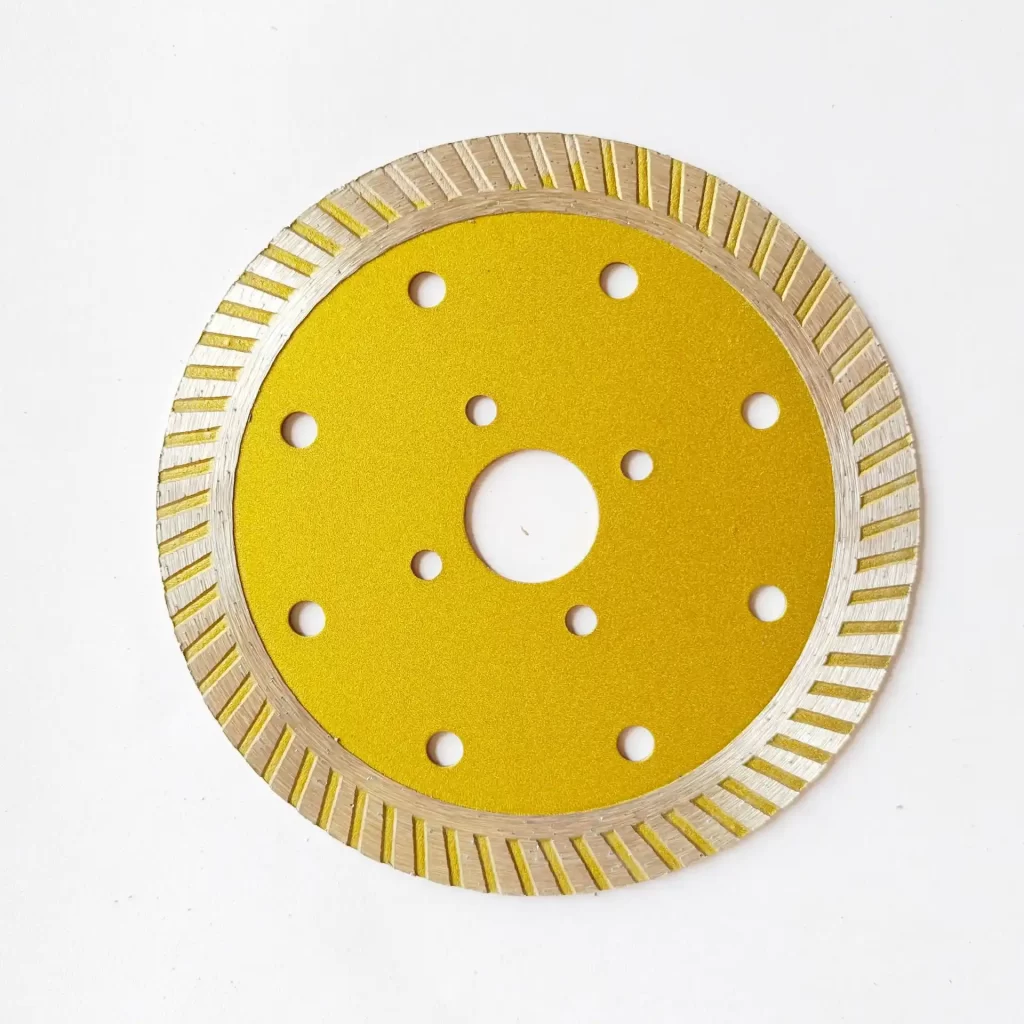
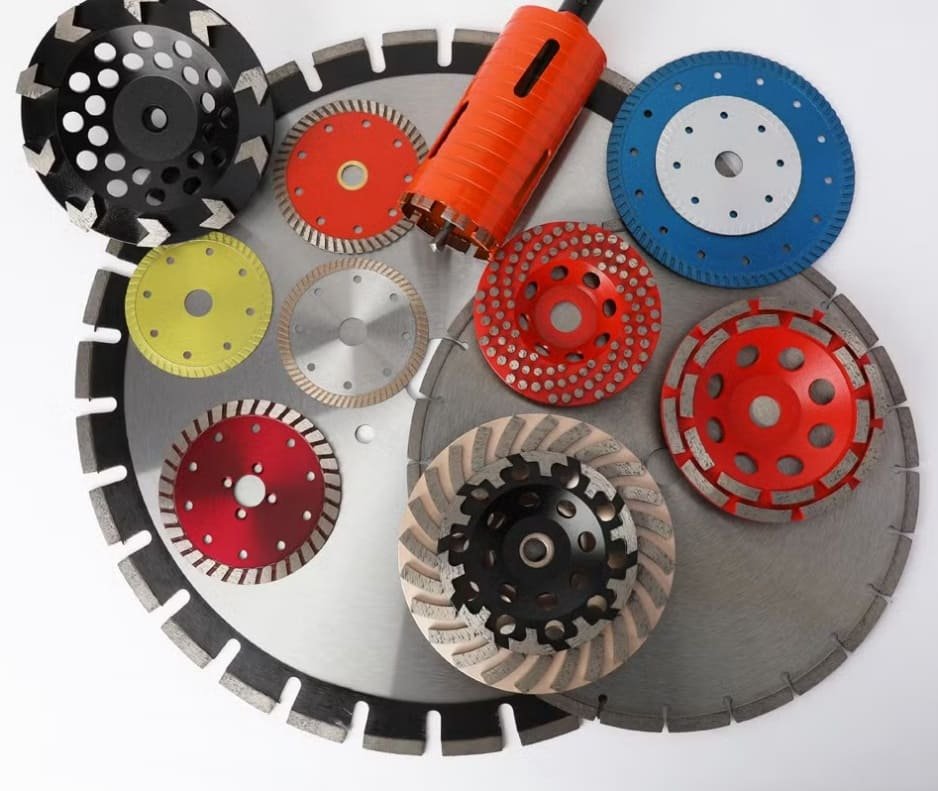
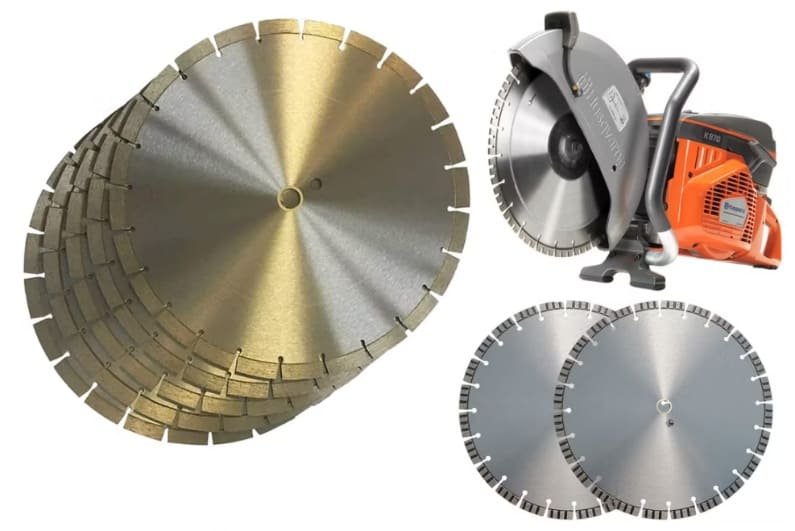
Turbo Cutter Diamond Blade A turbo cutter diamond blade is a high-performance cutting tool designed with a unique turbine-shaped tooth structure, combining the advantages of continuous-rim and segmented diamond blades. It leverages the extreme hardness of diamond particles to efficiently cut hard and brittle materials like stone, ceramic, concrete, and marble. Unlike traditional blades that often struggle with slow cutting speeds, poor heat dissipation, or uneven chip removal, turbo cutter blades solve these issues through their optimized design—delivering faster cutting, longer service life, and smoother results. This article breaks down its core principles, types, selection methods, application scenarios, and maintenance tips in simple terms, helping users fully understand how to use this tool to balance cutting efficiency and cost.
What Is a Turbo Cutter Diamond Blade?
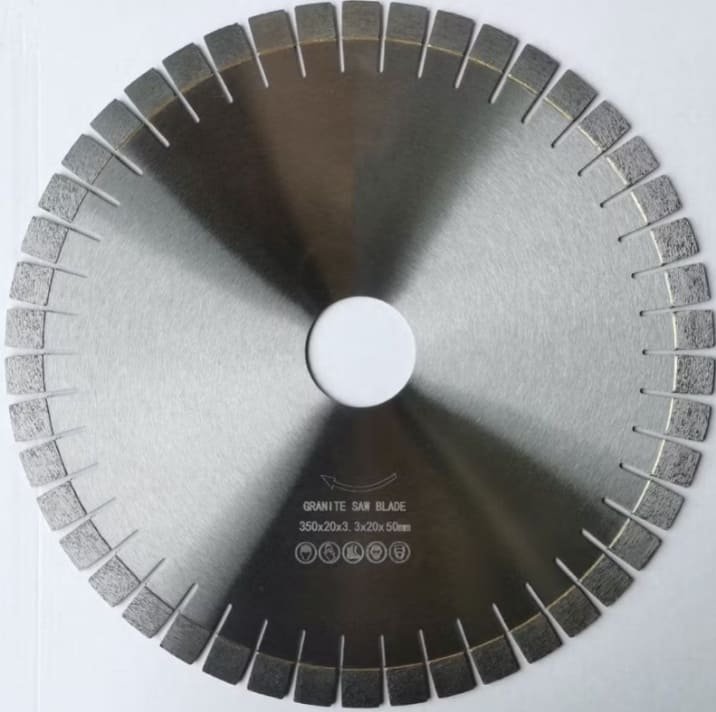
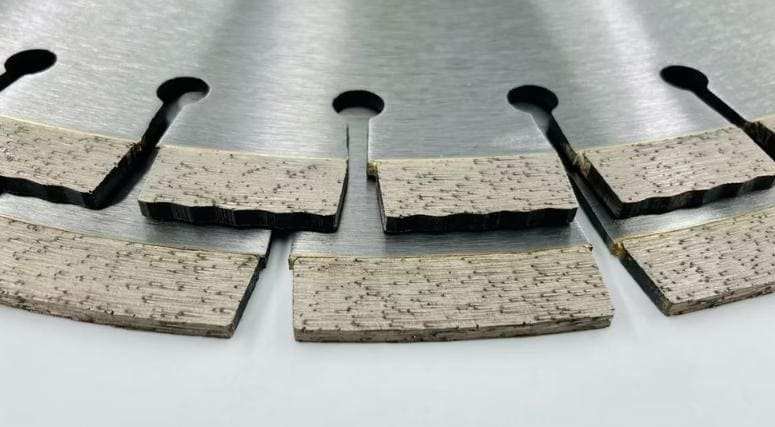
Turbo cutter diamond blades belong to a specialized category of diamond saw blades, distinguished by their turbine-like tooth arrangement. The teeth feature uniform convex and concave patterns around the blade’s edge, rather than the straight, continuous rim of traditional blades or the disconnected gaps of segmented blades. This hybrid design merges two key benefits: the smooth cutting of continuous-rim blades and the fast, efficient chip removal of segmented blades. At its core, the blade consists of two main parts: a metal base (or “core”) and diamond-impregnated cutting segments. The metal base provides structural support, ensuring stability during high-speed rotation; it rarely wears out and can be reused if segments are replaced. The cutting segments, which do wear down over time, contain diamond particles—one of the hardest materials on Earth—held in place by a metal binder. As the blade spins, these diamond particles grind and shear through hard materials, with new sharp particles exposed as the outer layer of the segment wears away, maintaining consistent cutting performance. Turbo cutter blades are widely used in both professional construction (e.g., concrete cutting, stone processing) and home renovation (e.g., ceramic tile trimming), thanks to their versatility and ability to handle diverse hard materials.
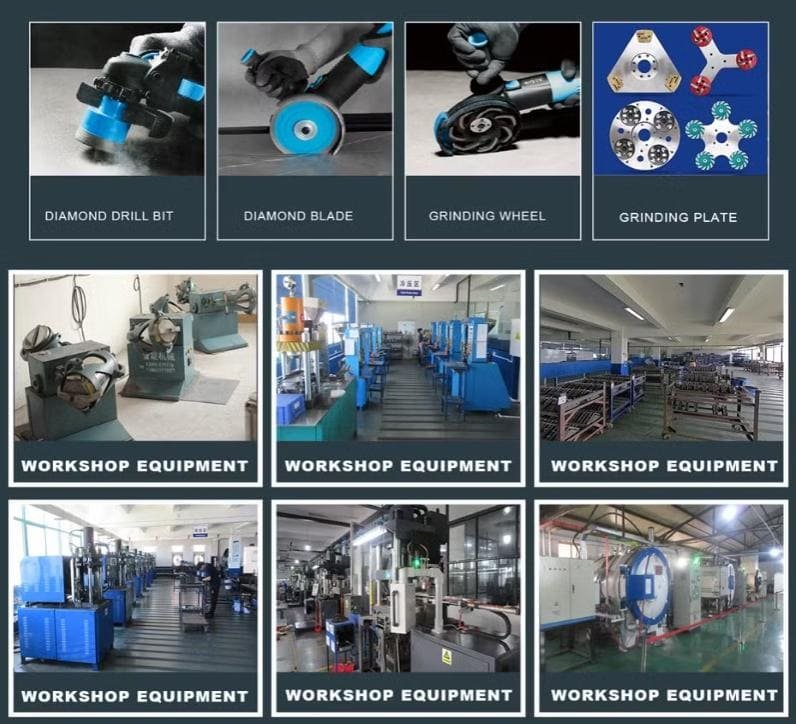
How Turbo Cutter Diamond Blades Are Made: Key Manufacturing Processes Turbo cutter diamond blades are produced using three main manufacturing techniques, each with unique advantages for different use cases: **sintering, welding, and electroplating**.
1. Sintered Turbo Blades Sintering is a common method for making durable turbo blades. It involves mixing diamond particles with a metal binder (often bronze or iron-based) and pressing the mixture into the turbine-shaped segment molds. The molds are then heated at high temperatures (usually 700–900°C) in a furnace—either through “cold pressing” (pressing first, then heating) or “hot pressing” (applying heat and pressure simultaneously). This process fuses the diamond particles and metal binder into a dense, hard segment. Sintered turbo blades excel in wear resistance and cutting stability, making them ideal for heavy-duty tasks like cutting thick concrete or granite. However, the manufacturing process is more complex, which can make them slightly more expensive than other types.
2. Welded Turbo Blades Welding attaches pre-made turbo-shaped diamond segments to the metal base using high heat. Two common welding methods are used: – **High-frequency welding**: Uses electromagnetic induction to heat the base and segments to 600–800°C, melting a metal filler (like silver-copper alloy) to bond them. This method is cost-effective and works for all blade sizes, from small 180mm models to large industrial ones. – **Laser welding**: Uses a focused laser beam to melt the edges of the segments and base directly, creating a strong “metallurgical bond” without filler. Laser-welded turbo blades have higher strength and can handle dry cutting or high-speed operation, though they are often limited to smaller diameters (under 600mm) due to equipment constraints. Welded turbo blades are popular for their balance of durability and efficiency, suitable for both construction sites and workshops.
3. Electroplated Turbo Blades Electroplating is a simpler, lower-cost method. It involves submerging the metal base in a solution containing diamond powder and using an electric current to deposit the diamond particles onto the base’s edge, forming a thin turbo-shaped cutting layer. Electroplated turbo blades are sharp and affordable, making them good for light tasks like trimming ceramic tiles or small stone pieces. However, their diamond layer is thinner, so they wear out faster than sintered or welded blades and are not ideal for heavy, continuous cutting.
Why Turbo Cutter Diamond Blades Stand Out: Core Advantages Turbo cutter diamond blades outperform traditional blades in several key areas, making them a top choice for hard material cutting:
1. Faster Cutting Speed The turbine-shaped teeth reduce cutting resistance significantly. The convex and concave pattern creates more space for chip removal, so the blade doesn’t get clogged with dust or debris. This allows for faster feeding speeds—up to 30% quicker than continuous-rim blades when cutting materials like marble or concrete.
2. Better Heat Dissipation Heat buildup is a major issue for diamond blades, as excessive heat can damage the metal base or cause diamond particles to fall out. The turbo tooth design has more surface area and gaps, allowing air (or cooling water) to flow through easily. This keeps the blade cooler during operation, extending its service life by 20–40% compared to segmented blades in similar tasks.
3. Smoother, Cleaner Cuts While segmented blades are fast, they can leave rough edges or chip materials like ceramic. Turbo blades, with their semi-continuous turbine pattern, create smoother cuts—almost as clean as continuous-rim blades—without sacrificing speed. This is crucial for projects like stone countertop trimming or ceramic tile installation, where neat edges matter.
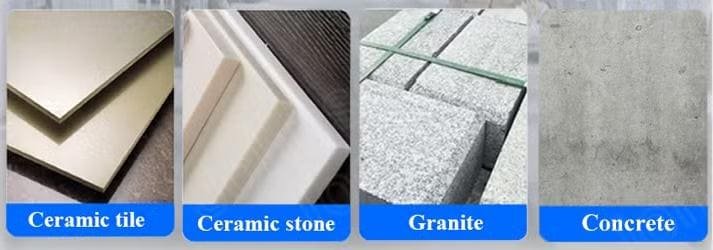
4. Versatility Across Materials Turbo cutter blades work well with a wide range of hard materials: – Natural stones (marble, granite, limestone) – Man-made materials (ceramic tiles, vitrified tiles, engineered stone) – Construction materials (concrete, cement boards, brick) This versatility means one blade can handle multiple tasks, reducing the need to switch tools and saving time.
5. Lower Noise and Energy Use The optimized tooth design reduces vibration during cutting, which lowers noise levels by around 25% compared to rough segmented blades. Additionally, less cutting resistance means the tool (e.g., angle grinder, circular saw) uses less power, cutting energy costs over time.
How to Choose the Right Turbo Cutter Diamond Blade Selecting the correct turbo blade ensures efficient cutting, longer life, and cost savings. Follow these key steps:
1. Match the Blade to the Material Different materials require different blade specifications: – **Soft materials (marble, limestone)**: Choose blades with finer diamond grit (100–120 mesh) and a softer metal binder. The finer grit creates smoother cuts, while the soft binder allows diamond particles to expose faster (since soft materials don’t wear down the binder as quickly). – **Hard materials (granite, concrete)**: Opt for coarser diamond grit (30–60 mesh) and a harder binder. Coarser grit grinds through hard materials faster, and the hard binder prevents premature diamond loss. – **Brittle materials (ceramic, glass)**: Use blades with a medium grit (80–100 mesh) and a flexible metal base to reduce chipping.
2. Check Blade Size: Diameter and Arbor Hole Ensure the blade’s diameter and arbor hole (the center hole that fits the tool) match your cutting equipment: – **Small tools (handheld angle grinders)**: Common diameters are 115mm, 125mm, and 180mm. The 180mm turbo blade is a popular choice for home renovation—it’s compact enough for tight spaces but large enough for most tile or small stone cuts. – **Large tools (table saws, wall cutters)**: Diameters range from 200mm to 400mm for heavy tasks like concrete wall cutting. – **Arbor hole**: Most small blades have a 22.23mm hole (standard for angle grinders), while larger blades may have 50mm or 76mm holes. Never force a blade with the wrong hole size onto a tool—this causes vibration and safety risks.
3. Choose Dry or Wet Cutting Blades – **Wet cutting blades**: Have special slots to channel water, which cools the blade and reduces dust. They’re ideal for indoor projects (to avoid dust) or long cuts (e.g., concrete slabs). – **Dry cutting blades**: Have a heat-resistant binder and extra ventilation slots. They’re convenient for outdoor work or when water is unavailable, but they wear out faster than wet blades and require slower cutting speeds to prevent overheating.
4. Consider Diamond Concentration Diamond concentration (measured as a percentage or “carat per segment”) affects cutting speed and life: – **High concentration (75–100%)**: Faster cutting and longer life, but higher cost. Best for high-volume professional work (e.g., stone factories). – **Medium concentration (50–75%)**: Balances cost and performance. Suitable for most home and small commercial projects. – **Low concentration (25–50%)**: Budget-friendly but shorter life. Only use for occasional light cuts.
Application Scenarios of Turbo Cutter Diamond Blades Turbo cutter diamond blades are versatile and used in many fields:
1. Stone Processing Industry In stone workshops, turbo blades cut large marble or granite slabs into countertops, flooring tiles, or decorative pieces. The fast cutting speed reduces production time, while the smooth cuts minimize the need for post-processing (e.g., polishing). For example, a 180mm turbo blade can cut a 20mm-thick marble slab in 2–3 seconds per linear meter—much faster than a continuous-rim blade.
2. Construction and Renovation – **Concrete work**: Turbo blades cut concrete walls, floors, or pavements for electrical wiring, plumbing, or expansion joints. Wet-cutting turbo blades are preferred here to control dust and keep the blade cool during long cuts. – **Tile installation**: Home renovators use 115mm or 180mm turbo blades to trim ceramic or vitrified tiles to fit corners or edges. The smooth cuts ensure tiles align perfectly without chipping.
3. Landscaping and Outdoor Projects Turbo blades cut natural stone (e.g., flagstone, limestone) for patios, walkways, or garden edging. Dry-cutting models are convenient here, as water is often hard to access outdoors. They also cut through brick or cement blocks for building garden walls.
Safety and Maintenance Tips for Turbo Cutter Diamond Blades Proper use and maintenance extend blade life, ensure safety, and reduce costs:
1. Safety First – **Wear protective gear**: Always use safety goggles (to block flying debris), a dust mask (N95 or higher for dry cutting), gloves (to prevent hand fatigue), and earplugs (to reduce noise). – **Inspect the blade before use**: Check for cracks, loose segments, or excessive wear. Never use a damaged blade—segments can fly off during high-speed rotation. – **Secure the material**: Clamp the material to a stable surface before cutting. Avoid holding it by hand, as slips can cause the blade to bind or kick back. – **Start slow**: Begin cutting at a low speed, then gradually increase to the recommended speed. For example, a 180mm turbo blade on an angle grinder should run at 8,000–10,000 RPM (check the tool’s manual for exact speeds).
2. Maintenance to Extend Blade Life – **Clean the blade after use**: For dry cutting, brush off dust and debris with a wire brush. For wet cutting, rinse the blade with water to remove cement or stone residue—dried residue can clog the tooth gaps and slow cutting. – **Store properly**: Keep blades in a dry, cool place, away from moisture (which causes rust) and direct sunlight (which can warp the metal base). Use a blade storage case to prevent scratches on the cutting segments. – **Avoid overheating**: For dry cutting, take breaks every 2–3 minutes to let the blade cool. For wet cutting, ensure a steady water flow—insufficient water causes heat buildup and diamond loss. – **Replace worn blades**: A blade is worn out if it cuts slowly, leaves rough edges, or has segments that are less than 2mm thick. Continuing to use a worn blade wastes energy and risks damaging the material or tool.
Industry Standards and Future Trends To ensure quality and safety, always choose turbo cutter diamond blades that meet national or international standards. For example, in many countries, blades must comply with GB/T 11270-2008 (China’s standard for diamond circular saw blades) or ANSI B7.1 (U.S. standard for abrasive cutting tools). These standards regulate diamond quality, blade strength, and safety features (e.g., maximum RPM). Looking ahead, turbo cutter diamond blades are evolving to meet environmental and efficiency demands: – **Eco-friendly materials**: Manufacturers are using recycled metal for the base and water-soluble binders to reduce waste during production. – **Smart technology**: Some professional blades now have sensors that track wear and temperature, sending data to the cutting tool to adjust speed automatically—preventing overheating and extending life. – **Low-dust designs**: New turbo blades have improved chip-collection slots that trap more dust, reducing air pollution and protecting workers’ health.
Conclusion Turbo cutter diamond blades are a game-changer for cutting hard materials, offering a perfect balance of speed, smoothness, and durability. By understanding their design, manufacturing processes, and selection criteria, you can choose the right blade for your project—whether it’s a home tile renovation or a large construction job. Remember to follow safety rules and maintain the blade properly: this not only ensures efficient cutting but also reduces costs by extending the blade’s life. As technology advances, turbo cutter blades will become even more efficient and eco-friendly, solidifying their role as a must-have tool in material processing. Whether you’re a professional contractor or a DIY enthusiast, a well-chosen turbo cutter diamond blade will make your cutting tasks faster, easier, and more reliable. Would you like me to create a **comparison table of 180mm turbo cutter diamond blades for different materials** (e.g., marble, concrete, ceramic) to help you quickly choose the right one for specific projects?
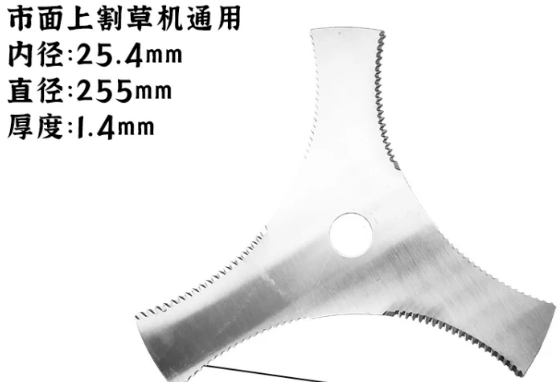

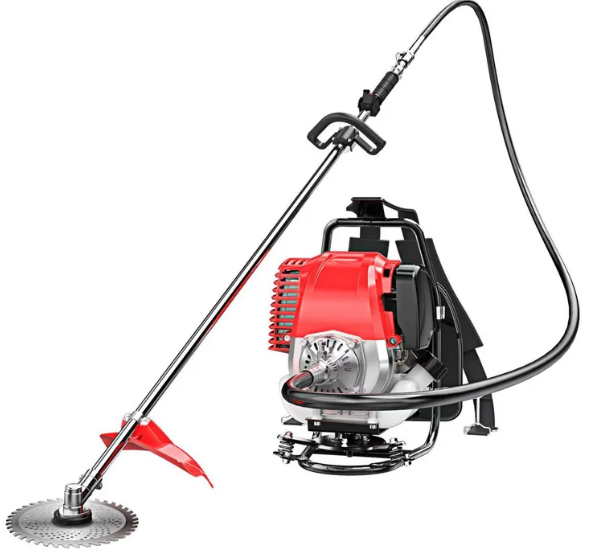
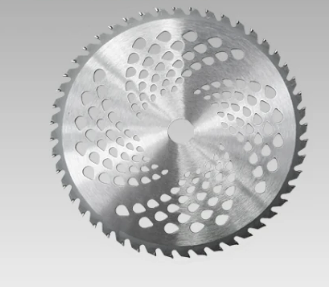
Brush Cutter Diamond Blade A brush cutter diamond blade is a heavy duty cutting attachment specially designed for brush cutters and grass trimmers, combining the high hardness of diamond with the portable power of outdoor cutting equipment. Unlike traditional steel blades, nylon lines, or ordinary alloy blades, diamond blades for brush cutters are built to handle extremely tough vegetation, thick shrubs, bamboo, overgrown weeds, and even mixed conditions with small stones or hard roots. This type of blade turns a regular grass trimmer into a multi purpose clearing tool, greatly improving work efficiency in wild fields, orchards, hilly areas, and rough terrain. Its core value lies in exceptional wear resistance, impact stability, and long service life, making it ideal for users who face heavy cutting tasks and harsh working environments. In this guide, we will explain in detail how to select, use, and maintain brush cutter diamond blades, along with safety rules and practical tips to help users work more safely and efficiently.
Basic Overview of Brush Cutter Diamond Blades
**Brush cutter diamond blades** are reinforced cutting discs made with diamond particles as the main abrasive material, matched with a strong metal base. They are mounted on handheld brush cutters to replace standard blades or trimming lines. Traditional blades often become dull, bend, or break when cutting thick branches, bamboo, or hard weeds, and they wear out quickly when hitting stones or gravel. Diamond blades solve these problems by using diamond’s extreme hardness to cut smoothly through dense, tough, and abrasive materials. These blades are not only used for lawn care but also for land reclamation, orchard pruning, roadside weeding, and clearing heavy undergrowth. Their design focuses on anti wear, anti breakage, and stable high speed rotation. Compared with manganese steel and alloy blades, diamond versions last much longer and maintain sharpness even under heavy loads. They are especially suitable for areas with mixed grass, woody plants, and soil containing stones, where standard tools often fail.
Core Selection Logic for Brush Cutter Blades Choosing the right blade is the key to extending the life of your brush cutter and doubling work efficiency. The selection must be based on lawn conditions, weed thickness, plant types, and working environment, while also reducing safety risks. Blindly using the wrong blade not only reduces cutting effect but also causes machine damage, flying debris, or personal injury. For soft lawns and fine grass, lightweight blades or trimming lines are sufficient. However, for thick shrubs, bamboo, rough weeds, or stony ground, a diamond blade becomes necessary. Harder materials require blades with higher hardness and better impact resistance. Users must also consider the power of their brush cutter, as larger and more powerful machines can drive heavy diamond blades safely, while small machines may struggle or become unstable. Material quality is another core factor. High quality diamond blades maintain their cutting ability far longer than regular steel or alloy blades. A good blade reduces downtime for replacement or sharpening, lowers overall maintenance costs, and makes heavy clearing work much less tiring.
Main Types of Brush Cutter Blades and Their Applications
2-Tooth and 3-Tooth Blades Two tooth and three tooth blades are basic cutting options for light to medium tasks. Two tooth blades work well on artificial lawns and fine, soft weeds, providing clean cuts without tearing grass. Three tooth blades are slightly more robust and can handle small shrubs near walls or corners. However, these blades have clear limitations. They easily jam when encountering thick branches, and hitting stones can cause fragments to fly dangerously. To reduce risks, users should clear stones and hard debris before cutting. Choosing blades made of manganese steel improves durability and impact resistance compared with ordinary steel.
Multi-Tooth Alloy Blades Multi tooth alloy blades are designed for heavier jobs such as wasteland reclamation, shrubs under 6cm in diameter, and weeding in orchards. Their dense teeth improve cutting efficiency and allow them to pass through thick growth smoothly. Maintenance is important for this type of blade. Users should check the welded joints of the teeth every five hours of use. Any chipping larger than 0.5mm means the blade must be replaced immediately to avoid breakage during operation. The alloy structure offers strong wear resistance and can even cut bamboo and other semi hard stems.
Curved Blades Curved blades are specialized for cutting shrubs, bamboo, and heavy growth in hot and humid southern climates. Their shape helps guide cut material away from the blade, reducing jamming and improving efficiency. Most high quality curved blades use SK5 high hardness steel with anti rust treatment, allowing long term use in damp environments without corroding or weakening. This makes them particularly suitable for outdoor work in rainy or humid areas.
Nylon Trimming Lines Nylon lines are the standard accessory for daily lawn maintenance. They are safe, flexible, and do not damage lawn roots. A line diameter between 2mm and 2.5mm is recommended for clean, even cutting. The main limitation is that nylon lines break immediately when touching thick branches or hard objects, so obstacles must be removed in advance. They are not suitable for heavy bush clearing or rough ground, but excellent for regular lawn trimming.
Advantages of Diamond Blades for Brush Cutters Diamond blades stand out from all other types because of their extraordinary hardness and durability. When working in stony or rough terrain, ordinary blades go dull quickly or even shatter on impact. Diamond blades maintain cutting performance and resist damage from small stones and hard roots. Their long service life greatly reduces the need for frequent replacements. Users working on large areas or difficult land no longer need to carry many spare blades. Diamond blades also produce relatively stable cuts with less vibration, which reduces fatigue during long hours of operation. Another benefit is noise reduction. Compared with some low quality rigid blades, well balanced diamond brush cutter blades can reduce working noise by around 30%, making work more comfortable and less disturbing to surrounding areas. In terms of cost, although diamond blades have a higher upfront price, their long lifespan lowers annual maintenance costs significantly. Properly selected and used, they can help extend the overall service life of brush cutters by up to three years and reduce yearly maintenance costs by about 60%.
Safety Rules for Using Brush Cutter Blades Safety is always the top priority when using brush cutters with diamond or heavy duty blades. Users must follow strict rules to avoid accidents. **Material priority** should follow: manganese steel and diamond reinforced materials > alloy > ordinary steel. Higher quality materials reduce the risk of breaking or flying fragments during high speed rotation. Tooth count also matters. Blades with around 40 teeth are suitable for soft grass, while blades with 80 teeth or more perform better on hard shrubs and thick vegetation. Matching tooth count to vegetation type improves efficiency and safety. Before use, check that the blade matches the machine. Imported brush cutters may require specially sized blades, with dimensional error controlled within 0.2mm to ensure stable rotation. Using an ill fitting blade causes strong vibration, wear, and potential ejection. Blade maintenance must be consistent. Dull blades should be sharpened in time; blades with bent edges must be replaced immediately. Never continue using a damaged or worn blade, as this threatens both the user and the machine.
Practical Selection and Maintenance Suggestions For most users, general purpose multi tooth diamond or alloy blades with 40T, 60T, or 80T are highly practical. These models fit about 90% of common brush cutters and balance efficiency and durability. Before each use, inspect the blade carefully. If the bent edge exceeds 2mm, or if tooth gaps are larger than 0.5mm, stop using the blade immediately and replace it. After every 100 hours of continuous use, mandatory maintenance is required to ensure the blade, spindle, and guard are in good condition. For users working in stony areas, diamond blades or thickened manganese steel blades are the most reliable choices. They resist impact and maintain sharpness even when accidentally hitting stones. Proper installation is also essential — the blade must be firmly fixed and spin freely without wobbling. With the right blade, yard maintenance and land clearing change from heavy labor into efficient and manageable work. Whether for home use, orchard management, or land reclamation, choosing a high quality brush cutter diamond blade improves results, reduces effort, and keeps users safer.
2. Key Features
1) 100% Laser Welding Technology – Ensures strong segment bonding and extended blade life.
2) Compatible with Hydraulic & Electric Wall Saws – Versatile use across different machinery types.
3) Standard Segments for Long Service Life – Designed for durability and consistent performance.
4) Suitable for Dry or Wet Cutting – Adaptable to various job site conditions.
5) Globally Trusted – Exported to Malaysia, UAE, USA, Canada, Singapore, Norway, Czech Republic, Sweden, Croatia, Thailand, and more.
3. Specifications
- Diameter: 1200mm (48 inches)
- Segment Thickness: 4.8mm / 5.0mm
- Segment Height: 10mm / 12mm
- Inner Hole: 25.4mm, 50mm, 60mm, 80mm (custom sizes available)
Detailed Specifications for 1200mm Blade:
| Inch | Diameter (mm) | Segment Length (mm) | Segment Thickness (mm) | Segment Height (mm) | Segment Number |
|---|---|---|---|---|---|
| 48″ | 1200 | 40 | 4.8/5.0 | 10/12 | 68 |
Other Available Sizes
| Inch | Diameter (mm) | Segment Length (mm) | Segment Thickness (mm) | Segment Height (mm) | Segment Number |
|---|---|---|---|---|---|
| 24″ | 600 | 40 | 4.8/5.0 | 10/12 | 36 |
| 28″ | 700 | 40 | 4.8/5.0 | 10/12 | 40 |
| 30″ | 760 | 40 | 4.8/5.0 | 10/12 | 46 |
| 32″ | 800 | 40 | 4.8/5.0 | 10/12 | 46 |
| 36″ | 900 | 40 | 4.8/5.0 | 10/12 | 52 |
| 40″ | 1000 | 40 | 4.8/5.0 | 10/12 | 58 |
| 56″ | 1400 | 40 | 4.8/5.0 | 10/12 | 86 |
| 60″ | 1500 | 40 | 4.8/5.0 | 10/12 | 90 |
| 64″ | 1600 | 40 | 4.8/5.0 | 10/12 | 92 |
| 72″ | 1800 | 40 | 4.8/5.0 | 10/12 | 106 |
This blade is built for professional use in construction and demolition, offering reliability and precision for challenging concrete cutting tasks. Custom specifications are welcome.
Specifications:
Technical Specifications
- Diameter: 750 mm (30 inches)
- Segment Thickness: 4.8 mm or 5.0 mm
- Segment Height: 10 mm, 12 mm, or 15 mm (customizable)
- Inner Bore (Arbor Hole): Standard sizes include 25.4 mm (1 inch), 50 mm, 60 mm, and 80 mm. Custom bore sizes are available upon request.
Detailed Specifications for 750mm Blades:
| Inch | Diameter (mm) | Segment Length (mm) | Segment Thickness (mm) | Segment Height (mm) | Segment Number (pcs) |
|---|---|---|---|---|---|
| 30″ | 750 | 40 | 4.8/5.0 | 10 | 46 |
| 30″ | 750 | 40 | 4.8/5.0 | 12 | 46 |
| 30″ | 750 | 40 | 4.8/5.0 | 15 | 46 |
Other Available Diamond Saw Blade Sizes We Manufacture:
| OD (mm) | Length (mm) | Thickness (mm) | Height (mm) | Number (pcs) | Bore (mm) |
| 350 | 40 | 3.2 | 10/12/15 | 24 | 25.4 |
| 400 | 40 | 3.4 | 10/12/15 | 28 | 25.4 |
| 500 | 40 | 4.0 | 10/12/15 | 36 | 25.4 |
| 600 | 40 | 4.4 | 10/12/15 | 42 | 25.4 |
| 650 | 40 | 4.8/5.0 | 10/12/15 | 42 | 25.4 |
| 800 | 40 | 4.8/5.0 | 10/12/15 | 46 | 25.4 |
| 900 | 40 | 4.8/5.0 | 10/12/15 | 52 | 25.4 |
| 1200 | 40 | 4.8/5.0 | 10/12/15 | 68 | 25.4 |
| 1500 | 40 | 4.8/5.0 | 10/12/15 | 90 | 25.4 |
Key Features & Advantages
1) 100% Laser Welding Technology: Ensures an exceptionally strong bond between the segments and the steel core, offering superior reliability under high-impact conditions and preventing segment loss.
2) Undercut Protection Segments: The unique segment design features a reinforced base that shields the steel core from abrasive wear, significantly enhancing the blade’s overall service life when cutting aggressive materials like reinforced concrete.
3) Broad Machine Compatibility: This blade is engineered to be compatible with a wide range of cutting equipment, including petrol-powered cutters, bench saws, and professional floor saws, providing great versatility for different job sites.
4) Optimized Slot Design: The availability of Narrow U or key slots increases the segment width for a longer lifespan. Alternatively, Wider U slots are effective in preventing material buildup and clogging, especially when cutting asphalt, ensuring smoother and more efficient operation.
5) Dual-Purpose Cutting: Suitable for both dry and wet cutting methods, making it highly adaptable to different site conditions and regulations. It efficiently cuts through reinforced concrete, aggregate concrete, hot rolled asphalt, plain asphalt, asphalt overlays on concrete, and green concrete.
6) Globally Trusted Quality: Our blades have been proven reliable in international markets, with consistent exports to regions including Taiwan, Australia, Hong Kong, Poland, Singapore, Thailand, the USA, and more, earning a reputation for durability and performance.
Packing, Delivery & Shipping
Delivery Methods: We provide multiple shipping options to ensure your order arrives conveniently: By Air, By Sea, By Land, or By International Courier (Express). We can recommend the best method based on your destination and urgency.
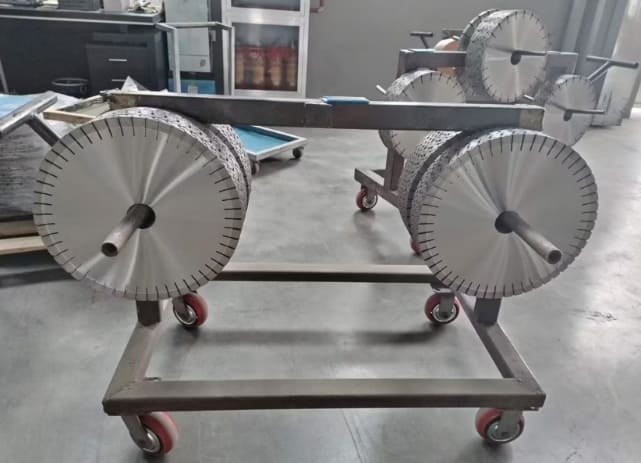
Packing Specification: 5 pieces of 1200mm wall saw blades are packed in one robust plywood case. The gross weight per case is carefully limited to under 105kg for safe and efficient logistics.
Lead Time: The shipping date depends on the availability of steel cores (discs):
With Stock: If we have the steel discs in stock, shipment is normally arranged within 7-10 days.
Without Stock: If production of steel discs is required, the lead time is approximately 25-30 days.
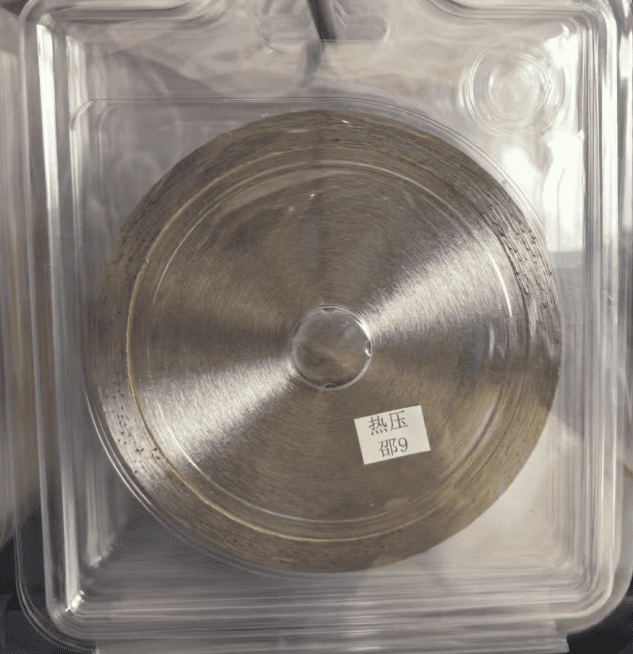
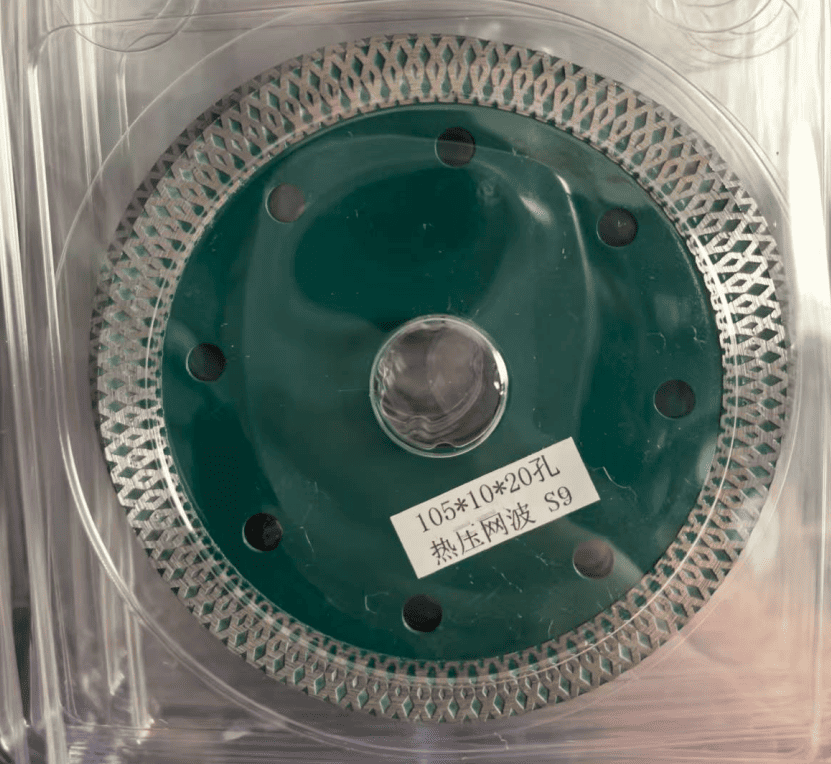
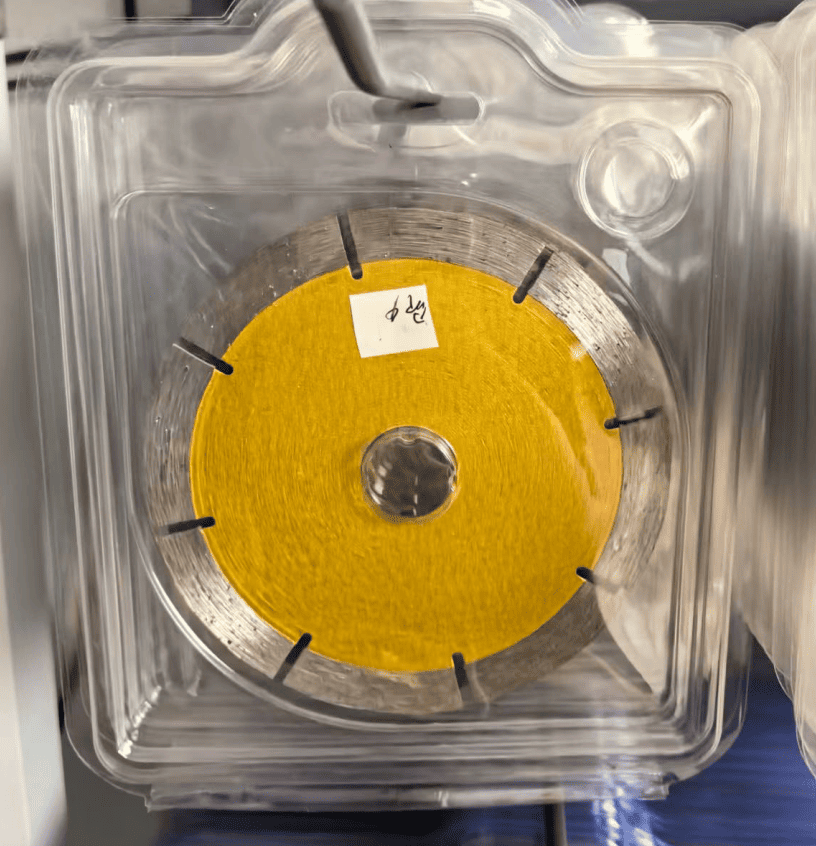
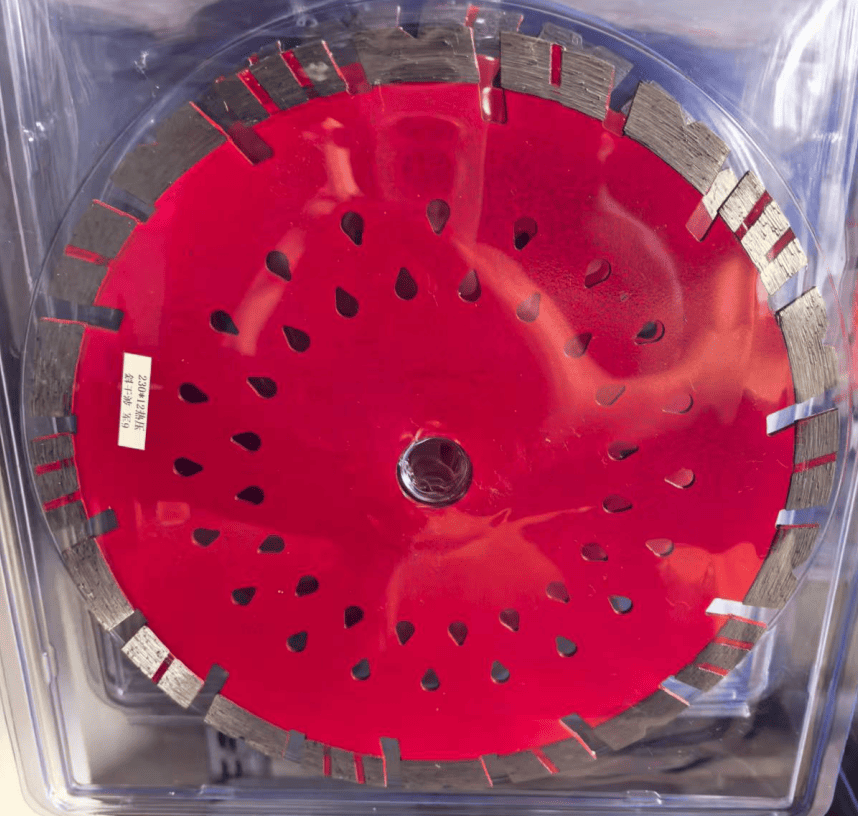


Diamond Blade
Hot sell product

Welcome to call us
Contact Us to get quotation
Working Time: 8:00~17:00 Monday to Friday.
Applications:
Factory:
Quality Ensurement:

FAQ
Welcome to call us
Contact Us to get quotation
Working Time: 8:00~17:00 Monday to Friday.