Can a diamond blade cut anything?
Diamond Saw Blades are primarily used for cutting hard and brittle materials such as concrete, stone, and ceramics, but they are not suitable for all materials. Their cutting performance is influenced by factors such as material hardness, chemical stability, and processing conditions:
Scope of Application
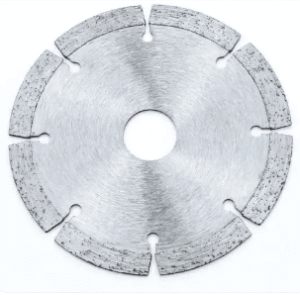
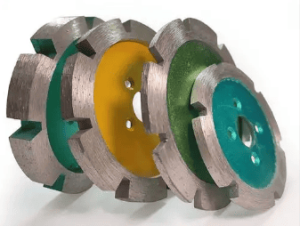
The core applications of diamond saw blades include processing hard materials like concrete, refractory materials, stone, and ceramics. The blade segments contain diamond particles that achieve cutting through friction, while the blade body remains intact, with only the segments gradually wearing down.
Limitations
- Restrictions on Metal Materials
Although diamond is the hardest known material, when cutting ferrous metals (such as steel and iron), high temperatures may trigger carbon diffusion reactions, accelerating tool wear. - Primarily for Non-Metallic Materials
Diamond blades are mainly suitable for non-metallic hard materials like stone and concrete, while their effectiveness is limited for materials such as wood and ordinary metals.
Alternative Options
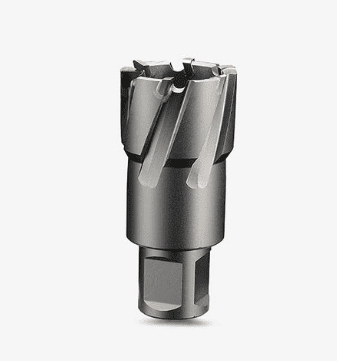
For cutting metals or more complex materials, it is recommended to use tools better suited for metal processing, such as tungsten carbide saw blades.
How Hard Is Diamond?
1. The Hardness of Diamond
Diamond is a crystal formed from pure carbon under high temperature and pressure, possessing extreme hardness and thermal conductivity. On the Mohs hardness scale, diamond has a hardness value of 10, making it one of the hardest known substances. It can cut almost all metals and non-metallic materials, including glass, ceramics, metals, plastics, and more.
2. Limitations of Diamond Cutting
Despite its exceptional hardness, diamond has its limitations. In some cases, it may not be the best choice. On one hand, although diamond is extremely hard, it is also brittle. Improper use or crack formation can lead to tool failure. On the other hand, diamond does not perform well under high temperatures, high pressure, or exposure to chemical solvents, which may cause issues when using diamond blades in such conditions.
3. Applications of Diamond in Cutting
Diamond is highly versatile in cutting applications and can be used on a wide range of materials.
- In gemstone and jewelry processing, diamond saws are used to cut various gems and crystals.
- In industrial production, diamond is an excellent material for cutting steel, cement, glass, ceramics, plastics, and more.
- In the medical field, due to its hardness, diamond can serve as a scalpel for cutting and scraping hard tissues during surgery.
- In construction engineering, diamond grinding wheels are essential tools.
In summary, while diamond can cut many materials, whether it can cut a specific substance depends on factors such as the material’s hardness and chemical composition. Therefore, we cannot categorically state that diamond can cut everything.
What Materials Can Diamond Saw Blades Cut?
Diamond saw blades are suitable for cutting various hard and brittle materials, including but not limited to:
- Stone: Such as marble, granite, sandstone, etc.
- Concrete: Including regular concrete and reinforced concrete.
- Ceramics: Such as tiles, vitrified tiles, and ceramic products.
- Glass: Including ordinary glass, optical glass, and quartz glass.
- Metals: Such as cast iron, ductile iron, and hard alloys.
- Refractory Materials: Such as firebricks and refractory boards.
- Composite Materials: Such as fiber-reinforced composites.
Thanks to their high hardness, wear resistance, and precision, diamond saw blades are widely used in industries such as construction, building materials, stone processing, electronics, and automotive parts manufacturing. Different types of diamond saw blades (e.g., resin-bonded, metal-bonded) are suitable for different materials and cutting requirements. Choosing the right blade can improve cutting efficiency and quality.
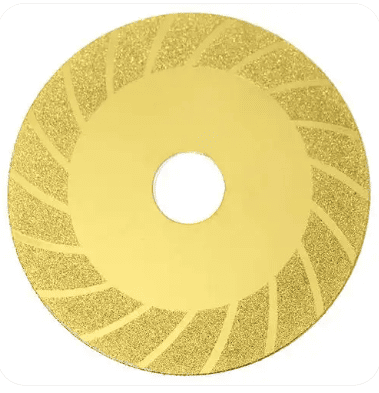
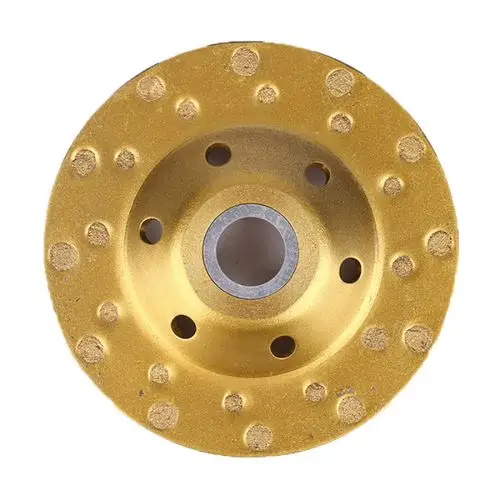
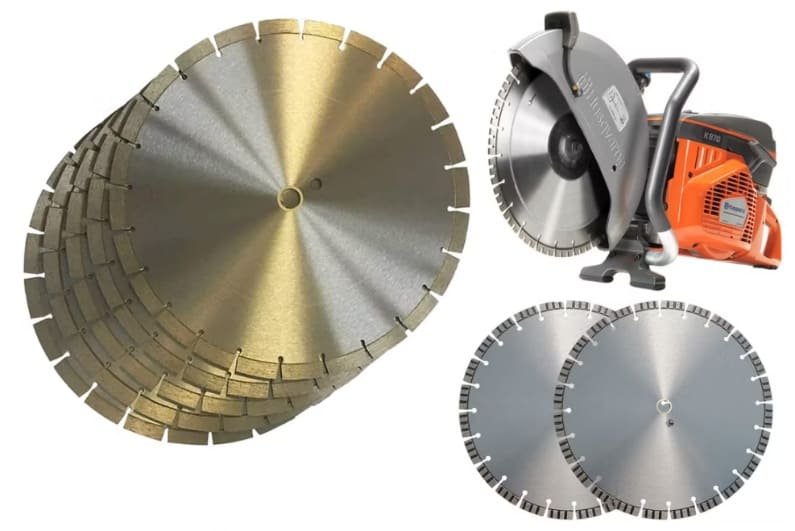
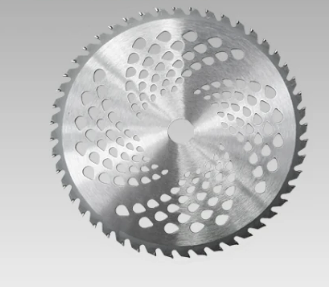
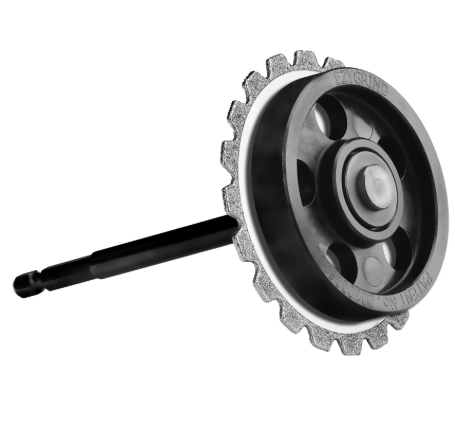
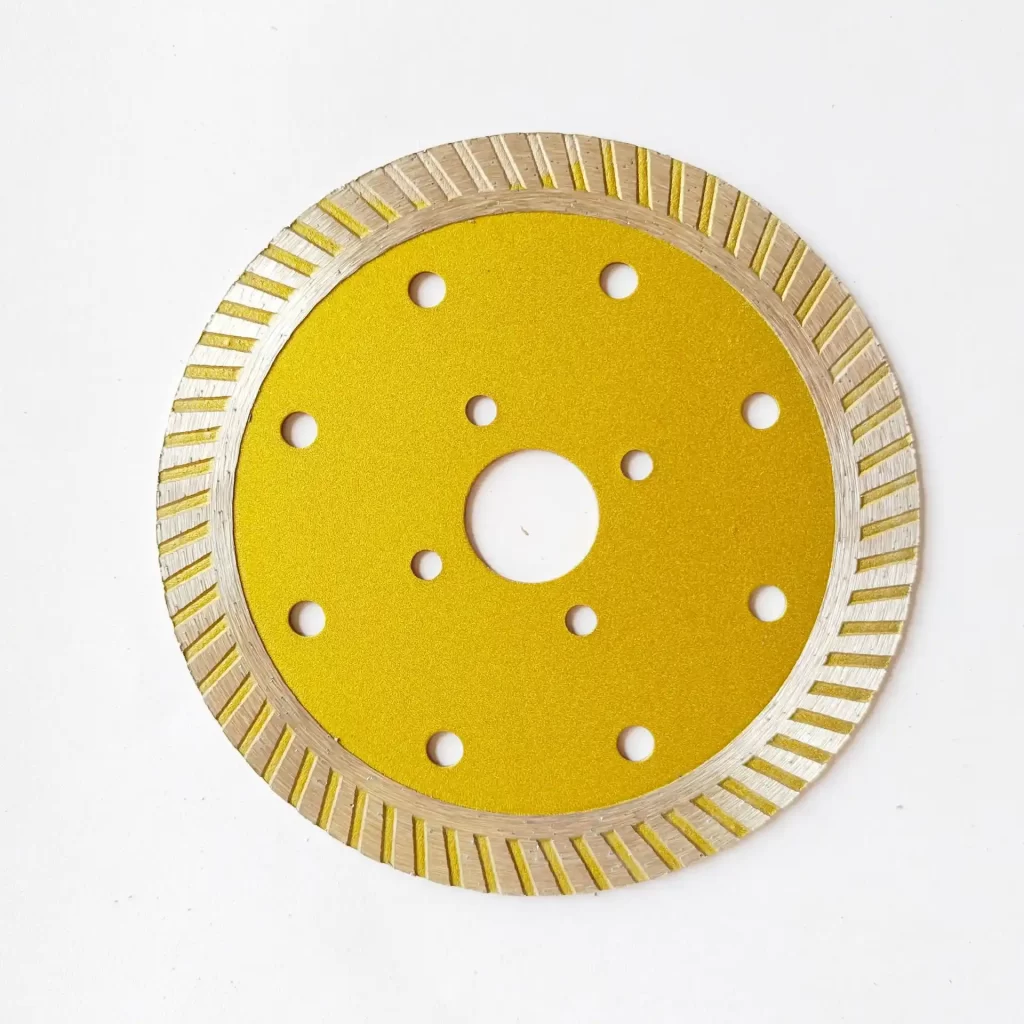
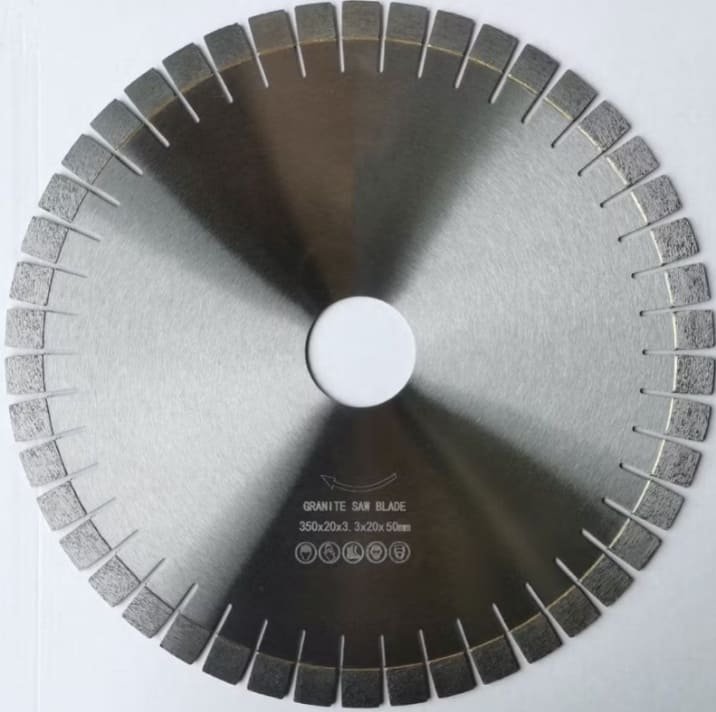
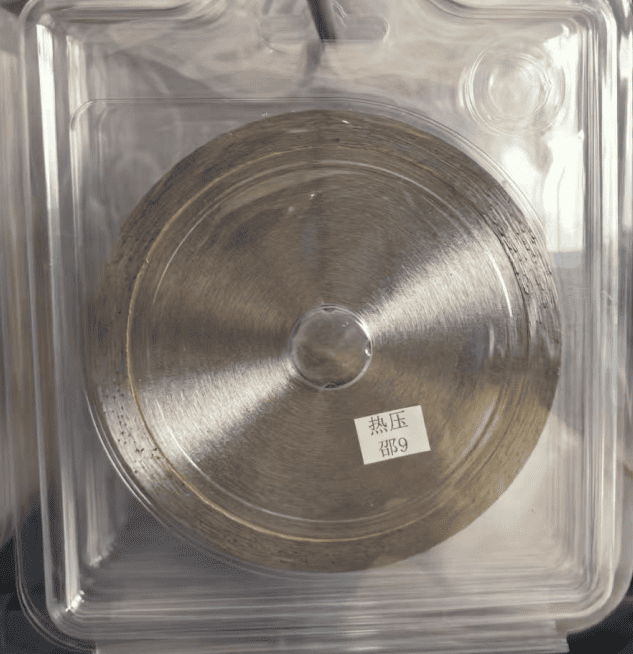
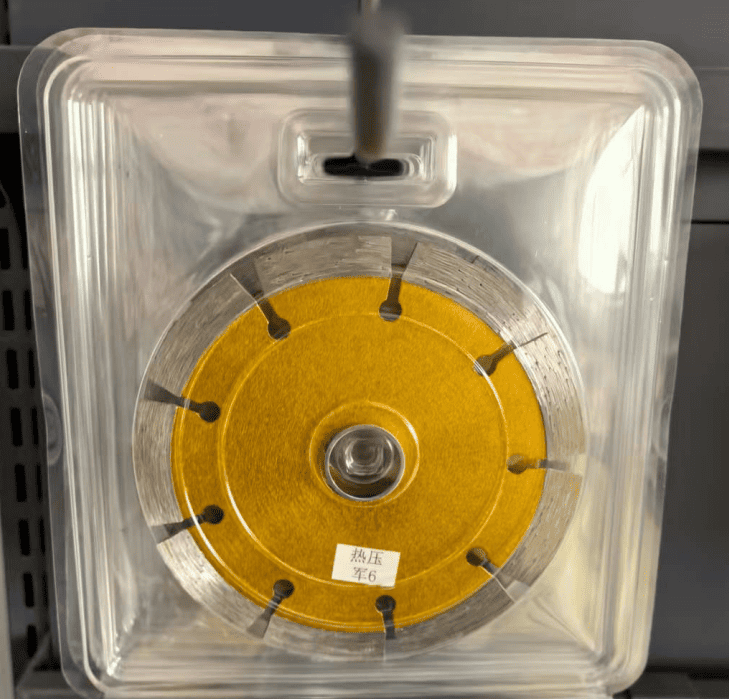
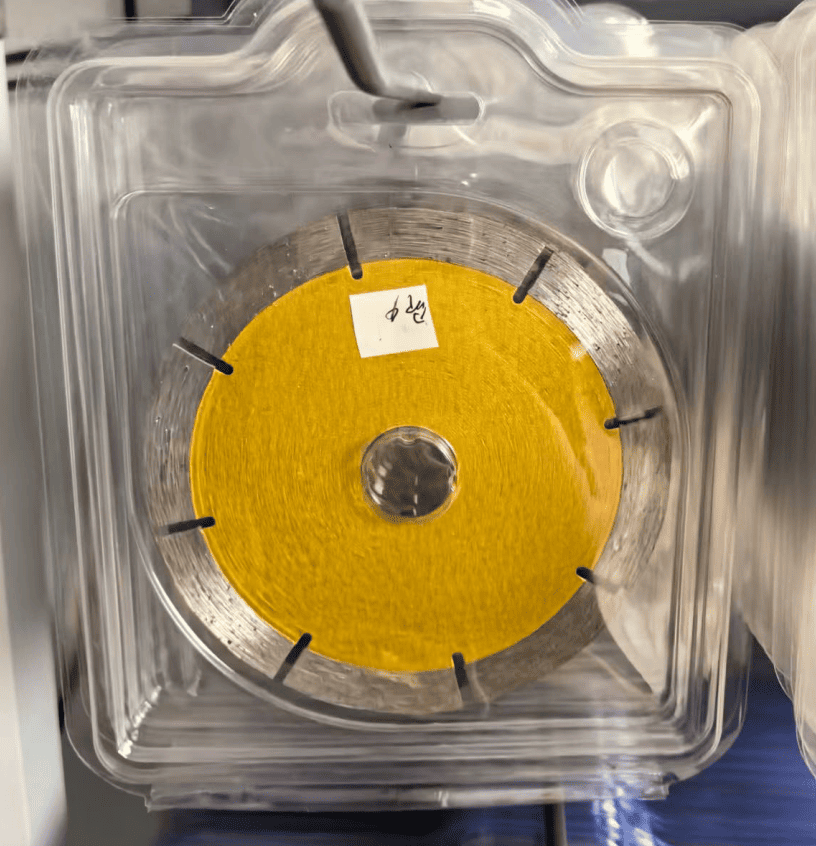
Diamond Blade for Sale:

Related Post about diamond blade
Di