What is the best tool to demo concrete?
What is the best tool to demo concrete?
If you’re planning to tear out an old patio, remove a damaged basement slab, or cut out sections of concrete for plumbing runs, one question always comes up: what is the best tool to demo concrete?
There is no universal perfect choice. The right equipment depends on slab thickness, whether steel reinforcement is present, project size, indoor or outdoor access, power availability, and how much physical work you want to take on. Plenty of DIYers waste hours using underpowered tools, while others rent oversized machines for small touch-up jobs. Let’s walk through every common option, their real strengths, limitations, and exactly which concrete demolition job each one handles best.
Manual Tools: Best for Tiny, Thin Concrete Sections
Sledgehammer and Pry Bar
The most basic concrete demolition setup. An 8–12 lb sledgehammer paired with a long pry bar works on small, non-reinforced concrete thinner than 3–4 inches, such as narrow walkway patches or broken concrete curbs. You strike to create cracks, then wedge the pry bar to lift loose chunks. Pros: No power source required, zero rental fees. Cons: Extremely physically demanding, very slow for larger areas. It struggles with wire mesh or rebar and raises injury risks from repeated heavy swinging. Best for: Minor concrete repairs, small isolated patches where power tools cannot reach.
Cold Chisel
Used alongside a hand hammer for precision trimming. It can chip uneven concrete edges or widen existing cracks. It is never suitable as your primary demolition tool and only works for cleanup work after larger breaking operations.
Electric Handheld Power Tools (Top Pick for Most Residential Renovations)
Rotary Hammer
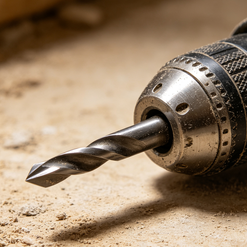
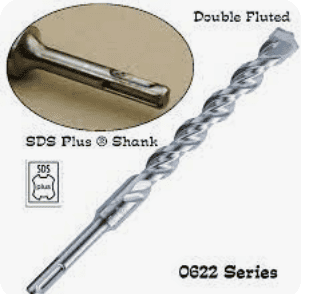
A rotary hammer can drill holes and switch into hammer-only chiselling mode. Lightweight and easy to maneuver in tight corners like basements. It handles light chipping, shallow wall chasing and small thin concrete patches. Still, impact energy is limited. Do not rely on a rotary hammer for full slab removal. Best for: Drilling anchor holes plus light surface chipping, tile removal and minor concrete trimming.
Demolition Hammer (Electric Concrete Breaker)
For most homeowners and small renovation crews, this is the workhorse for concrete demolition. Unlike rotary hammers, demolition hammers operate purely on percussion force without rotation, built for sustained breaking work. Lightweight models tackle tile removal, wall chasing and concrete up to 4 inches thick. Mid to heavy-duty SDS-max or hex shank units break 4–6 inch unreinforced slabs and can slowly work on lightly meshed concrete. Since they run on electricity, they produce no exhaust and are safe for indoor basement or bathroom work. Pros: Plug-and-play, balanced mobility and impact power, compatible with multiple interchangeable chisel bits. Cons: Long continuous operation may lead to motor overheating; heavy rebar will drastically slow progress. Best for: Patio tear-outs, basement floor repairs, wall channelling, most medium-scale indoor and outdoor residential demo.
Heavy-Duty Demolition Equipment for Thick & Reinforced Concrete
Gas or Pneumatic Jackhammer
This is the heavy-duty handheld equipment you commonly see on roadworks. Jackhammers deliver massive continuous impact force to break thick, dense concrete and slabs reinforced with steel rebar. Pneumatic jackhammers need an air compressor, while gas-powered versions operate independently on sites without electricity. They excel at driveways, thick foundation slabs and asphalt removal. Pros: Handles concrete over 6 inches thick with embedded rebar, built for all-day heavy demolition. Cons: Bulky, extremely loud and awkward to operate indoors. Pneumatic setups require extra hoses and compressors, and rental costs are higher than standard electric demolition hammers.
Hydraulic Breaker
Hydraulic breakers mount onto mini excavators or skid loaders. This is industrial-grade equipment reserved for large commercial demolition projects, full driveway removal or massive foundation teardowns. Nothing matches its speed when removing hundreds of square feet of concrete. For typical household renovation, this equipment is completely overkill.
Supporting Tool You Should Not Ignore: Concrete Saw
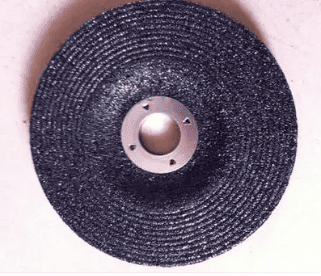
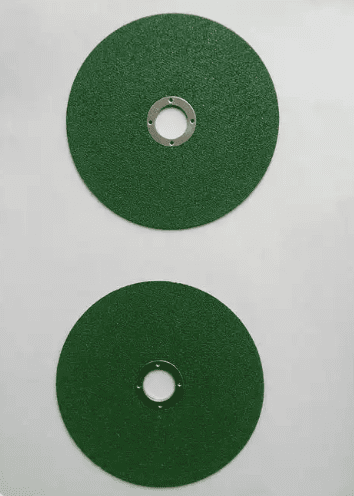
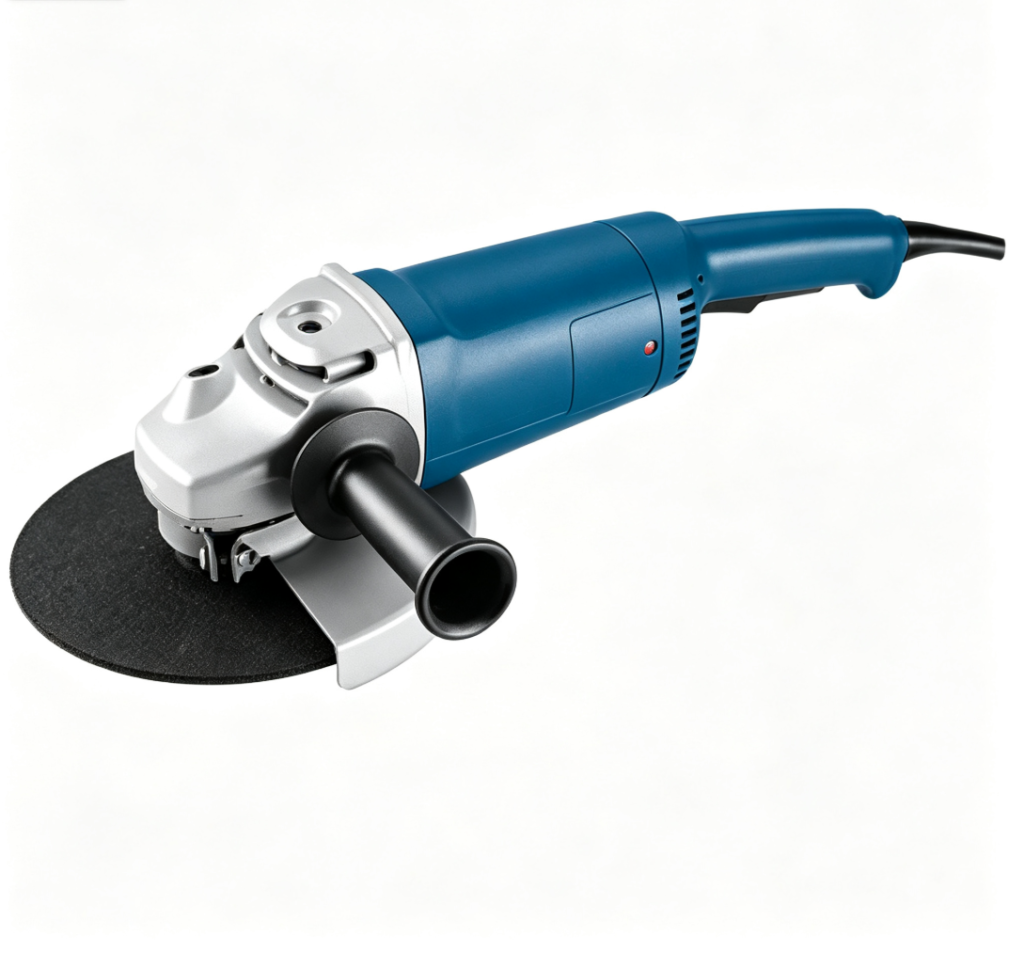
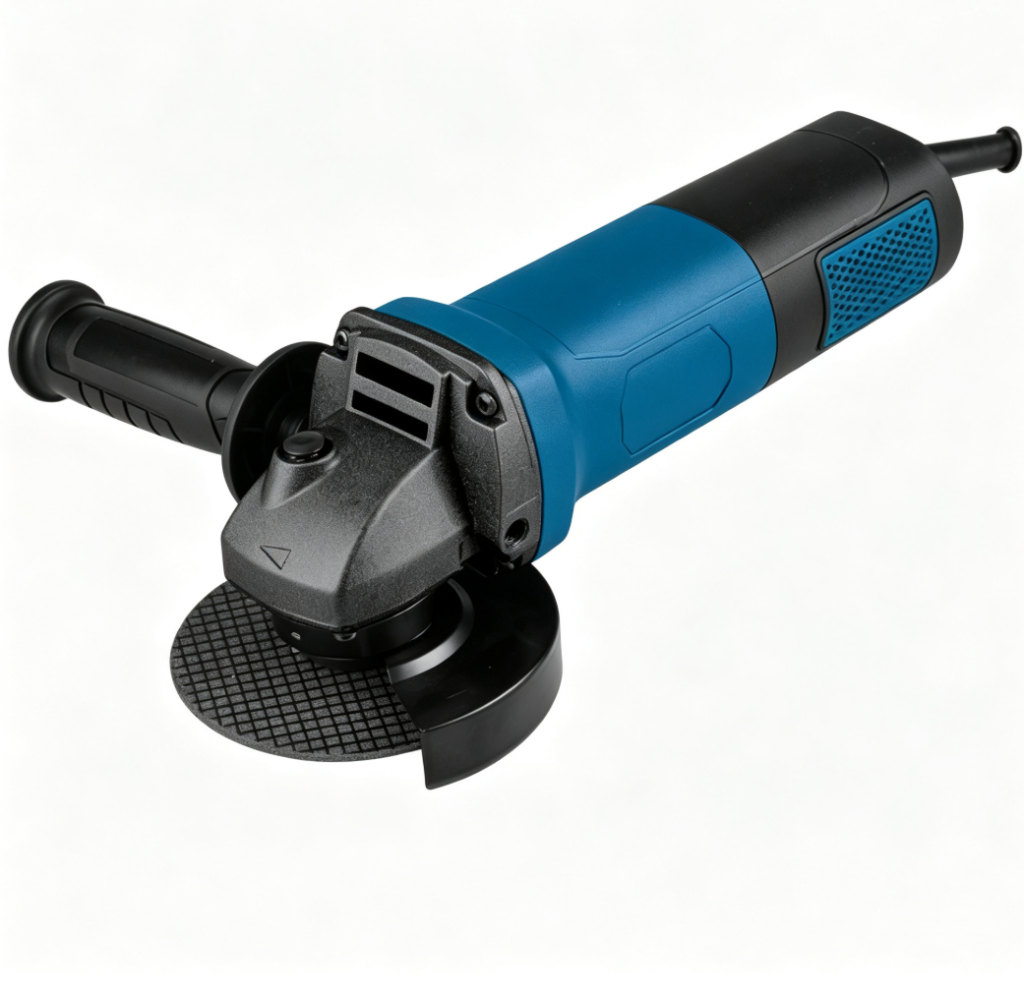
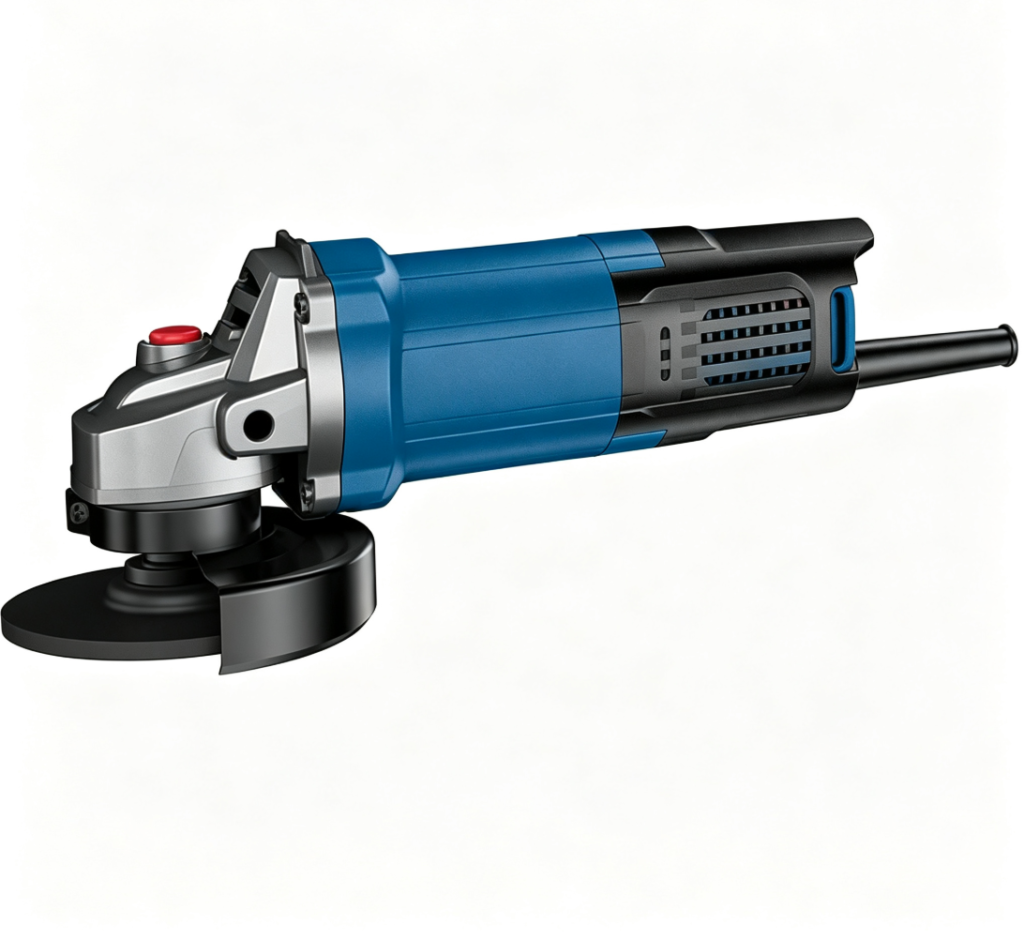
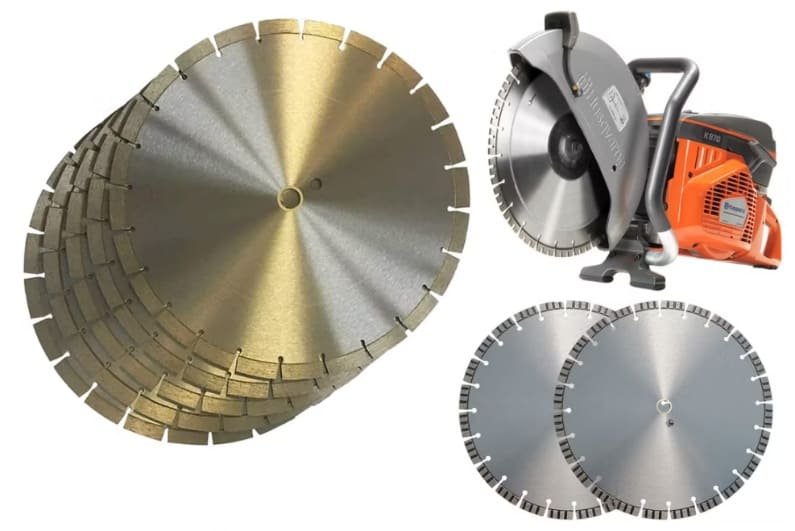
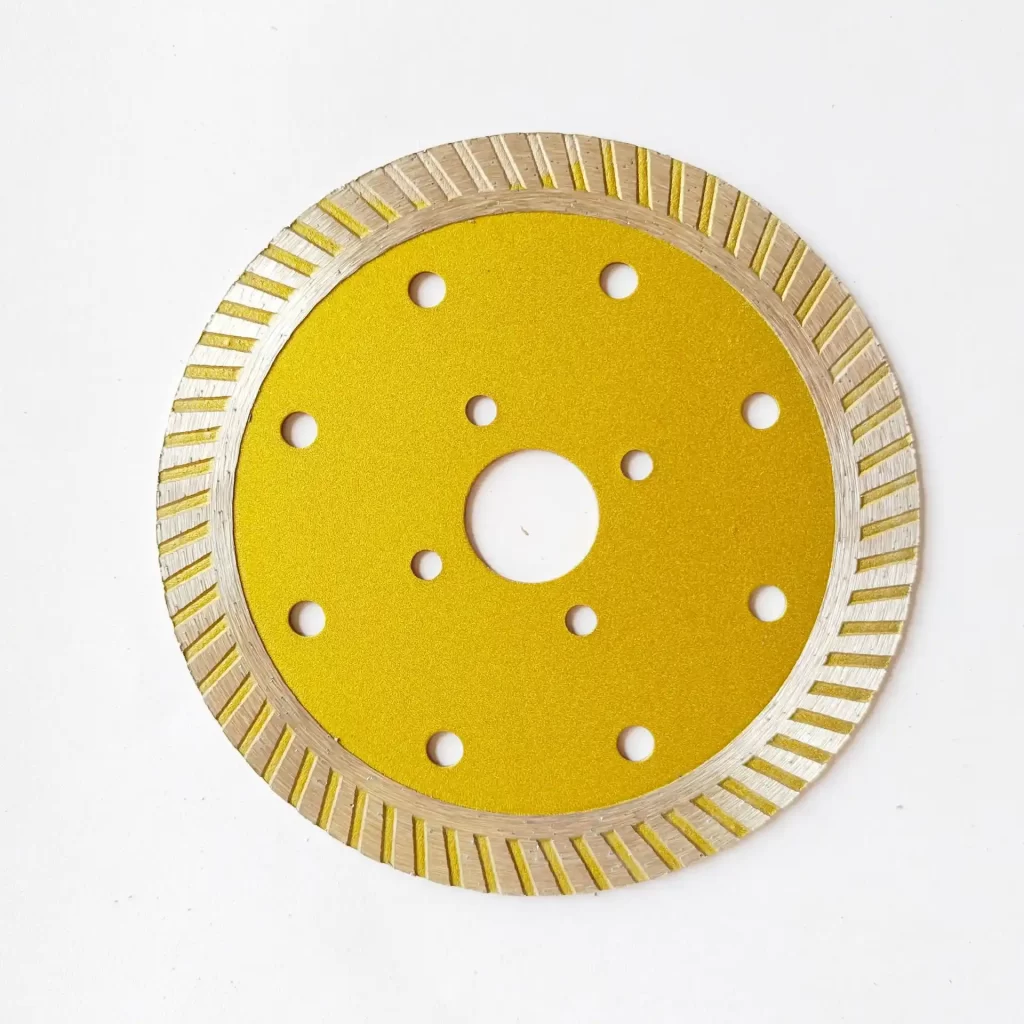
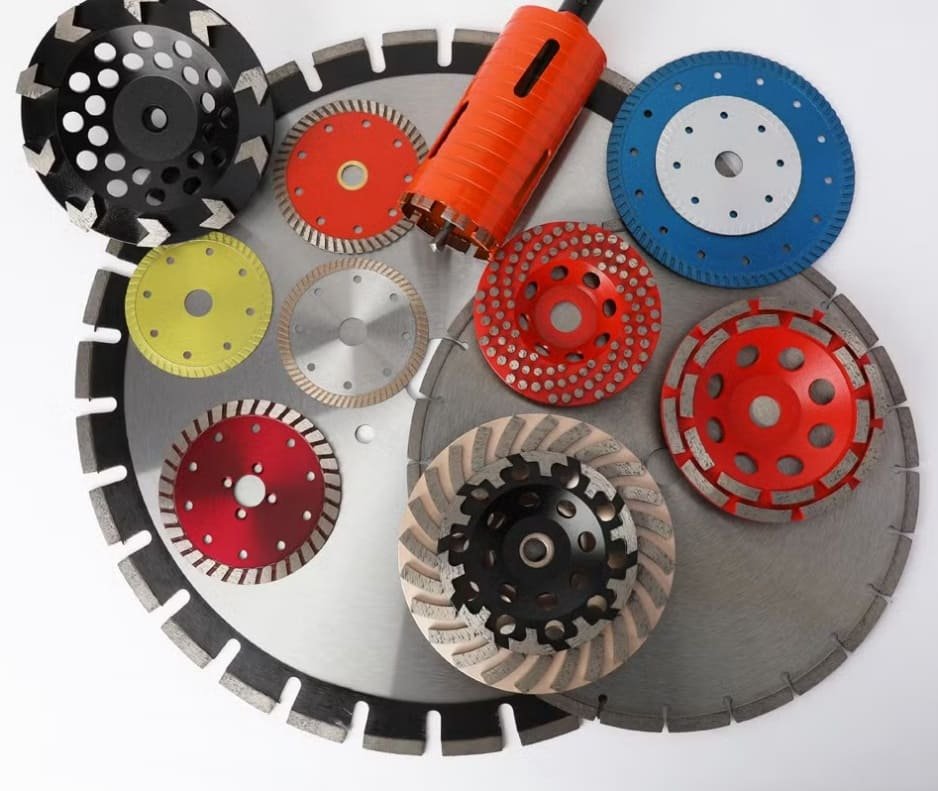
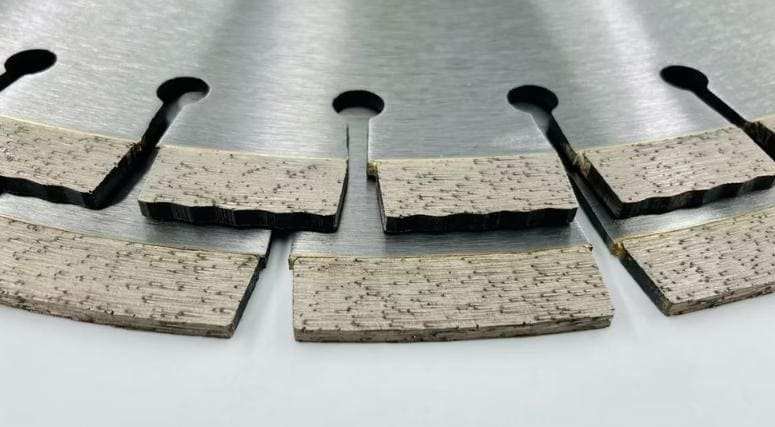
A concrete saw fitted with a diamond blade does not break concrete directly, yet it drastically simplifies demolition work. Before breaking large slabs, cut straight dividing lines to split concrete into smaller, manageable pieces. This prevents uncontrolled spreading cracks and makes subsequent hammer work far easier. Most experienced contractors treat a concrete saw as essential supporting gear for any medium to large concrete demo job.
Quick Reference Selection Guide by Project
- Small patches, concrete thinner than 3 inches, tight budget: Sledgehammer + pry bar
- Indoor remodelling, tile removal, wall chasing and thin concrete slabs: Light or mid-size electric demolition hammer
- Medium patios, unreinforced slabs 3–5 inches thick: Mid or heavy-duty electric demolition hammer
- Thick reinforced concrete, driveways, large outdoor slabs: Gas or pneumatic jackhammer
- Large-scale commercial full-slab demolition: Excavator-mounted hydraulic breaker
Common Mistakes That Slow Down Concrete Demolition
- Trying to break concrete from the slab centre; always start at exposed edges or corners where concrete is weakest.
- Applying excessive body weight to power tools. Let the machine’s own impact force do most of the work.
- Using dull chisel bits, which bounce across concrete instead of penetrating.
- Running handheld electric demolition tools non-stop without cooling breaks.
- Forgetting to cut concrete into sections before starting to break large slabs.
Frequently Asked Questions
Q: Can I use a rotary hammer instead of a demolition hammer to demo concrete?
A: It works for very light chipping tasks. However, rotary hammers lack sufficient sustained impact energy for full slab removal. Heavy use risks burning out the motor.
Q: What chisel delivers the best results when demolishing concrete?
A: Start with a pointed chisel to create initial cracks. Once splits appear, switch to a wide flat chisel to pry loose concrete chunks. Keep chisels well sharpened.
Q: Is safety gear required for concrete demolition?
A: Absolutely. Wear safety goggles or a face shield, hearing protection, dust respirator, anti-vibration gloves and steel-toe boots. Crushed concrete releases harmful silica dust, and flying fragments can cause serious injury.
Q: Can a demolition hammer break rebar-reinforced concrete?
A: It can chip away the surrounding concrete matrix, but it cannot quickly cut through steel rebar. If your slab contains heavy rebar, expect slow progress, or rent a heavier jackhammer.
Final Verdict on the Best Tool for Concrete Demo
There is no one-size-fits-all winner, but an electric demolition hammer is the best all-around choice for most residential concrete demolition. It strikes the ideal balance between power, portability and cost for patio removal, basement repairs, wall channelling and most common renovation tasks.
If you only have tiny thin concrete patches to remove, a sledgehammer works fine. For thick, heavily reinforced slabs or large outdoor demolition projects, rent a professional jackhammer. Massive commercial demolition requires hydraulic breaker machinery attached to excavators.
Always match your tool’s impact capacity to your slab thickness and reinforcement. Using underpowered equipment leads to slow progress, operator fatigue and accelerated wear on your power tools.kle nearly all common renovation demolition jobs.wear.
Demolition Hammer & Rotary Hammer for Sale
Demolition Hammer Rotary Hammer Blog
Angle
Diamond Blade

Welcome to call us
Contact Us to get quotation
Working Time: 8:00~17:00 Monday to Friday.
Applications:
Factory:
FAQ
Welcome to call us
Contact Us to get quotation
Working Time: 8:00~17:00 Monday to Friday.