What does the number on a carbon brush mean?
What does the number on a carbon brush mean?
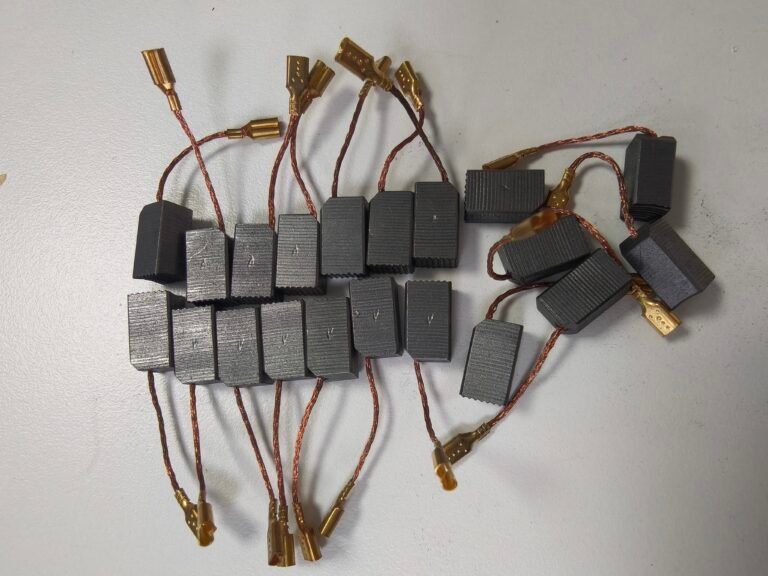
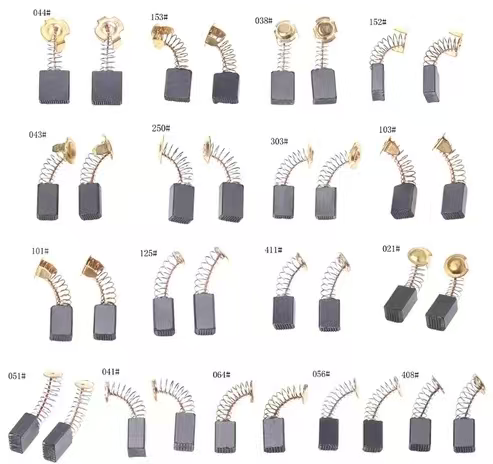
What does the number on a carbon brush mean?The numbers and letter combinations printed on carbon brush surfaces are standardized industrial coding systems that intuitively record core dimensional parameters, material classification attributes, operational performance indicators and general application classification information, serving as the core basis for users to accurately match, select and verify qualified carbon brushes for various motor devices.
Core Dimensional Parameters Marked by Carbon Brush Numbers
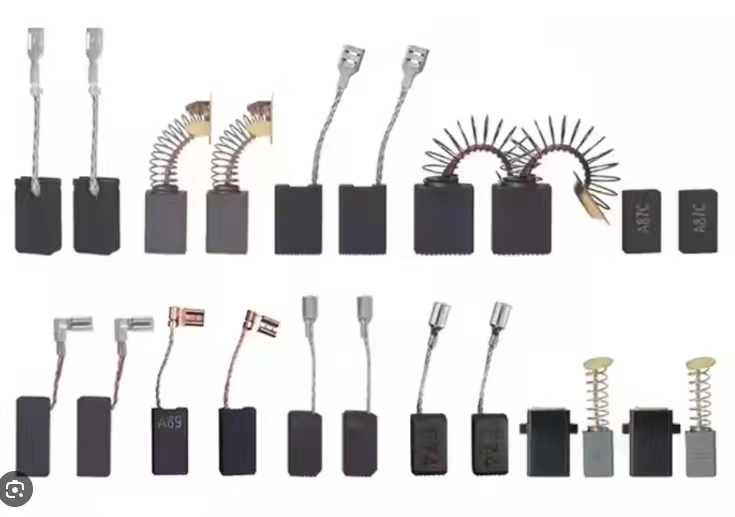
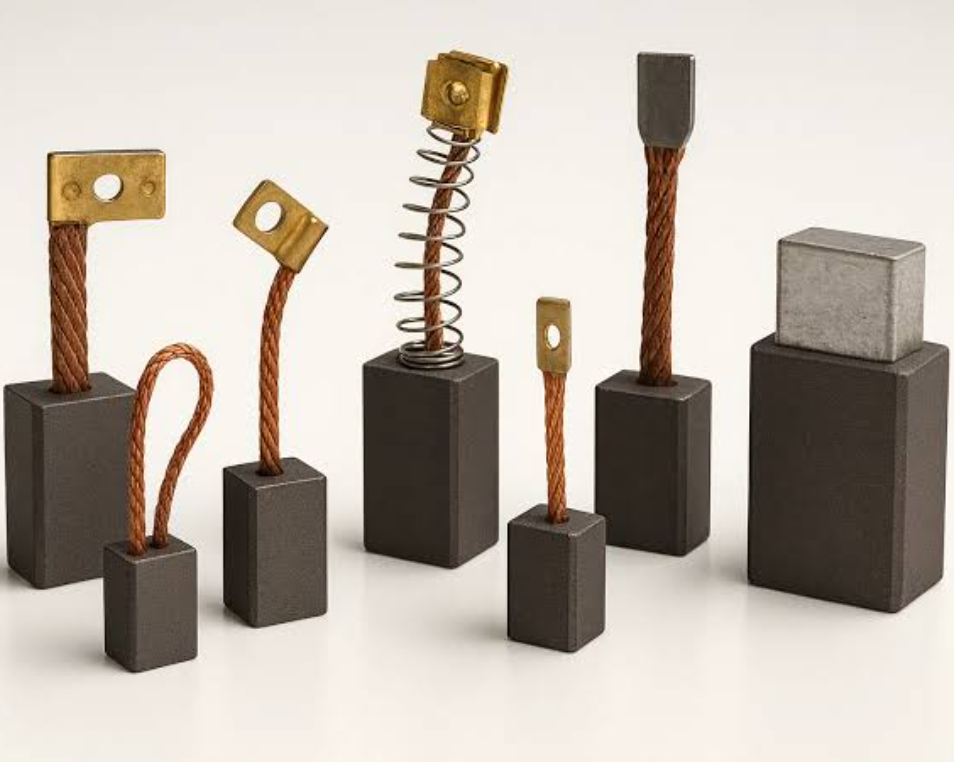
The most common numerical markings on standard carbon brushes represent three critical dimensional specifications of the brush body: thickness, width and height, which are the primary reference data for replacement and model matching. In most civilian and industrial carbon brush products, these three sets of numbers are arranged in a fixed thickness×width×height format, with millimeters serving as the mainstream unit of measurement. This unified marking method allows maintenance personnel to quickly read the overall size of the carbon brush without professional measuring tools, directly judging whether the accessory size is consistent with the original equipment configuration.
While millimeter units dominate domestic conventional products, some imported industrial carbon brushes adopt imperial inch units for dimensional marking due to regional industrial standard differences. Such inch-based numerical codes require simple unit conversion during selection and replacement to avoid installation mismatch caused by unit confusion. Whether marked in metric or imperial units, these dimensional numbers cover the basic outer contour of the carbon brush, which determines the fitting state between the brush body and the motor brush holder, and is the most intuitive and essential marking content for daily replacement work.
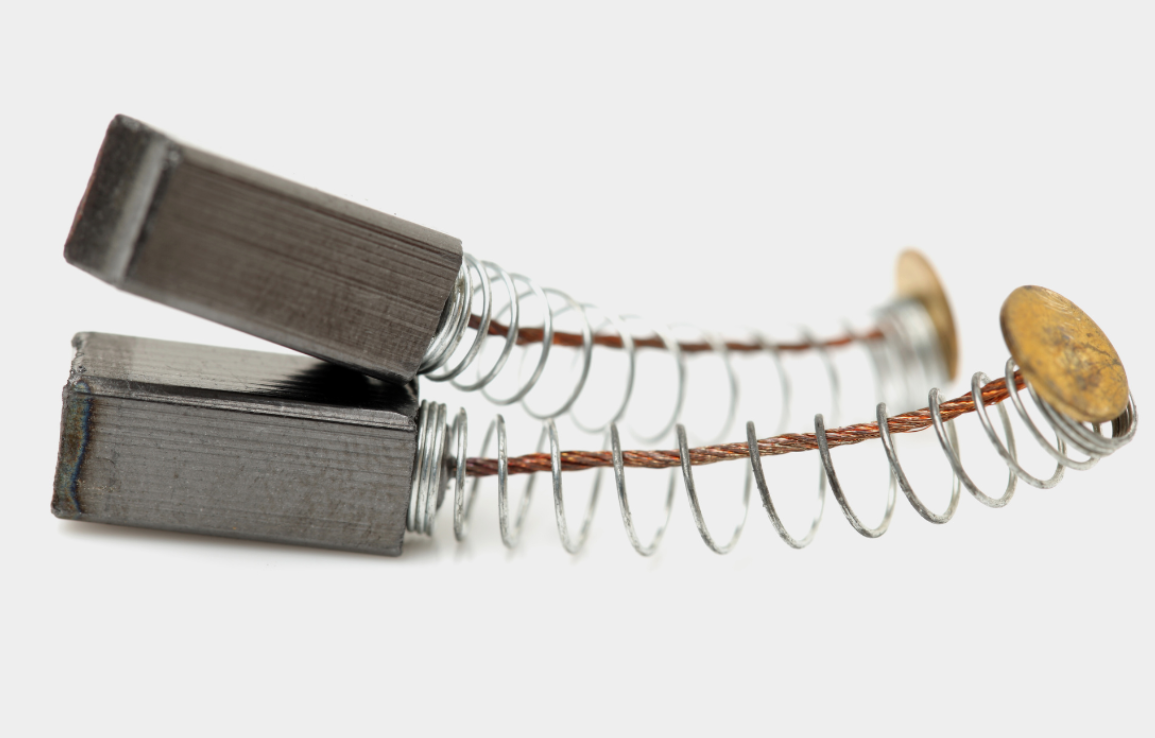
In addition to the three conventional overall dimensions, some special customized carbon brushes are printed with extended numerical codes corresponding to unique structural parameters required for special motor installation. These supplementary figures include the outer diameter of circular carbon brushes, the fixed length of tail lead wires, and the matching length of supporting compression springs. These targeted structural parameter markings are designed for special-shaped motors and non-standard equipment, accurately meeting the differentiated installation and assembly requirements of different motor models and ensuring zero-error adaptation during replacement.
Material Classification Coding Rules of Carbon Brushes
Most formal carbon brushes adopt a standardized coding mode combining prefix letters and suffix numbers, which professionally classify and define the core material types of the brush body, and different letter prefixes correspond to completely different carbon brush material systems. This set of coding rules is universally applicable in the industry, enabling users to quickly distinguish the basic material attributes of carbon brushes and judge their applicable working scenarios and performance characteristics through simple code identification.
The letter S stands for natural graphite carbon brushes, and the digits following the prefix are independent material sequence numbers used to distinguish different formulations and production batches of natural graphite products. Natural graphite carbon brushes have stable lubricity and moderate conductivity, and different sequence numbers represent subtle adjustments in material density and wear resistance, adapting to conventional medium and low-load motor operating environments. This coding form uniformly sorts various natural graphite brush products and standardizes the material selection standard for ordinary working conditions.
The letter D represents electrographite carbon brushes, with the first digit after the prefix specially used to distinguish different substrate materials, and the remaining digits acting as universal sequence numbers for product classification. Specifically, the number 1 corresponds to graphite-based substrates, 2 represents coke-based substrates, 3 stands for carbon black-based substrates, and 4 refers to charcoal-based substrates. Different substrate materials bring significant differences in high-temperature resistance, conductivity and wear resistance, making D-series coded carbon brushes widely used in medium and high-speed industrial motor equipment with diverse working condition demands.
The letter J denotes metal graphite carbon brushes, whose coding rule focuses on distinguishing internal bonding structures through the first digit after the prefix. The number 1 indicates binder-free metal graphite brushes, while 2 represents brushes with special adhesive binders, and the subsequent digits are unified product sequence numbers. Metal graphite brushes have excellent current-carrying capacity, and the difference in bonding structures directly affects their structural stability and service life under high-current loads, providing clear material basis for high-power equipment selection.
Beyond the prefix coding, the letter and number combinations at the end of the complete carbon brush code represent different organic impregnation treatments applied to the brush body. In the production process, different organic impregnants can optimize the internal structure of carbon brushes, effectively improving their surface lubricity, high-temperature oxidation resistance and conductive stability. Different suffix codes correspond to graded wear resistance and conductive performance, allowing users to select targeted impregnated carbon brushes according to the load intensity and operating cycle of the equipment.
Performance and Compliance Parameters Encoded on Carbon Brushes
In addition to size and material identification, the numerical codes on high-standard industrial carbon brushes also include core operational performance parameters, which are key indicators to match the carbon brush with the actual working load of the equipment. The most common performance markings include rated current density and maximum allowable operating temperature, two core parameters that determine the safe operating range of carbon brushes. These data are tested and calibrated according to industrial standards, reflecting the limit working performance of the carbon brush and avoiding equipment faults caused by overload operation.
Rated current density parameters define the safe current load per unit area of the carbon brush. When the motor operates within the marked current density range, the carbon brush can maintain stable conductivity, uniform heat dissipation and normal wear rate. If the actual operating current exceeds the marked standard, the current load will be excessive, leading to rapid temperature rise, accelerated wear and even ablation damage of the carbon brush. This numerical marking provides a clear operational threshold for high-load industrial equipment.
The maximum allowable temperature parameter regulates the high-temperature resistance limit of the carbon brush material. Different material formulations and impregnation processes result in different high-temperature tolerance capabilities. The marked temperature value is the safe operating ceiling of the carbon brush; long-term operation exceeding this temperature will destroy the internal lubricating film and material structure, resulting in performance degradation and premature failure. These performance codes help users scientifically match carbon brushes according to equipment operating temperature and load conditions.
Some complete carbon brush coding sequences also contain universal compliance management information, including environmental protection certification attributes and special material exemption qualifications. Unlike brand-specific exclusive parameters, these compliance codes are unified industry general standards, used to verify whether the carbon brush meets national and international industrial production, environmental protection and safety specifications. Such markings are essential for equipment used in standardized industrial production, export equipment and special industry scenarios, ensuring that the accessories meet formal compliance requirements.
General Application Classification Coding of Carbon Brushes
The numerical segments in complete carbon brush codes also contain general application classification information, which is used to distinguish the applicable tool categories and industrial scenarios of carbon brushes without being bound to specific brands or equipment models. This set of classification codes is summarized and formed according to the universal application rules of carbon brushes in the industry, realizing unified classification of civilian tools and industrial equipment accessories.
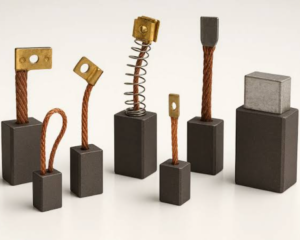
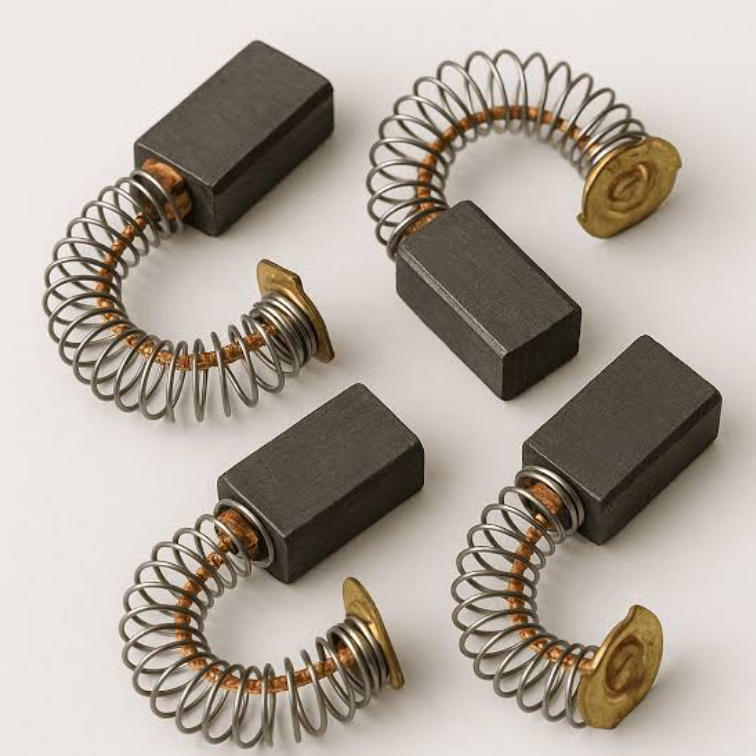
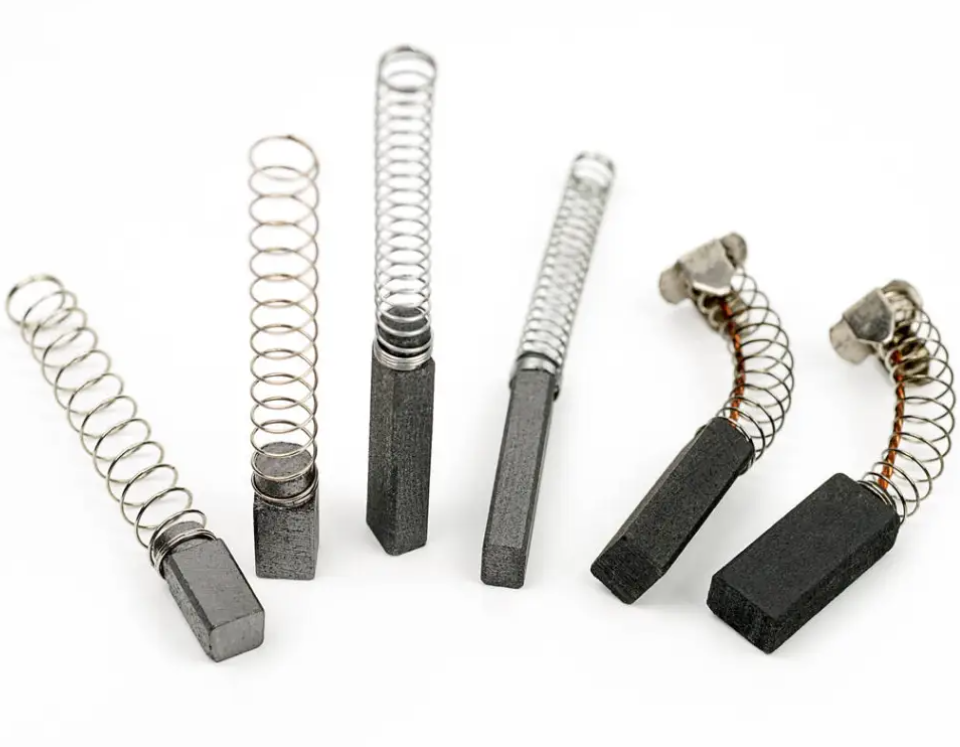
Part of the digital codes is responsible for marking the structural style classification of carbon brushes, distinguishing common types such as straight-bar type, arc-head type, special-shaped limit type and spring-integrated type. Different style codes correspond to different assembly structures and installation methods, helping maintenance personnel quickly judge the assembly adaptability of carbon brushes and avoid installation errors caused by structural mismatch.
At the same time, the coding numbers also cover the matching general equipment series, accurately distinguishing applicable scenarios such as small civilian power tools, household electrical appliance motors, medium-sized industrial drive motors and high-power generator equipment. Each category of equipment has corresponding fixed code segments, which can quickly lock the applicable range of carbon brushes and improve the efficiency of accessory selection and replacement.
This universal application coding system breaks the limitation of brand-specific accessory restrictions. Carbon brushes with unified classification codes can be universally adapted to all brands of equipment in the corresponding category, realizing standardized and generalized replacement of accessories, reducing maintenance costs and improving the versatility and practicability of carbon brush products in the market.
Q&A Session
Q1: What are the most basic numbers printed on carbon brushes?
The most fundamental markings are the three core dimensional parameters of thickness, width and height, mostly marked in millimeters, used to confirm whether the carbon brush size matches the original equipment. Some imported products use imperial units, and special carbon brushes also mark extended structural parameters such as diameter and lead wire length for special installation needs.
Q2: How to distinguish carbon brush materials through letter and number codes?
Industry standard prefix letters represent different material categories: S refers to natural graphite brushes, D stands for electrographite brushes with the first digit distinguishing substrate types, and J represents metal graphite brushes with the first digit identifying binder types. The suffix letter and number combinations reflect different organic impregnation treatments, corresponding to graded wear and conductive performance.
Q3: What performance information can carbon brush numbers reflect?
Professional carbon brush codes mark key performance parameters including rated current density and maximum allowable working temperature, which define the safe load and temperature resistance range of the brush. In addition, some codes contain universal compliance information such as environmental protection qualifications, which are standard industry management attributes.
Q4: What is the function of carbon brush application classification codes?
The classification numbers are used to distinguish carbon brush structural styles and applicable equipment series, covering civilian tools and various industrial motor scenarios. These universal codes are not bound to specific brands, realizing generalized matching and standardized replacement of carbon brushes of the same category.
Summary
Overall, the numbers and letter combinations marked on carbon brushes constitute a complete and standardized industrial coding system that covers all core attribute information of the product. The most basic dimensional codes accurately record the thickness, width and height of the carbon brush as well as special structural parameters, providing a direct basis for size matching and installation adaptation. The letter and number combined material codes clearly classify natural graphite, electrographite and metal graphite carbon brushes, and refine substrate types, binder structures and post-treatment processes to define material performance grades. The embedded performance and compliance parameters mark the safe operating current density, temperature resistance limit and industry compliance attributes, guiding scientific working condition matching. The universal application classification codes distinguish structural styles and applicable equipment scenarios, realizing brand-universal standardized matching. Fully understanding the meaning of carbon brush codes can effectively improve the accuracy of accessory selection and replacement, ensure adaptive operation of carbon brushes in corresponding working environments, and maintain long-term stable operation of brushed motor equipment.
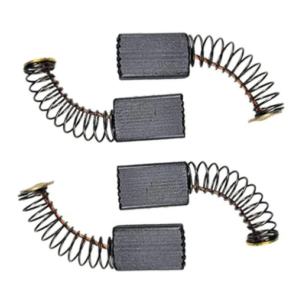
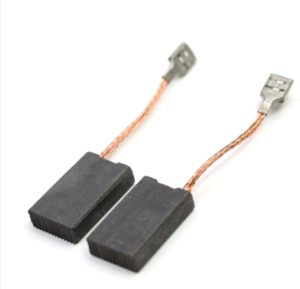
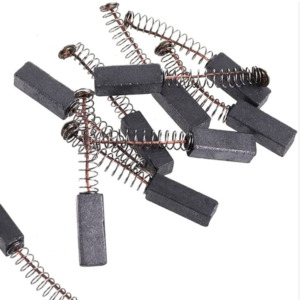
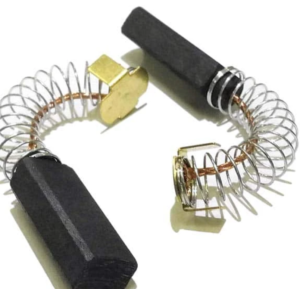
Carbon Brush for Sale:
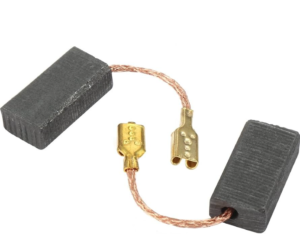
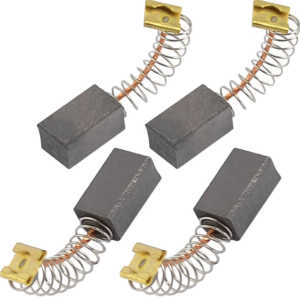
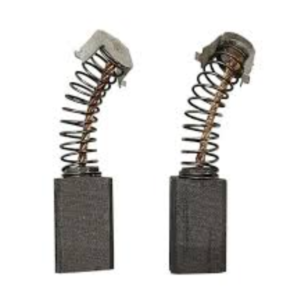
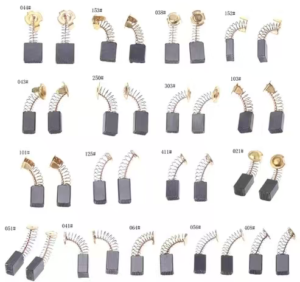
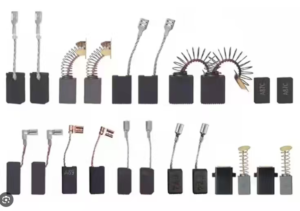
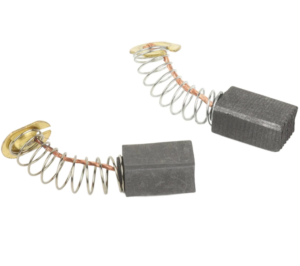
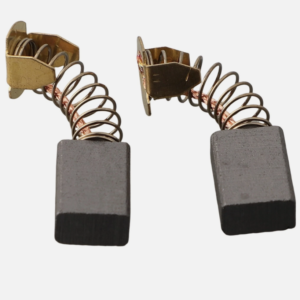
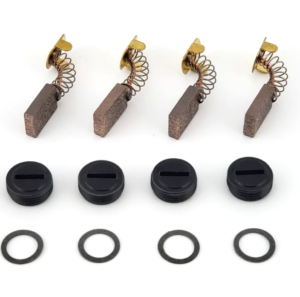
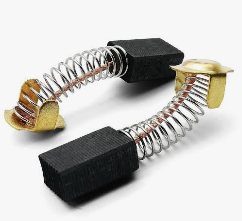
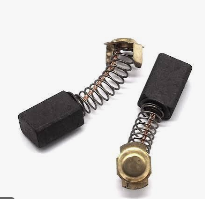
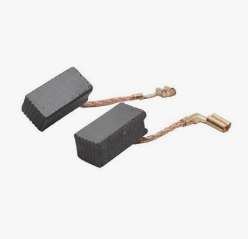
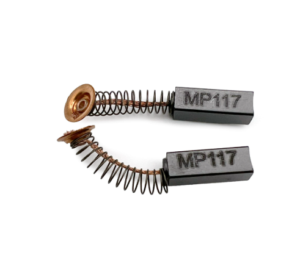
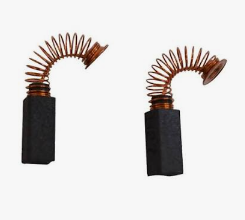
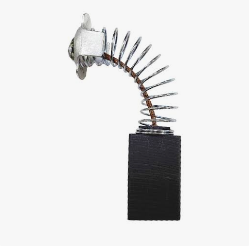
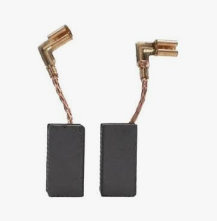
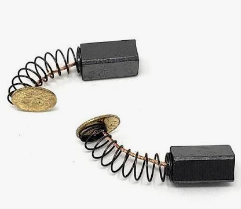
Post about Carbon Brush:
Diamond Blade

Welcome to call us
Contact Us to get quotation
Working Time: 8:00~17:00 Monday to Friday.
Applications:
Factory:
FAQ
Welcome to call us
Contact Us to get quotation
Working Time: 8:00~17:00 Monday to Friday.
Blender Blade:
Chisel Bit:
Cutting Wheel:
Diamond Core Drill Bit:
Flap Disc:
Angle Grinder:
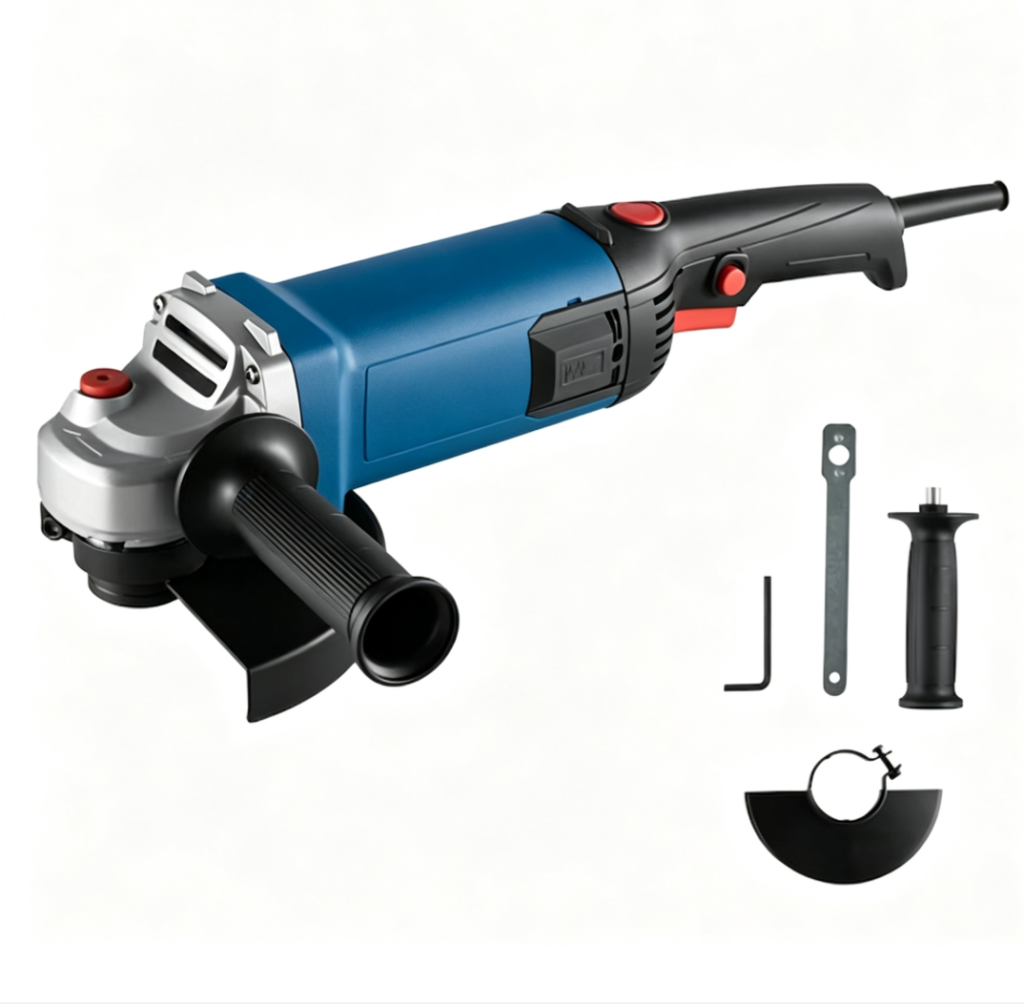
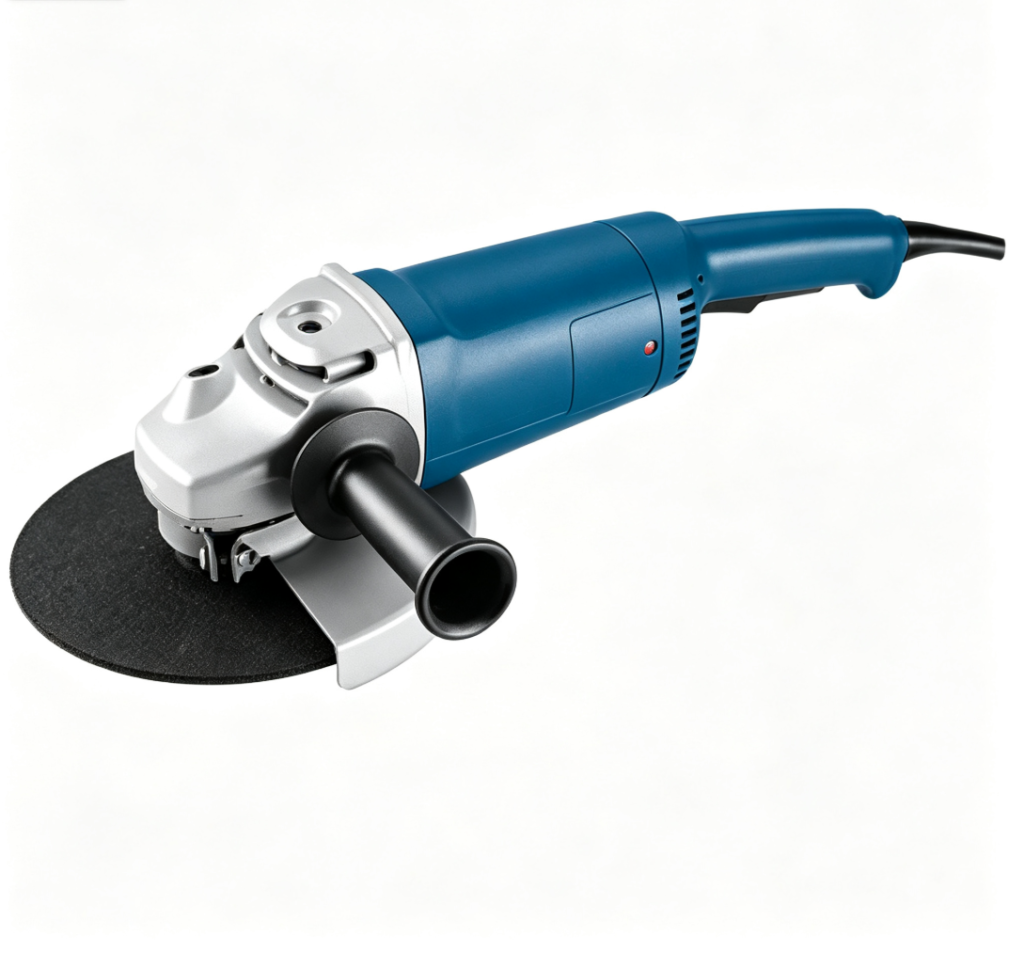
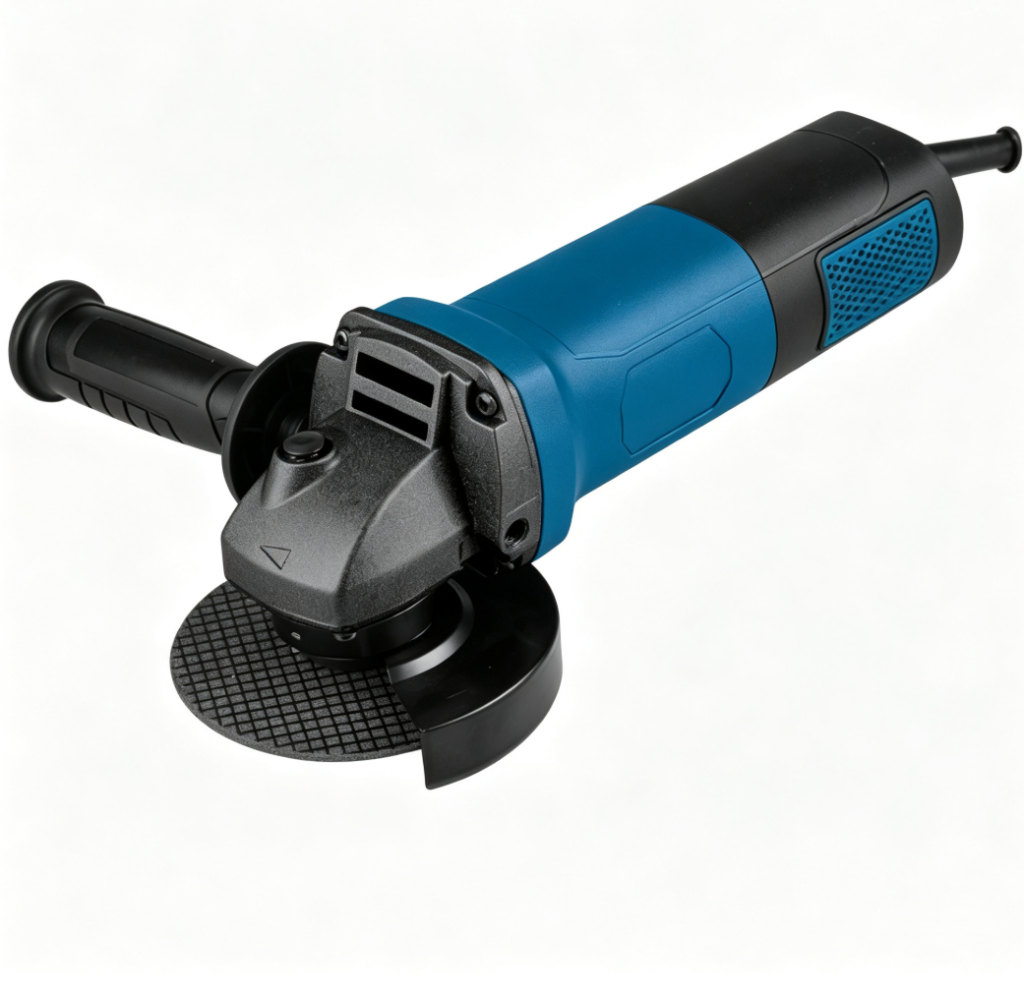
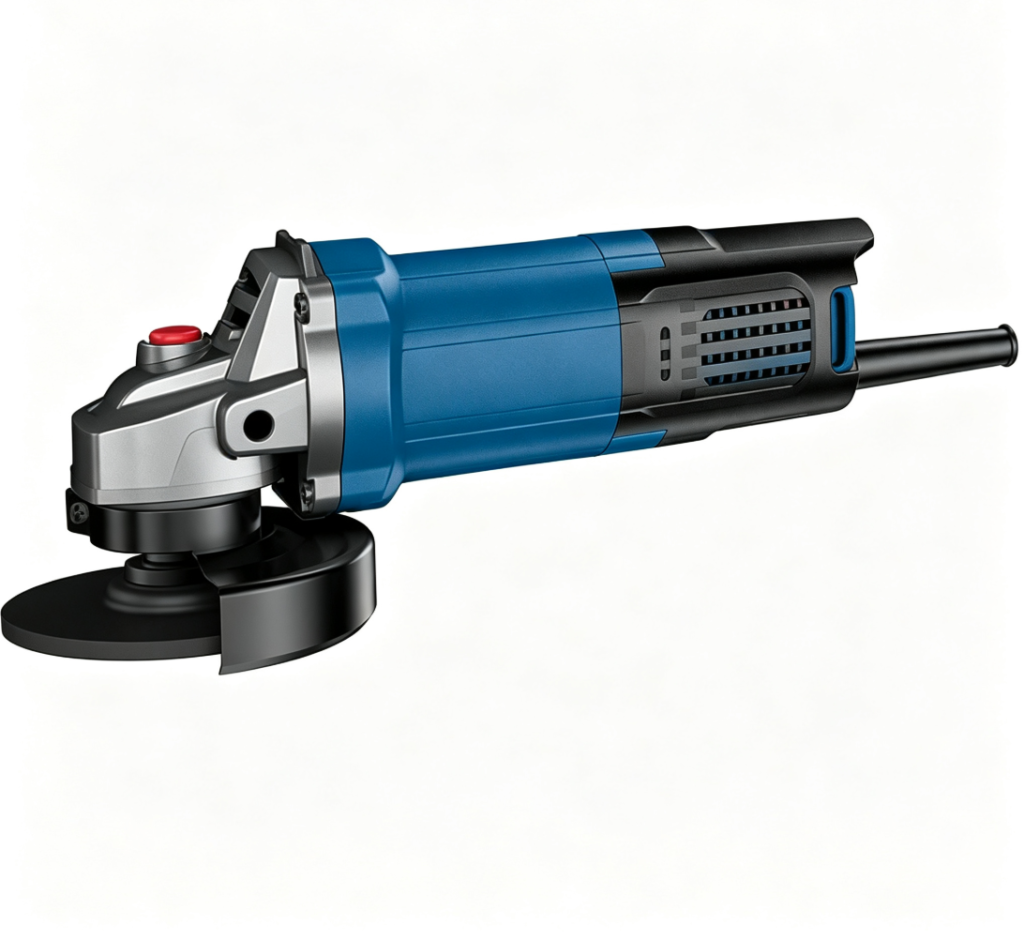
Industrial fan:
Demolition Hammer:
Blogs:
You May also Interest in other topics:
3000 mesh ultrafine grinding mill
LYLK 3 sides back Sealing Machine