What are the risks of using a demolition hammer?
What are the risks of using a demolition hammer?
Operating a demolition hammer comes with a wide range of distinct safety hazards covering electric shock, mechanical bodily injury, environmental accidents and surrounding property damage, and fully recognizing these risks allows operators to take targeted protective measures to avoid accidents.
Electric Shock Hazards
Electric shock is one of the most fatal risks during demolition hammer operation, mainly triggered by damaged insulation, improper use in wet waterlogged areas and missing residual current protection devices. Long-term friction and construction collisions easily crack the outer rubber insulation of power cords and the machine shell, exposing internal live metal parts. When workers operate the tool on flooded ground, damp basements or rainy outdoor sites without waterproof protection, water conducts electricity instantly once insulation fails. If the power socket lacks a qualified leakage protector, the circuit cannot cut off power within milliseconds after leakage occurs, and severe electric shock may cause cardiac arrest and even death in extreme cases. Even minor electric shocks can make operators lose control of the hammer, leading to secondary falling and impact injuries.
Risks of Damage to Surrounding Property
Intense low-frequency vibration produced by continuous hammer striking transmits through walls, floors and ground structures, easily causing varying degrees of property loss and neighborhood conflicts. The powerful shock force spreads to adjacent walls, resulting in wall plaster cracking, paint peeling, ceramic tile falling off and loose floor slabs in nearby rooms. For residential renovation projects in apartment buildings, persistent vibration can damage residents’ furniture, suspended ceilings and indoor pipelines. Such property damage inevitably leads to compensation disputes and unpleasant conflicts with neighboring households, delaying construction progress and bringing extra economic losses to contractors.
Environment-Induced Safety Dangers
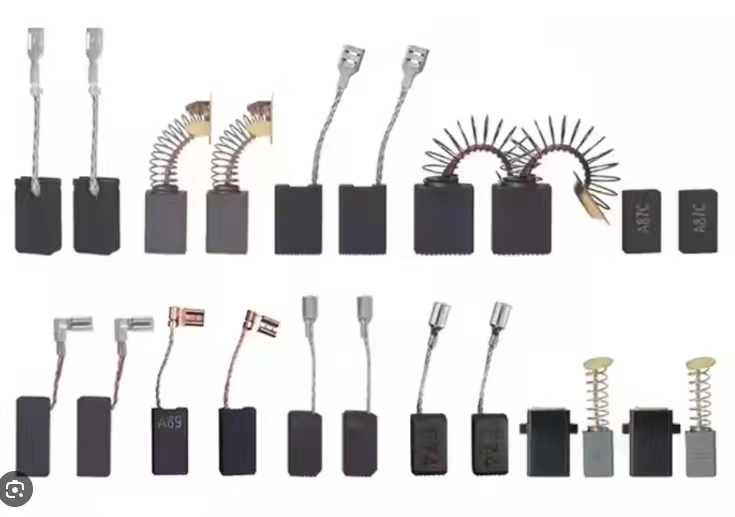
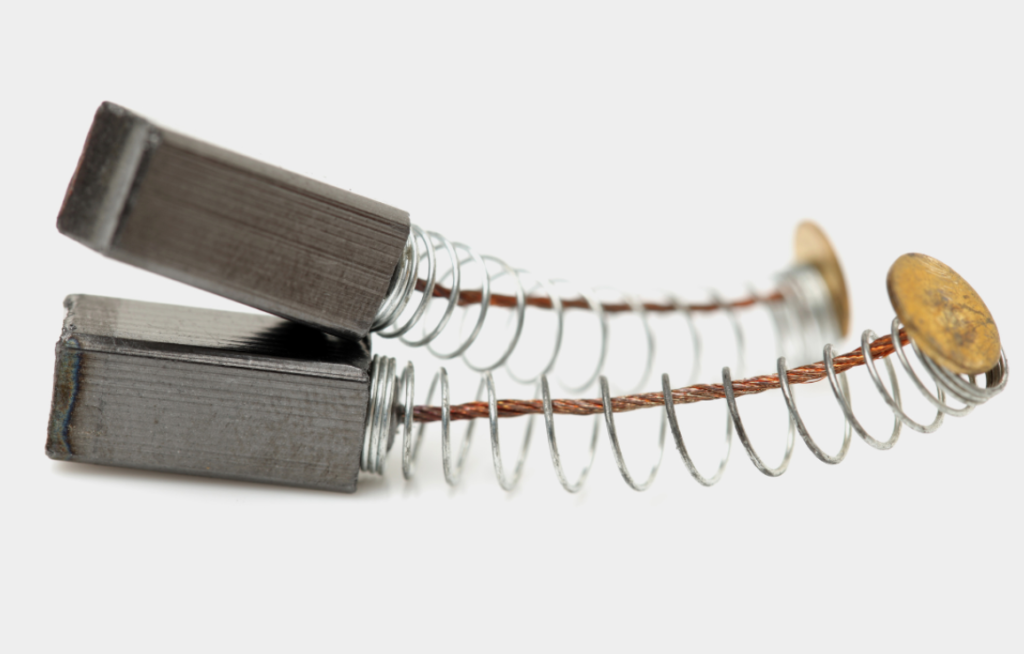
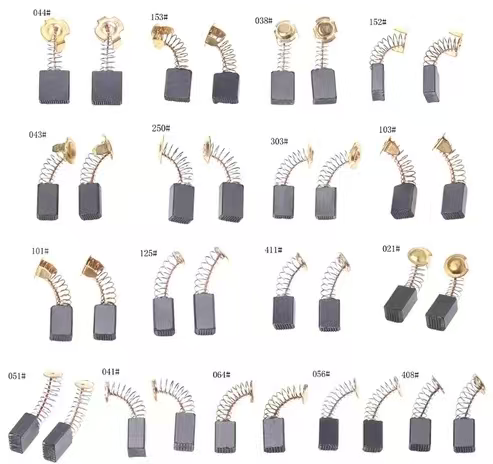
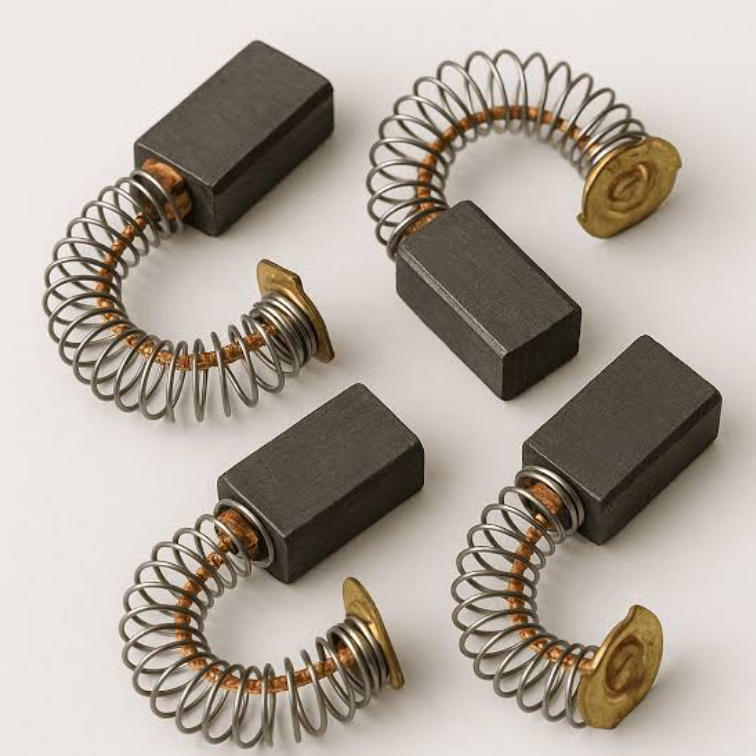
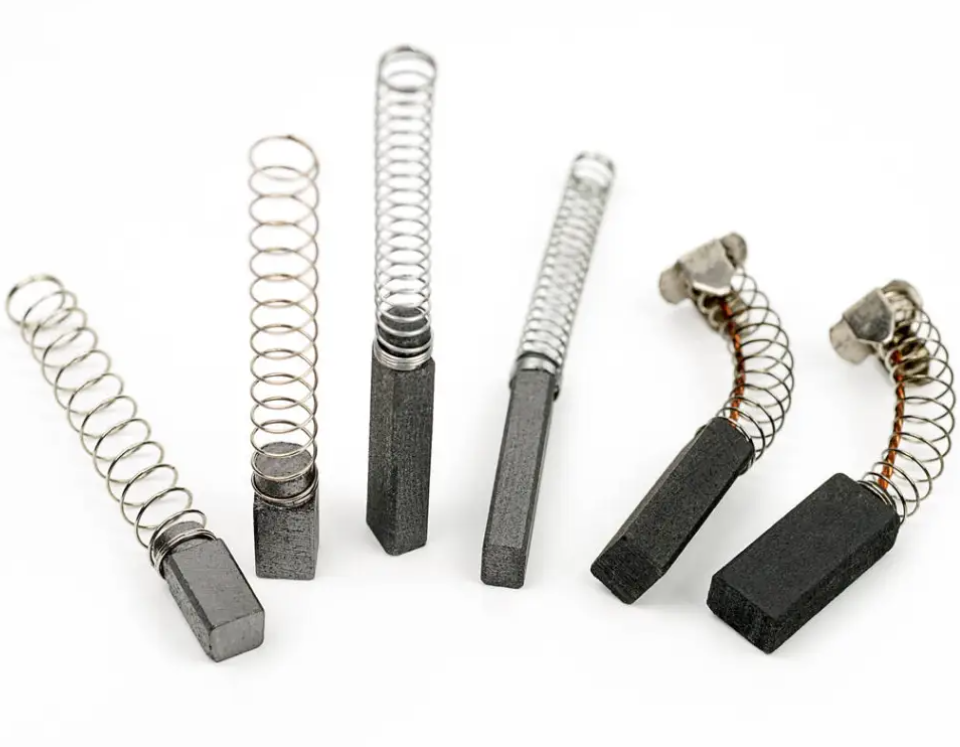
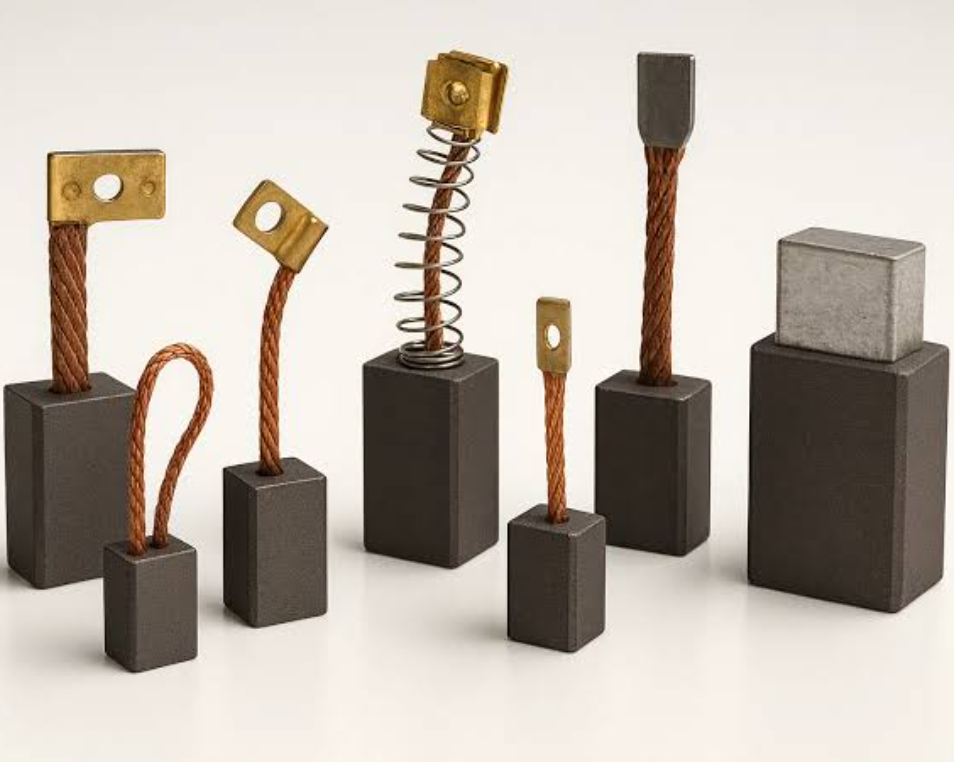
Flammable working surroundings and constant loud noise create two hidden long-term risks that are often overlooked by construction staff. When demolition work proceeds near flammable liquids, gasoline, paint fumes or accumulated combustible gas, tiny electric sparks generated by the motor carbon brushes or metal friction between the chisel and steel will ignite combustible substances, triggering large fires or violent explosions that endanger all personnel on site. Apart from fire hazards, the extremely high decibel operating noise of demolition hammers brings irreversible auditory damage. Prolonged exposure without noise-canceling earplugs damages inner ear hair cells, leading to permanent tinnitus and gradual hearing loss that cannot be restored through medical treatment.
Mechanical and Physical Injury Risks
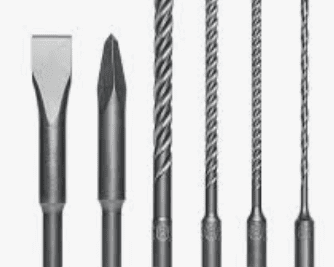
Multiple types of mechanical injuries threaten operators throughout the breaking process, including instant impact wounds and chronic long-term vibration damage. Sharp concrete fragments and tile shards fly out at high speed every time the chisel strikes hard surfaces; without safety goggles, debris can pierce eyeballs and cause permanent vision loss, while unprotected arms and faces will suffer painful cuts and bruises. Sudden uncontrolled tool rebound is another common hazard: when the chisel slips on smooth concrete or hits hidden steel bars, the whole hammer jolts violently and may slam into the operator’s torso or limbs. Worn or mismatched chisels also risk snapping mid-operation, sending heavy metal fragments flying outward. Beyond immediate wounds, sustained high-frequency vibration transfers to hands and wrists during hours of work, gradually triggering chronic joint numbness, nerve damage and long-term hand-arm vibration syndrome that cannot be fully cured later.
Supplementary Q&A
Q: Can I skip wearing earplugs if I only use the demolition hammer for 10 minutes a day?
A: No. Even short-term exposure to high noise will accumulate auditory damage over time; certified noise reduction ear protection must be worn every time you operate the tool.
Q: What should I do if the power cord insulation of the demolition hammer is cracked slightly?
A: Stop using it immediately. Do not wrap it casually with insulating tape for temporary use; replace the complete power cord to eliminate electric shock risks fundamentally.
Q: How to reduce vibration damage to adjacent walls during indoor demolition?
A: Adopt layered light chiseling instead of heavy continuous pounding, and lay thick rubber cushions between the machine and contact surfaces to weaken vibration transmission.
Final Verdict
Demolition hammer operation involves four major categories of risks: fatal electric shock from broken insulation and wet environments, acute mechanical trauma plus chronic vibration joint injuries, fire/explosion and permanent hearing loss caused by flammable surroundings and loud noise, as well as surrounding property damage and neighborhood disputes from strong vibration. Every operator must equip complete personal protective gear, check tool insulation and leakage protection before startup, avoid using the machine in flammable or flooded zones, and control striking intensity to lower vibration transmission. Standardized operation and full protection can effectively avoid almost all the above hazards and guarantee safe, smooth construction work.
Demolition Hammer & Rotary Hammer for Sale
Demolition Hammer Rotary Hammer Blog
Angle
Diamond Blade

Welcome to call us
Contact Us to get quotation
Working Time: 8:00~17:00 Monday to Friday.
Applications:
Factory:
FAQ
Welcome to call us
Contact Us to get quotation
Working Time: 8:00~17:00 Monday to Friday.