.jpeg)
How often should you replace blender blade?
-1024x581.jpeg)
How often should you replace blender blade?
There is no fixed universal replacement cycle for blender blades, as the service life and replacement frequency are mainly determined by daily usage scenarios, processing ingredients and blade material quality, and users can judge the replacement timing reasonably according to household, commercial and industrial application environments as well as actual blade working conditions. Blender blades are wearing parts that continuously bear friction, impact and shear force during high-speed operation. Long-term use will lead to blade passivation, edge deformation and structural wear, which directly reduce blending efficiency and affect food processing fineness. Different usage intensities and blade materials bring huge differences in service life. Soft ingredient processing causes slight wear, while frequent crushing of hard ingredients accelerates blade aging. Combining standardized cycle reference and real-time blade condition judgment is the most scientific way to replace blender blades and ensure stable equipment performance.
Replacement Cycle for Conventional Household Scenarios
The replacement cycle of blender blades in ordinary household use varies greatly depending on the types of processed ingredients. Most household blenders are equipped with standard 304 stainless steel blades, which have stable performance and good corrosion resistance for daily soft food processing. If users only use the blender to stir and crush soft ingredients such as fruits, vegetables and liquids in daily life with low use frequency and mild working load, the blade wear speed is extremely slow. Under this conventional gentle use condition, the 304 stainless steel blade can maintain sharp cutting performance and stable working state for 1 to 2 years, and does not need frequent replacement. However, if the household blender is frequently used to process hard ingredients including nuts, ice cubes and coarse grains, the blade will bear continuous strong impact and friction. Hard materials will quickly wear the blade edge, resulting in obvious passivation in as short as 3 to 6 months. Once the blade becomes dull and cannot crush ingredients finely, it is necessary to replace the blade in time to avoid affecting daily use effect.
Replacement Cycle for High-frequency Commercial Scenarios
Commercial blenders face long-term and high-intensity operation, so their blade replacement cycles are much shorter than household equipment. In catering stores, beverage shops and other commercial scenarios, the blender runs continuously for a long time every day with high working frequency and stable load, which brings continuous consumption to the blade. Ordinary metal blades with common hardness have poor wear resistance and cannot adapt to long-term high-load commercial operation. Under long-time continuous working conditions, ordinary commercial blades will appear passivation and micro wear in 3 to 6 months, requiring timely replacement to guarantee stable commercial processing efficiency and uniform ingredient fineness. For commercial blenders equipped with upgraded wear-resistant alloy blades, the blade hardness and impact resistance are significantly improved. The optimized material structure can resist long-term high-frequency friction and hard ingredient impact, effectively extending the service life, and the replacement cycle can be stably prolonged to 6 to 12 months for high-frequency commercial use.
Replacement Cycle for Industrial Blender Scenarios
Industrial blender blades bear the most stringent working conditions, with replacement cycles strictly distinguished by blade materials and processing materials. Industrial equipment is mostly used for batch processing of materials containing hard particles, which causes the most severe wear on blades. Ordinary carbon steel blades with low hardness and weak wear resistance are easily worn and passivated after continuous impact and friction with hard granular materials. In formal industrial production environments, ordinary carbon steel blades need to be replaced every 1 to 3 months to avoid unqualified processing quality caused by blade wear. In contrast, high-performance wear-resistant alloy blades customized for industrial equipment have super high hardness, compression resistance and wear resistance. They can withstand long-term batch processing of hard granular materials without obvious deformation or passivation, greatly reducing replacement frequency, and the service cycle can be extended to 3 to 12 months according to specific processing intensity and material hardness.
Judgment Criteria for Timely Blade Replacement
In addition to regular cycle replacement, the actual working state of the blade is the most intuitive judgment basis for immediate replacement, which applies to all household, commercial and industrial blenders. When the blade edge appears obvious curling, gap deformation or serious wear and passivation, the cutting and shearing force will drop sharply, and the blade completely loses its original working performance. Meanwhile, if the blender can no longer crush ingredients into fine and uniform texture, and always produces granular residues and uneven stirring results even with extended stirring time, it fully proves that the blade has failed. In addition, abnormal vibration and strange friction noise during high-speed operation are typical signs of blade deformation and unstable operation. Once the above problems occur, users should stop using the equipment and replace the blade immediately to prevent reduced processing quality and potential equipment safety hazards.
Supplementary Q&A
Q:What is the main factor that determines blender blade replacement frequency?
A:The replacement frequency is mainly determined by actual usage scenarios, processing ingredients and blade material. Soft ingredient use and high-quality alloy blades extend the service life, while frequent hard ingredient crushing and ordinary low-hardness materials greatly shorten the replacement cycle.
Q:How long can a household blender blade last for daily soft and hard ingredient processing respectively?
A:Standard 304 stainless steel blades can be used for 1 to 2 years when only processing soft fruits and vegetables. If frequently crushing hard nuts and ice cubes, the blade will be obviously passivated within 3 to 6 months and needs timely replacement.
Q:What abnormal signs mean the blender blade needs immediate replacement?
A:Obvious edge curling and deformation, failure to blend ingredients finely, and abnormal running noise and vibration are typical failure signs. These problems indicate severe blade wear or structural damage and require immediate replacement to ensure normal and safe operation.
Final Verdict
In conclusion, blender blade replacement has no fixed standard cycle and requires flexible adjustment according to usage intensity and blade status. Household soft processing scenarios have the longest service life, while hard ingredient processing and high-frequency commercial and industrial operation significantly accelerate blade wear. Ordinary metal and carbon steel blades have short replacement cycles, while wear-resistant alloy blades can effectively extend service time. Combining regular cycle replacement and real-time fault judgment can help users replace blades scientifically, maintain stable blending performance, ensure processing fineness and food safety, and extend the overall service life of blender equipment.
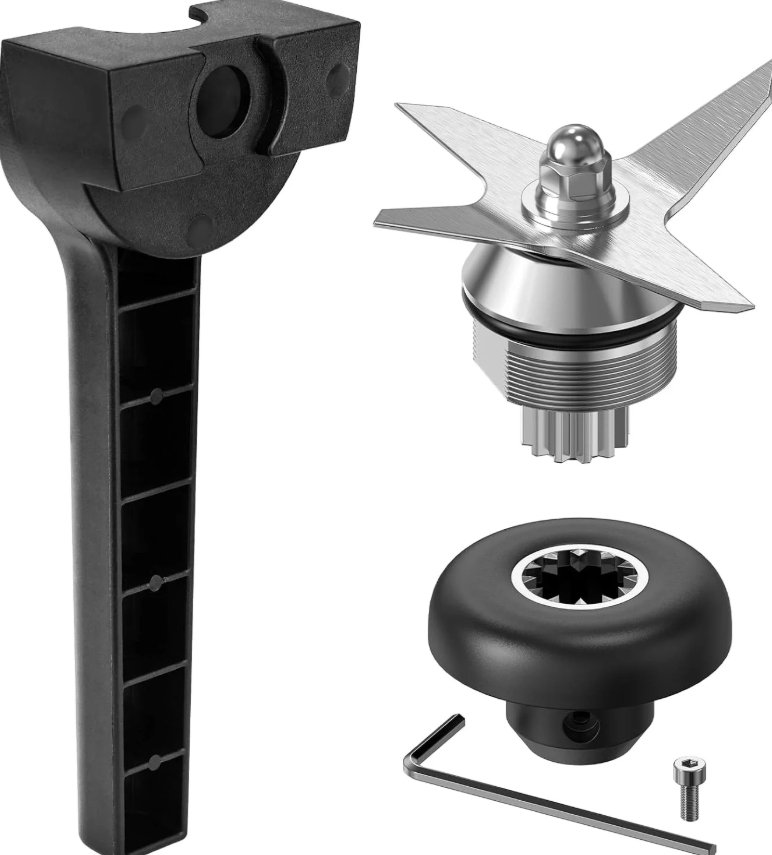
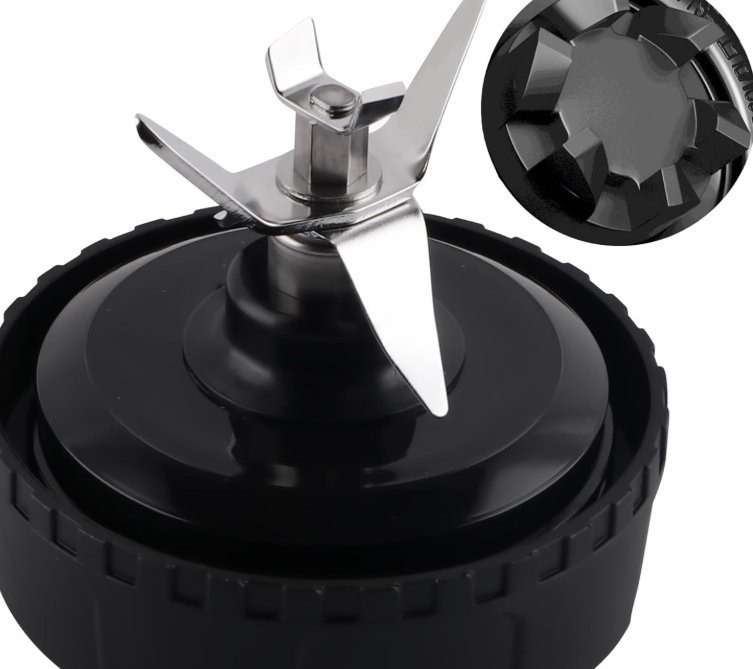
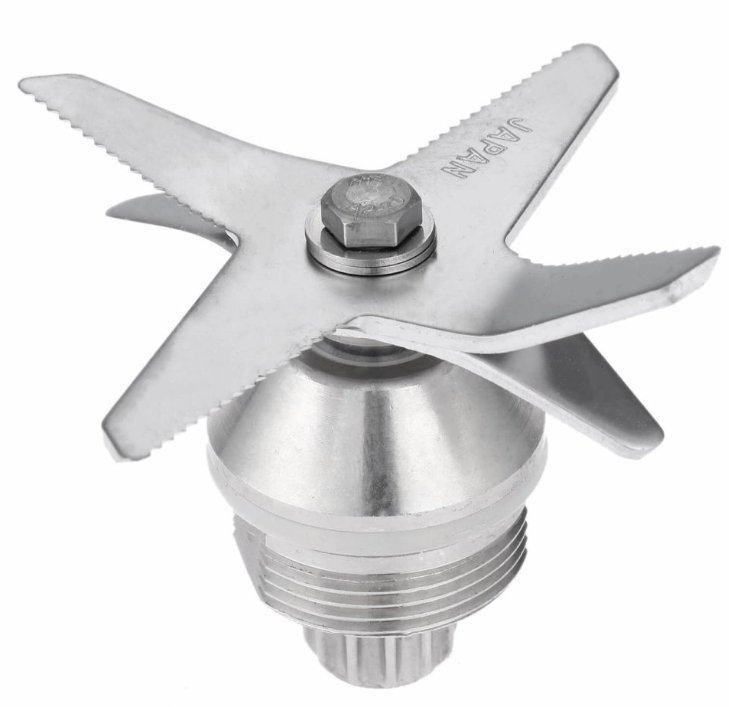
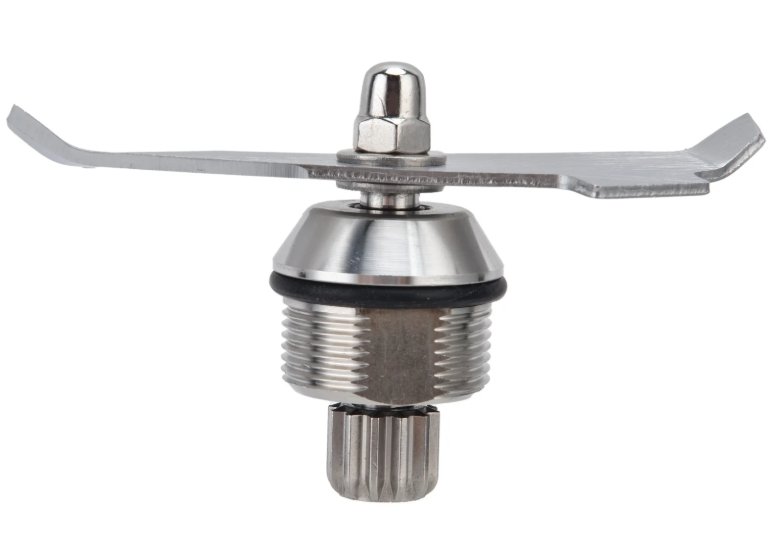
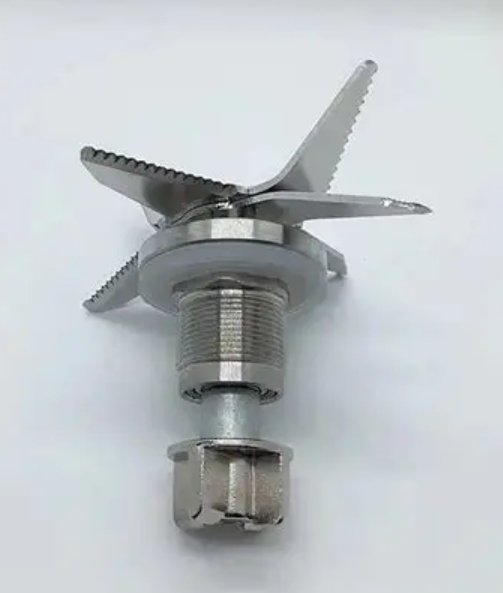
Blender Blade for Sale
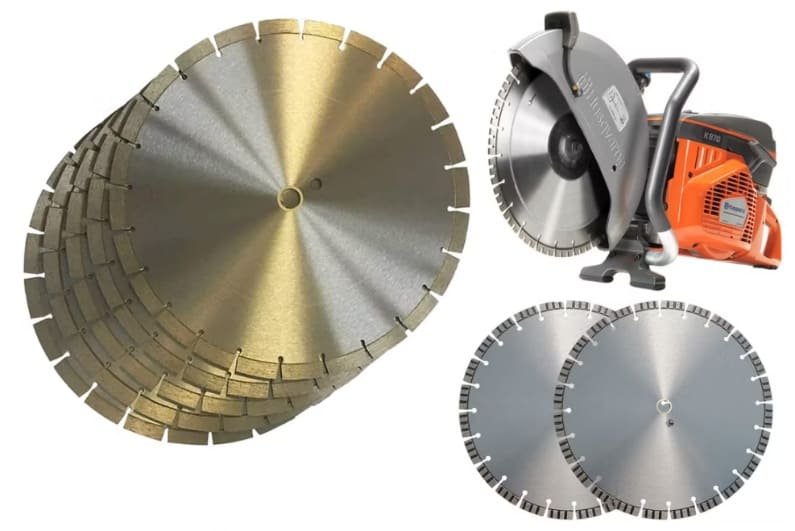
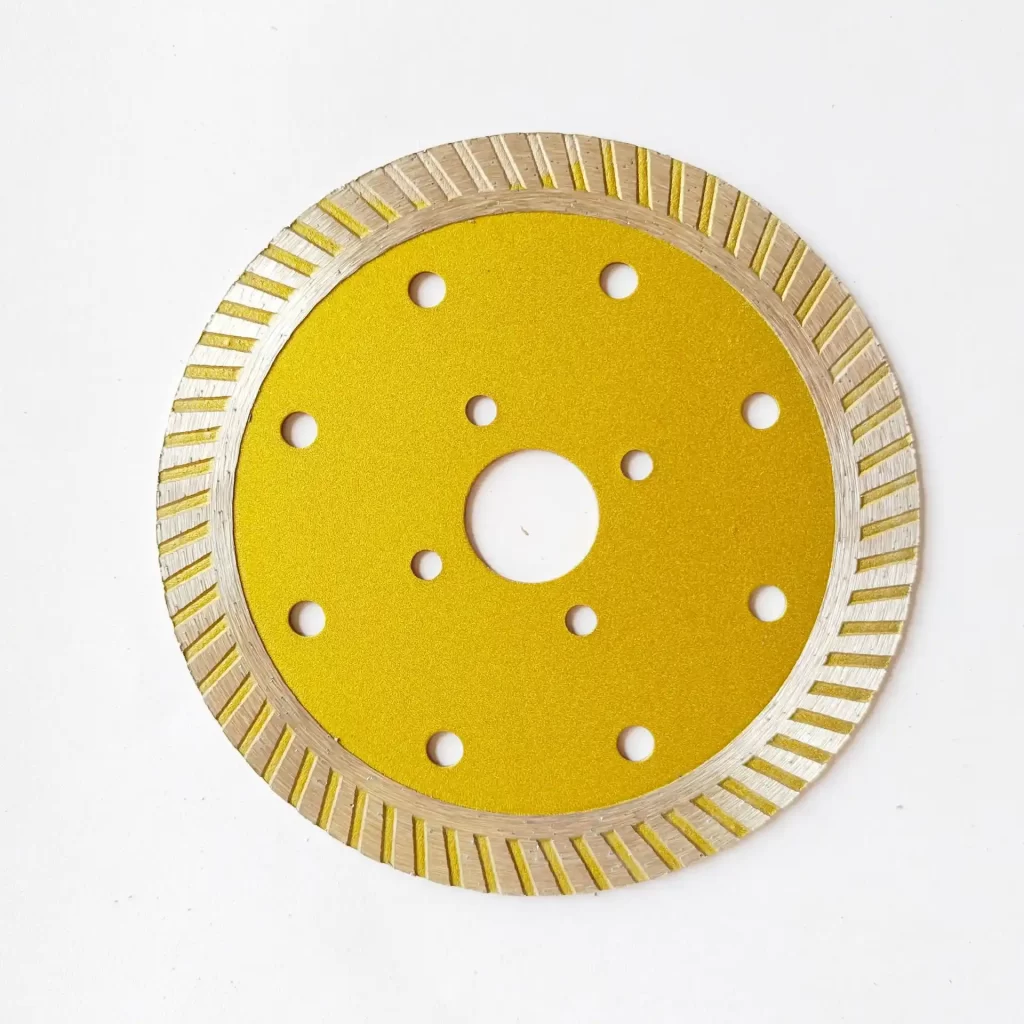
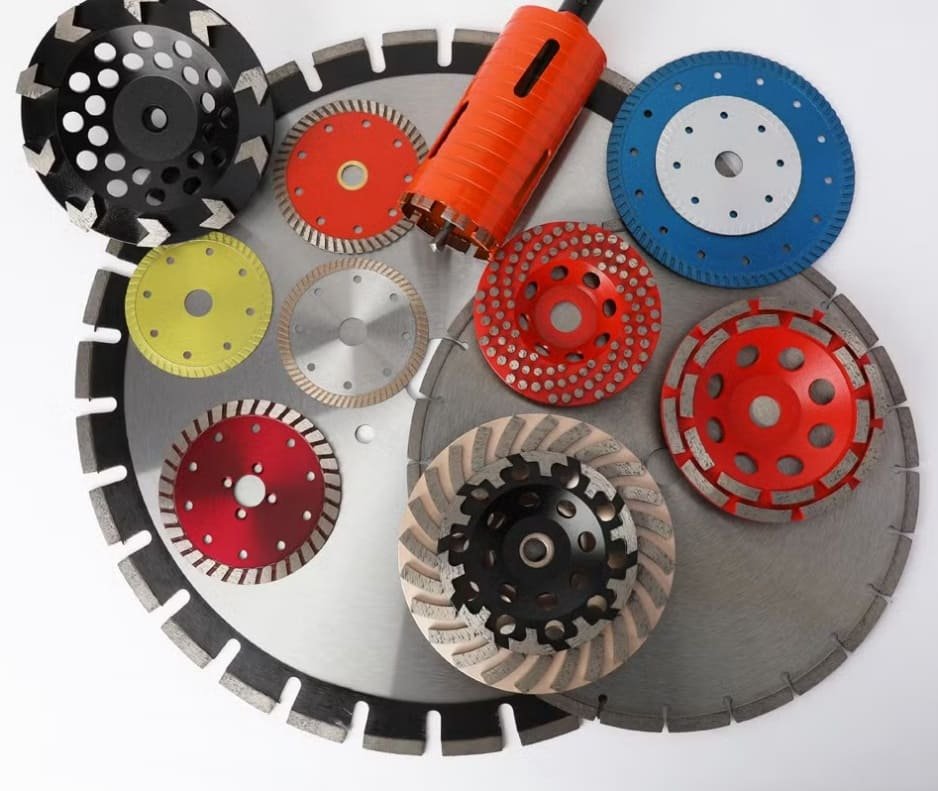
Diamond Blade for Sale

Demolition Hammer & Rotary Hammer for Sale
Angle
Welcome to call us
Contact Us to get quotation
Working Time: 8:00~17:00 Monday to Friday.
FAQ
Welcome to call us
Contact Us to get quotation
Working Time: 8:00~17:00 Monday to Friday.
Blogs:
You May also Interest in other topics:
Tumble Blenders Solar EV Charger packing machine ball mill for graphite grinding