Is demolition hammer thrash or death?
Is demolition hammer thrash or death?
Is demolition hammer thrash or death?If you’re digging into classic 90s extreme metal, you’ve almost certainly stumbled across the debate: Is Demolition Hammer thrash metal, or death metal? Listeners frequently go back and forth, and it’s easy to understand why. Their raw, heavy sound sits neatly in the grey space between both genres. But after breaking down their discography, musical roots, and critical consensus, there is a clear answer.
Short Answer upfront
Demolition Hammer is primarily a thrash metal band. Still, their heavy use of death metal aesthetics, brutal riffs and gory lyrical themes leads many fans to categorize them as death/thrash crossover. You cannot simply slot them fully into pure death metal.
Where the confusion comes from
Demolition Hammer formed in The Bronx, New York, back in 1986, emerging during a pivotal era for underground metal. Around this time, Florida death metal was exploding, and many thrash groups began cranking up aggression to keep pace. Several factors blur the genre lines for casual listeners.
First, their debut album Tortured Existence was recorded at Morrisound Recording in Tampa — the legendary studio that birthed iconic death metal bands like Obituary, Deicide and Cannibal Corpse. The thick, muddy low-end production sounds identical to many landmark death metal records of the early 90s. It’s easy to hear the mix and immediately jump to death metal conclusions.
Then there are the lyrics. Tracks such as Human Dissection, Envenomed and Aborticide lean into graphic, morbid subject matter that was far more common in death metal than mainstream thrash of the 80s. Traditional Bay Area thrash tended to focus on warfare, corruption and social chaos, not visceral medical horror.
The vocal style adds to the mix as well. Frontman Steve Reynolds delivers harsh, barking vocals, rougher than the sharp shouts of classic thrash bands. It lacks the guttural low growl typical of pure death metal, but sits far more aggressive than standard thrash delivery.
The core thrash foundations that define Demolition Hammer
Despite all death metal adjacent traits, the building blocks of every Demolition Hammer song remain rooted firmly in thrash.
Riff structure and songwriting Their guitar work relies on classic thrash rhythm patterns, fast palm-muted picking, and recognizable thrash-style tempo shifts. The band regularly includes sharp, melodic guitar solos — a staple of thrash that many early death metal acts largely abandoned. Death metal tends to prioritize constant chugging rhythm and minimal lead work, which is not the case here.
Punk and crossover influence New York hardcore and crossover thrash heavily shaped their sound. Group gang shouts and tight, aggressive mid-tempo breakdowns show clear east coast thrash crossover DNA. This cultural thread links them to other NYC thrash outfits rather than Florida death metal circles
No pure death metal musical framework True old-school death metal hinges on ultra-low tuned guitars, constant blast beats, and deep guttural growls. Demolition Hammer rarely leans into full blast beat drumming, and their guitar tuning stays consistent with late 80s thrash standards. The rhythmic backbone stays thrash first.
Critics on major metal archives and fan databases largely align on this distinction. Most official tagging lists Demolition Hammer as thrash metal, with death/thrash as a secondary descriptor to acknowledge the heavier influences.
How each album balances thrash and death metal flavours
Tortured Existence (1990)
Their rawest release. The Morrisound production makes it sound deceptively death-metal heavy. Underneath the murky mix, every song follows thrash song structures. This record is the main source of ongoing genre confusion among new fans.
Epidemic of Violence (1992)
Widely regarded as their masterpiece. The production tightens up, and thrash characteristics become far more obvious. Sharp riffs, distinct solos and dynamic pacing cement this as essential thrash. Most long-time fans point to this album to settle the thrash vs death argument.
Time Bomb (1994)
A notable shift. The band moved toward groovier rhythms inspired by Pantera, moving away from both traditional thrash and death metal leanings. It stands apart from their earlier brutal sound.
What Is Death/Thrash?
You will see the term thrown around constantly for Demolition Hammer, and it is a valid label. Death/thrash describes bands that take the speed, structure and solos of thrash metal, then layer on death metal brutality, dark lyrical concepts and heavier production.
It is a crossover subgenre — not a replacement classification. Calling Demolition Hammer death/thrash works perfectly, but labelling them purely death metal overlooks their fundamental thrash identity.
Frequently Asked Questions
Q: Why do so many listeners think Demolition Hammer is death metal?
A: The combination of Morrisound studio production, graphic lyrics and harsh vocals creates immediate death metal associations. Most casual fans judge genre first by tone and lyrical themes, rather than underlying song structure.
Q: Are there other similar death/thrash thrash bands I can check out?
A: Bands like Sadus, Dark Angel and early Sepultura share the same aggressive crossover energy, blending thrash speed with death metal heaviness.
Q: Does the band themselves classify their music?
A: In interviews, members have always self-identified as thrash metal, acknowledging they pushed the boundaries of how heavy thrash could get without fully switching to death metal.
Final Verdict
Demolition Hammer is thrash metal, with prominent death metal influences — often described as death/thrash. If you love brutal riffs and dark atmosphere, you can absolutely treat their records like classic death metal for listening purposes. From a formal genre standpoint, however, the songwriting, musical techniques and band origins place them firmly within the thrash metal family.
Demolition Hammer & Rotary Hammer for Sale
Demolition Hammer Rotary Hammer Blog
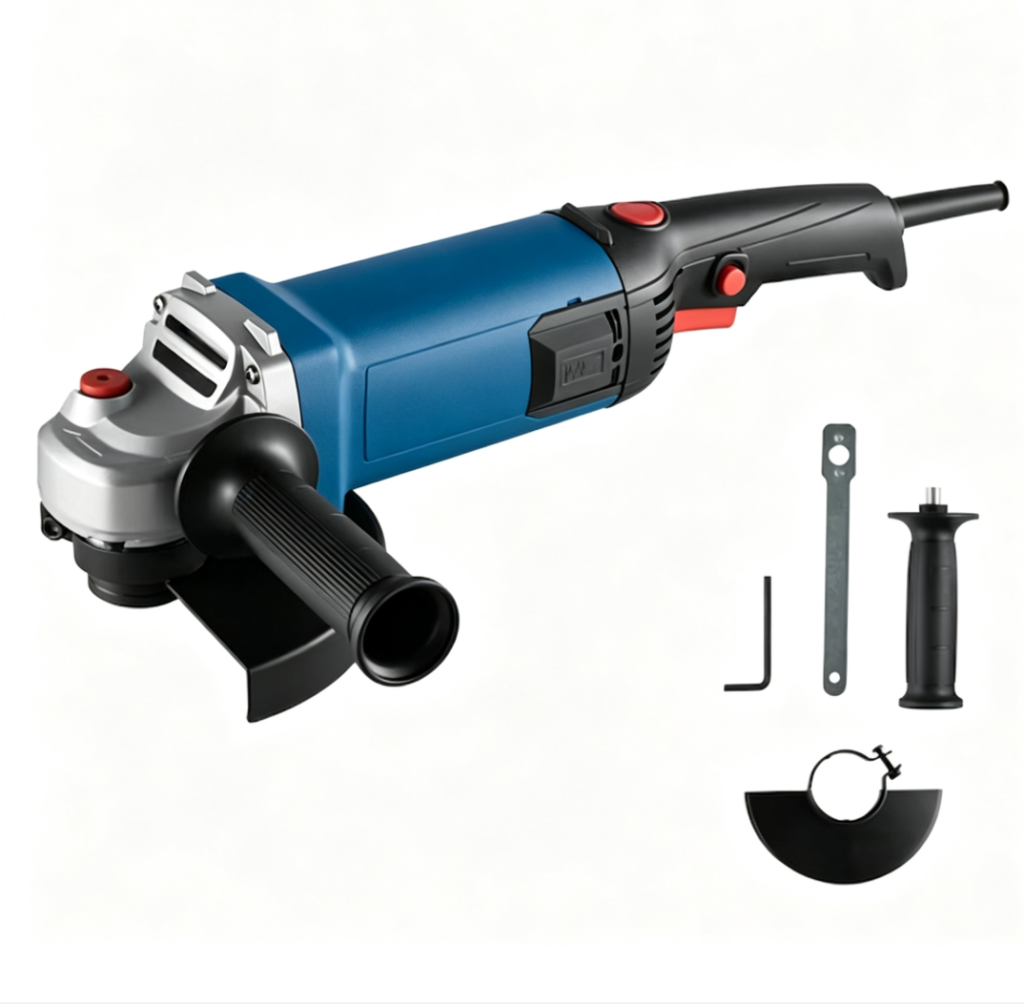
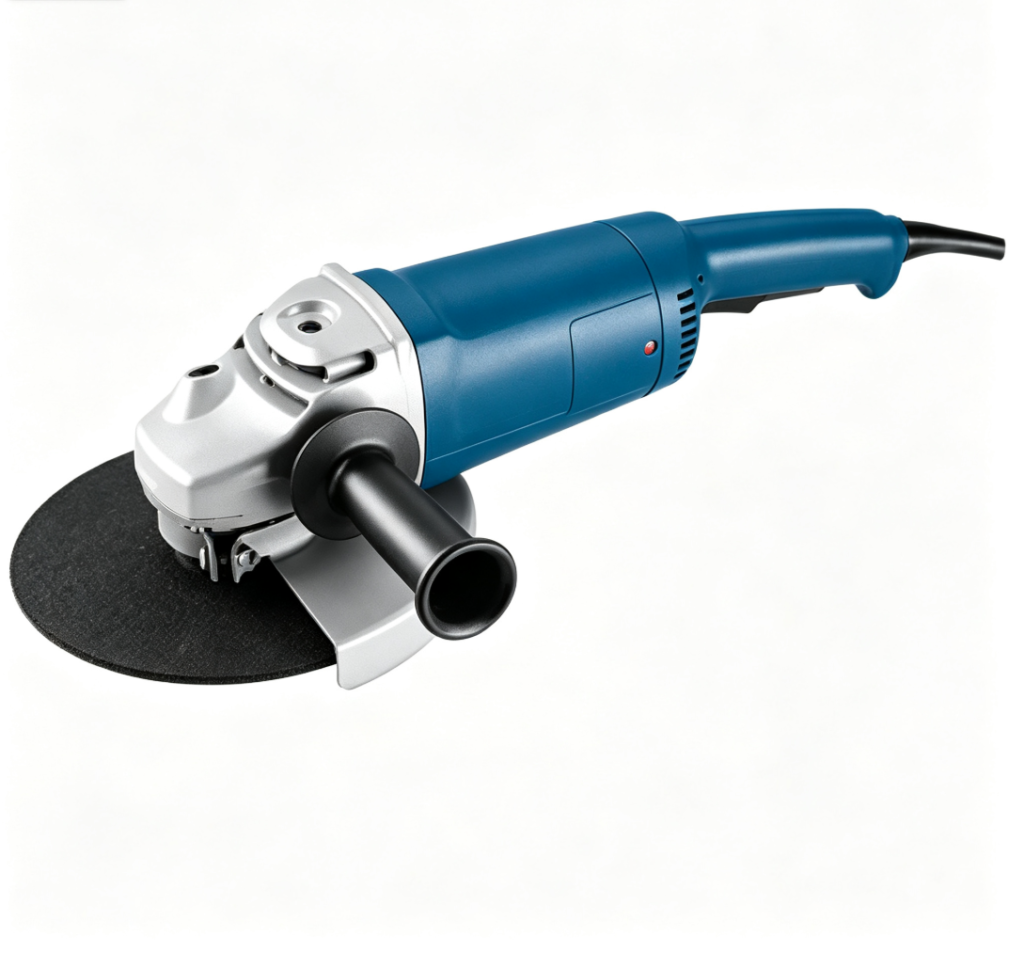
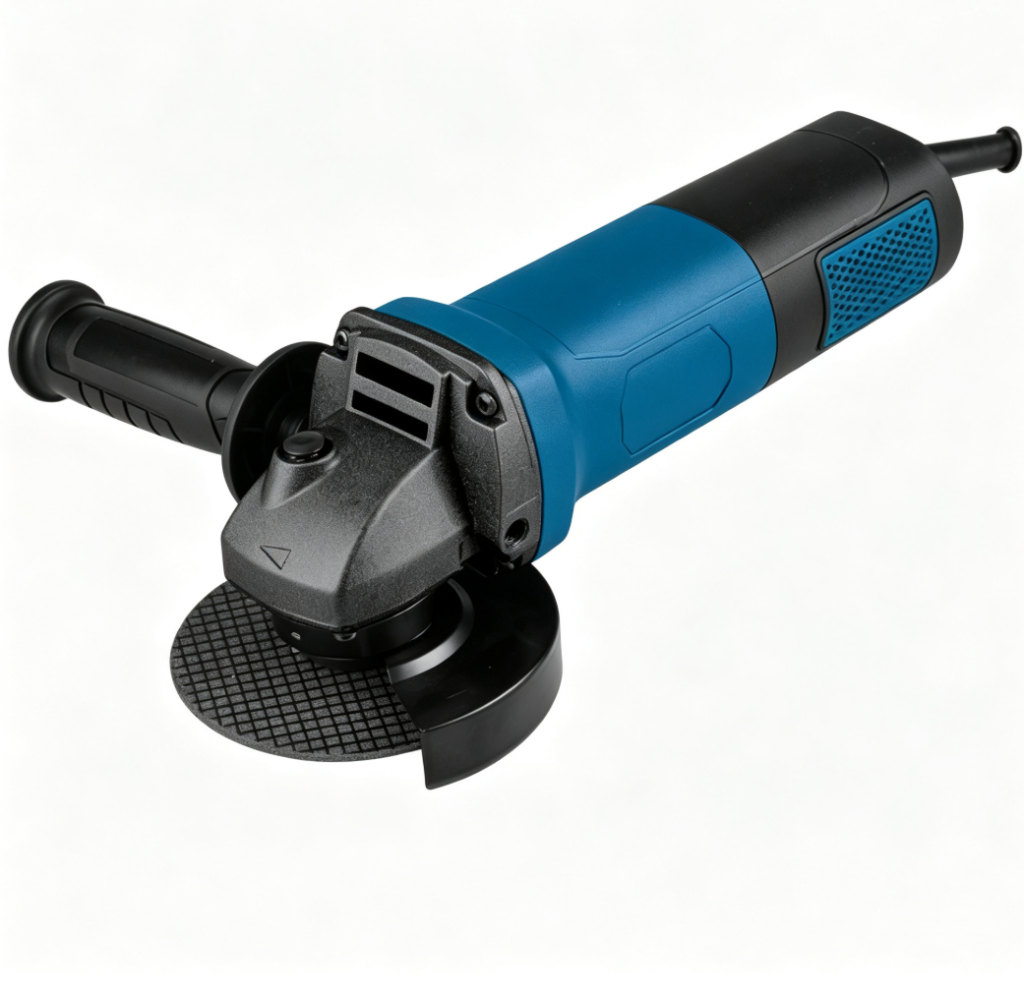
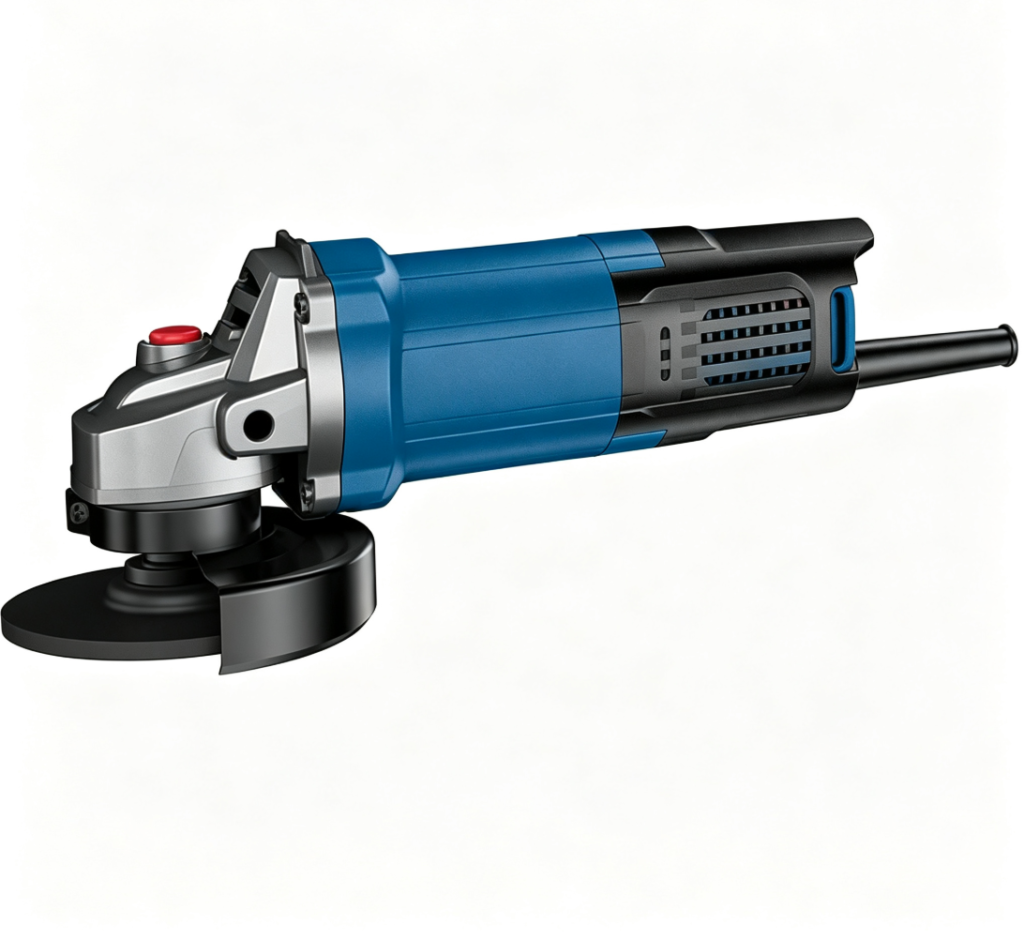
Angle
Diamond Blade

Welcome to call us
Contact Us to get quotation
Working Time: 8:00~17:00 Monday to Friday.
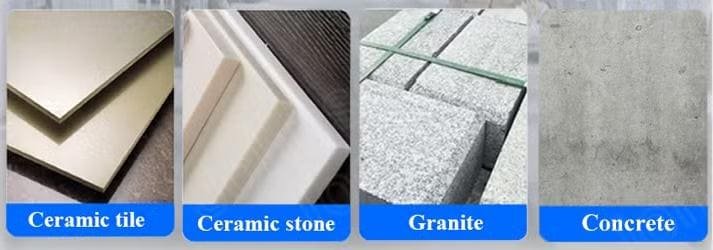
Applications:
Factory:
FAQ
Welcome to call us
Contact Us to get quotation
Working Time: 8:00~17:00 Monday to Friday.