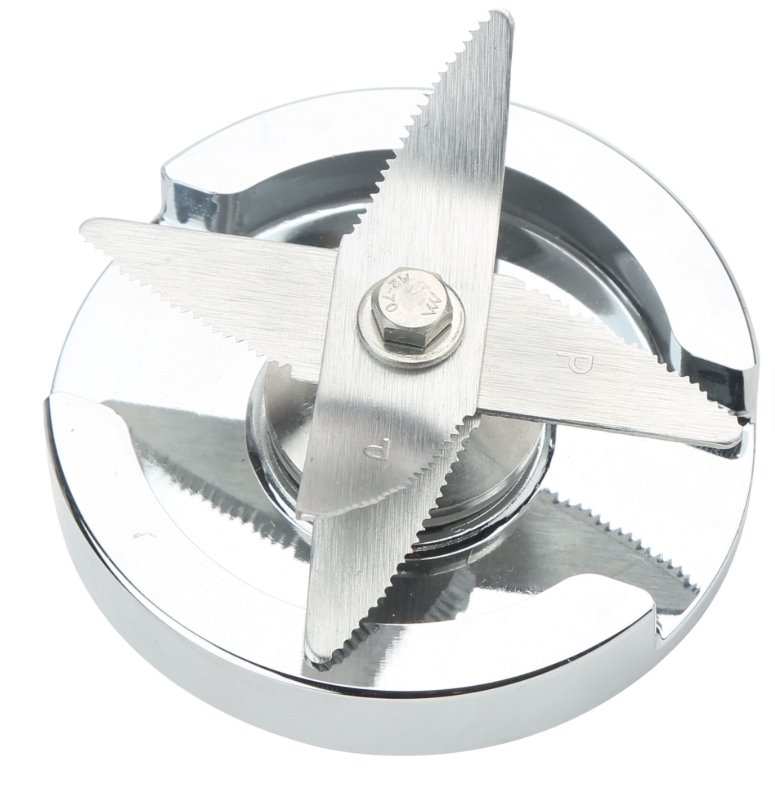
Blender Knife
Specs
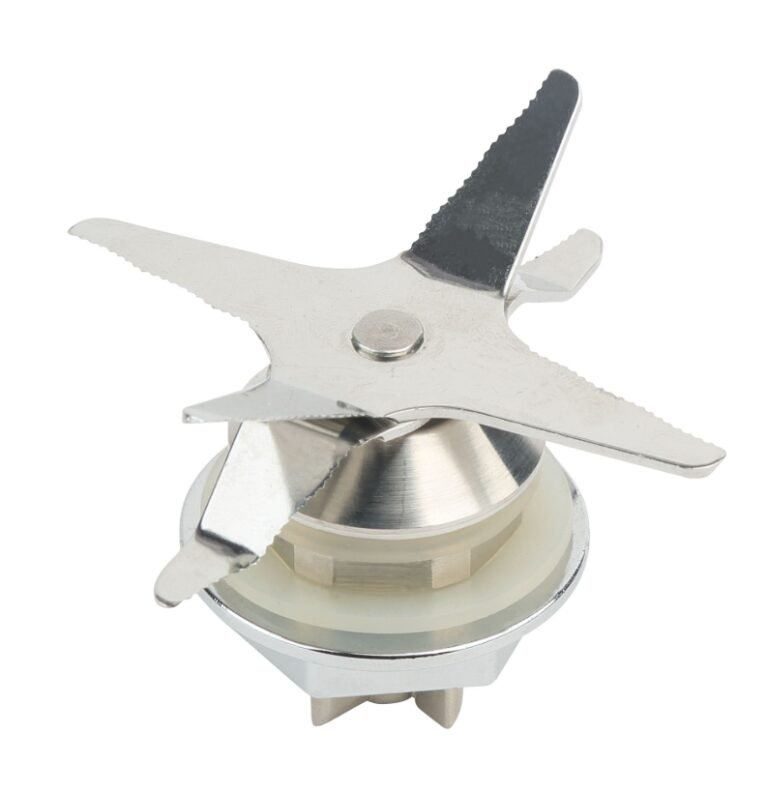
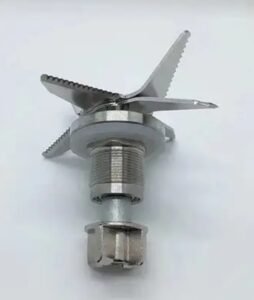
Blender Knife
Material: Food Grade 201/340 304 / 316 Stainless Steel (Optional Tungsten Carbide Coating)
Overall Blade Diameter(mm): 60 / 80 / 100 (Multi-size Optional)
Blade Thickness(mm): 1.8~4.2mm
Shaft Interface Diameter(mm): 12 Standard Universal Bayonet
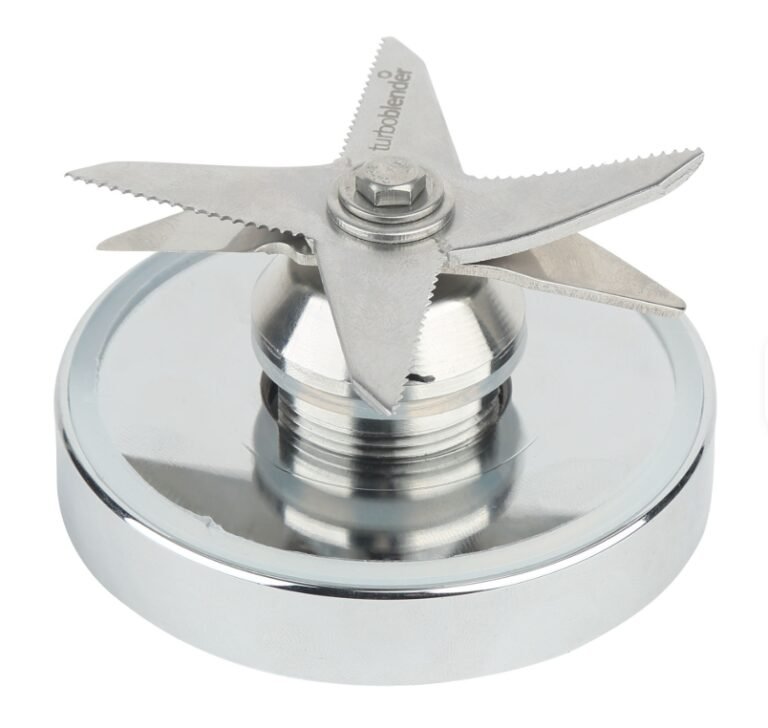
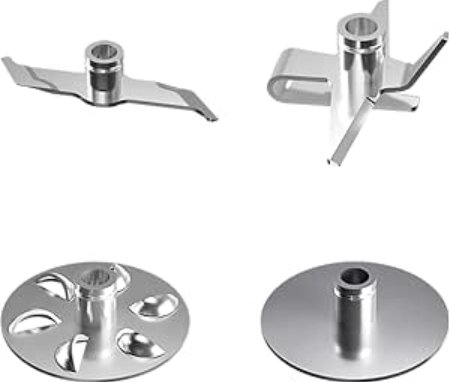
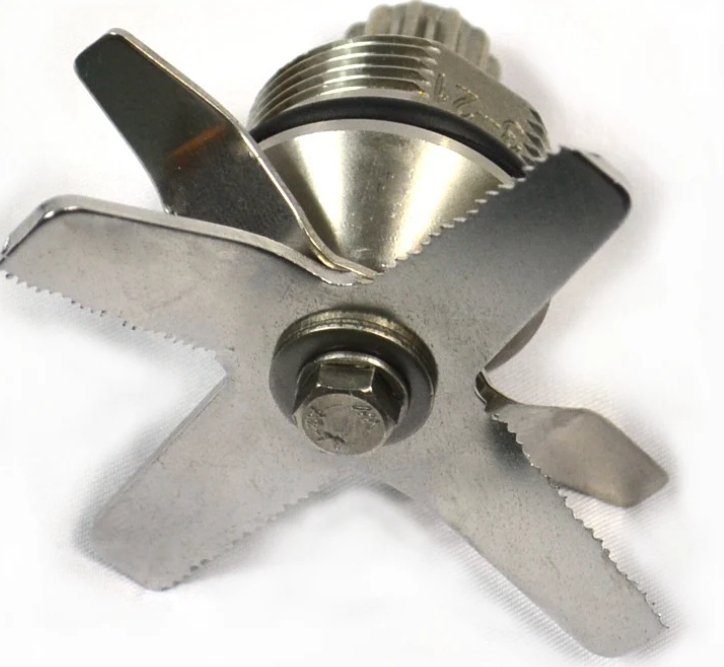
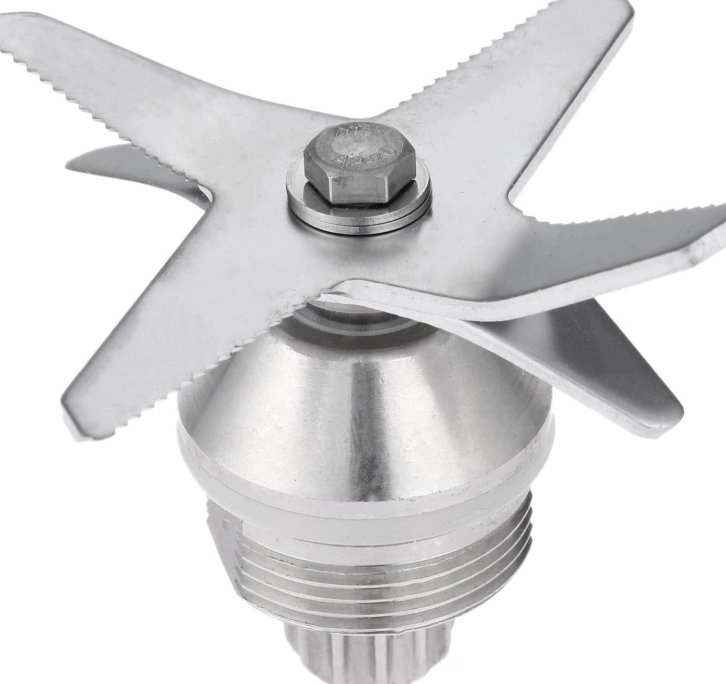
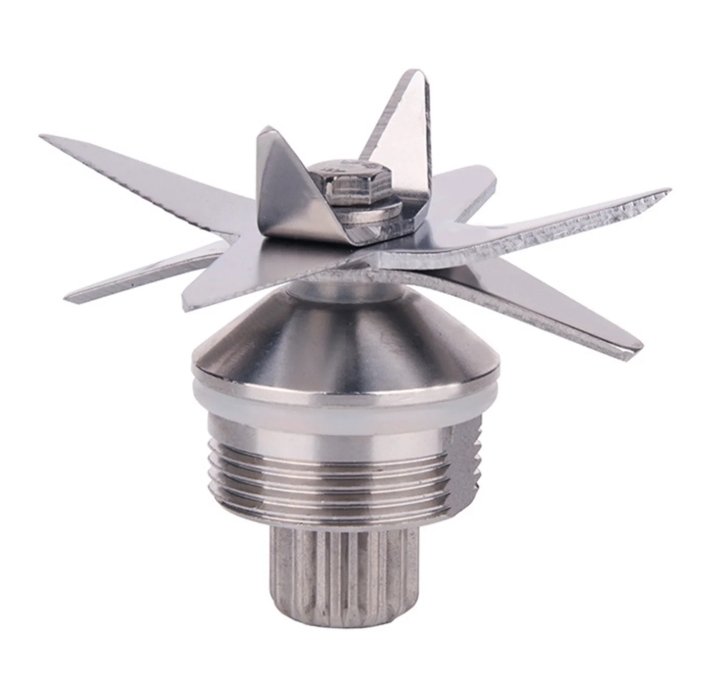
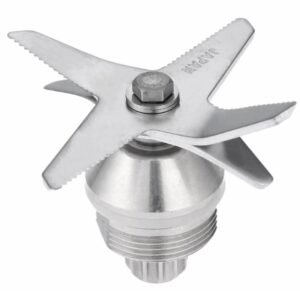
Blade Style: 4-blade / 6-blade curved / cross double shaft / serrated tooth
Net Weight(g): 120 ~ 480
Applicable Host Power Range(W): 300 ~ 1800
Price: US$180
Blender Knife
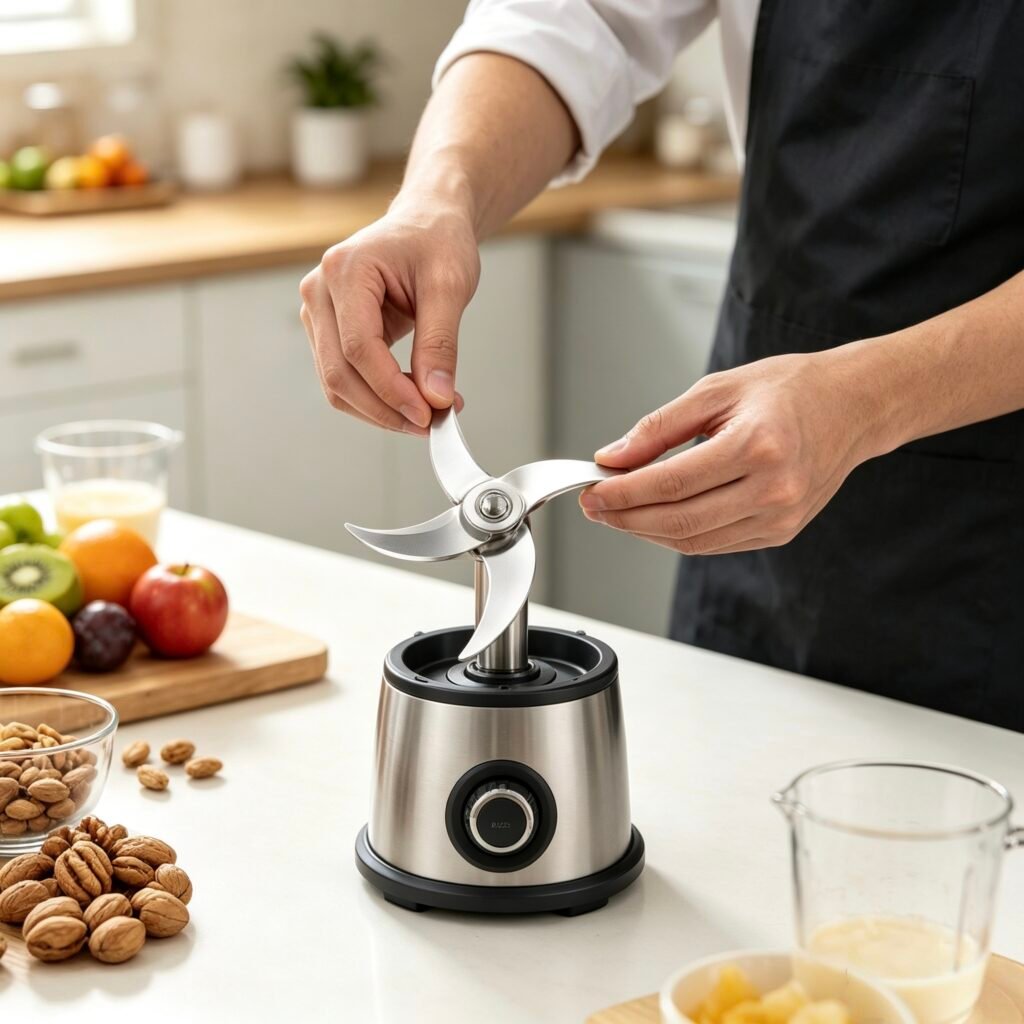
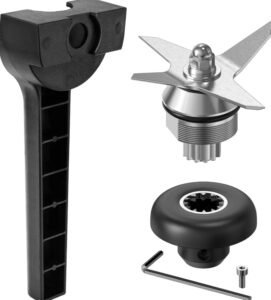
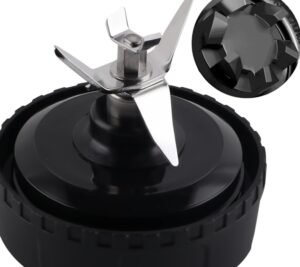
Blender knife is the core executive component of food processors, high-speed blenders and meat grinders, which directly determines the crushing and stirring effect of various ingredients and serves as the key structure to realize cell-level fragmentation of food materials.
As the direct working part that contacts and processes ingredients, the performance of the blender knife runs through the whole food processing process. Unlike ordinary kitchen cutting tools, it is designed for high-speed rotating and continuous crushing work. Its material quality, structural precision and type design not only affect the fineness and uniformity of finished ingredients, but also determine the operating stability, noise level and service life of the entire blender equipment, becoming an indispensable core accessory for modern kitchen food processing.
Core Material Composition
Most mainstream blender knives on the market adopt food-grade 304 or 420 stainless steel as the base material, which can fully meet the daily processing needs of most household and light commercial ingredients. These two stainless steel materials have stable chemical properties, excellent food safety and good comprehensive toughness. They can adapt to the stirring and crushing of fruits, vegetables, grains, meat and daily seasonings, and are not easy to rust, corrode or precipitate harmful substances after long-term contact with food acid and grease. With moderate hardness, they can maintain stable sharpness in daily use and will not be easily worn or passivated by conventional soft and medium-hard ingredients.
For high-frequency and high-wear working scenarios such as long-term ice crushing and hard nut grinding, professional blender knives will adopt hard alloy materials for upgrading production. The overall wear resistance and impact resistance of alloy blades are more than three times that of ordinary stainless steel blades. It can withstand long-term high-intensity impact and friction without edge deformation or dulling. This high-performance material greatly reduces the frequency of blade replacement for commercial equipment, maintains long-term stable processing efficiency, and perfectly adapts to high-load continuous working environments that ordinary stainless steel blades cannot bear.
Professional Structural Characteristics
The edge angle of standard blender knives is strictly controlled between 15 degrees and 25 degrees, with a dynamic balance accuracy lower than 0.5g·cm, which lays a foundation for low-noise and stable operation. The scientific edge angle design not only ensures excellent cutting sharpness for fast ingredient crushing, but also avoids excessive sharpness that leads to fragile blade edges and easy chipping. The ultra-high dynamic balance accuracy corrects the eccentricity error of the blade during rotation, effectively reducing mechanical vibration and running noise during high-speed operation, making the whole blending process more stable and comfortable.
In terms of blade layout, mainstream blender knives include single-layer 3 to 4-blade structure and double-layer multi-blade structure, while high-end models are equipped with innovative counter-rotating blade sets. The conventional single-layer and double-layer staggered blade layout can form an effective three-dimensional circulating vortex inside the blender cup, driving ingredients to circulate up and down continuously and improving the uniformity of crushing and stirring. The upgraded two-way counter-rotating structure further breaks the processing dead angle, completely solves the problem of ingredient floating and residual agglomeration, and makes the finished food texture more delicate and smooth.
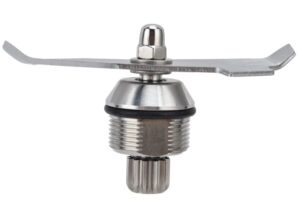
All qualified formal blender knives support IP67 professional waterproof grade, relying on exquisite internal sealing structure to achieve full waterproof protection. The precise matching of sealing rings and blade base can effectively block water vapor and cleaning sewage from penetrating into the motor interior during washing and use. This waterproof design completely avoids motor short circuit, internal rust and circuit damage caused by water inflow, effectively guarantees the safety of equipment operation and greatly prolongs the service life of the blender host.
Mainstream Product Types
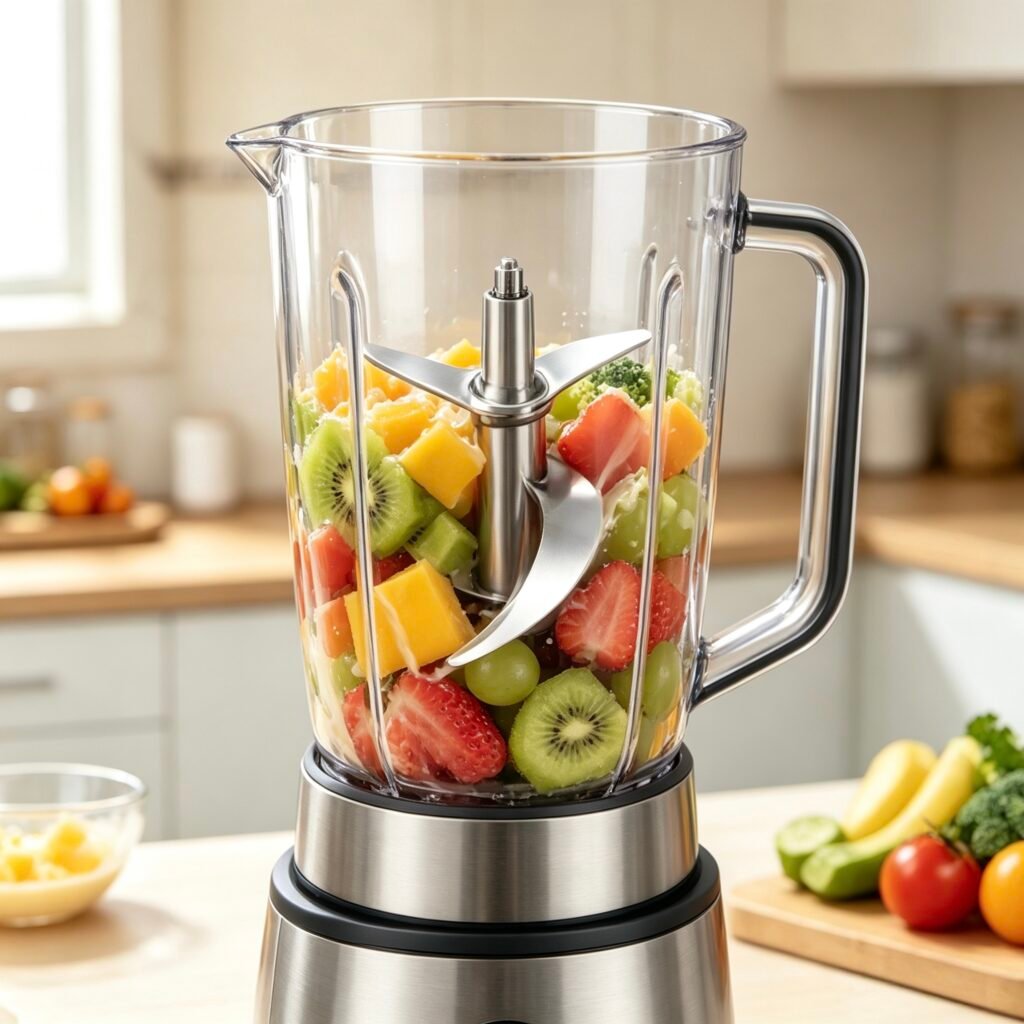
Single-layer blender knife is the most basic and widely used type, composed of 3 to 4 integrated blades with a simple and compact overall structure. This kind of blade is easy to disassemble and assemble, with no complicated gaps and cleaning dead corners, and can be thoroughly cleaned with simple water flushing. It is mainly suitable for basic kitchen processing scenarios, including fruit and vegetable stirring, grain mixing, meat preliminary beating and other light-duty working conditions, and can meet the daily simple food production needs of most family kitchens.
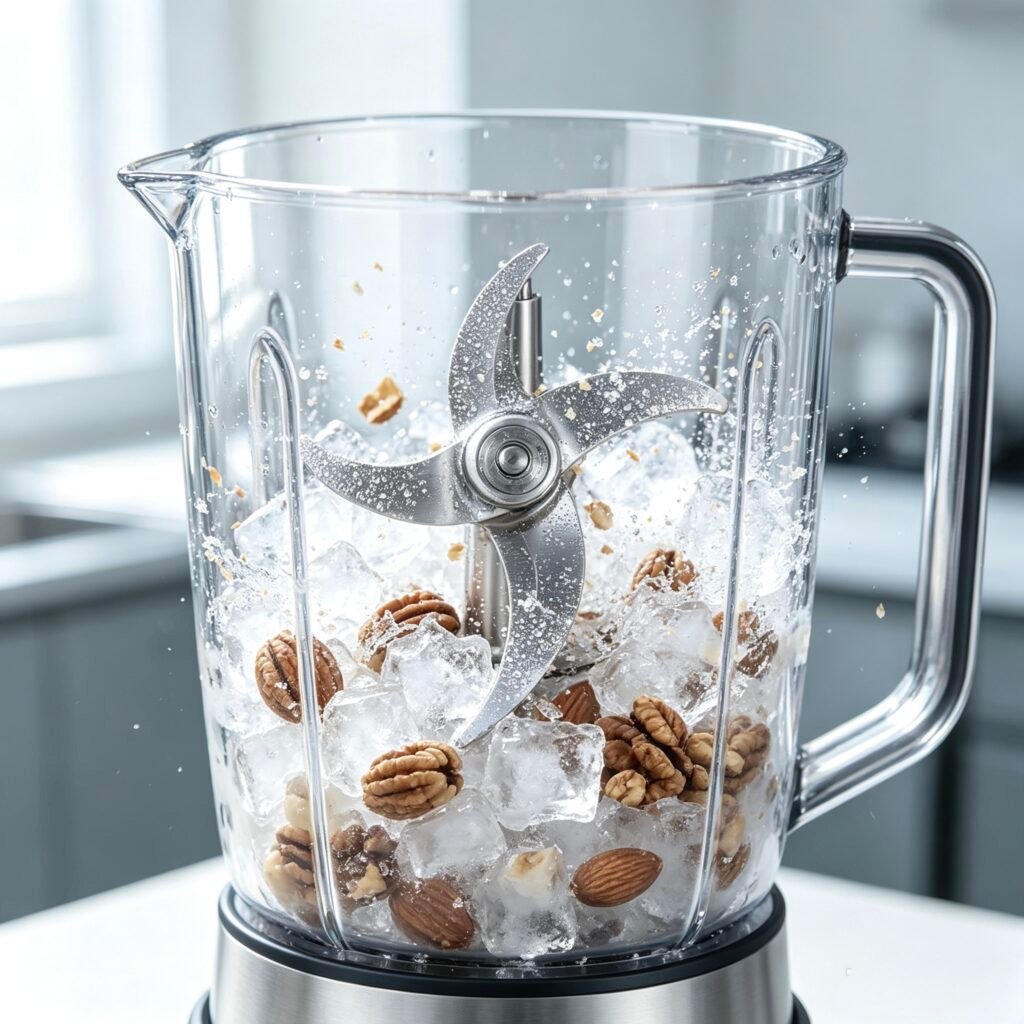
Double-layer blender knife adopts upper and lower staggered multi-blade layout, realizing real 3D three-dimensional cutting and crushing. Compared with single-layer blades with single cutting range, the double-layer structure expands the coverage of cutting area, and can fully crush hard ingredients such as ice cubes, nuts and frozen materials that are difficult to process by ordinary blades. It effectively avoids the problems of large particle residue and uneven crushing, and is more suitable for households with diversified food production needs and small-batch hard ingredient processing work.
The two-way counter-rotating blade set is an upgraded high-end configuration of blender knives, with upper and lower blade groups rotating in opposite directions synchronously. The reverse rotation force can actively break the floating circulation layer of ingredients, eliminate processing dead corners in the cup, and greatly reduce food residue and uneven stirring. When making soy milk, baby complementary food, fruit puree and other fine ingredients, it can realize almost particle-free delicate texture, significantly improving the taste and fineness of finished food, and is widely used in high-precision household and commercial blenders.
Usage and Maintenance Guidelines
Standardized usage habits are the key to maintaining the sharpness and service life of blender knives, and idle rotation without ingredients is strictly prohibited in daily operation. If the blade runs empty for a long time, the high-speed rotating blade edge will produce excessive friction and air impact, which will rapidly accelerate edge passivation and structural fatigue. Long-term idle operation will not only make the blade dull quickly and reduce subsequent processing efficiency, but also increase the no-load loss of the motor, causing unnecessary wear and tear on the equipment.
Daily cleaning work also needs to follow standardized operation to protect the blade performance. It is forbidden to use hard tools such as steel wire balls and hard brushes to scrape the blade edge, so as to avoid scratching the sharp cutting edge and causing uneven blade surface. For blender knives with non-stick coating on the surface, users must use soft sponges and soft cleaning cloths for cleaning. Hard scratching will cause coating peeling, which will lead to easy adhesion of food residues and corrosion of the blade body, affecting food safety and service life.
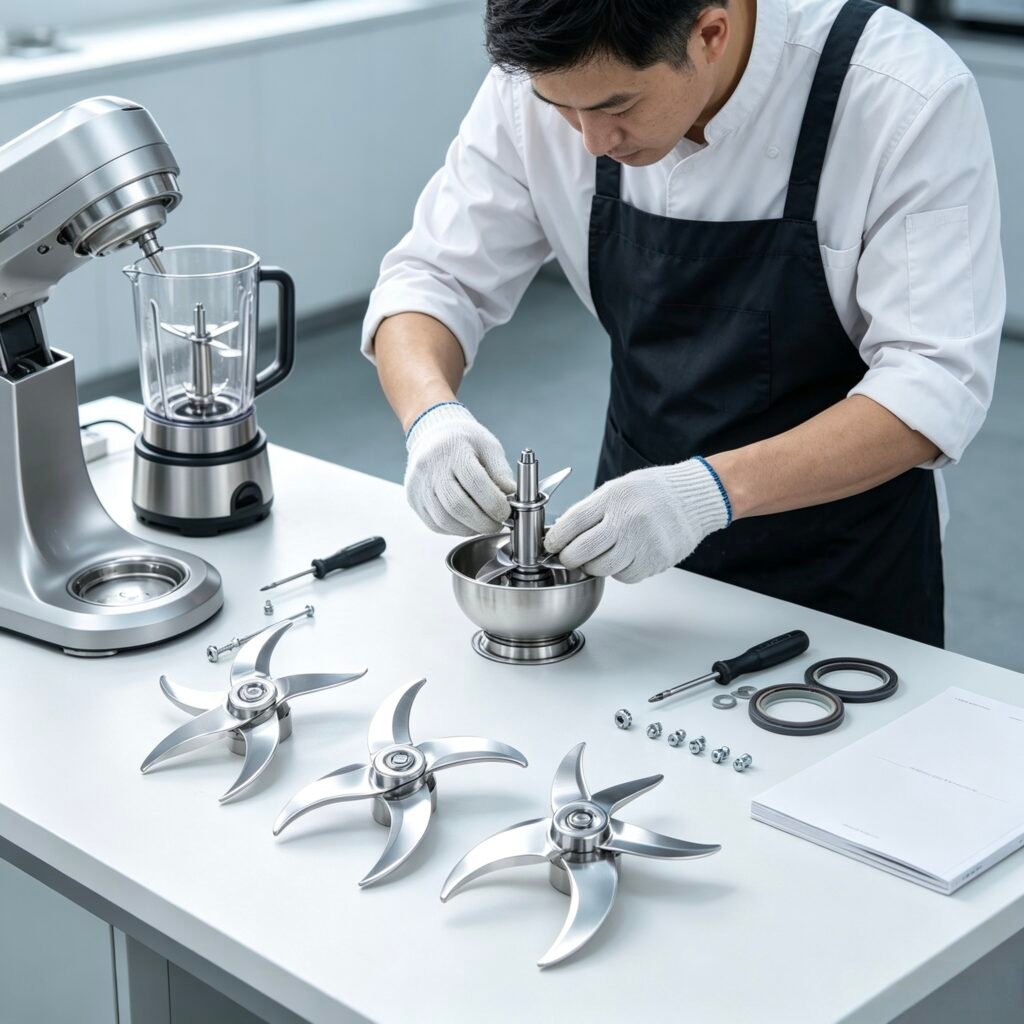
When replacing aging or damaged blender knives, users cannot only replace the blade body alone, but need to check the matching transmission bearings and fastening screws synchronously. After long-term high-speed operation, the internal bearings will wear and the fixing screws will loosen slightly, which will easily cause abnormal shaking and running noise of the new blade. Timely inspection and maintenance of matching accessories can ensure stable power transmission of the new blade, eliminate potential safety hazards, and keep the equipment in the best working state for a long time.
Overall Summary
In conclusion, the blender knife is the core executive component that determines the overall food processing effect of blenders and food processors. With safe and durable stainless steel and alloy materials, scientific and precise angle design and diversified structural types, it adapts from basic household stirring to high-precision fine crushing and commercial high-load processing. Standardized use, correct cleaning methods and standardized replacement and maintenance can effectively maintain the blade’s sharpness and working stability, not only improving the fineness and efficiency of daily food production, but also maximizing the service life of the blender equipment.
Key Features & Advantages
1) Multi-grade Food-safe Material with Super Durability:Blender knives adopt dual mainstream materials of food-grade 304 and 420 stainless steel, fully compliant with international food contact safety standards for long-term safe kitchen use. Standard stainless steel versions deliver stable toughness, rust resistance and corrosion resistance, adapting to daily stirring of fruits, vegetables, meat and grains without metal precipitation or oxidation. For high-intensity commercial scenarios, upgraded hard alloy materials are applied, boosting overall wear and impact resistance more than three times that of ordinary stainless steel blades. This graded material design perfectly matches both household light use and commercial high-load processing demands.
2) Precision Angle & Dynamic Balance Design for Stable Low-noise Operation:Each blender knife is polished with a scientific edge angle ranging from 15° to 25°, balancing sharp cutting performance and structural firmness to prevent edge chipping and damage. With ultra-high dynamic balance accuracy controlled within 0.5g·cm, the blade effectively eliminates eccentric rotation and mechanical vibration during high-speed operation. It greatly reduces running noise and shaking, making the whole blending process smoother and more stable. This precise industrial design avoids motor jitter and uneven force, extending the overall service life of the blender host.
3) Diversified Blade Structures Adapt to Full-scenario Ingredient Processing:Equipped with multiple structural configurations including single-layer 3-4 blade, double-layer staggered multi-blade and high-end two-way counter-rotating blade sets, the blender knife covers all daily and commercial processing needs. Simple single-layer blades are easy to clean and ideal for basic stirring and mixing work. Double-layer 3D stereo blades form circulating eddy currents to efficiently crush hard ingredients like ice cubes and nuts. Advanced counter-rotating structures eliminate processing dead corners, realizing nearly particle-free fine crushing for baby food, soy milk and puree ingredients.
4) IP67 Waterproof Structure Ensures Long-term Safety & Stability:All qualified blender knives are built with professional IP67 waterproof rating and premium sealing structures, effectively isolating water, steam and food sewage from penetrating into the motor interior. The tightly fitted sealing ring and blade base prevent liquid leakage and internal circuit damage during daily cleaning and operation. This excellent waterproof performance avoids hidden dangers such as motor short circuit, internal rust and equipment failure. It allows full-body water washing without safety risks, greatly simplifying daily maintenance and improving long-term use safety.
5) Low Maintenance Cost & Long Service Life with Strong Practicability:The optimized blade structure resists rapid passivation and deformation, maintaining lasting cutting sharpness under standardized daily operation. The wear-resistant and anti-corrosion material greatly reduces the frequency of blade replacement and equipment maintenance. The detachable modular design supports quick disassembly and cleaning, effectively avoiding food residue accumulation and bacterial growth. With simple daily protection and regular inspection of bearings and screws, the blade can maintain stable working performance for a long time, bringing high cost performance for both household and commercial users.
Packing, Delivery & Shipping
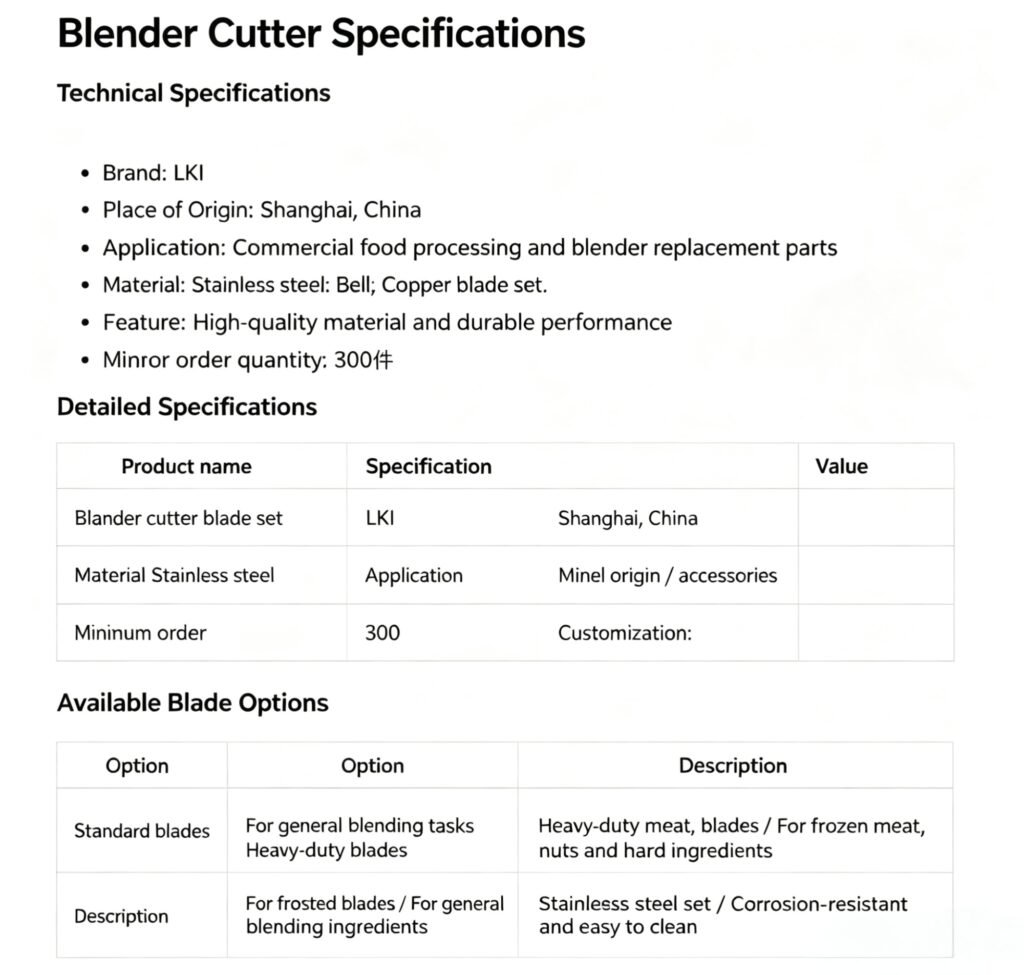
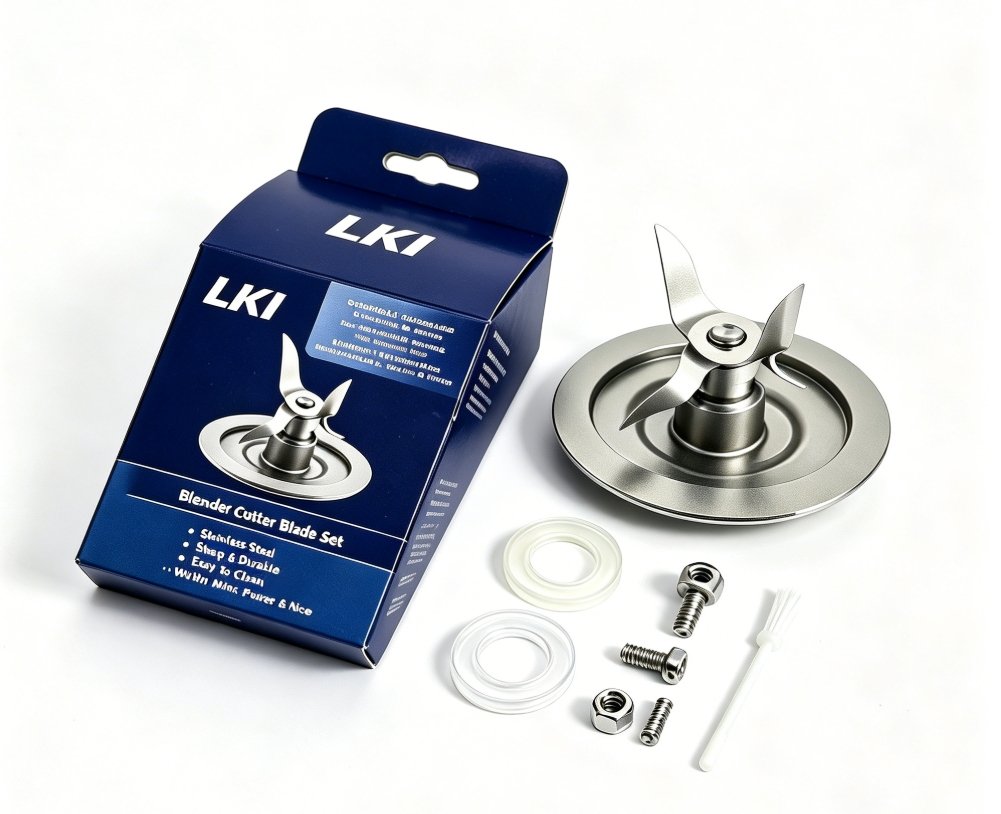
If you meet our minimum order quantity of 300 pieces, customized retail packaging is available for your blender cutter blades. We can produce premium hanging display color boxes matched with outer export cartons. You can choose to adopt our official LKI brand packaging, or apply your own OEM brand totally.
Customizable items include printed brand logos, product adhesive stickers, personalized color box artwork and outer carton layouts. If you need exclusive customized packaging design, please provide your complete PDF design files for production arrangement.
If your order volume fails to reach the 300-piece MOQ, we will adopt standard neutral brown cartons for bulk shipment. Meanwhile, you can still attach your self-designed brand stickers on the outer packages to mark your own brand.
Packaging Details Adapted for Blender Blade Set
Packaging Content: Each box holds 1 set of stainless steel blender cutter blade with sealing ring, all accessories fully wrapped to avoid scratches during transit
Inner Package: Hanging retail color box (same hanging hole structure as standard blender blade accessory packaging, convenient for supermarket & kitchen supplies store shelf display)
Outer Package: Corrugated export carton, shockproof and compression-resistant for long-distance sea/land transportation
Wide Application Scenarios
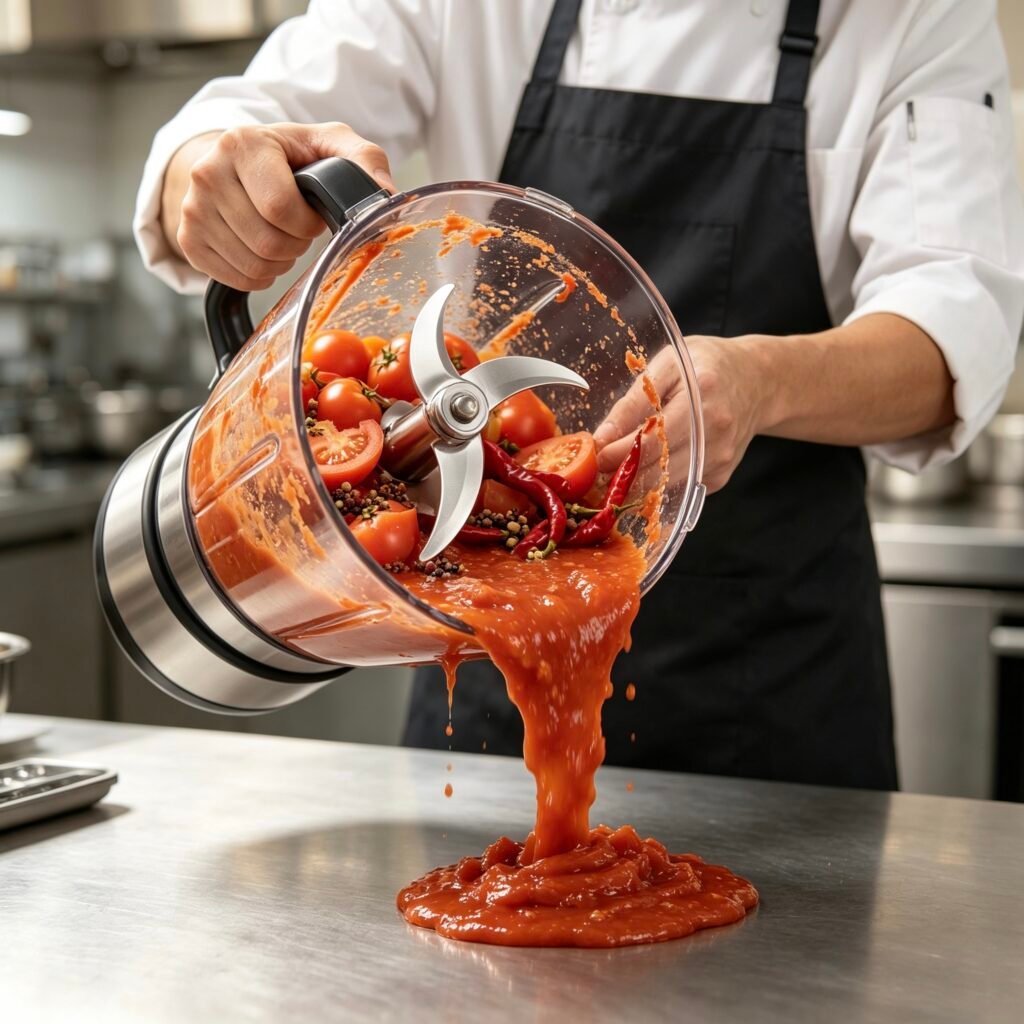
The blender cutter blades boast extremely versatile adaptability, perfectly fitting nearly all commercial and household food blending, crushing and mixing scenarios.
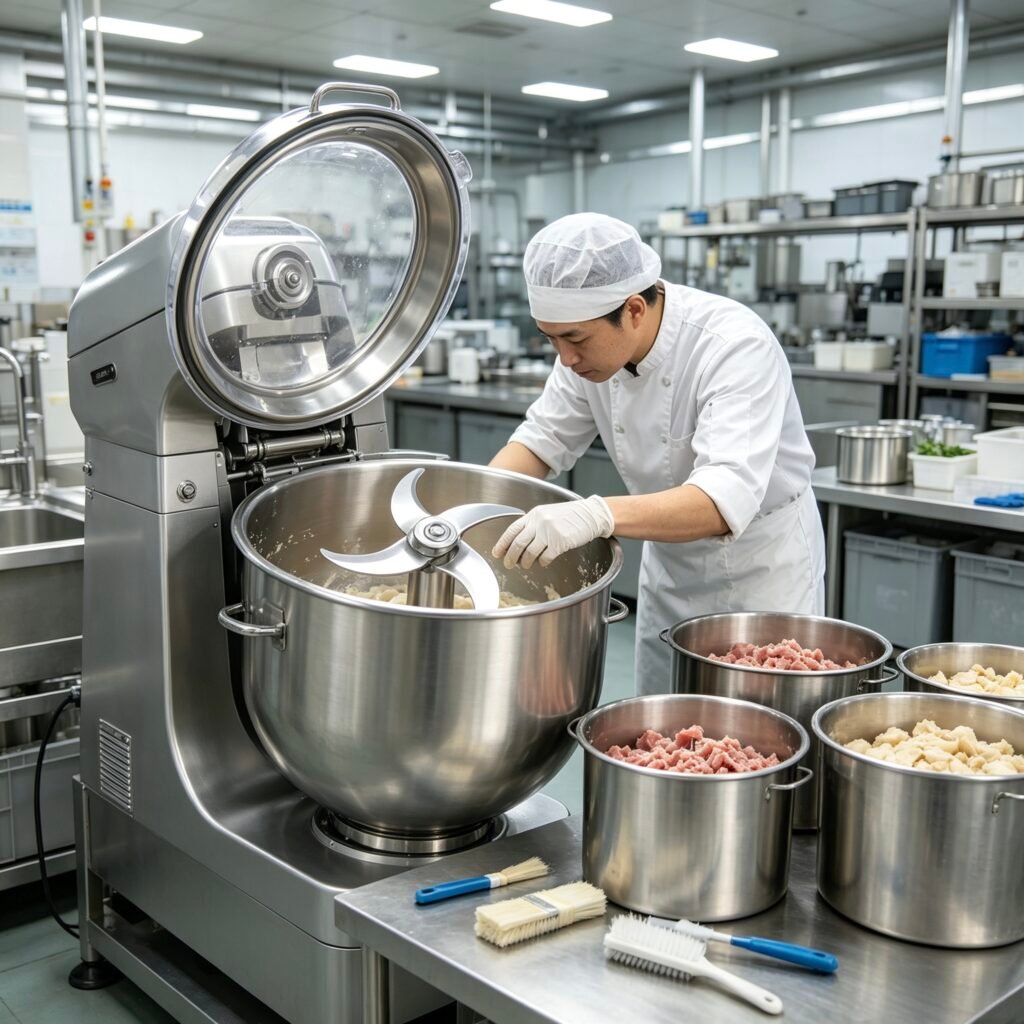
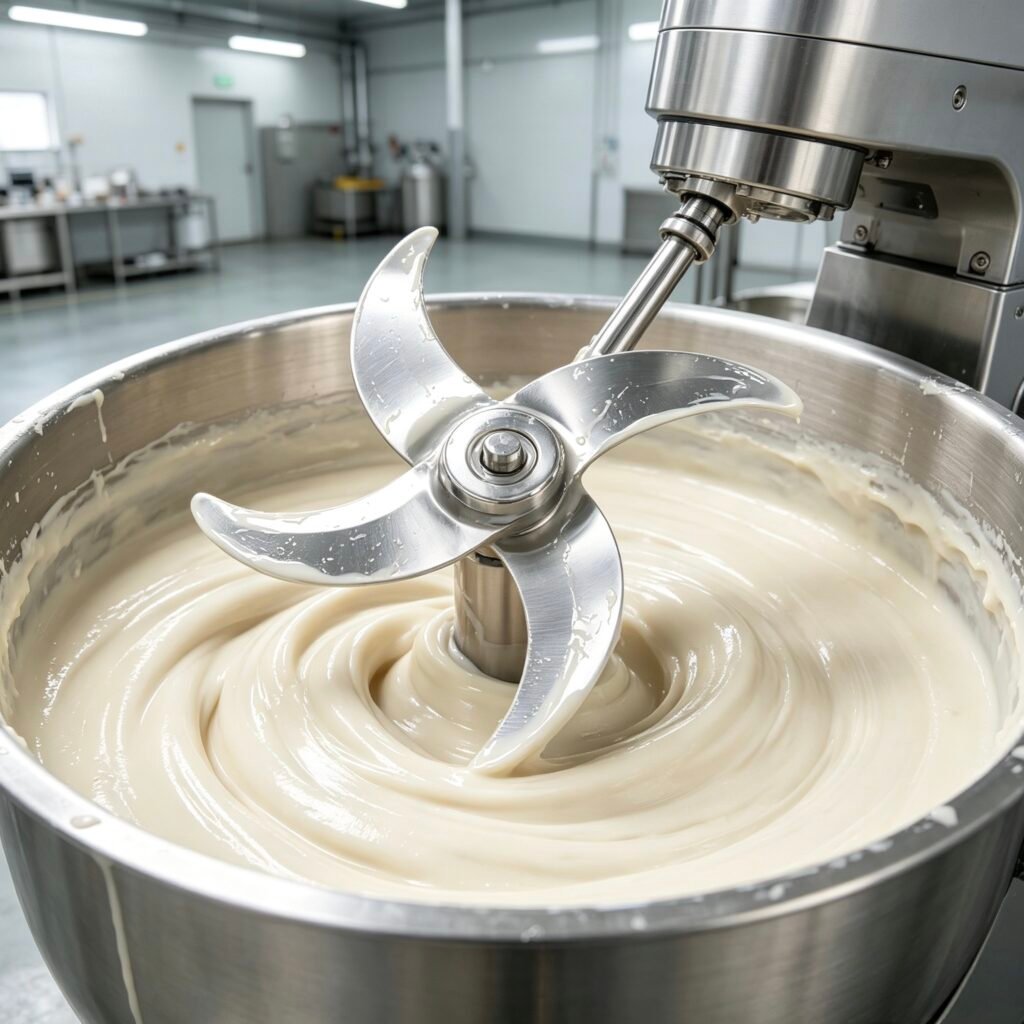
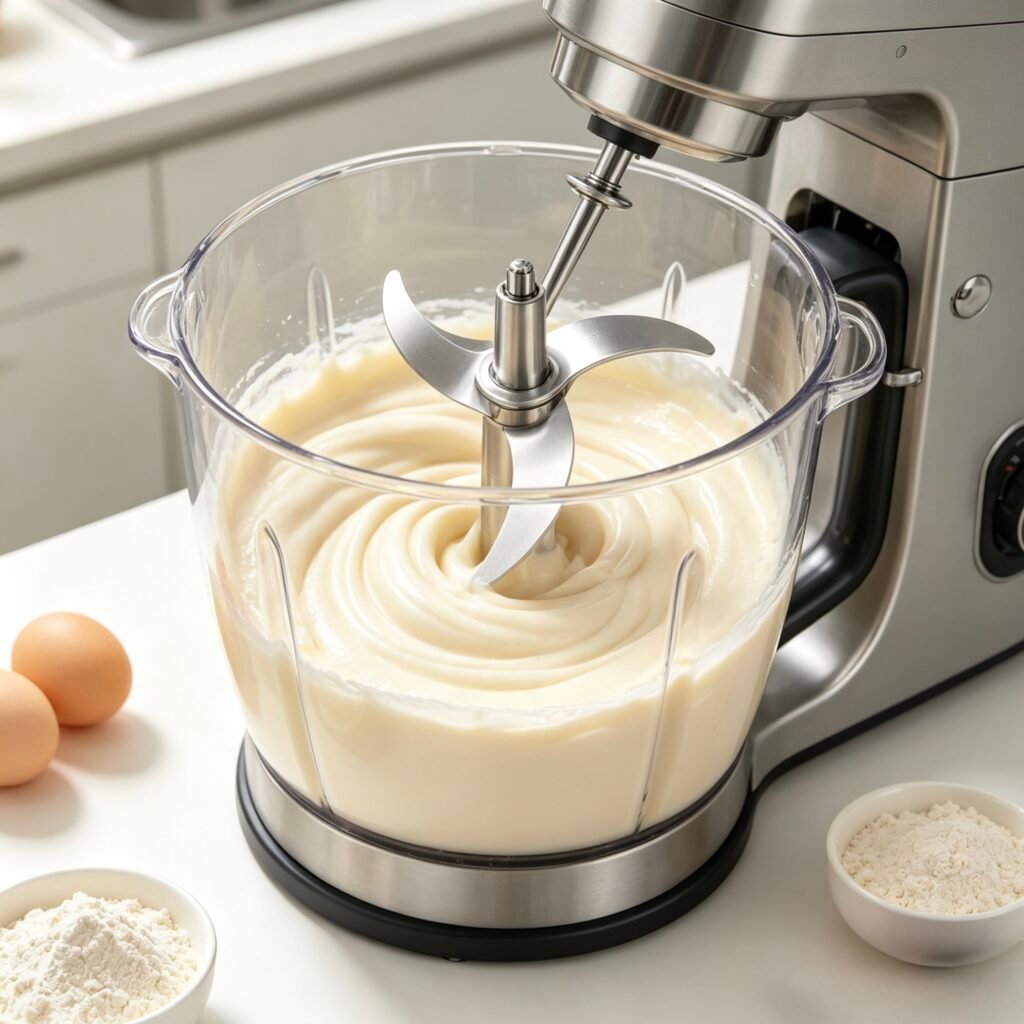
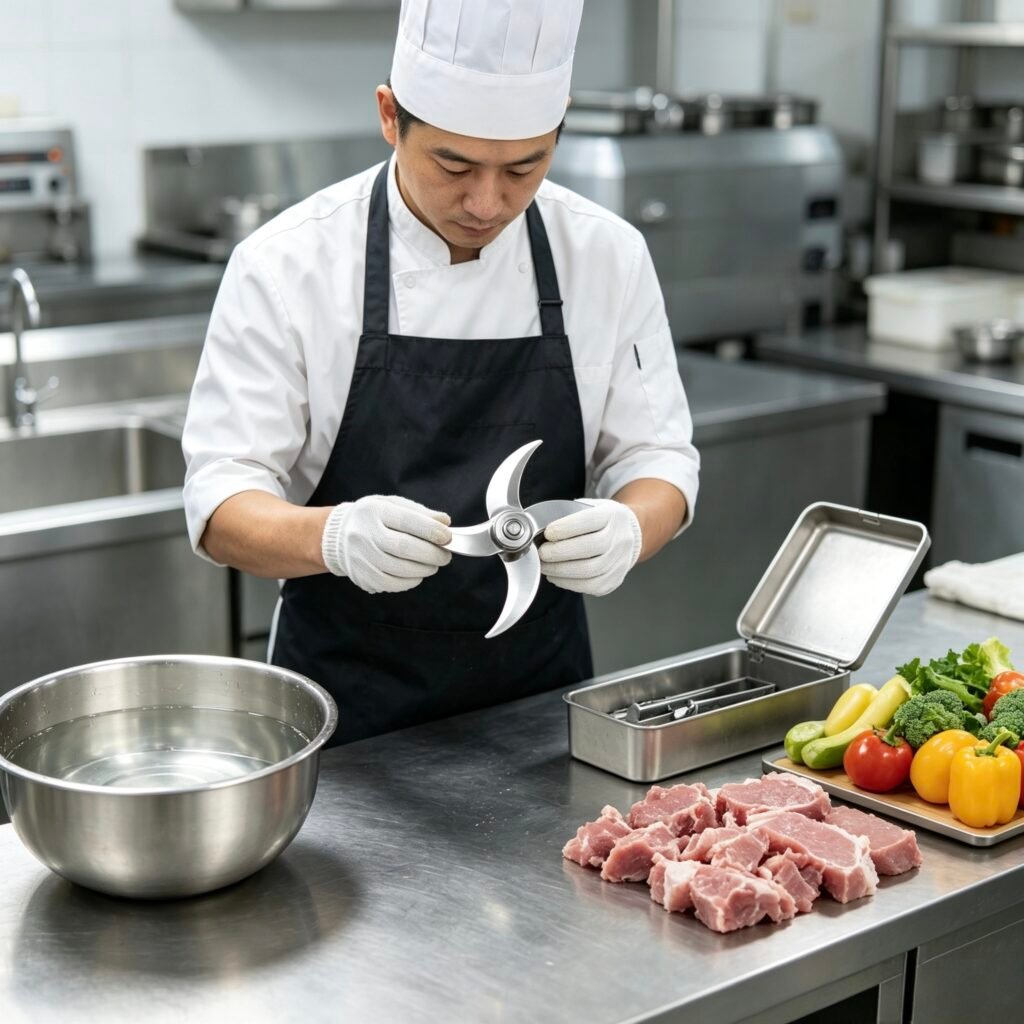
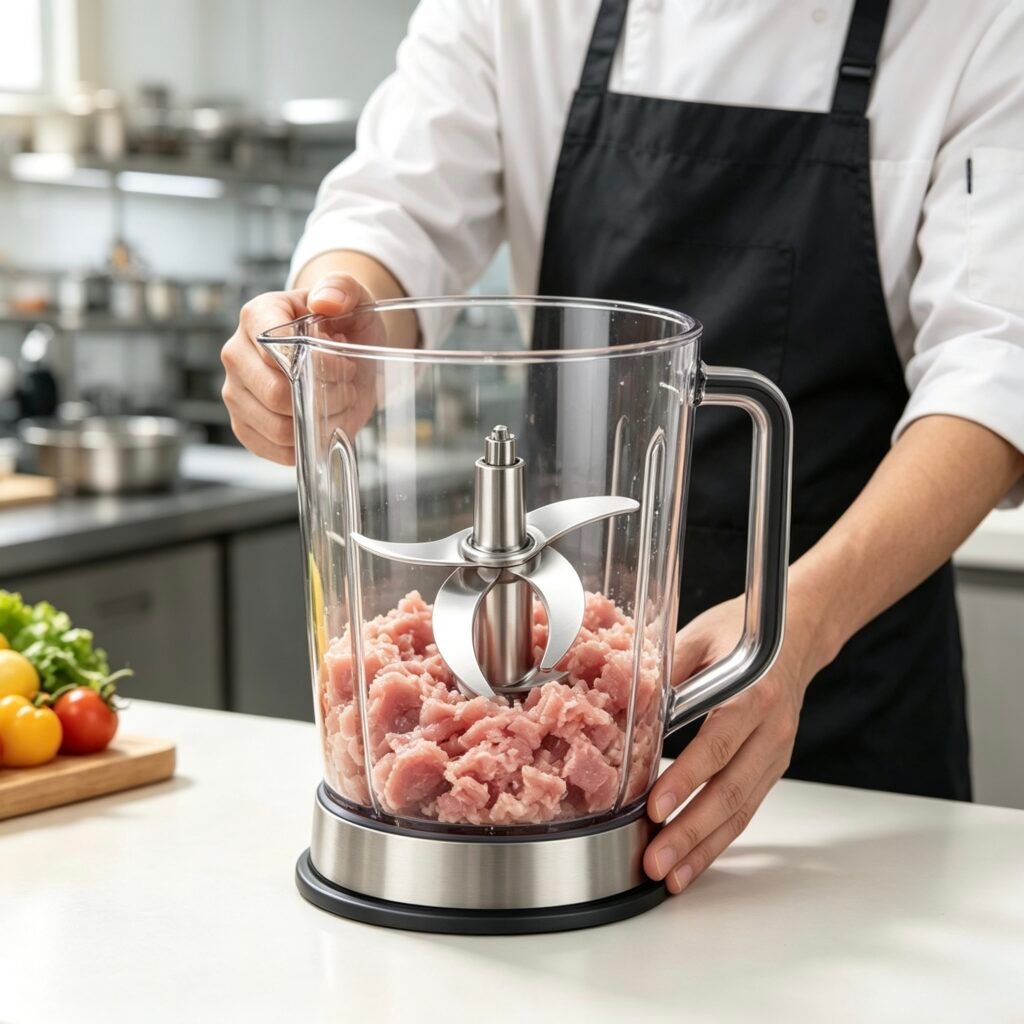
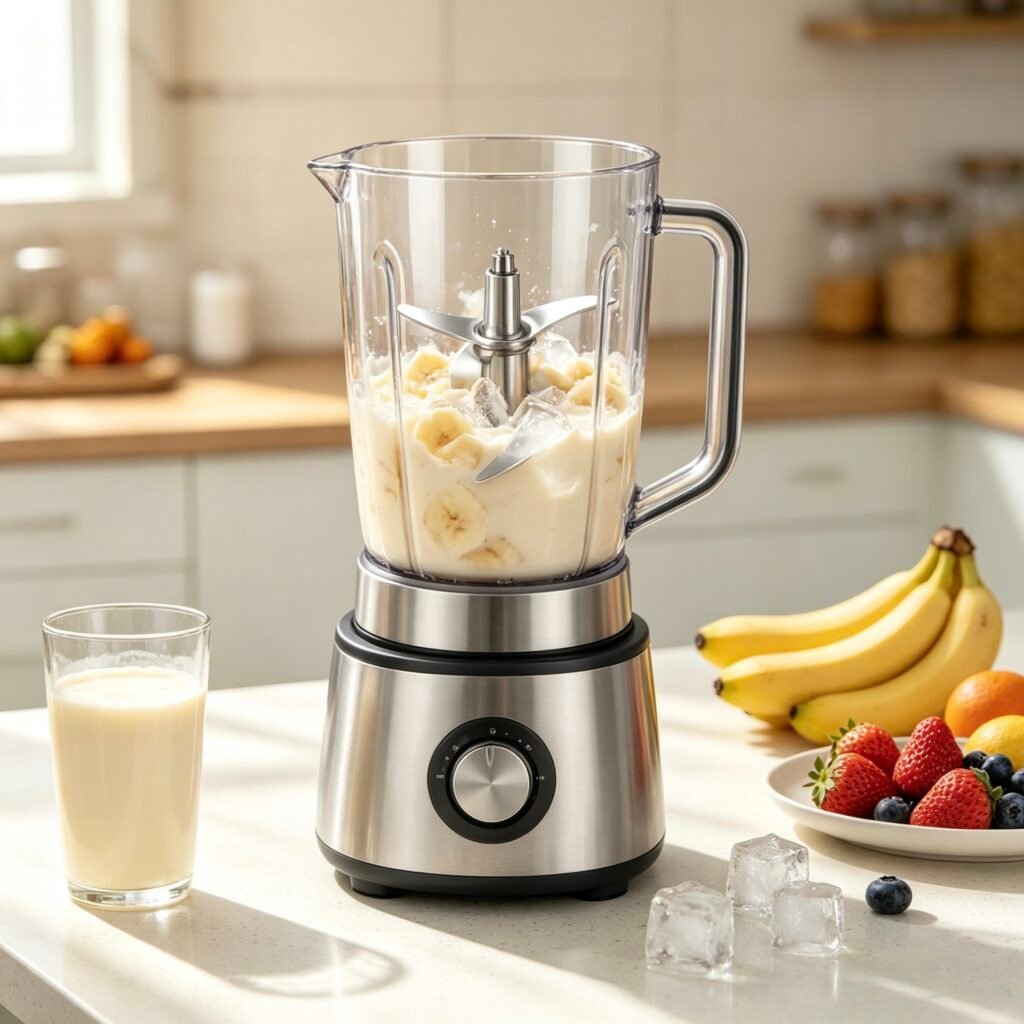
They serve as essential replacement core parts for professional catering kitchens, beverage shops, bakery stores, food processing factories and home users. Widely applied in crushing frozen fruits, hard nuts, ice cubes, fibrous vegetables, raw meat, bone scraps, grains and thick soups, these stainless steel blades are ideal for high-frequency continuous blending work in commercial food preparation.
They deliver stable cutting performance to guarantee smooth running of countertop blenders, heavy-duty commercial blenders, wall-breaking machines and multi-functional food processors.
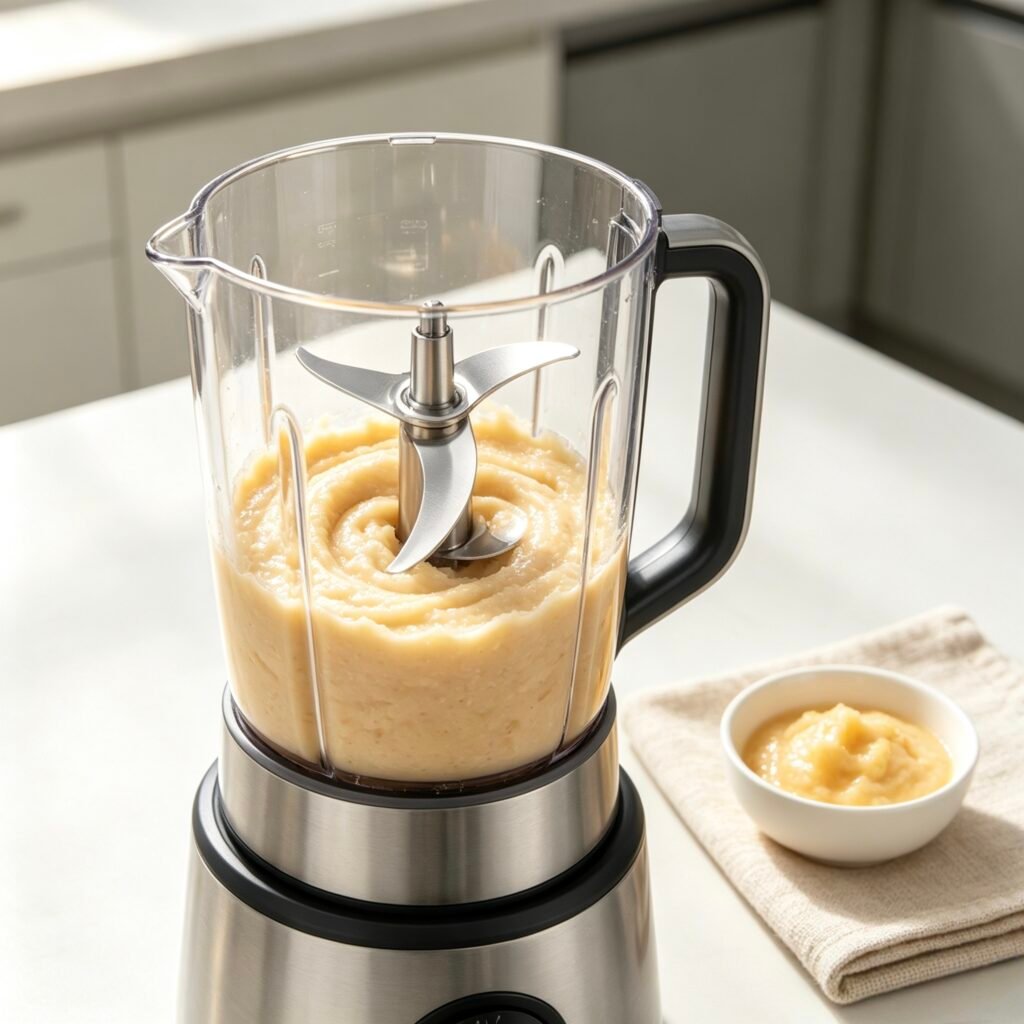
For commercial catering scenarios, they are commonly used in smoothie production, milkshake blending, baby food making, nut butter grinding and hot soup preparation in cafes, restaurants and dessert stores.
The precisely crafted stainless steel blades realize fine, even cutting of food ingredients. They greatly boost blending efficiency, reduce motor load of blending equipment, cut down energy consumption and extend the service life of blenders. Whether applied for coarse crushing of solid ingredients, fine emulsification of viscous mixtures, or long-time continuous high-speed stirring, these durable blades maintain sharp cutting ability and corrosion resistance for long-term daily use.
Blender Blade
Demolition Hammer & Rotary Hammer
Diamond Blade

Welcome to call us
Contact Us to get quotation
Working Time: 8:00~17:00 Monday to Friday.
Applications:
Factory:
FAQ
Welcome to call us
Contact Us to get quotation
Working Time: 8:00~17:00 Monday to Friday.