What causes blender blade to stop spinning?
What causes blender blade to stop spinning?
Blender blades that fail to spin or suddenly stop during operation are mainly caused by improper operation and installation errors, broken mechanical transmission parts, faulty electrical components, and special connection abrasion issues, and users can troubleshoot these problems step by step from simple external checks to internal part inspections. Many people mistakenly believe blade stall is always caused by motor damage, but most blade stop failures come from avoidable daily operating mistakes and minor accessory wear rather than serious machine breakdowns. Understanding the complete fault logic behind each cause can help users quickly locate problems, restore normal blender operation, and avoid unnecessary replacement or maintenance costs.
Operation and Installation Abnormalities
Improper installation and incorrect feeding operations are the most frequent reasons for blender blade stalling in daily household use. Modern blenders are equipped with built-in safety interlock systems that prevent the machine from starting if safety conditions are not met. When the blending jar or lid is not fully locked and snapped into place, the internal safety lock switch cannot be triggered normally, cutting off the startup circuit and leaving the blade completely static even if users press the operation button. This protective design aims to prevent accidental splashing and hand injury during high-speed operation, and incomplete assembly will directly disable the entire working system.
Overloading oversized or excessive ingredients is another typical operational fault that jams blender blades instantly. Putting large chunks of frozen food, whole ice cubes, dense nuts or an overly full volume of ingredients creates excessive resistance that exceeds the blade’s cutting capacity. The blade cannot generate enough shear force to rotate through heavy materials, resulting in immediate stalling and stagnation. Meanwhile, long-term uninterrupted continuous operation will trigger the blender’s built-in motor overheat protection mechanism. When the motor temperature rises beyond the safe threshold, the machine will automatically power off and stop working, requiring 20 to 30 minutes of static cooling to reset and resume normal function.
Power Transfer Blockage
Mechanical transmission faults occur when the motor runs normally but power cannot be successfully delivered to the blade, leading to blade static or intermittent stalling. The blender’s power transmission system relies on belts and gears to transfer motor rotation to the blade shaft. After long-term high-frequency use, the transmission belt may gradually loosen, fall off or break completely, breaking the power connection between the motor and blade assembly. Similarly, the driving gears inside the base will suffer from tooth wear, chipping and aging after years of friction and impact; damaged gear teeth cannot mesh tightly, resulting in idling power and failed blade rotation.
Solidified food residue jamming is an easily overlooked mechanical stall cause. After daily blending, tiny fiber residues, starch paste and grease often adhere to the blade shaft and shaft gap. If not cleaned timely, these residues will dry, harden and solidify over time, locking up the rotating blade shaft completely. The motor still outputs power normally, but the solidified residue creates rigid resistance that fixes the blade in place, causing obvious motor humming noise while the blade remains stationary. Regular residual cleaning is essential to avoid this common mechanical blockage problem.
Electrical and Component Malfunctions
Basic power supply and electrical accessory faults will directly cause the blender blade to fail to start spinning. Poor power contact, loose plug connection or invalid socket power supply cuts off the machine’s overall power source, making all components unable to operate. In many cases, users ignore aging sockets and loose power cords, mistakenly thinking the blender itself is broken. Apart from external power problems, internal electrical accessories also affect startup performance greatly.
The micro limit safety switch is a core electrical component that controls blender startup. Long-term vibration and frequent assembly and disassembly will cause the switch to loosen or wear out, making it unable to sense locked jar and lid status or send normal startup signals. Even with correct installation, the machine still refuses to start and spin the blade. In addition, the motor starting capacitor is a key component that drives motor rotation. Once the capacitor fails or ages, the motor can only produce a continuous low humming sound after power-on, lacking the starting torque to drive the rotating shaft and blade, resulting in complete blade stagnation.
Special Connection Wear and Abnormal Contact Conditions
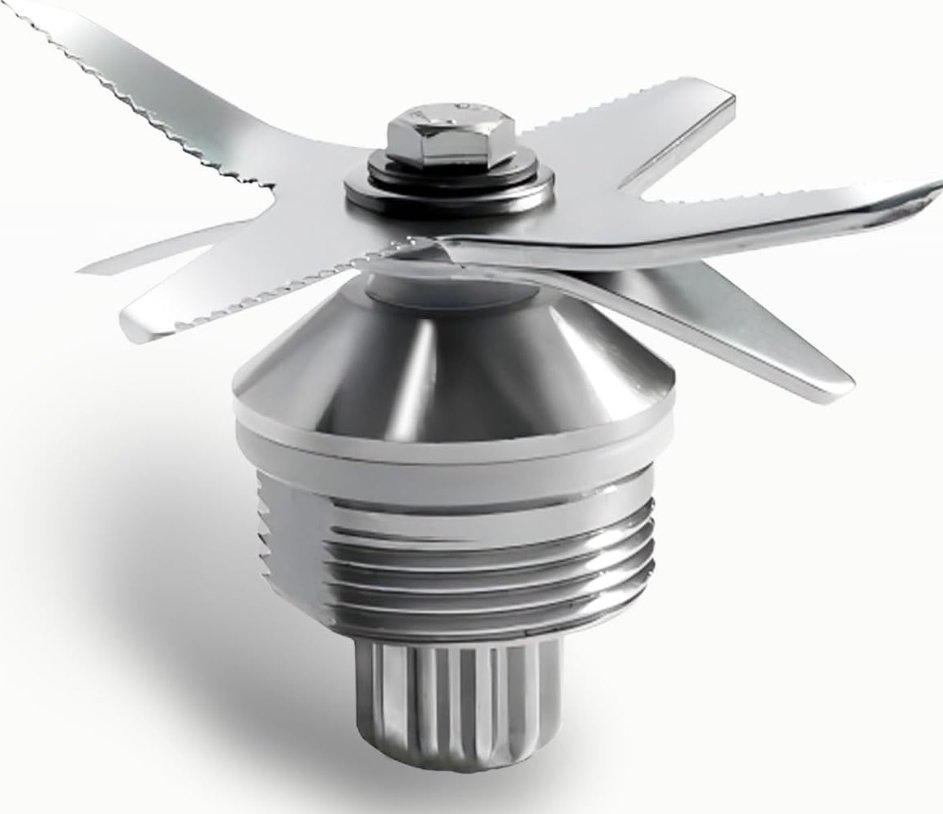
Atypical blade stall problems mostly stem from long-term wear of connecting coupling parts between the blade and motor. The bottom blade coupler is responsible for locking and driving the blade assembly to rotate. After long-term high-load operation, the internal clamping structure of the coupler will wear and slip. Although the motor shaft rotates normally, the worn coupler cannot drive the blade synchronously, causing idle rotation and blade stalling. This fault usually appears gradually, with the blade rotating slowly and weakly before finally stopping completely.
Abnormal spacing of metal contact points between the jar and main unit is another special cause of blade failure. The metal contact points undertake power conduction and signal transmission tasks. Long-term extrusion, vibration and dust accumulation will increase the gap between contact points, leading to poor power conduction and unstable signal transmission. The blender cannot receive normal startup signals or obtain sufficient operating power, resulting in intermittent blade stalling or complete failure to spin under normal startup operation.
Supplementary Q&A
Q: My blender makes a clear humming sound but the blade does not spin at all, what is the most possible reason?
A: This typical symptom is mainly caused by a failed motor starting capacitor or severely jammed blade shaft. The motor is energized normally but lacks starting torque or is blocked by solidified residues, leading to humming idling without blade rotation. You can first clean blade shaft residues; if the fault remains, the starting capacitor needs inspection and replacement.
Q: The blade stops suddenly after working for one minute, but it can start again after cooling down, what causes this?
A: This is a standard motor overheat protection trigger. Continuous high-load operation or excessive ingredient volume leads to rapid motor temperature rise, activating automatic power-off protection. You only need to suspend operation and let it cool for 20 to 30 minutes, and avoid long-time uninterrupted work in subsequent use.
Q: I have installed the cup and lid correctly, but the blade still cannot start spinning, how to troubleshoot?
A: It is probably caused by a loose or worn micro limit switch. The safety switch fails to sense correct assembly status and locks the startup program. You can check the switch elasticity and cleanliness, or contact after-sales service to replace the aging limit switch.
Final Verdict
In summary, blender blade stopping spinning is mainly attributed to four major categories of faults: improper operation and incomplete installation triggering safety protection, blocked mechanical transmission systems caused by worn parts or solidified residues, faulty electrical components including power supply faults and invalid capacitors, and special slipping or poor contact of coupling accessories. Users should always troubleshoot from simple external operation and power checks to internal mechanical and electrical inspections. Standardizing daily feeding volume and continuous working time, keeping the blade shaft clean, and regularly checking wearing parts can effectively avoid most blade stall failures. Timely replacement of aging and damaged accessories ensures long-term stable and normal operation of the blender.
Blender Blade for Sale
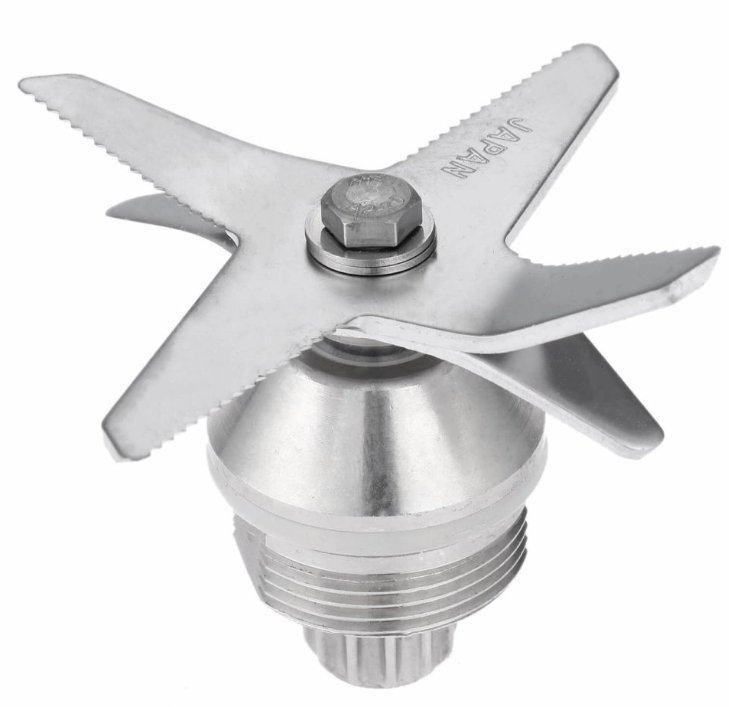
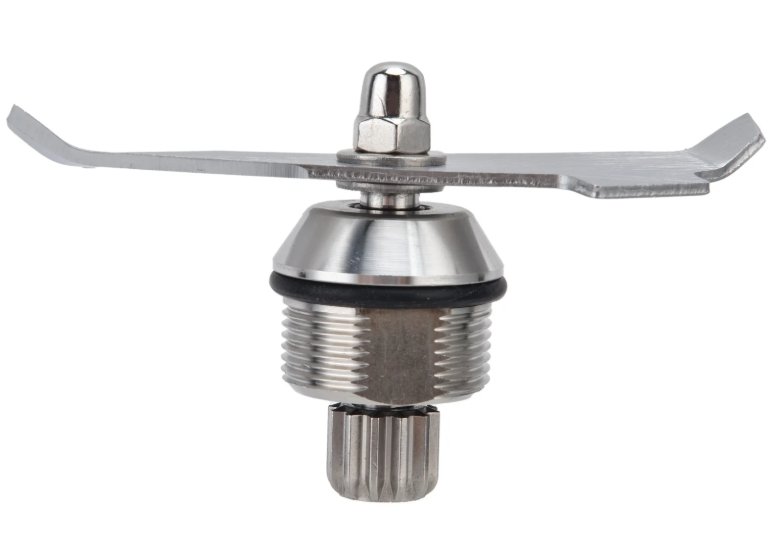
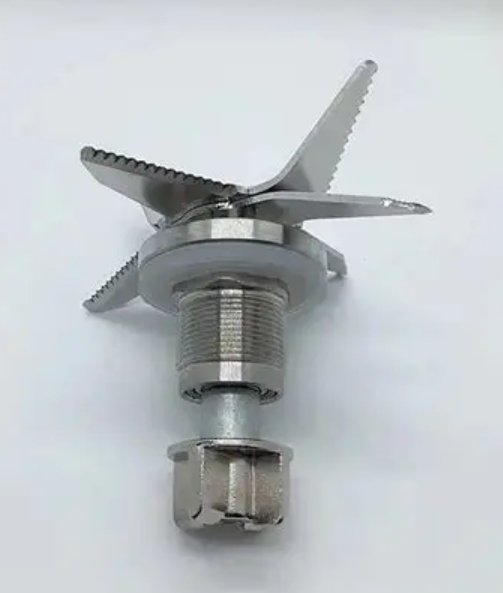
Diamond Blade for Sale

Demolition Hammer & Rotary Hammer for Sale
Angle
Welcome to call us
Contact Us to get quotation
Working Time: 8:00~17:00 Monday to Friday.
FAQ
Welcome to call us
Contact Us to get quotation
Working Time: 8:00~17:00 Monday to Friday.
-768x443.jpeg)