Blender blade vibrates excessively when running
Blender blade vibrates excessively when running
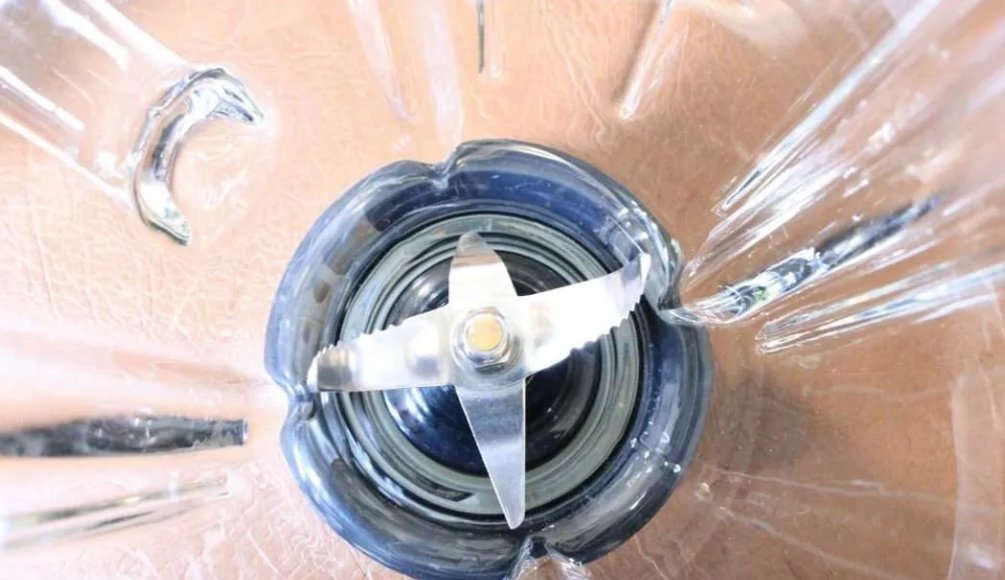
Excessive blender blade vibration during operation can be completely resolved through standardized pre-inspection safety procedures, step-by-step troubleshooting and correction of fasteners, blade status, dynamic balance, transmission parts and installation accuracy, as well as regular daily inspection and maintenance to prevent recurring vibration faults. One of the most prevalent overall issues with long-term high-frequency blender operation is excessive blade vibration, which is directly linked to worn bearings, loose parts, deformed blades, uncalibrated dynamic balancing, and incorrect installation. In addition to making loud, strange noises and decreasing the fineness of ingredient crushing, continuous, severe vibration can worsen component wear, further loosen internal parts, raise motor running load, and, in extreme situations, cause blade wobbling, water leaks, and equipment burnout.Combining with daily blender maintenance, wear troubleshooting and accessory matching experience, targeted layered troubleshooting and systematic correction can thoroughly eliminate blade vibration and restore stable equipment operation.
Pre-inspection Safety Preparation
The foundation for safe and efficient blade vibration troubleshooting and maintenance is completing comprehensive safety preparation. Users must completely disconnect the blender power supply and unhook the power cable to shut off the equipment power loop before performing any inspection, disassembly, or rectification operations. All liquid components, sticky residues, and leftover ingredients must be entirely removed from the blending cavity in the meantime. This thorough cleaning and power-off procedure can successfully stop unintentional equipment startup during manual maintenance, prevent scratch injuries from coming into contact with rotating blades, and remove safety risks like ingredient splashing and component collisions, resulting in a stable and safe operating environment for later fault investigation and repair.
Step-by-step Troubleshooting and Solutions for Excessive Vibration
The easiest and most efficient way to address mild blade vibration caused by loose connections is to check and tighten basic fasteners. The equipment anchor bolts at the blender base and the blade fixing nut at the blade assembly are prone to gradually loosening after prolonged high-speed operation and constant vibration impact, creating small assembly gaps. During operation, these gaps cause noticeable jitter and vibration due to unsteady blade fixation and uneven operating load. Users need to carefully verify all connecting parts one by one, and tighten every loose nut and bolt to ensure tight and seamless fitting.To prevent repeated loosening caused by long-term vibration, users can install matching anti-loosening gaskets at the thread connection positions, which use friction limit to lock the fastening state permanently and effectively solve vibration faults caused by loose fasteners.
Vibration brought on by uneven wear and blade distortion is eliminated by correcting the blade’s operational state. Long-term unilateral friction will result in uneven blade wear, while long-term crushing of hard materials like ice cubes and nuts, as well as unintentional collision and extrusion, will cause the blade to bend and deform locally. The initial balanced working state is destroyed by the uneven blade structure, which results in noticeable eccentric vibration when rotating. In order to restore slightly deformed blades to their typical flat state, users must manually correct and fine-tune them, pay close attention to the flatness and integrity of each blade piece, and make sure that the blade angle and stress are constant. New matched blades must be directly replaced for blades that have significant wear, thinning, and structural distortion that cannot be fixed.After adjustment or replacement, fine-tune the gap between the blade and the machine shell to the factory standard range, avoiding vibration and friction noise caused by inconsistent gap spacing.
High-speed vibration brought on by eccentric blade mass is essentially resolved by professional dynamic balance calibration. Uncalibrated dynamic balance exacerbates the majority of common blade vibration issues, particularly when operating at high speeds. During rotation, a small mass variation on both sides of the blade will create an eccentric centrifugal force, and as the rotational speed increases, the vibration amplitude will grow exponentially. Professional dynamic balance detection and weight calibration are required for blender blades with linear speeds greater than five meters per second. The blade can maintain balanced rotation and uniform stress at any speed by adjusting its local weight and removing eccentric mass deviation.This calibration step completely solves high-frequency jitter and eccentric vibration that cannot be eliminated by simple fastening and correction, and stabilizes the blade operating state from the root cause.
Vibration brought on by age and irregular transmission can be resolved by inspecting and maintaining bearings and transmission components. Long-term high-load operation will result in bearing wear, excessive internal clearance, and lubrication failure because the blade bearing is the primary support element for rotating operation. Shaft shaking and erratic blade vibration are caused by worn bearings’ inability to sustain the blade shaft steadily. Users must verify the operational flexibility and bearing clearance. To lower internal friction and stabilize rotation, replace high-temperature resistant lubricating grease for bearings with mild wear and dry lubrication. Direct replacement of new matched bearings is necessary for highly worn bearings with considerable clearance and blocked operation.In addition, it is necessary to check the tension of transmission gears and chains, adjust the tightness to a standard state, avoid unstable power transmission caused by too loose or too tight transmission parts, and eliminate vibration derived from transmission faults.
Resonance and inherent vibration are eliminated by improving equipment construction and adjusting installation correctness. Overall high-frequency vibration of the equipment, which is frequently confused with single blade vibration, is caused by inaccurate coupling coaxiality, an unstable equipment foundation, and a rigid connection between the motor and the bracket. In order to prevent eccentric vibration brought on by shaft deviation, users must adjust the coupling coaxiality to guarantee constant rotating centers of the motor and blade shaft. To stop the fuselage from shaking overall when operating, reinforce the loose equipment base. To use flexible buffering to absorb high-frequency vibration produced during equipment operation, install buffer gaskets between the motor and the fixed bracket. in the same time, make sure the blade operates steadily and without jitter and steer clear of prolonged operation in the equipment resonance speed range.
Long-term Prevention and Maintenance Guidelines
Establishing a regular vibration detection and repair method can effectively prevent repeated blade vibration faults and avoid secondary damage to the complete machine. The majority of excessive blade vibration is caused by small, undetected flaws that are not promptly fixed. It is necessary to formulate a fixed maintenance cycle and conduct a comprehensive fault inspection every three months. The degree of blade wear, the state of structural deformation, the tightness of all fastening connectors, the condition of bearing lubrication, and the stability of the installation are the main objectives of the examination. Early detection and removal of minor hidden hazards, such as loose bolts, slight blade wear, and inadequate lubrication, can stop minor issues from building up and developing into serious vibration issues.
Supplementary Q&A
Q:What is the most common cause of excessive blender blade vibration?
A:Loose blade fixing nuts and base fasteners are the most common causes, followed by uneven blade wear and minor deformation. These small problems destroy the blade’s balanced operating state and produce obvious jitter during high-speed rotation.
Q:Why does the blade still vibrate after tightening all fasteners?
A:Persistent vibration is usually caused by uncalibrated dynamic balance, worn bearings, unadjusted transmission tension or inaccurate installation coaxiality. Professional dynamic balance calibration and transmission system maintenance are required to solve the problem fundamentally.
Q:How to effectively prevent blade vibration from recurring long-term?
A:Adhere to quarterly regular inspection of blade wear, fastener tightness and bearing lubrication, timely correct minor faults, and use anti-loosening gaskets and buffer structures to maintain stable installation and balanced operation of the blade.
Final Decision
In conclusion, excessive blender blade vibration is a composite issue produced by loose fasteners, aberrant blade condition, imbalanced dynamics, worn transmission parts and inaccurate installation. Through standardized pre-maintenance safety operation, step-by-step troubleshooting from simple fastening correction to professional dynamic balance calibration and transmission maintenance, all vibration hidden dangers can be completely eliminated. Cooperated with regular quarterly inspection and daily preventive maintenance, users can maintain the long-term stable and balanced operation of blender blades, reduce equipment noise and component wear, and effectively extend the overall service life of the blender.
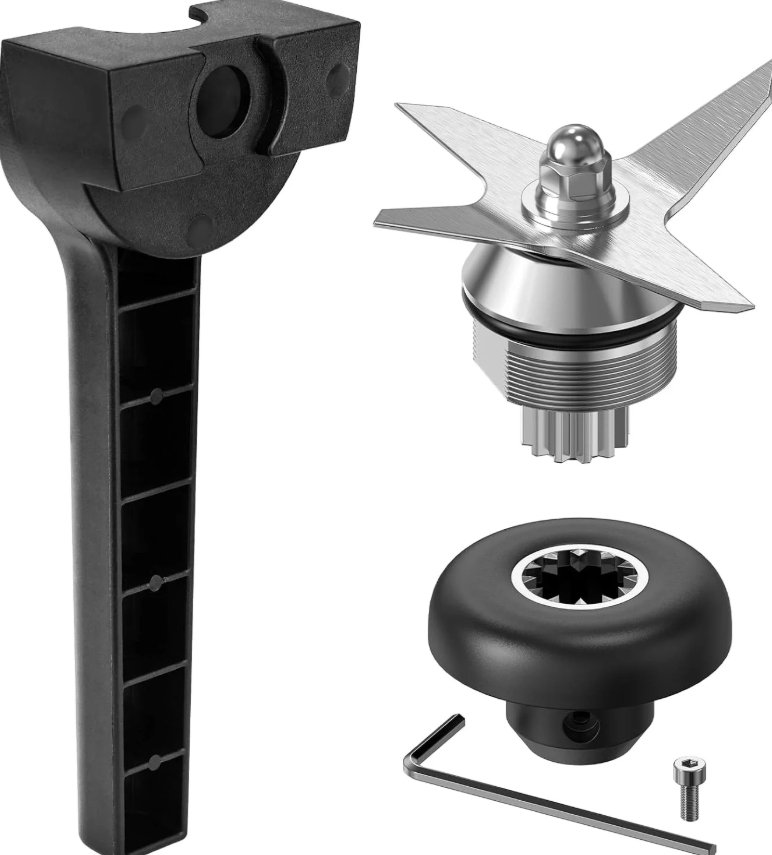
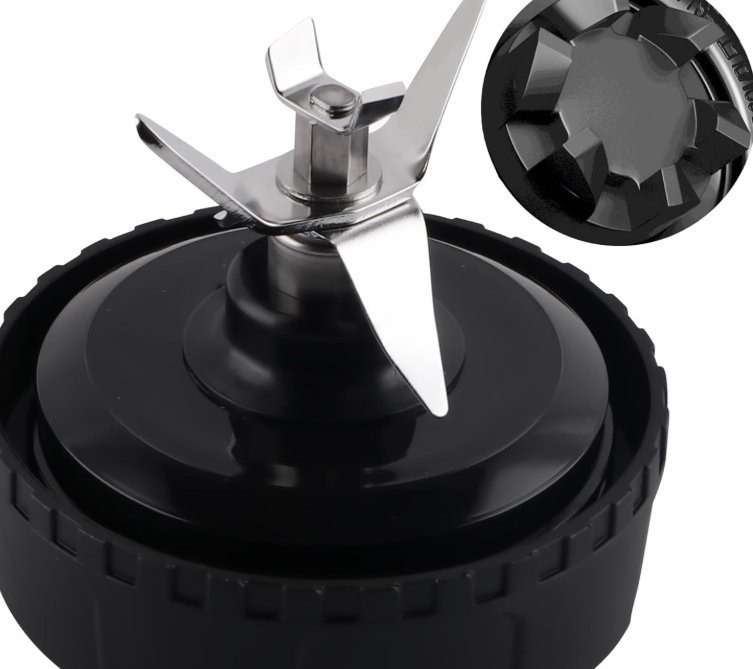
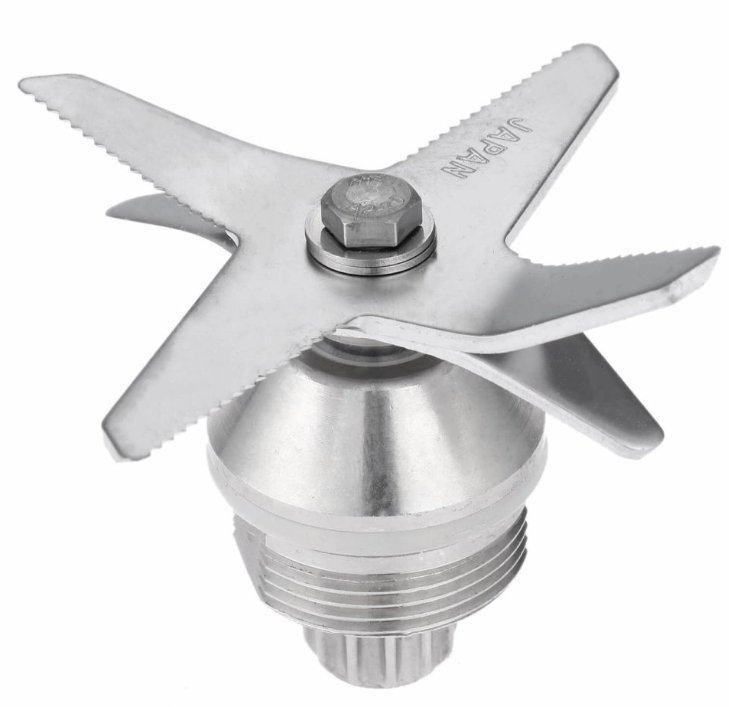
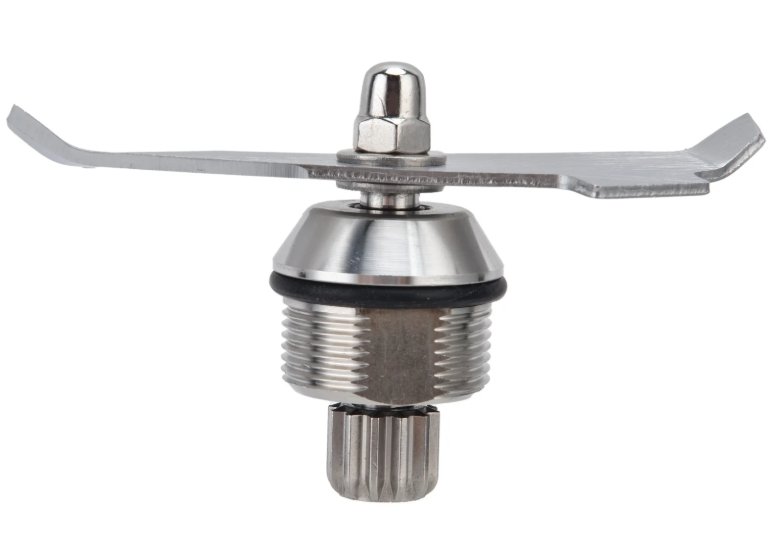
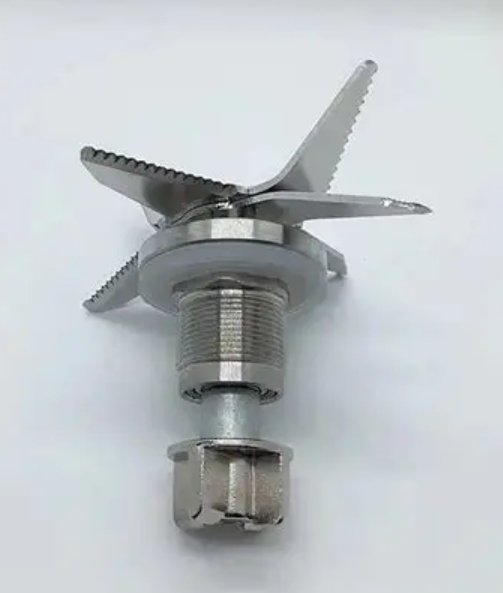
Blender Blade for Sale
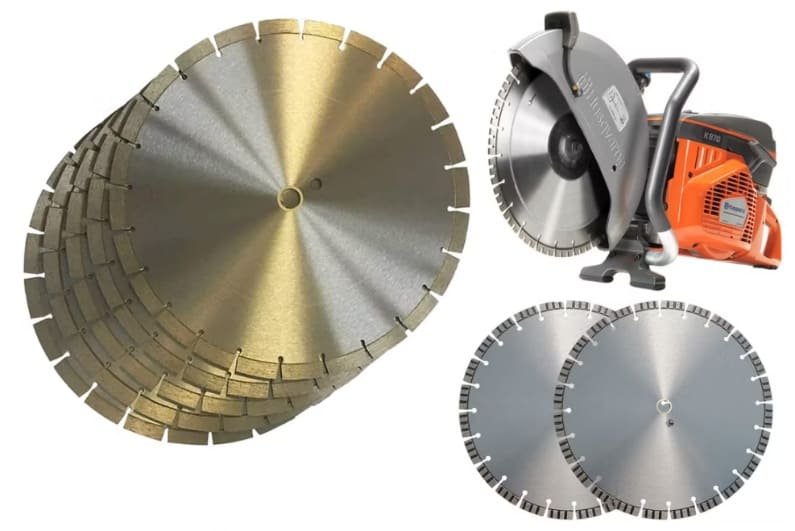
Diamond Blade for Sale

Demolition Hammer & Rotary Hammer for Sale
Welcome to call us
Contact Us to get quotation
Working Time: 8:00~17:00 Monday to Friday.
FAQ
Welcome to call us
Contact Us to get quotation
Working Time: 8:00~17:00 Monday to Friday.