What material is best for blender blade?
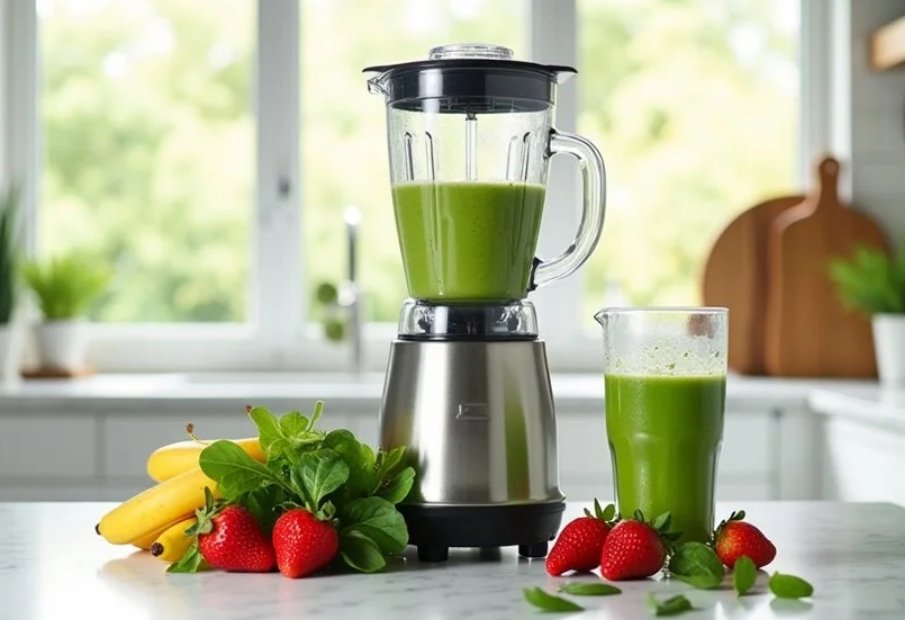
What material is best for blender blade?
In order to balance safety, durability, and working stability, the ideal material for a blender blade depends entirely on particular working scenarios and processing conditions. High-wear industrial powder processing, strong corrosion chemical working environments, and high-standard special production scenarios all have targeted optimal materials. Since different materials have distinct advantages in terms of hardness, corrosion resistance, wear resistance, and food safety performance, there is no one-size-fits-all universal material for blender blades. Blindly selecting a blade material without taking into account the real working conditions will cause rapid wear, rusting, corrosion, and residual contamination, necessitating frequent blade replacement, inconsistent processing quality, and higher equipment maintenance costs.Combining with daily food crushing, industrial powder processing and chemical material stirring scenarios, selecting the most suitable blade material according to working characteristics can maximize operating efficiency and extend the long-term service life of blender blade assemblies.
Optimal Material for General Food Processing Scenarios
Food-grade 304 stainless steel is the undisputed best choice for all conventional food processing blender usage scenarios, covering household, commercial catering and ordinary food factory ingredient crushing work. This stainless steel material fully meets international food contact safety standards, with non-toxic and harmless properties that will not precipitate harmful substances when contacting fruits, vegetables, meat, grains and other daily ingredients, ensuring food safety and hygiene throughout the processing process. In contrast to regular 201 stainless steel, which has poor corrosion resistance, 304 stainless steel has superior rust-proof and anti-oxidation properties, successfully fending off corrosion from daily cleaning water, fruit acid, vegetable fiber, and meat grease. It will not acquire rust spots, discolouration or surface damage after long-term repetitive use.
In addition, 304 stainless steel blades have moderate hardness and smooth surface texture, which will not leave excessive residual pulp and fiber during ingredient stirring and crushing. The material is easy to clean and maintain daily, effectively reducing bacterial growth caused by residual dirt. With reliable performance and affordable cost, it delivers outstanding cost performance, fully meeting the long-term stable use needs of general food processing scenarios.
Optimal Material for High-wear Industrial Powder Scenarios
YG8 hard alloy and high-chromium wear-resistant alloy steel are the most suitable blade materials for high-frequency and high-strength industrial powder processing scenarios that require extreme wear and impact resistance. Hard materials like quartz powder, rubber powder, and ceramic powder must frequently be crushed and stirred by industrial blender equipment. These hard particulate materials will produce continuous and strong friction and impact on the blade surface during high-speed operation, causing ordinary stainless steel blades to wear, passivate and deform rapidly in a short period of time. Ultra-high integral hardness and great impact resistance are characteristics of YG8 hard alloy and high-chromium wear-resistant alloy steel, which can endure long-term high-load friction and hard material impact without edge chipping, abrasion, or structural deformation.In actual industrial working conditions, the service life of blades made of these two professional wear-resistant materials is more than three times that of ordinary stainless steel blades. They can adapt to 24-hour continuous high-frequency industrial operation, effectively reducing the frequency of blade replacement and equipment shutdown maintenance, and greatly improving the continuous production efficiency of industrial powder processing lines.
Optimal Material for Strong Corrosive Chemical Scenarios
For blender blades used in highly corrosive chemical processing situations, 316L stainless steel is the recommended professional material because it effectively addresses issues with material corrosion and impurity precipitation. In contrast to food raw materials, chemical processing uses a variety of acidic, alkaline, and corrosive raw materials that gradually erode the surface of regular 304 stainless steel blades over time, causing metal impurity precipitation, corrosion pitting, and surface oxidation. In addition to reducing the blade’s service life, these corrosive damages will lead to the mixing of metal impurities with chemical components, which will lower the purity and quality of the final output. Molybdenum elements are added to stainless steel components to create 316L stainless steel, which has greatly improved oxidation and acid and alkali corrosion resistance.It can stably resist the erosion of various corrosive chemical raw materials for a long time, maintaining a smooth and complete blade surface without corrosion and deterioration. The stable material property avoids impurity precipitation caused by corrosion damage, effectively ensuring the purity and processing stability of chemical materials in special working environments.
High-performance Composite Material for Special High-standard Scenarios
The finest composite solutions for unique production scenarios with strict criteria for zero residue, ease of cleaning, and resilience to high temperatures are base blade materials covered with Dupont Teflon or ceramic coatings. Ordinary single metal materials cannot satisfy the high-standard usage criteria for precision food processing, high-purity material production, and sterile processing scenarios that forbid material adhesion and residual contamination. On the surface of approved 304 stainless steel or alloy blade substrates, users can apply premium Dupont Teflon coating or high-performance ceramic coating. The composite structure adds superior non-stick, wear-resistant, and high-temperature resistance qualities while maintaining the original hardness and structural stability of the metal base material.
The smooth coating surface can completely avoid material adhesion during stirring and crushing, leaving no tiny residual gaps for dirt accumulation. It is extremely convenient for daily cleaning and sterile maintenance, and can withstand long-term high-temperature operation without coating peeling or failure. This composite blade material perfectly adapts to high-standard production scenarios that require zero residue, easy cleaning and long-term stable sterile operation.
Supplementary Q&A
Q:Why is 304 stainless steel the best for daily food blenders?
A:304 stainless steel meets food safety standards, has good rust and corrosion resistance for common ingredients, features easy daily cleaning, and has high cost performance, fully matching the low-wear and hygienic requirements of general food processing scenarios.
Q:What blade material is essential for industrial hard powder processing?
A:YG8 hard alloy or high-chromium wear-resistant alloy steel is essential. Their ultra-high hardness and impact resistance resist long-term friction from hard powder materials, offering over three times the service life of ordinary stainless steel blades.
Q:What material choice prevents chemical material corrosion and impurity precipitation?
A:316L stainless steel is the optimal choice. Its excellent acid and alkali corrosion resistance avoids blade oxidation and corrosion in chemical working environments, preventing metal impurity precipitation and ensuring material purity.
Final Decision
In conclusion, real-world working conditions and the properties of the processing medium dictate the ideal blender blade material. YG8 hard alloy and high-chromium alloy steel are designed for high-wear industrial powder working conditions, 316L stainless steel specializes in anti-corrosion chemical scenarios, Teflon or ceramic coated composite materials satisfy high-standard zero-residue production requirements, and 304 food-grade stainless steel dominates general food processing with safety and cost performance. In commercial, industrial, and special production scenarios, precise material selection that corresponds with particular working conditions can effectively prevent blade rust, wear, corrosion, and residual pollution, maximize blade service life, and guarantee long-term stable, efficient, and safe operation of blender equipment.
Blender Blade for Sale
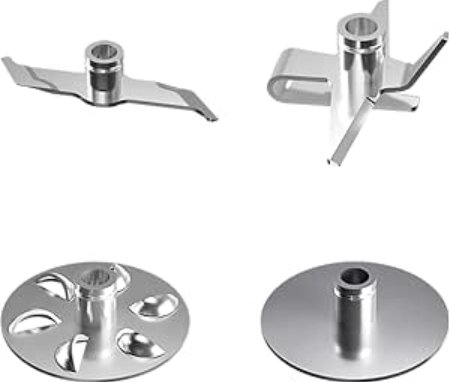
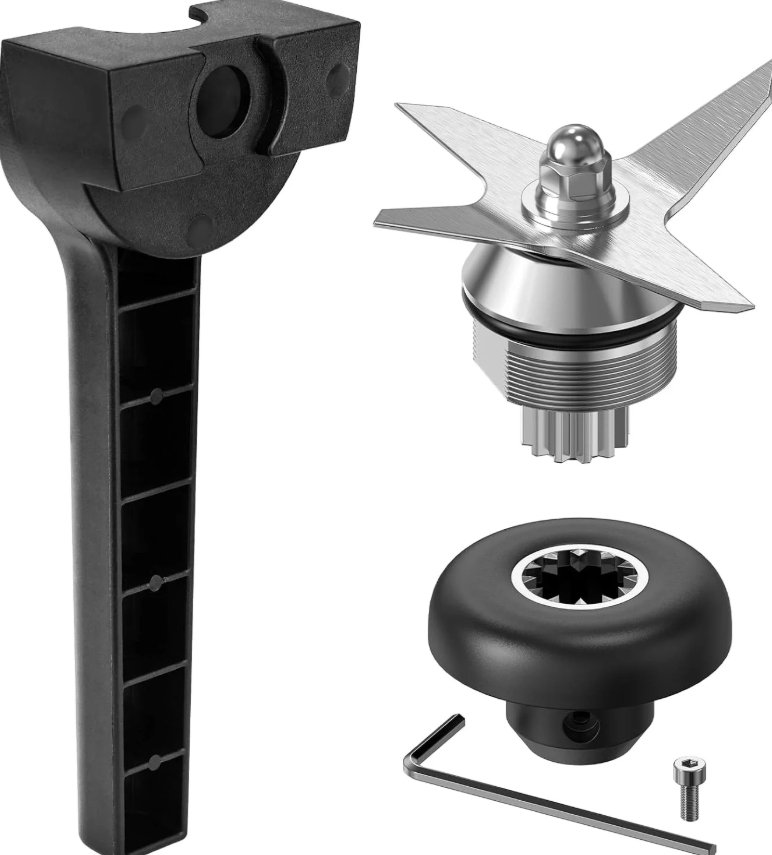
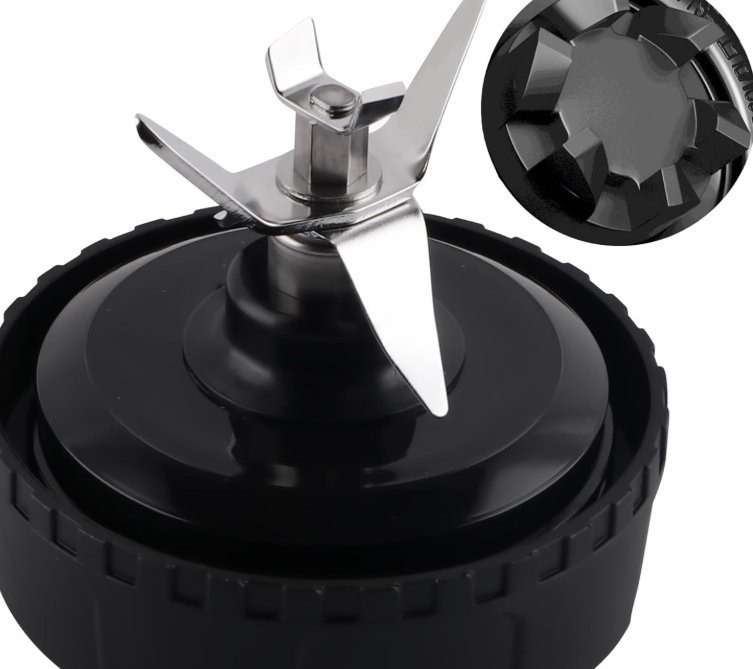
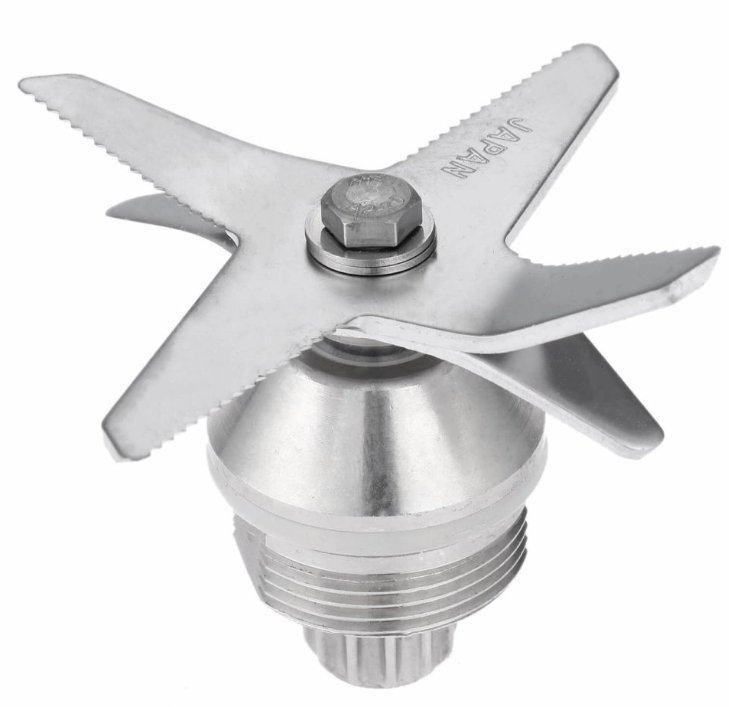
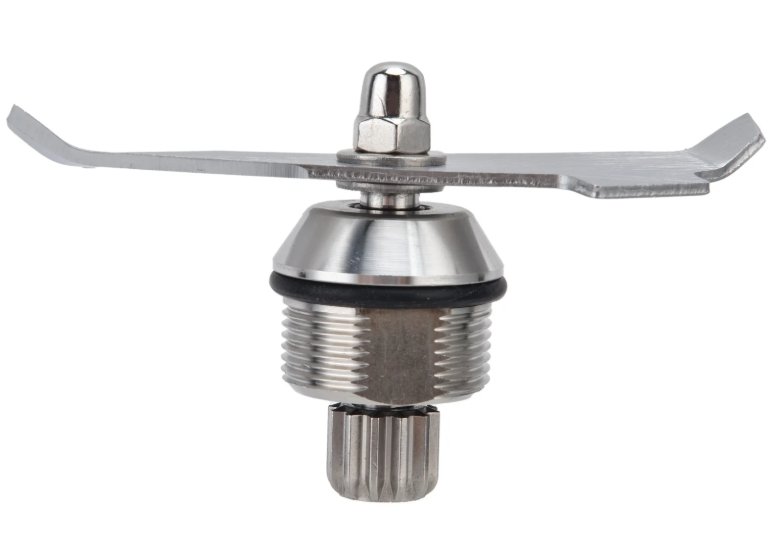
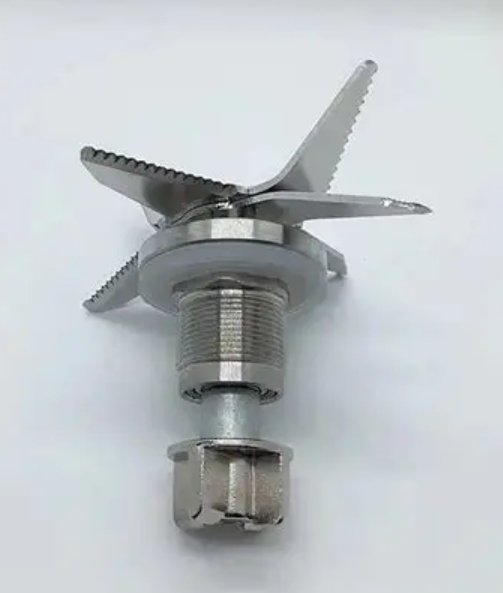
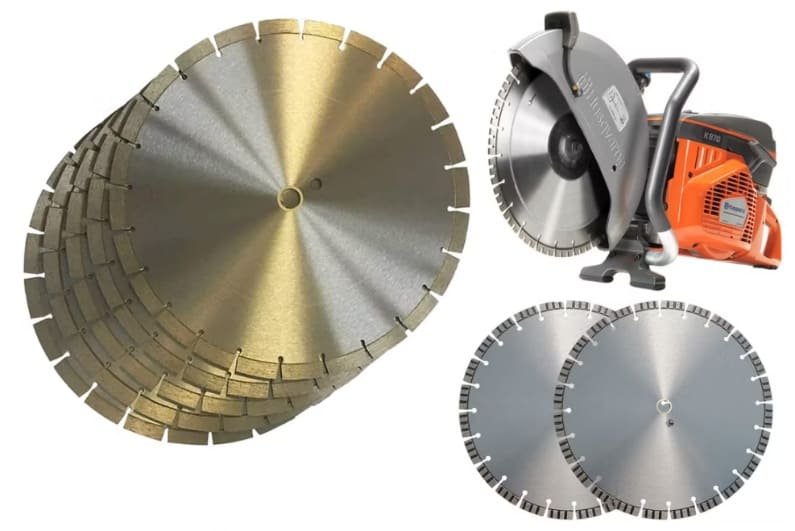
Diamond Blade for Sale

Demolition Hammer & Rotary Hammer for Sale
Angle
Welcome to call us
Contact Us to get quotation
Working Time: 8:00~17:00 Monday to Friday.
FAQ
Welcome to call us
Contact Us to get quotation
Working Time: 8:00~17:00 Monday to Friday.
-768x447.jpeg)