What is a demolition hammer used for?
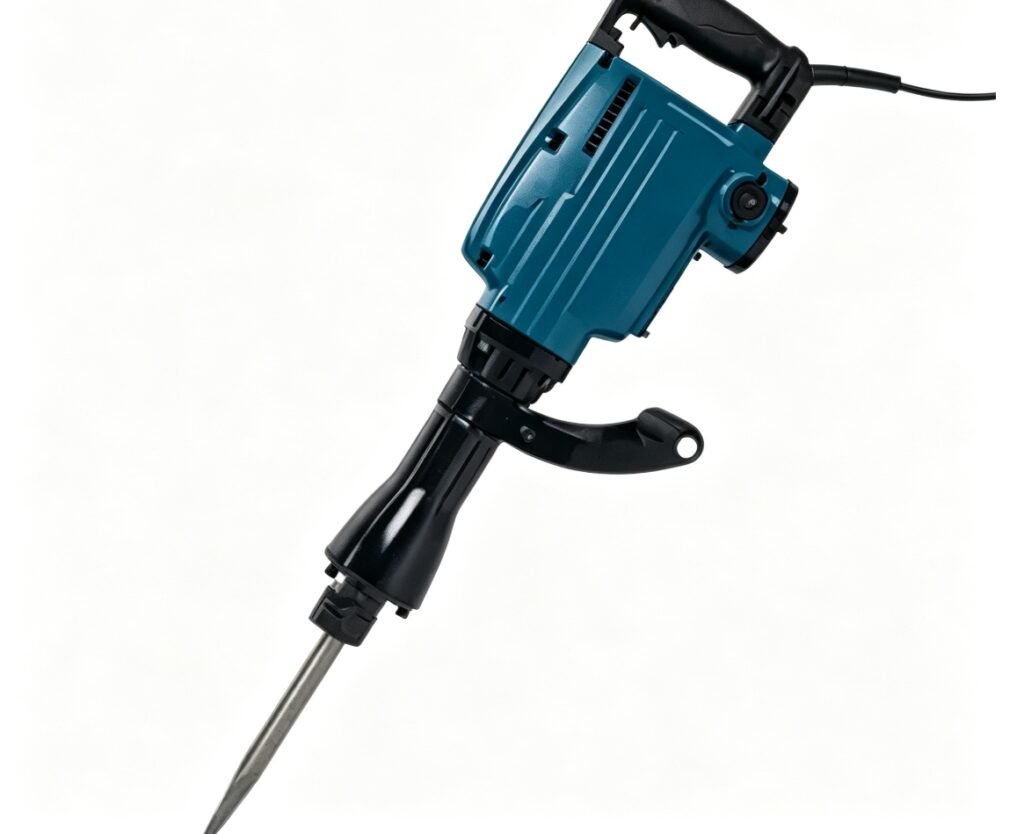
What is a demolition hammer used for?
If you’ve browsed power tools for renovation or construction work, you’ve almost certainly seen demolition hammers listed alongside rotary hammers and jackhammers. It’s easy to mix them up, so many DIYers and new tradespeople wonder exactly what jobs a demolition hammer is built to handle.
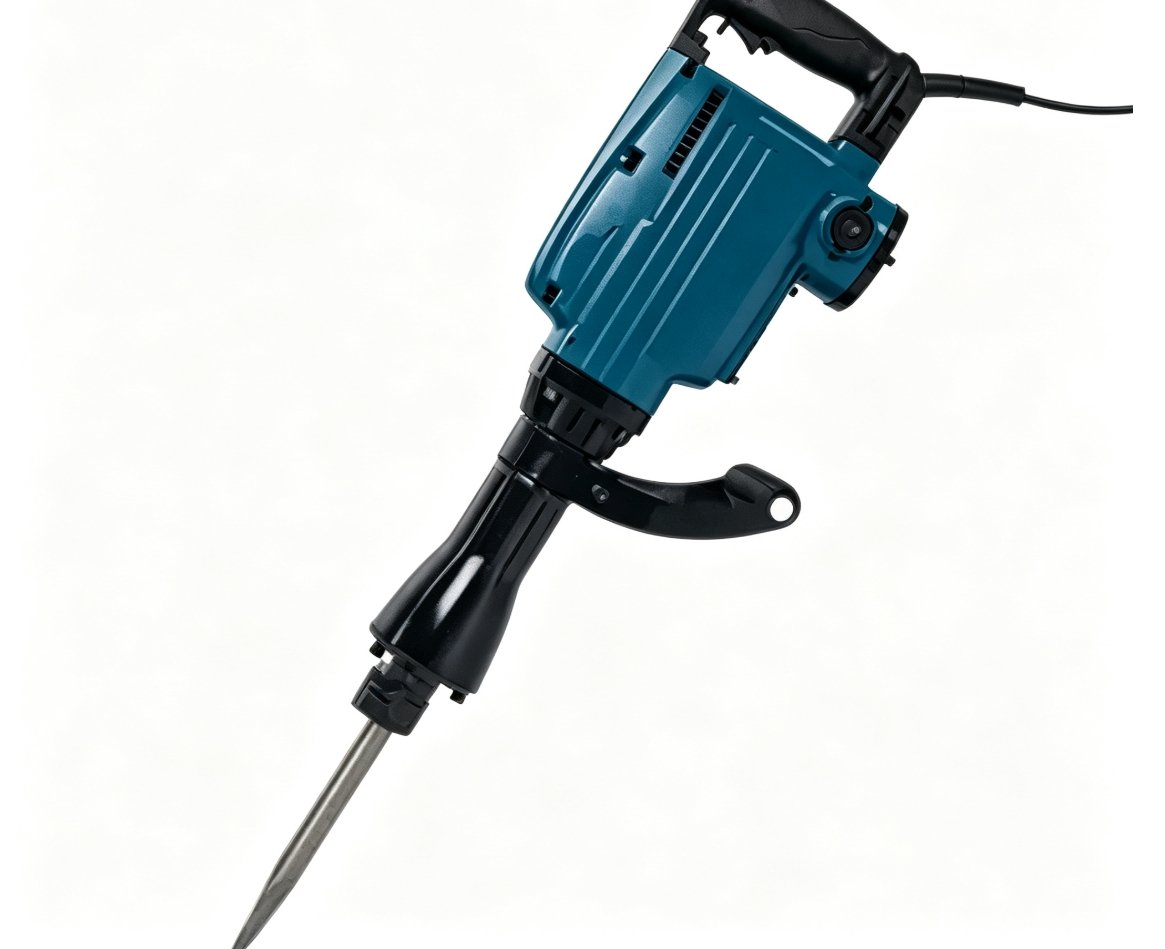
Simply put, a demolition hammer is a percussion-only power tool built to chip, crack and break rigid materials. Unlike rotary hammers, it has no drill rotation function. It relies on repeated linear impact force delivered through chisel attachments to remove masonry and concrete, rather than bore holes. It exists to tear things apart, not drill them.
Common Uses for a Demolition Hammer
Demolition hammers cover a wide spectrum of residential and light commercial work. Exact capability depends on the model weight and impact energy, but these are the most frequent real-world applications:
1. Tile and mortar removal
This is one of the most popular DIY uses. During bathroom, kitchen or laundry room remodels, a demolition hammer fitted with a wide scaling chisel easily pries up ceramic, porcelain tiles and strips away old mortar beds. Lighter handheld models work great indoors, and they cut down hours of labor compared to hand chisels.
2. Breaking concrete slabs and surfaces
Concrete work is where this tool truly shines. Users regularly deploy it to break thin concrete patios, garage floor sections, sidewalk slabs and uneven concrete screeds. It can crack non-reinforced concrete cleanly and remove damaged concrete patches for repairs. Bear in mind: lighter units handle slabs up to roughly 4 inches thick. Heavier demolition breakers are required for thick, rebar-reinforced concrete foundations.
3. Chasing channels into walls
Electricians and plumbers often use demolition hammers to carve grooves into brick, concrete block or cement walls. These channels, known as wall chases, create space to run electrical conduit, water pipes and wiring without fully tearing down the wall.
4. Partial brick and masonry demolition
Whether you’re widening a doorway, removing a non-load-bearing brick partition or knocking out old chimney sections, the demolition hammer delivers controlled force. You can remove targeted sections instead of demolishing an entire structure.
5. Asphalt removal and surface prep
For small-scale paving repairs, it breaks up worn asphalt patches on driveways or walkways. It also works to chip away raised concrete bumps, leftover construction splatter and rough masonry edges to level surfaces before new finishes go down.
6. Trenching in compacted ground
With a clay spade chisel attached, it breaks up hard-packed clay, compacted dirt and rocky soil. This makes trenching for drainage, irrigation lines or underground cables far less strenuous than digging purely by hand.
7. Stone shaping and light landscaping
Landscapers sometimes use it to rough-cut natural stone, break apart large rock chunks or reshape stone retaining wall materials. It is not designed for fine carving, but it handles rough shaping work efficiently.
Tasks You Should Not Use a Demolition Hammer For
Understanding its limitations saves you from tool damage and wasted effort.
- Drilling holes: It cannot drill. If you need to bore holes into concrete for anchors, choose a rotary hammer.
- Precision woodwork or metal cutting: The heavy impact force will destroy timber and cannot cut solid metal.
- Extremely thick reinforced concrete: Light and mid-range models will overheat and progress very slowly against heavy rebar.
- Continuous all-day heavy roadwork: Large road jackhammers (pneumatic breakers) are built for that scale, not standard electric demolition hammers.
How Chisel Attachments Change What You Can Do
One reason demolition hammers are so flexible is interchangeable bits.
- Pointed chisel: The go-to for initiating cracks in solid concrete, brick and rock. Concentrates impact onto a small contact area.
- Flat wide chisel / scaling chisel: Perfect for lifting tiles, stripping mortar and smoothing uneven surfaces.
- Clay spade chisel: Designed for digging and trenching through hard soil.
Demolition Hammer vs Rotary Hammer: Quick Clarification
This confusion comes up constantly in tool forums. A rotary hammer can drill and light chisel. It balances drilling power with limited breaking capability. A demolition hammer works only in hammer mode, delivers far higher impact energy, and is engineered for sustained demolition. If your main job is breaking material, pick a demolition hammer. If you mostly drill with occasional light chipping, stick with a rotary hammer.
Frequently Asked Questions
Q: Can I use a demolition hammer indoors?
A: Yes. Electric models produce no exhaust fumes, making them suitable for basements, bathrooms and enclosed spaces. Always wear a dust mask, hearing protection and safety goggles to handle silica dust and flying debris.
Q: Is a demolition hammer the same as a jackhammer?
A: Not exactly. People often use the names interchangeably. Traditional jackhammers tend to be larger, pneumatic industrial tools for road work. Handheld electric demolition hammers are lighter, more maneuverable for residential renovation projects.
Q: Will a small demolition hammer break thick concrete?
A: It technically can, but progress will be extremely slow. The motor will face constant strain and risk overheating. Match the tool weight and impact energy to the thickness of your concrete.
Final Thoughts
At its core, a demolition hammer is your best power tool whenever you need to chip, split or remove concrete, tile, brick and masonry. From small bathroom tile remodels to breaking up old patios and running utility chases, it replaces slow, exhausting hand tools.
Before you rent or buy, map out your project. Thin tile removal calls for a compact model, while thick concrete slab removal demands a heavier, high-impact unit. Pair it with the correct chisel attachment, follow safety guidelines, and it will tackle nearly all common renovation demolition jobs.wear.
Demolition Hammer & Rotary Hammer for Sale
Demolition Hammer Rotary Hammer Blog
Angle
Diamond Blade

Welcome to call us
Contact Us to get quotation
Working Time: 8:00~17:00 Monday to Friday.
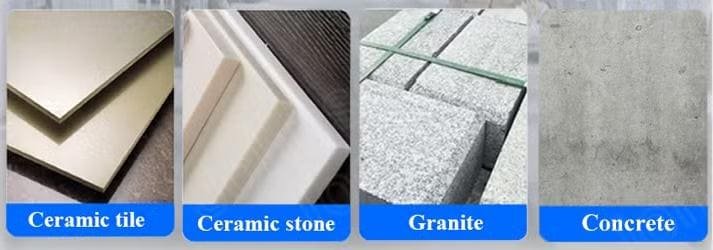
Applications:
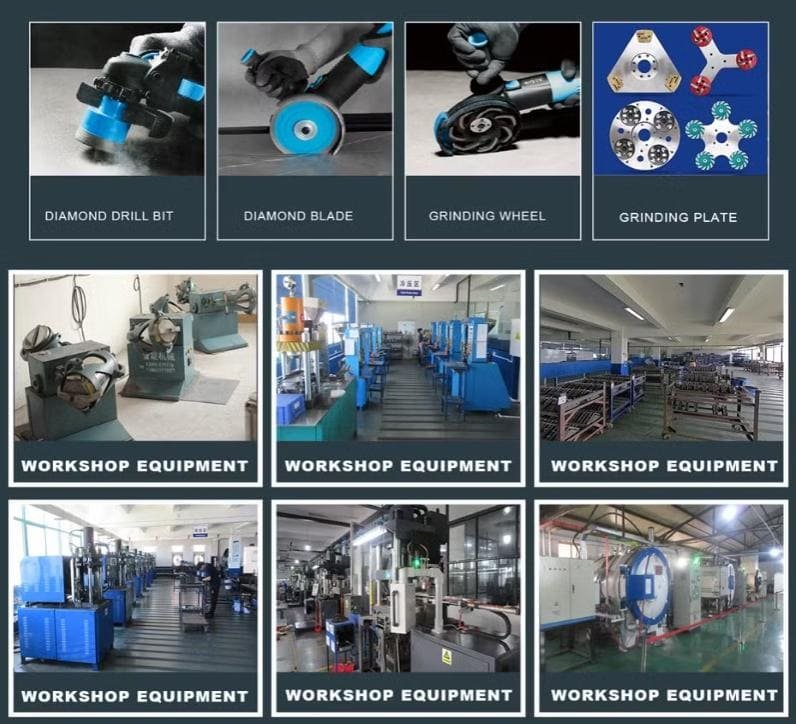
Factory:
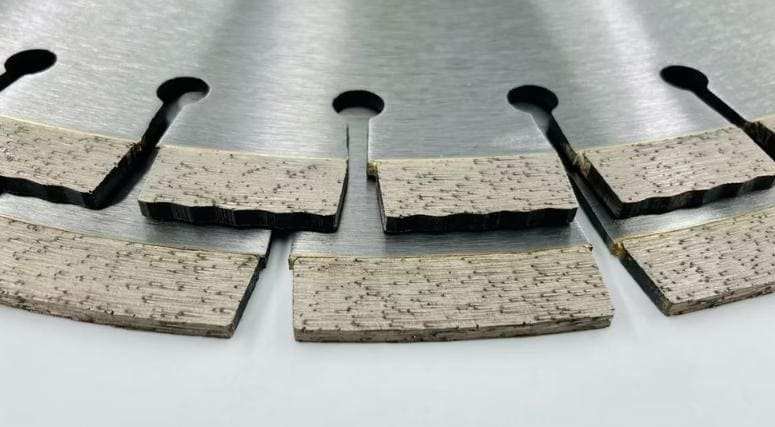
FAQ
Welcome to call us
Contact Us to get quotation
Working Time: 8:00~17:00 Monday to Friday.
-768x443.jpeg)