What is the best tool to break up concrete?
What is the best tool to break up concrete?
If you’re planning to remove old concrete slabs, tear out patio sections or chip damaged basement flooring, one question always comes up: which tool works best for breaking concrete? There is no universal one-size-fits-all winner. The right choice depends on slab thickness, whether steel reinforcement exists, project size, indoor or outdoor working space, and how much effort you want to spend.
Many DIYers waste time and energy grabbing the wrong equipment. A sledgehammer might work for tiny jobs, but it will leave you exhausted tackling thick reinforced concrete. Light power tools struggle with heavy slabs, while oversized machines are cumbersome for tight indoor remodels. Let’s walk through all common options, their strengths, limitations, and exactly when you should pick each one.
Manual Tools: Good for Small, Thin Concrete
Sledgehammer + Pry Bar
A standard 8–12 lb sledgehammer paired with a long pry bar is the simplest solution for small-scale work. It works best on non-reinforced concrete slabs under 3–4 inches thick, such as small walkway patches or thin garden concrete. You create cracks with repeated striking, then use the pry bar to lift loose chunks.
Pros: No power source required, zero rental costs. Cons: Extremely physically demanding. Slow on larger areas. Not viable for concrete containing wire mesh or rebar. Constant swinging brings a high risk of strain or injury.
Best for: Minor repair work, breaking loose already cracked concrete fragments.
Cold Chisel
Used alongside a hand hammer, cold chisels are for precision touch-up work. You can chip concrete edges, clean up uneven surfaces or expand existing cracks. This is never a primary breaking tool, only supporting equipment.
Electric Handheld Power Tools (Most Popular for Renovations)
Rotary Hammer
A rotary hammer can drill holes and switch into hammer-only chiselling mode. Light and maneuverable, it fits easily in basements and narrow corners.
It handles light chipping, shallow wall chasing and small patches of thin concrete. Keep in mind its impact energy is limited. Do not rely on a rotary hammer for full slab removal.
Best for: Drilling anchor holes plus occasional light demolition, thin screed removal.
Demolition Hammer (Electric Breaker)
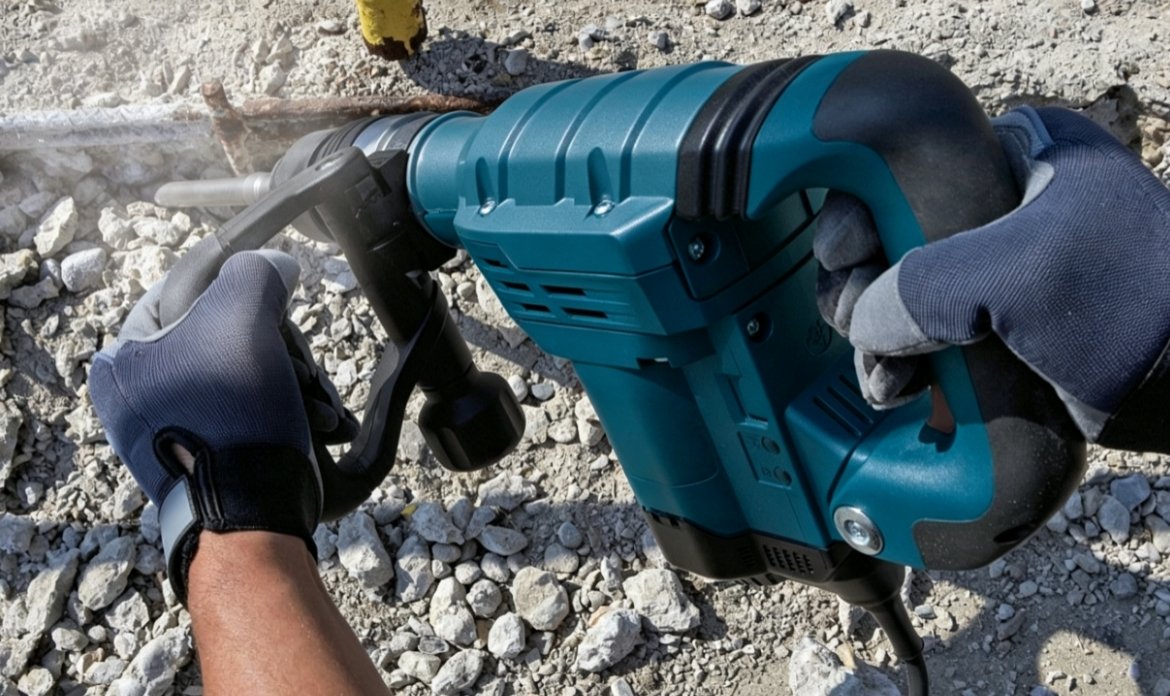
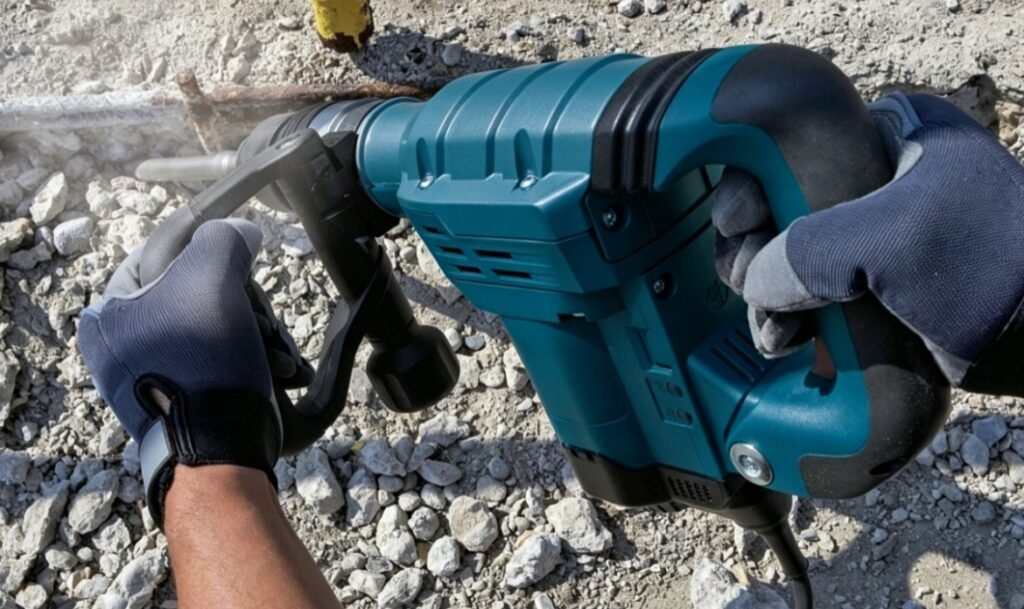
This is the workhorse for most residential and light commercial concrete jobs. Unlike rotary hammers, demolition hammers operate only in percussion mode with far higher impact force. No spinning drill function, just consistent pounding power.
Lightweight models tackle tile removal, wall chasing and thin concrete up to 4 inches. Heavier SDS-max or hex-shank demolition hammers can break 4–6 inch non-reinforced slabs and work slowly on lightly reinforced concrete. Electric units produce no exhaust fumes, making them safe indoors.
Pros: Plug-and-play, good balance of power and mobility, multiple interchangeable chisel bits. Cons: Very heavy continuous use can trigger motor overheating; extremely thick rebar concrete will slow progress drastically.
Best for: Bathroom remodels, basement floor repairs, patio demolition, wall channelling, most medium renovation tasks. For the majority of homeowners and small contractors, this is the go-to choice.
Heavy-Duty Demolition Equipment
Pneumatic / Gas Jackhammer
When people picture road crews breaking concrete, they are usually using jackhammers. These deliver massive continuous impact energy for thick, dense concrete and heavily reinforced slabs.
Pneumatic jackhammers need an air compressor, while gas-powered versions work remotely on sites without electricity. They excel at breaking driveways, thick foundation slabs and asphalt.
Pros: Non-stop heavy-duty performance, capable of tackling reinforced concrete over 6 inches thick. Cons: Bulky, very loud, difficult to operate indoors. Pneumatic setups require extra hoses and compressors. Rental costs are higher than standard demolition hammers.
Hydraulic Breakers
Hydraulic breakers mount onto excavators or mini loaders. These are industrial-grade machines reserved for large-scale commercial demolition, full driveway removal or massive foundation teardowns.
If you have hundreds of square feet of concrete to remove, nothing matches hydraulic breaker speed. For ordinary household renovation projects, this equipment is completely overkill.
Supplementary Tool: Concrete Saw
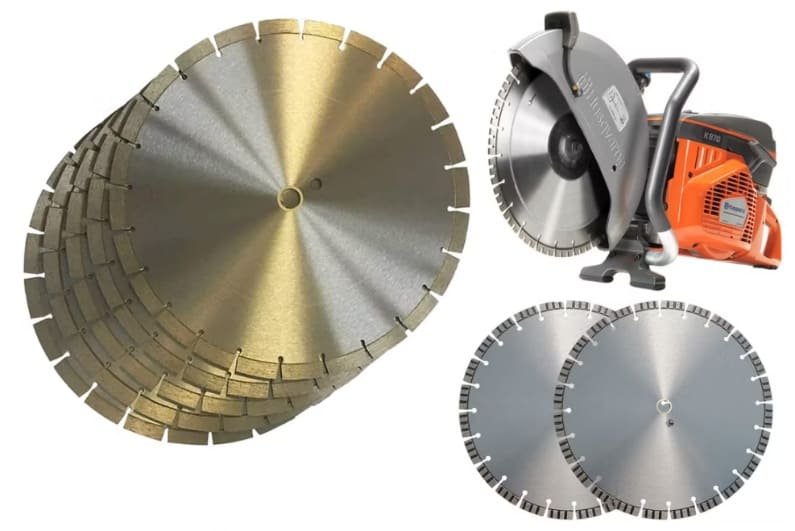
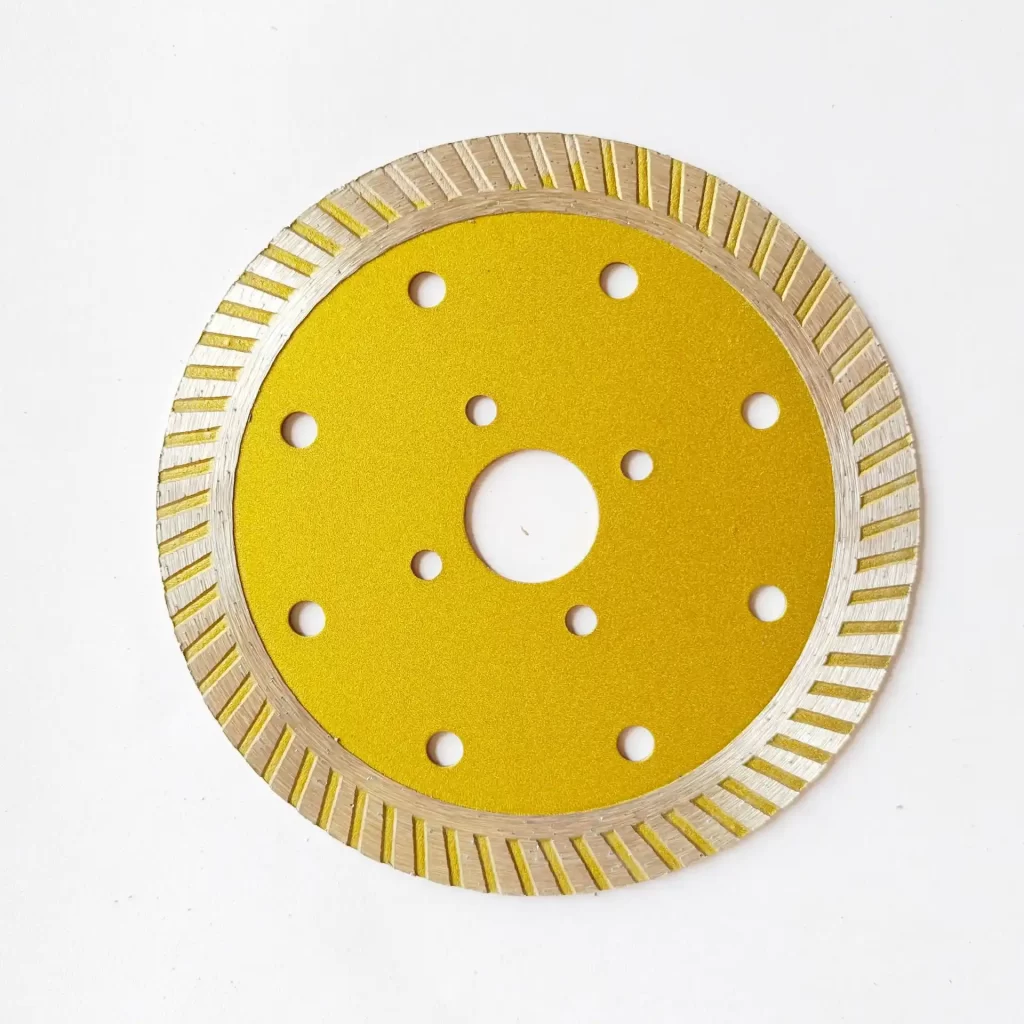
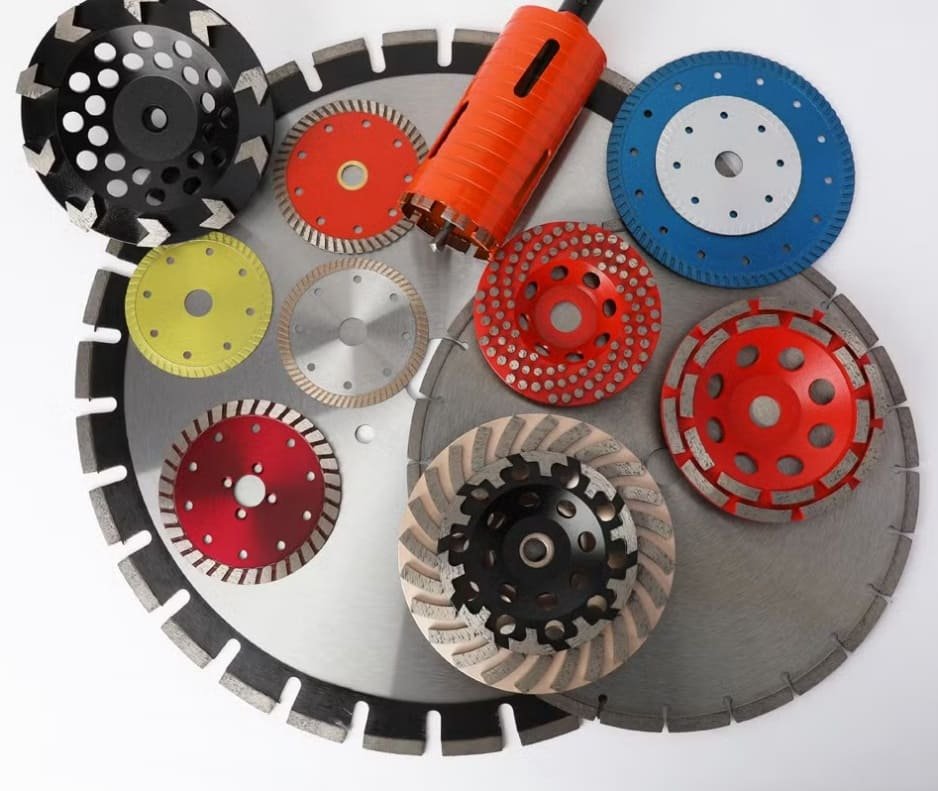
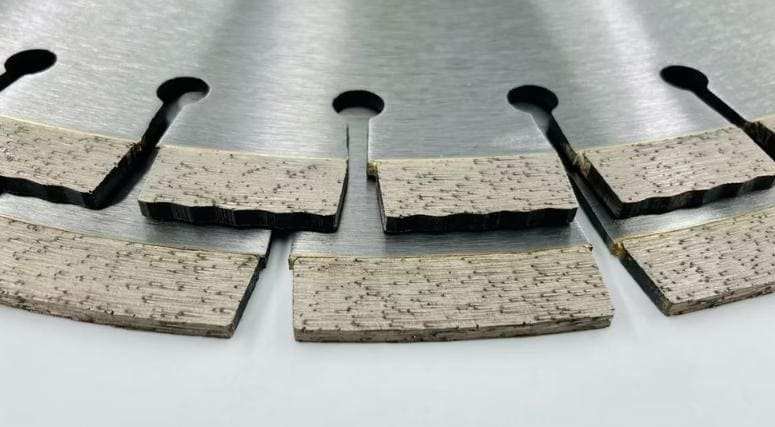
A concrete saw with a diamond blade does not break concrete directly, but it drastically simplifies demolition work. Before breaking large slabs, cut straight lines to divide concrete into smaller, manageable sections. This prevents uncontrolled spreading cracks and makes your hammer work far easier. Many contractors consider a concrete saw a necessary companion to any demolition hammer.
Quick Selection Guide by Project
- Tiny patches, thin concrete (<3 inches), small budget: Sledgehammer + pry bar
- Indoor renovation, tile removal, wall chasing, thin concrete slabs: Light to mid-size electric demolition hammer
- Medium patios, non-reinforced slabs 3–5 inches thick: Mid or heavy-duty electric demolition hammer
- Thick reinforced concrete, driveways, large outdoor slabs: Gas or pneumatic jackhammer
- Large commercial full-slab demolition: Hydraulic breaker fitted to an excavator
Frequently Asked Questions
Q: Can I use a rotary hammer instead of a demolition hammer to break concrete?
A: It can handle light chipping work, but rotary hammers lack sufficient impact energy for full slab removal. You will waste time and risk burning out the tool if you push it for heavy demolition.
Q: Is a jackhammer always better than an electric demolition hammer?
A: Not for every job. Jackhammers are bigger, heavier and harder to maneuver indoors. For most home remodels, an electric demolition hammer offers the perfect balance of power and usability.
Q: What chisel works best for breaking concrete?
A: Start with a pointed chisel to create initial cracks. Once splits appear, switch to a wide flat chisel to pry away broken concrete chunks. Always keep chisels sharp. Dull bits bounce and waste impact power.
Q: Do I need safety gear when breaking concrete?
A: Absolutely. Wear safety goggles, hearing protection, work gloves and a dust mask. Silica dust from crushed concrete poses serious health risks. Whenever possible, lightly mist concrete surfaces to control dust.
Final Verdict
There is no single “best tool” universally. But for most residential renovation projects and light commercial concrete removal, an electric demolition hammer delivers the best balance of power, portability and convenience.
If you are tackling thin, small concrete sections, a sledgehammer works fine. For thick, heavily reinforced slabs and large outdoor demolition jobs, rent a professional jackhammer. For industrial-scale work covering thousands of square feet, hydraulic excavator-mounted breakers are the most efficient option.
Always match your tool to the thickness and reinforcement of your concrete. Using underpowered equipment leads to slow progress, frustrated operators and premature tool wear.
Demolition Hammer & Rotary Hammer for Sale
Demolition Hammer Rotary Hammer Blog
Angle
Diamond Blade

Welcome to call us
Contact Us to get quotation
Working Time: 8:00~17:00 Monday to Friday.
Applications:
Factory:
FAQ
Welcome to call us
Contact Us to get quotation
Working Time: 8:00~17:00 Monday to Friday.