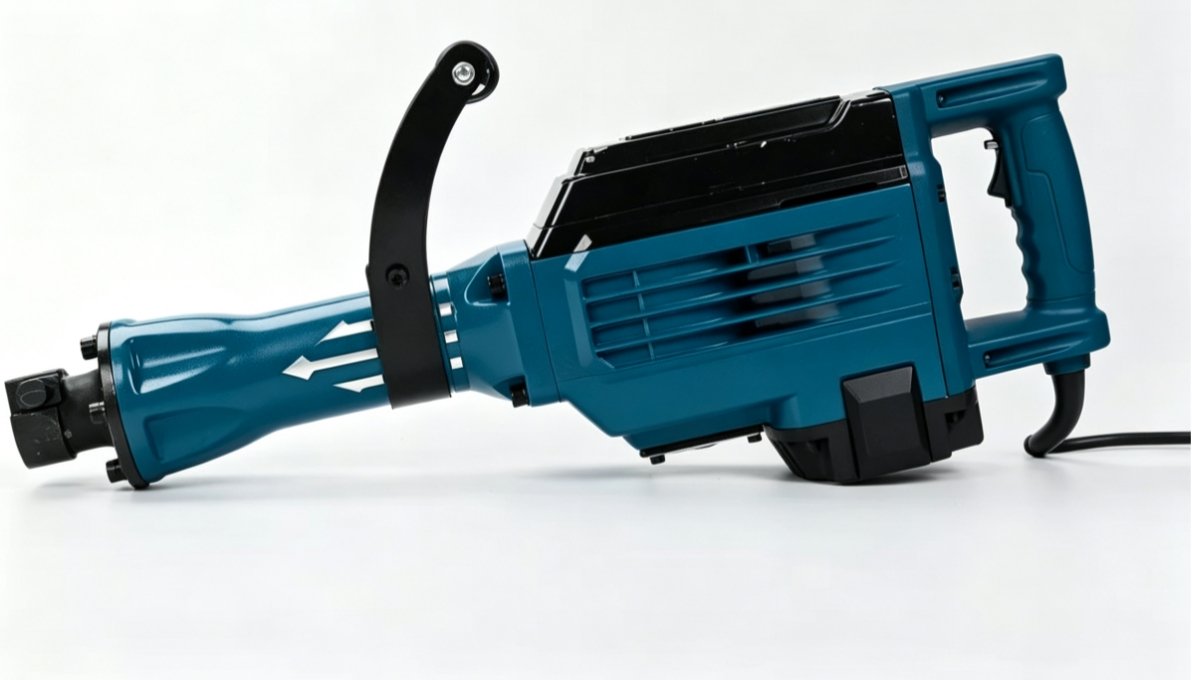
Is a demolition breaker the same as a demolition hammer?
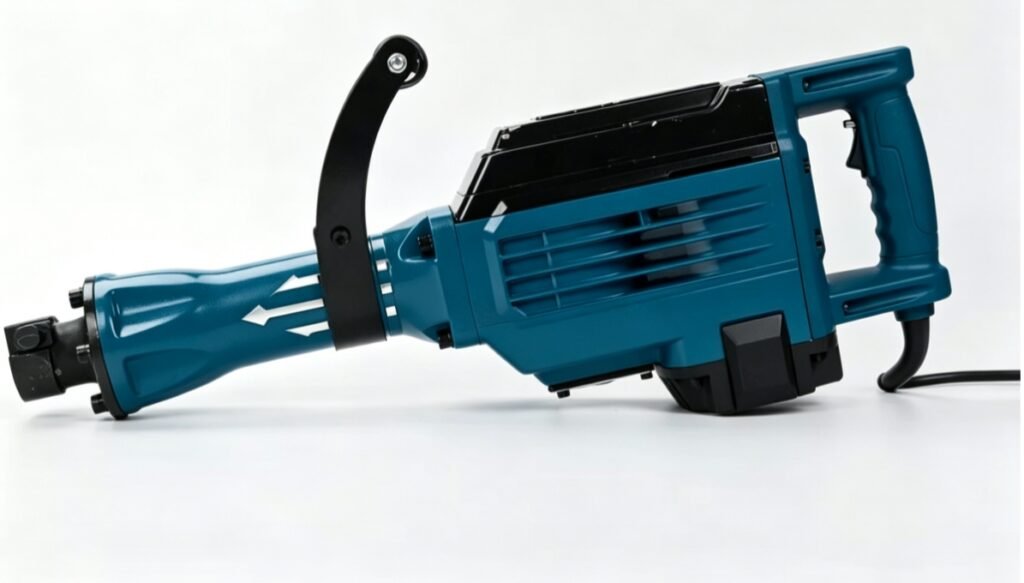
Is a demolition breaker the same as a demolition hammer?
Anyone shopping for power tools for concrete work will quickly run into this confusing terminology. Suppliers, hardware stores, contractors and online listings constantly swap the phrases demolition breaker and demolition hammer. If you’re wondering whether they describe identical equipment, the short answer is: they are frequently used interchangeably, but subtle industry conventions separate the two terms in certain contexts.
Many buyers mistakenly assume these are two completely different tools. Others treat them as exact synonyms and end up renting or purchasing equipment mismatched to their project. Let’s break down how these names evolved, where they overlap, and the small distinctions you should know before buying.
Why the terminology gets mixed up
At their core, both demolition hammers and demolition breakers are percussion-only power tools. Unlike rotary hammers, they have no spinning drill function. Their sole job is driving chisels to chip concrete, masonry, tile and asphalt. This shared function is the main reason vendors lump them together.
You will regularly see compound labels like “demolition breaker hammer” across Amazon, Alibaba and official brand catalogs. Retail listings often reuse both terms to capture all relevant search traffic, which makes it even harder for DIYers and small tradespeople to spot nuanced differences.
Regional speech adds more confusion. In North American hardware retail, “demolition hammer” is the more common general term for handheld electric models. Many European and Asian manufacturers favour “demolition breaker” in product titles for the same machines. On job sites, workers will casually call either tool a breaker, jackhammer or chipping gun without drawing clear lines between them.
The common industry convention separating the two terms
While there is no universal official standard, experienced tool technicians and major brands such as Bosch and Makita follow a loose informal rule to distinguish them by weight, power and typical use cases.
Demolition Hammer
Typically refers to lighter, more compact handheld percussion tools.
- Weight range: Roughly 5kg to 10kg
- Impact energy: Lower to mid-range joule ratings
- Design advantage: Balanced for both horizontal floor work and vertical wall chipping
- Best jobs: Tile removal, trimming brickwork, chasing wall grooves, chipping thin concrete screeds, small renovation repairs
- Bit system: Often SDS-max, suitable for precision light-to-medium demolition
These are the tools homeowners and remodelers pick up for indoor renovations. Maneuverability is prioritized over raw brute force.
Demolition Breaker
Generally describes heavier, high-impact models built for demanding continuous breaking.
- Weight range: 12kg and above
- Higher impact energy, built to tackle thick concrete and reinforced slabs
- Design: Optimized mainly for horizontal ground work; bulkier and harder to hold overhead on walls
- Best jobs: Breaking driveways, thick patio slabs, heavy asphalt removal, large-scale concrete demolition
- Bit system: Usually hex shank chisels, engineered for sustained heavy pounding
Crucially, this separation is a convention, not a strict rule. Plenty of suppliers label a 7kg mid-range unit as both a demolition breaker and demolition hammer on the same product page.
Important edge case: Do not confuse handheld breakers with excavator hydraulic breakers
One frequent costly misunderstanding deserves highlighting. When construction engineers talk about a “breaker”, they sometimes mean hydraulic rock breakers mounted onto excavators. These are completely separate machines from handheld electric demolition tools. If you are browsing power tools for renovation, always confirm the listing describes a handheld unit. Do not assume every “breaker” listing refers to portable electric equipment.
What this means for your purchase or rental
The naming confusion creates real risks. Here’s how to avoid making the wrong selection:
- Ignore only the name on the title. Always check technical specifications: weight, impact energy (joules), bit shank type. Specs tell you far more than labels.
- Match the tool to your task. If you need to work on walls or carry out delicate chipping work, target lighter models commonly sold as demolition hammers. If you plan to smash thick concrete slabs for hours, look for heavy-duty breaker-grade impact ratings.
- When communicating with suppliers, describe your project instead of relying purely on the tool name. Explain if you are removing tiles, trenching or demolishing thick reinforced concrete.
Frequently Asked Questions
Q: Can I use a demolition hammer in place of a demolition breaker?
A: It depends on the scale of work. A light demolition hammer can chip thin concrete, but it will struggle and overheat if tasked with heavy slab removal that demands a dedicated heavy breaker.
Q: Are jackhammers the same thing?
A: Jackhammer is another broad umbrella term. Traditionally it referred to pneumatic road-breaking tools, but today many retailers use jackhammer interchangeably with demolition breaker and demolition hammer for electric handheld models.
Q: Do all brands follow the same naming rules?
A: No. Many budget manufacturers disregard the informal weight convention entirely. It is normal to see a lightweight SDS-max model advertised as a demolition breaker. Always verify specifications.
Final Verdict
In casual conversation and most online product listings, demolition breaker and demolition hammer refer to the same category of handheld percussion demolition tools. You can safely treat them as synonyms during general research.
However, there is a widely accepted industry convention: lighter, versatile multi-position models tend to be called demolition hammers, while heavier, high-power units built for intensive ground breaking are referred to as demolition breakers.
Do not rely on the name alone to make your buying choice. Focus on impact energy, weight and intended applications, and you will avoid ending up with a tool that lacks the power you need for your concrete demolition project.
Demolition Hammer & Rotary Hammer for Sale
Demolition Hammer Rotary Hammer Blog
Angle
Diamond Blade

Welcome to call us
Contact Us to get quotation
Working Time: 8:00~17:00 Monday to Friday.
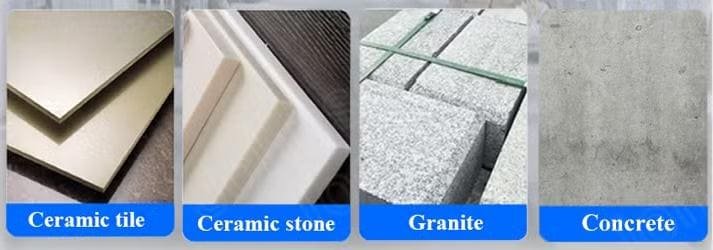
Applications:
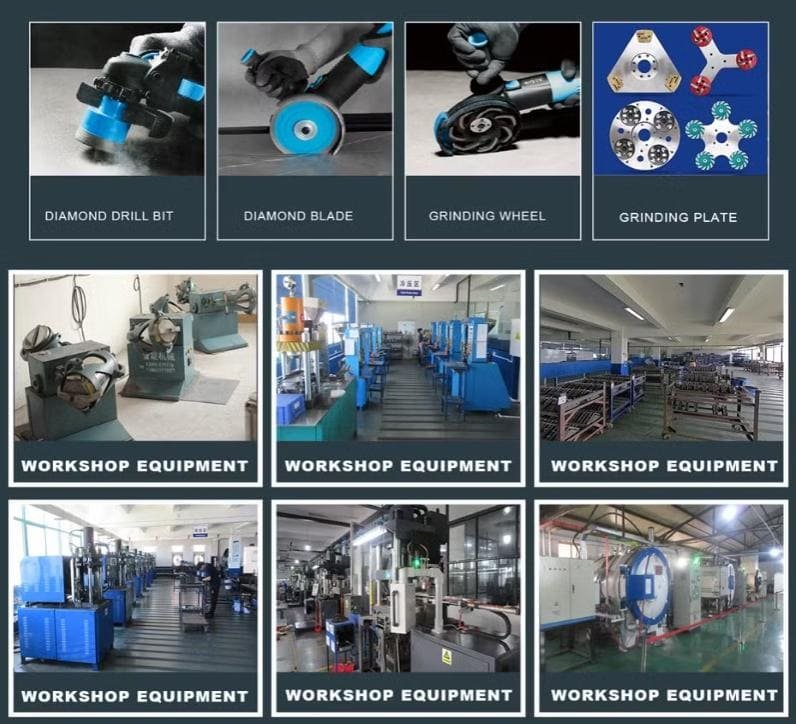
Factory:
FAQ
Welcome to call us
Contact Us to get quotation
Working Time: 8:00~17:00 Monday to Friday.