Is a demolition hammer the same as a chipping hammer?
Is a demolition hammer the same as a chipping hammer?
Demolition hammers and chipping hammers are not identical power tools, with clear structural, performance and application gaps separating them, and only lightweight electric chipping hammers share minor overlapping light-duty tasks with compact small demolition hammers.
Core Definition Differences Between the Two Tools
A demolition hammer is a purely electric demolition tool with zero rotational function, relying on an internal cylinder and piston assembly to deliver heavy concentrated percussive force. Its core design goal is large-scale breaking of rigid building materials such as thick concrete slabs and solid brick walls, placing it in the category of heavy-duty construction-grade power tools built for high-volume demolition work. Every internal component including the thickened impact piston and reinforced gearbox is engineered to withstand long-duration heavy load crushing of dense structural materials.
A chipping hammer, also known as scaling or chisel scaler, comes in two main power types: pneumatic air-driven versions as the industry standard plus secondary electric variants. It is categorized as a precision light impact tool, built exclusively for small-area controlled material removal rather than bulk demolition. Pneumatic chipping hammers dominate special high-risk working environments such as flammable petrochemical sites due to their explosion-proof design without electric sparks, which makes them irreplaceable for industrial fine surface treatment tasks that demand strict safety standards.
Key Parameter & Application Scenario Distinctions
Power supply is the most fundamental dividing line between the two tools. Demolition hammers are manufactured solely for mains electric power operation, with no air-driven versions available on the mainstream market. Chipping hammers prioritize pneumatic compressed air power as the primary configuration, while electric chipping hammer models only exist as secondary auxiliary options for small workshops without air compressor equipment. This power split directly shapes their respective applicable job environments and safety limits.
Primary working purposes show completely separate design orientations. Demolition hammers focus on massive structural removal, including full wall tear-down, whole concrete slab breaking and road surface demolition during renovation and infrastructure construction. Chipping hammers target delicate surface finishing work: stripping rust layers from metal parts, clearing welding slag off steel joints, and light surface scarification of small local areas that require precise, controlled chiseling without damaging surrounding intact base material.
Single-strike impact energy creates a massive performance gap in actual operation. Demolition hammers generate extremely powerful single impact force far exceeding any chipping hammer of equivalent weight, which allows them to crack and split thick hard concrete in a small number of strikes. Chipping hammers adopt a high-frequency low-jolt output mode, delivering dozens of rapid light blows per second to slowly peel thin surface layers; their weak single strike prevents accidental deep gouging on precision metal and structural surfaces.
Typical jobsite applications further highlight their targeted positioning. Demolition hammers are standard equipment for residential renovation crews, municipal road maintenance teams and building reconstruction contractors tackling large-scale concrete and masonry demolition. Chipping hammers are widely deployed in metal fabrication workshops, petrochemical plants, shipyards and industrial anti-corrosion projects, where workers focus on rust removal, weld cleaning and explosion-safe small-area chipping work.
Clarification of Overlapping Usage Boundaries
Only compact small electric chipping hammers can temporarily substitute mini lightweight demolition hammers for trivial small-area chiseling tasks such as thin plaster stripping and minor tile edge trimming under emergency conditions. Even with this limited functional overlap, their core mechanical layout, power output characteristics and original design positioning remain fundamentally different, so the two tools cannot be classified as the same equipment. Using a chipping hammer for large-scale concrete demolition will lead to extremely low efficiency and rapid overheating or component wear, while operating a heavy demolition hammer for fine rust removal will create uncontrolled deep gouges that ruin metal workpieces, leading to material waste and rework costs.
Supplementary Q&A
Q: Can a pneumatic chipping hammer replace an electric demolition hammer to break a concrete patio?
A: No. Pneumatic chipping hammers have weak single impact energy; they will take multiple times longer to break thick concrete and risk premature tool damage from overloading the light impact structure.
Q: Are electric chipping hammers and mini demolition hammers interchangeable for indoor tile edge trimming?
A: They can work for this light task temporarily, but chipping hammers offer better precision, while mini demolition hammers deliver faster breaking speed if you need to remove full tile panels.
Q: Why are pneumatic chipping hammers mandatory for petrochemical plant rust removal instead of electric demolition hammers?
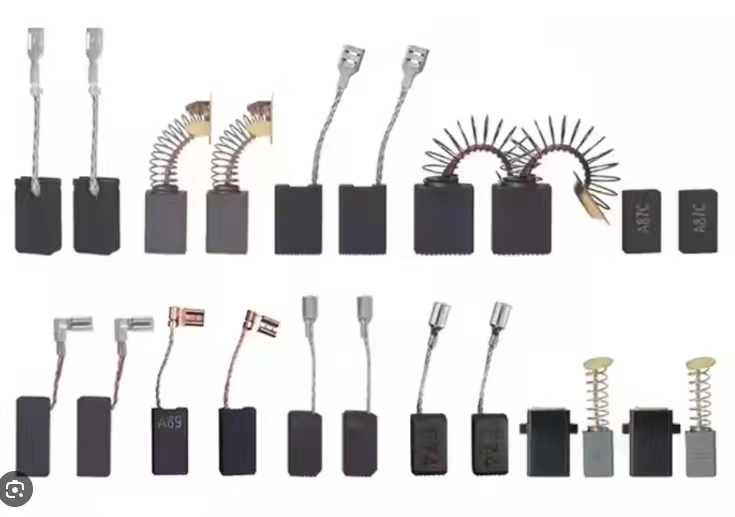
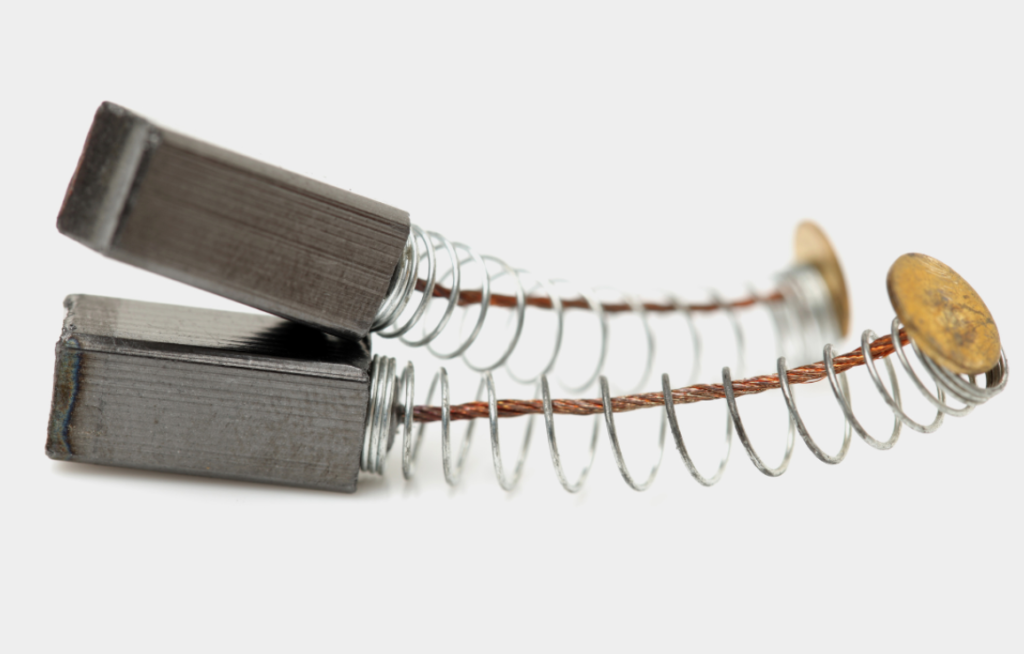
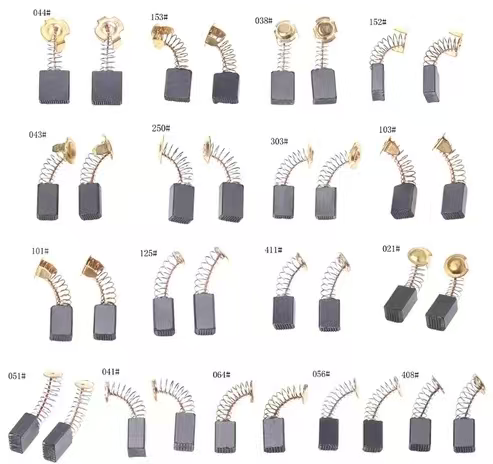
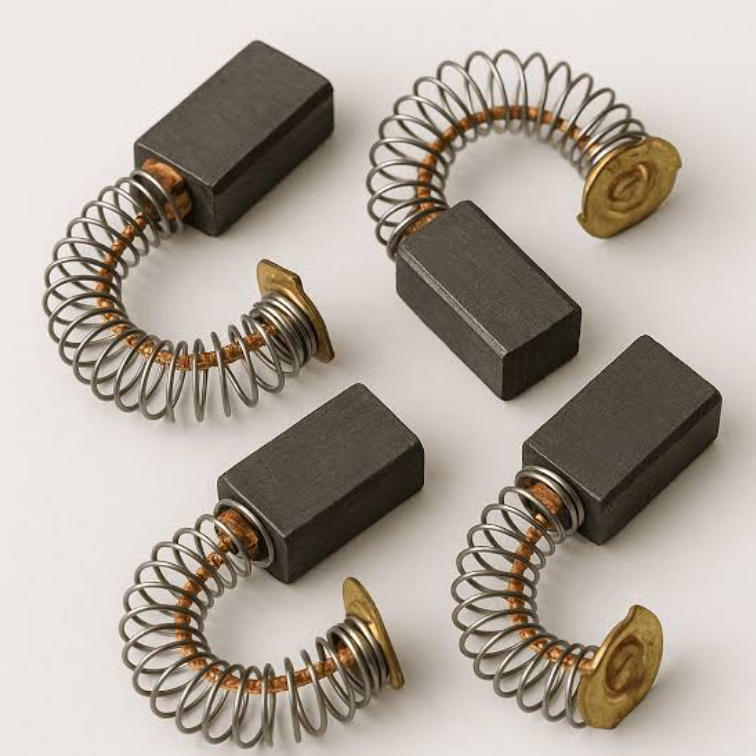
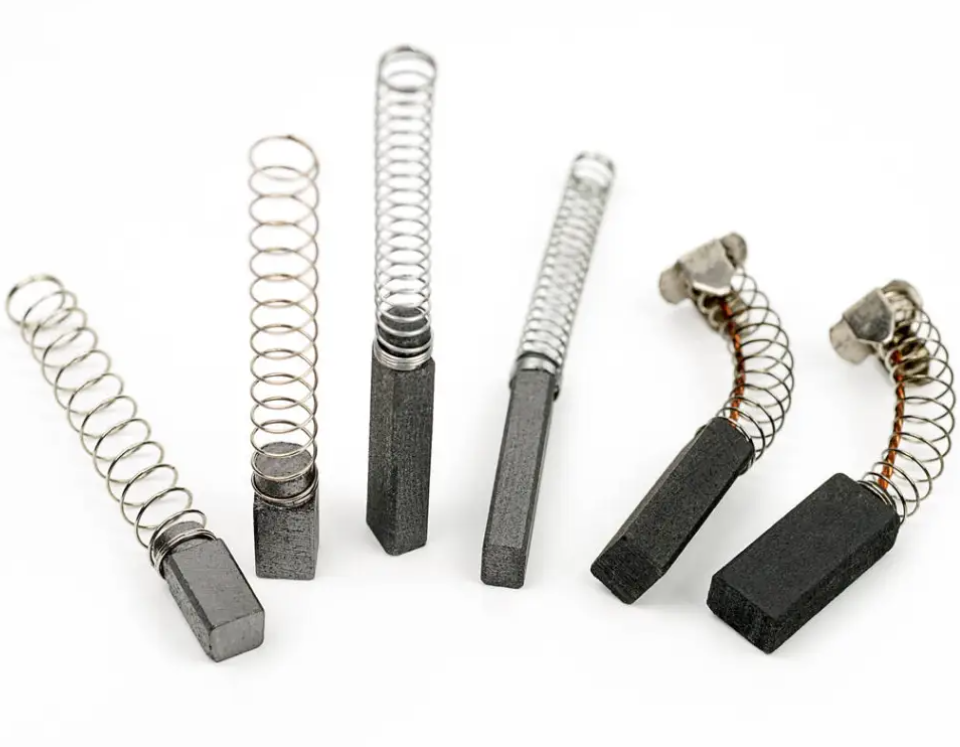
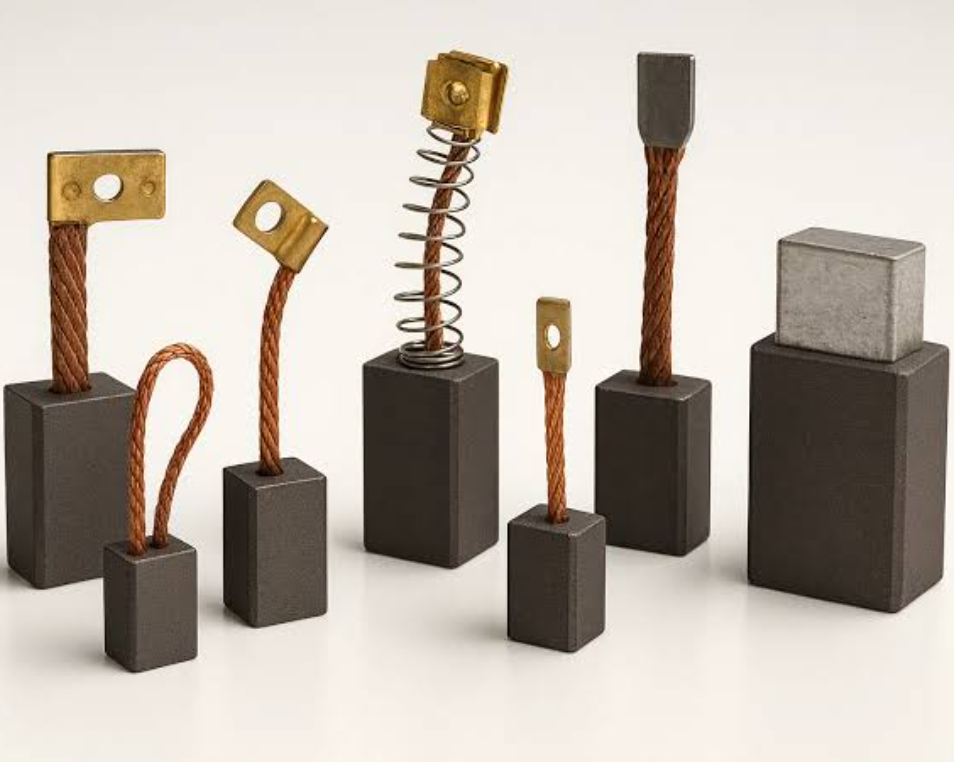
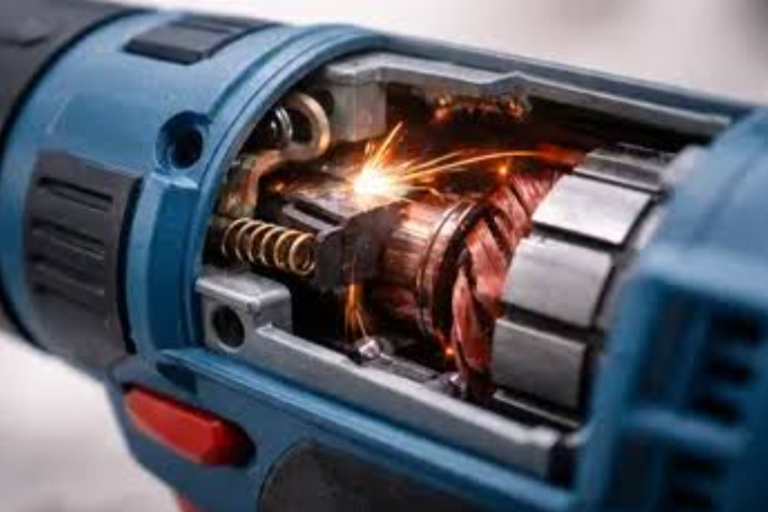
A: Electric demolition hammers produce electric sparks from carbon brushes, which can ignite flammable oil and gas vapors, while air-powered chipping hammers create no ignition sources and meet explosion-proof safety requirements.
Final Verdict
Demolition hammers and chipping hammers are distinct tools with non-interchangeable core functionality, separated by power source types, impact strength and primary construction applications. Demolition hammers are all-electric heavy-duty tools for large-scale concrete and masonry breaking, while chipping hammers rely mainly on pneumatic power for precision light surface chipping, rust removal and weld cleaning. Only tiny electric chipping hammer models have minor task overlap with lightweight mini demolition hammers for trivial light trimming work, but they cannot fully replace one another for standard job duties. Always select the matching tool based on whether your project demands heavy bulk demolition or delicate precision surface processing to maximize efficiency and avoid unnecessary tool damage and material waste.
Demolition Hammer & Rotary Hammer for Sale
Demolition Hammer Rotary Hammer Blog
Angle
Diamond Blade

Welcome to call us
Contact Us to get quotation
Working Time: 8:00~17:00 Monday to Friday.
Applications:
Factory:
FAQ
Welcome to call us
Contact Us to get quotation
Working Time: 8:00~17:00 Monday to Friday.