What makes a fan industrial?
What makes a fan industrial?
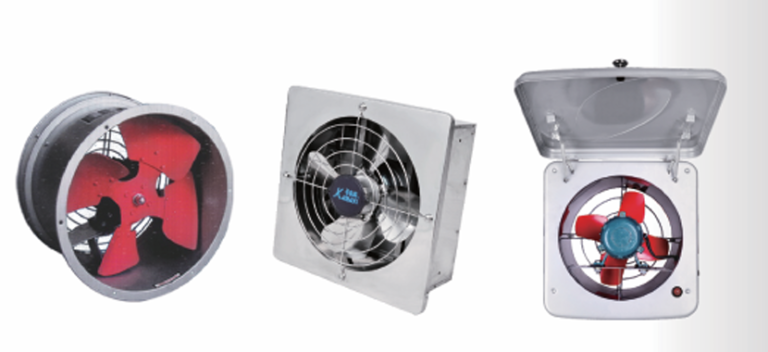
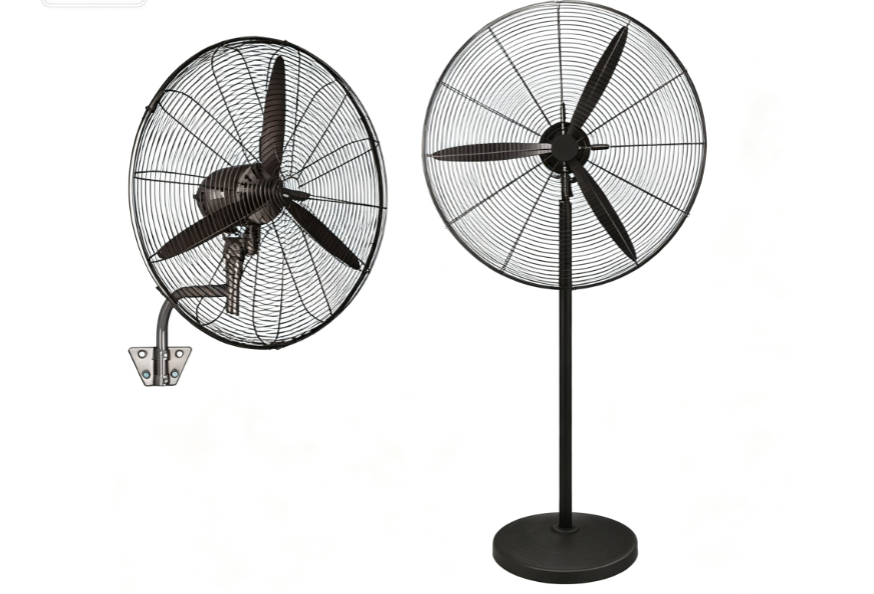
Industrial fans are fundamentally different from ordinary civilian household fans, distinguished by a full set of exclusive design, hardware, safety and lifecycle characteristics tailored specifically for harsh and complex industrial working conditions, rather than simple differences in size or appearance. Many people mistakenly believe that large-sized fans are industrial fans while small ones are household products, but size alone cannot define industrial-grade equipment. A genuine industrial fan is developed and manufactured around core industrial demands including long-duration stable operation, harsh environment adaptability and large-space high-efficiency ventilation. Every design detail and performance configuration is oriented to industrial scenario needs, forming essential attribute gaps that separate it completely from ordinary civilian fans.
How does design positioning distinguish industrial fans from regular household fans?
The core design positioning of industrial fans focuses entirely on meeting rigorous industrial production demands, prioritizing long-term continuous stable operation, reliable performance in harsh environments, and efficient large-area ventilation coverage, which is fundamentally different from the consumer-oriented design logic of household fans. Ordinary civilian fans are designed for daily home and office use, with core optimization goals of quiet operation, compact lightweight structure, soft wind output and aesthetic appearance to fit comfortable indoor living environments. Their design standards adapt to short-term intermittent use and mild, clean indoor conditions, pursuing user-friendly sensory experience above all else.
In contrast, industrial fans abandon household comfort-oriented design priorities and take operational stability and environmental adaptability as the primary design principles from the initial research and development stage. Industrial production scenarios feature long working hours, uninterrupted operation requirements, and complex environments filled with dust, oil pollution and humid air. Therefore, industrial fans are purposely engineered to withstand long-term high-load operation and resist environmental corrosion and impact. Every structural parameter and performance indicator is calibrated to meet industrial production standards, rather than pursuing ultra-quiet operation or portable lightweight features required for household use.
This differentiated design positioning determines the completely different application boundaries and performance orientations of the two fan types. Household fans only need to solve small-area local cooling and air circulation problems under mild conditions, so their structural strength, operation durability and environmental adaptability are relatively low. Industrial fans bear the ventilation, cooling, dust removal and heat dissipation tasks of large-scale industrial spaces, requiring long-term stable operation without failure. This scenario-driven design difference is the fundamental reason why industrial fans can adapt to harsh industrial environments while ordinary fans cannot. Whether it is 24-hour uninterrupted operation or long-term high-frequency startup and shutdown cycles.
It can be seen that the essential attribute of an industrial fan is industrial scenario-oriented design. All performance advantages and structural characteristics are derived from the core demand of adapting to complex industrial working conditions. This fundamental positioning difference distinguishes industrial ventilation equipment from ordinary civilian household appliances, forming two completely different product systems.Industrial fans equipped with fluid dynamic bearings (FDB) belong to high-end precision configurations, with an extreme service life of up to 200,000 hours, which is far ahead of other conventional bearing structures. This advanced bearing technology mostly serves the 24-hour full-speed continuous heat dissipation demand of high-end precision industrial equipment.
What core hardware and performance features define industrial-grade fan quality?
Industrial fans adopt high-standard industrial-grade motors with outstanding load resistance and continuous operation capability, far exceeding the performance limits of ordinary civilian motors. Most standard industrial fans are equipped with full-copper wound industrial motors, which feature high energy conversion efficiency, low heat generation and strong durability. High-end industrial models are further upgraded with permanent magnet synchronous motors, whose energy utilization efficiency can reach more than 90%. This high-efficiency motor configuration supports long-term full-load continuous operation without performance attenuation or overheating failure. In comparison, ordinary household motors adopt simple winding structures with low power tolerance, unable to withstand prolonged high-load operation and prone to heat aging and burnout after long working hours.For industrial venues with heavy dust and frequent fan abnormal noise, shortening the maintenance cycle and increasing inspection frequency can better protect the equipment and avoid sudden failure.
Industrial fans adopt ultra-high-strength structural materials and high-level protection designs to adapt to harsh industrial environments with dust, oil pollution and humidity. The fan blades and overall frames of industrial fans mostly use high-rigidity full-metal materials such as aviation magnesium-aluminum alloy and thickened steel plates. The thickened and reinforced structure has strong impact resistance, deformation resistance and corrosion resistance, avoiding structural damage and performance degradation caused by environmental erosion. Meanwhile, industrial fans generally reach IP54 or IP55 high dustproof and waterproof protection grades, which can effectively block internal invasion of dust, oil fume and water mist. Ordinary fans mostly use lightweight ABS plastic and thin metal materials with no professional protection capabilities, easily damaged in complex industrial environments.Adhering to regular lubrication maintenance can keep the internal mechanical structure of the fan in a low-friction operating state for a long time, slow down component aging, and maintain stable equipment performance.
Industrial fans have ultra-large air volume and super-wide coverage capabilities, perfectly matching the ventilation demands of large industrial spaces with high ceilings. A single large HVLS industrial ceiling fan can cover an effective area of 800 to 1500 square meters, equivalent to the comprehensive coverage effect of more than 40 traditional ordinary household fans. This powerful single-unit coverage eliminates the need for dense overlapping arrangement of multiple small fans, solving the problems of uneven ventilation and high energy consumption caused by scattered small fan layout. Targeted at factory workshops, warehouses and other industrial spaces with ceiling heights above 4 meters, industrial fans can form stable three-dimensional circulating airflow to realize full-space ventilation and cooling, which cannot be achieved by ordinary small fans with limited air volume and short wind delivery distance.
The super-high hardware configuration of industrial fans builds a solid foundation for industrial-level performance output. High-efficiency industrial motors provide lasting power support, high-strength materials ensure structural stability in harsh environments, and ultra-large air volume performance meets large-space ventilation needs. These integrated hardware advantages constitute the core performance barriers of industrial fans, making them professional ventilation equipment exclusive to industrial scenarios.Scientific daily maintenance can form a long-term protection mechanism for industrial fans, turning the fixed rated life into a longer actual service life. Many industrial fans have short actual service life not due to insufficient design life, but due to long-term lack of maintenance and accumulation of minor faults.
What safety and compliance attributes make fans certified for industrial use?
Genuine industrial fans are equipped with complete multi-layer industrial-grade safety protection mechanisms to eliminate potential risks in high-load and high-altitude industrial operation. Different from ordinary fans that only have basic anti-contact protective nets, industrial fans adopt systematic safety designs including steel wire rope anti-fall structures, tenon-and-mortise fan blade anti-fracture devices, and overload and overheating automatic power-off systems. The multi-point fixed steel wire rope structure prevents the fan body from falling from high altitude due to bracket loosening; the tenon-and-mortise reinforced connection avoids fan blade falling off caused by long-term vibration; the intelligent power-off protection system automatically cuts off power when the motor is overloaded or overheated to prevent equipment burnout and fire hazards.
For special high-risk industrial scenarios, professional industrial fans support customized explosion-proof configurations and obtain formal industry qualification certification. Chemical factories, flammable and explosive production workshops and other sites have extremely strict safety requirements for ventilation equipment. Ordinary fans are prone to electric sparks during operation, which may trigger explosion accidents. Professional explosion-proof industrial fans pass strict explosion-proof testing and certification, with optimized internal circuit and structural design to eliminate spark risks, ensuring safe ventilation operation in high-risk industrial environments. This targeted safety certification is an essential attribute that ordinary civilian fans do not possess at all. These harsh environmental factors will act on the equipment for a long time, leading to continuous performance attenuation and greatly shortening the safe service life of the fan.
Industrial fans strictly comply with industrial quality system certification standards in production and manufacturing, with far higher overall reliability and loss resistance than ordinary household fans. Every production link of industrial fans follows standardized industrial process specifications, with strict quality inspection on structural stability, electrical safety and operating durability. The whole machine has excellent anti-vibration, anti-aging and anti-damage capabilities, adapting to long-term complex industrial operation. Ordinary civilian fans are manufactured according to household appliance standards, with low safety redundancy and poor fault resistance, unable to meet industrial safety and stability requirements. This flexible operation mode avoids invalid long-term high-load operation, reduces cumulative equipment loss, and significantly prolongs the long-term service life of industrial fans.
Complete safety configurations and standardized compliance certifications are key markers that distinguish industrial fans from ordinary fans. Industrial-level safety design ensures stable and risk-free operation of equipment in complex industrial scenarios, while standardized qualification certification provides reliable quality guarantees for industrial application, making industrial fans compliant professional industrial equipment rather than simple household ventilation appliances.Maintaining stable voltage output and standardized operation can avoid additional man-made loss and keep the fan aging speed within the normal design range.
What full lifecycle advantages suit fans for long-term industrial operation?
Industrial fans have an ultra-long design service life and low long-term maintenance costs, fully adapting to the long-cycle operation characteristics of industrial production. The standard design service life of qualified industrial fans can reach 7 to 15 years, while the service life of ordinary household fans is only 3 to 5 years. Industrial equipment is designed with sufficient structural safety redundancy and anti-aging performance, which can maintain stable performance after years of uninterrupted operation. Under standardized daily maintenance, the failure rate of industrial fans is extremely low, and the loss of spare parts is small. The long-term comprehensive maintenance cost is far lower than that of ordinary fans that require frequent repair and replacement.Most standard industrial fans can stably serve industrial production for more than a decade under scientific maintenance management.
Industrial fans have outstanding energy-saving advantages in large-space long-term operation, with far lower comprehensive energy consumption per unit area than multiple ordinary fans operating simultaneously. Although a single industrial fan has higher power than a single household fan, its ultra-large coverage area avoids the energy waste caused by dense layout of multiple small fans. In actual large-space industrial ventilation, the total power consumption of one industrial fan is much lower than the superposition power consumption of dozens of ordinary fans. Long-term continuous operation can save a large amount of electricity costs for enterprises, with prominent comprehensive energy-saving benefits.
Industrial fans support industrial-grade intelligent control functions, which can be integrated into factory overall ventilation systems to meet centralized industrial management needs. Different from ordinary fans with single fixed-speed or simple speed-adjusting functions, industrial fans are equipped with industrial variable-frequency speed regulation systems and Internet of Things centralized management modules. Enterprises can adjust fan operating parameters in real time according to production environment changes, and realize unified monitoring, remote control and group management of multiple devices. This intelligent management mode fits the standardized and intelligent operation needs of modern industrial factories.
The excellent full-life-cycle adaptability of industrial fans ensures their long-term stable value in industrial scenarios. Ultra-long service life reduces equipment replacement frequency, low maintenance costs optimize enterprise operating expenses, and intelligent control functions improve industrial management efficiency. These lifecycle advantages make industrial fans professional ventilation equipment tailored for long-term industrial operation, completely different from short-cycle household appliances.For conventional mild scenarios, standardized routine maintenance can ensure that the fan maintains the upper limit of service life, maximizing the cost performance and long-term use value of the equipment.
Q&A
Q1: What core factors define a fan as industrial-grade?
A: A fan is defined as industrial-grade based on essential differences in design positioning, core hardware performance, safety compliance and full lifecycle adaptability. It is professionally designed for long-term high-load operation and harsh industrial environments, with industrial-grade motors, high-strength structures, complete safety protection and ultra-long service life, completely different from ordinary comfort-oriented household fans.
Q2: What hardware performance distinguishes industrial fans from regular fans?
A: Industrial fans adopt full-copper or high-efficiency permanent magnet industrial motors supporting long-term full-load operation, high-strength aviation aluminum alloy and thickened metal structures with IP54/IP55 high protection levels, and ultra-large coverage capacity covering 800-1500 square meters per unit, with comprehensive performance far exceeding ordinary civilian fans.
Q3: What unique safety and compliance features do industrial fans have?
A: Industrial fans are equipped with multi-layer safety protections including anti-fall steel wire ropes, blade anti-fracture structures and overheating automatic power-off devices. Explosion-proof models obtain professional qualification certifications for high-risk scenarios. They are manufactured in line with industrial quality system standards with higher operational reliability and safety redundancy.
Q4: What lifecycle advantages do industrial fans have in industrial scenarios?
A: Industrial fans have a long service life of 7-15 years with low long-term maintenance costs, lower unit-area energy consumption than multiple ordinary fans in combined operation, and support industrial variable-frequency speed regulation and IoT centralized control, adapting to modern factory integrated management needs.
Summary
To conclude, industrial fans and ordinary civilian fans have essential differences in product positioning and attribute orientation. A complete set of exclusive industrial-oriented features distinguishes genuine industrial fans from regular household ventilation equipment, covering four core dimensions. In terms of design positioning, industrial fans prioritize long-term stable operation, harsh environment adaptability and large-space ventilation efficiency, completely breaking away from household fans’ comfort and portability-oriented design logic. In core hardware performance, they adopt high-efficiency industrial motors, high-strength corrosion-resistant metal structures and high-level dustproof and waterproof protection, achieving ultra-large-area air coverage that ordinary fans cannot match. In safety and compliance, complete multi-layer industrial safety protection mechanisms and professional industry certifications ensure safe operation in conventional and high-risk industrial scenarios. In full lifecycle performance, ultra-long service life, low comprehensive energy consumption and intelligent centralized control capability fully meet the long-term operation and standardized management needs of industrial sites. These comprehensive industrial exclusive attributes are the fundamental criteria that define a fan as industrial-grade.
Industrial Fan for Sale:
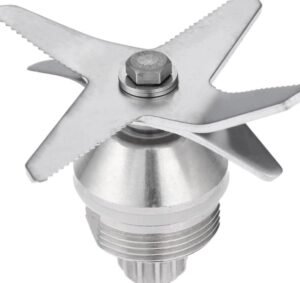
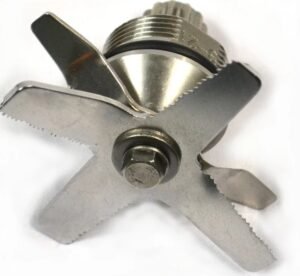
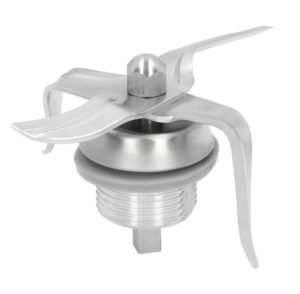
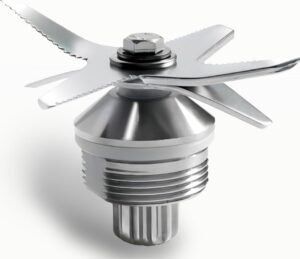
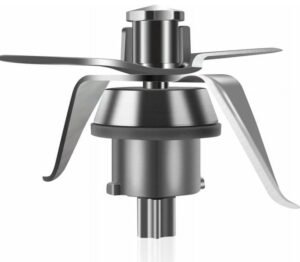
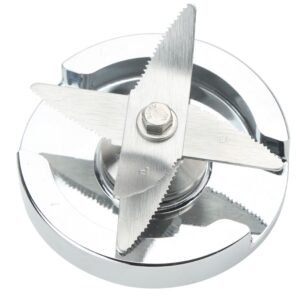
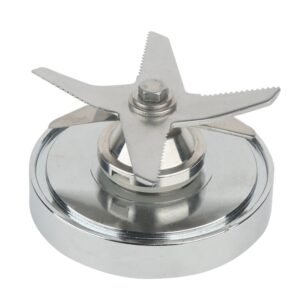
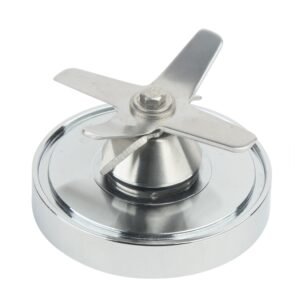
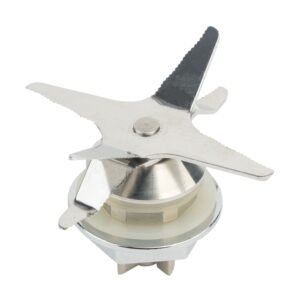
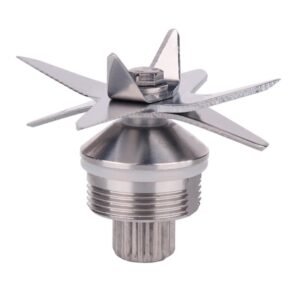
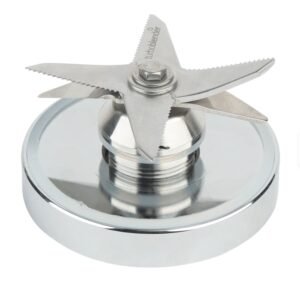
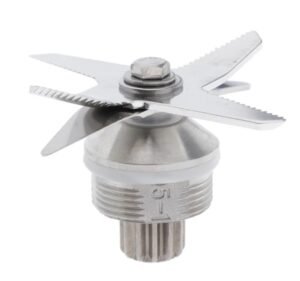
Blender Blade for Sale:
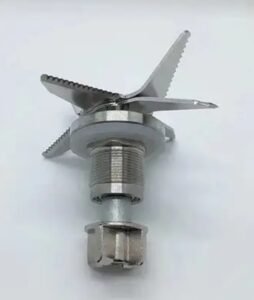
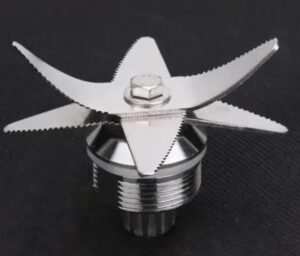
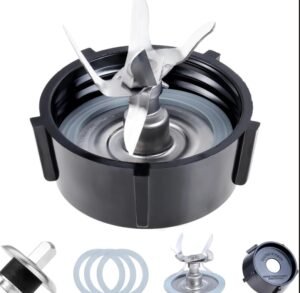
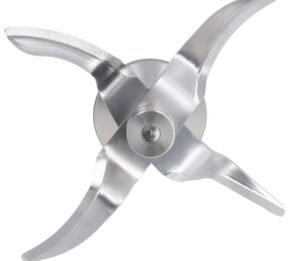
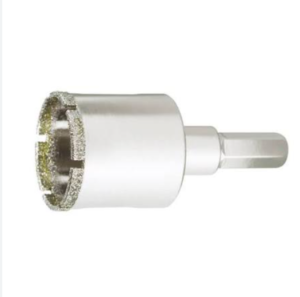
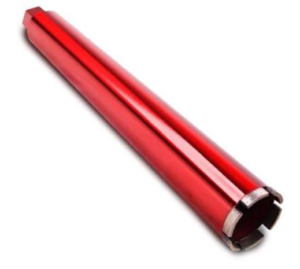
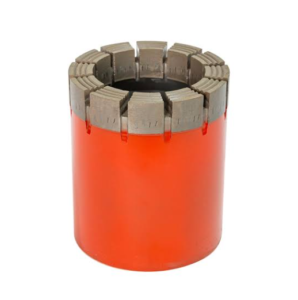
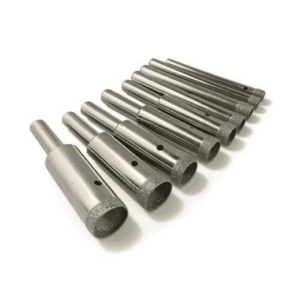
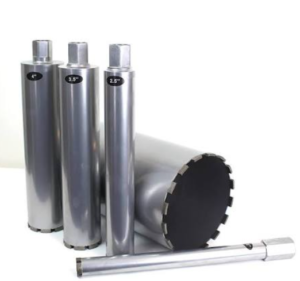
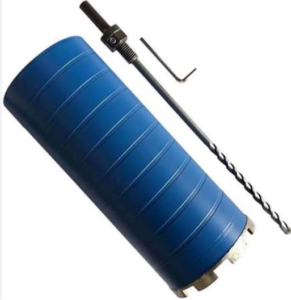
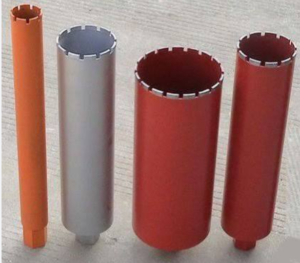
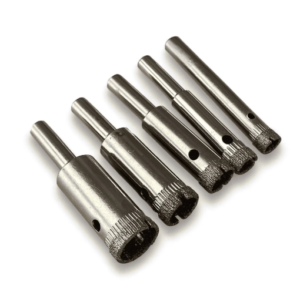
Core drill bit for Sale:
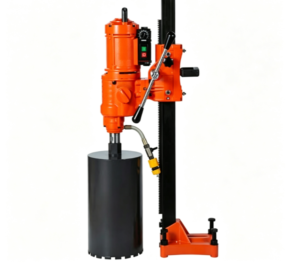
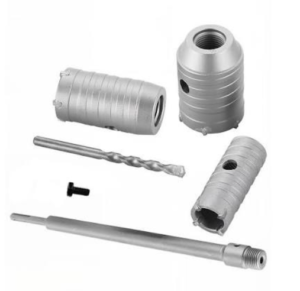
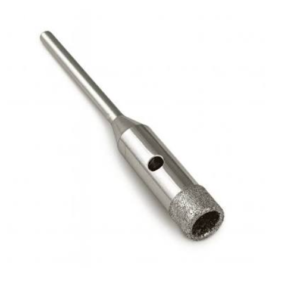
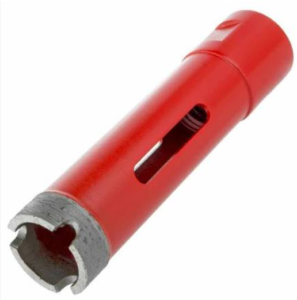
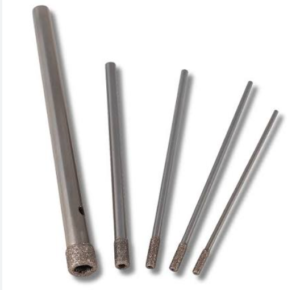
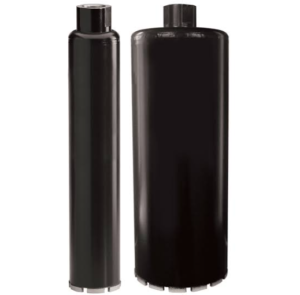
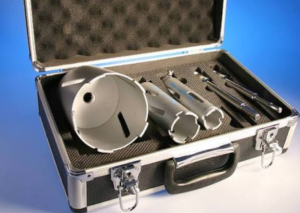
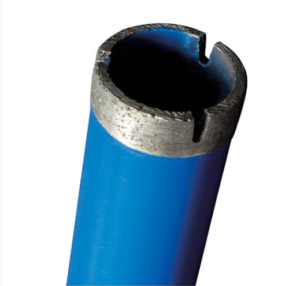
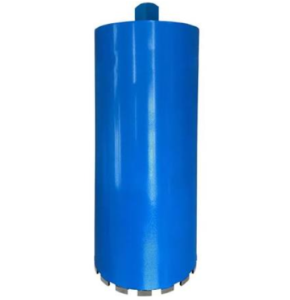
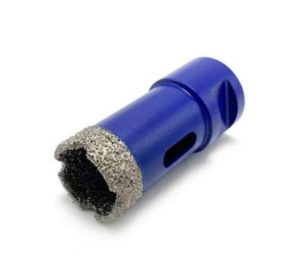
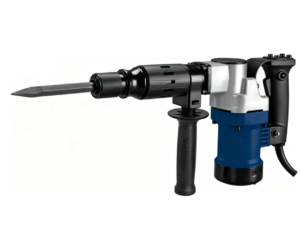
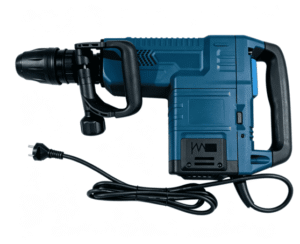
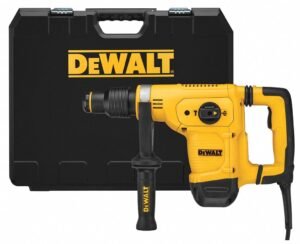
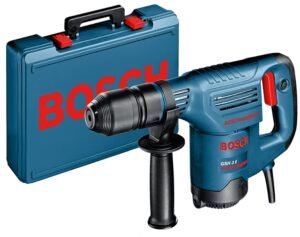
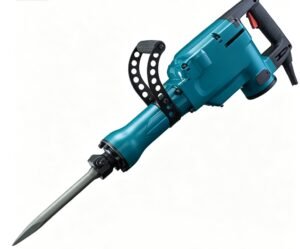
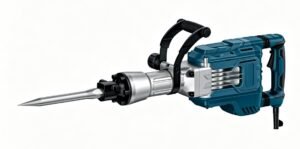
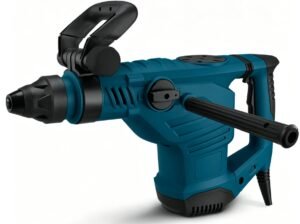
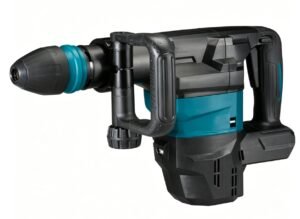
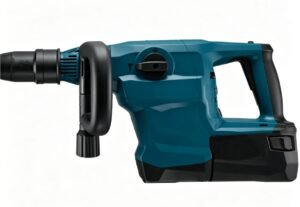
Rotary Hammer & Demolition Hammer for Sale:
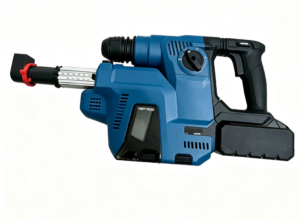
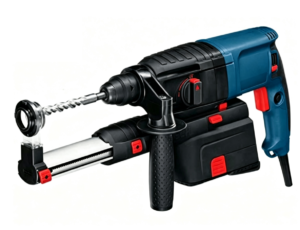

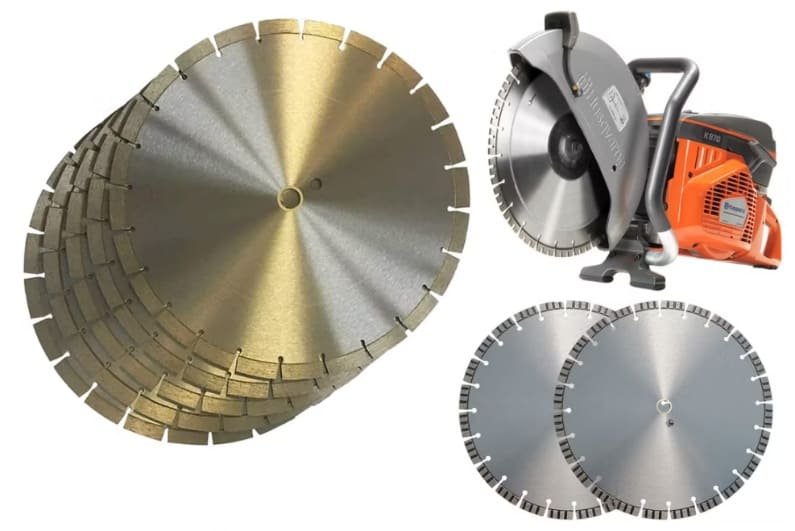
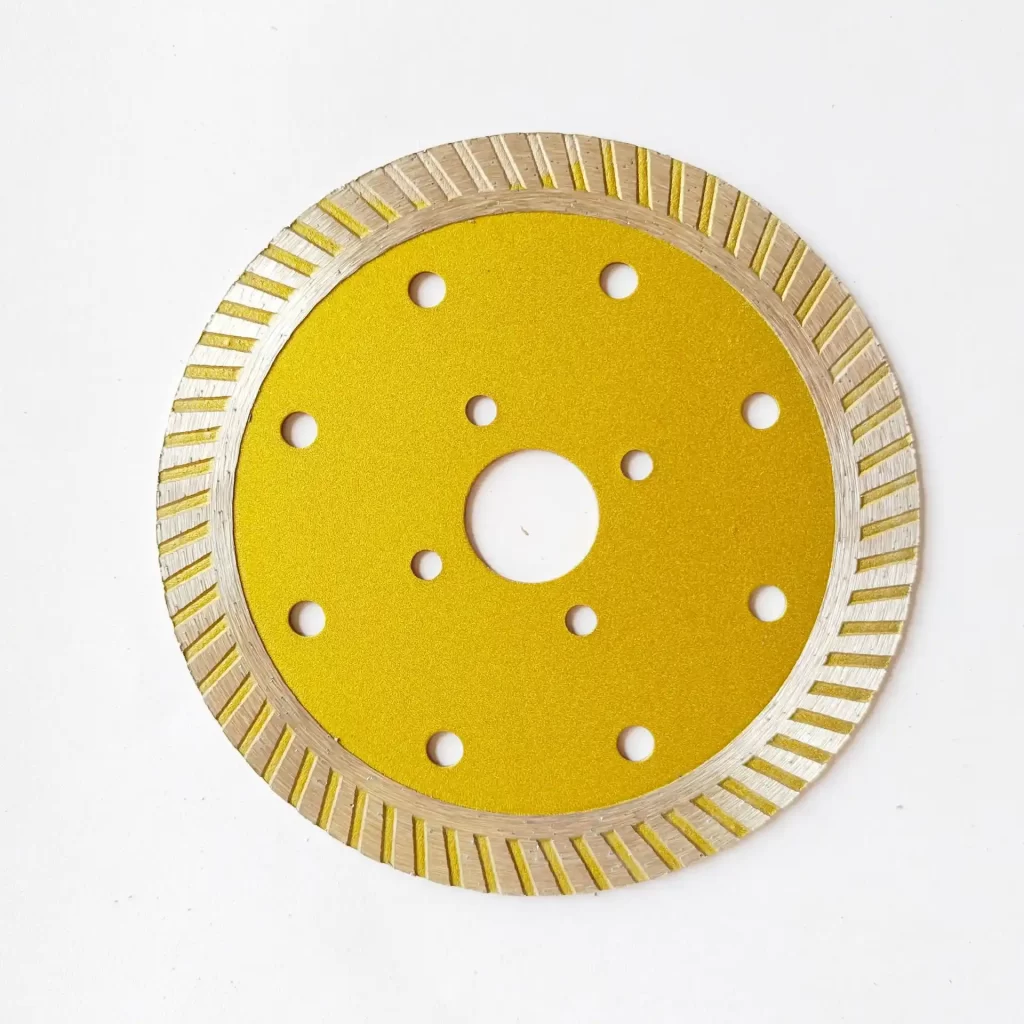
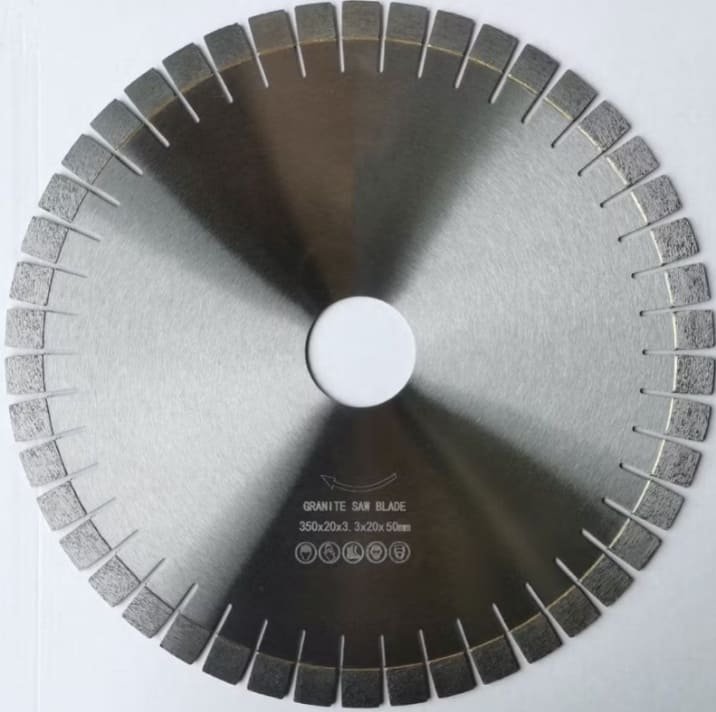
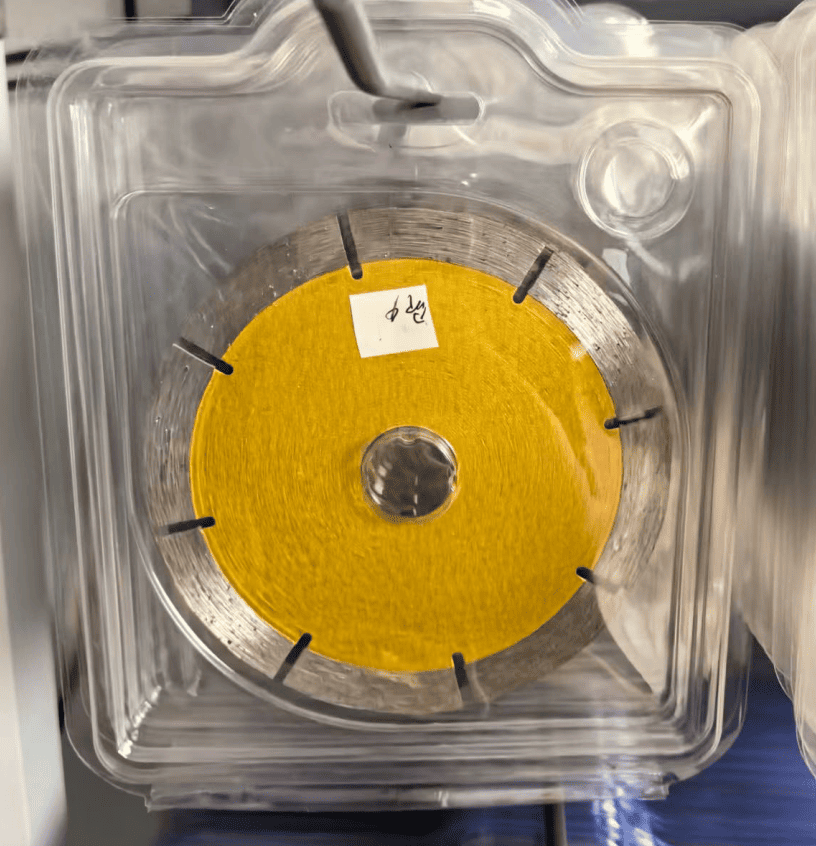
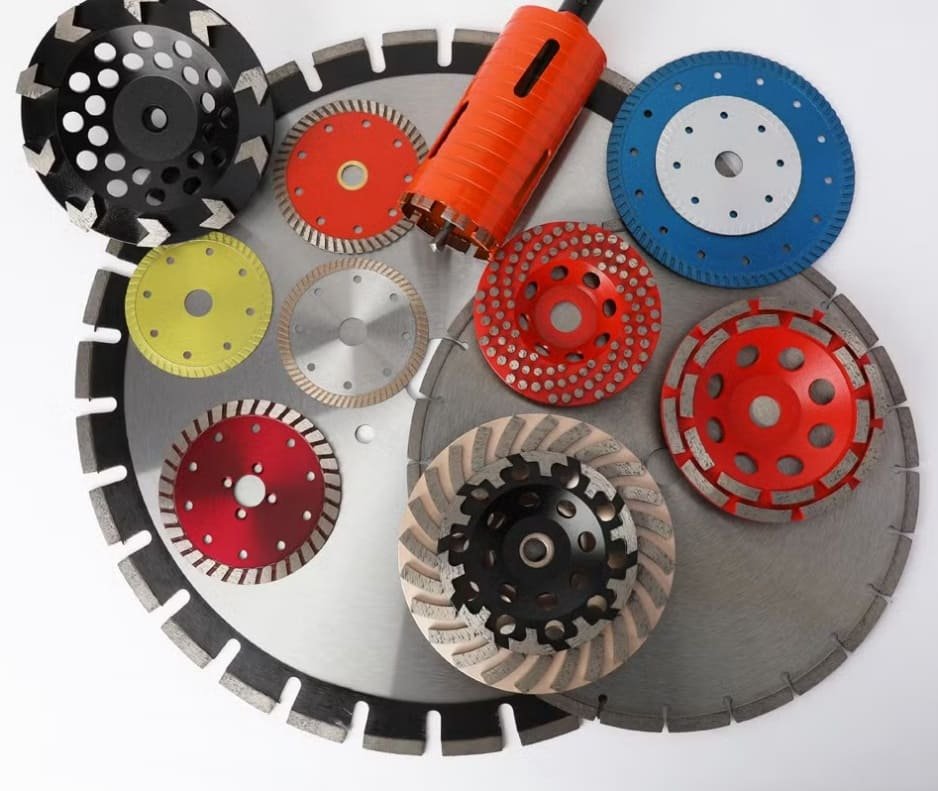
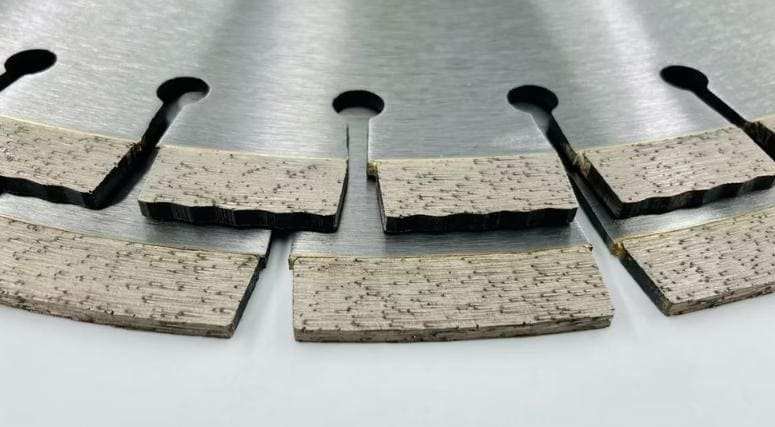
Diamond Blade

Welcome to call us
Contact Us to get quotation
Working Time: 8:00~17:00 Monday to Friday.
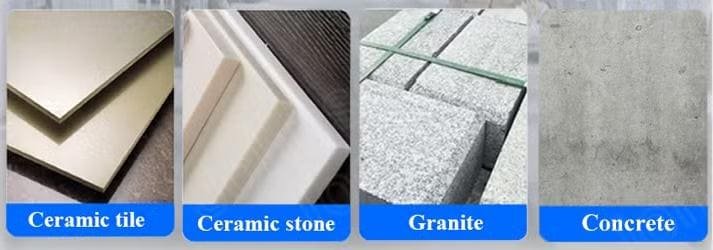
Applications:
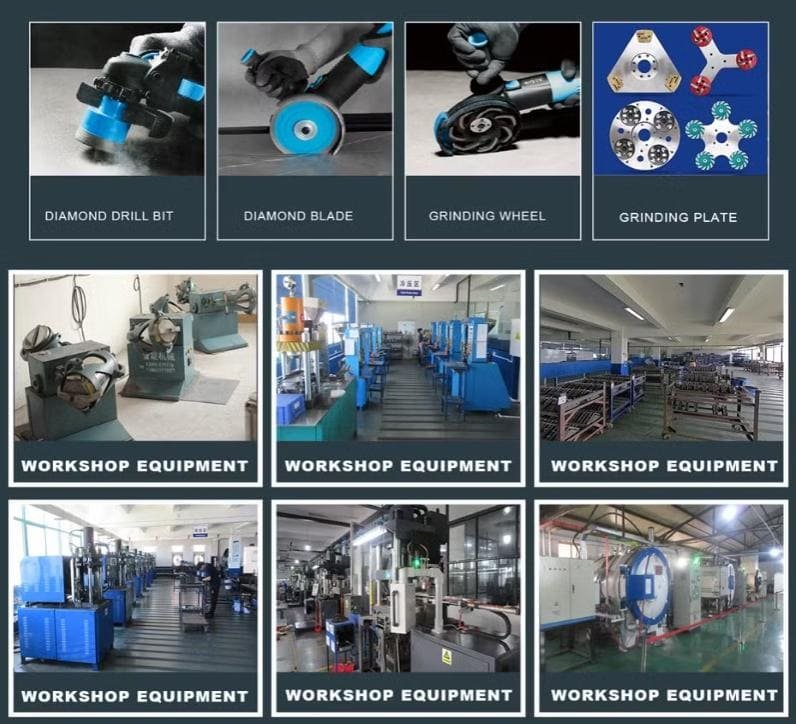
Factory:
FAQ
Welcome to call us
Contact Us to get quotation
Working Time: 8:00~17:00 Monday to Friday.
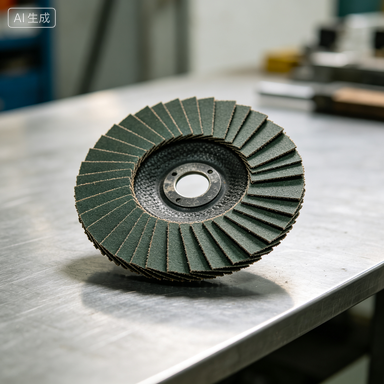
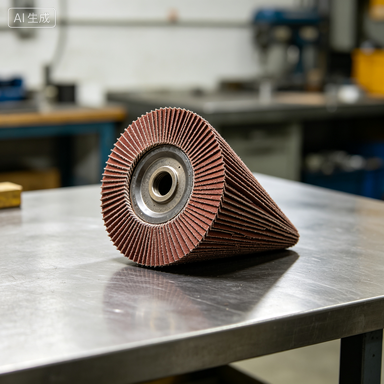
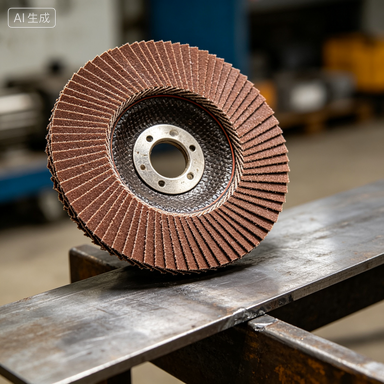
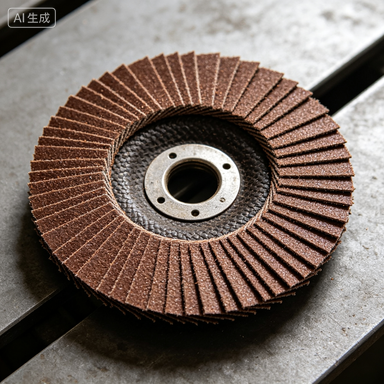
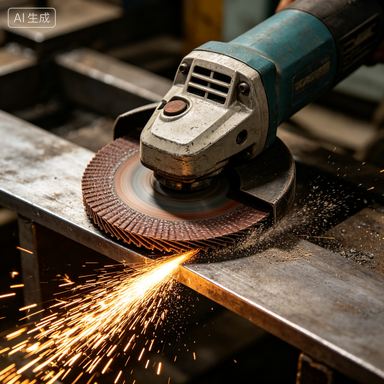
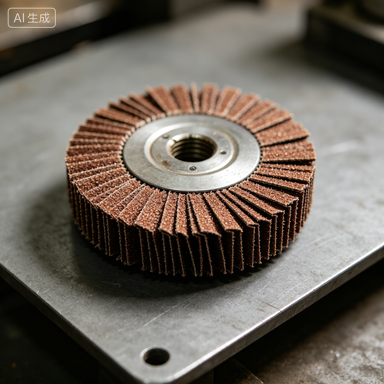
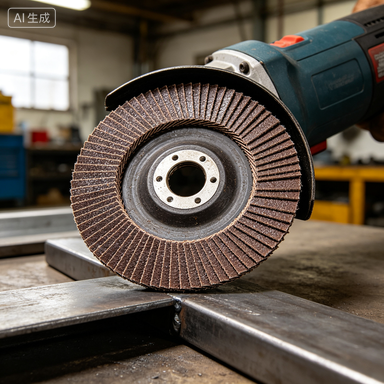
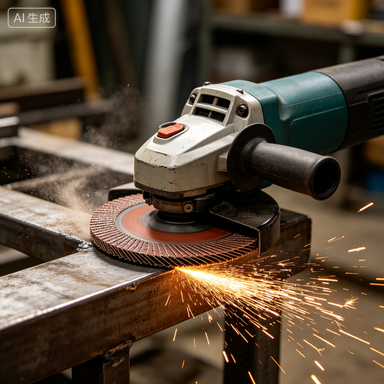
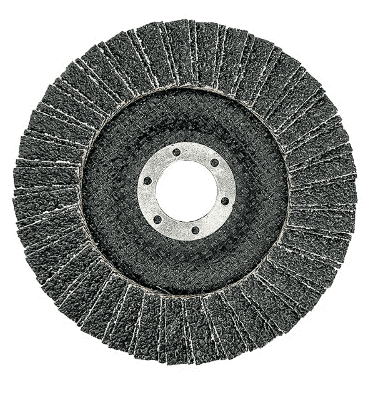
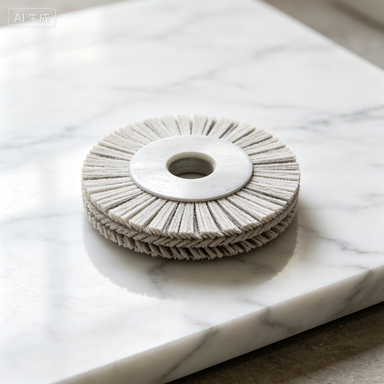
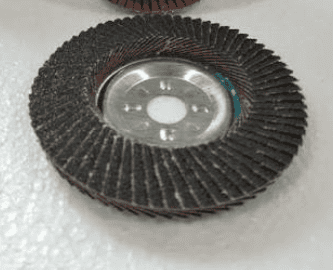
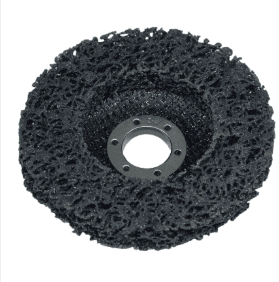
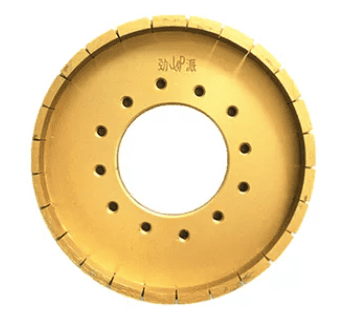
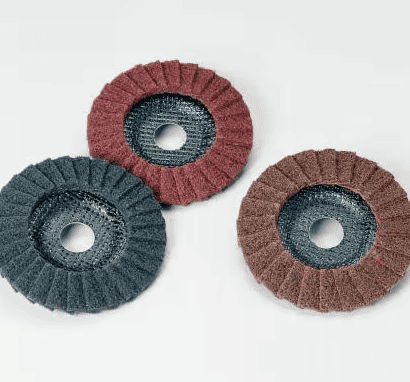
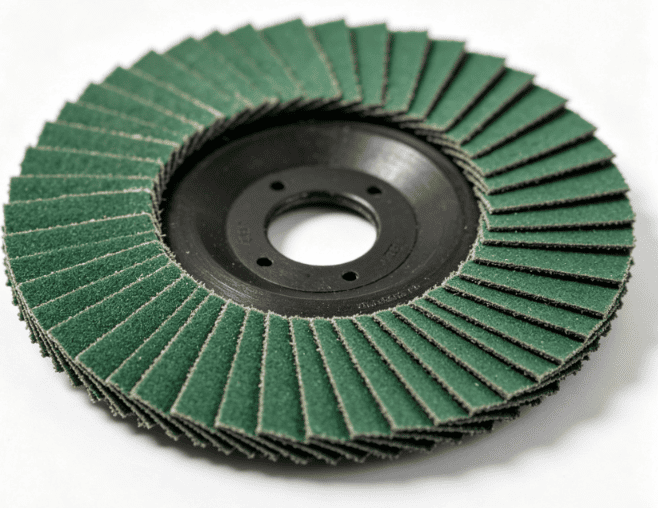
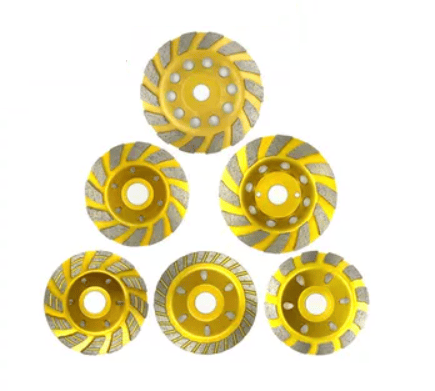
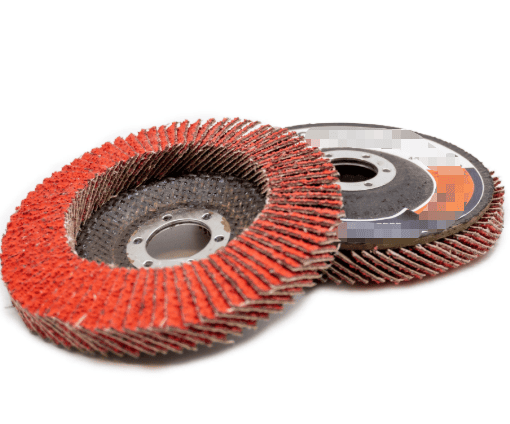
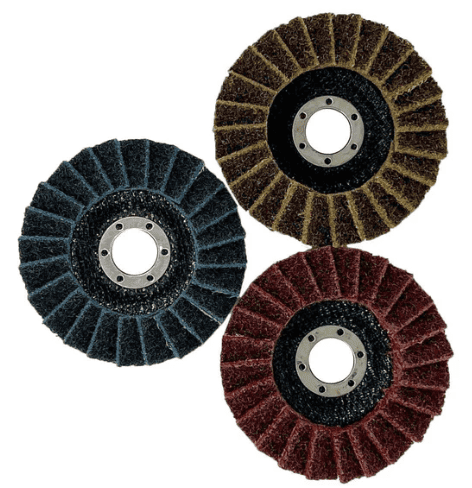
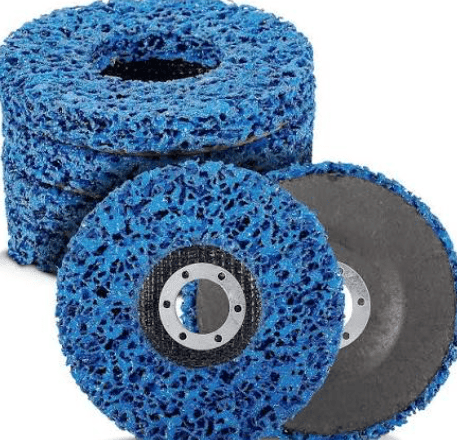
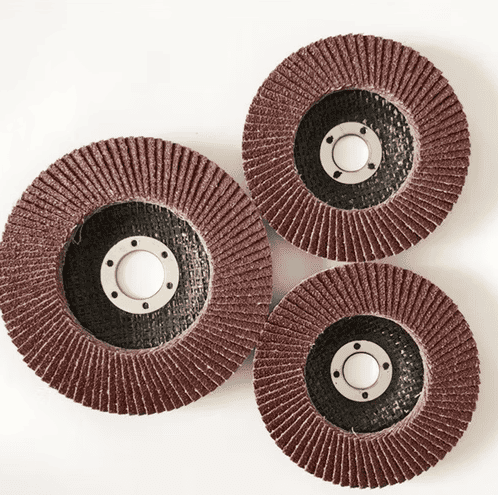
Flap Disc for Sale

Blogs:
You May also Interest in other topics:
LYLK 3 sides back Sealing Machine Automatic Chalk Production Line calcite grinding mill 240kw EV Charger