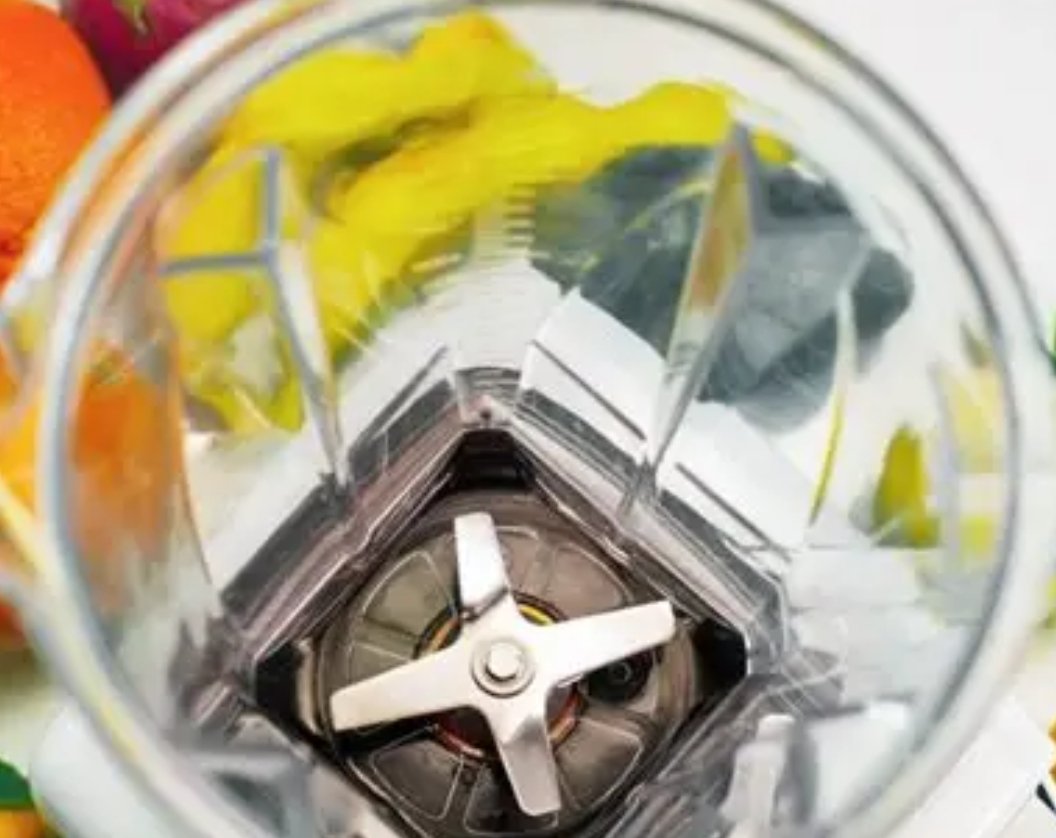
What to do if the Blender blade is stuck on jar?
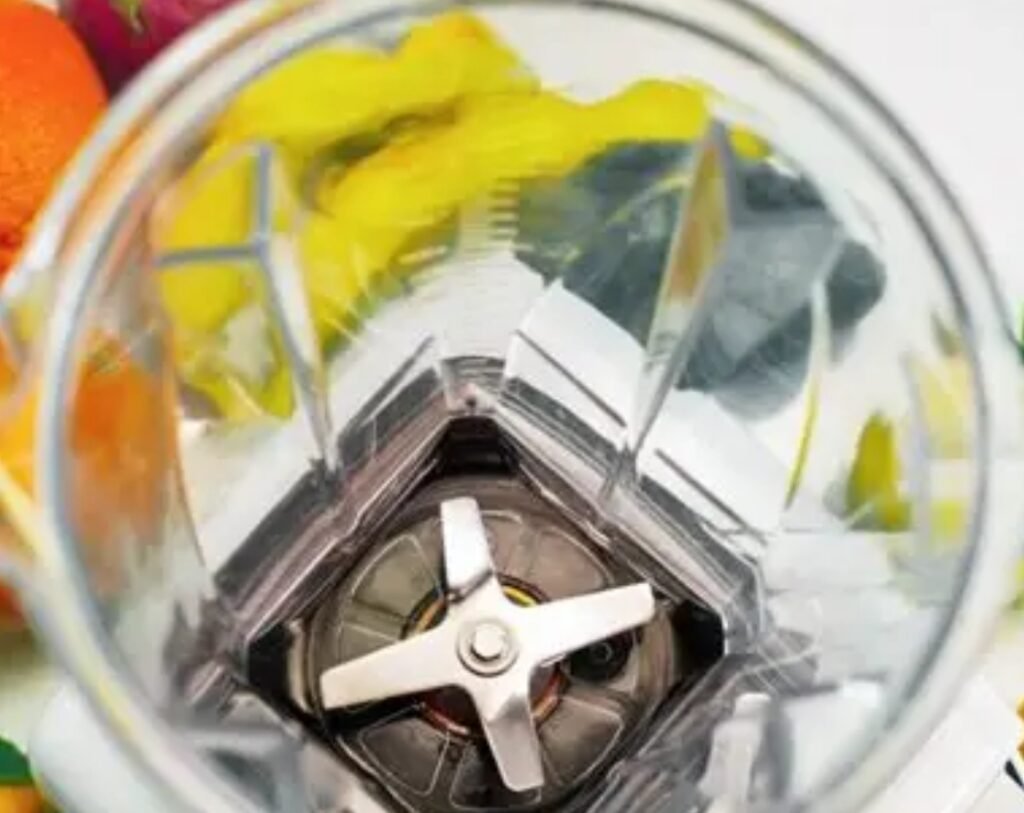
What to do if the Blender blade is stuck on jar?
When a blender blade gets stuck and cannot rotate or detach from the jar, users must completely cut off the power supply for all processing steps and never perform any live operation, so as to avoid sharp blade scratches or accidental machine startup that causes secondary equipment damage. Blade jamming inside the blending jar is mostly caused by dried food residue adhesion, hard foreign object clamping or long-term lack of cleaning. Many users tend to pull or pry the blade forcibly in a hurry, which easily leads to cracked jars, chipped blade edges and internal shaft deformation. By following standardized pre-safety preparation, step-by-step loosening methods and standardized precautions, users can safely release the stuck blade without damaging the blender accessories.
Basic Safety Pre-processing Before Loosening Stuck Blade
Complete power disconnection is the most fundamental safety guarantee for dealing with stuck blender blades. Users need to unplug the blender power plug completely instead of simply turning off the switch, thoroughly cutting off all power connection to eliminate the risk of accidental startup. After power failure, empty all remaining ingredients, pulp, ice residue and food debris inside the jar, and separate the entire blending jar from the main motor host. This operation isolates the electrical system completely, ensuring all subsequent manual adjustment and cleaning work can be carried out safely without electric hidden dangers.
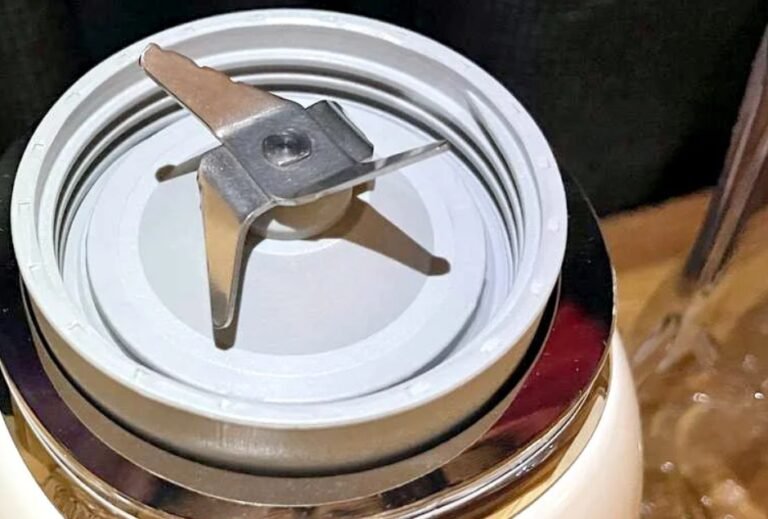
Detailed preliminary troubleshooting helps accurately judge the real cause of blade jamming and avoid blind operation. Users can use a flashlight to illuminate the gaps around the blade, the bottom rotating shaft and the inner wall corners of the jar. Carefully check whether hard foreign objects such as fruit pits, nut shells, small ice blocks and food fibers are clamped in the blade gaps or stuck between the blade seat and the jar body. Most shallow jamming failures are caused by visible foreign object occlusion, which can be solved by simple cleaning, while tight jamming without obvious foreign objects is usually formed by long-term dried and caked food residue.
Preparing matching auxiliary tools can effectively improve operation safety and loosening efficiency. Users must prepare thick rubber anti-slip gloves, warm water, clean rags and long-handled tweezers before formal processing. Thick gloves can effectively isolate sharp blade edges and prevent finger scratches during contact and rotation. The long-handled tweezers avoid hands reaching into the narrow jar cavity, preventing accidental cutting. All tools are prepared to ensure the whole loosening process is safe, labor-saving and controllable, eliminating the risk of personal injury caused by direct hand contact with the stuck blade.
Step-by-step Loosening and Removal Operation
Warm water soaking and softening is the priority solution for residue-caused blade jamming, suitable for most daily stuck failures caused by starch, grain paste and fruit mucus drying and caking. Pour warm water at about 40 degrees Celsius into the blending jar, enough to completely submerge the entire blade assembly and cover the stuck shaft gaps. Let it stand for 15 to 30 minutes fully. The mild warm water can slowly infiltrate the dried hardened residue, soften the solidified sticky layer between the blade seat and the jar body, and dissolve the adhered grease and fiber dirt. This method can effectively release the rigid binding force formed by caked food residues, laying a foundation for subsequent blade loosening.
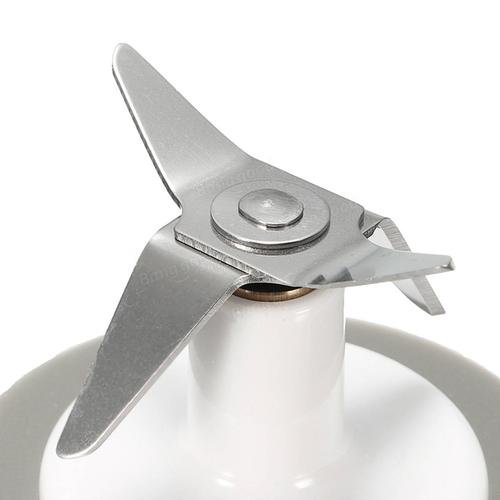
Increasing friction for slow twisting is the core step to release the softened stuck blade. After soaking and softening, pour out the dirty water and wipe the blade surface and blade seat dry with a clean rag. Wrap the blade or blade seat tightly with a dry thick rag to greatly increase hand friction and prevent slipping during twisting. Slowly rotate the blade according to the normal unlocking direction with even and gentle force. Do not twist rapidly or apply sudden force. The softened residue loses its strong adhesion, and the blade can be gradually separated from the stuck position through stable low-speed rotation.
Auxiliary transmission shaft rotation from the bottom can solve dead-angle jamming that cannot be loosened by single upper-end twisting. Many blade jams occur at the bottom shaft connection gap, where internal residues are difficult to soak thoroughly. Users can wrap the bottom transmission shaft connection point with a rag or hold it with a gloved hand, and gently rotate the shaft forward and backward alternately. The bottom linkage rotation can drive the overall movement of the blade assembly, break the residual occlusion dead angle, and assist the upper blade to complete loosening and separation smoothly.
Precise foreign object cleaning is aimed at hard object clamping jamming that cannot be solved by soaking. If foreign particles such as fruit pits and broken nut shells are found in the blade gaps after lighting inspection, do not reach into the jar with bare hands to take them out. Use prepared long-handled tweezers to aim at the stuck foreign objects, clamp them stably and pull them out slowly along the gap direction. After removing all clamping sundries, manually rotate the blade to confirm smooth operation, completely eliminating jamming obstacles caused by hard foreign objects.
Critical Safety and Operation Precautions
Forcible prying and brute force twisting are strictly prohibited throughout the whole process. The blender jar is mostly made of fragile food-grade plastic or toughened glass, and the blade edge is thin and sharp with limited impact resistance. Violent prying and hard pulling will easily cause irreversible damage such as blade edge chipping, blade body deformation, jar body cracking and internal thread slipping. Even if the blade is extremely stuck, users must adhere to the softening and auxiliary loosening method, and never damage the accessories for temporary detachment.
Stop operation immediately and contact professional after-sales service if abnormal conditions occur. If the blade still cannot be loosened after repeated standard soaking, cleaning and twisting operations, or if peculiar burnt smell from the motor is sensed during inspection, it indicates that the internal transmission structure may be stuck or the motor is overloaded. Continuing forced operation will burn the motor and damage the transmission gear. At this time, users should stop self-maintenance and wait for professional brand after-sales personnel to disassemble and repair, so as to avoid expanding equipment faults.
Timely cleaning after daily use is the key to preventing blade jamming fundamentally. After each blender use, food residues, starch mucus and plant fibers will remain in the blade gaps and shaft gaps. If left uncleaned for a long time, these residues will dry, harden and solidify under air drying and repeated high-speed operation, forming strong adhesion and eventually causing blade jamming. Developing the habit of flushing the blade gaps in time after use and regularly cleaning the hidden dirt of the blade seat can effectively reduce the probability of stuck blade failures and maintain long-term stable blender operation.
Supplementary Q&A
Q: My blade is stuck tightly without any visible foreign objects, is warm water soaking still useful?
A: It is very useful. Most invisible tight jams are caused by dried and caked starch and grease residues in the bottom shaft gap. Warm water can fully infiltrate and soften the hardened dirt layer that cannot be seen by naked eyes, which is the safest and most effective pre-loosening method for invisible residue jamming.
Q: Can I use hot boiling water to speed up the softening process for a severely stuck blade?
A: It is not recommended. Overheated boiling water may cause thermal expansion and contraction of the plastic jar body, leading to jar deformation and seal aging. Warm water at about 40 degrees Celsius is the most suitable, which ensures softening effect while protecting blender accessories.
Q: The blade can rotate slightly but is stuck halfway, what should I do?
A: This situation means there are residual fibers or tiny hard particles stuck in the gap. You need to re-soak with warm water, then use long tweezers to carefully clean the hidden gaps, and rotate forward and backward repeatedly after cleaning until the blade runs smoothly without obstruction.
Final Verdict
In short, solving a blender blade stuck on the jar must take power-off safety treatment as the first principle, and complete standardized pre-inspection, tool preparation and residue softening work before formal loosening. Adopting scientific methods such as warm water soaking, friction-assisted twisting, bottom linkage rotation and foreign object cleaning can safely and effectively release the stuck blade. Users must avoid brute force prying to prevent accessory damage, and stop operation in time for professional maintenance in case of severe jamming and motor abnormalities. Daily timely gap cleaning can effectively avoid residue solidification and blade jamming, ensuring long-term safe and stable operation of the blender.
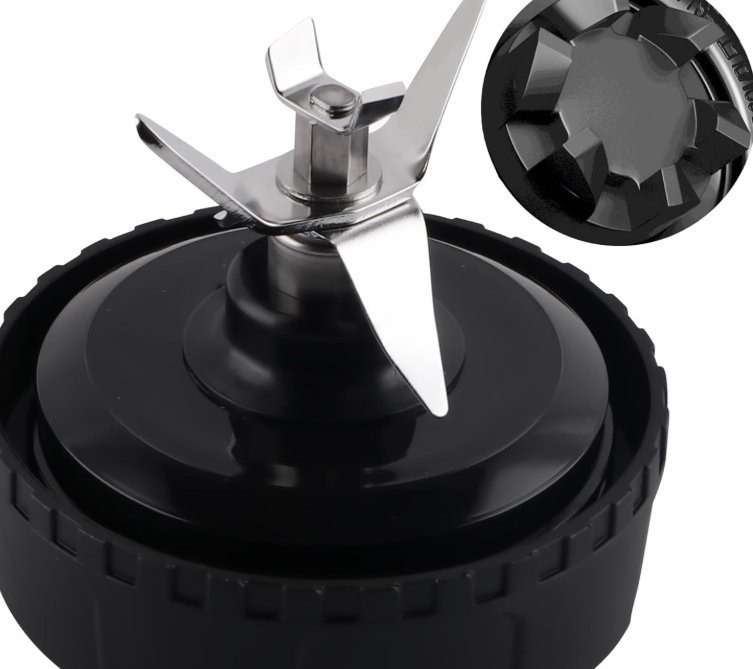
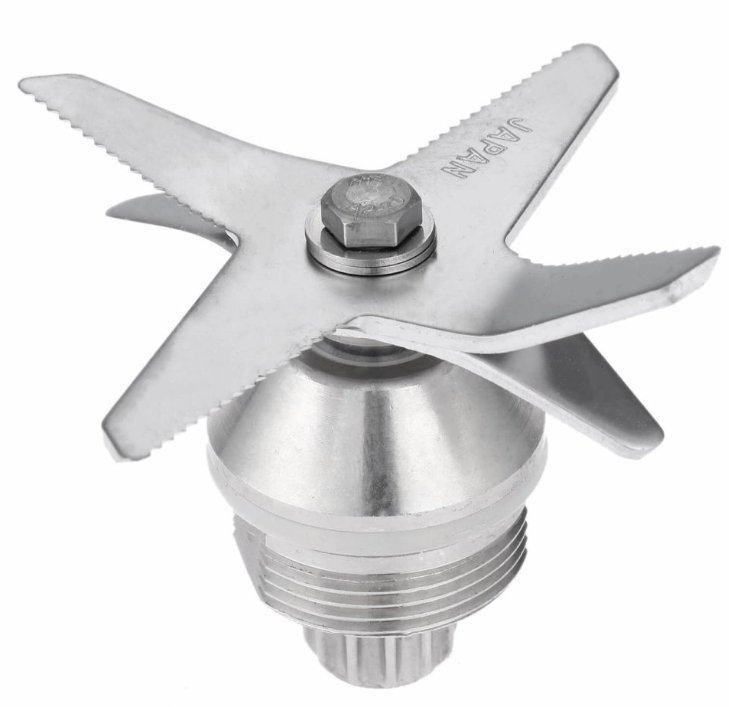
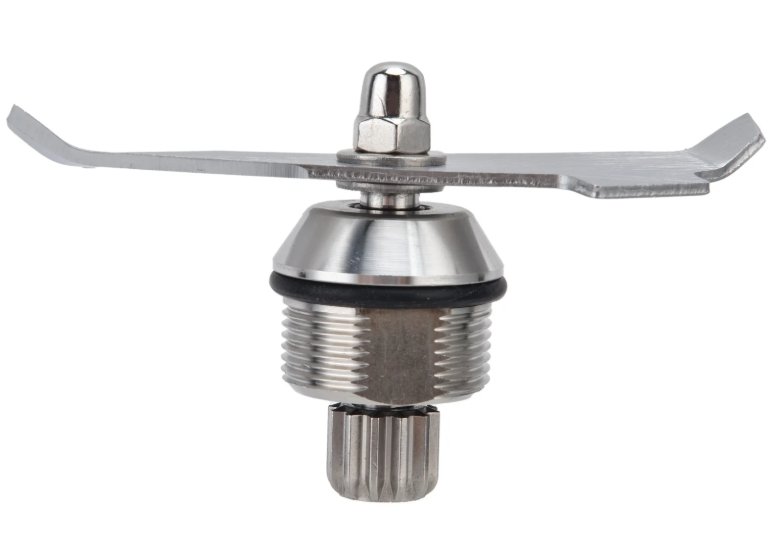
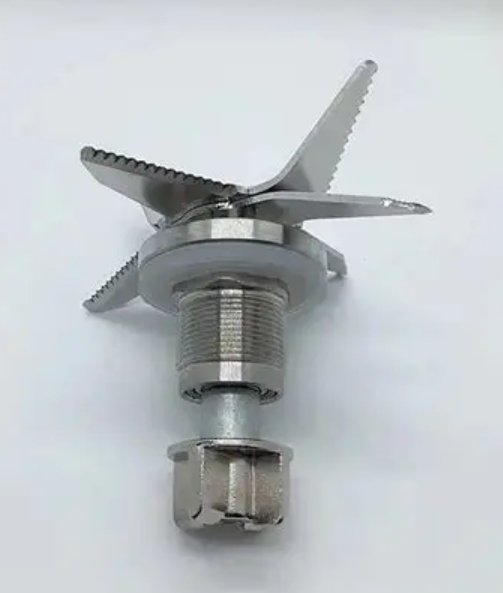
Blender Blade for Sale
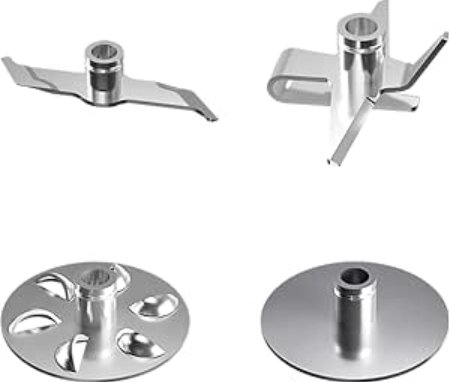
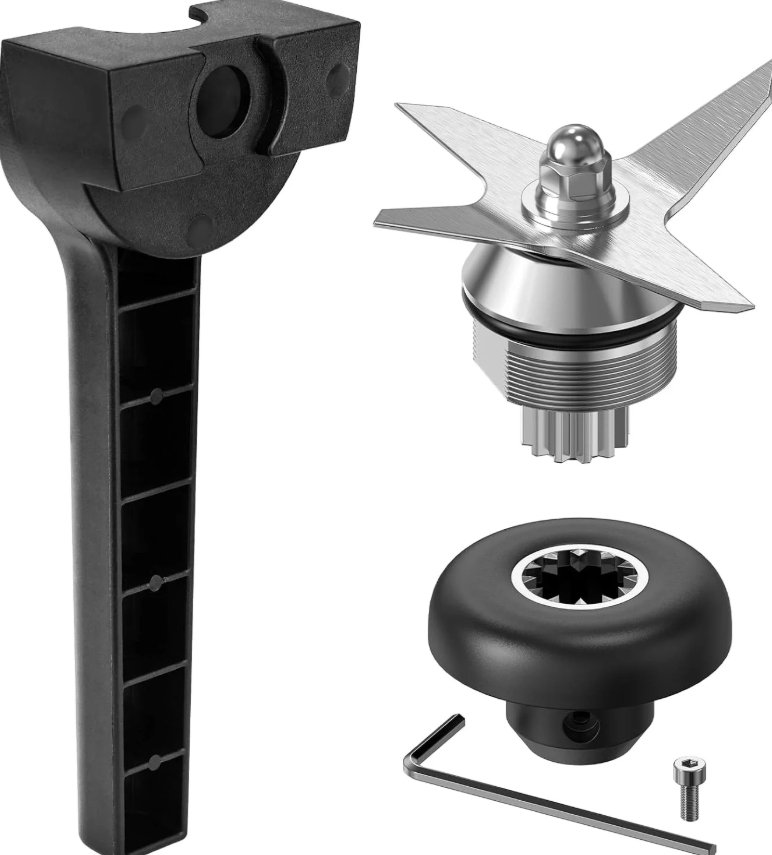
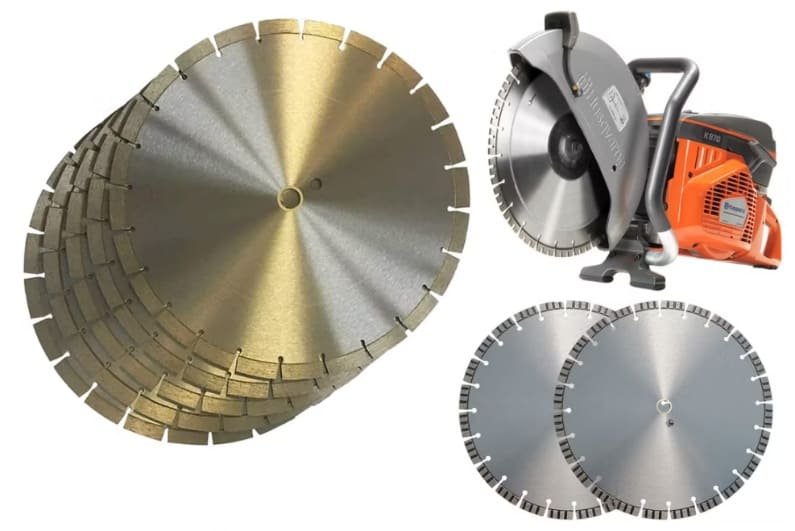
Diamond Blade for Sale

Demolition Hammer & Rotary Hammer for Sale
Angle
Welcome to call us
Contact Us to get quotation
Working Time: 8:00~17:00 Monday to Friday.
FAQ
Welcome to call us
Contact Us to get quotation
Working Time: 8:00~17:00 Monday to Friday.