Blending Blade
Blender Blade for Sale
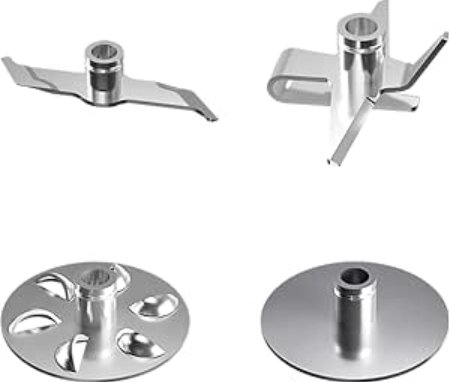
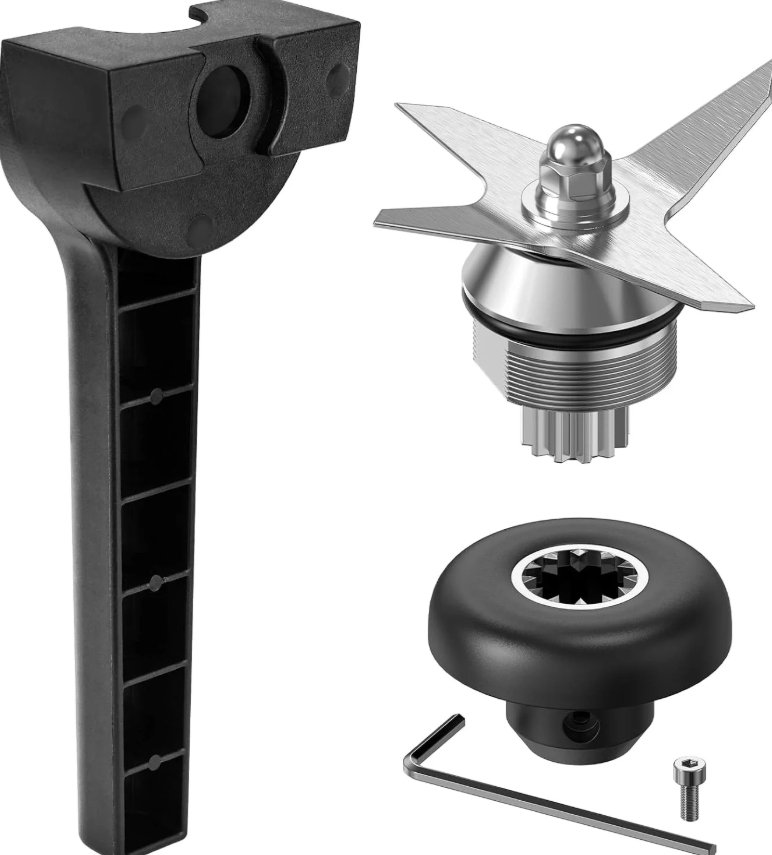
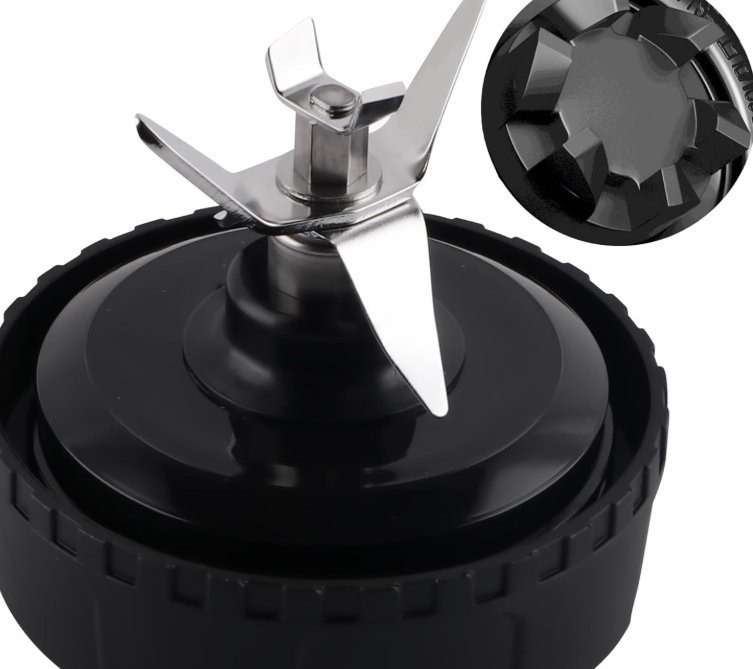
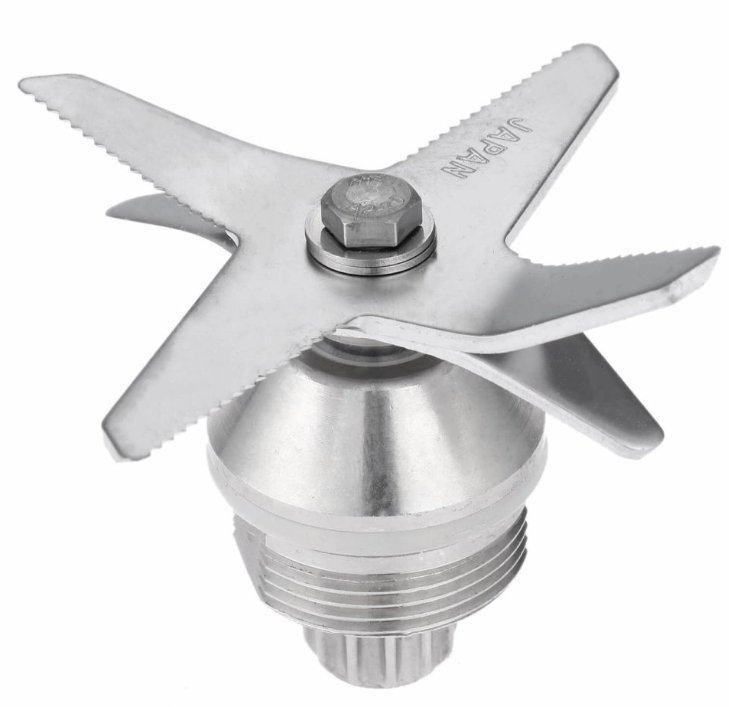
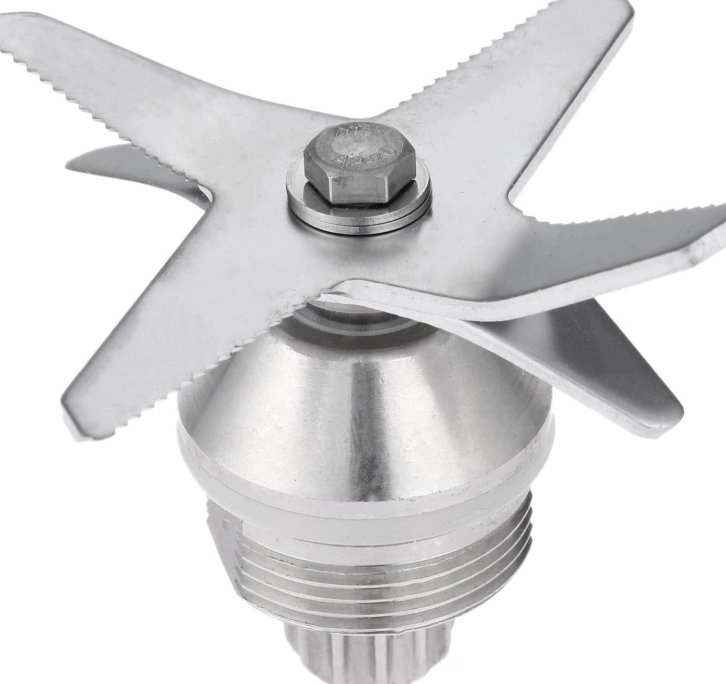
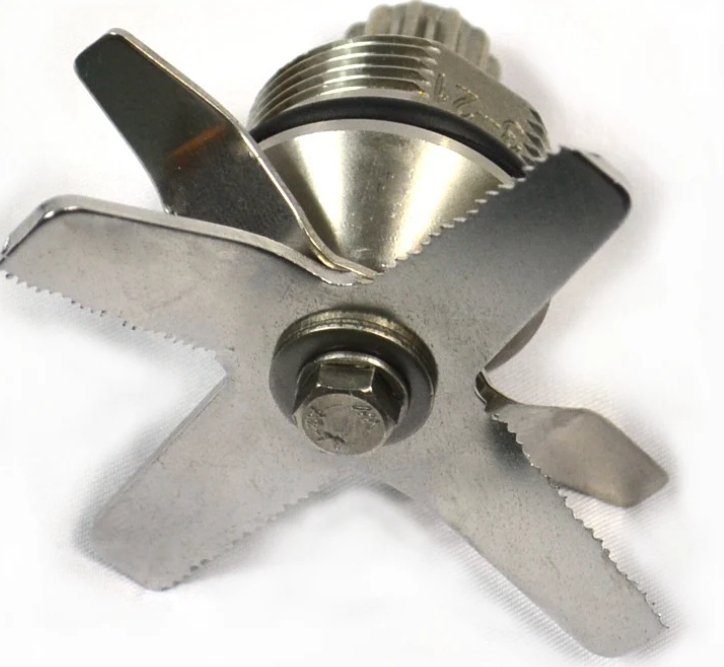
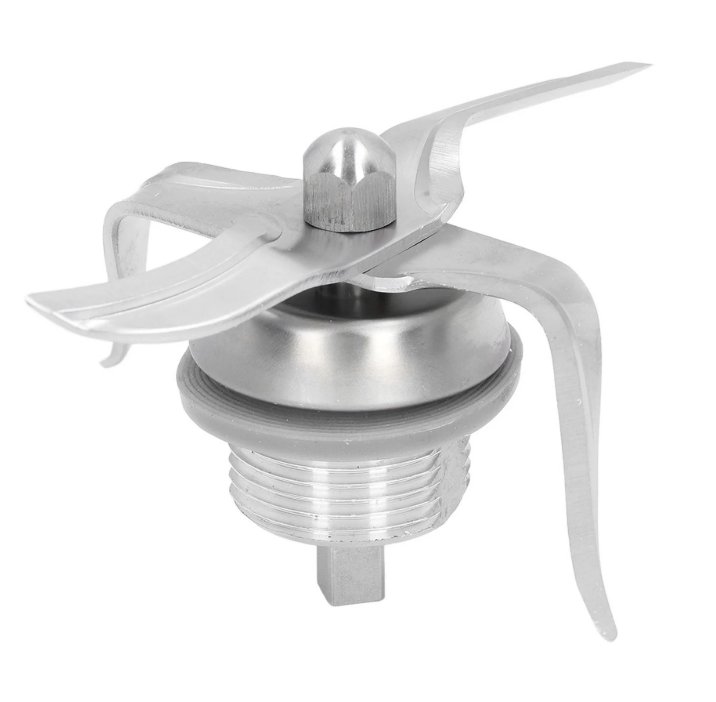
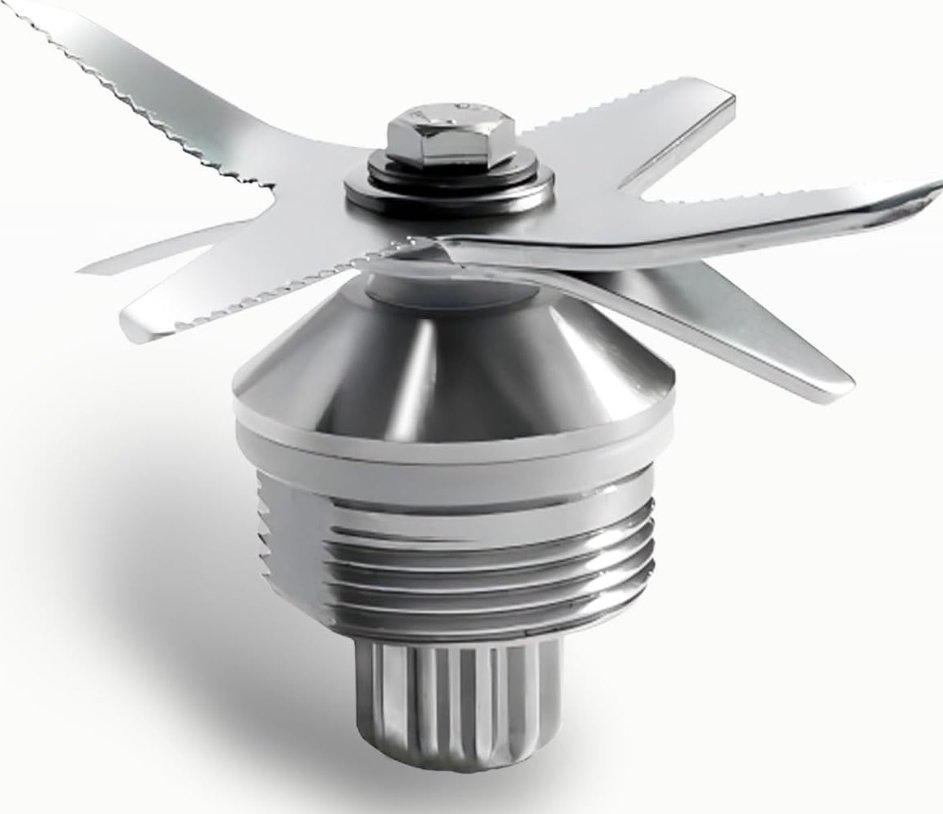
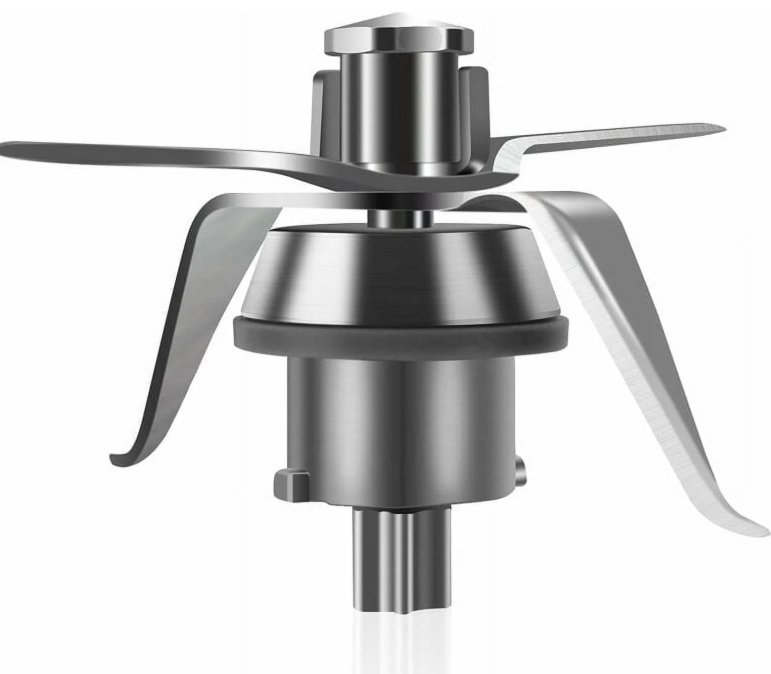
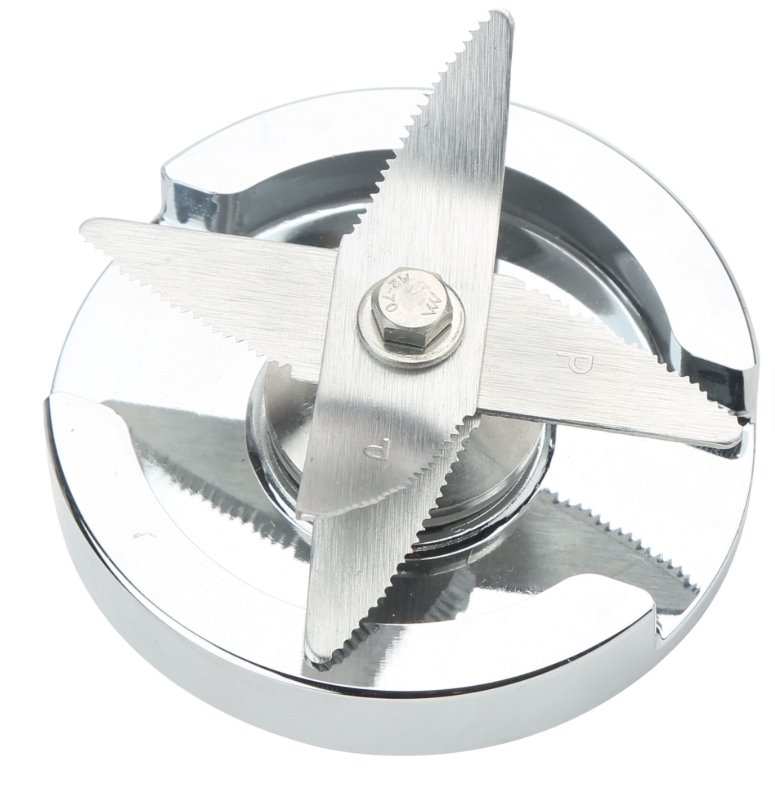
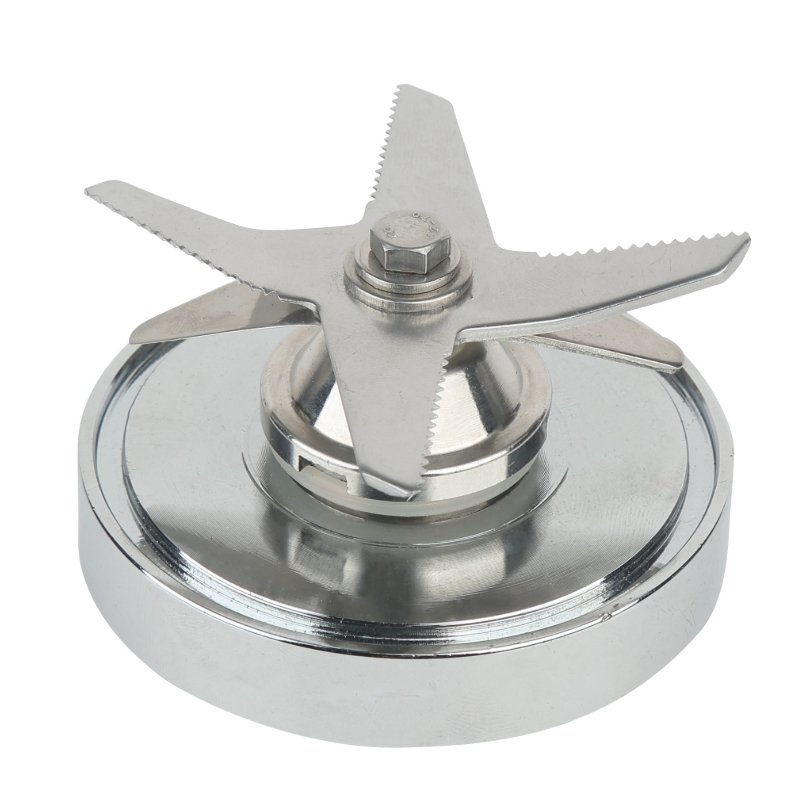
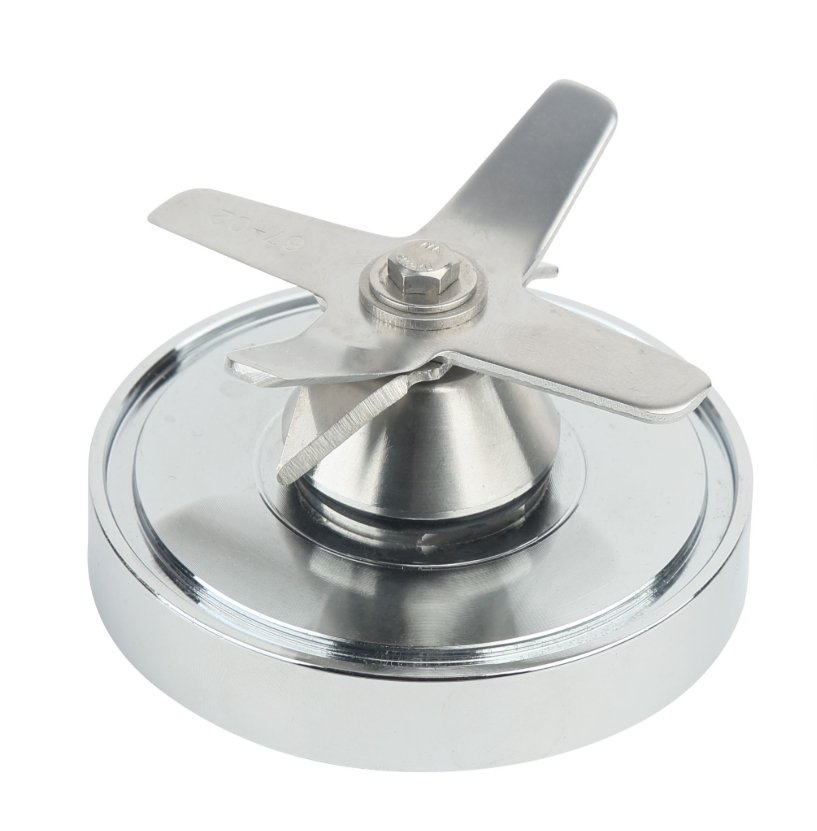
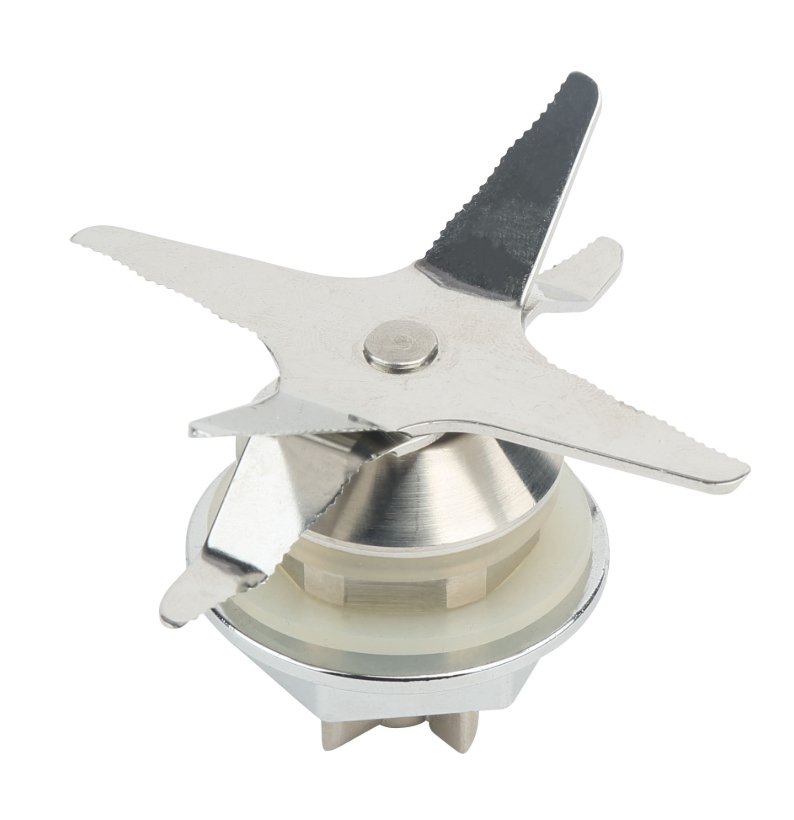
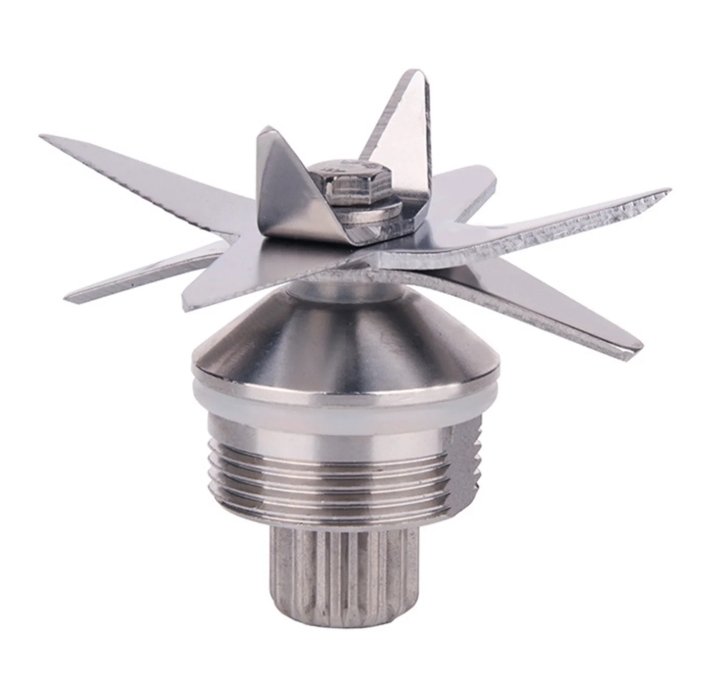
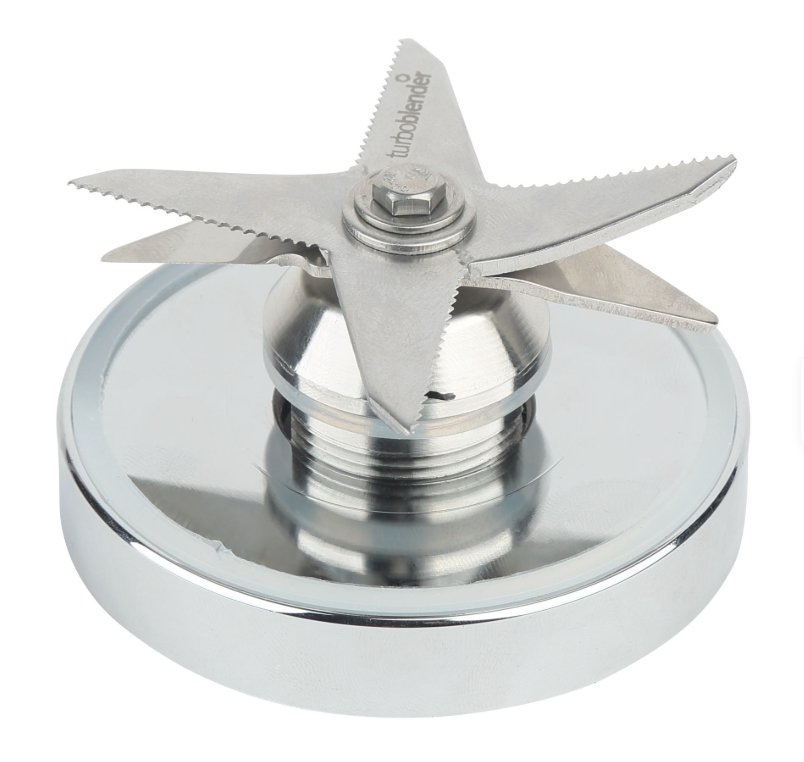
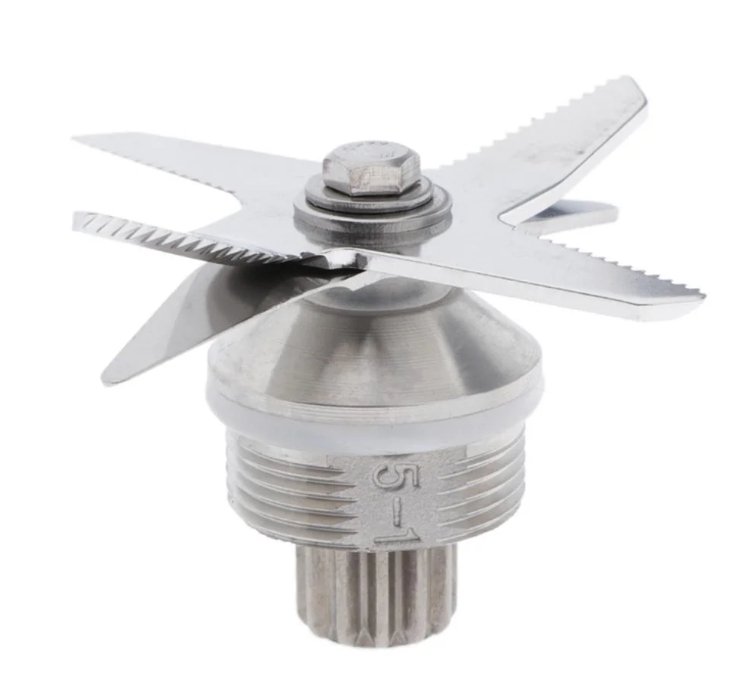
Blending Blade
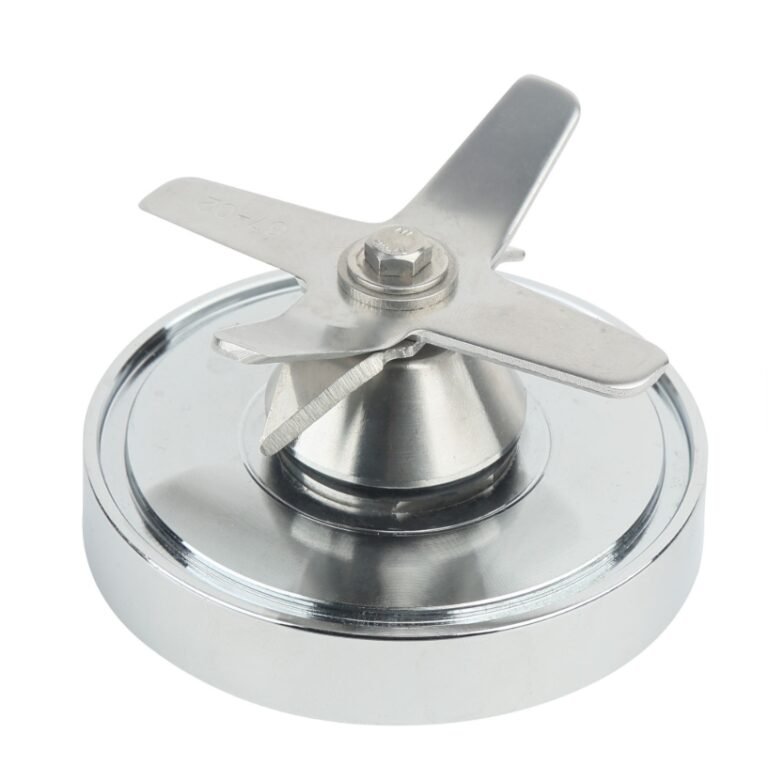
A blending blade is the core executive component of all stirring and crushing equipment, which generates strong shear force, impact force and centrifugal force through high-speed rotation to complete material mixing, crushing and homogenization, and its overall performance directly determines the working efficiency and final processing quality of stirring machines. As a universal accessory covering household, industrial, construction and agricultural stirring equipment, the blending blade integrates the structural characteristics of replacement blades and multi-blade assemblies. Its diverse scene classification, graded material configuration and flexible structural design enable it to adapt from fine food processing to heavy-duty industrial stirring. Understanding the complete definition, classification system, core performance characteristics and standardized maintenance methods of blending blades helps users accurately distinguish blade types, select matched accessories and extend equipment service life.
Core Definition of Blending Blade
The blending blade serves as the direct working medium for all material stirring and crushing operations, undertaking all mechanical processing procedures from raw material dispersion, particle crushing to uniform mixing. When the equipment is running at high speed, the rotating blade cuts and breaks solid particles through sharp blade edges, uses impact force to scatter agglomerated materials, and relies on centrifugal force to form circulating material flow inside the container. This comprehensive mechanical effect realizes full homogenization of different raw materials, eliminating particle differences and layered separation of materials. Unlike fixed cutting tools, blending blades are professionally optimized for fluid circulation and material flipping, focusing on overall mixing uniformity while ensuring targeted crushing capacity, which is the fundamental reason why it dominates the core performance of stirring equipment.
Main Classification of Blending Blades
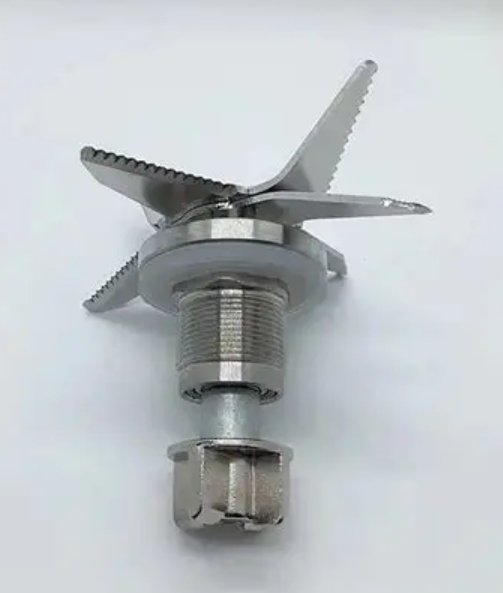
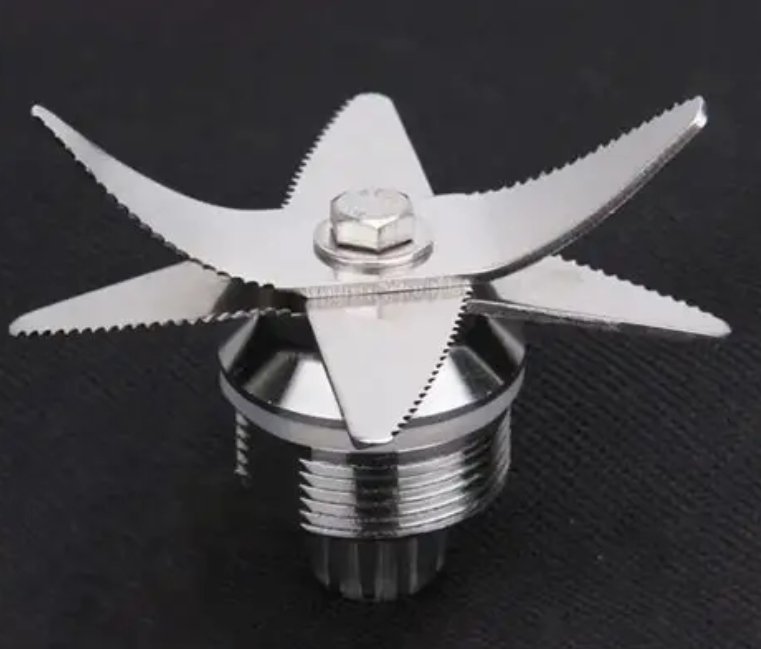
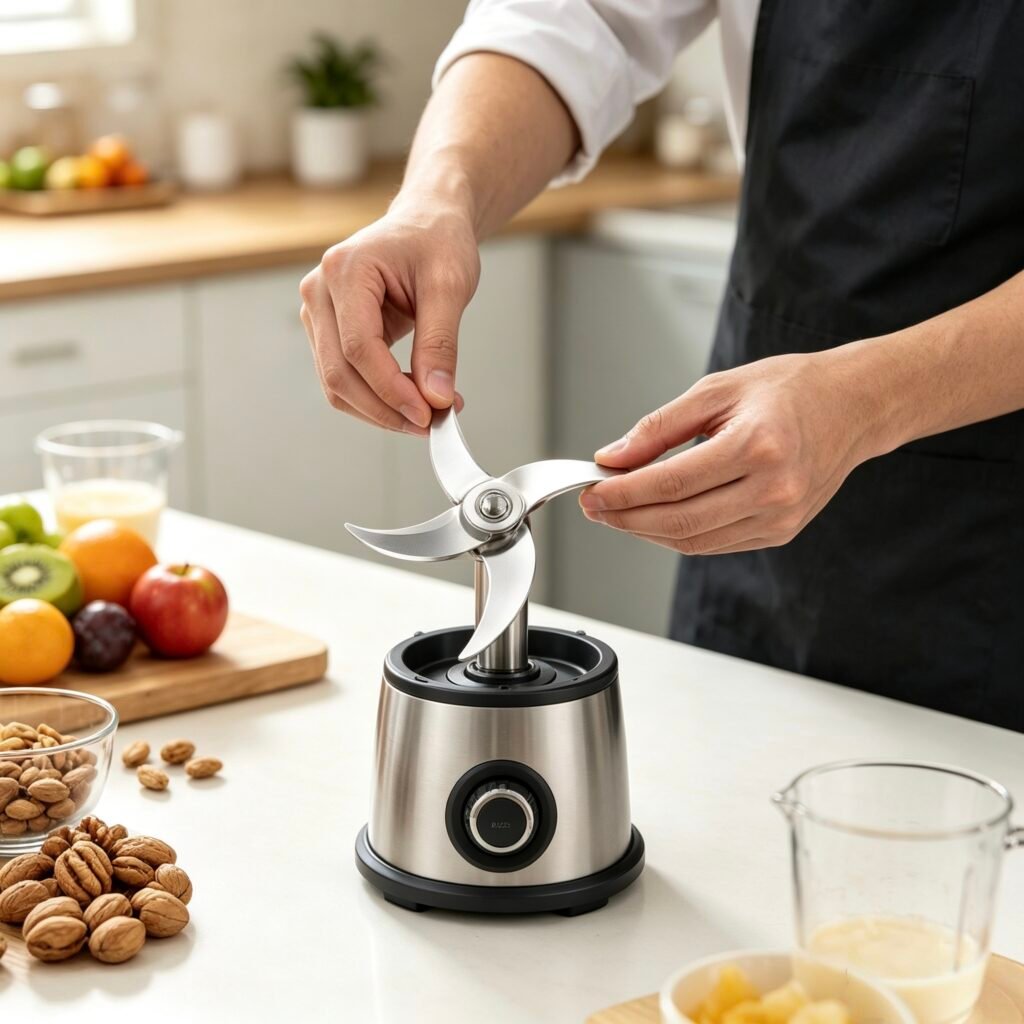
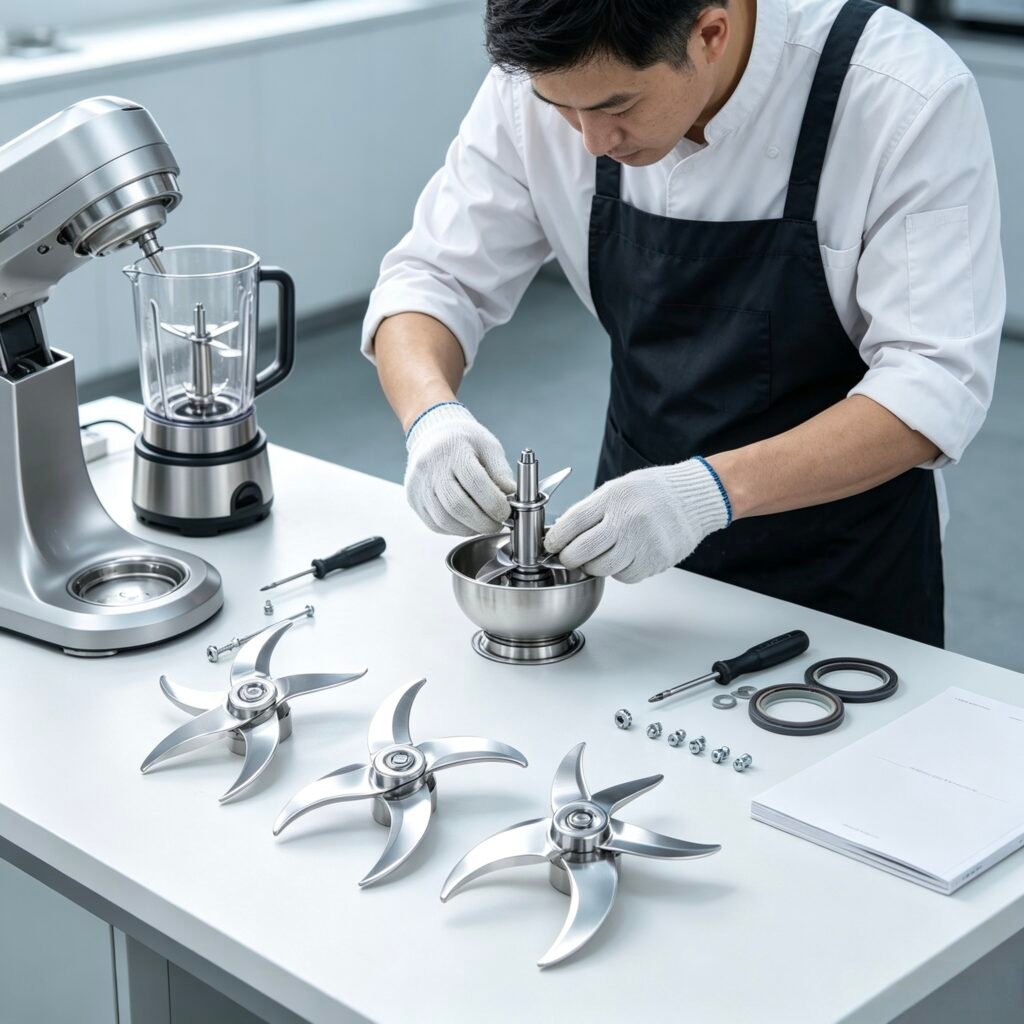
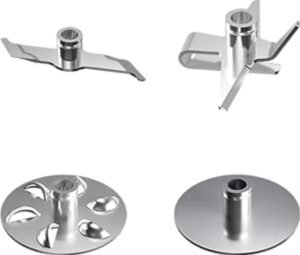
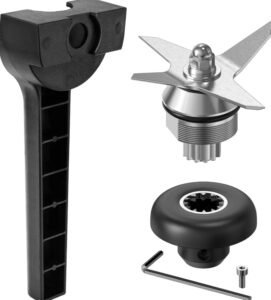
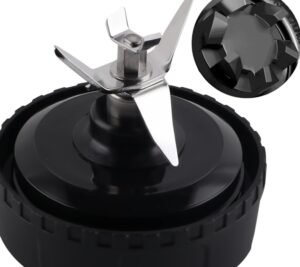
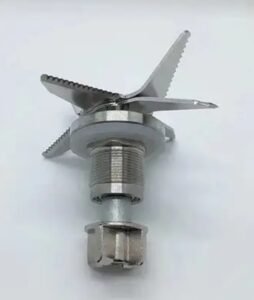
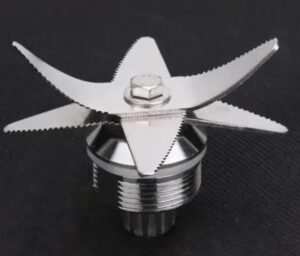
Blending blades can be divided into household, industrial, construction and agricultural types according to applicable scenarios, with targeted structural design for different working environments. Household food processor and blender blades mostly adopt multi-blade structures including 4-blade, 6-blade and 8-blade configurations, paired with food-grade stainless steel materials. The three-dimensional staggered layout eliminates stirring dead corners, focusing on fine crushing and smooth homogenization of fruits, vegetables, grains and baby complementary foods, meeting the high fineness and food safety requirements of household kitchen processing. Each multi-blade structure corresponds to graded processing effects, balancing crushing efficiency and finished product delicacy for daily household use.
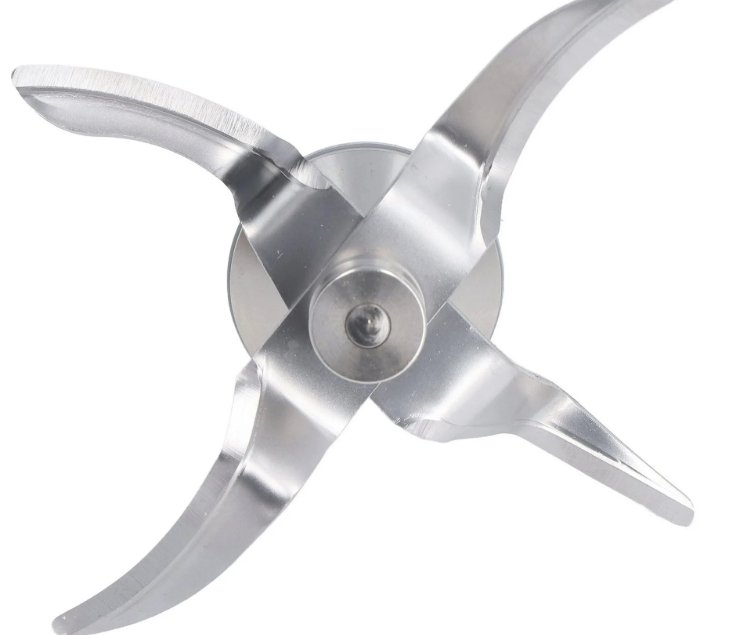
Industrial blender blades adopt special-shaped structures such as fork type, V-type and curved type, which are different from conventional household multi-blade designs. These professional structural forms are optimized according to industrial material characteristics, efficiently adapting to low-fluidity dry powder materials, high-viscosity slurry and thick paste raw materials that are difficult to stir evenly. The unique bending and branching structure can drive large-area material circulation, break material adhesion and layering, and improve the mixing uniformity of industrial raw materials, fully meeting the continuous and high-precision mixing demands of industrial production lines.
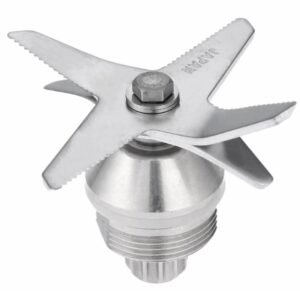
Special blades for construction and animal husbandry adopt professional structures including gamma-type bent blades and toothed blades, matched with high-tough high-manganese steel and high-hardness alloy steel materials. This combination of special structure and wear-resistant materials enables the blades to withstand long-term high-intensity impact and friction from heavy materials such as concrete, mortar, crop forage and granular feed. The toothed structure efficiently crushes hardened building materials, while the gamma-type structure strongly shears and stirs fibrous forage, adapting to harsh heavy-load working conditions that ordinary household blades cannot bear.
According to manufacturing materials, blending blades are mainly divided into metal and non-metal categories with distinct performance positioning. Metal blades including stainless steel, alloy steel and copper alloy have high overall structural strength, stable rigidity and strong impact resistance. They are widely used in large high-speed stirring equipment, suitable for high-load, high-speed and long-time continuous stirring scenarios, with excellent structural stability and deformation resistance. Non-metal blades represented by silica gel and polyurethane feature soft texture, excellent corrosion resistance and wear resistance, and will not scratch the inner wall of the stirring container. They are mostly applied to small low-speed stirring equipment for light-duty anti-corrosion stirring and fragile container protection scenarios.
Core Performance Characteristics
Qualified blending blades have sufficient structural strength and surface hardness to cope with complex force changes during stirring work. Whether it is high-speed impact crushing of hard granular materials or high-resistance stirring of high-viscosity pastes, the blade can maintain stable structural integrity without edge chipping, bending deformation or fracture damage. This basic mechanical performance ensures long-term stable operation of the blade under different load conditions and avoids equipment failure caused by blade damage.
The shape and quantity of blending blades are highly customizable, which can be flexibly adjusted according to the characteristics of different materials. For fine and soft food materials, dense multi-blade structures are adopted to improve crushing fineness; for dry powder and easily layered materials, curved circulating structures are used to enhance flipping and mixing effects; for hard and blocky materials, toothed and high-hardness blade designs are configured to strengthen breaking capacity. This personalized structural matching greatly improves material mixing uniformity and processing efficiency for different scenarios.
Different manufacturing processes determine the quality grade and service characteristics of blending blades. Forging process blades have dense internal structure and extremely high overall strength and toughness, with outstanding durability and fatigue resistance, suitable for long-term heavy industrial working conditions. Cold-drawn process blades feature precise dimensional accuracy and smooth uniform surface, ensuring accurate installation matching and stable high-speed operation, widely used in precision household and small commercial equipment. Casting process blades are characterized by low production cost and large output, meeting the basic use demands of ordinary low-load stirring scenarios with high cost performance.
Daily Use and Maintenance Guidelines
Regular inspection of blade installation status is the key to ensuring stable stirring performance. Long-term high-frequency vibration of stirring equipment may gradually loosen the blade fixing structure, resulting in offset and shaking during operation. Users need to regularly check the fastening degree of the blade base and connecting parts to ensure the blade is installed in place firmly. Timely troubleshooting of loose displacement problems can avoid uneven stirring, material splashing and abnormal equipment noise caused by unstable blade operation.
Thorough drying after cleaning is an essential daily anti-rust maintenance step for metal blending blades. Residual fruit juice, moisture and slurry will adhere to the blade surface and gaps after each use. If the blade is installed back on the equipment with water accumulated, long-term humid environment will cause oxidation and rust of the metal surface, damaging the original protective layer and gradually dulling the blade. Drying the blade completely before installation can effectively isolate moisture and avoid rust failure.
It is forbidden to use hard metal brushes to scrape the blade surface during daily cleaning and maintenance. The surface of qualified blending blades is treated with professional anti-rust and wear-resistant protective coating. Hard metal brushing will leave fine scratches on the blade surface, destroy the complete protective film, and expose the metal matrix to air and moisture. This will accelerate oxidation and corrosion, reduce blade sharpness and service life, and affect long-term stirring and crushing performance.
Final Verdict
In summary, the blending blade is the core executive component that determines the efficiency and quality of all stirring and crushing equipment, completing material mixing, crushing and homogenization through high-speed rotation of mechanical force. It forms a complete classification system through scene-based household, industrial, construction and agricultural blade types and material-based metal and non-metal categories, covering all levels of light, medium and heavy-load stirring scenarios. With customizable structural design and graded manufacturing processes, blending blades achieve targeted performance matching for different materials and working conditions. Standardized daily inspection, drying maintenance and scientific cleaning methods can effectively maintain blade performance stability, delay aging and wear, and ensure long-term efficient and safe operation of various stirring equipment.
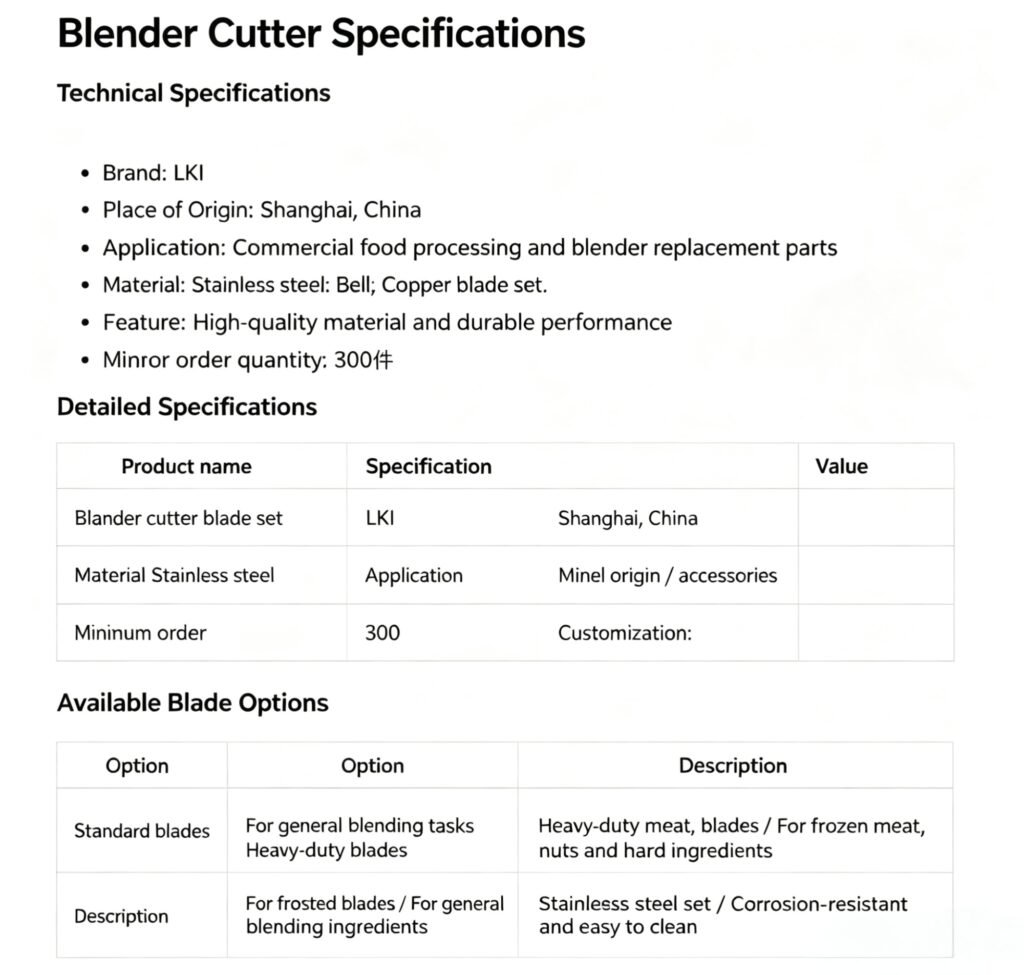
Key Features & Advantages
1) Full-scenario Universal Classification System:Blending blades adopt a complete classification system based on application scenarios and materials, covering household food fine processing, industrial raw material mixing, construction heavy material stirring and agricultural feed treatment. With diversified structures including multi-blade, fork type, V-type, gamma-type and toothed type, plus dual material matching of metal and non-metal, it can accurately adapt from low-speed light-duty stirring to high-speed heavy-load crushing, realizing full-field universal coverage of all stirring equipment.
2) Excellent Mechanical Performance and Structural Stability:High-quality blending blades have balanced strength, hardness and toughness, which can withstand strong impact, high shear force and long-term vibration during operation without deformation, cracking or damage. Different from ordinary simple blades, professionally manufactured blending blades maintain stable structural concentricity and working rigidity under various complex working conditions, ensuring consistent stirring efficiency and processing effect without performance attenuation.
3) Customizable Structure Improves Targeted Processing Effect:The flexible design of blade shape, blade quantity and structural radian enables targeted optimization for different material characteristics. Multi-blade structures improve fine crushing fineness for food materials, special-shaped curved structures enhance mixing uniformity for high-viscosity materials, and toothed alloy structures strengthen breaking capacity for hard blocks. This customized design effectively eliminates processing dead corners and material layering problems, greatly improving overall processing quality.
4) Graded Manufacturing Processes Match Diversified Demands:With forging, cold drawing and casting multiple mature manufacturing processes, blending blades form a complete quality gradient system. Forged blades meet heavy-duty industrial durability demands, cold-drawn blades support precision installation and stable operation for household and commercial equipment, and cast blades realize cost-effective basic stirring configuration. The graded process matching ensures reasonable performance and cost for different usage scenarios.
5) Standard Maintenance Extends Long-term Service Life:Scientific daily maintenance including regular fastening inspection, thorough drying storage and standardized cleaning protection effectively avoids common blade failures such as loosening deviation, rust oxidation and surface coating damage. Correct use habits reduce unnecessary wear and aging, maintain long-term blade sharpness and structural stability, and maximize the service life and comprehensive cost performance of blending blade accessories.
Packing, Delivery & Shipping
If you meet our minimum order quantity of 300 pieces, customized retail packaging is available for your blender cutter blades. We can produce premium hanging display color boxes matched with outer export cartons. You can choose to adopt our official LKI brand packaging, or apply your own OEM brand totally.
Customizable items include printed brand logos, product adhesive stickers, personalized color box artwork and outer carton layouts. If you need exclusive customized packaging design, please provide your complete PDF design files for production arrangement.
If your order volume fails to reach the 300-piece MOQ, we will adopt standard neutral brown cartons for bulk shipment. Meanwhile, you can still attach your self-designed brand stickers on the outer packages to mark your own brand.
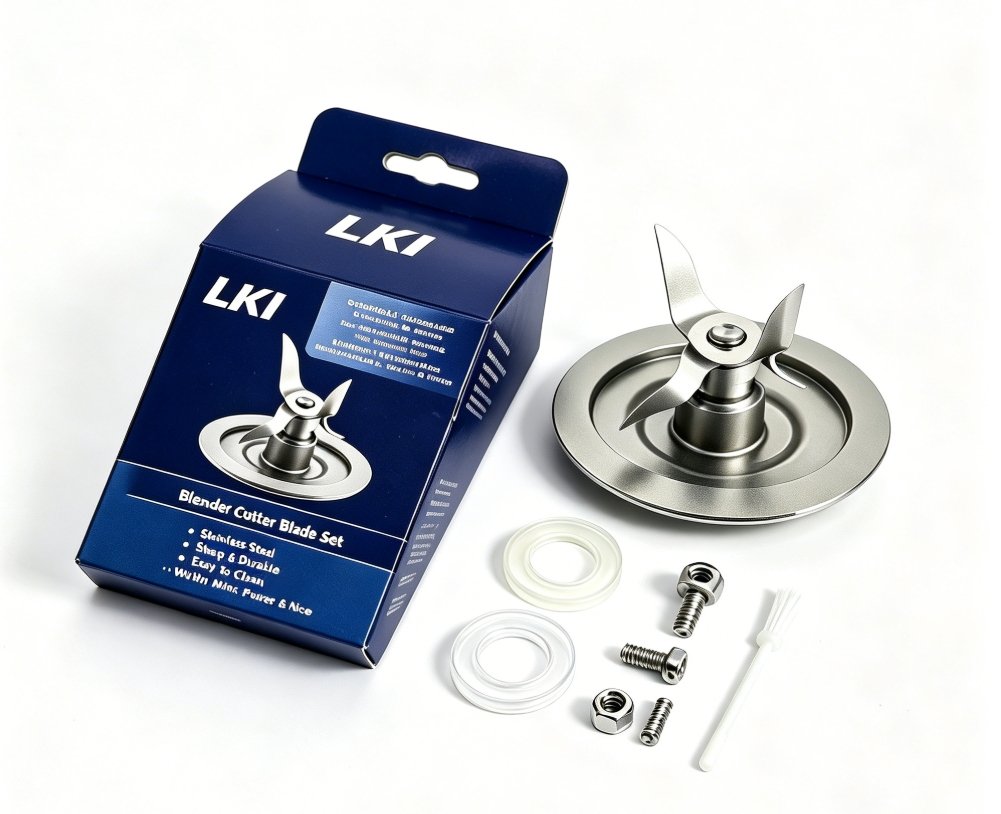
Packaging Details Adapted for Blender Blade Set
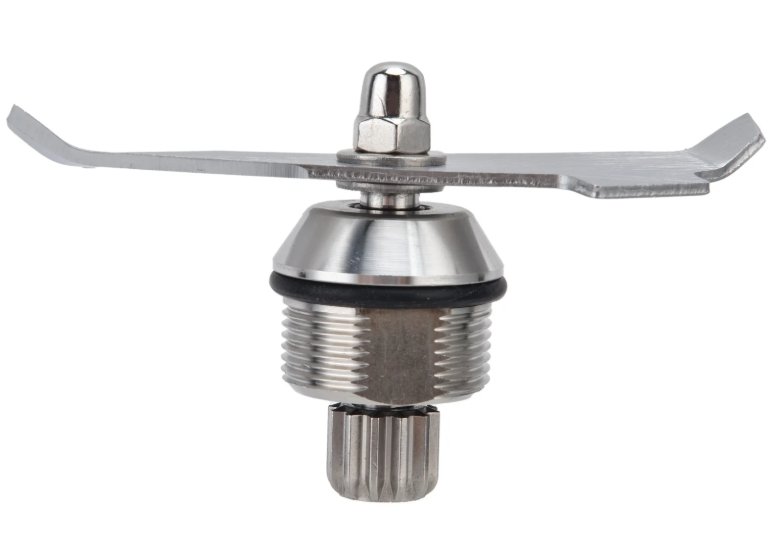
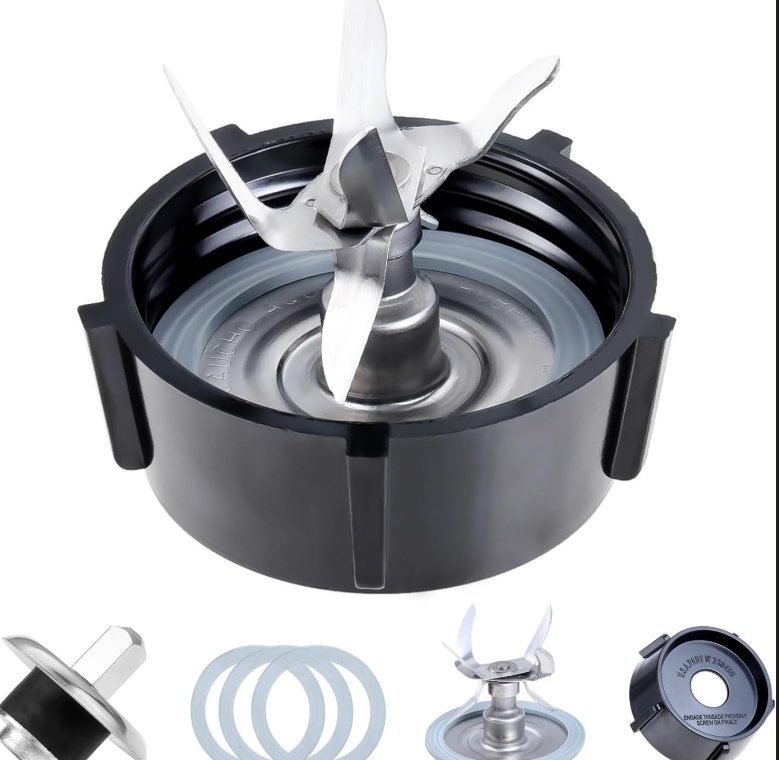
Packaging Content: Each box holds 1 set of stainless steel blender cutter blade with sealing ring, all accessories fully wrapped to avoid scratches during transit
Inner Package: Hanging retail color box (same hanging hole structure as standard blender blade accessory packaging, convenient for supermarket & kitchen supplies store shelf display)
Outer Package: Corrugated export carton, shockproof and compression-resistant for long-distance sea/land transportation
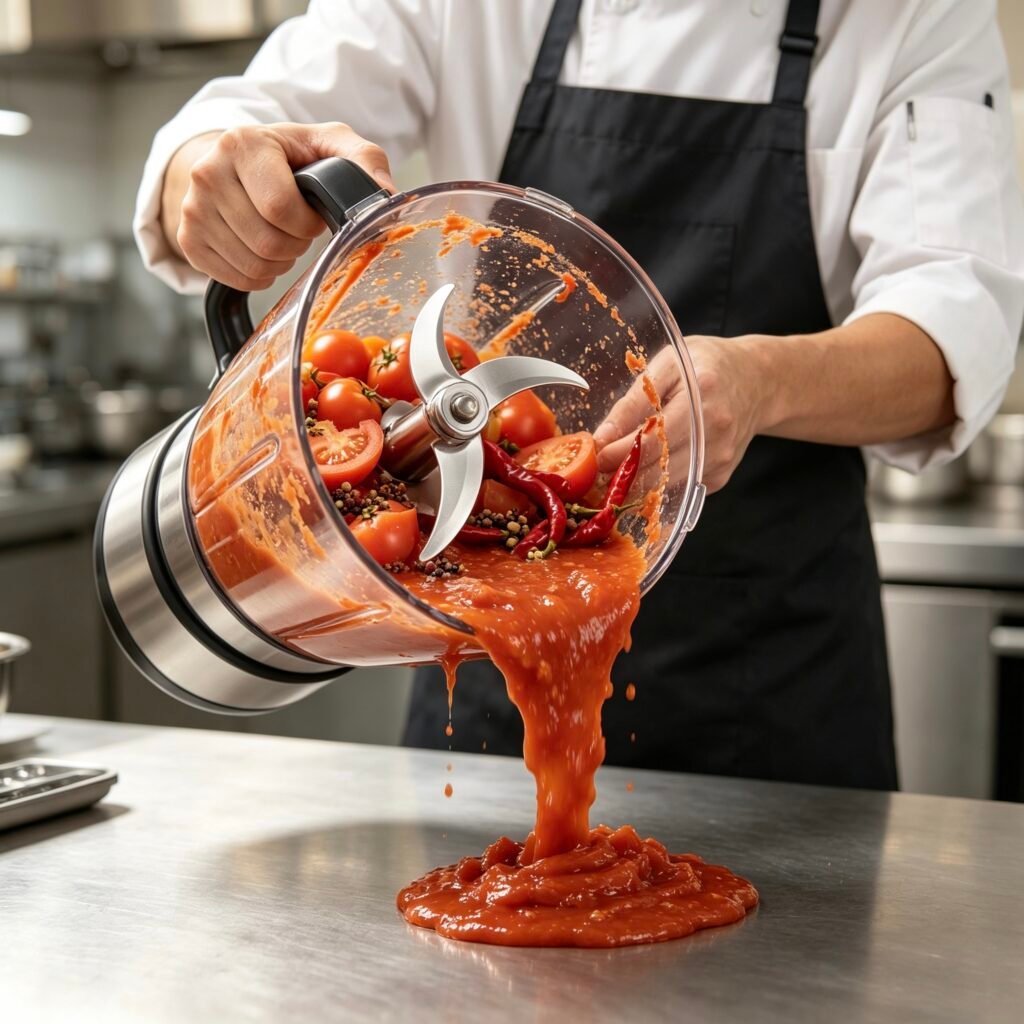

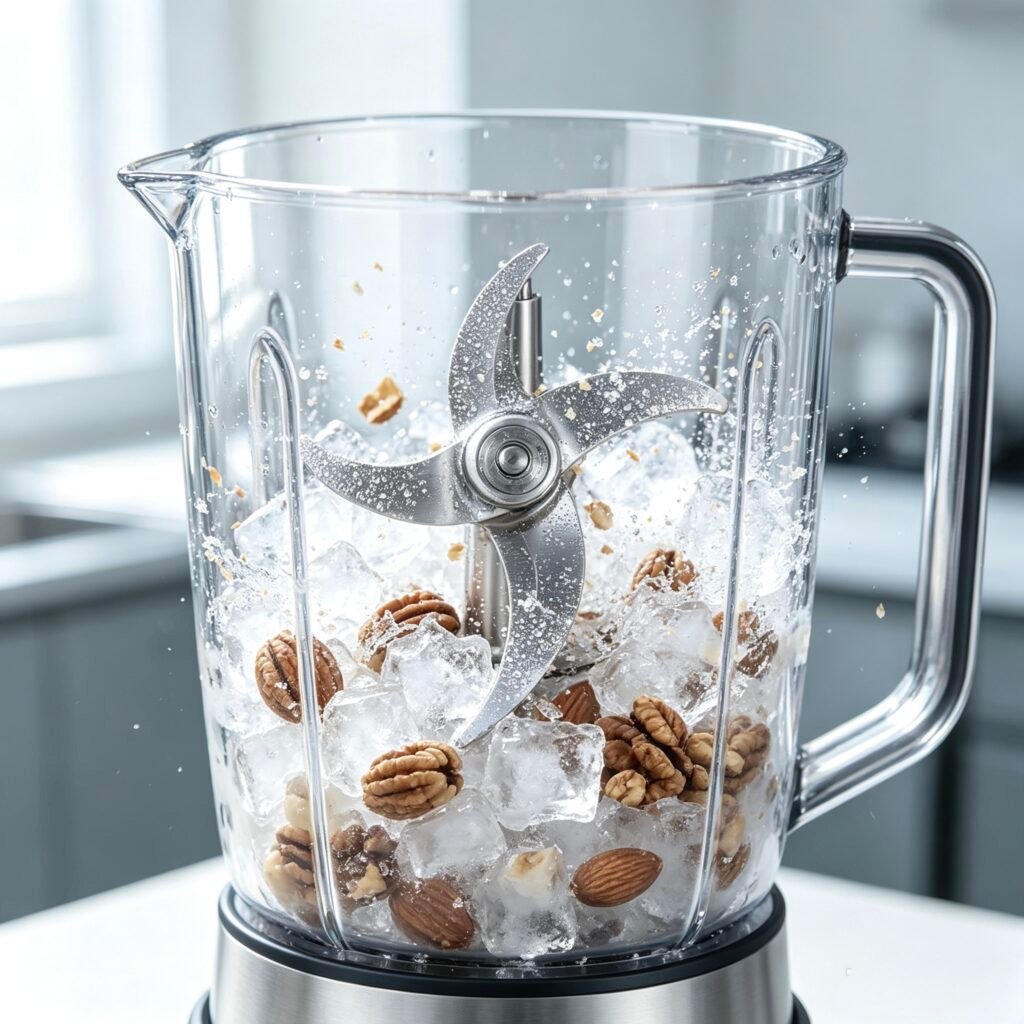
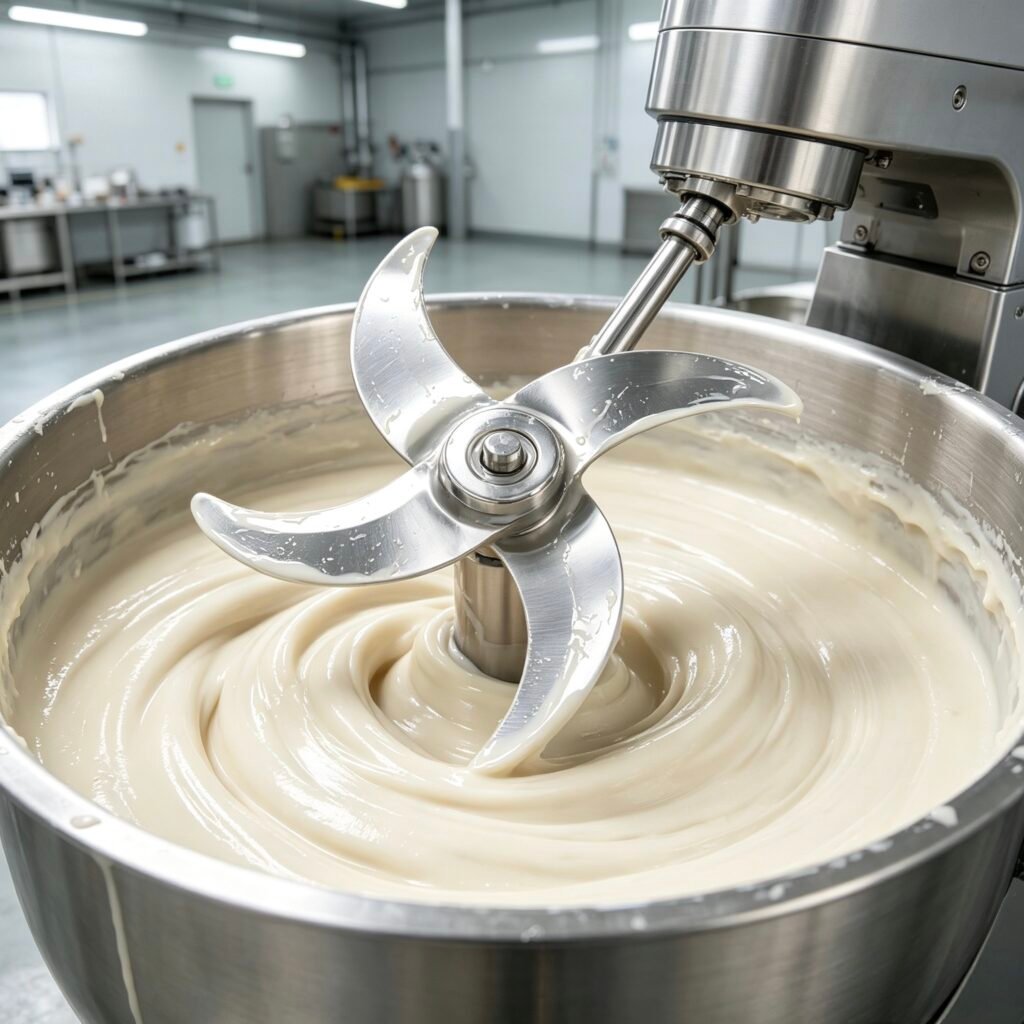
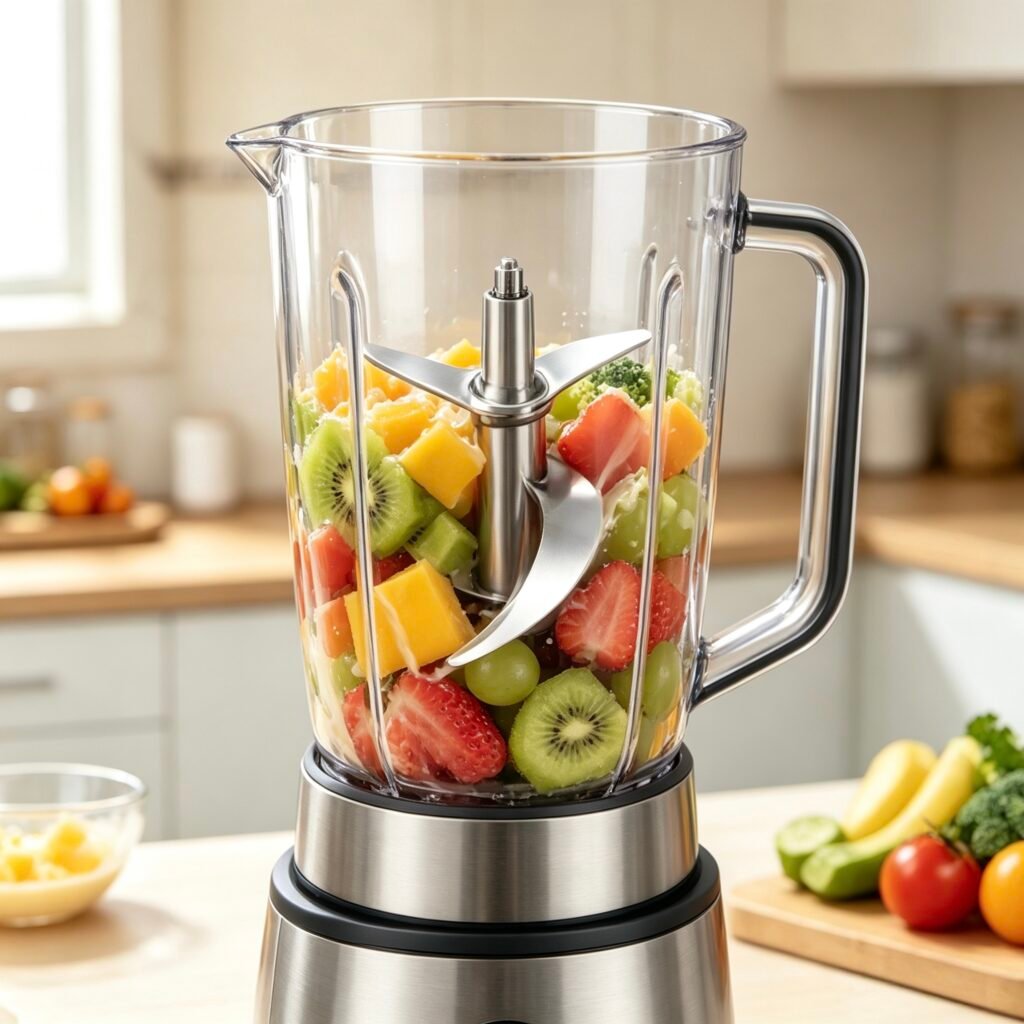
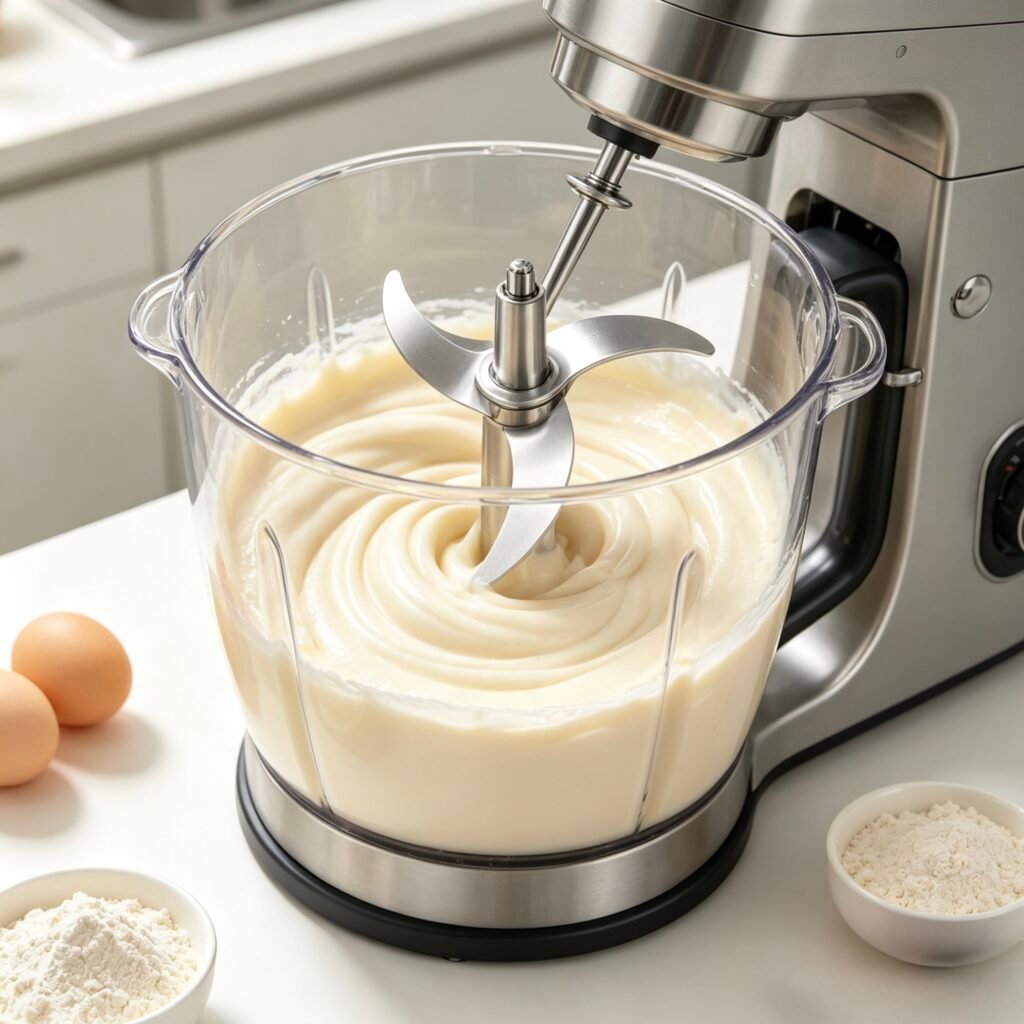

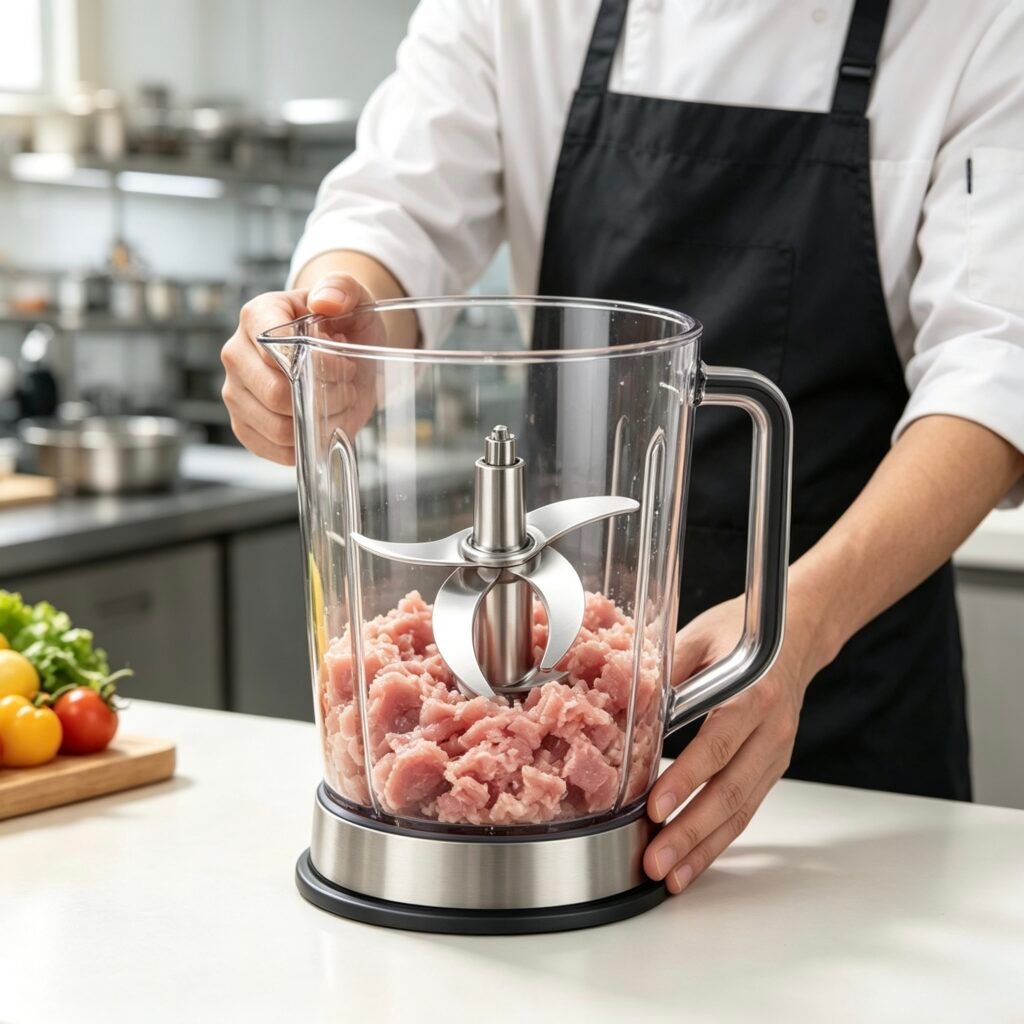
Wide Application Scenarios
The blender cutter blades boast extremely versatile adaptability, perfectly fitting nearly all commercial and household food blending, crushing and mixing scenarios.
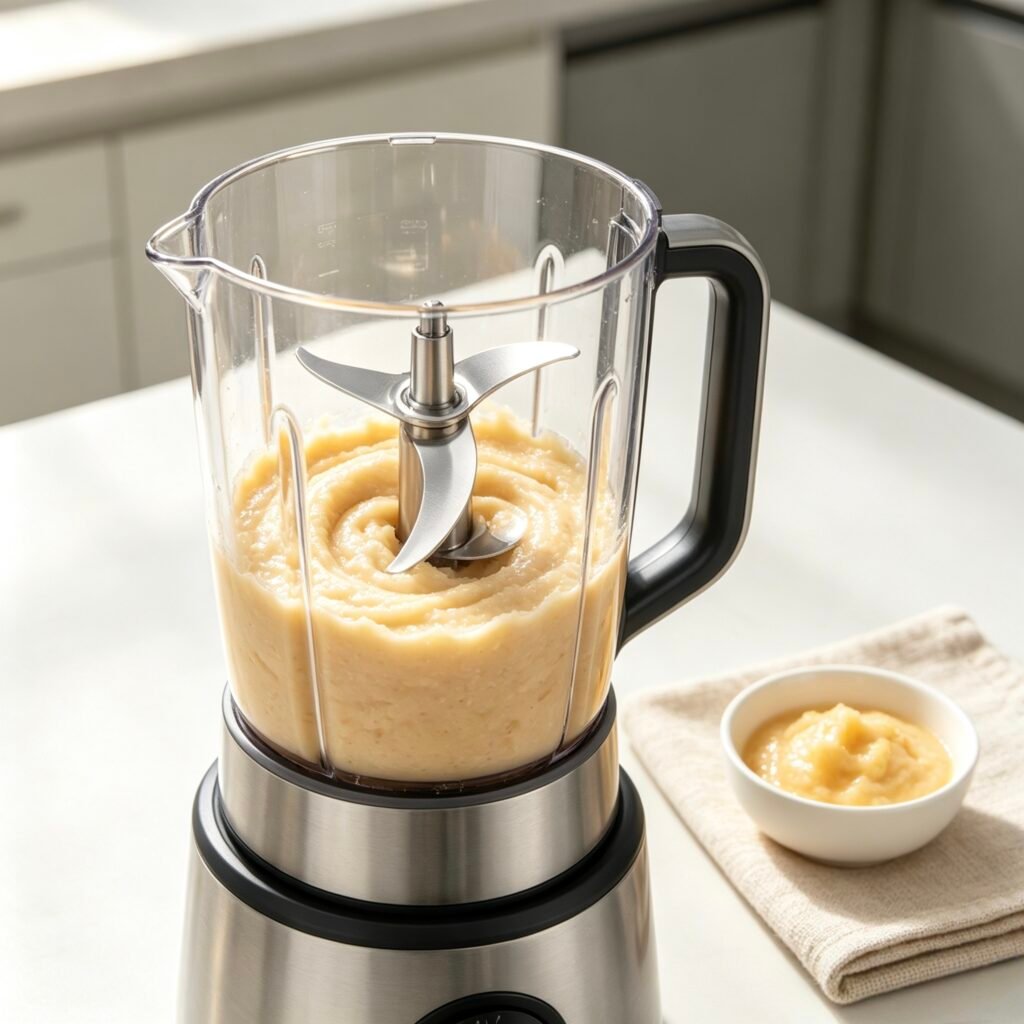
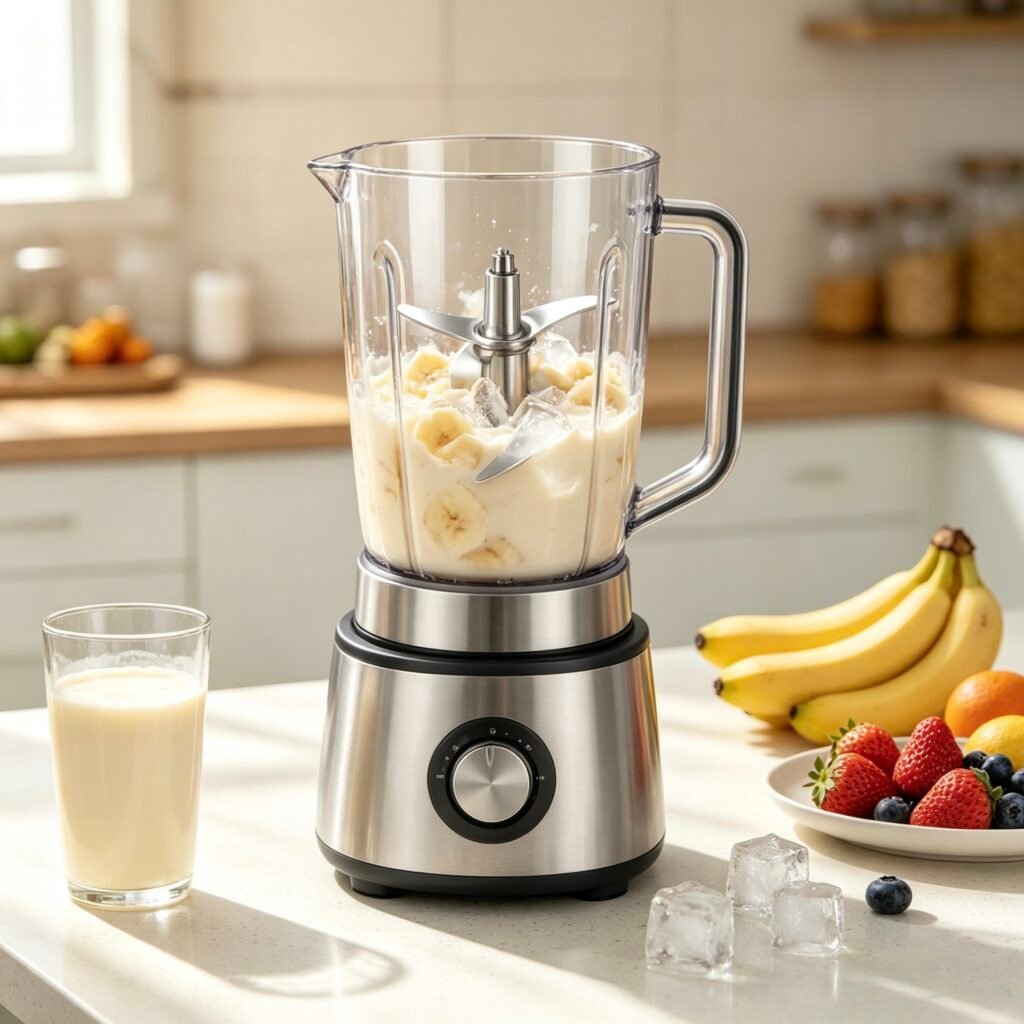
They serve as essential replacement core parts for professional catering kitchens, beverage shops, bakery stores, food processing factories and home users. Widely applied in crushing frozen fruits, hard nuts, ice cubes, fibrous vegetables, raw meat, bone scraps, grains and thick soups, these stainless steel blades are ideal for high-frequency continuous blending work in commercial food preparation.
They deliver stable cutting performance to guarantee smooth running of countertop blenders, heavy-duty commercial blenders, wall-breaking machines and multi-functional food processors.
For commercial catering scenarios, they are commonly used in smoothie production, milkshake blending, baby food making, nut butter grinding and hot soup preparation in cafes, restaurants and dessert stores.
The precisely crafted stainless steel blades realize fine, even cutting of food ingredients. They greatly boost blending efficiency, reduce motor load of blending equipment, cut down energy consumption and extend the service life of blenders. Whether applied for coarse crushing of solid ingredients, fine emulsification of viscous mixtures, or long-time continuous high-speed stirring, these durable blades maintain sharp cutting ability and corrosion resistance for long-term daily use.
Blender Blade
Diamond Blade for Sale

Demolition Hammer & Rotary Hammer for Sale
Angle
Welcome to call us
Contact Us to get quotation
Working Time: 8:00~17:00 Monday to Friday.
FAQ
Welcome to call us
Contact Us to get quotation
Working Time: 8:00~17:00 Monday to Friday.