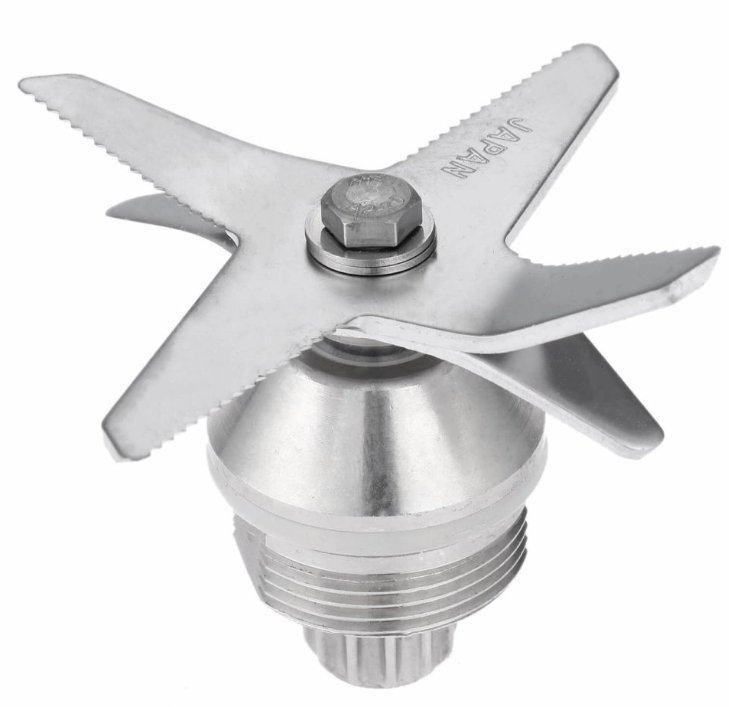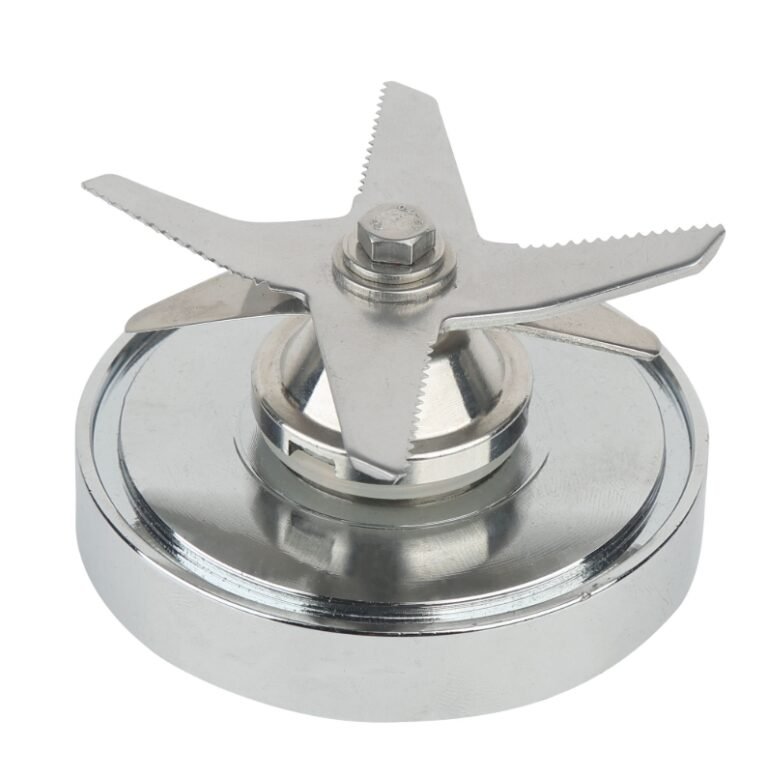
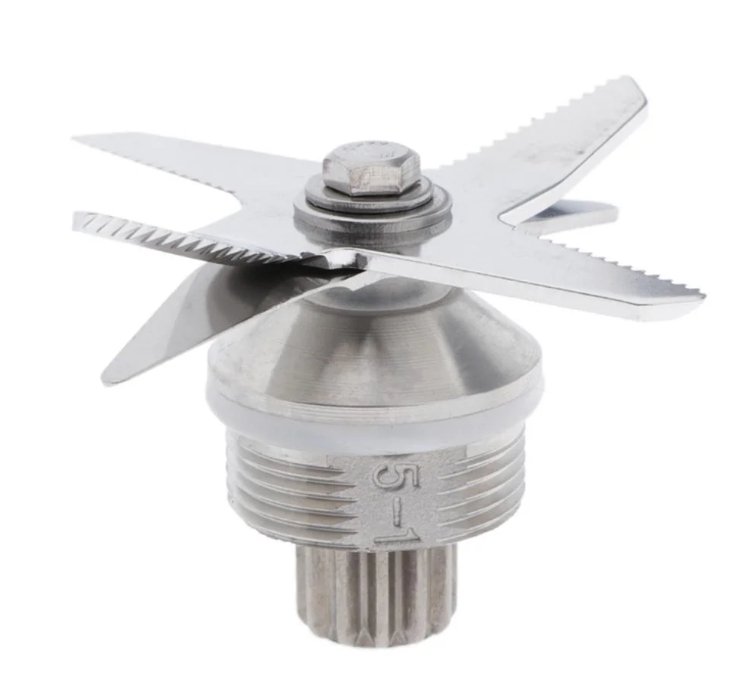
Blender Cutter
Specs
Blender Cutter
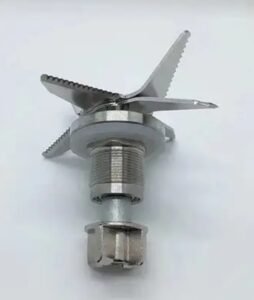
Material: Food Grade 201/340 304 / 316 Stainless Steel (Optional Tungsten Carbide Coating)
Overall Blade Diameter(mm): 60 / 80 / 100 (Multi-size Optional)
Blade Thickness(mm): 1.8~4.2mm
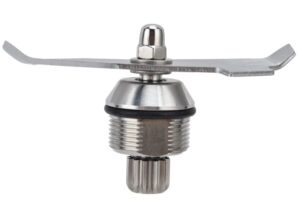
Shaft Interface Diameter(mm): 12 Standard Universal Bayonet
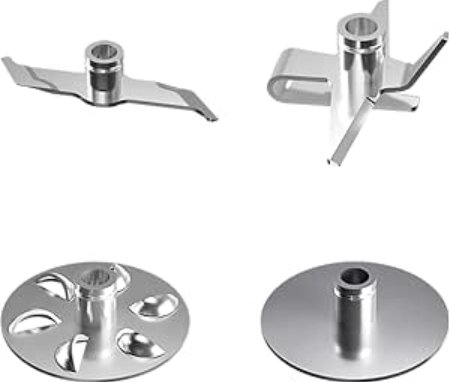
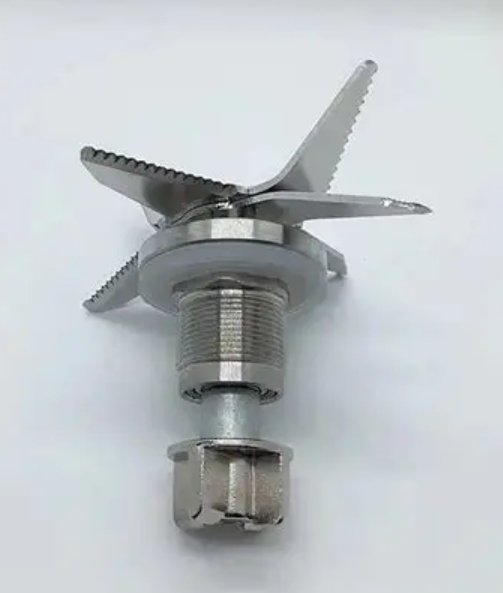
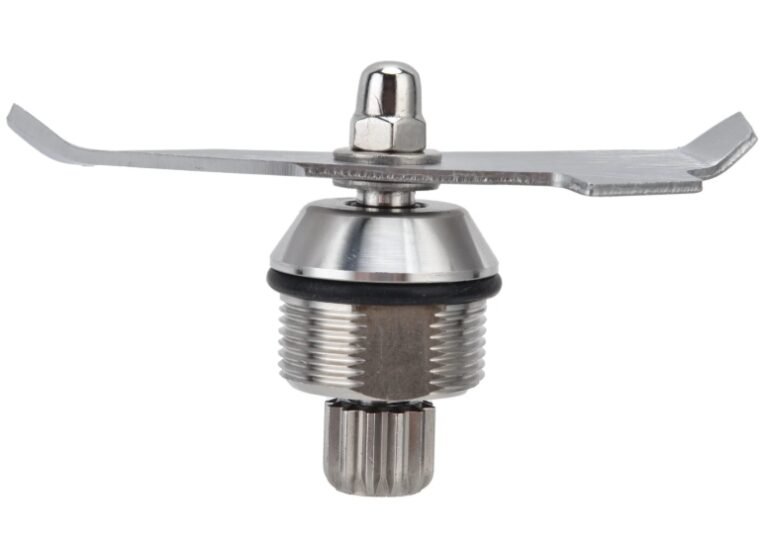
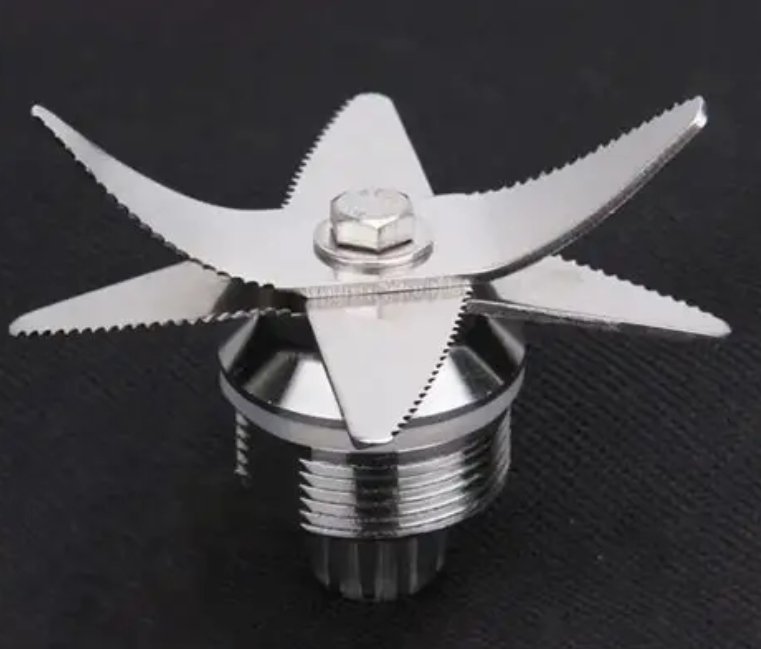
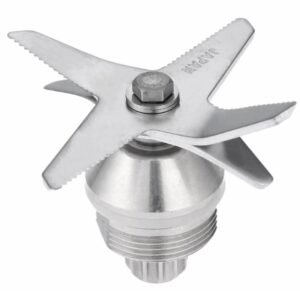
Blade Style: 4-blade / 6-blade curved / cross double shaft / serrated tooth
Net Weight(g): 120 ~ 480
Applicable Host Power Range(W): 300 ~ 1800
Price: US$180
Blender Cutter
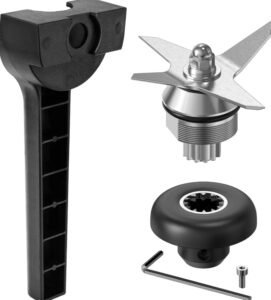
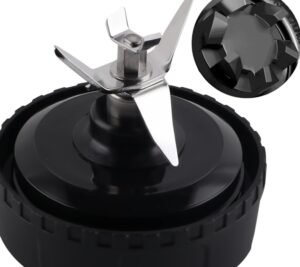
Blender cutters refer to all detachable blade assemblies used inside blenders, which are divided into household food processing blades, industrial mixing blades and special customized blades for exclusive scenarios; different blade structures, materials and sizes decide their applicable food materials, working strength and service life completely.
Basic Definition
A blender cutter is the core stirring and cutting executing component installed at the bottom cavity of a blender machine. It relies on the rotating power output from the blender motor to chop, smash, stir, emulsify and mix all kinds of raw materials. Without qualified matched cutters, the blender cannot complete any food processing work. Each set of blender cutter is designed with targeted blade radian, number of blades and thickness according to the power of the host machine and processing purposes, so it cannot be mixed and used arbitrarily across different power grades and machine models. Whether for daily family food making or long-time continuous industrial batching production, the cutter is the most consumable and key accessory of the whole blender equipment.
Core Classification & Corresponding Application Scenarios
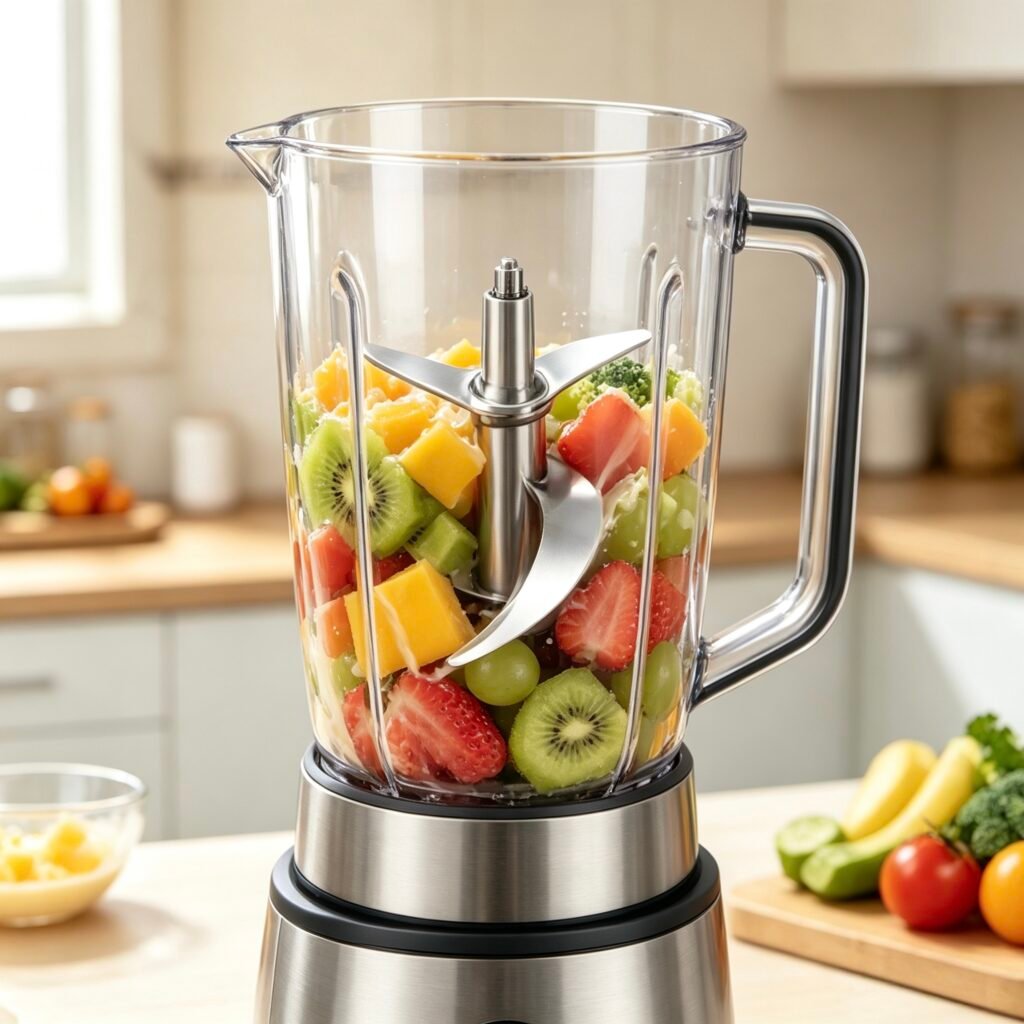
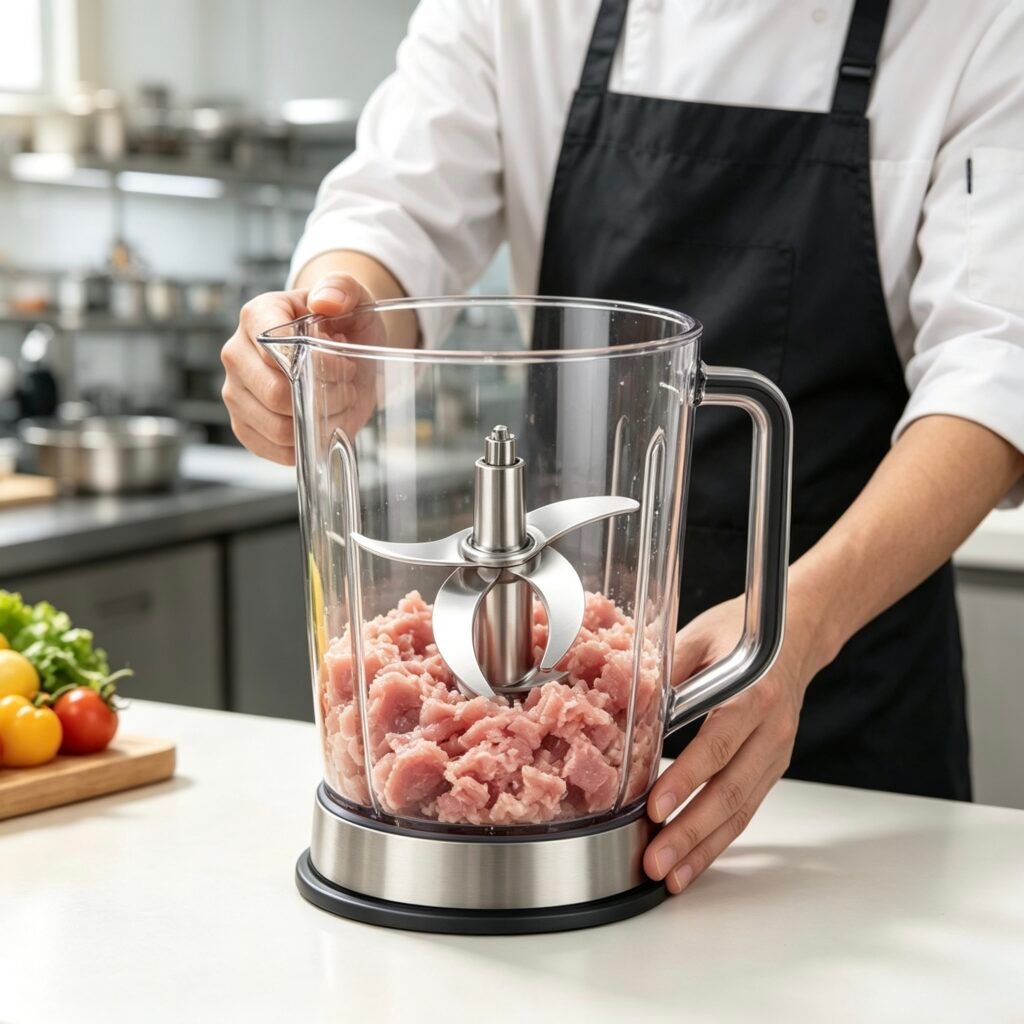
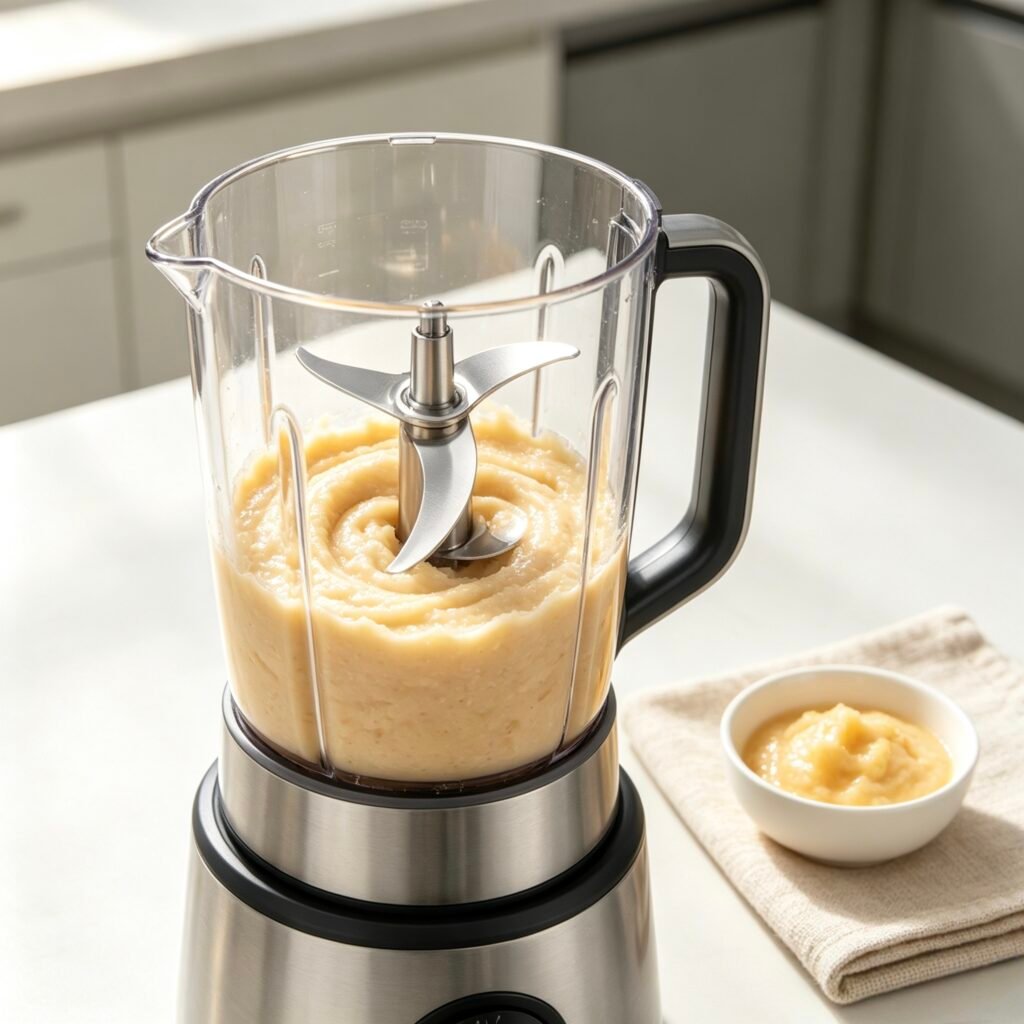
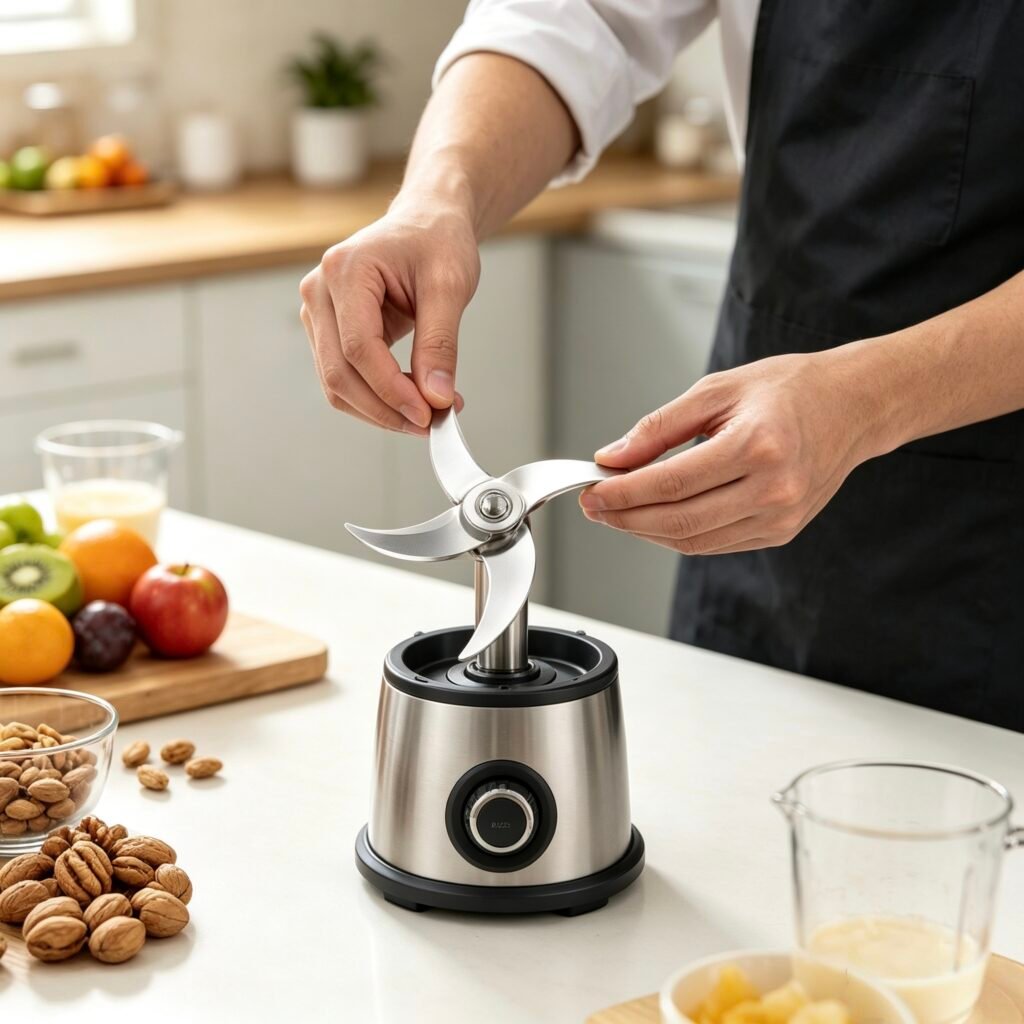
Household food and mincing blender cutters are the most common type used in daily kitchens, mostly designed into S-shaped blades, four-blade or six-blade integrated stainless steel structures. Some upgraded household versions adopt crescent curved cutting edges, the streamlined blade shape can wrap ingredients fully during high-speed rotation, and it only takes around 8 seconds to beat fruits, vegetables, nuts and lean meat into delicate puree, smooth juice or fine minced meat. This kind of lightweight cutter is exclusively developed for making baby complementary food, fruit juice, jam, dumpling fillings and other light daily food processing tasks, the overall weight is light, the cutting resistance is small, perfectly matching low-power household blenders.
Industrial blender cutters adopt more solid structural forms such as double-shaft horizontal crossed blades and disc dispersion blades, which are completely different from household thin blades. The blade body is thicker and the connecting base is reinforced, capable of stirring thick dough, viscous industrial coatings, frozen meat with bones, high-fiber raw materials and other hard, high-viscosity materials. The structural layout eliminates stirring dead corners inside the mixing barrel, and the cutter can keep stable continuous operation for more than 8 hours without deformation, blade bending or shaking. Catering central kitchens, food processing factories and chemical blending workshops all rely on this heavy-duty cutter to finish large-batch uninterrupted production work every day.
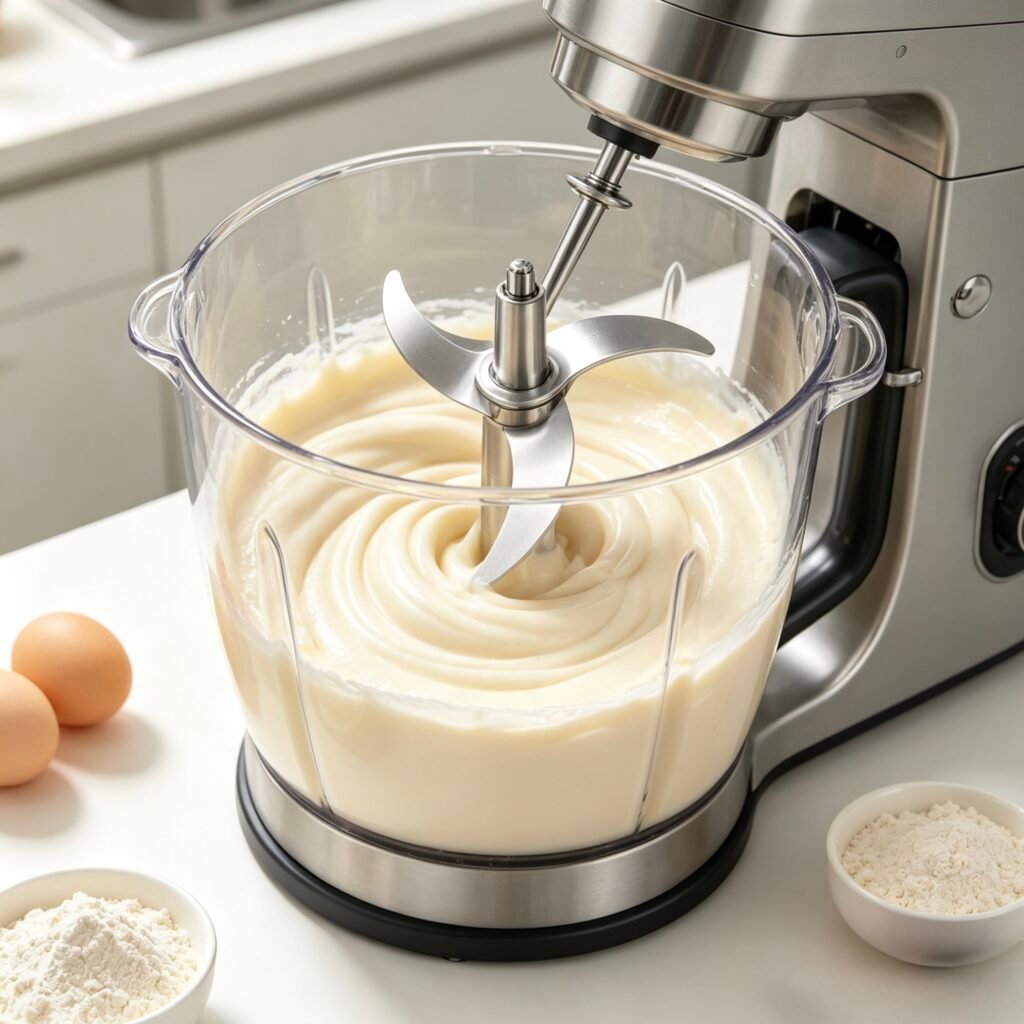
Special-scenario customized blender cutters are tailor-made for specific functional demands of multi-functional cooking machines. Typical products include ox-hook dough kneading blades exclusively for TM5 and TM6 multifunctional cooking machines, and plum blossom serrated blades matched with TMR livestock feed mixers. The horn-shaped curved structure of dough blades can continuously fold and press flour to form gluten, realizing automatic dough kneading without manual intervention; the serrated feed blades with staggered teeth can cut rough forage, corn stalks and silage evenly, meeting the feeding preparation needs of farms. These special cutters have unique shapes and interfaces, and can only be installed and used on designated equipment models.
Features of Mainstream Blade Materials
Most entry-level household blender cutters are manufactured with standard 304 food-grade stainless steel as raw material. This material has excellent corrosion resistance, will not be eroded by acidic fruits, tomato sauce, salty seasonings and other ingredients during long-term food contact, and it is very easy to rinse and clean after use. It is cost-effective and fully meets all daily family food processing demands, becoming the universal standard material for ordinary household blender blades on the market.
For heavy-duty use scenarios that need to chop hard raw materials frequently, users can choose cutters made of 316 stainless steel or composite materials with tungsten carbide coating. Compared with 304 stainless steel, 316 stainless steel has stronger anti-rust and anti-corrosion performance; the tungsten carbide coating attached to the blade cutting edge greatly enhances impact resistance and hardness. When chopping frozen meat, hard nuts, ice cubes and other rigid items repeatedly, the blade edge is not easy to crack, collapse or become blunt, greatly prolonging the service cycle of the cutter, and this material is widely applied on industrial blenders and high-end commercial wall breakers.
Key Points for Selection & Daily Maintenance
When purchasing replacement blender cutters, the first priority is to check whether the bottom connector size, bayonet structure and fixed interface are completely consistent with the original blender host. In terms of power matching rules: thin household cutters can only be equipped on blenders with power below 800 watts; thickened heavy-duty industrial cutters must be matched with hosts above 1500 watts, insufficient motor power will lead to slow rotation, incomplete cutting and even motor burnout.
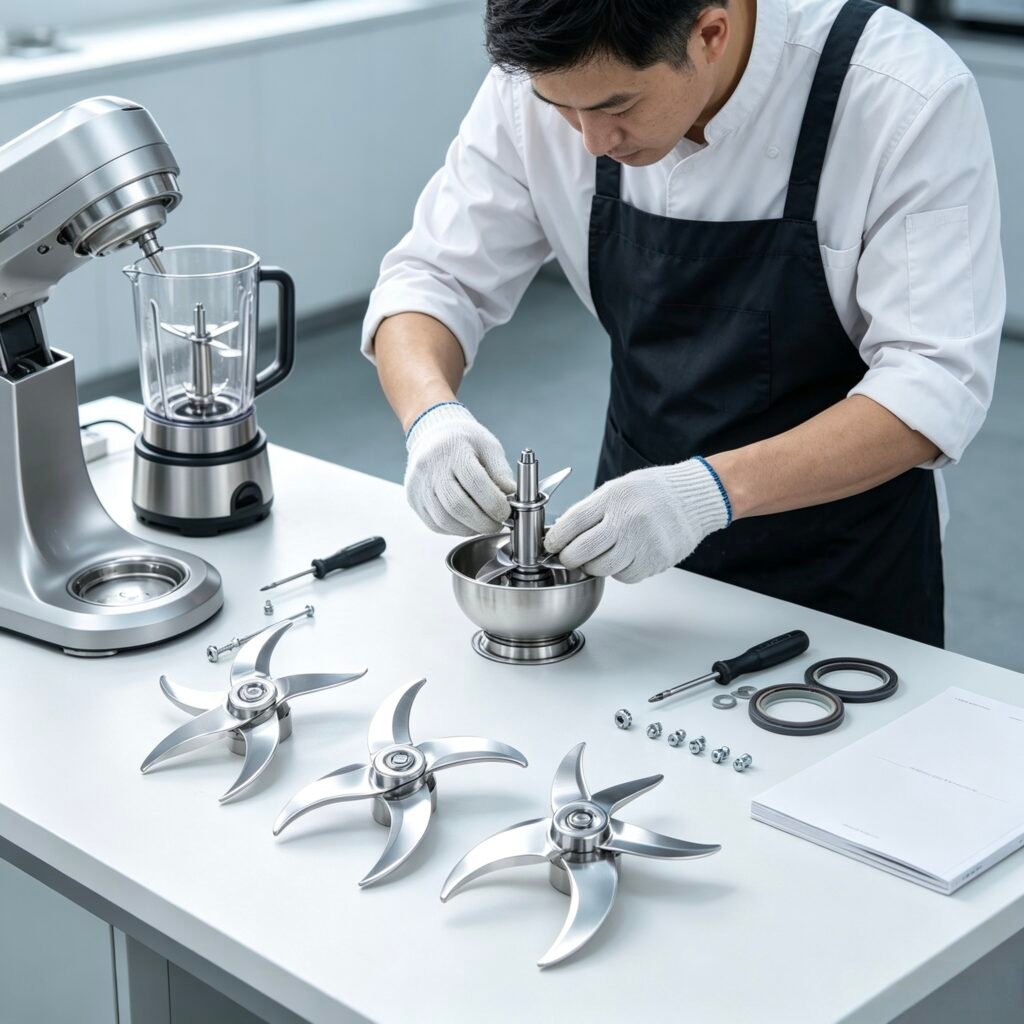
Good daily maintenance can effectively extend the service life of blender cutters. After each use, food residues stuck on the blade gap must be cleaned in time to avoid leftover food fermenting, corroding the blade metal and causing bacteria breeding. It is necessary to check the tightness of the blade fixing screw once every month; loose screws will cause the blade to shake violently during rotation, damage the rotating shaft and easily lead to safety risks. Once white wear marks appear on the cutting edge, the blade should be polished promptly or replaced with a new cutter to guarantee smooth cutting effect all the time.
Final Verdict
Blender cutters are the core cutting accessories of blending equipment, divided into household daily blades, industrial heavy-duty blades and special customized blades according to usage scenarios, with 304 stainless steel and high-strength composite materials as mainstream production raw materials. Correct interface matching, power adaptation and regular cleaning maintenance can avoid premature blade blunting and equipment damage. Household small cutters are cheap and suitable for daily kitchens, while industrial customized blades with high durability are applied to large-scale continuous production scenarios. Selecting the corresponding cutter according to your actual use needs can ensure stable blending effect and safe long-term operation of the blender.
Key Features & Advantages
1) Gradated Blade Structure Matches Diversified Processing Needs: Blender cutters are designed with tiered blade layouts ranging from 4-blade, 6-blade household curved edges to heavy-duty cross double shafts and serrated industrial tooth shapes. Light thin blades easily refine fruits, vegetables and supplementary baby food within seconds, while thickened reinforced cutter bodies handle frozen meat, hard nuts and high-viscosity dough without blade bending or deformation. Compared with single-size fixed blades, this graded design perfectly adapts to small household daily cooking, commercial catering batch production and farm feed processing scenarios, striking a great balance between cutting sharpness and structural toughness, and avoiding the limitation that one single blade can only process a narrow range of ingredients.
2) Food-Grade Premium Material Options Bring Long Service Life & Easy Cleaning: The mainstream cutter blanks adopt safe 304 food-grade stainless steel for daily family use, while heavy-load upgraded versions select 316 stainless steel or tungsten carbide coated blades. These materials effectively resist corrosion caused by acidic fruits, salt seasonings and fermented food residues, and the smooth polished blade surface prevents food fiber from sticking in gaps. After each stirring work, users only need simple water flushing to clear leftover materials thoroughly. The hardened cutting edge greatly slows down blunting speed, and anti-rust performance is far superior to ordinary iron alloy blades, greatly reducing the frequency of repeated replacement of wearing parts.
3)Perfect Interface Compatibility & Strong General Versatility: All standard blender cutters adopt unified bayonet and shaft hole size specifications for mainstream household wall breakers, cooking machines and industrial mixing equipment. As long as the host power matches the cutter load demand, the blade can be quickly disassembled and replaced without professional tools. Special customized blades for multi-functional cooking machines, feed mixers and chemical dispersion equipment also retain standardized connecting structures, which can be freely switched according to processing demands. This high compatibility saves extra procurement costs for exclusive accessories and solves the trouble of difficult matching when original blades are damaged.
4) Humanized Shock-Reducing & Safe Locking Structure for Stable High-Speed Rotation: Each cutter is equipped with a reinforced fixed base and anti-loose locking screw structure, which avoids blade shaking, offset or falling off during high-speed rotation. The buffer gasket between the blade seat and the rotating shaft weakens mechanical vibration transmitted to the blender fuselage, lowering equipment wear and operation noise. The rounded edge design eliminates sharp burrs on the blade root, preventing accidental scratches during disassembly and cleaning. Even after long-term continuous stirring work, the locking structure stays tight all the time, effectively eliminating hidden safety hazards such as blade flying out.
5) Wide Application Coverage for Household, Commercial & Special Industrial Scenarios: Apart from conventional kitchen tasks like juicing, mincing meat and making jam, different types of blender cutters can meet richer production demands. Kneading special blades complete gluten forming for bread and pasta, serrated tooth blades cut corn stalks and silage for livestock breeding, and disc dispersion blades stir paint, adhesives and chemical raw materials in small workshops. Whether for intermittent short-time family use, all-day uninterrupted catering production or harsh low-temperature, high-viscosity material processing environments, the matched cutter can maintain stable cutting performance and bring efficient, trouble-free long-term operation experience.
Packing, Delivery & Shipping
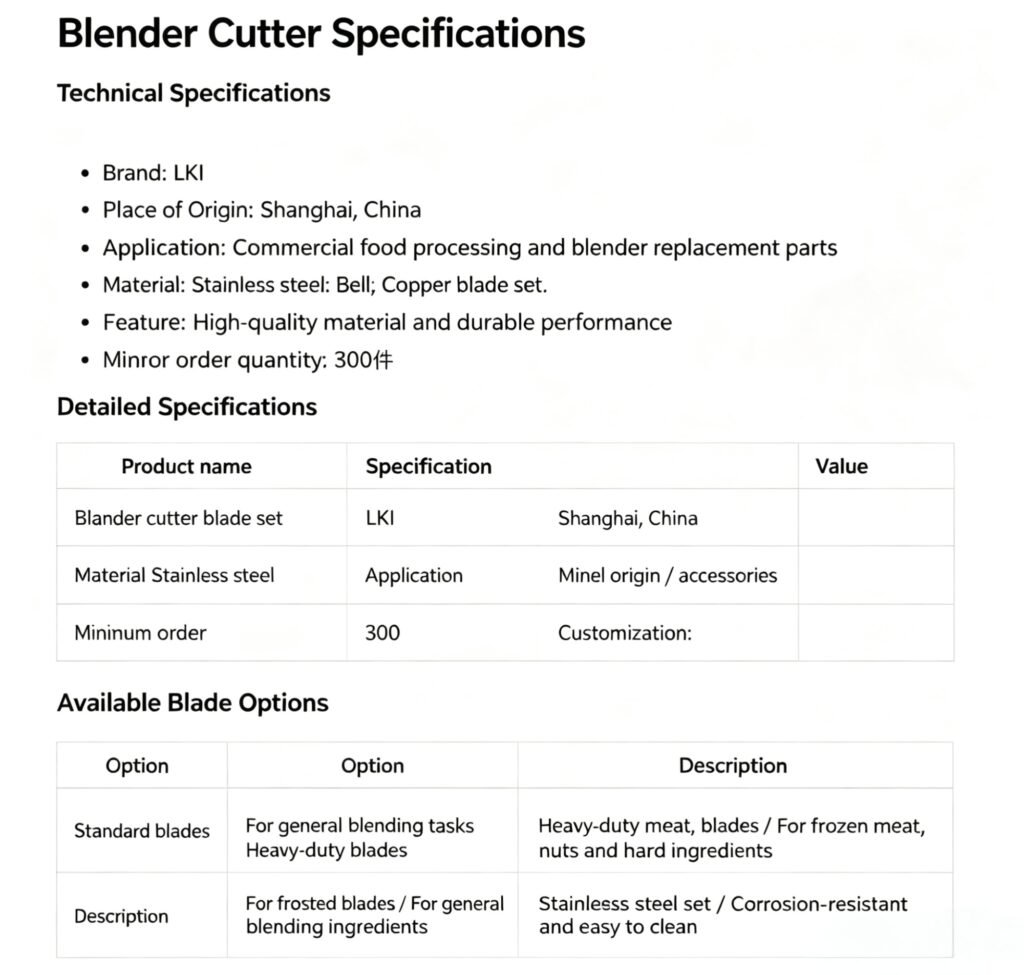
If you meet our minimum order quantity of 300 pieces, customized retail packaging is available for your blender cutter blades. We can produce premium hanging display color boxes matched with outer export cartons. You can choose to adopt our official LKI brand packaging, or apply your own OEM brand totally.
Customizable items include printed brand logos, product adhesive stickers, personalized color box artwork and outer carton layouts. If you need exclusive customized packaging design, please provide your complete PDF design files for production arrangement.
If your order volume fails to reach the 300-piece MOQ, we will adopt standard neutral brown cartons for bulk shipment. Meanwhile, you can still attach your self-designed brand stickers on the outer packages to mark your own brand.
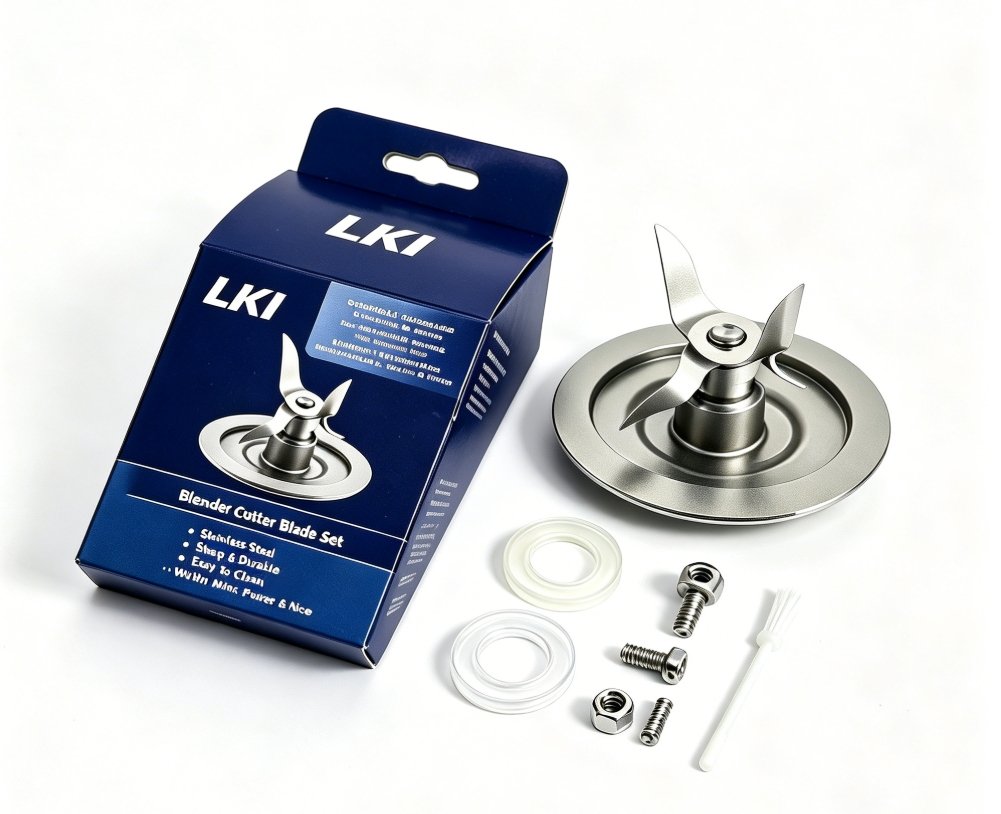
Packaging Details Adapted for Blender Blade Set
Packaging Content: Each box holds 1 set of stainless steel blender cutter blade with sealing ring, all accessories fully wrapped to avoid scratches during transit
Inner Package: Hanging retail color box (same hanging hole structure as standard blender blade accessory packaging, convenient for supermarket & kitchen supplies store shelf display)
Outer Package: Corrugated export carton, shockproof and compression-resistant for long-distance sea/land transportation
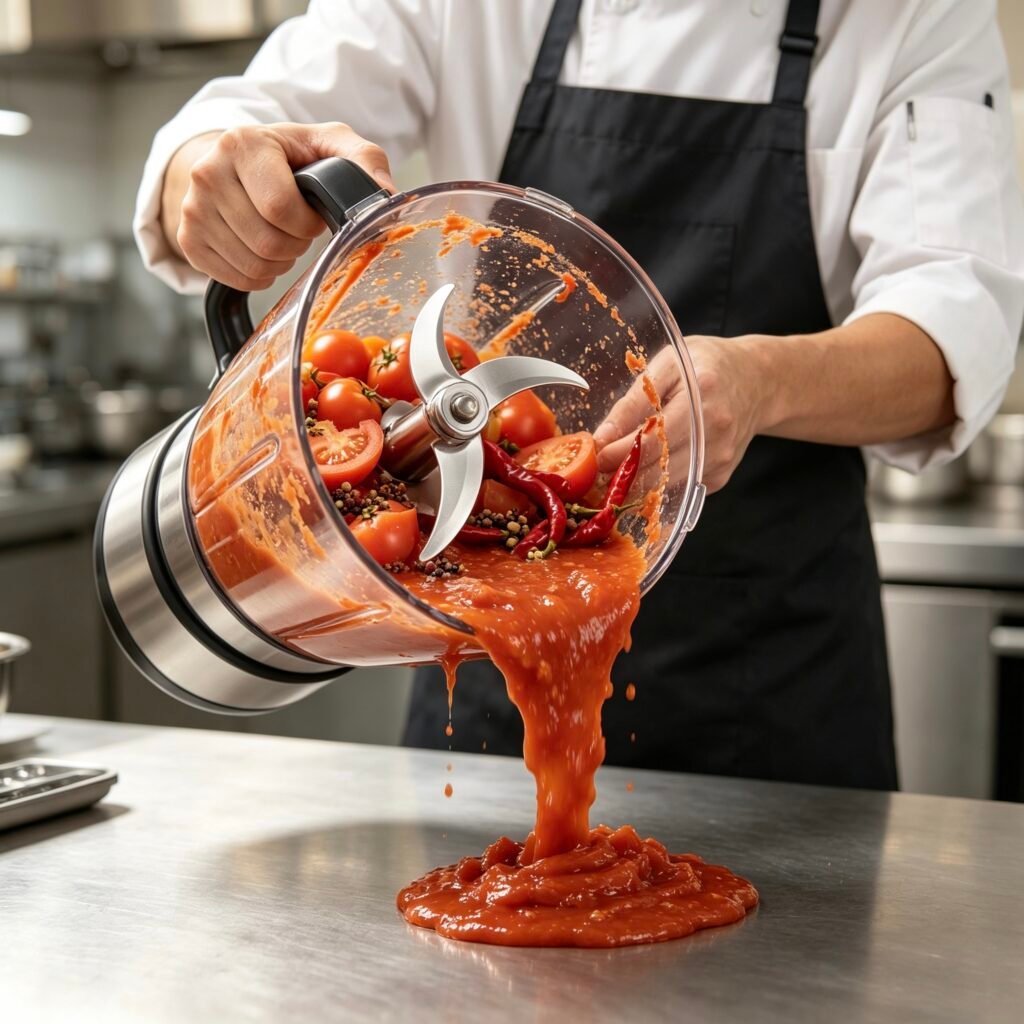

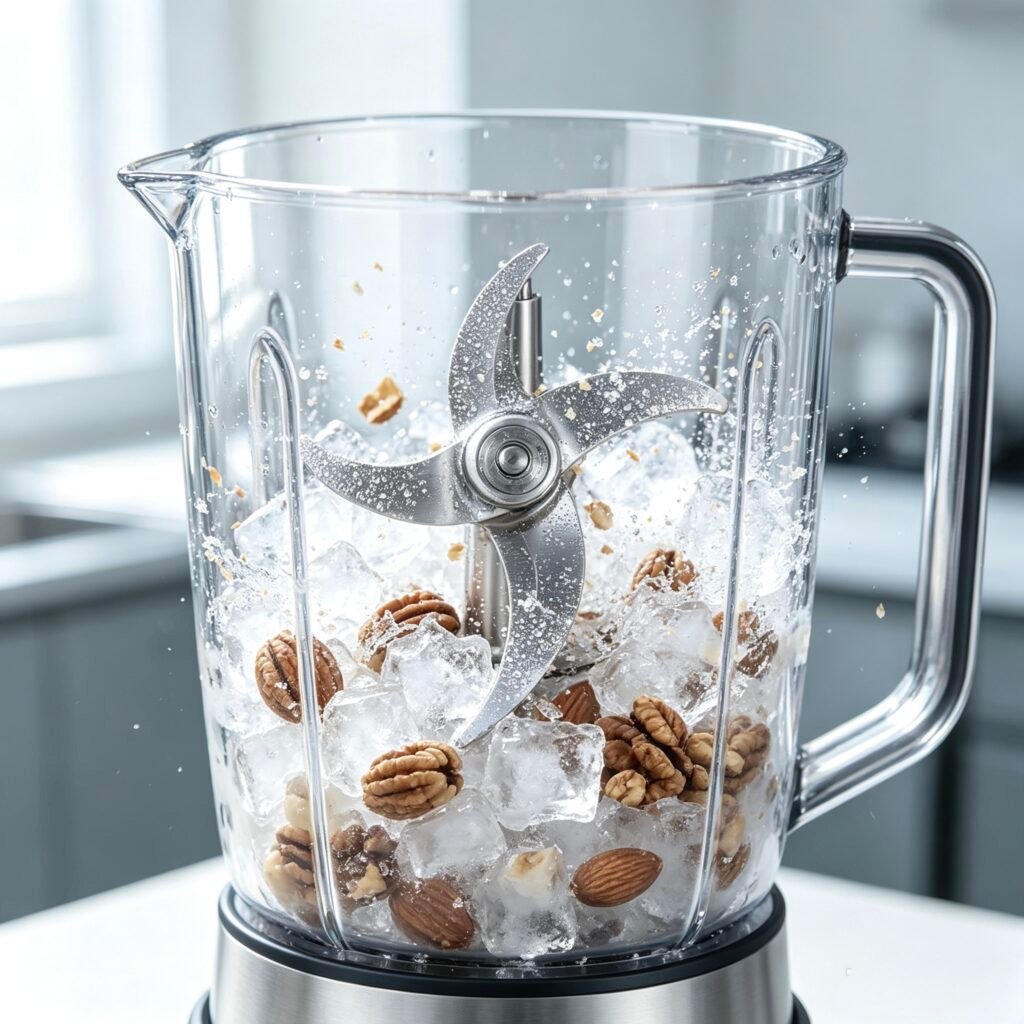
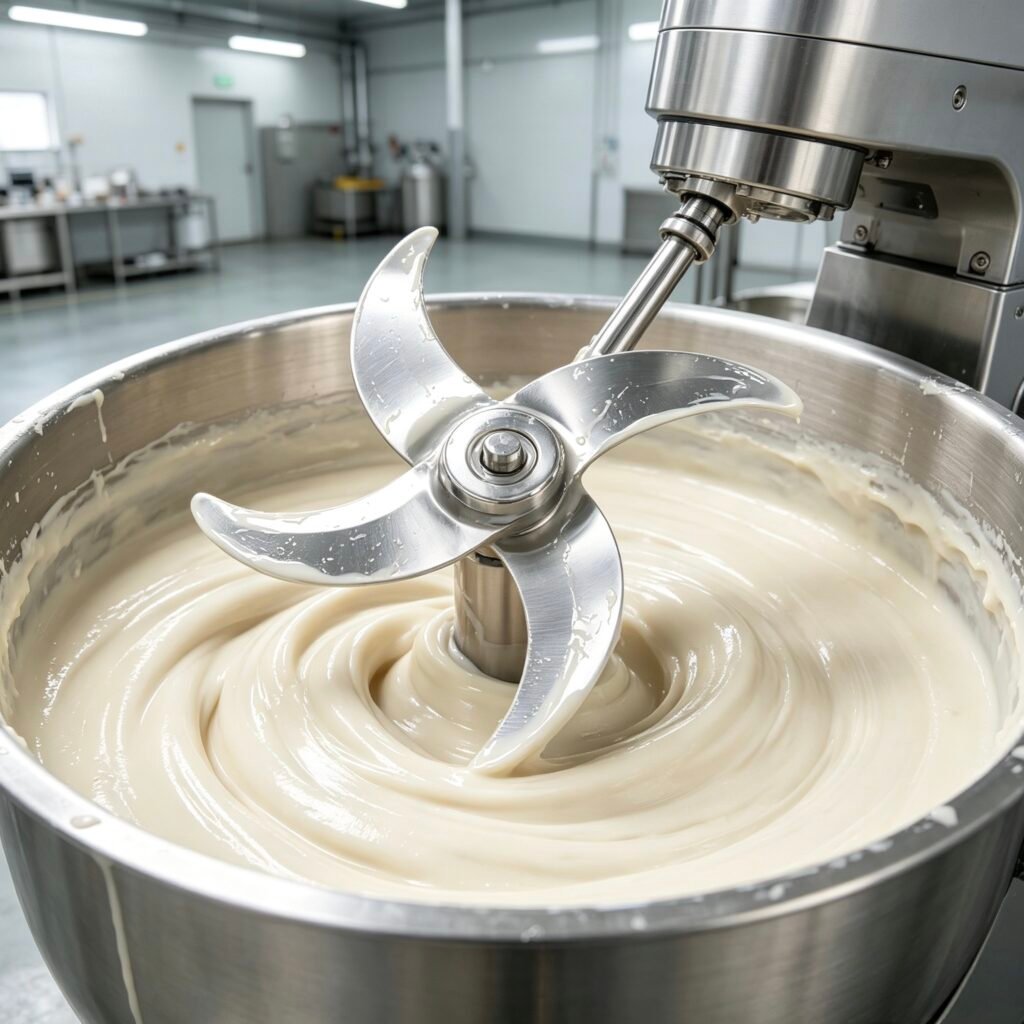

Wide Application Scenarios
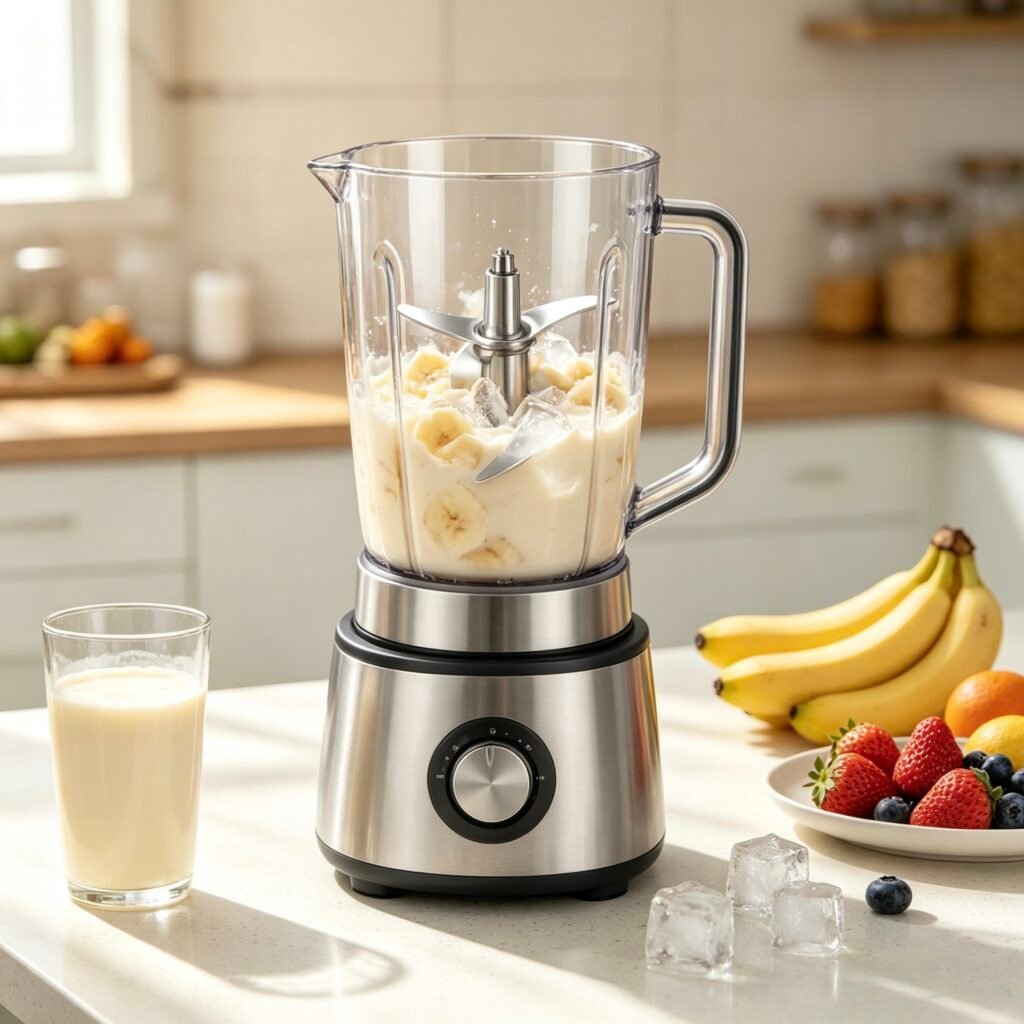
The blender cutter blades boast extremely versatile adaptability, perfectly fitting nearly all commercial and household food blending, crushing and mixing scenarios.
They serve as essential replacement core parts for professional catering kitchens, beverage shops, bakery stores, food processing factories and home users. Widely applied in crushing frozen fruits, hard nuts, ice cubes, fibrous vegetables, raw meat, bone scraps, grains and thick soups, these stainless steel blades are ideal for high-frequency continuous blending work in commercial food preparation.
They deliver stable cutting performance to guarantee smooth running of countertop blenders, heavy-duty commercial blenders, wall-breaking machines and multi-functional food processors.
For commercial catering scenarios, they are commonly used in smoothie production, milkshake blending, baby food making, nut butter grinding and hot soup preparation in cafes, restaurants and dessert stores.
The precisely crafted stainless steel blades realize fine, even cutting of food ingredients. They greatly boost blending efficiency, reduce motor load of blending equipment, cut down energy consumption and extend the service life of blenders. Whether applied for coarse crushing of solid ingredients, fine emulsification of viscous mixtures, or long-time continuous high-speed stirring, these durable blades maintain sharp cutting ability and corrosion resistance for long-term daily use.
Blender Blade
Demolition Hammer & Rotary Hammer
Diamond Blade

Welcome to call us
Contact Us to get quotation
Working Time: 8:00~17:00 Monday to Friday.
Applications:
Factory:
FAQ
Welcome to call us
Contact Us to get quotation
Working Time: 8:00~17:00 Monday to Friday.
Diamond Blade:
Blogs:
You May also Interest in other topics:
63A EV Charger superfine impact mill Flat Labeling Machine salt grinder 12 3300