
Blender blade rust prevention tips

Blender blade rust prevention tips
Effective blender blade rust prevention mainly relies on timely post-use cleaning, regular professional maintenance, and scientific dry storage habits to protect the blade’s stainless steel passive film, avoid oxidative corrosion, and keep the blade sharp, clean and long-lasting without rusting. Although most blender blades are made of food-grade stainless steel with natural anti-rust properties, long-term contact with water, acidic fruit juice, high-salt ingredients and humid air will gradually wear down the surface protective layer and cause tiny rust spots. These neglected rust marks will slowly expand, affect food safety, dull the cutting edge, and even shorten the overall service life of the blade. Mastering standardized daily anti-rust skills can fundamentally eliminate blade corrosion problems in household and daily use scenarios.
Immediate Anti-rust Maintenance After Daily Use
Timely thorough cleaning and complete drying are the most basic and effective daily anti-rust measures for blender blades. After each blending operation, food residues, fine fibers and sticky pulp will hide in blade gaps and adhere to the metal surface. If left untreated, these residues will trap moisture and form a long-term humid attachment layer that triggers metal oxidation. Users should rinse the blade immediately with warm running water after use, focusing on flushing the dead corners between blade edges and the rotating shaft where dirt easily accumulates. After cleaning, wipe every part of the blade, shaft and gasket thoroughly with a dry soft cloth to remove all residual water droplets, ensuring no hidden moisture remains on the metal surface.
Avoiding long-term adhesion of corrosive ingredients is critical to preventing accelerated blade rusting. Daily processed ingredients such as lemons, tomatoes, citrus fruits and pickled sauces contain strong acidic components, while meat processing produces high-salt greasy residues. These acidic and salty substances will slowly corrode the stainless steel protective film when attached to the blade for a long time, causing localized oxidation and pitting corrosion. Therefore, after blending acidic or high-salt food, users must rinse the blade immediately instead of leaving it overnight. Timely removal of corrosive attachments can maintain the intactness of the blade’s anti-rust layer and avoid premature rust aging.
Using correct cleaning tools and detergents is essential to protect the blade’s original anti-rust structure. Many users tend to use steel wool, hard scouring pads, chlorine-containing bleach and strong alkaline cleaners to scrub stubborn stains, which causes irreversible damage to the blade. Steel wool will leave fine scratches on the smooth metal surface, destroying the dense passive anti-rust film. Harsh chemical cleaners will corrode the blade surface, forming tiny crack gaps that easily store water and dirt. For daily cleaning, only soft sponges, soft-bristle brushes and mild neutral dish soap are allowed to ensure clean blade surfaces without damaging the protective layer.
Regular Reinforced Anti-rust Maintenance Skills
Applying a thin food-grade oil film is a professional and convenient way to strengthen long-term blade anti-rust performance. After thoroughly cleaning and completely drying the blade, users can apply a tiny amount of food-grade mineral oil or edible cooking oil evenly on the entire blade surface. The thin oil layer can isolate the stainless steel from contact with humid air, water vapor and oxygen, forming a stable protective barrier to prevent oxidative rusting. This maintenance method is especially suitable for humid seasons and long-term idle blades. Users only need to wipe off the residual oil on the blade surface with clean water before the next use to ensure safe food processing.
Gentle removal of minor rust spots can effectively prevent small corrosion marks from expanding into severe rust damage. Even with daily careful maintenance, tiny shallow rust dots may occasionally appear on the blade surface due to accidental residual moisture or environmental humidity. It is not recommended to use abrasive tools to polish hard, which will damage the blade flatness. The potato wiping method is the safest household solution; potatoes contain natural oxalic acid, which can gently dissolve surface oxide layers without scratching the metal. After wiping off minor rust, dry the blade immediately and replenish a thin layer of protective oil to restore the anti-rust state.
Forming fixed regular inspection and maintenance habits can keep the blade in stable anti-rust condition for a long time. For idle blades that are not used frequently, users need to wipe the blade surface with a dry cloth every week to remove floating dust and condensed water vapor accumulated in the air. At least once a month, complete a full deep maintenance including thorough gap cleaning and oil film protection. For blades that need long-term storage, users can place desiccant packs in the storage container and seal the space to reduce air humidity, fundamentally suppressing the oxidation reaction of stainless steel and avoiding dormant rusting during idle periods.
Scientific Storage Methods for Auxiliary Anti-rust Protection
Maintaining a dry and ventilated storage environment is the key to blocking external rust-inducing conditions. After cleaning and drying, the blender blade and jar should not be sealed and stuffy for a long time. Storing the blade inside the closed damp cup body will cause water vapor to accumulate and form a humid microenvironment, which accelerates metal oxidation. It is recommended to place the blade in an open, dry and well-ventilated position, and control the ambient humidity below 60% as much as possible. A low-humidity storage environment can greatly reduce the probability of moisture-induced rust and keep the blade metal stable for a long time.
Avoiding collision and friction with hard metal objects can protect the complete anti-rust coating of the blade. The polished smooth surface of the stainless steel blade forms a dense natural anti-corrosion layer. If the blade is randomly placed together with other metal hard objects, repeated collision and friction will scratch and wear the surface protective film. Once the protective layer is damaged, the exposed metal base will directly contact air and moisture, easily forming rust points from scratches. Therefore, independent classified storage is required during daily placement to isolate hard metal friction and eliminate potential corrosion hidden dangers caused by surface damage.
Supplementary Q&A
Q: My stainless steel blade appears tiny rust spots, does it mean the blade quality is poor?
A: Not exactly. Even food-grade stainless steel blades will rust if residual acidic juice, salt water or long-term humid storage damages the surface passive film. Minor rust spots can be removed and repaired through potato wiping and oil film maintenance; only large-area deep rust indicates long-term improper maintenance or inferior material quality.
Q: Is it necessary to apply oil protection on blades used every day?
A: Daily used blades do not need frequent oil coating. Just keep timely cleaning and thorough drying. Regular oil maintenance once a month is sufficient. Oil film protection is more suitable for humid weather and long-term idle blades to enhance anti-rust effect.
Q: Can I clean the blender blade with disinfectant or bleach water for sterilization?
A: It is not recommended. Chlorine-containing disinfectants and bleach will corrode the stainless steel surface, destroy the anti-rust layer and cause pitting rust. Daily sterilization can be completed through high-temperature flushing and sun drying, which is safe and will not damage the blade.
Final Verdict
In conclusion, blender blade rust prevention is a systematic maintenance work based on instant post-use processing, regular intensive care and scientific storage management. Timely cleaning and complete drying after use can avoid residual moisture and corrosive ingredients from inducing oxidation; mild oil film protection and minor rust removal can strengthen the blade’s anti-corrosion ability; dry ventilation storage and anti-collision placement can effectively protect the complete surface protective layer. Abandoning wrong cleaning habits and forming standardized daily maintenance can completely avoid blade rust problems, maintain stable cutting performance and food safety, and effectively extend the service life of blender blades.
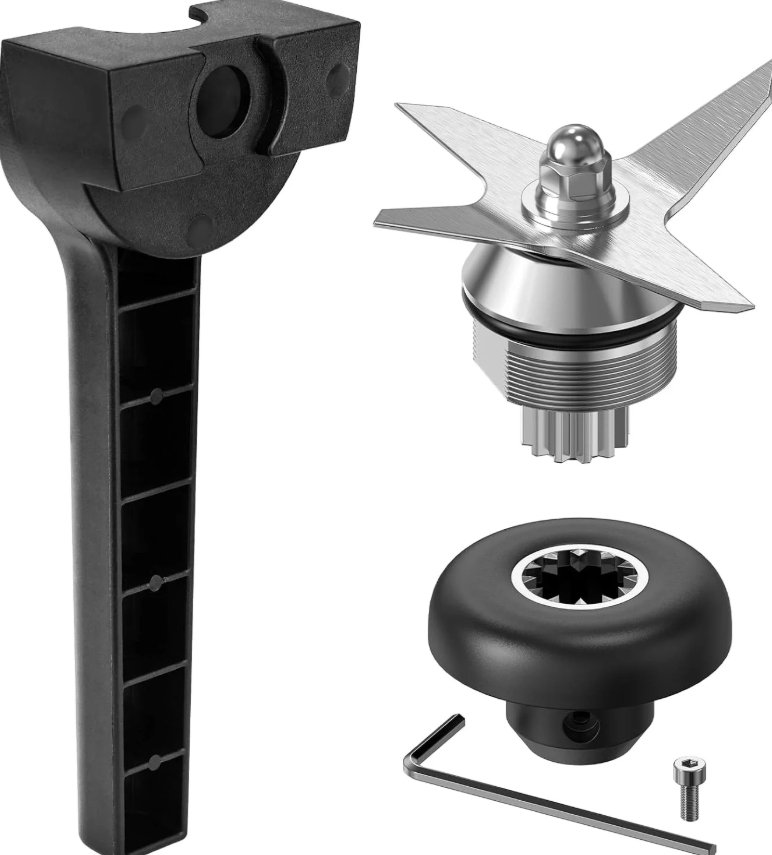
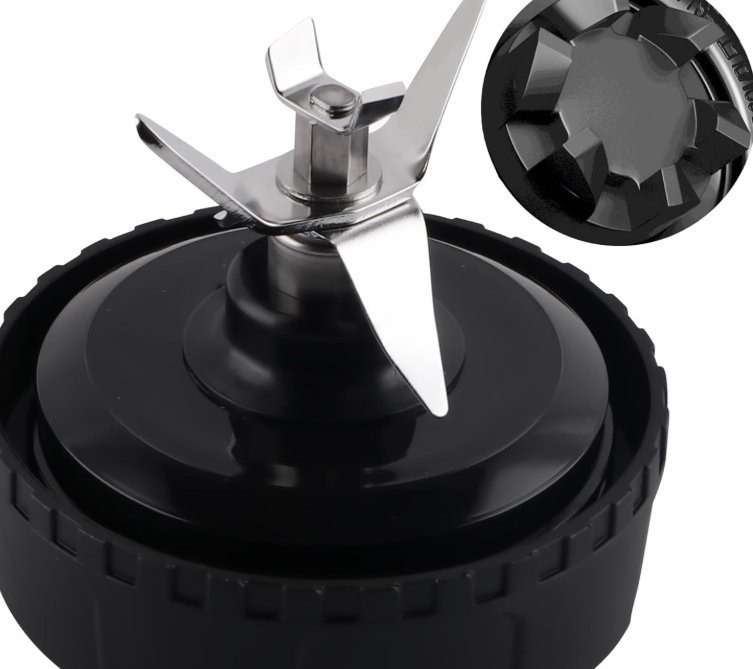
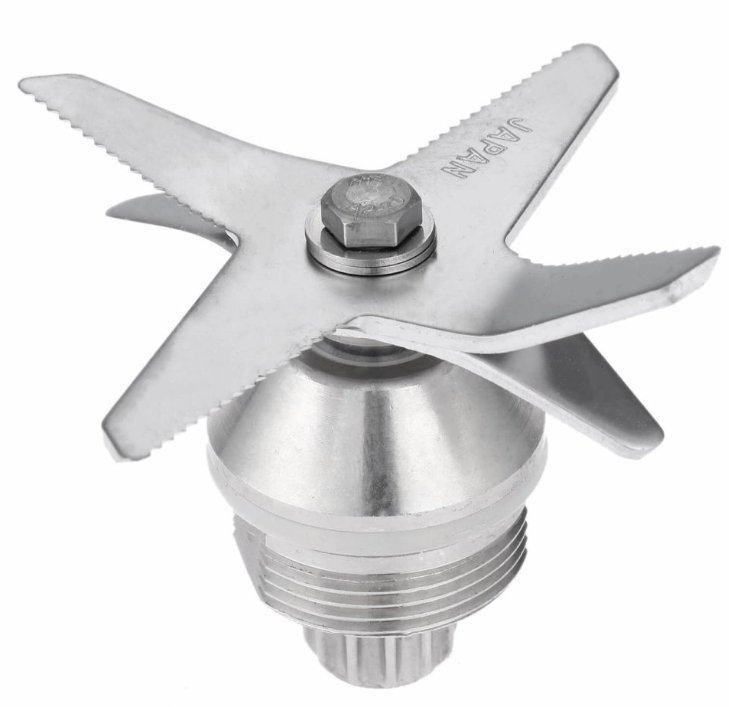
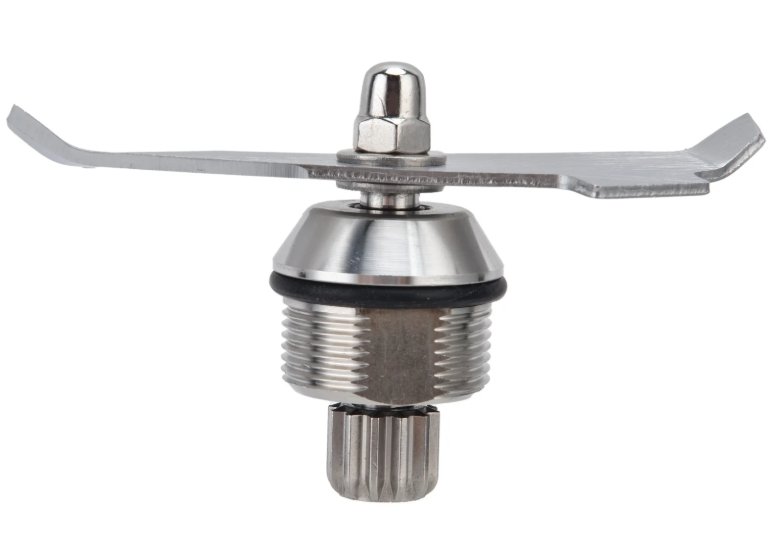
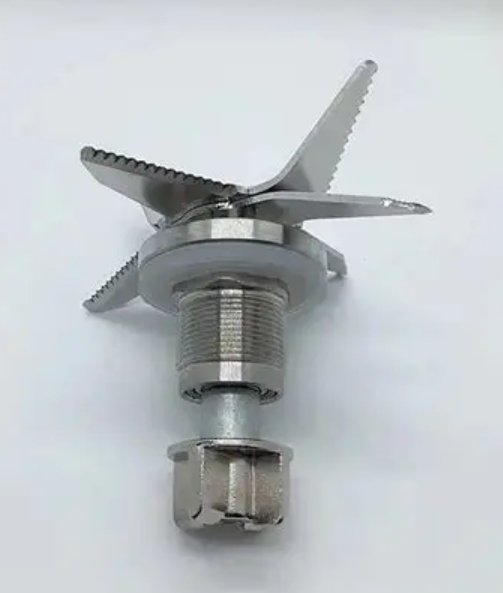
Blender Blade for Sale
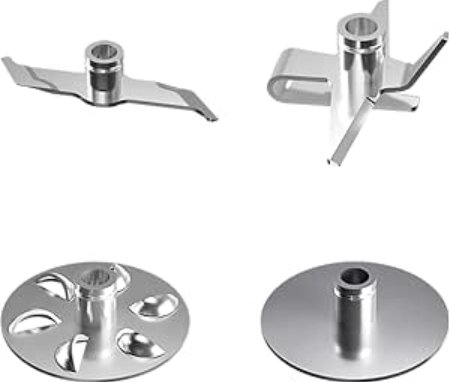
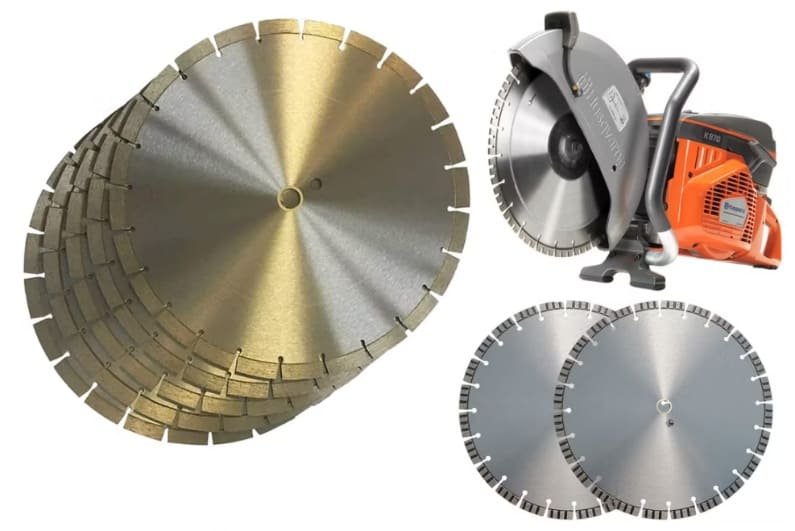
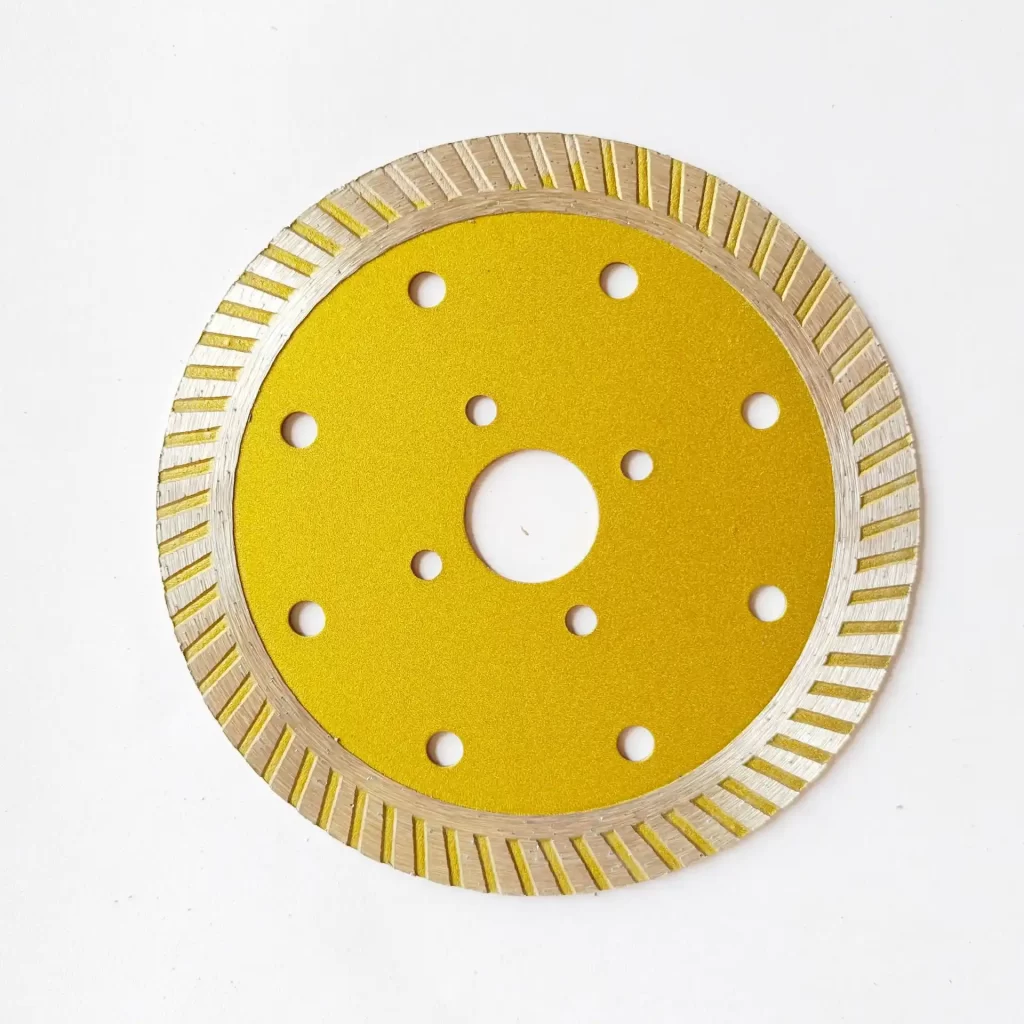
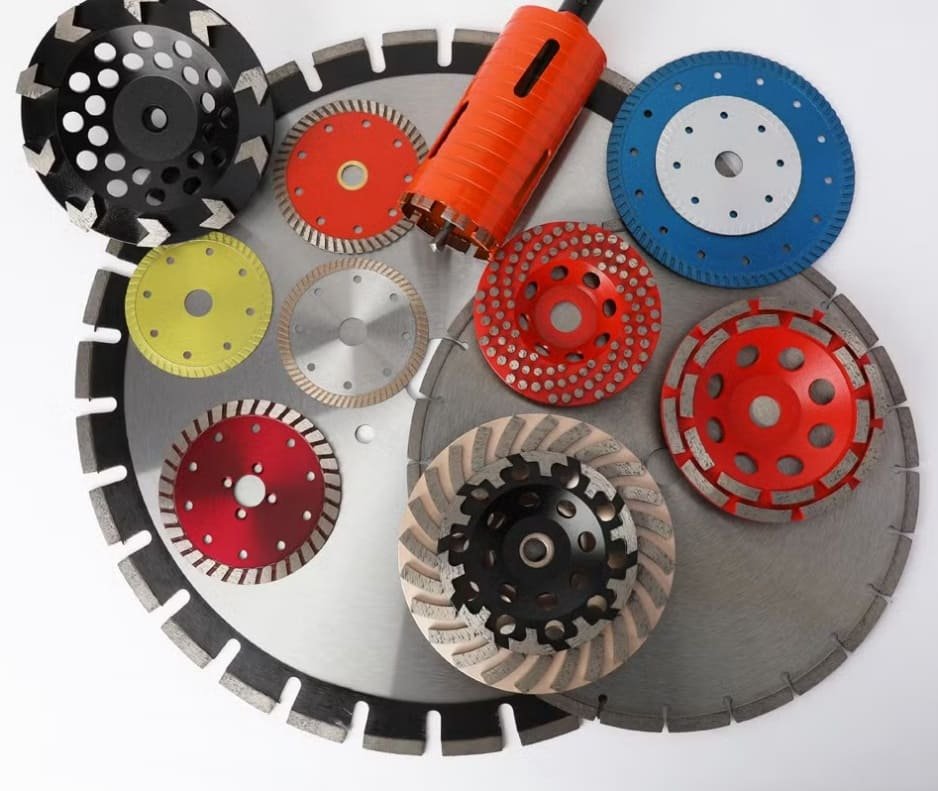
Diamond Blade for Sale

Demolition Hammer & Rotary Hammer for Sale
Angle
Welcome to call us
Contact Us to get quotation
Working Time: 8:00~17:00 Monday to Friday.
FAQ
Welcome to call us
Contact Us to get quotation
Working Time: 8:00~17:00 Monday to Friday.