Brush vs Brushless Demolition Hammer: Long Term Cost Analysis
Brushless demolition hammers require a larger initial investment but offer significant cost advantages in long-term, frequent construction use, while brushed models have lower upfront costs but higher cumulative long-term expenses. The long-term comprehensive costs of brushed and brushless demolition hammers differ significantly in terms of procurement, maintenance, and energy consumption.
Initial Procurement Cost Comparison
Brushed demolition hammers significantly lower manufacturing and assembly costs thanks to its incredibly straightforward internal motor structure and lack of complicated electronic control modules. Their market pricing is highly favorable for individual users and small teams because of their structural simplicity. The selling price of brushed models is only 50% to 70% of brushless demolition hammers under the same power and functional standards, creating a clear low-threshold advantage in the initial equipment acquisition.
Brushless demolition hammers use professional electronic drive control modules and premium rare-earth permanent magnet motors, which enhance the conventional motor structure with high-precision electronic parts and intelligent control systems. Although the sophisticated arrangement increases production costs directly, it maximizes motor operating efficiency and stability. Their initial purchase price is 30% to 50% greater than that of standard brushed hammers of the same power, which raises the equipment procurement threshold.
Users experience differing short-term budgetary challenges as a result of the difference in initial costs. The inexpensive cost of brushed demolition hammers can significantly save one-time expenses for those with one-time temporary construction or very seldom residential use. However, the somewhat higher initial cost of brushless models is a fair investment for long-term cost savings and consistent performance output for professional construction teams who depend on equipment for long-term operation.
Long-Term Maintenance and Consumable Costs
Because of their mechanical friction operating concept, brushed demolition hammers have clear recurrent consumable expenses. Carbon brushes are essential components of brushed motors, and prolonged high-intensity use will eventually wear them out. In order to maintain normal motor power output, carbon brushes must be changed every 200 working hours, according to industry use norms. Carbon brush accessories have a single replacement cost of roughly 50 yuan, which is a set regular maintenance expense for equipment operation.
In traditional engineering scenarios, the cumulative cost of brushed demolition hammers cannot be disregarded in terms of annual maintenance costs. Users must replace carbon brushes at least five times a year, with an annual consumable maintenance cost surpassing 250 yuan, according to calculations based on an annual consumption of 1000 working hours. Long-term carbon brush friction will also wear down commutators and other internal parts, which could eventually result in higher repair costs and lost machine downtime.
Because of their superior motor structure, brushless demolition hammers totally remove long-term consumable costs. Because they lack wearing components like mechanical commutators and carbon brushes, they don’t require frequent accessory replacement over the service cycle. With very little material and accessory investment, the daily maintenance tasks are restricted to routine fuselage dust cleaning and connecting part inspections. The time and financial costs associated with later equipment operation are significantly decreased by this maintenance-free feature.
Energy Consumption and Full Lifecycle Comprehensive Cost
Due to their poor energy conversion efficiency, brushed demolition hammers continuously require more power over time. Their energy conversion rate is only maintained between 65% and 80% because to mechanical friction and energy loss, with a significant portion of electric energy being transformed into heat energy rather than impact power. Brushed models use roughly 20% more electricity than brushless hammers under the same power and working hours, and after years of continuous usage, the cumulative electricity cost difference becomes very noticeable.
With a conversion rate of 85% to 95%, brushless demolition hammers efficiently use energy and reduce invalid power loss. Heat production and friction loss are reduced by the magnetic field operation mode and enhanced electronic control. A single brushless demolition hammer can save around 100 yuan in electricity expenses annually, according to calculations based on industrial electricity prices and an annual usage of 1000 hours. For regular construction scenarios, the long-term cumulative energy-saving gains create a steady cost advantage.
The entire cost difference between the two tools is completely represented when considering the full lifecycle, which includes three years of use and 1000 hours of annual operation. Due to motor wear and aging, brushed demolition hammers have a 40% lower second-hand residual value rate than brushless models, and their total cost of acquisition, maintenance, and energy consumption is roughly 20% greater. Brushless demolition hammers provide significantly better comprehensive cost performance for all professional long-term building situations, while brushed hammers can only reach slightly lower full-cycle costs in extremely low-frequency domestic scenarios with yearly usage less than 50 hours.
Demolition Hammer & Rotary Hammer for Sale
Demolition Hammer Rotary Hammer Blog
Angle
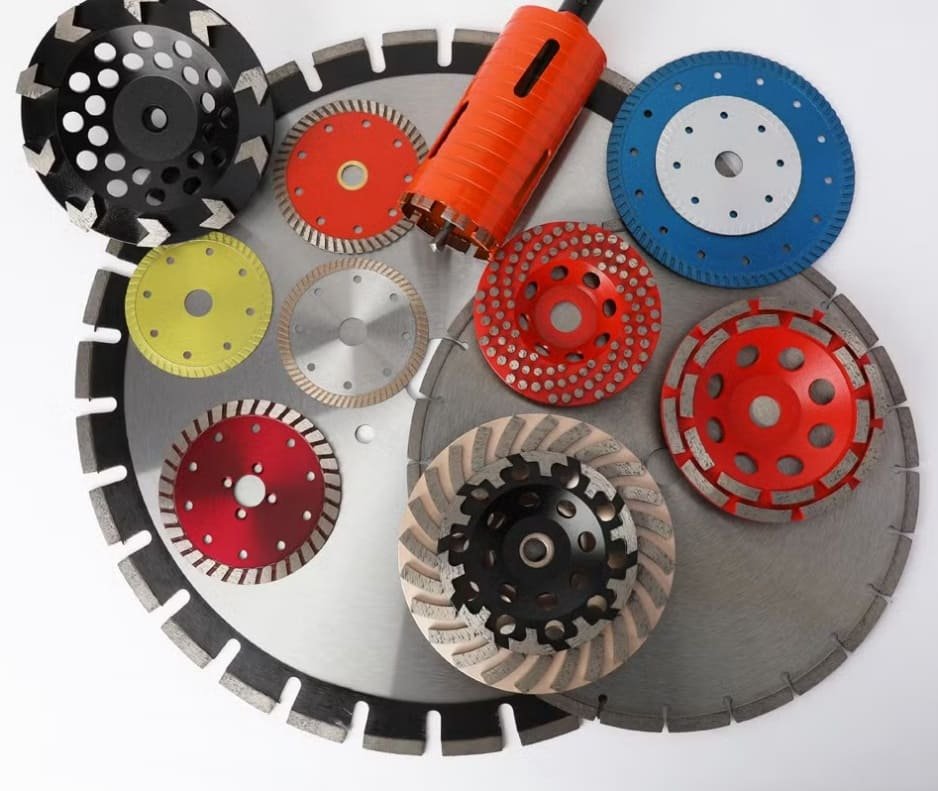
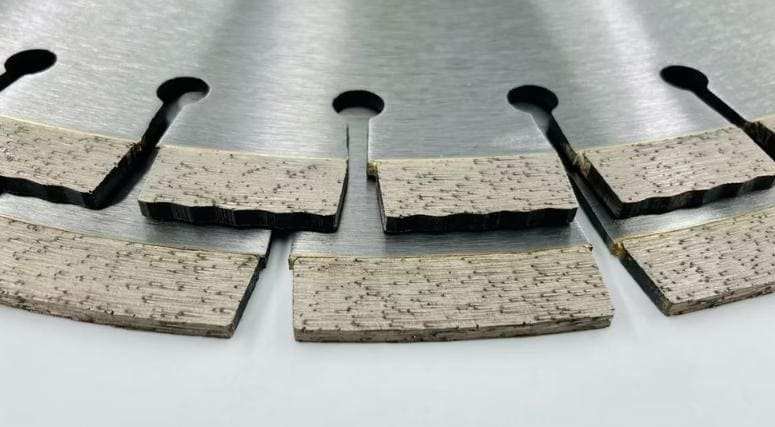
Diamond Blade

Welcome to call us
Contact Us to get quotation
Working Time: 8:00~17:00 Monday to Friday.
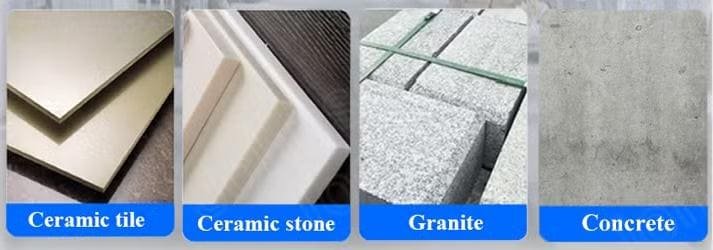
Applications:
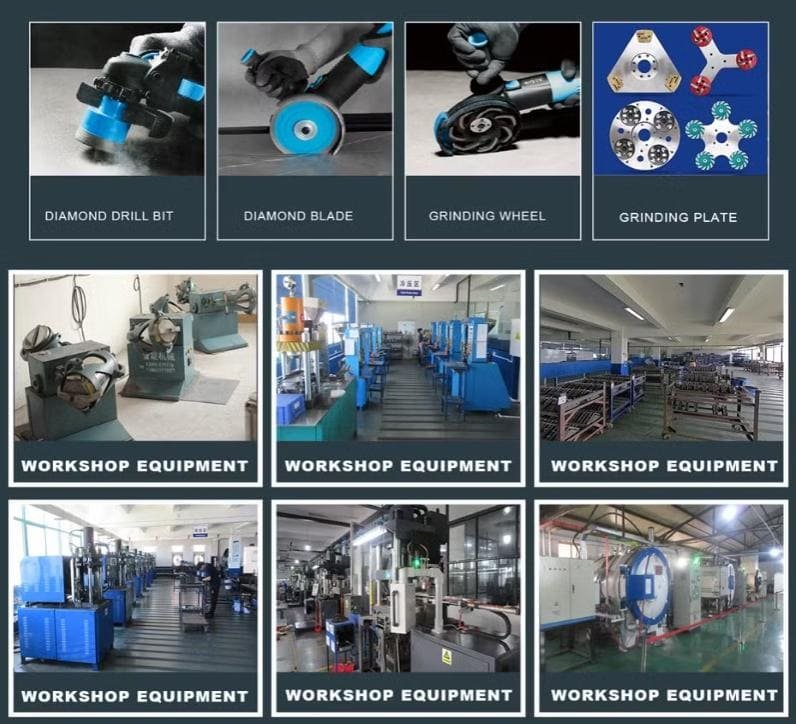
Factory:
FAQ
Welcome to call us
Contact Us to get quotation
Working Time: 8:00~17:00 Monday to Friday.