Can a demolition hammer drill?
Can a demolition hammer drill?
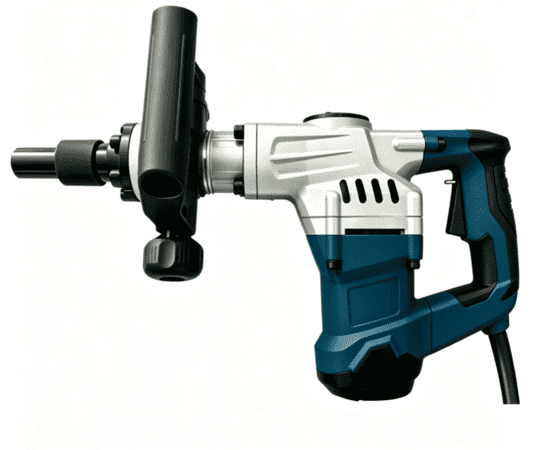
Standard single-function civilian demolition hammers cannot drill holes, as they only deliver straight linear impact without built-in rotating cutting mechanisms and cannot mount standard drill bits; their exclusive design targets breaking and chiseling hard materials like concrete and brick instead of borehole processing, with only two narrow special exceptions to this rule.
Why Ordinary Household Demolition Hammers Fail to Drill Holes
The core working mechanism of regular demolition hammers completely lacks a rotating drive structure required for drilling work. A standard drill or rotary hammer relies on synchronous rotation and impact force, where the spiral drill bit spins continuously to cut and scrape away material while striking. Common demolition hammers only generate back-and-forth percussive shock with zero rotational output. When you place a drill bit against concrete with this tool, the bit will merely bounce up and down without cutting into the surface, unable to carve out round holes no matter how long you operate the machine. This fundamental mechanical difference makes basic breaking hammers inherently unsuitable for all drilling tasks.
Matching accessory compatibility further blocks any possibility of drilling with standard demolition hammers. Conventional drill bits use SDS-Plus, SDS-Max or round spiral shanks tailored for rotary hammer chucks, while most household demolition hammers adopt simple hexagonal lock pin clamping systems made only for flat, pointed breaking chisels. Even if you force a drill bit into the chuck by grinding down the shank, there is no internal structure to lock the bit against spinning, so the bit will slip wildly or fly out during impact, creating major safety hazards. Manufacturers design the chuck cavity and locking parts solely to secure non-spinning chisels, leaving no room for functional drill bit installation.
The original positioning and design purpose of civilian demolition hammers focus entirely on surface stripping and bulk material breaking rather than precise hole-making. Home renovation crews use these tools to remove tiles, scrape plaster, split concrete slabs and cut shallow grooves for wiring pipelines. Every internal component including the cylinder, impact piston and handle ergonomics is optimized for chiseling and crushing thick rigid materials. The lack of rotation gears, drill bit locking grooves and speed adjustment modules means the machine cannot perform the gradual cutting action needed to create clean, uniform round holes in concrete, stone or brickwork.
Special Exception 1: Custom Mining Demolition Hammers
Specially customized 127V explosion-proof mining demolition hammers represent the first unique exception that can complete drilling tasks underground in coal mines. Unlike regular household models, these industrial mining units are modified with internal auxiliary rotary drive structures that activate under specific low-load impact settings. Equipped with mine-specific alloy drill rods, they can punch shallow boreholes into coal seams for gas drainage and underground pipeline laying. This drilling capacity is not a universal feature; it is an exclusive customized function built only for confined underground mining environments to meet special construction demands underground.
Strict underground safety standards limit the applicable range of mining demolition hammer drilling, and this function cannot be copied to ordinary construction sites. The 127V low-voltage explosion-proof circuit design prevents sparks that could ignite flammable coal gas, a critical safety feature absent from 220V civilian demolition hammers. Even if you obtain a mining hammer, its drill function only works on soft coal layers, and it still cannot drill dense reinforced concrete common in residential renovation. This special drilling performance is tied to mine-specific working conditions and customized internal transmission structures, so it cannot be regarded as a universal ability of regular demolition hammers.
Maintenance and accessory matching for mining demolition hammer drilling also differ drastically from standard breaking tools. Special anti-explosion drill rods, dedicated lubricants and reinforced rotating bearings are required to support underground hole-making work. Without these matched mining accessories, even the custom 127V machine will lose its drilling capability and only operate as a basic impact breaker. This further proves that drilling is an add-on customized feature rather than an innate function of standard demolition hammer equipment.
Special Exception 2: Multi-Function Rotary Hammer Mode Restrictions
Many dual-purpose rotary hammers have a dedicated hammer-only demolition mode, but this single impact gear completely disables all rotating functions and cannot drill any holes. When the mode switch is twisted to pure demolition position, the internal rotation gear set disengages entirely, cutting off power transmission to the chuck’s spinning mechanism. Even if standard drill bits are installed in this state, the tool only delivers up-and-down impact identical to a regular demolition hammer, with no cutting rotation to form boreholes. Many new operators mistakenly assume multi-function tools can drill in demolition mode, which wastes time and risks damaging the drill bit and internal gears.
Only switching the mode selector to rotary hammer or pure drill mode restores the dual rotation-impact power needed for hole drilling. In these two functional gears, the internal clutch re-engages the rotation transmission system, driving SDS shank drill bits to spin while striking concrete. This separation of independent modes is a deliberate design to protect the tool’s service life: heavy demolition work generates huge vibration that would wear delicate rotary gears rapidly if rotation stayed active during breaking. The clear division between drilling and demolition modes means the demolition setting itself never supports drilling work under any circumstance.
This mode limitation applies to all mainstream multi-function rotary hammer brands, no matter light household or medium industrial models. There is no hybrid gear that simultaneously delivers full breaking impact and smooth drilling rotation. Operators must fully adjust the mode switch and confirm the rotating function activates before starting any hole-making tasks. Confusing demolition mode with drilling mode leads to low construction efficiency, broken drill bits and unnecessary mechanical wear on the power tool’s internal transmission assembly.
Supplementary Q&A
Q: Can I modify a regular demolition hammer to add rotation so it can drill concrete?
A: It is not recommended and extremely unsafe. Standard demolition hammers lack reserved installation space for rotation gears and clutches, and manual modification will destroy the original locking structure, causing drill bits to fly out during operation and triggering severe injury accidents.
Q: If I only need to drill shallow soft brick holes, can I use a demolition hammer with a pointed chisel to punch round holes?
A: A pointed chisel can only chip irregular recesses instead of neat, smooth round holes. The uneven hole shape cannot fit standard wall plugs or expansion bolts, and the operation takes far more time than a proper rotary hammer drill.
Q: Are mining 127V demolition hammers suitable for daily home concrete drilling?
A: No. Their drill function is customized exclusively for soft coal seams, and they lack enough rotary cutting force to penetrate hard concrete. In addition, the 127V voltage cannot match ordinary household mains power supply.
Final Verdict
All standard civilian single-function demolition hammers are incapable of drilling holes, as they lack rotary cutting drive systems and compatible drill bit clamping structures, with their core function limited to breaking and chiseling hard construction materials. The only two rare exceptions are explosion-proof customized 127V mining demolition hammers for underground coal seam drilling and multi-mode rotary hammers that lose all drilling capacity once switched to pure demolition gear. Never attempt to modify ordinary demolition hammers for drilling work, as this creates severe safety risks and permanent equipment damage. For all regular hole-making tasks on construction and renovation sites, use dedicated rotary hammers or drill tools with integrated rotation and impact functions to guarantee smooth, efficient and safe drilling performance.
Demolition Hammer & Rotary Hammer for Sale
Demolition Hammer Rotary Hammer Blog
Angle
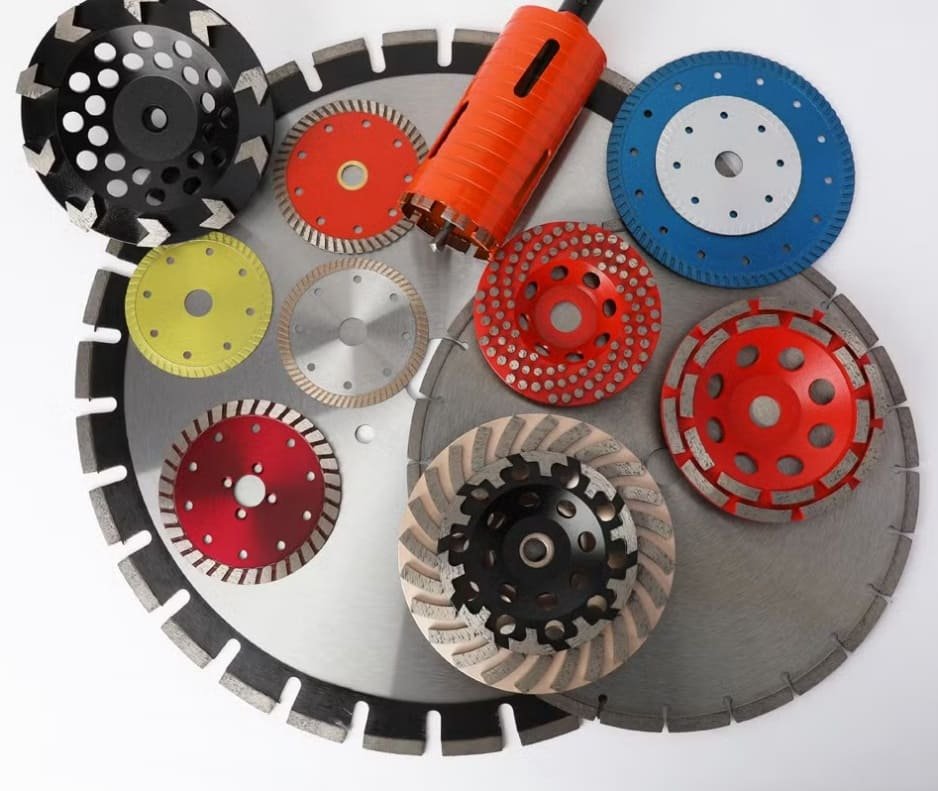
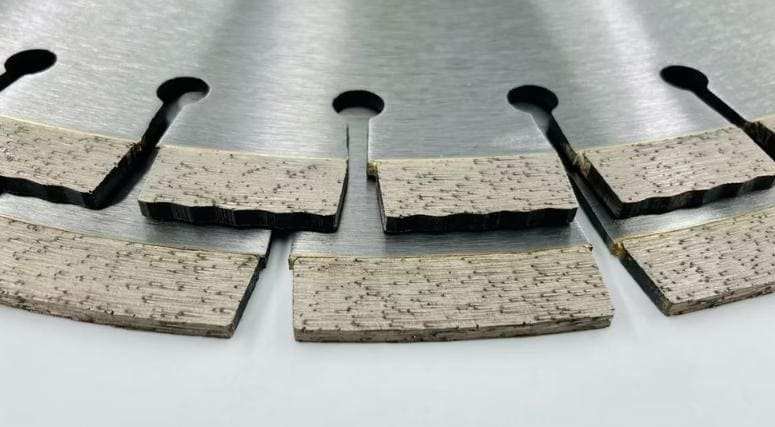
Diamond Blade

Welcome to call us
Contact Us to get quotation
Working Time: 8:00~17:00 Monday to Friday.
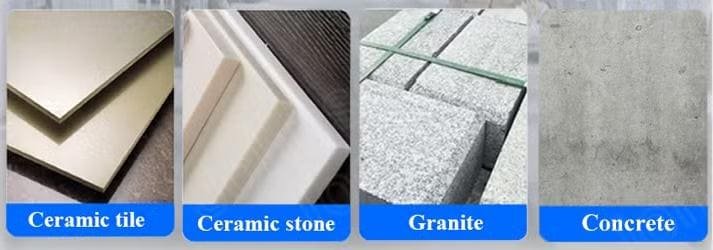
Applications:
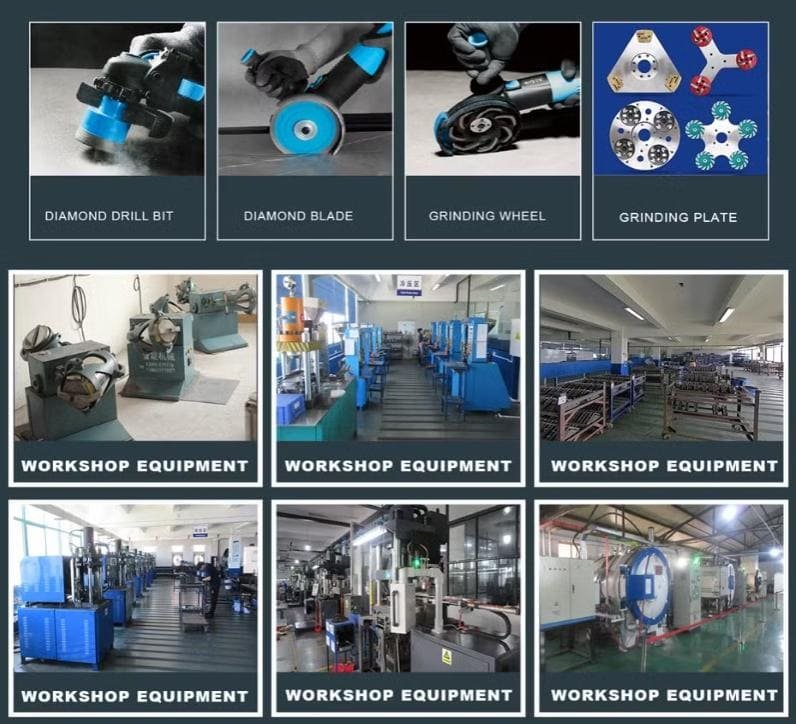
Factory:
FAQ
Welcome to call us
Contact Us to get quotation
Working Time: 8:00~17:00 Monday to Friday.

-768x447.jpeg)