Signs the blender bearing is worn out
Signs the blender bearing is worn out
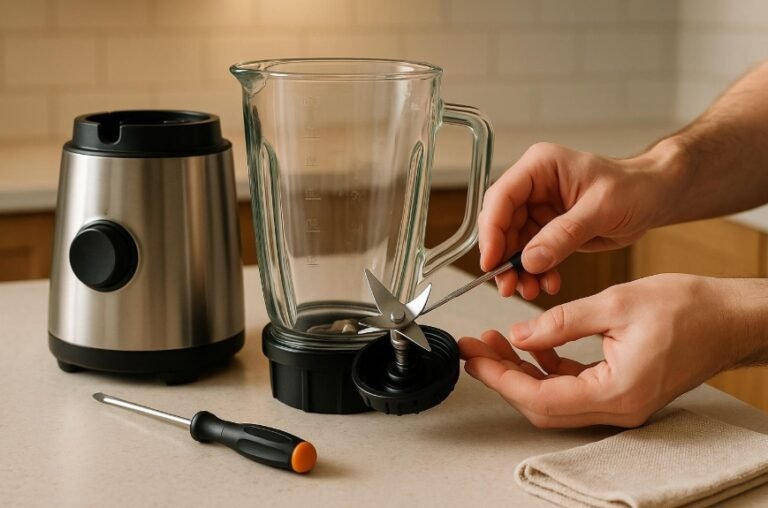
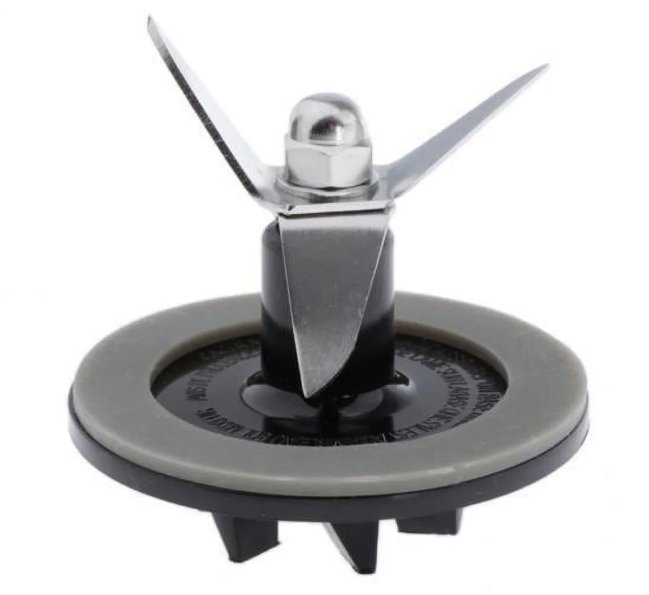
The five typical obvious signs of a worn-out blender bearing are abnormal operating noises, excessive temperature rise, intensified vibration, abnormal blade rotation status, and visible internal structural damage. By identifying these symptoms early on, users can prevent blade failure, equipment burnout, and potential safety hazards in daily blender operation. The bearing, which supports high-speed blade operation, lowers friction, and preserves rotational balance, is the major rotating support element of the blender blade assembly. Internal bearing components will eventually deteriorate and age due to prolonged high-load operation, lubrication failure, or foreign matter invasion.Most minor bearing wear problems will not cause immediate equipment failure, but continuous operation with faulty bearings will aggravate component damage, affect blending efficiency, and even trigger blade shaking, liquid leakage and motor overload damage. Mastering all typical wear signs allows users to judge bearing health status accurately and carry out maintenance or replacement in a timely manner.Different from blade collision noise caused by loose assembly, bearing wear noise will continue stably during operation and cannot be eliminated by tightening blade parts or cleaning the blending cavity.
Excessive and Abnormal Temperature Rise
Increased friction resistance and total lubrication failure of worn bearings are directly indicated by noticeably overheated bearing components that are above the typical operating temperature range. The blade and bearing area will just slightly and tolerably raise the temperature during regular blender operation; there won’t be any noticeable scalding sensation. Nevertheless, smooth rolling friction becomes severe uneven sliding friction and the fitting clearance between steel balls and raceways becomes disordered when the internal bearing structure is worn. In a short period of time, this unusual friction will produce a significant amount of heat. Heat will constantly build up on the bearing location when internal lubricating grease fails and dries up, losing its ability to dissipate heat and lubricate.
Stagnant and Asynchronous Blade Rotation Status
Blade rotation stagnation, loose shaft clearance and asynchronous operation are major symptoms of broken bearing steel balls and retainers. The blade only makes a slight noise and vibration when the bearing is slightly worn, but as the wear degree deteriorates, the internal steel balls will become deformed and stuck, and the bearing retainer that holds the steel balls in place will also become damaged and displaced. Users can visibly sense unsmooth spinning when manually turning the blade, with periodic stalling and jamming. The blade assembly has visible axial and radial loose clearance, and the rotation flexibility is greatly reduced. In extreme circumstances, asynchronous operation occurs because the blade rotation speed is unable to match the motor operating speed.This kind of faulty operation means that the bearing has lost its basic supporting and rotating functions, and continuous use will directly cause motor overload and blade stuck failure.
Visible Internal Wear and Structural Damage After Disassembly
The most straightforward and definitive method for determining if a bearing should be scrapped is to disassemble the blade assembly and look for many apparent internal damage traces. After expert disassembly and inspection, users can see clear failure characteristics for bearings with significant internal wear. Long-term friction and impact will result in thick pitting patches and uniform grinding marks on the bearing raceway surface. The raceway surface will experience localized peeling and chipping in more extreme wear situations. In the meantime, small metal wear debris that has peeled off the bearing will mix with the internal lubricating grease, which will turn black, degrade, and produce an odd smell. These obvious signs clearly demonstrate that the bearing has experienced irreversible structural wear and failure, necessitating the bearing assembly’s direct replacement.
Supplementary Q&A
Q:What is the earliest and easiest sign to find a worn blender bearing?
A:Abnormal metal friction and squealing noises during operation are the earliest and most detectable signs. These unique sounds appear at the initial stage of bearing wear and lubrication failure, allowing users to discover hidden faults earlier than temperature rise and vibration problems.
Q:Why does a worn bearing cause blender blade eccentricity and vibration?
A:Bearing wear leads to loose inner and outer ring clearance, which makes the blade shaft lose stable central fixation. The unbalanced rotating structure produces eccentric jitter at high speed, resulting in obvious vibration and uneven ingredient blending effect.
Q:Can a worn blender bearing be repaired instead of replaced?
A:Slight lubrication failure can be improved by grease replenishment, but bearings with pitting, raceway peeling, loose clearance and structural damage cannot be repaired. Direct replacement is the only safe solution to avoid equipment failure.
Final Decision
In summary, worn blender bearings exhibit a full range of progressive failure indicators, including unusual noise, increased vibration, temperature rise, uneven rotation, and obvious structural damage. From early lubrication failure and mild friction wear to later steel ball and retainer damage and permanent structural scrapping, each symptom corresponds to varying degrees of internal bearing failure. In addition to preventing motor overload and sealing component damage, promptly recognizing these common wear indicators and replacing malfunctioning bearings can effectively address blade jitter, unusual noise, and poor blending effect. It can also preserve the long-term stable, safe, and effective operation of the entire blender blade assembly.
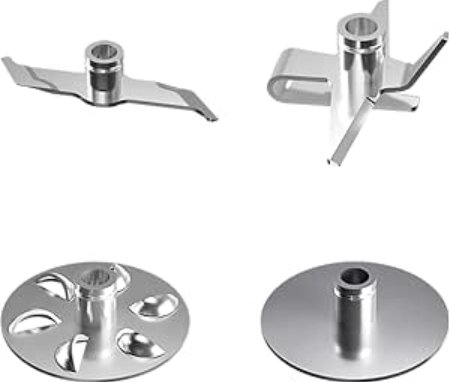
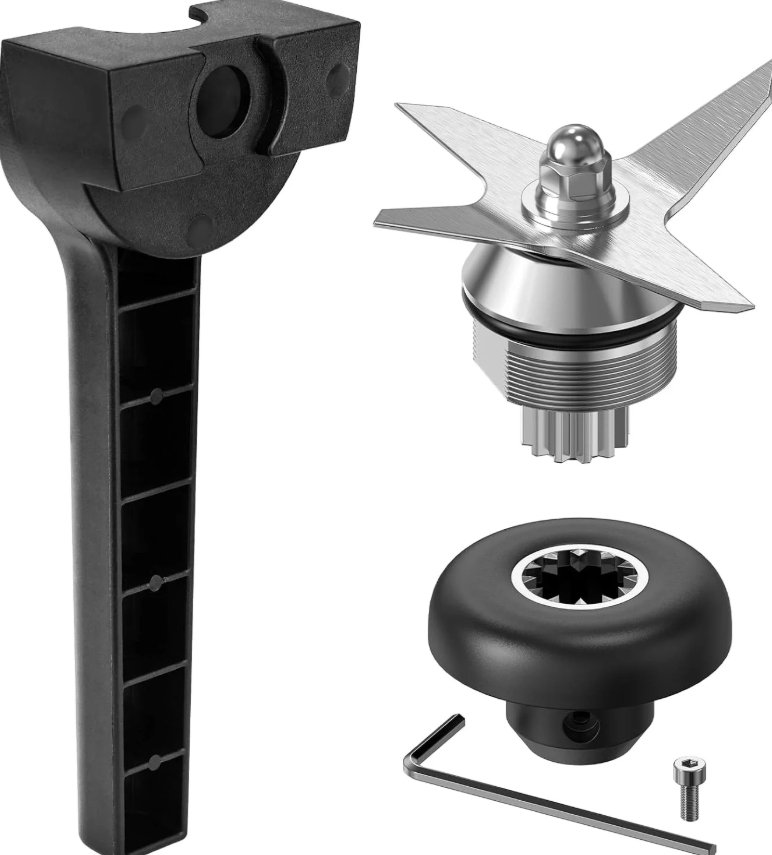
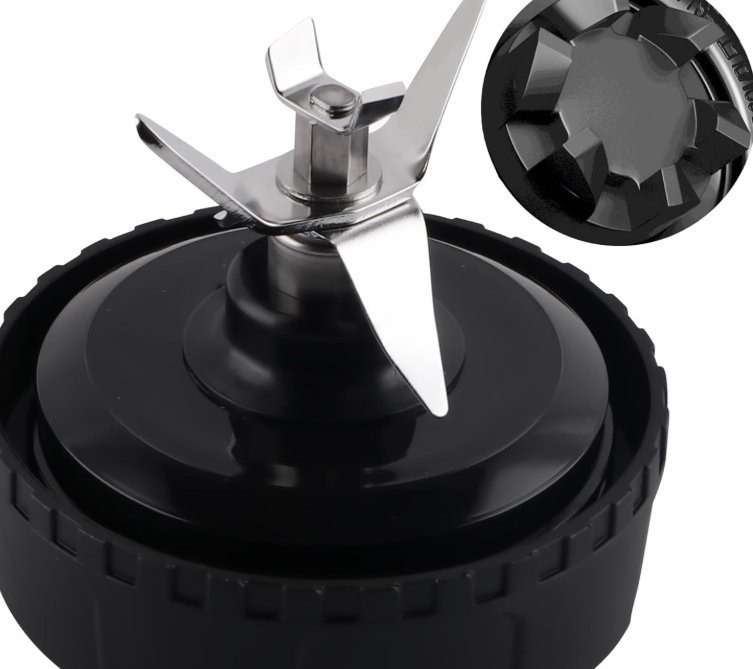
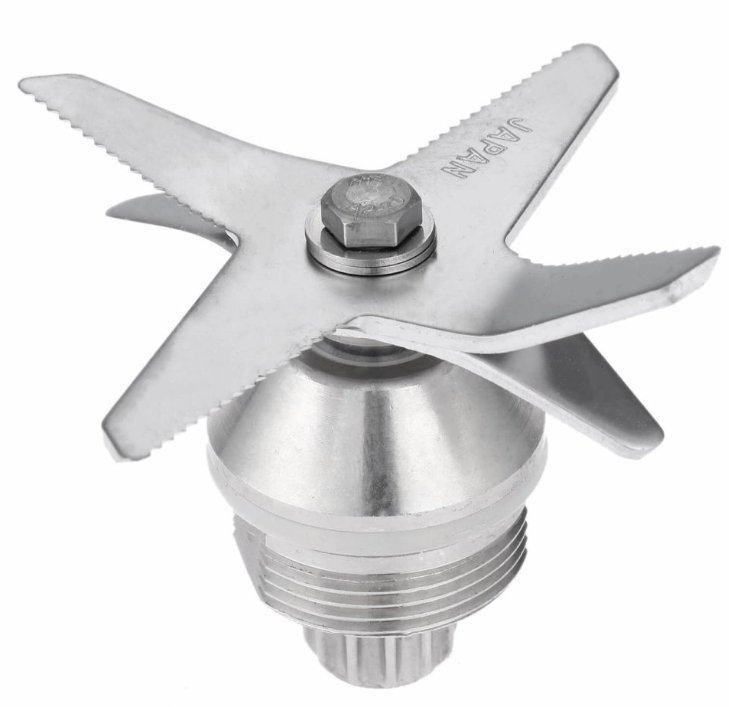
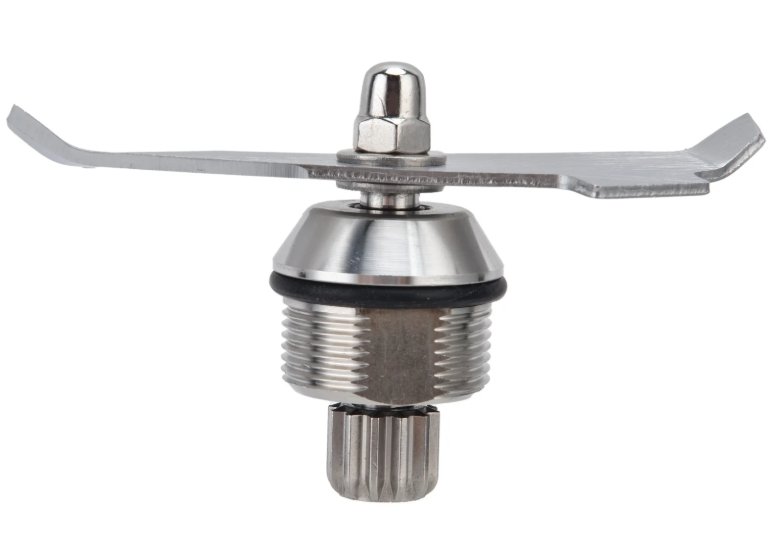
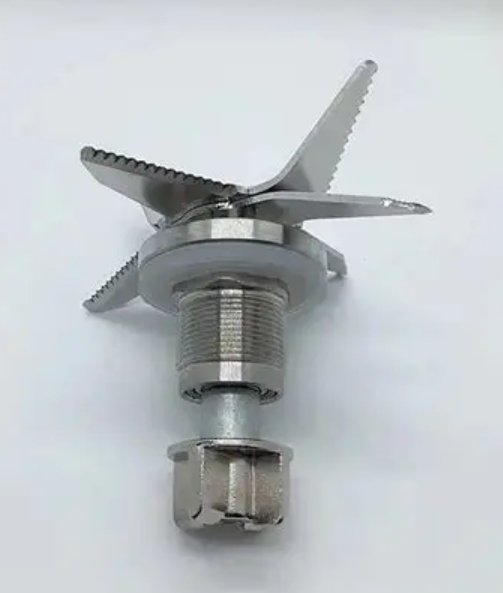
Blender Blade for Sale
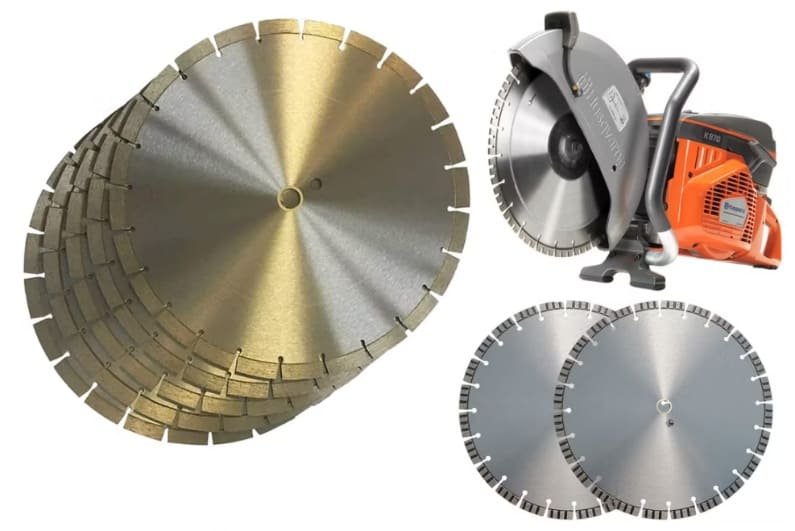
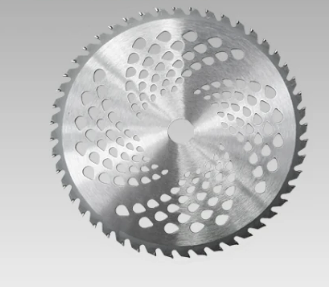
Diamond Blade for Sale

Demolition Hammer & Rotary Hammer for Sale
Angle
Welcome to call us
Contact Us to get quotation
Working Time: 8:00~17:00 Monday to Friday.
FAQ
Welcome to call us
Contact Us to get quotation
Working Time: 8:00~17:00 Monday to Friday.