How to store spare blender blade safely?
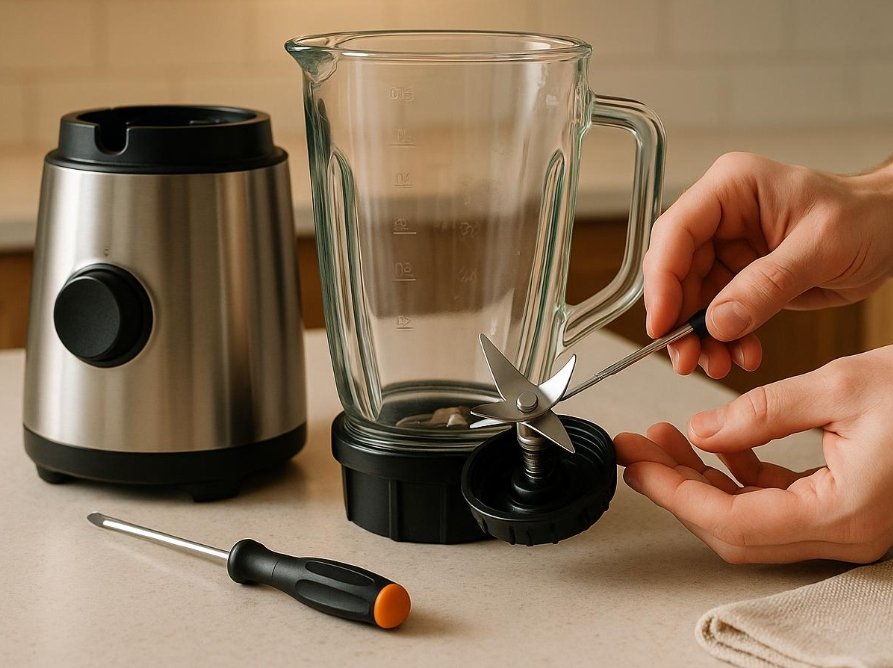
How to store spare blender blade safely?
Standardized pre-storage pretreatment, scientific physical protection and environmental placement guidelines, classified management, and routine inspection maintenance can prevent blade rust, edge damage, and personal safety hazards while maintaining spare blades in a qualified standby state for future use. The exterior environment and incorrect placement can easily damage spare blender blades, which are extremely sharp metal equipment. Blade edge chipping, surface corrosion, residual dirt deterioration, mixed model confusion, and even unintentional hand cuts and kid injuries are all consequences of random storage.Combined with the full-cycle maintenance, fault troubleshooting and accessory management experience of blender blades, a complete set of standardized safe storage methods can fully protect the structural integrity, sharpness and installation accuracy of spare blades, ensuring they can be directly installed and used without secondary processing when replacement is needed.
Complete Pre-storage Pretreatment for Spare Blades
To prevent blade deterioration and preserve long-term standby performance, proper cleaning and oiling pretreatment prior to storage is essential. New and used spare blades require various treatment standards. For factory transit and storage, a layer of protective anti-rust oil is typically applied to the surface of brand-new spare blades that have just been taken out of their packing. Long-term retention on the blade surface will adsorb dust and fine impurities, oxidize and deteriorate over time, and even develop sticky dirt that inhibits later installation and usage, even if this oil layer can shield the blade during long-distance transit. In order to keep the blade dry and clean before formal storage, users must wipe the whole blade surface with a fresh, soft cloth to remove any remaining factory anti-rust oil.
Before being stored, reused spare blades that have been installed and used before must undergo a comprehensive deep cleaning and targeted anti-rust treatment. After daily stirring and crushing activity, there will unavoidably be hidden food residues, fiber debris, and grease stains in the blade gaps and tooth surfaces. These residues will collect moisture from the air, ferment and decay, breed bacteria, and eventually erode the blade metal surface to form obstinate rust spots if they are stored without being cleaned. After properly cleaning all of the blade’s gaps and corners to get rid of any remaining food residue, users should put the blade in a ventilated area to dry completely and eliminate any remaining moisture.After cleaning and drying, apply a thin and uniform layer of edible oil on the blade surface. The oil film can isolate air and moisture, form a stable anti-rust protective layer, and effectively prevent metal oxidation during long-term idle storage.
Core Safety Storage Guidelines for Spare Blades
The secret to avoiding blade edge damage and unintentional scratches while storage is expert physical protection. Blender blades with sharp edges are particularly susceptible to extrusion damage and collisions. The dynamic balance and crushing effect during reinstallation will be impacted by blade edge curling, gap deformation, and surface scratches caused by random placement in drawers or toolboxes, friction, and interaction with other hard equipment. In addition, it is very simple for hands to get scratched by exposed blades on a daily basis. Putting each spare blade in a quality hollow protective box with locking buckles is the safest option. The specially designed box construction may isolate the blade, totally enclose the sharp edge to reduce contact exposure, and stop unintentional hand scratches during taking and placing.The customized box structure can perfectly fit the blade shape, completely wrap the sharp edge to avoid contact exposure, prevent accidental hand scratches during taking and placing, and isolate external collision extrusion to keep the blade edge complete and flat.
By choosing a scientific storage environment, you can prevent accessory aging and blade corrosion brought on by variations in humidity and temperature. Rubber sealing accessories and metal blades are examples of spare blender blade assemblies that have stringent environmental storage regulations. In order to prevent prolonged exposure to direct sunlight, users must store the blade storage box in a cool, dry, and ventilated interior space. In addition to causing localized staining and oxidation of metal blades, ultraviolet light from the sun will hasten the aging and hardness of rubber gaskets. Additionally, the storage location needs to be far from high-humidity equipment, steam outputs, and heating radiators. Humid steam will condense on the blade surface, causing rust and electrochemical corrosion, and high temperatures will hasten the aging and failure of sealing components.
Model misunderstanding and installation failure are avoided by classified storage and unambiguous labeling. Blade assemblies with varying diameters, hole locations, heights, and interface parameters match to different blender models. Combining different kinds of spare blades can easily result in incorrect installation and selection during a later replacement. Installing mismatched blades might result in loose assembly, liquid leakage, operating vibration, unusual noise, and in extreme situations, motor burn. Different specification blades must be kept apart by users in designated protective boxes, and each box’s surface must be labeled with clear paper with the appropriate blender models, blade specifications, and use characteristics. When replacing blades, this unified classification management may quickly locate matched blades and prevent installation mistakes brought on by model misunderstanding.
Potential risks to one’s personal safety are eliminated by high positioning away from children. Unsupervised youngsters may unintentionally take and play with stored blades, which could result in severe finger cuts and scratches. Blender blades are among the sharp, dangerous accessories. All blade storage boxes must be placed on high shelves, closed cabinets, and other locations that are totally out of children’s reach in order to completely eliminate safety hazards. Spare blades should not be kept on low tables, open drawers, or other places that are easily accessible. The risk of unintentional harm brought on by kid misuse is essentially eliminated by isolated high-place storage, achieving both personal safety and equipment accessory protection.
Regular Maintenance and Inspection During Storage
Spare blades are kept in optimal standby condition for an extended period of time by routine quarterly inspection and maintenance. Long-term idle placement may still have minor environmental effects even with consistent preparation and sealed storage. Every three months, all spare blades must be removed for thorough visual inspection and performance verification. In addition to ensuring that the blade edge is entire and free of wear and curling, users must carefully inspect the blade surface for any faint rust spots, oxidation discolouration, and structural deformation.
If a small amount of floating rust develops on the blade surface as a result of unintentional moisture erosion, users can use fine sandpaper to smooth the rusty area before wiping it down and reapplying a thin layer of anti-rust oil for additional protection.Regular inspection and maintenance can eliminate hidden dangers in advance, ensure that every spare blade is intact, standard and qualified, and can be put into use immediately after equipment failure.
Supplementary Q&A
Q:Do I need to oil used blender blades before long-term storage?
A:Yes. After thorough cleaning and complete drying, a thin layer of edible oil forms a protective film that isolates air and moisture, effectively preventing metal rust during long-term idle storage and protecting blade sharpness.
Q:Why should spare blades be stored away from high temperature and steam sources?
A:High temperature accelerates aging and deformation of rubber sealing parts on the blade assembly, while steam and humid air cause metal oxidation and rust. A dry and cool environment keeps both metal blades and sealing accessories in good condition.
Q:How often should I check stored spare blender blades?
A:A comprehensive inspection every three months is recommended. Timely check for rust and deformation, and polish slight rust spots immediately to ensure the spare blades are always qualified for emergency replacement.
Final Decision
To sum up, scientific pre-storage cleaning and anti-rust pretreatment, standardized physical protection, environmental placement, classified management, child-safe placement, and long-term regular quarterly maintenance and inspection are all necessary for the safe storage of spare blender blades. Standardized storage guidelines prevent blade corrosion, rust, and misuse incidents, complete pretreatment prevents residual dirt and oil deterioration, and routine maintenance keeps spare blades in long-term standby condition. Following these safe storage guidelines will help prolong the life of spare blender blades, prevent accessory waste and potential safety risks, and guarantee effective and secure equipment replacement and maintenance during regular blender use.
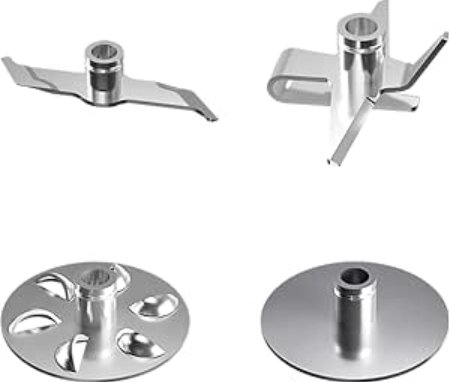
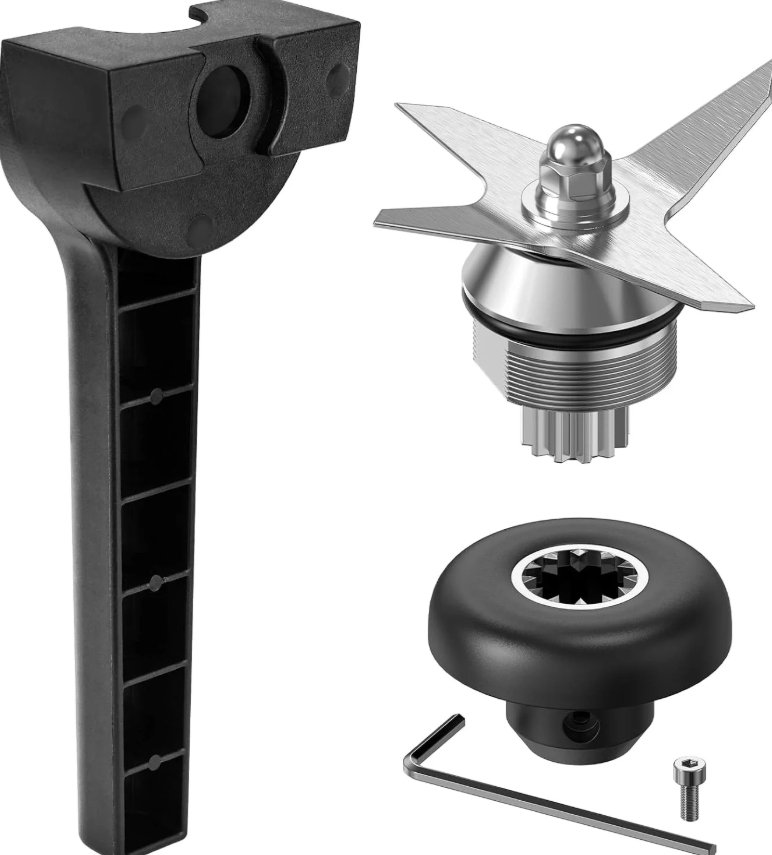
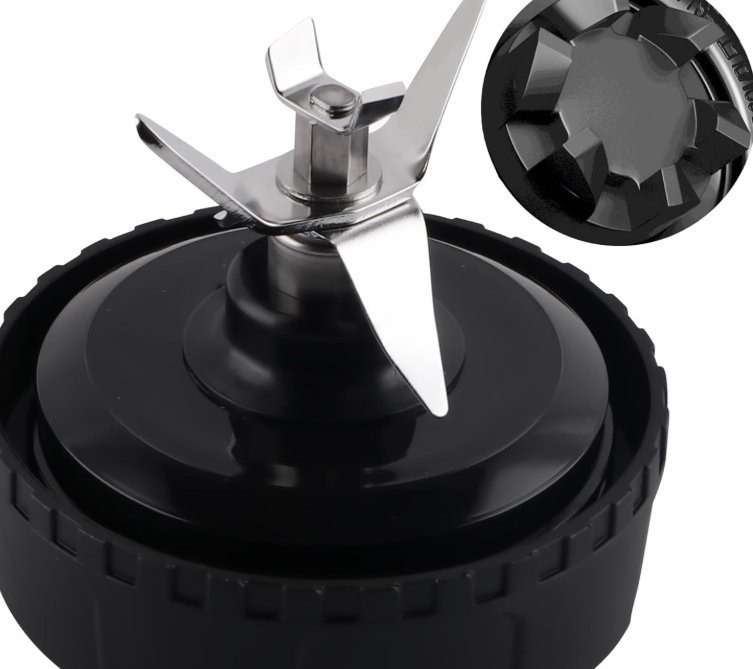
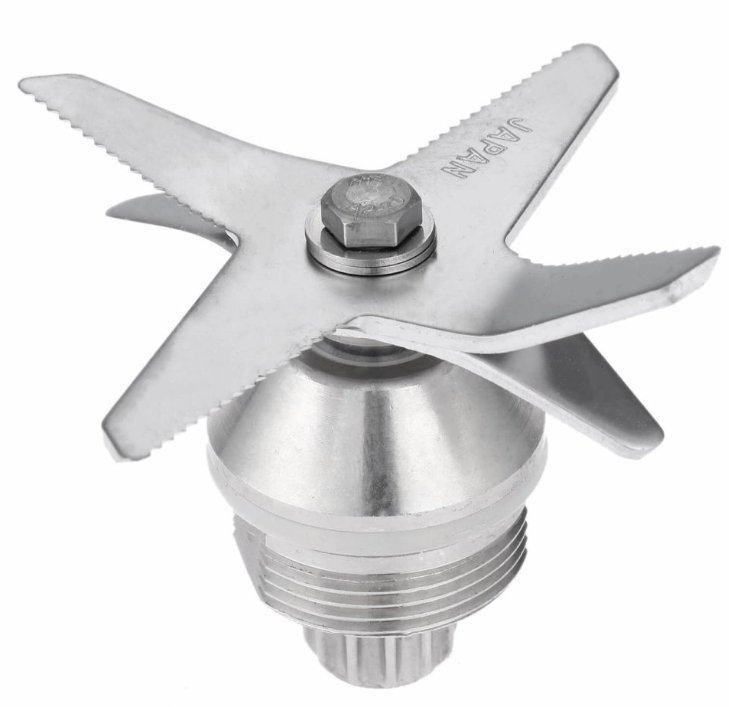
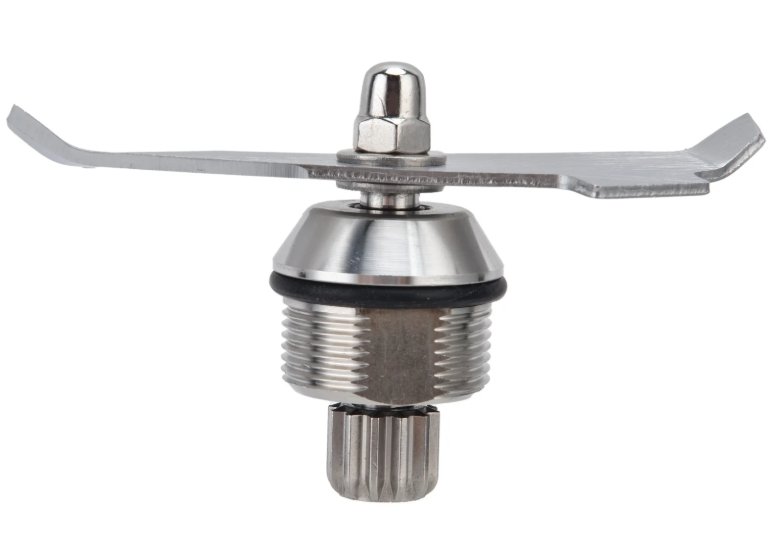
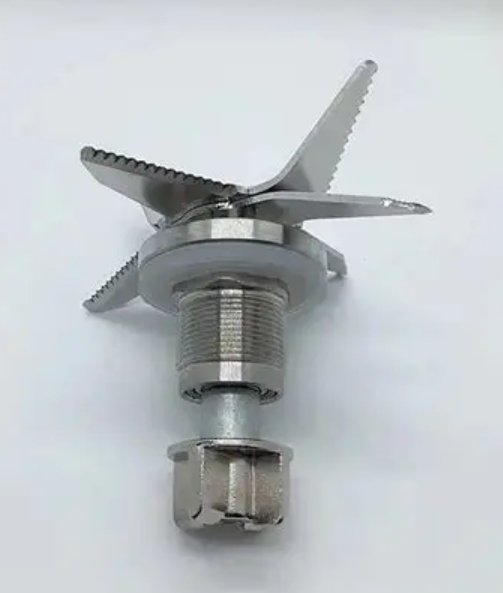
Blender Blade for Sale
Diamond Blade for Sale

Demolition Hammer & Rotary Hammer for Sale
Angle
Welcome to call us
Contact Us to get quotation
Working Time: 8:00~17:00 Monday to Friday.
FAQ
Welcome to call us
Contact Us to get quotation
Working Time: 8:00~17:00 Monday to Friday.