
Kango bit
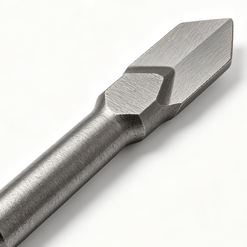
Chisel Bit for Sale
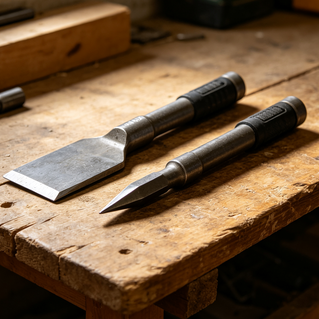
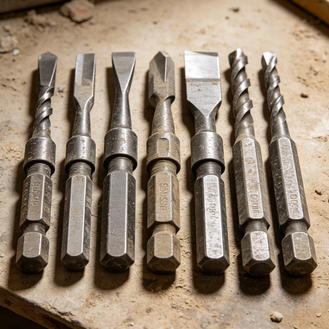
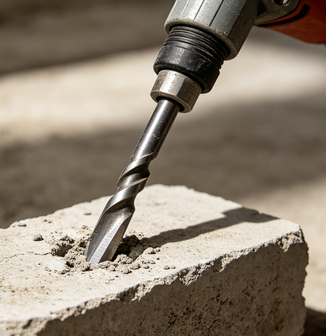
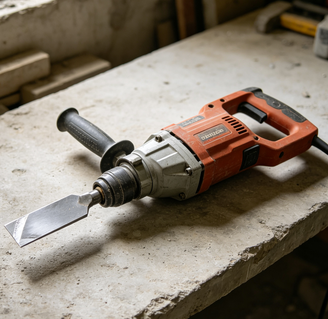
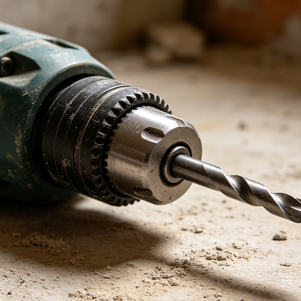
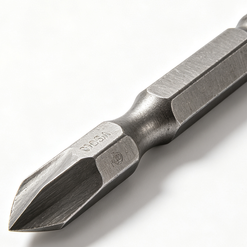
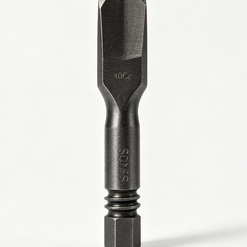
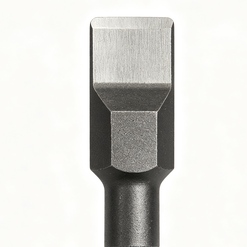
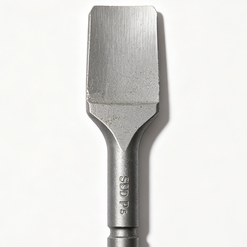
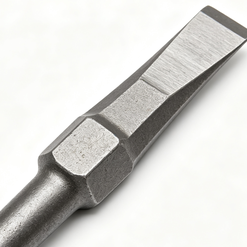
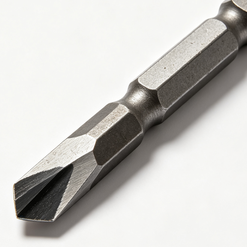
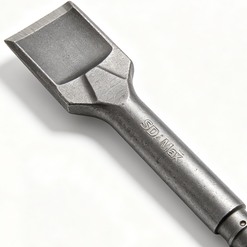
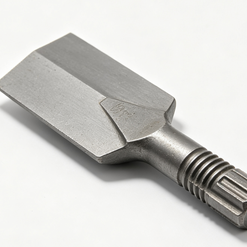
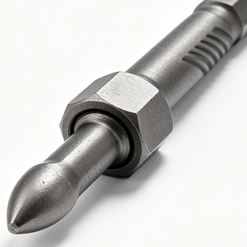
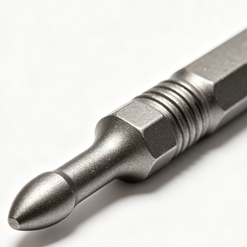
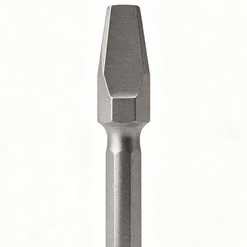
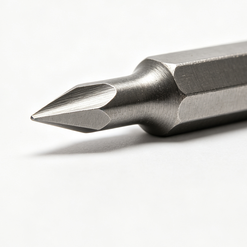
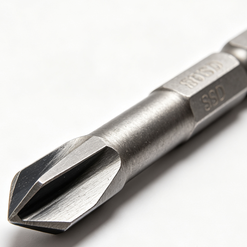
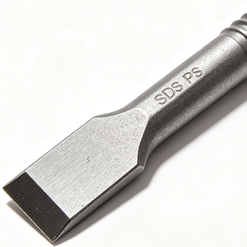
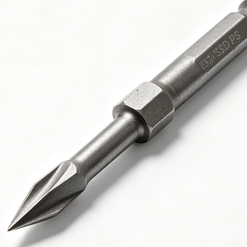
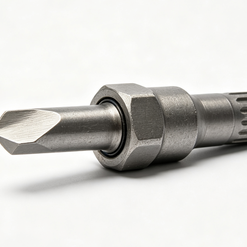
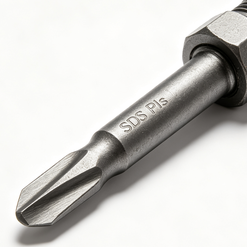
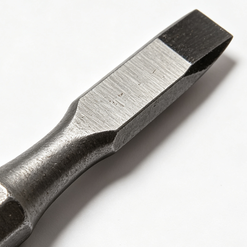
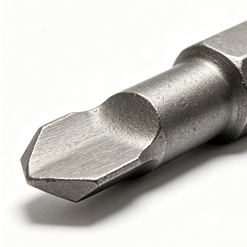
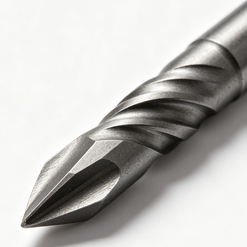
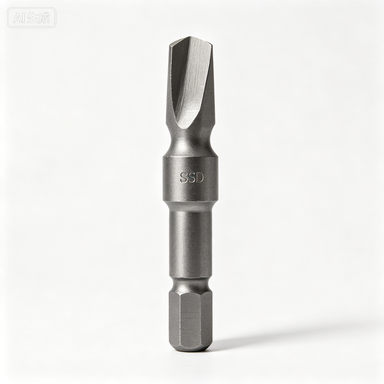
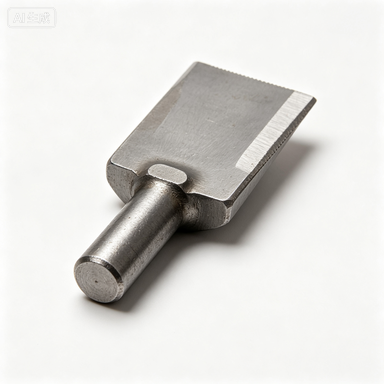
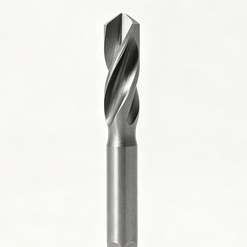
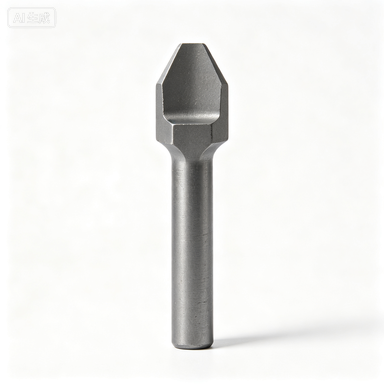
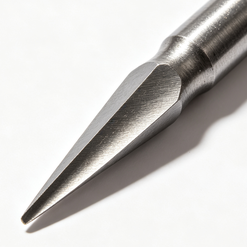
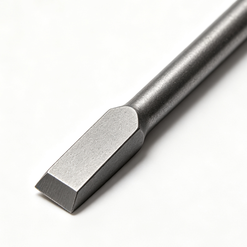
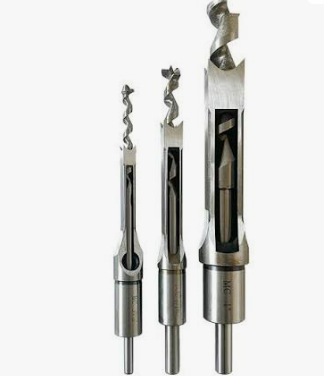
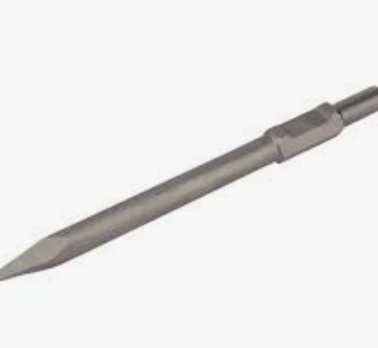
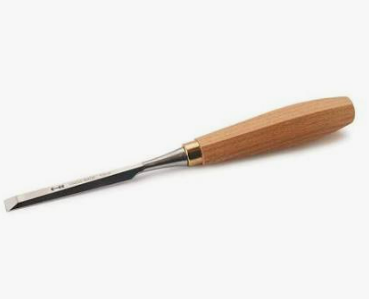
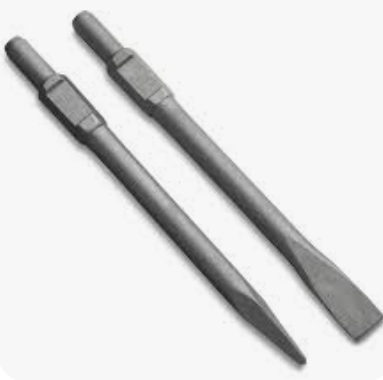
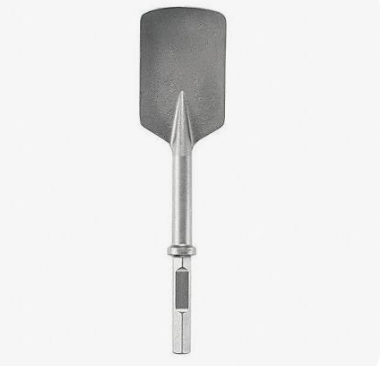
Kango bit description
The Kango bit is essentially a specialized impact tool accessory made specifically for Kango brand jackhammers, breaker hammers, and rotary hammers. It serves as a core consumable component for percussive demolition, chiseling, and cutting work across the construction industry and related trades. Since Kango is such a well-established brand with a global user base, these bits are engineered to perfectly match the brand’s proprietary chuck and impact output systems. This ensures optimal energy transfer while you’re working. Most Kango bits are constructed from high-quality high-carbon alloy steel, processed through integral forging and specialized heat treatment. This process balances surface hardness with core toughness, allowing the bits to withstand repeated high-impact forces without cracking or blunting prematurely.
You’ll find Kango bits in several functional forms, including pointed breaker bits, flat chisel bits, spade digging bits, and scaling bits, each tailored to different job requirements. Unlike generic third-party options, Kango bits are manufactured to strict brand tolerance standards. This significantly reduces the risk of slipping or misalignment during high-intensity operations, making them a reliable choice for both professional tradespeople and occasional industrial users. They play an irreplaceable role in converting the reciprocating percussive energy of Kango hammers into effective breaking and cutting force on hard workpieces, directly influencing how efficiently and safely you can get the job done.
What are the standard basic specifications and core operational parameters of a Kango bit?
When looking at the standard basic specifications of a Kango bit, they are primarily divided by shank type, size, functional form, and dimension, while the core operational parameters focus on material performance and compatibility. In terms of specs, Kango bits mostly use the brand’s proprietary 30mm or 28mm hexagonal shanks for heavy-duty breakers, and SDS-compatible shanks for smaller handheld Kango rotary hammers. You’ll find standard lengths ranging from 200mm for tight-space work up to 600mm for deeper demolition tasks.
By functional type, pointed Kango bits generally have a standard tip diameter of 12-16mm, while flat chisel bits feature tip widths ranging from 25mm for fine chipping to 75mm for large-scale scraping. If you’re looking at spade digging Kango bits, they usually come with standard working widths of 100mm to 150mm, which is ideal for soil and root removal. Regarding core operational parameters, the surface hardness of the working tip on a qualified Kango bit is typically between HRC 50-58. Meanwhile, the core hardness is controlled between HRC 35-42 to balance wear resistance with impact toughness.
Kango bits are rated to withstand impact energy that matches their corresponding Kango hammer models. For instance, small bits designed for 5-10kg handheld breakers can withstand 10-25 joules of impact per stroke. On the other hand, large heavy-duty Kango bits made for 20-30kg breakers can handle up to 45-50 joules of continuous impact. The weight of standard Kango bits ranges from 0.4kg for small fine chisels to 3.2kg for large 600mm demolition bits, ensuring they are compatible with the balance and output of your specific Kango tools.
What unique structural design and working principles support the efficient operation of Kango bit?
The Kango bit utilizes a series of targeted structural designs to adapt to high-intensity percussive work, with working principles that align perfectly with the output characteristics of Kango impact hammers. This alignment supports efficient and stable operation throughout your projects. The core unique structural design starts with the one-piece integral forging process. Unlike many low-cost bits that simply weld the tip to a separate shank, most standard Kango bits are forged from a single billet of alloy steel. This eliminates the risk of weld cracking under repeated impact, which greatly improves the tool’s service life.
The shank of the Kango bit features an optimized locking groove design that matches the chuck structure of Kango hammers exactly. This prevents radial slipping during percussive operation, ensuring that almost all of the hammer’s impact energy is transferred directly to the workpiece rather than being lost to vibration or movement. The working end of the Kango bit uses a gradual hardening gradient design. The tip is quenched to extra hardness to resist wear and blunting, while the shank and middle section maintain lower hardness to absorb shock. This avoids brittle fracture when working on extremely hard materials like reinforced concrete.
Its working principle is actually quite straightforward. When the Kango hammer generates continuous reciprocating linear percussive force, the Kango bit transmits this force concentrated through its hardened working tip to the target workpiece. This concentrated impact force creates micro-fractures in hard materials like concrete, asphalt, or stone, gradually breaking the material apart. This design approach avoids unnecessary energy loss, reduces vibration transmitted back to you as the operator, and supports continuous efficient operation on the job site.
What core advantages and typical application scenarios do Kango bit have?
Kango bits offer multiple core advantages that make them stand out from generic third-party bits, and they are suitable for a wide range of typical application scenarios across construction, infrastructure maintenance, and landscaping. The first core advantage is its precise compatibility. As a purpose-designed accessory for Kango tools, the Kango bit fits perfectly with Kango chuck systems. This eliminates the need for modification and avoids safety risks from poor fit, all while maximizing energy transfer to improve work efficiency.
The second core advantage is its durable performance. The integral forging and gradient heat treatment process give the Kango bit a much longer service life than low-cost generic bits. This reduces the frequency of replacement and lowers long-term use costs. Third, the Kango bit helps reduce operator fatigue. Its optimized design cuts down on reverse vibration, meaning operators can work for longer periods with less physical strain.
In terms of typical application scenarios, the Kango bit is widely used first in building demolition and renovation. Pointed Kango bits are excellent for breaking through concrete foundations and brick walls, while flat chisels are perfect for trimming excess masonry and removing old plaster. Second, they are frequently used in road and infrastructure maintenance. Heavy-duty Kango bits break aged asphalt and concrete road surfaces to prepare for repair work, and channel bits chase out grooves for utility pipeline laying. Third, you’ll see them in landscaping and outdoor construction, where spade-shaped Kango bits break up compacted soil, remove stubborn tree roots, and dig trenches for garden edging or drainage systems. They are also used in quarrying and stone processing to trim rough rock blocks into required shapes, and in marine maintenance to remove barnacles and corrosion from dock structures.
What key selection criteria and usage precautions apply to Kango bit?
When selecting and using a Kango bit, there are some clear key selection criteria and usage precautions to keep in mind to ensure performance, safety, and an extended service life. For key selection criteria, the first and most important criterion is matching the shank type and size to your specific Kango hammer model. Different Kango breaker models use different shank specifications, and using an incorrectly sized bit will cause poor locking, energy loss, and even safety hazards like the bit flying out.
Second, you should select the functional type of Kango bit based on your work task. It’s best to choose a pointed bit for general heavy breaking of thick concrete or rock, a flat chisel bit for fine chipping, scraping, or trimming, a spade bit for digging, root removal, or clay work, and a scaling bit for cleaning corrosion or old coatings. Third, consider the length of the Kango bit. Shorter bits offer higher control and more impact concentration for tight-space work, while longer bits are suitable for deep demolition or reaching recessed areas. However, keep in mind that longer bits have lower rigidity, so they should not be used for excessive side force.
Regarding usage precautions, first, always wear appropriate personal protective equipment before use. This includes impact-resistant goggles, anti-vibration gloves, and hearing protection to avoid injury from flying debris and vibration. Second, inspect the Kango bit before each use. If you find cracks, severe blunting, or bending of the shank, replace the bit immediately, as using a damaged bit can cause breakage during operation. Third, try not to apply excessive side pressure during operation. Let the impact force of the hammer do the work; applying side pressure will increase the risk of bit bending or fracture.
Fourth, it’s a good idea to lubricate the shank of the Kango bit regularly with grease. This reduces friction and wear between the bit and the chuck, extending the service life of both the bit and the tool. Finally, store Kango bits in a dry, cool place when not in use to prevent rust, which can negatively affect fit and performance over time.
Summary of Kango bit
Simply put, the Kango bit is a purpose-engineered, high-quality impact tool accessory specifically designed for Kango brand breakers and hammers. It serves as a critical component that directly determines the work efficiency, safety, and service life of Kango impact tools in various application scenarios. As a specialized product tailored to Kango’s tool designs, the Kango bit solves the common problems of poor compatibility, short service life, and low energy efficiency that often plague generic third-party bits. This makes it the preferred choice for professional users who rely on Kango tools for their daily work.
Its optimized one-piece forging structure, gradient heat treatment process, and precision-machined shank design effectively balance hardness and toughness. This ensures it can withstand continuous high-impact operation in harsh working environments while reducing reverse vibration for the operator. With a full range of specifications and functional types, the Kango bit can meet the requirements of different work tasks, ranging from fine chiseling in renovation to heavy-duty demolition of large concrete structures. It covers application scenarios in construction, road maintenance, landscaping, quarrying, and so much more.
Proper selection and use of a Kango bit can not only improve work efficiency but also reduce overall use costs by extending replacement cycles and protecting Kango hammers from unnecessary wear caused by mismatched bits. Overall, the Kango bit is a reliable, high-performance essential accessory for any user of Kango impact tools, delivering consistent performance that meets the requirements of both professional industrial work and occasional heavy-duty tasks.
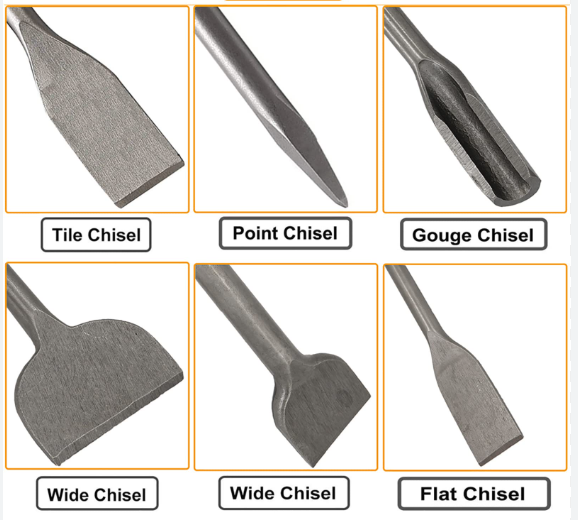
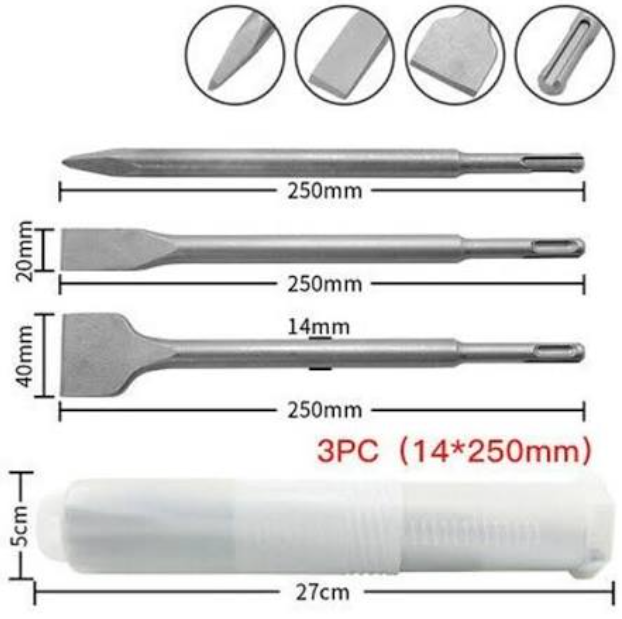
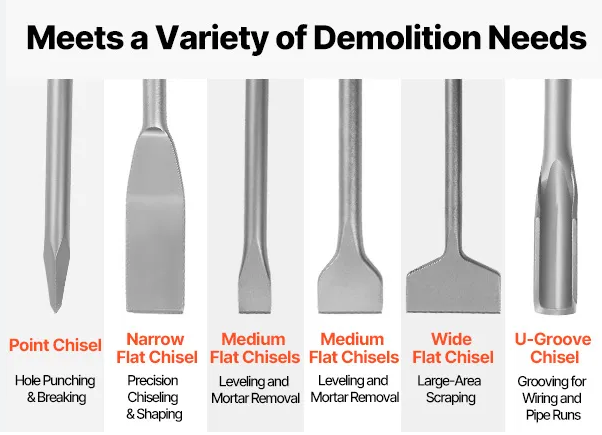
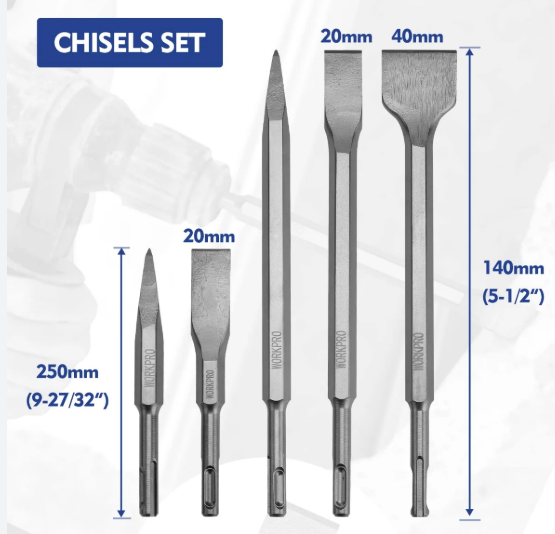
Features of Chisel | Superior Material, Precision Structure and Durable Performance

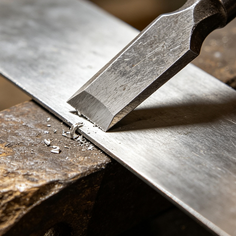
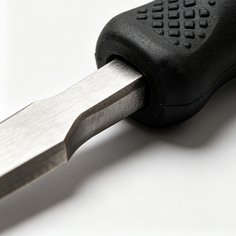

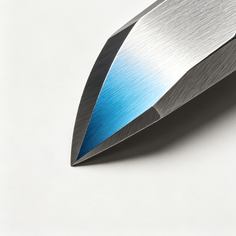
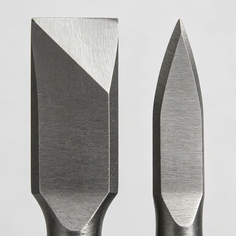
A high-quality chisel is one of the most essential hand and industrial tools for woodworking, masonry, carving, demolition, and engineering renovation. Our chisels are professionally engineered with outstanding material stability, precise blade geometry, excellent hardness and wear resistance, and user-friendly ergonomic design. Every detail is strictly optimized to deliver long-lasting service life, stable cutting performance, high construction efficiency, and reliable safety, making our chisels widely applicable in household DIY, carpentry workshops, architectural decoration, mining demolition, and heavy engineering projects.
First of all, our chisels adopt high-grade integral alloy steel material, which is the core guarantee of superior performance. We select high-carbon steel and chromium-molybdenum alloy steel as the main raw materials according to different chisel types. The raw materials feature high density, strong rigidity, and excellent impact resistance, effectively avoiding common problems such as tool bending, breaking, or deformation under heavy striking and high-load working conditions. Through multiple precision forging and high-temperature quenching processes, the overall hardness of the chisel reaches the standard industrial grade, achieving perfect combination of hardness and toughness. Unlike ordinary low-quality chisels that are prone to wear, passivation and fracture, our chisels can maintain stable working performance under long-term continuous impact, greatly reducing tool replacement frequency and lowering the overall construction cost for users.
Secondly, the chisel blade adopts precision grinding and high flatness cutting technology, delivering sharp and clean working effects. The blade is polished multiple times by professional CNC equipment to ensure an ultra-smooth surface and accurate blade angle. The sharp cutting edge can easily penetrate wood, stone, cement, and other materials, realizing labor-saving cutting, slotting, carving and chiseling. The edge is finely processed with anti-adhesive and wear-resistant treatment, which effectively prevents material adhesion, improves working smoothness, and maintains long-term sharpness without frequent sharpening. Whether it is fine wood carving and mortise opening or rough demolition and stone chiseling, the tool can provide neat processing results, reduce secondary trimming work, and greatly improve construction accuracy and efficiency.
Integrated molding structure is another key feature of our chisel series. The whole tool body is integrally forged without welding joints or splicing gaps, eliminating hidden dangers such as fracture and loosening during high-intensity impact work. The tool body surface is treated with anti-rust oil spraying and oxidation resistance processing, which can effectively resist air oxidation, moisture corrosion, and dust erosion. This excellent anti-corrosion performance enables the chisel to adapt to various complex working environments, including high humidity construction sites, outdoor open-air operations, and long-term storage, ensuring that the tool will not rust, peel or lose its original precision after long-term use.
In terms of humanized design, our chisels are built with ergonomic handle and tail structure to improve operation safety and comfort. The chisel tail is thickened and rounded through special processing, which can effectively disperse the impact force generated by hammer striking, prevent tail cracking and metal burrs, and protect the operator’s hands from injury. The handle is designed with anti-slip texture and shock absorption structure, which provides stable gripping force, avoids slipping during operation, and reduces vibration transmission. Long-time holding and continuous working will not cause obvious hand soreness or fatigue, greatly improving operation comfort and construction safety. Meanwhile, the overall weight distribution of the chisel is reasonable, with balanced center of gravity, which is more in line with manual force habits and improves working efficiency.
Our chisel series also features complete specifications and strong compatibility to meet diversified application scenarios. We provide a full range of chisel products, including wood chisels, flat chisels, round chisels, masonry chisels, brick chisels, and hydraulic breaker chisels. Different lengths, widths and hardness grades are available for selection, covering fine manual carving, daily household maintenance, industrial batch processing, and heavy engineering demolition. All products comply with international industrial production standards, with uniform specifications, stable quality and good interchangeability, which is convenient for customer selection, matching and batch procurement.
To sum up, our chisels stand out in the global tool market with high-strength material performance, precise blade technology, integrated durable structure, anti-rust and anti-corrosion ability, ergonomic safety design, and complete specification coverage. Focusing on product practicability, durabil
Chisel Packaging Solution | Professional Export-Grade Packaging for Maximum Product Protection
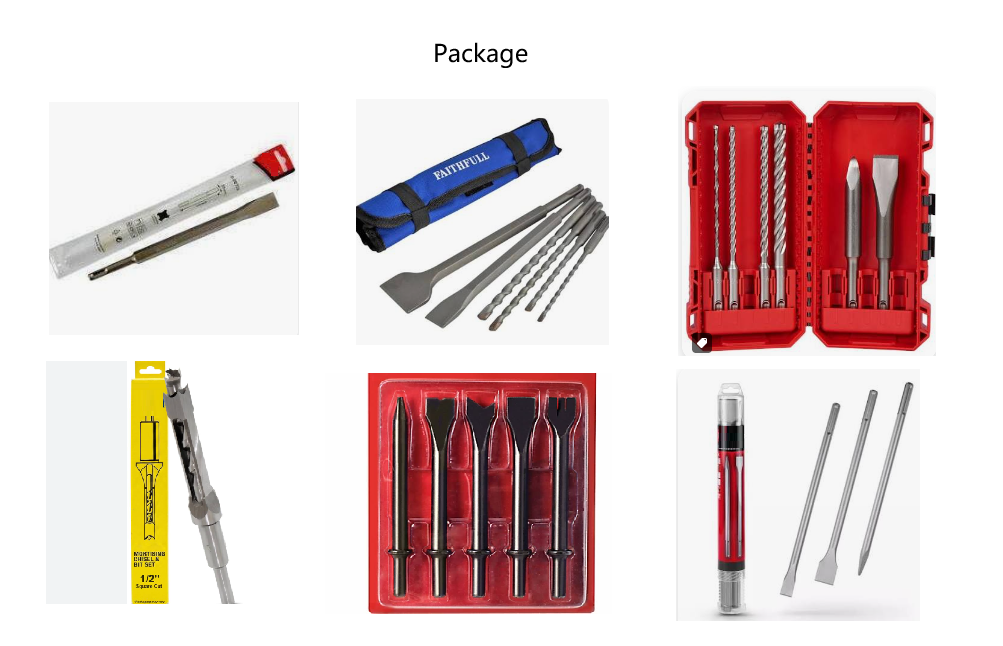
Reliable packaging is the final critical quality checkpoint for industrial chisels, whether for woodworking chisels, masonry chisels, or heavy-duty hydraulic breaker chisels. As a core supplier focusing on global B2B tool export, we tailor standardized and customized chisel packaging solutions strictly in line with international logistics standards, fully solving common problems such as blade abrasion, surface rust, structural deformation, and scattered accessories during long-distance ocean, air, and land transportation. Our packaging design balances safety, durability, aesthetics, and cost-effectiveness, meeting the diverse procurement needs of global distributors, engineering companies, and retail sellers.
We adopt a scientific multi-layer integrated packaging structure to deliver comprehensive protection for every chisel. The inner packaging is the first line of defense for product safety. Each single chisel is individually wrapped with high-toughness stretch film, which closely fits the tool body to effectively isolate air, moisture, and dust. This layer perfectly protects the precisely polished cutting edge, preventing blade scratches, edge chipping, and oxidation rust during stacking and transportation. For sharp-bladed chisels, we additionally equip customized plastic blade protectors to lock the blade shape and avoid sharp part damage or safety hazards caused by friction and collision. Small batch single products are matched with high-quality waterproof and dustproof plastic bags, realizing independent sealed storage and facilitating subsequent sorting and retail display.
The middle layer adopts shock-absorbing and anti-collision filling materials to strengthen the overall stability. We use high-density foam pads and corrugated cardboard positioning brackets to fix each chisel in a separate groove, eliminating extrusion, shaking, and friction between tools during long-distance transportation and bumpy road conditions. For chisel sets with multiple specifications and complete accessories, the customized internal positioning structure ensures neat arrangement of all tools and parts, no messy displacement, and intact preservation of product integrity. This buffer structure effectively resists external pressure and vibration, greatly reducing the product damage rate in transit.
The outer packaging is selected according to product type, weight, and transportation mode to meet diversified export scenarios. For light-duty woodworking chisels and small pneumatic chisel sets, we adopt high-hardness export cartons with double-layer thickened design, featuring compression resistance, tear resistance, and light weight, which is convenient for air transportation and retail shelf placement. For heavy-duty industrial chisels, hydraulic breaker chisels, and large-batch bulk orders, we use fumigation-free export plywood wooden boxes. The wooden boxes have solid structure, strong compression and drop resistance, no formaldehyde pollution, and fully comply with international customs inspection and environmental protection standards, suitable for long-term ocean freight and multi-container stacking.
All our export packaging supports diversified customized services to help customers build brand advantages. We can print customer brand LOGO, product specifications, model parameters, barcode labels, and shipping marks on the outer packaging according to customer requirements. Clear and standardized packaging printing not only improves the overall grade of products but also facilitates customers’ warehouse inventory management, market sales, and secondary distribution. Meanwhile, we support flexible packaging form customization, including portable canvas roll-up pouches for retail small sets, rigid tool boxes for professional kits, and bulk wooden box packaging for engineering wholesale orders, adapting to different market positioning and sales modes.
In terms of quality control, every batch of chisel packaging undergoes strict pre-shipment inspection. We check the tightness of inner sealing, the firmness of buffer fixation, the compression resistance of outer packaging, and the accuracy of identification labels one by one to ensure no loose packaging, incomplete protection, or irregular marking. All packaging materials are made of environmentally friendly, recyclable, and export-qualified materials, which can pass the customs inspection of most countries and regions in Europe, America, Southeast Asia, and the Middle East smoothly, avoiding customs detention and return risks caused by unqualified packaging.
In conclusion, our professional chisel packaging solutions take product safety as the core, international logistics standards as the benchmark, and customer customization as the advantage. From anti-rust and anti-collision inner protection to pressure-resistant and standardized outer packaging, every detail is optimized for global cross-border transportation. It not only maximizes the integrity of chisel products during delivery but also enhances product competitiveness and brand image for global buyers, becoming a reliable guarantee for long-term and stable cooperative trade.
Application of Chisel | Wide‑range Working Scenarios for Industrial & Hand‑Use Chisels
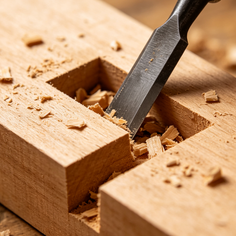



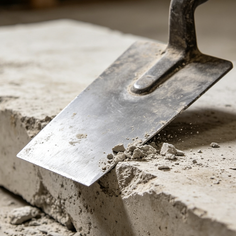
Chisels belong to multi‑purpose cutting‑and‑chipping tools, available in multiple types such as woodworking chisels, masonry chisels, flat chisels, pointed chisels and hydraulic breaker chisels. Thanks to robust impact resistance and sharp cutting performance, they are widely adopted across handicraft processing, building renovation, engineering demolition, workshop manufacturing and household DIY maintenance. Understanding the real‑world applications helps global distributors and end‑users pick suitable chisel models for their projects and maximize tool value.
Woodworking processing is one of the most classic application scenarios for hand‑held chisels. Professional carpenters and wood craftsmen rely on woodworking chisels for mortising, slotting, trimming edges and carving details. Flat chisels clean flat grooves on solid wood panels, while curved chisels create concave shapes for furniture decorations and wood artwork. When producing doors, windows, cabinets and traditional wooden handicrafts, chisels remove surplus wood material that saws cannot handle precisely. Hobby‑level DIY users also use small‑size chisels for home wood modification, handmade toy making and old furniture restoration. A high‑quality chisel delivers smooth cutting surfaces and reduces extra sanding work, greatly improving processing accuracy for both mass‑produced workshop goods and custom hand‑crafted pieces.
In construction and masonry work, chisels handle hard materials including brick, concrete, stone and plaster. Masonry chisels chip off excess cement, trim brick edges and clean old mortar between wall bricks during renovation. Pointed chisels break small concrete bulges on walls, dig shallow grooves for wiring and pipe embedding. For tile renovation projects, workers use chisels to remove worn tiles and clear residual cement layers on wall bases without severely damaging the original wall structure. On‑site maintenance workers frequently carry hand chisels for partial wall repair, surface levelling and local demolition. Unlike heavy large‑scale breaking machines, manual chisels excel at narrow spaces and fine partial modification, bringing flexible operation for interior decoration and building repair jobs.
Heavy‑duty chisels, especially hydraulic breaker chisels, undertake high‑intensity demolition and mining tasks in engineering sites. Installed on breakers fitted for excavators, these chisels break concrete foundations, cracked road surfaces, rock piles and abandoned building structures. Road maintenance teams use them for old pavement removal before road reconstruction. Quarry and stone processing sites apply chisels to split raw stone blocks and rough‑shape stone materials. Waste‑recycling projects also adopt breaker chisels to smash reinforced concrete waste. Under heavy impact loads, the integral forged chisel body keeps stable performance, effectively lowering downtime for large‑scale construction projects.
Besides major industrial scenarios, chisels serve multiple auxiliary maintenance fields. Metal processing workshops use chisels to remove burrs, cut weld seams and chip off thick rust layers on metal workpieces. In sculpture creation, stone‑carving chisels carve statues and stone ornaments, gradually shaping detailed textures on hard stone materials. Household maintenance workers keep compact chisel sets for simple tasks: removing old caulking, chipping loose plaster and trimming small masonry parts. For repair shops, chisels assist in disassembling tightly‑fitted mechanical parts that cannot be pried by ordinary screwdrivers.
Different working environments require matching chisel types. Soft‑material wood carving needs sharp fine‑edged wood chisels. Brick‑and‑concrete renovation calls for impact‑resistant masonry chisels. Large‑volume rock breaking must choose heavy‑duty hydraulic breaker chisels. Mis‑selection will cause fast edge wear, tool fracture and poor working results.
In short, chisels cover fine manual craftsmanship, medium‑scale building renovation and heavy engineering demolition. Their flexible, reliable performance makes them indispensable tools for carpenters, masons, engineering contractors, repair technicians and DIY enthusiasts. Our full‑spec chisel series covers above‑mentioned diverse application demands
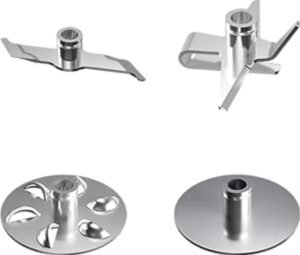
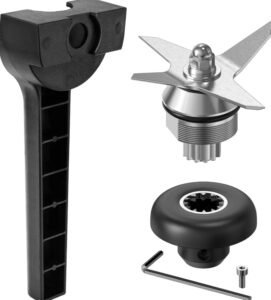
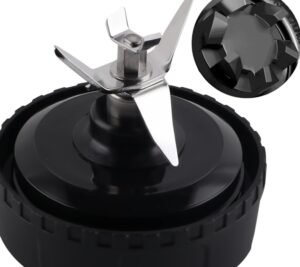
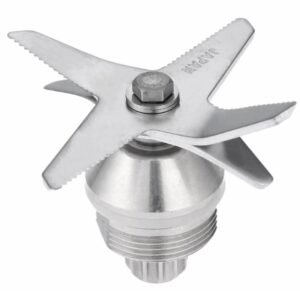
Blender Blade
Diamond Blade for Sale

Demolition Hammer & Rotary Hammer for Sale
Blender Blade for Sale:
Flap Disc for Sale
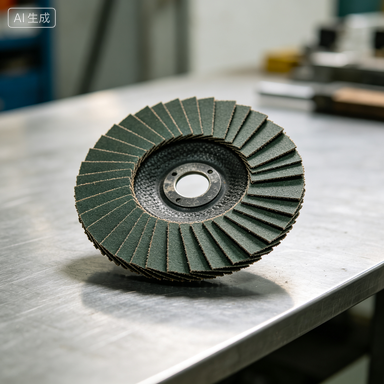

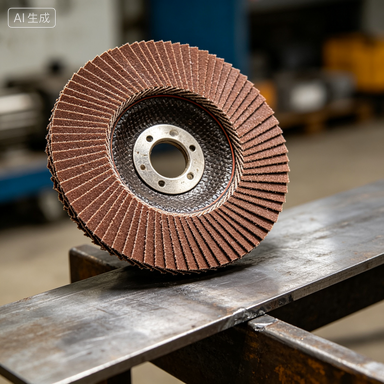
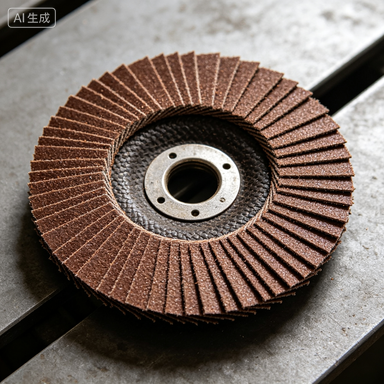
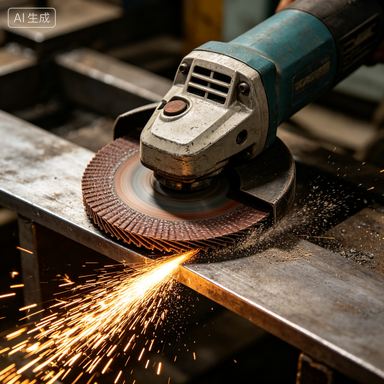
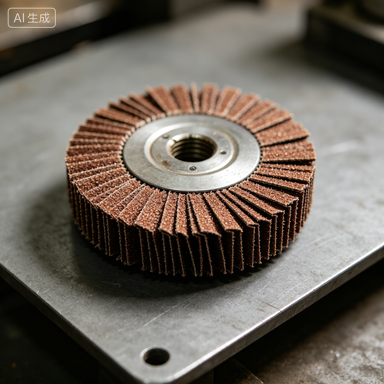
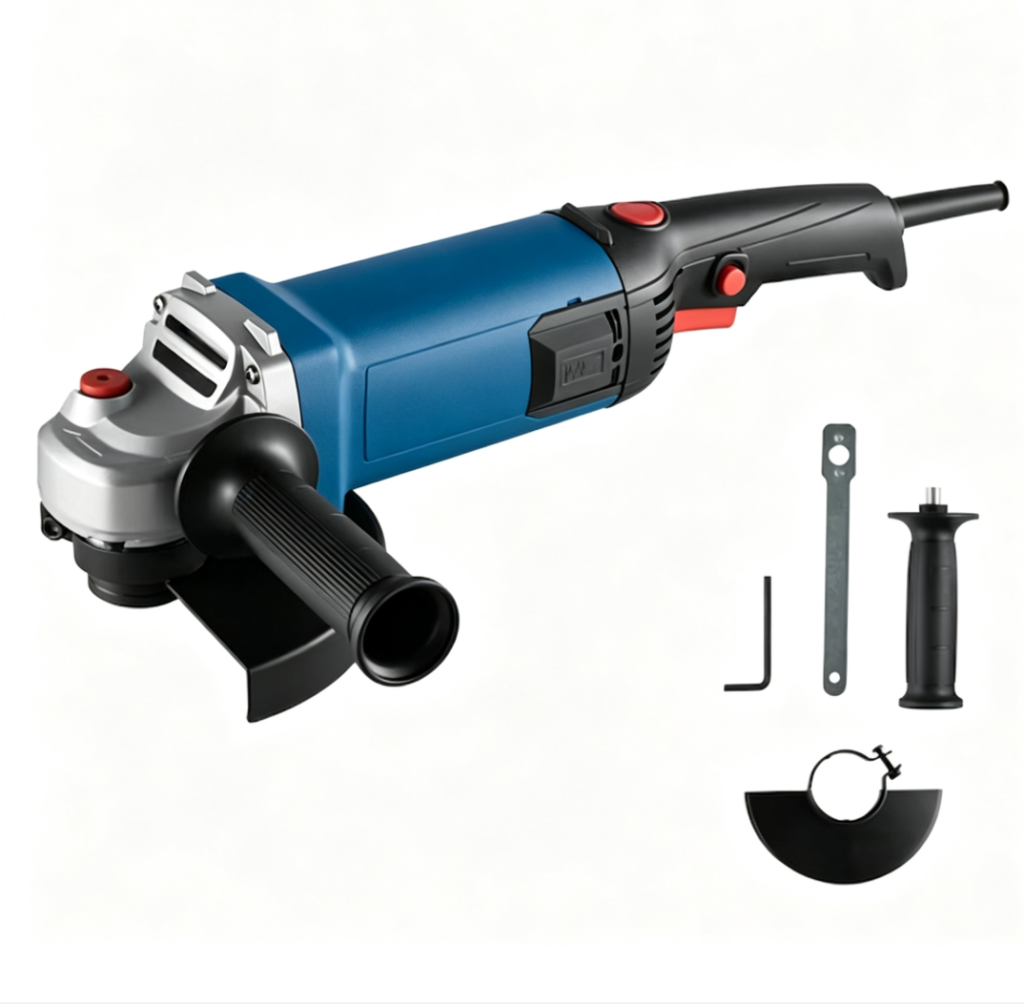
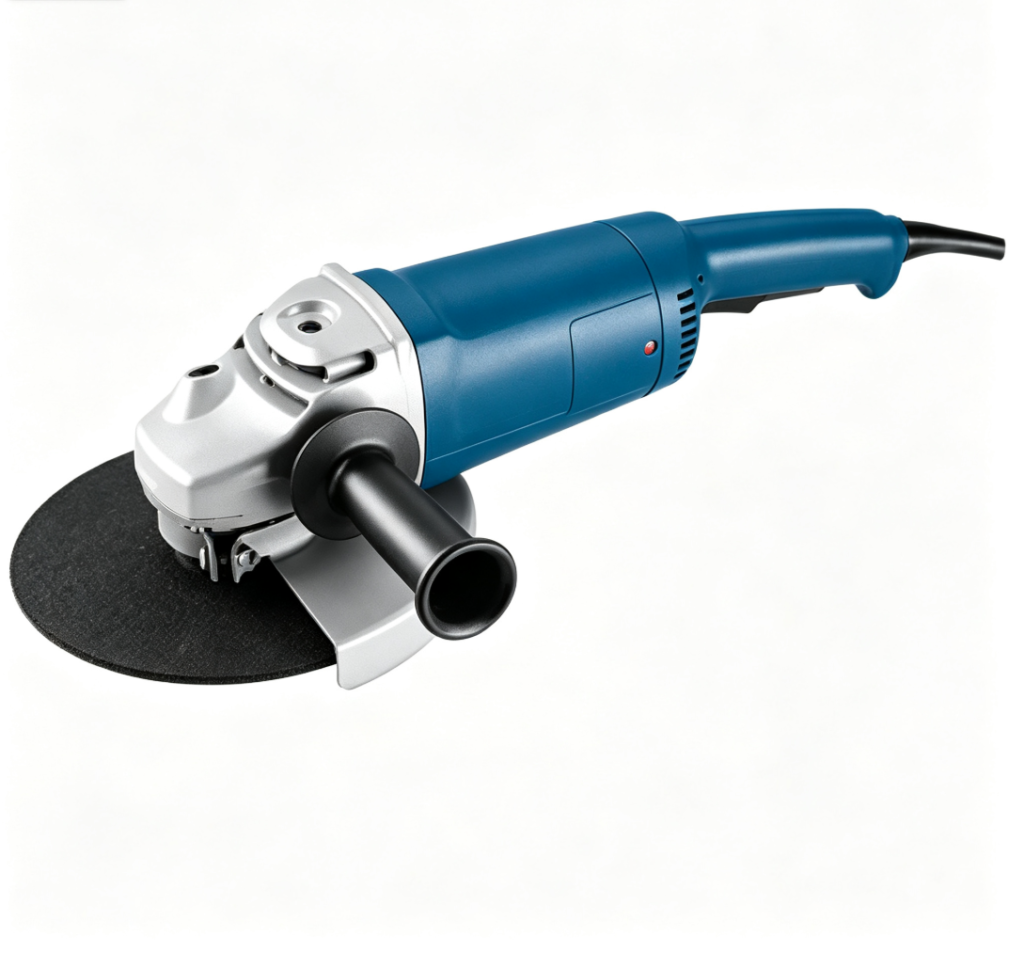
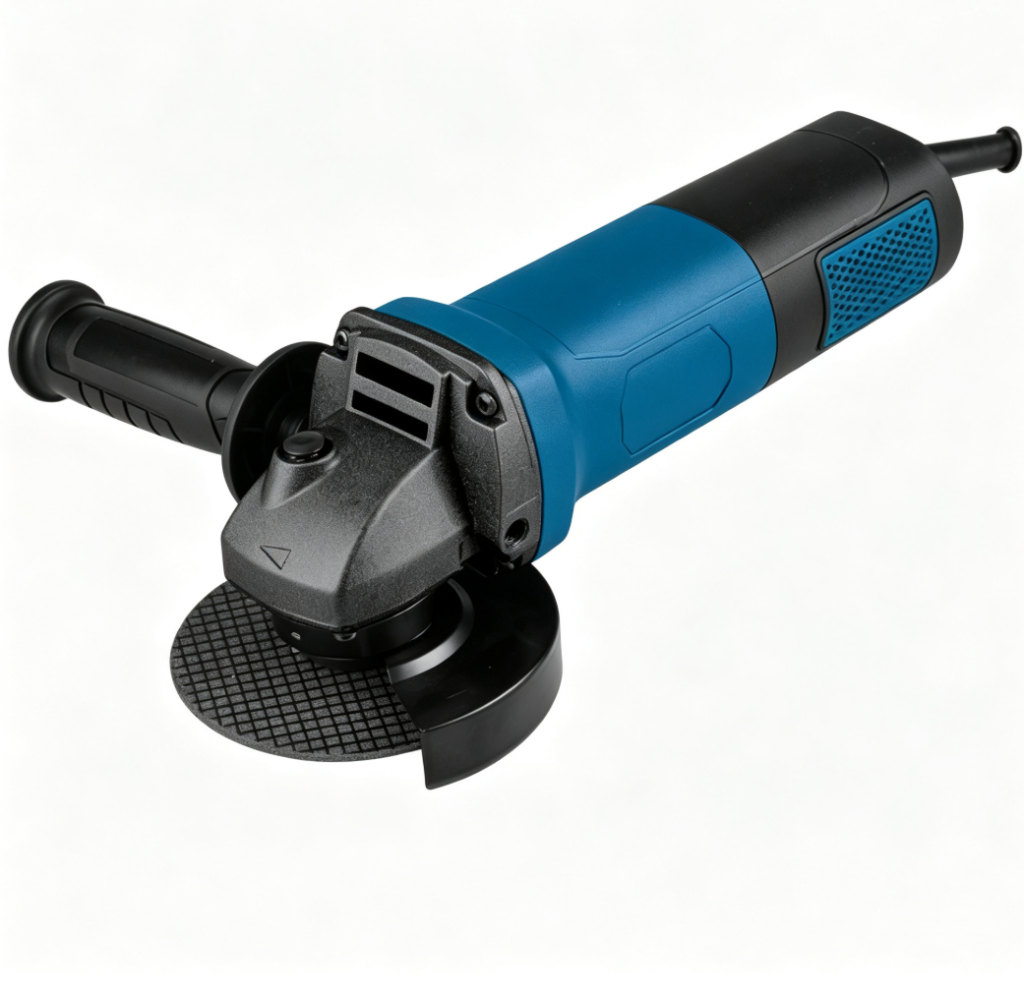
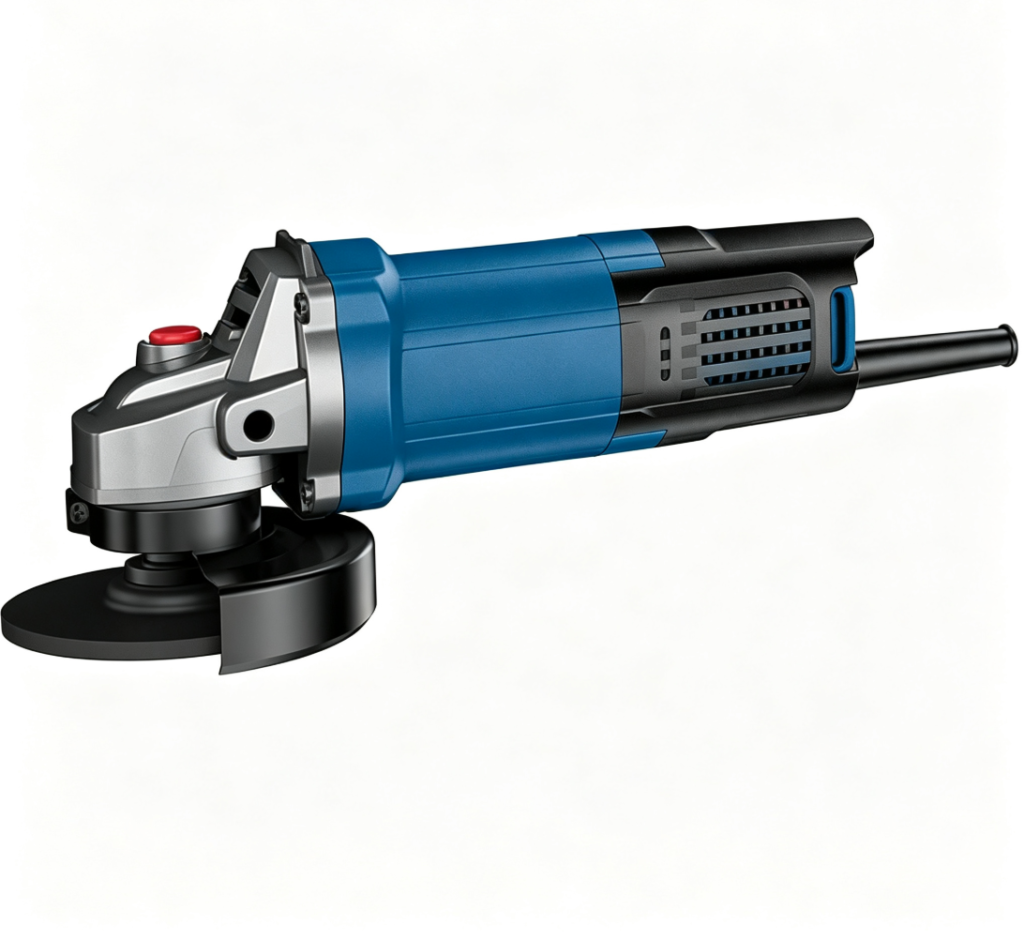
Angle Grinder for Sale:
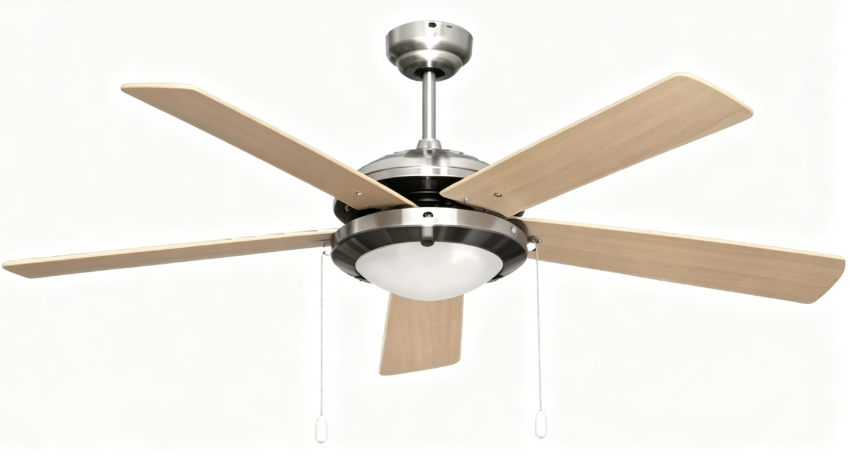
Industrial Fan for Sale




Welcome to call us
Contact Us to get quotation
Working Time: 8:00~17:00 Monday to Friday.
FAQ
Welcome to call us
Contact Us to get quotation
Working Time: 8:00~17:00 Monday to Friday.
Blogs:

You May also Interest in other topics:
rotary filling machine Yuanming Powder grinding mill Type 2 portable ev charger Rotary Granulator