industrial fan cost
Industrial Fan for Sale


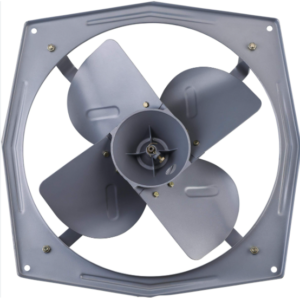
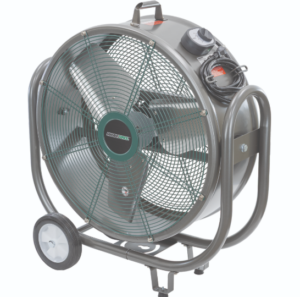
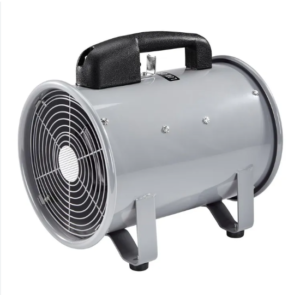
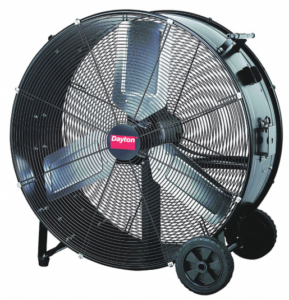
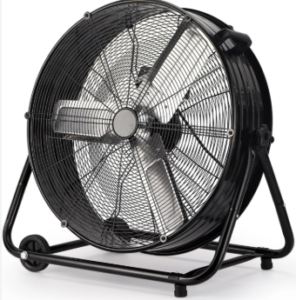
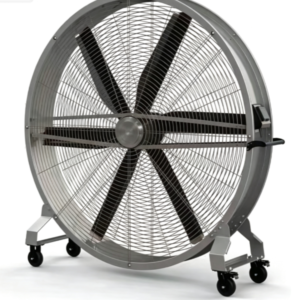
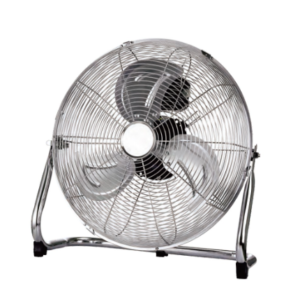
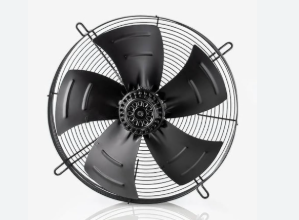
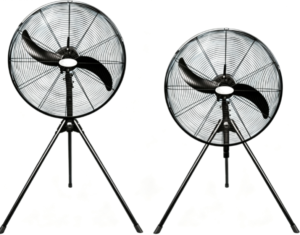
industrial fan cost
Industrial fan cost refers to the comprehensive pricing and expenditure system of industrial ventilation equipment, covering the market price range of different fan categories, internal cost composition and core pricing influencing factors, and serves as a crucial reference standard for industrial enterprises when purchasing ventilation and cooling equipment. Unlike ordinary civilian fans with fixed and transparent pricing, industrial fans feature diverse types, differentiated configurations and customized services, leading to obvious price gaps between different products. The overall cost not only includes the upfront selling price of the equipment, but also involves manufacturing costs, service costs and long-term hidden operating expenses. A full understanding of industrial fan cost components and pricing rules can help industrial buyers avoid irrational procurement, balance upfront investment and long-term operating costs, and select cost-effective ventilation equipment suitable for actual industrial scenarios.
What are the market price ranges for different categories of industrial fans in the mainstream industry?
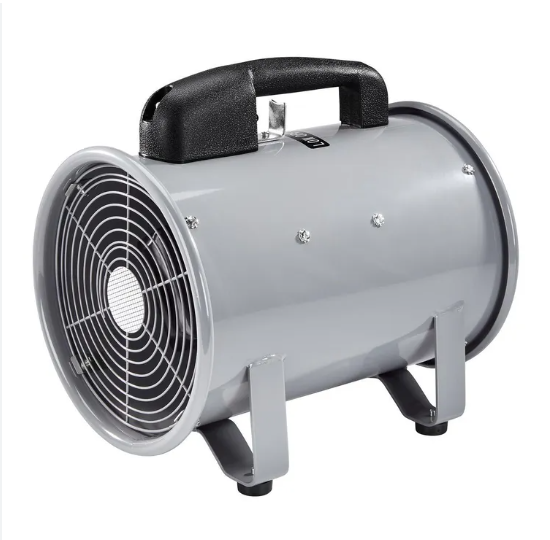
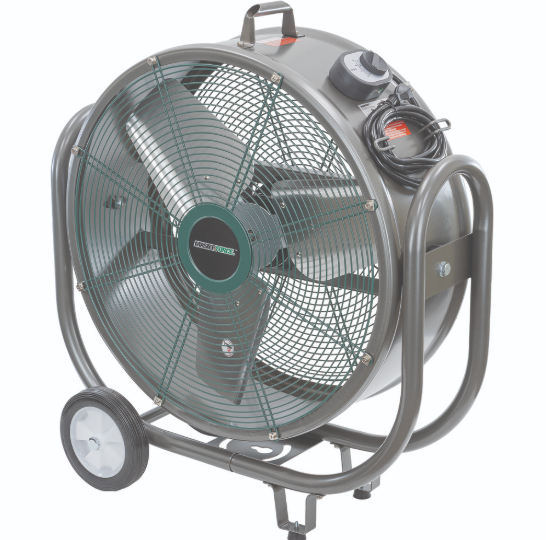
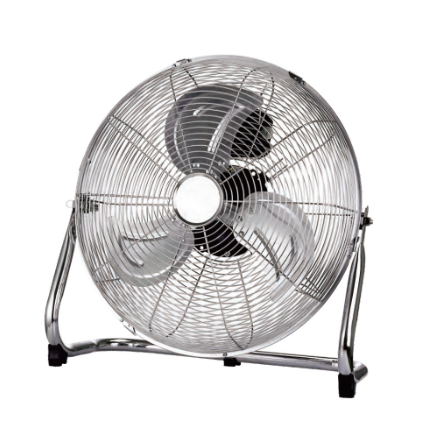
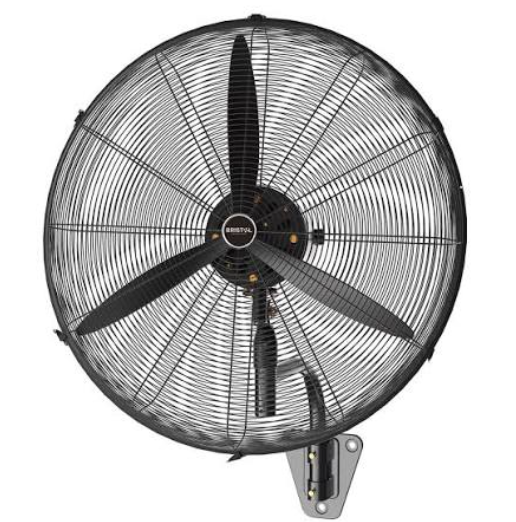
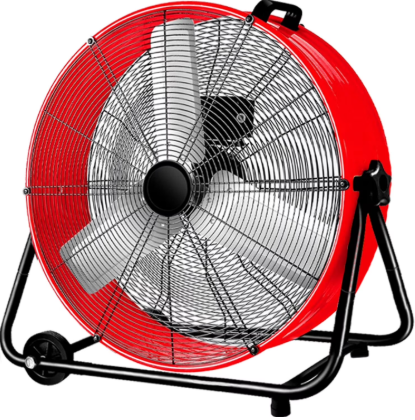
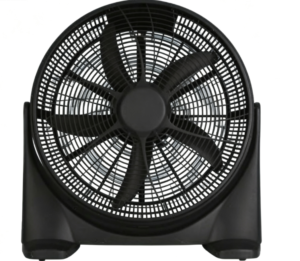
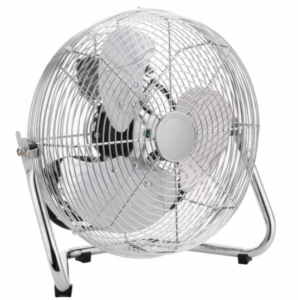
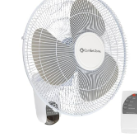
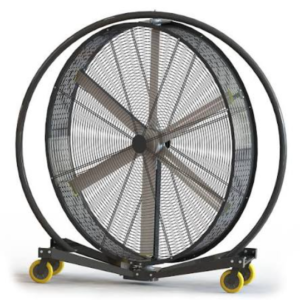
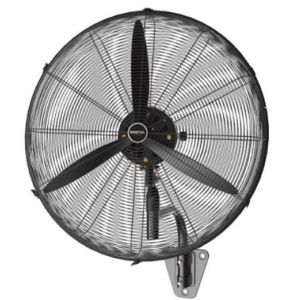
Small conventional industrial fans represented by floor-standing and wall-mounted models have the lowest market price range of 119 to 380 yuan, and are mainly used for local ventilation and cooling of small-area working stations. This type of basic industrial fan adopts standardized lightweight configuration and conventional structural design, with simple production processes and low material costs, so the market pricing is very approachable. Classic mainstream products such as Meiling industrial floor fan and Airmate industrial wall fan are priced at 119 yuan and 322 yuan respectively, fully meeting the basic ventilation demands of small processing stations, independent operation positions and small indoor spaces. With flexible installation, simple operation and low entry cost, these small fans are the most common and cost-effective basic ventilation equipment for scattered small-scale industrial scenarios.
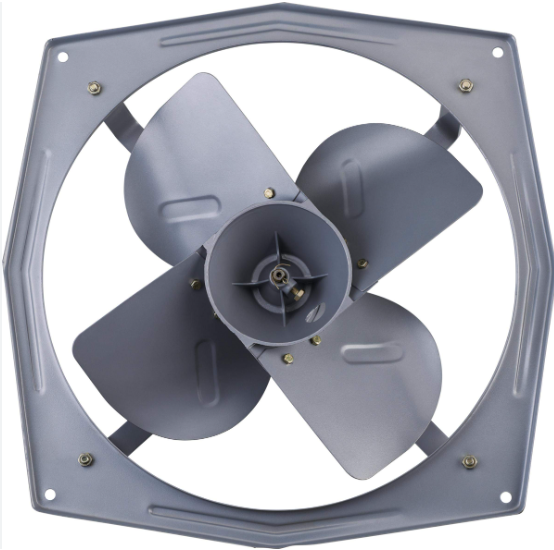
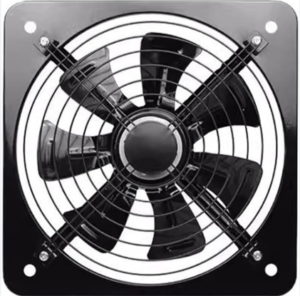
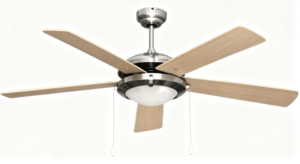
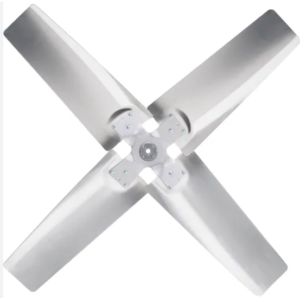
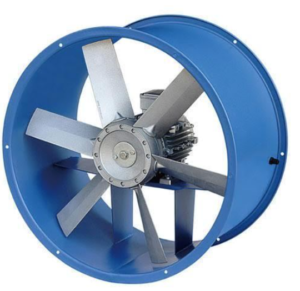
Medium-sized industrial ventilation equipment including conventional axial flow exhaust fans and small industrial ceiling fans have a wider market price range of 200 to 2700 yuan, suitable for medium and small-sized workshops and conventional warehouse ventilation scenarios. Compared with small wall and floor fans, medium-sized ventilation equipment has upgraded fan diameter, air volume performance and structural stability, with slightly improved material and manufacturing costs. Most basic small industrial ceiling fans that include professional on-site installation services start at 2700 yuan, integrating equipment cost and construction service cost. Axial flow exhaust fans with different power specifications are distributed in the low and middle price ranges of this interval, which can meet the overall air circulation and exhaust heat dissipation needs of medium-sized closed workshops, ordinary storage warehouses and processing factories, filling the ventilation gap between small basic fans and large industrial equipment.
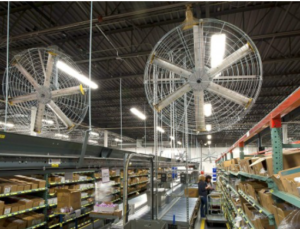
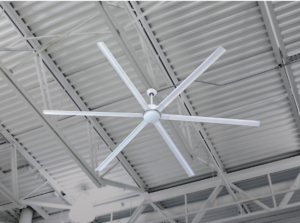
Large HVLS industrial ceiling fans with a blade diameter of 4 to 8 meters belong to high-end industrial ventilation equipment, with a mainstream market price of 3480 to 8000 yuan, and the product price varies significantly according to internal configuration differences. This type of large-scale fan is exclusively designed for tall and large industrial plants and large logistics warehousing centers, adopting ultra-large diameter blade structure and high-grade power system. Different from medium and small industrial fans with single configuration, large HVLS fans have diversified configurations in motor type, blade material, safety structure and intelligent control function. Basic standard models are at the lower end of the price range, while upgraded models with energy-saving, intelligent speed regulation and high-safety configurations are priced higher. Relying on ultra-wide coverage and high-efficiency energy-saving performance, they become the core ventilation equipment for large-space industrial scenarios, and their differentiated configuration design also forms a clear price gradient.
The tiered price distribution of industrial fans corresponds precisely to the scenario demand hierarchy, forming a complete market pricing system from basic ventilation to high-efficiency full-space ventilation. Low-priced small fans solve local single-point cooling demands, medium-priced medium-sized equipment adapts to medium-space overall ventilation, and high-priced large HVLS fans undertake the ventilation work of super-large tall spaces. This classified pricing rule enables enterprises to select targeted products according to their own site scale and ventilation demands, avoiding excessive investment in high-end equipment for small scenarios or insufficient performance of low-priced equipment for large spaces, and realizing reasonable matching of procurement cost and actual demand.
What core cost components determine the final pricing of industrial fans?
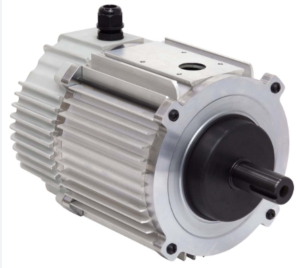
Core component cost is the largest proportion of industrial fan manufacturing cost, and the grade of motors and fan blades directly creates the basic price gap of products. The motor is the core power component of industrial fans and occupies the highest cost ratio in the whole machine. High-performance permanent magnet synchronous motors have complex manufacturing processes, high material precision requirements and stable operating performance, so their comprehensive cost is much higher than that of ordinary traditional asynchronous motors. Similarly, fan blades made of aviation magnesium-aluminum alloy have outstanding advantages in strength, deformation resistance and dynamic balance performance, and the raw material cost and processing difficulty are far higher than those of ordinary plastic-steel blades. Products equipped with high-grade motors and alloy blades have excellent stability and service life, and their overall pricing is naturally higher than that of ordinary low-configuration models.
Material quality and production process standards are important factors that further raise the manufacturing cost of high-standard industrial fans. Ordinary basic industrial fans adopt conventional thin steel plates and simple forming processes, with low material and processing costs. In contrast, industrial fans designed for harsh working conditions use thickened high-strength steel materials, anti-corrosion and explosion-proof special alloy materials, which greatly improve raw material costs. In terms of processing technology, high-quality products adopt tenon-and-mortise anti-fracture structure and integrated forming technology, which require more refined processing equipment and complex production procedures. The optimized structural technology improves the mechanical strength and operational safety of the fan, but also increases manual and equipment loss in the production process, making the process cost significantly higher than that of ordinary simple-process products.
Value-added service costs including on-site survey, customized design, professional installation and long-term warranty are fully included in the final pricing of high-quality industrial fan products. Low-priced basic fan products are usually sold as standalone equipment, with no additional service support, and buyers need to complete installation and debugging by themselves. Regular manufacturers of medium and high-end industrial fans provide one-stop supporting services. Before delivery, professional technicians conduct on-site survey according to the customer’s site environment, space size and ventilation pain points to formulate personalized ventilation schemes. After delivery, standardized on-site installation and commissioning are completed, and ultra-long after-sales warranty services are provided in the later stage. The human resource cost, time cost and technical cost generated by these supporting services are all incorporated into the product pricing, making the overall price of service-integrated products higher than that of single equipment sales.
Certification and compliance costs are invisible but essential constituent parts of formal industrial fan pricing, applicable to all standardized compliant products. Industrial ventilation equipment used in professional industrial scenarios needs to pass strict industry compliance tests and obtain authoritative qualification certifications. Explosion-proof fans need professional explosion-proof certification, high-protection fans need to reach IP55 and above protection level certification, and energy-saving products need to pass industry energy efficiency qualification testing. These professional certifications require long-term testing, professional equipment detection and regular qualification review, which generate continuous compliance costs. Small factory products without formal certifications omit these links and have low pricing, while formal compliant brands include certification and testing costs in product pricing, ensuring that the equipment meets industrial safety and environmental protection standards.
What key factors affect the overall procurement cost of industrial fans for enterprises?
The physical size and rated air volume of industrial fans are the most intuitive factors affecting procurement cost, with larger specifications and higher performance corresponding to higher overall prices. The fan blade diameter directly determines the material dosage of the whole machine. The larger the blade size, the more raw materials are consumed for blades, brackets and casings, and the higher the basic manufacturing cost. Meanwhile, high-air-volume fans need to be matched with high-power and high-efficiency motors to support high-load air supply operation, which further increases the core component cost. Large-size and high-air-volume equipment has higher production difficulty and stricter quality inspection standards, so the market selling price increases synchronously with the upgrade of specifications and performance, forming a positive correlation between size, air volume and procurement cost.
The motor type is the core factor that differentiates the upfront procurement cost and long-term operating cost of industrial fans, bringing different cost returns in the whole life cycle. Industrial fans equipped with ordinary asynchronous motors have simple structures and low manufacturing costs, so the single procurement price is relatively low, which is suitable for short-term and low-frequency use scenarios. Permanent magnet variable frequency direct-drive motors have advanced technology and higher configuration costs, leading to higher upfront procurement investment. However, this high-efficiency motor has outstanding energy-saving performance and stable operating efficiency, which can greatly reduce daily power consumption. In long-term continuous industrial operation, the saved electricity costs can quickly offset the initial price difference, realizing lower comprehensive life-cycle cost than ordinary low-priced models.
The richness of safety configurations directly affects the product pricing, and high-safety industrial fans have a 20% to 30% higher procurement cost than basic ordinary models. Basic industrial fans only retain the simplest operating structure, with no additional safety protection design, and the production cost is controlled at a low level. In order to adapt to high-altitude long-term operation and high-intensity industrial scenarios, high-standard industrial fans are equipped with five-layer anti-fall protection, motor overload protection, blade anti-fracture reinforcement and other multi-dimensional safety structures. These professional safety configurations require additional materials and customized processing procedures, increasing the production cost of the whole machine. Although the upfront procurement cost is increased by 20% to 30%, they can effectively avoid safety accidents and equipment failures, bringing higher safety benefits for industrial operation.
Procurement scale has an obvious impact on the average unit cost of industrial fans, and batch procurement can effectively reduce the comprehensive procurement expenditure of enterprises. For single sporadic procurement, manufacturers adopt the standard retail price with no discount space, and the unit cost is the highest. When enterprises purchase multiple devices in batches, formal manufacturers will implement a stepped preferential pricing mechanism. With the increase of procurement quantity, the unit product price decreases correspondingly. Batch procurement reduces the manufacturer’s single delivery cost and after-sales service cost, so manufacturers can give sufficient profit concessions. For enterprises with large-area factory and warehouse ventilation demands, centralized batch procurement can significantly reduce the average unit procurement cost and optimize the overall procurement budget.
Brand qualification and market reputation also form obvious price differences in the industrial fan market, with first-line brands having higher pricing but more reliable comprehensive value. Well-known formal brands such as Green Island Wind strictly implement industry production standards, adopt qualified high-grade raw materials, complete testing procedures and perfect after-sales systems, with stable product quality and zero-cut safety performance. Their standardized compliant products are priced higher than low-cost products from small unknown factories that cut corners and omit testing links. Although small factory products have low upfront procurement costs, they have hidden dangers of unstable performance and missing after-sales services. First-line brand products rely on reliable quality and perfect guarantee, bringing more stable long-term use value for enterprises.
What hidden long-term usage costs do industrial fans have in the whole life cycle?
Energy consumption cost is the most important long-term hidden operating cost of industrial fans, and high-efficiency energy-saving models can greatly reduce annual power consumption expenditure. Ordinary industrial fans with traditional asynchronous motors have high power loss and low energy utilization rate, resulting in huge cumulative electricity consumption after long-term uninterrupted operation. High-quality permanent magnet energy-saving industrial fans optimize the motor power conversion efficiency and aerodynamic structure, which can reduce the annual electricity expenditure by 30% to 50% compared with ordinary models. Although the initial purchase price is higher, the long-term continuous electricity savings can quickly recover the upfront price difference. For industrial scenarios that require all-year-round ventilation, the energy-saving advantage can create long-term and stable cost-saving benefits for enterprises.
Daily maintenance and component replacement costs are key hidden expenditures that differentiate high-quality and inferior industrial fans in long-term operation. High-standard industrial fans with qualified materials and precise processes are basically maintenance-free in daily operation, with low failure rate and no need for frequent component replacement and manual maintenance. In contrast, inferior low-cost industrial fans have rough production processes and poor material durability. After 1 to 2 years of operation, problems such as motor aging burnout and blade deformation and damage are prone to occur, requiring frequent replacement of core components and regular manual maintenance. The continuous maintenance and replacement expenditure will far exceed the initial procurement savings, greatly raising the comprehensive life-cycle use cost of the equipment.
Operational failure loss cost is an indirect hidden economic loss easily ignored in industrial fan procurement, which affects the stable production operation of enterprises. Inferior industrial fans with incomplete safety configurations and unstable performance are prone to blade falling, motor burnout and sudden shutdown failures during high-load operation. Once equipment failure occurs, the factory ventilation system will be paralyzed, resulting in workshop temperature rise, dust accumulation and poor air circulation, which will affect the normal production progress and even lead to production shutdown losses. High-quality industrial fans with complete safety protection structures can effectively avoid various operational failures, ensure continuous and stable ventilation work, eliminate indirect economic losses caused by equipment faults, and maintain the continuity and stability of industrial production.
The comprehensive life-cycle cost of industrial fans is a superposition of upfront procurement cost and long-term hidden cost, and low initial price does not mean low overall cost. Many enterprises only focus on the single procurement price when purchasing, ignoring the long-term energy consumption, maintenance and failure loss costs. In fact, high-priced high-quality industrial fans have low hidden operating costs and long service life, with lower comprehensive expenditure in the whole life cycle. Low-priced inferior equipment has frequent failures and high energy consumption, resulting in far higher long-term comprehensive cost than high-quality products. Therefore, evaluating industrial fan cost needs to focus on long-term comprehensive benefits rather than single upfront investment.
Summary
In conclusion, industrial fan cost is a comprehensive cost system covering market pricing, manufacturing composition, procurement influencing factors and long-term hidden expenditure, which is the core basis for industrial equipment procurement. Industrial fans form a clear tiered price system from small basic models, medium-sized ventilation equipment to large HVLS high-end products, adapting to different scenario demands. The final pricing is jointly determined by core component configuration, material technology, value-added services and compliance certification costs. Meanwhile, equipment size, motor type, safety configuration, procurement scale and brand difference are key factors affecting upfront procurement cost. In addition, long-term hidden costs including energy consumption expenditure, daily maintenance cost and failure loss cost directly determine the whole life-cycle comprehensive cost of equipment. Scientific evaluation of industrial fan costs needs to balance upfront investment and long-term operating benefits to select the most cost-effective ventilation equipment for industrial scenarios.
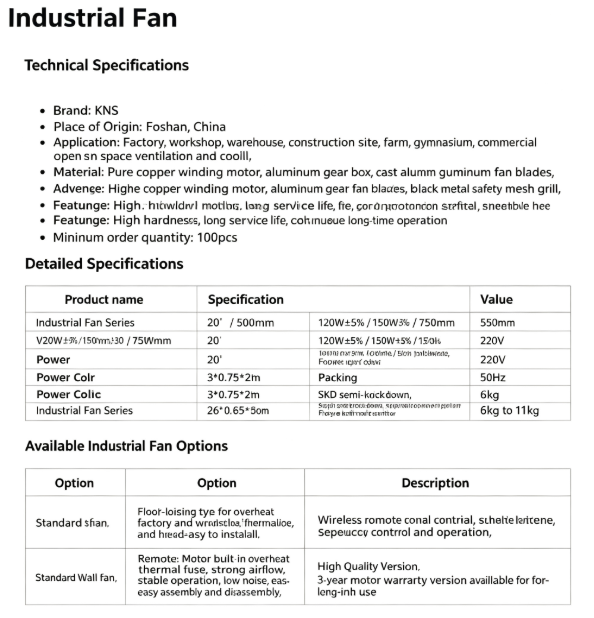


Key Features & Advantages
1. Clear Tiered Pricing for Full-Scenario Matching
Industrial fans form a complete market price gradient covering low-priced small conventional models, mid-priced medium-sized ventilation equipment and high-priced large HVLS fans. The price range accurately corresponds to the ventilation demands of small stations, medium-sized workshops and large tall warehouses respectively. The standardized tiered pricing system enables enterprises to flexibly select products according to site scale and actual demand, avoiding excessive procurement investment or insufficient equipment performance, and realizing precise matching of cost and demand.
2. Transparent and Reasonable Internal Cost Composition
The final selling price of industrial fans is composed of core component cost, material and process cost, value-added service cost and compliance certification cost. High-grade motors and alloy blades constitute the main body of manufacturing cost, while special processes, customized services and industry certifications further optimize product quality and use value. All cost components are transparent and reasonable, making the price difference of different products traceable. Formal brand pricing fully reflects product quality, service and compliance value, eliminating arbitrary premium phenomena.
3. Diversified Factors Affecting Comprehensive Procurement Cost
Equipment size, air volume performance, motor type, safety configuration, procurement quantity and brand qualification jointly affect the final procurement cost. High-performance and high-safety configurations appropriately increase upfront investment, while batch procurement can effectively reduce unit cost. First-line brand products have slightly higher pricing but more reliable quality and after-sales guarantee. Enterprises can adjust procurement schemes according to budget and demand, balance cost and performance, and maximize procurement cost performance.
4. Huge Long-Term Cost-Saving Potential of High-Quality Models
High-configured energy-saving industrial fans have prominent long-term cost advantages, with energy consumption 30% to 50% lower than ordinary models, bringing continuous electricity cost savings. With maintenance-free design and complete safety protection, they avoid frequent component replacement, manual maintenance and production shutdown losses caused by equipment failures. The long-term hidden cost is far lower than that of inferior low-priced products, realizing low-consumption, low-maintenance and low-risk stable operation throughout the life cycle.
5. Life-Cycle Cost-Effective Comprehensive Value
The evaluation of industrial fan cost should focus on the whole life cycle rather than single upfront purchase price. Although high-quality compliant industrial fans have slightly higher initial procurement costs, they have comprehensive advantages in energy saving, durability, safety and stability. They can effectively reduce long-term operating hidden costs and create stable ventilation benefits for industrial production. The overall cost performance is far higher than low-cost inferior products, becoming the preferred choice for long-term standardized operation of modern industrial enterprises.
Packing, Delivery & Shipping
If you meet our minimum order quantity requirement, customized retail packaging is available for your industrial fans. We can produce premium hanging display color boxes matched with outer export cartons. You can choose to adopt standard factory packaging, or apply your own OEM brand totally.
Customizable items include printed brand logos, product adhesive stickers, personalized color box artwork and outer carton layouts. If you need exclusive customized packaging design, please provide your complete PDF design files for production arrangement.
If your order volume fails to reach the customized packaging MOQ, we will adopt standard neutral brown cartons for bulk SKD semi-knock-down shipment. Meanwhile, you can still attach your self-designed brand stickers on the outer packages to mark your own brand.
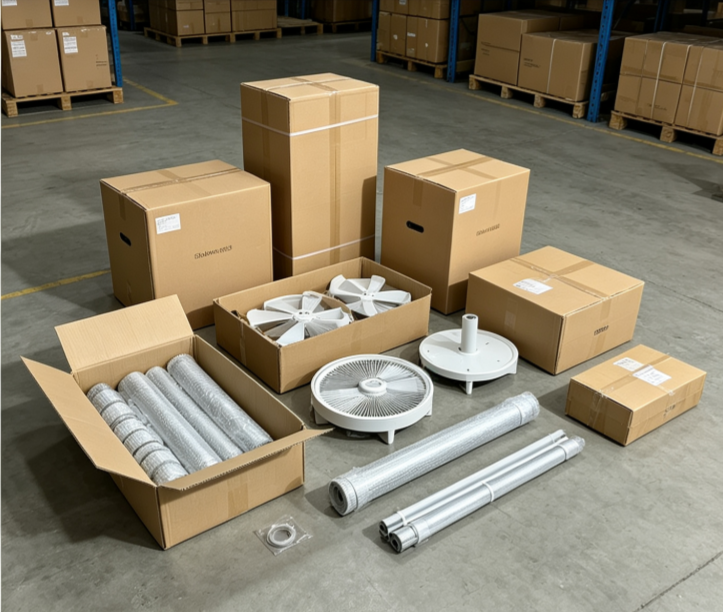
Packaging Details Adapted for Industrial Fan Series
Packaging Content: Each component of industrial fan is packed separately to avoid scratch and deformation during transit, including motor, mesh grill, fan blades, support pole, base and mounting fittings.
Inner Package: Each spare part is wrapped with protective plastic film to prevent surface abrasion.
Outer Package: Five-layer kraft corrugated export carton, shockproof and compression-resistant for long-distance sea and land transportation.
All fans are shipped in SKD semi-knock-down condition to save container loading space.
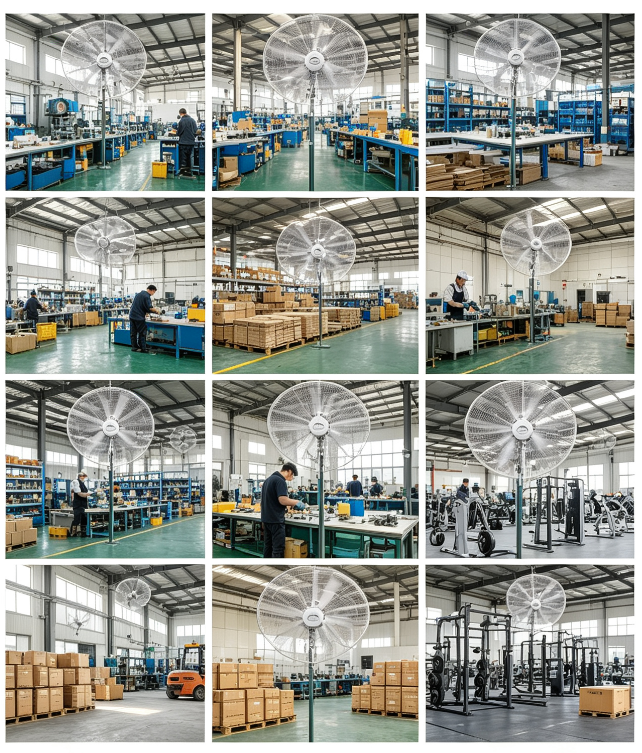
Wide Application Scenarios
Our industrial fans feature strong air output and reliable continuous operation, suitable for ventilation and cooling work across diverse commercial and industrial environments.
They are essential air circulation equipment for manufacturing workshops, warehouses, construction sites, livestock farms, supermarkets, logistics centers and large open workspaces. Widely adopted for heat dissipation, air exchange, humidity reduction and dust dispersion. Available in stand and wall-mounted types to meet different space layout demands. Equipped with copper wire motors, the fans support stable long-hour running for daily industrial ventilation.
These fans deliver steady powerful airflow and guarantee stable operation under continuous working conditions. Compatible for fixed wall installation or movable floor standing arrangement, flexible to match various site requirements.
For industrial and commercial scenarios, they are commonly used in factory workshop cooling, warehouse air circulation, market ventilation, farm dehumidification, gymnasium air exchange, station and large public space heat dissipation projects.
Well-structured industrial fans effectively accelerate indoor air convection, lower ambient temperature and improve stuffy working conditions. They help create a comfortable working environment for staff, reduce local high temperature and avoid air stagnation. Whether for fixed wall mounting along production lines, movable stand fans in temporary construction zones, or long-term continuous ventilation in storage areas, these heavy-duty industrial fans maintain stable airflow performance and outstanding durability for daily long-time operation.
Industrial fan for Sale:
Blender Blade
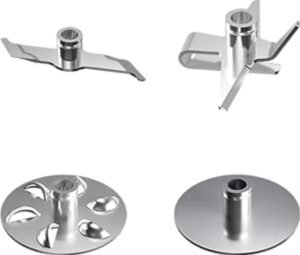
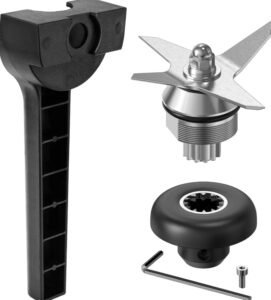

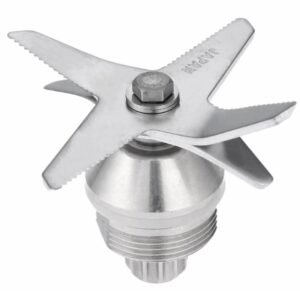
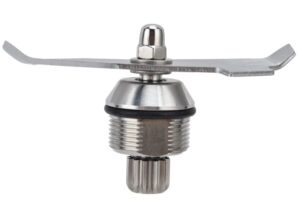
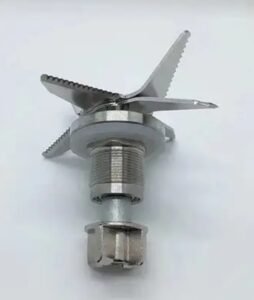

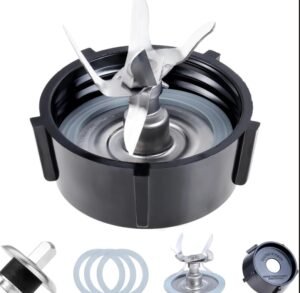
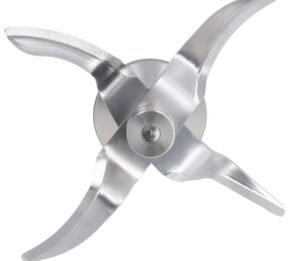
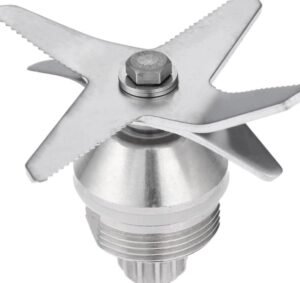
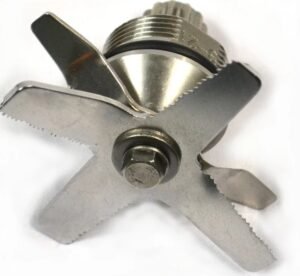
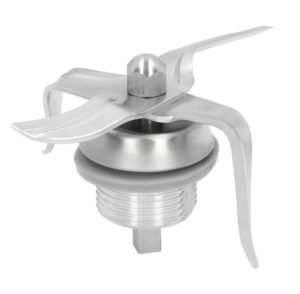
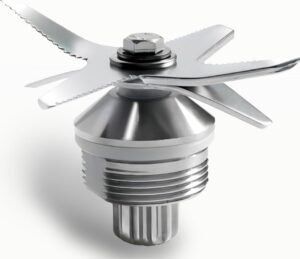
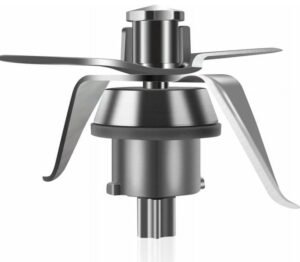
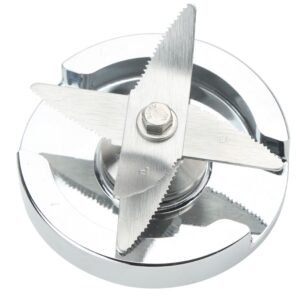
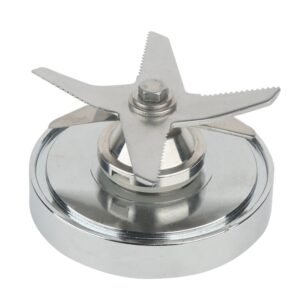
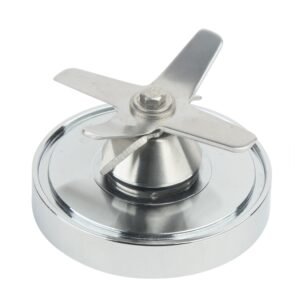
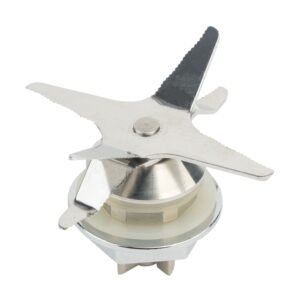
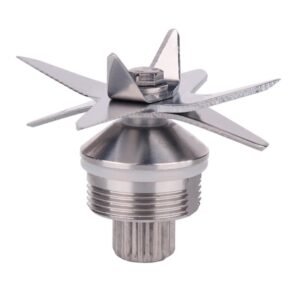
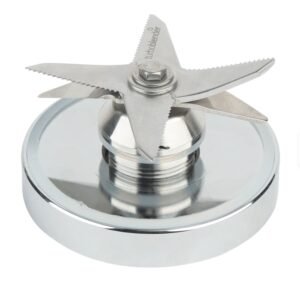
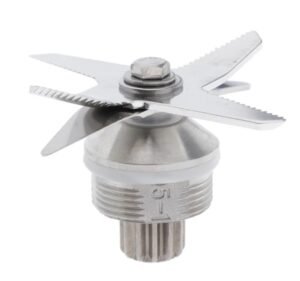
Blender Blade for Sale:
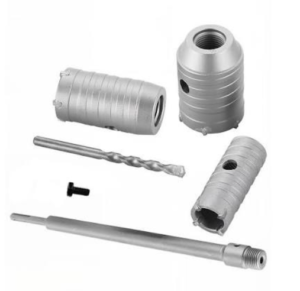
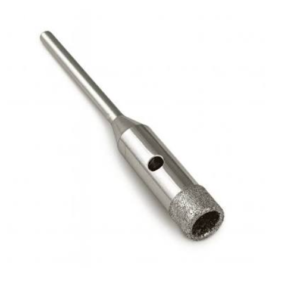
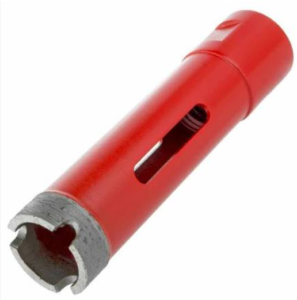
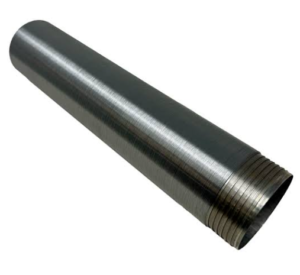
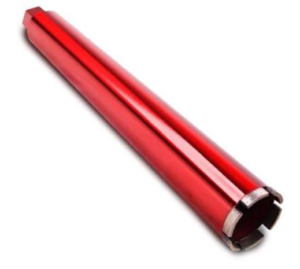
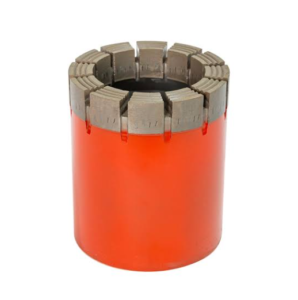
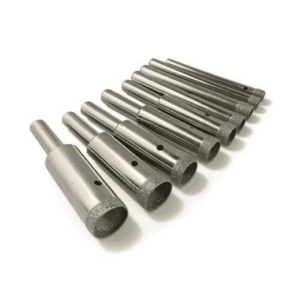
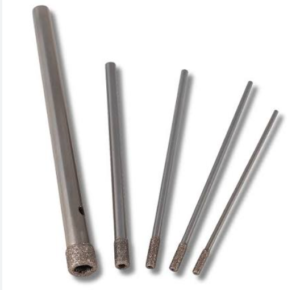
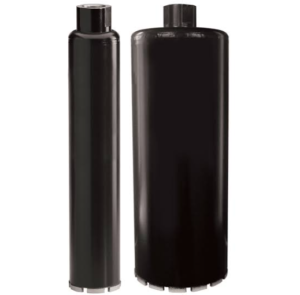
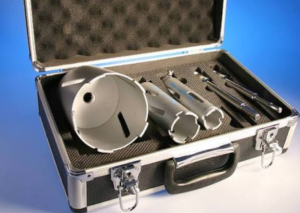
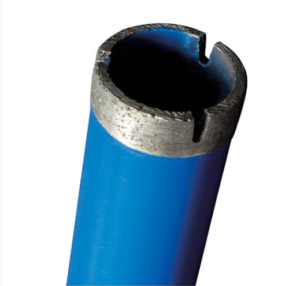
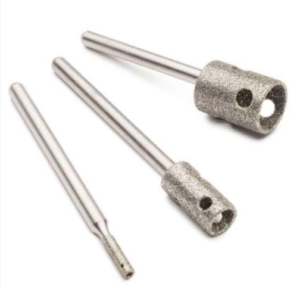
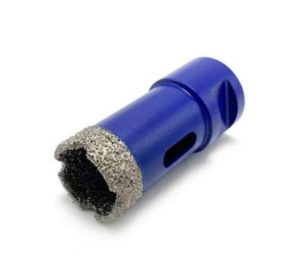
Core drill bit for Sale:
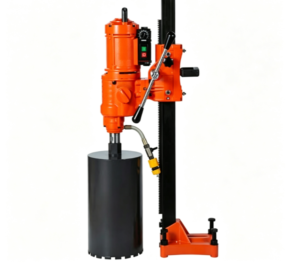
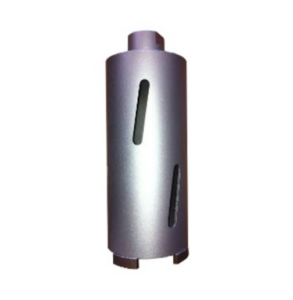
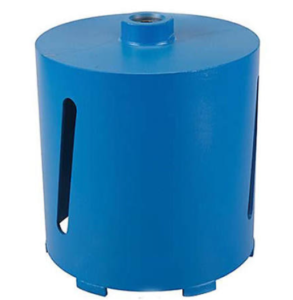
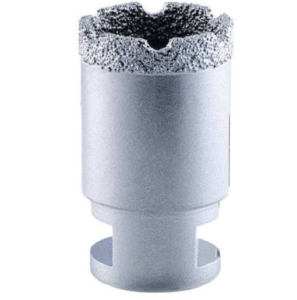
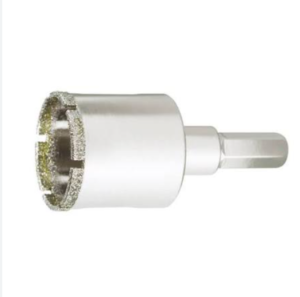
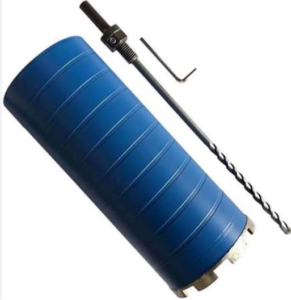
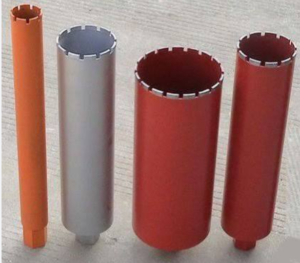
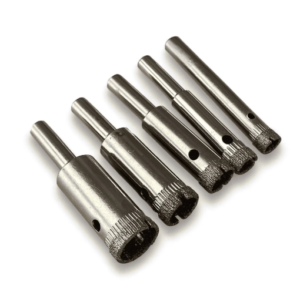
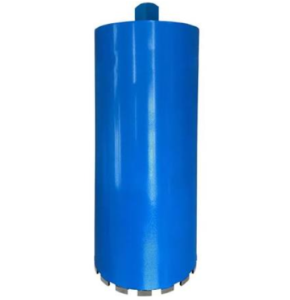
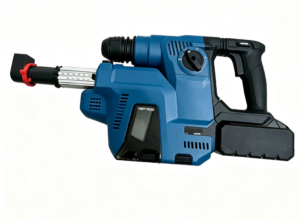
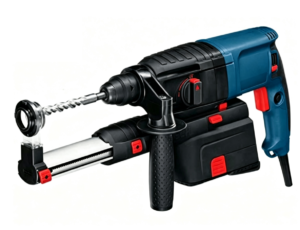
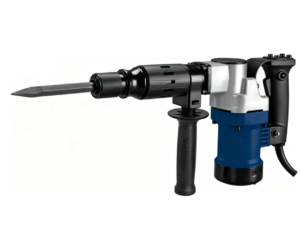
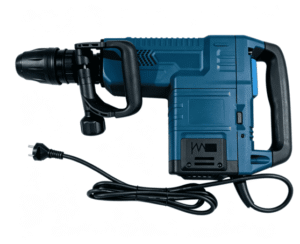
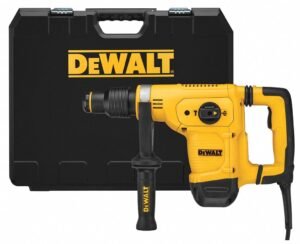
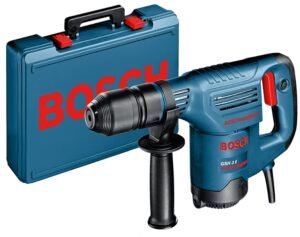
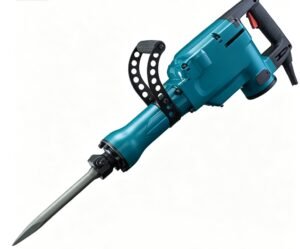
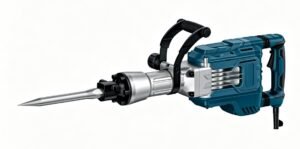
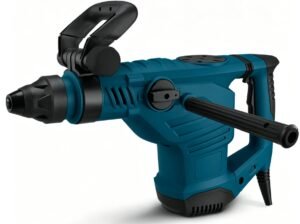
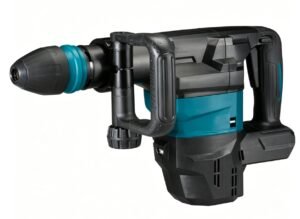
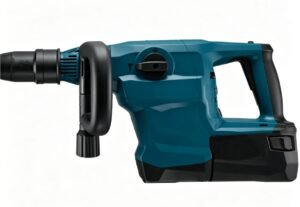
Rotary Hammer & Demolition Hammer for Sale:

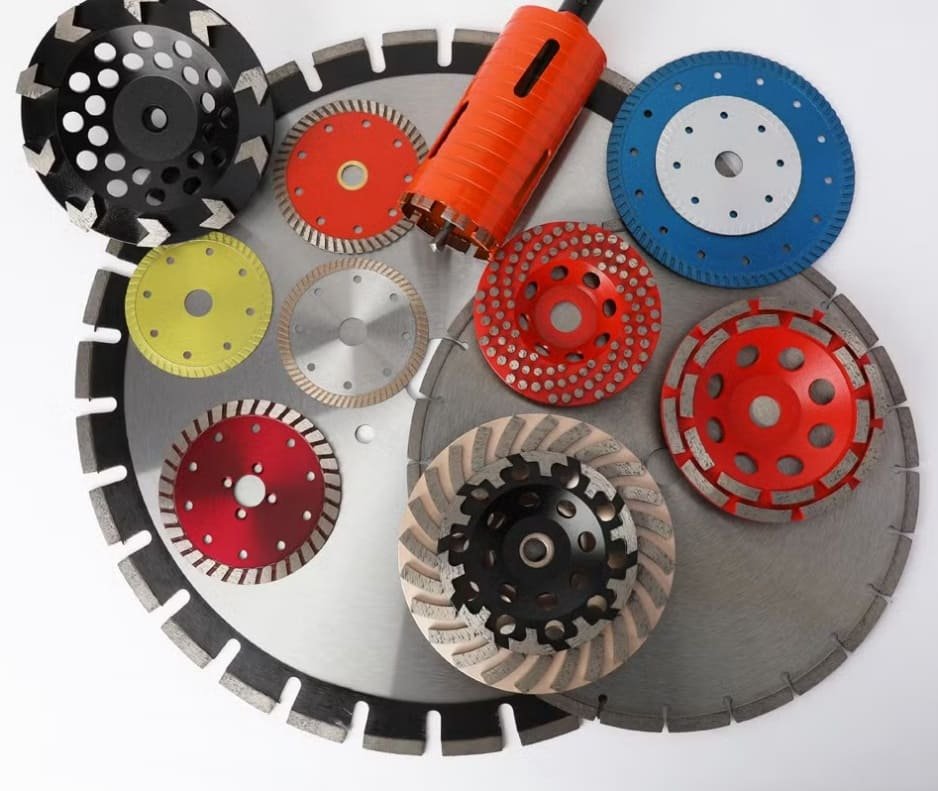
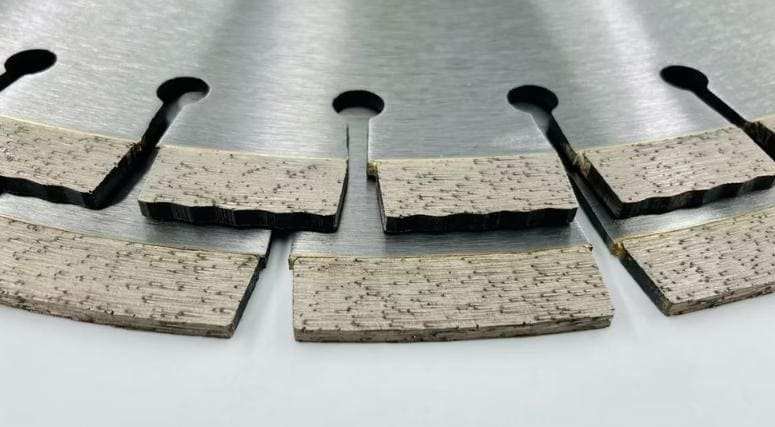
Diamond Blade

Welcome to call us
Contact Us to get quotation
Working Time: 8:00~17:00 Monday to Friday.
Applications:

Factory:
FAQ
Welcome to call us
Contact Us to get quotation
Working Time: 8:00~17:00 Monday to Friday.
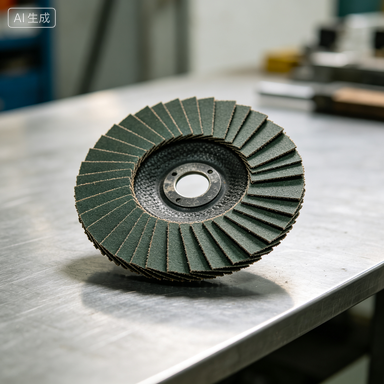
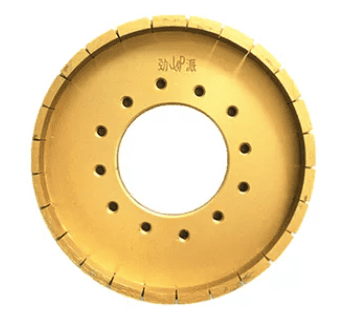
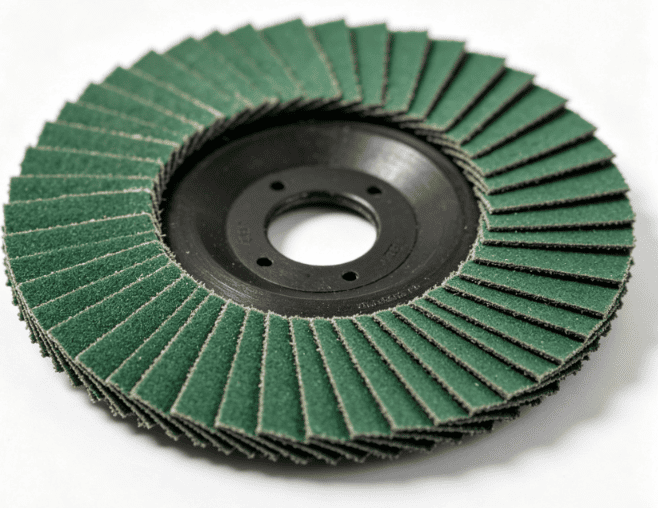
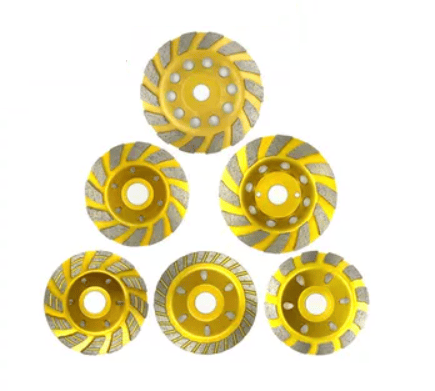
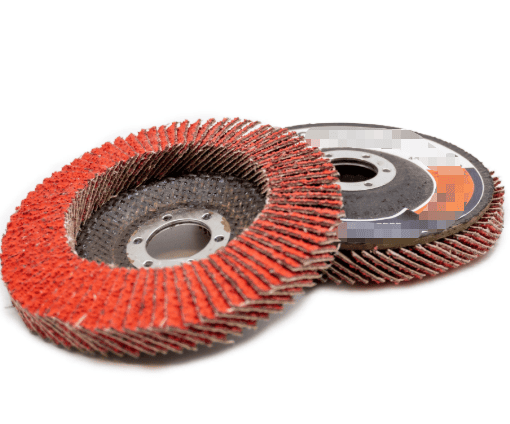
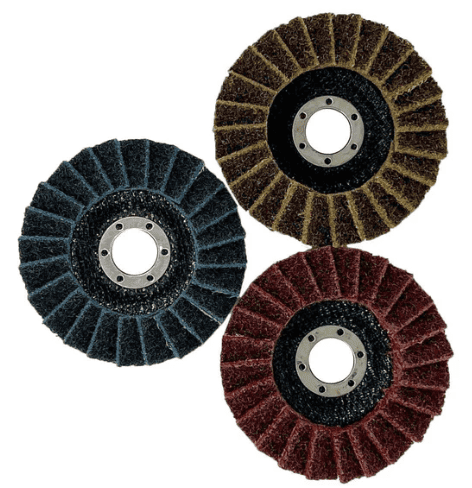
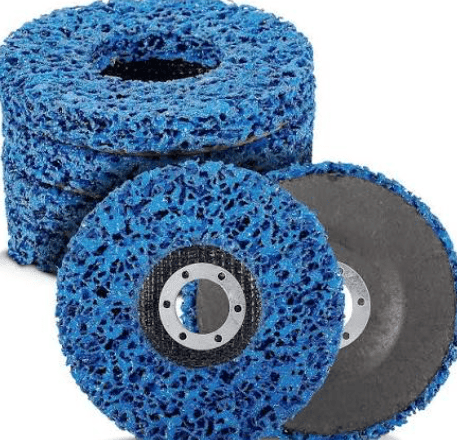
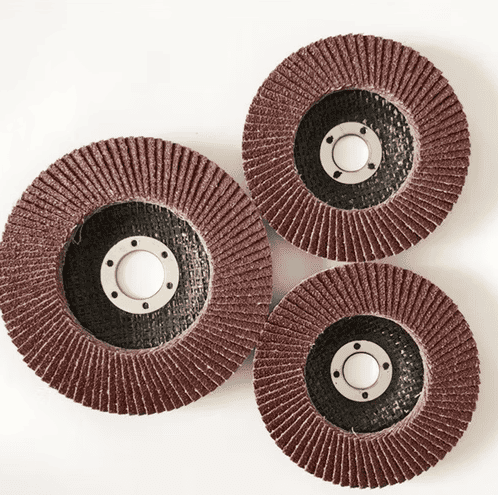
Flap Disc for Sale





Blogs:
You May also Interest in other topics:
round bottle labeling machine Customize Automatic Production Line talc grinding mill 16a ev charger