Are diamond blades the sharpsest?
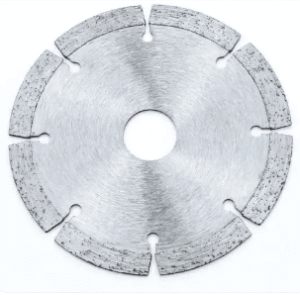
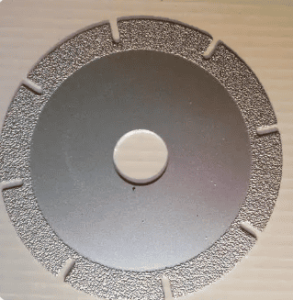
Diamond saw blades are currently one of the sharpest cutting tools, excelling particularly in cutting hard materials such as concrete and stone. Their sharpness primarily stems from the properties of diamond, the hardest natural material (Mohs hardness level 10), combined with blade designs optimized for cutting force and durability. As the hardest natural substance, diamond effortlessly meets the cutting demands of high-hardness materials. Within a certain range, as the diamond concentration increases, the sharpness and cutting efficiency of the blade gradually decrease, but its lifespan is extended. However, if the concentration is too high, the blade may become dull. Under the same pressure conditions, finer diamond particles result in greater sharpness, facilitating the cutting of hard rock.
Reasons for Sharpness
Diamond saw blades achieve efficient cutting through blade head design, including grain size selection and cutting angles. For example, fine-grain blade heads (e.g., 30/35-60/80) improve cutting precision, making them suitable for high-hardness materials, while coarse-grain blade heads (e.g., 60/80) are better for scenarios requiring high efficiency.
Applications
Diamond saw blades are widely used in concrete construction and stone processing. Their wear resistance reduces blade head wear and extends service life. However, attention must be paid to matching cutting parameters (e.g., cutting speed and angle) to avoid compromising performance.
Diamond saw blades, as cutting tools made from the hardest material, stand out in the field of dry woodworking. Their exceptional hardness and durability make them a formidable tool for processing wood materials. With a Vickers hardness of up to 10,000 HV, superior acid resistance, and a blade edge that resists dulling, diamond saw blades deliver outstanding performance in woodworking. They enable high-quality, single-pass cutting while exhibiting excellent wear resistance.
Ultra-High Hardness and Durability
Diamond saw blades with a Vickers hardness of 10,000 HV possess strong acid resistance and a blade edge that resists dulling, ensuring remarkable performance in woodworking. These superior properties guarantee stability during cutting and a long service life, providing robust support for woodworking applications.
Wear Resistance Comparison
Compared to carbide blades, diamond saw blades offer superior wear resistance. They perform better in continuous cutting applications, making them suitable for materials such as particleboard, MDF, wood flooring, and laminated panels. They can operate continuously for 300–400 hours, with some blades lasting up to 4,000 hours. This makes diamond saw blades indispensable for high-load processing.
Purchasing Considerations
When selecting a diamond saw blade, careful evaluation is essential to ensure high-quality and stable performance. Choosing a premium diamond saw blade is crucial for improving processing efficiency and quality, so it’s important to scrutinize the product’s performance indicators.
02 Tips for Selecting High-Quality Diamond Saw Blades
To choose a high-quality diamond saw blade, consider the following recommendations:
▲ Blade Head Alignment Check
The first step is to inspect whether the blade heads are neatly aligned in a straight line. Uniform alignment ensures stable cutting. If the heads are not level, it often indicates inconsistent sizes—some may be wider or narrower—leading to instability during cutting and affecting overall blade quality.
Diamond Grit Concentration and Distribution
Next, examine the concentration and distribution of exposed diamond grit on the blade heads. Within a certain range, increasing diamond concentration reduces sharpness and cutting efficiency but extends the blade’s lifespan. However, excessive concentration can make the blade dull. Adjusting grit concentration can optimize cutting efficiency and longevity. Combining low concentration with coarse grit improves cutting efficiency. By leveraging the different functions of various blade head sections during cutting, multi-layer designs (e.g., three or more layers with reduced middle-layer concentration) can be employed. This creates a central groove during cutting, preventing blade deviation and enhancing processing quality.
Weld Seam and Base Welding
Then, carefully inspect the tightness of the weld between the blade head and the base. After brazing, a weld seam forms between the curved bottom of the blade head and the base. A seamless bond is critical for blade quality. Full fusion indicates no gaps, while gaps suggest incomplete bonding, often due to uneven grinding of the blade head’s curved bottom.
Importance of Blade Weight
Next, measure the blade’s weight. Generally, the weight of a diamond saw blade correlates with its quality. Heavier blades tend to be thicker, providing greater inertial force during cutting for smoother operation. For example, a 350mm diamond saw blade typically weighs around 2 kg, while a 400mm blade weighs about 3 kg. Blade weight can serve as an indicator of quality and cutting stability.
▲ Base Hardness Testing
Finally, test the hardness of the base. Base hardness directly affects its resistance to deformation. During welding or cutting, ensuring the base meets hardness standards is crucial for blade quality. Only bases that resist deformation under high-temperature welding and cutting conditions can produce high-quality saw blades.
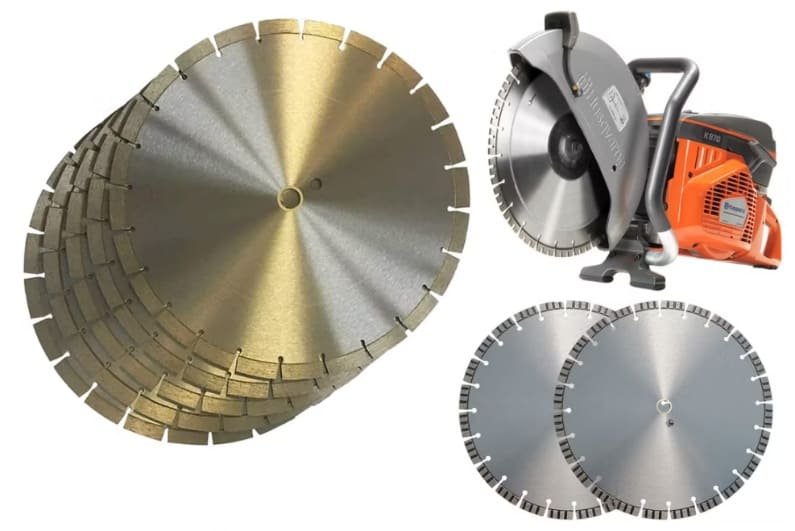
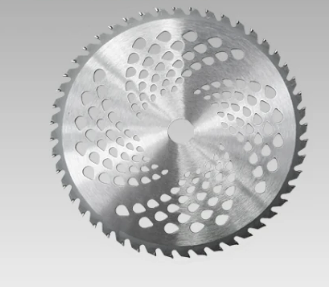
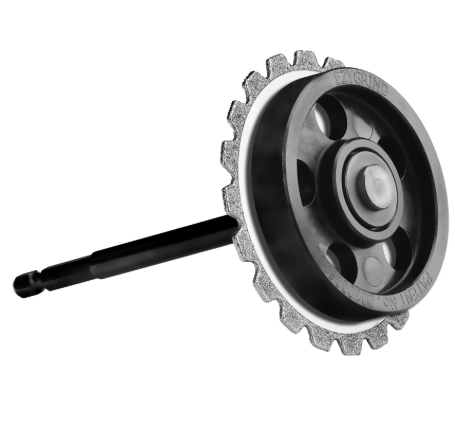
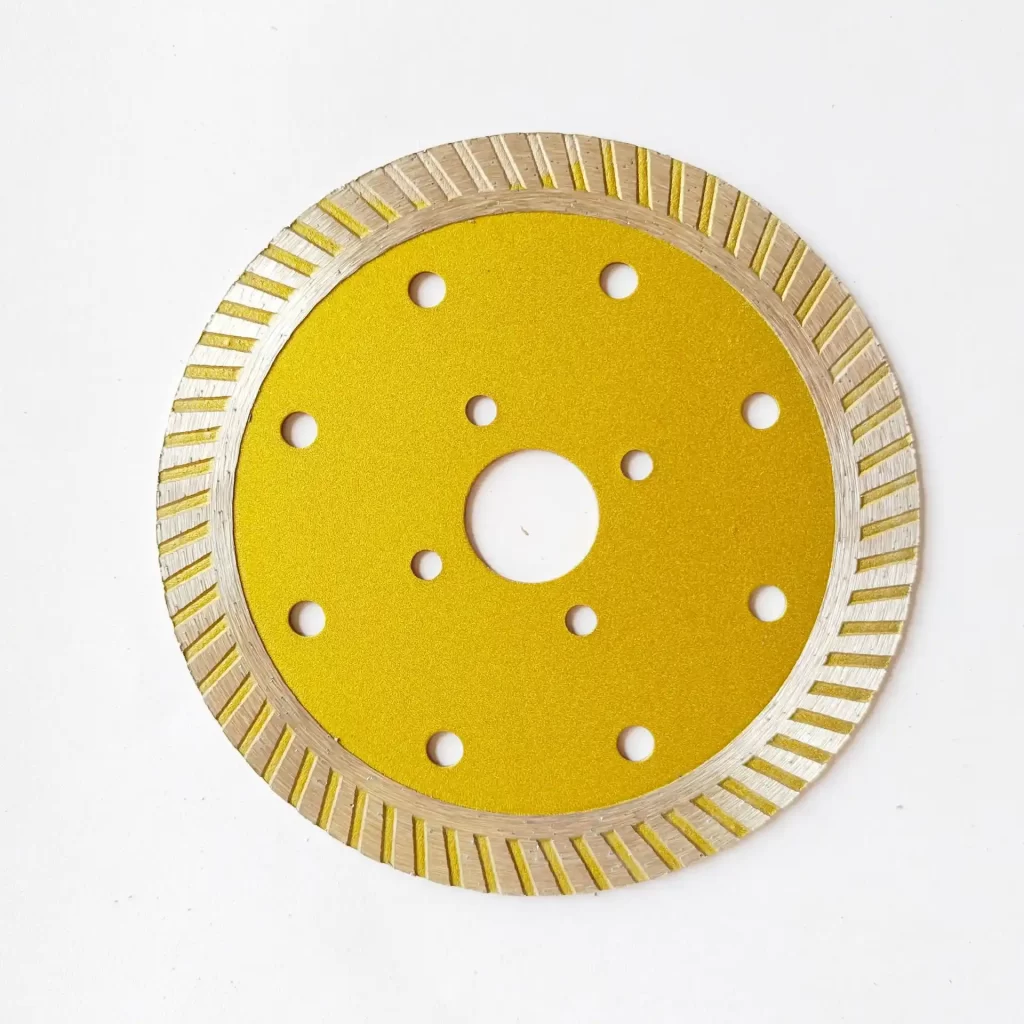
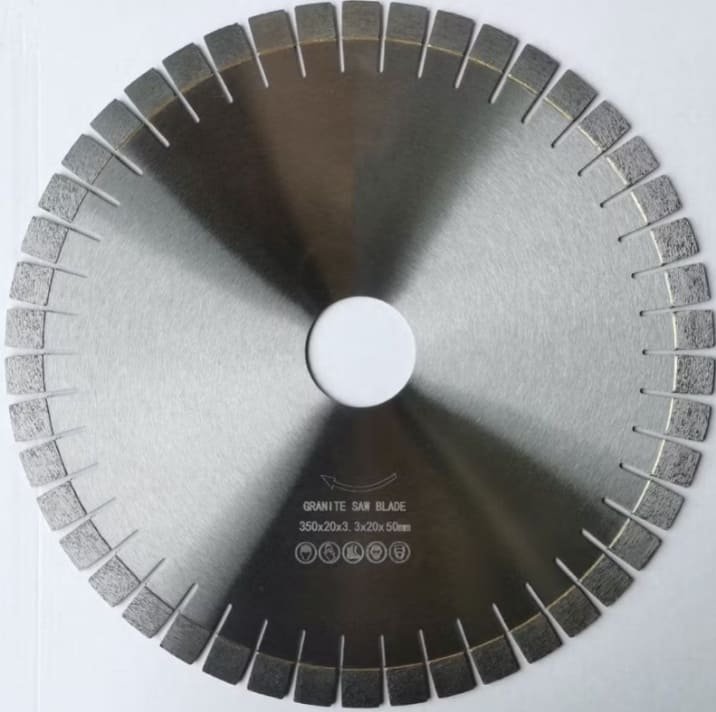
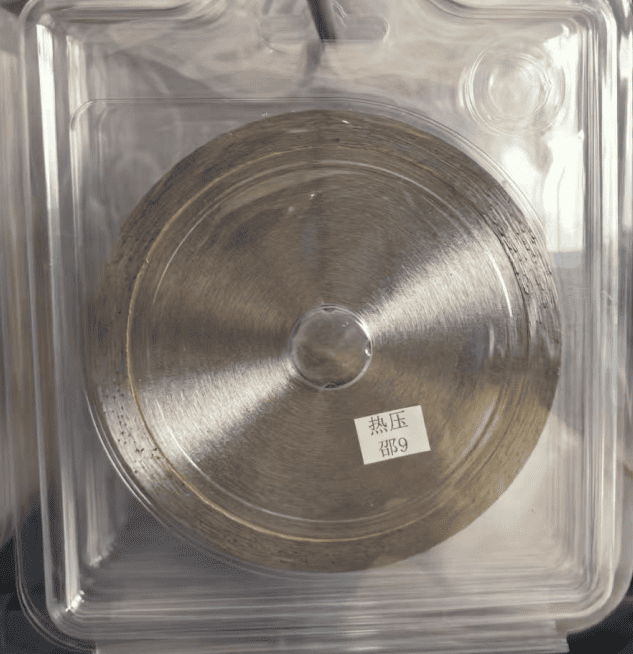
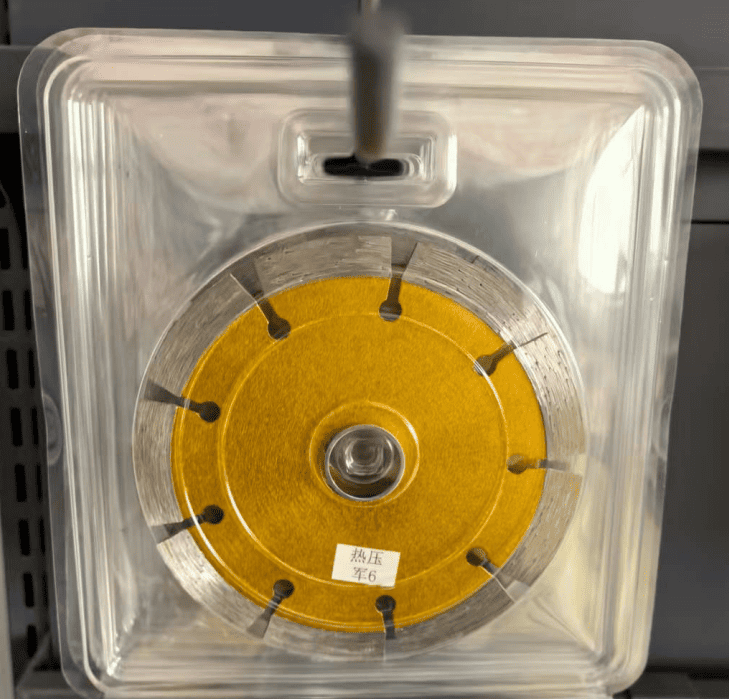
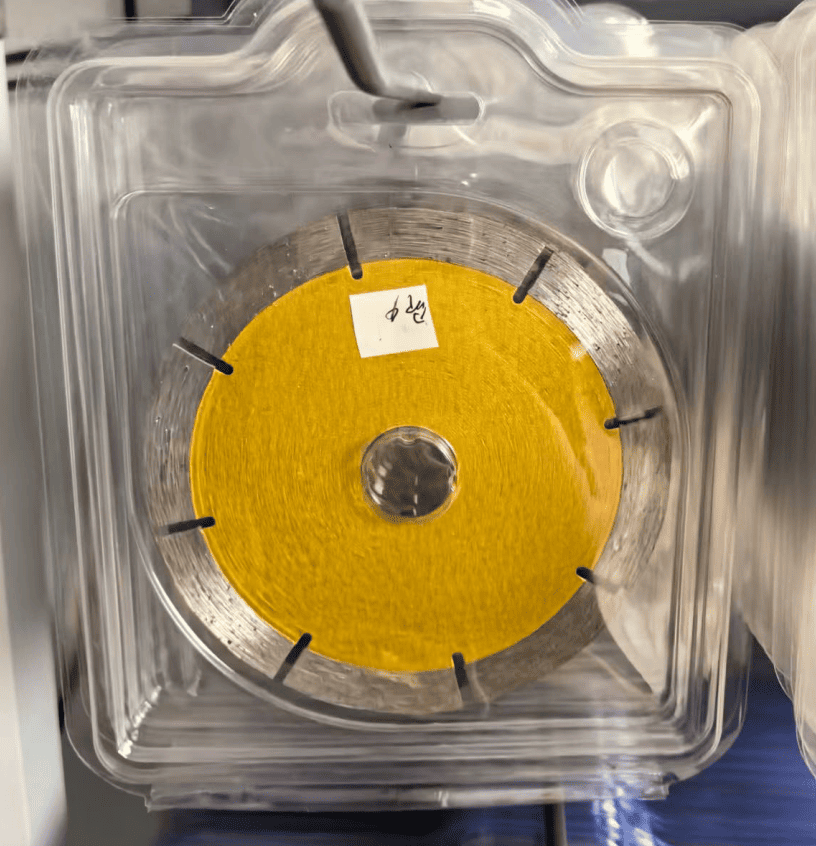
Diamond Blade for Sale:

Related Post about diamond blade
Di