What is better,carbide or diamond blade?
The choice between diamond blades and carbide blades depends largely on the volume of cutting and the hardness of the materials being cut.
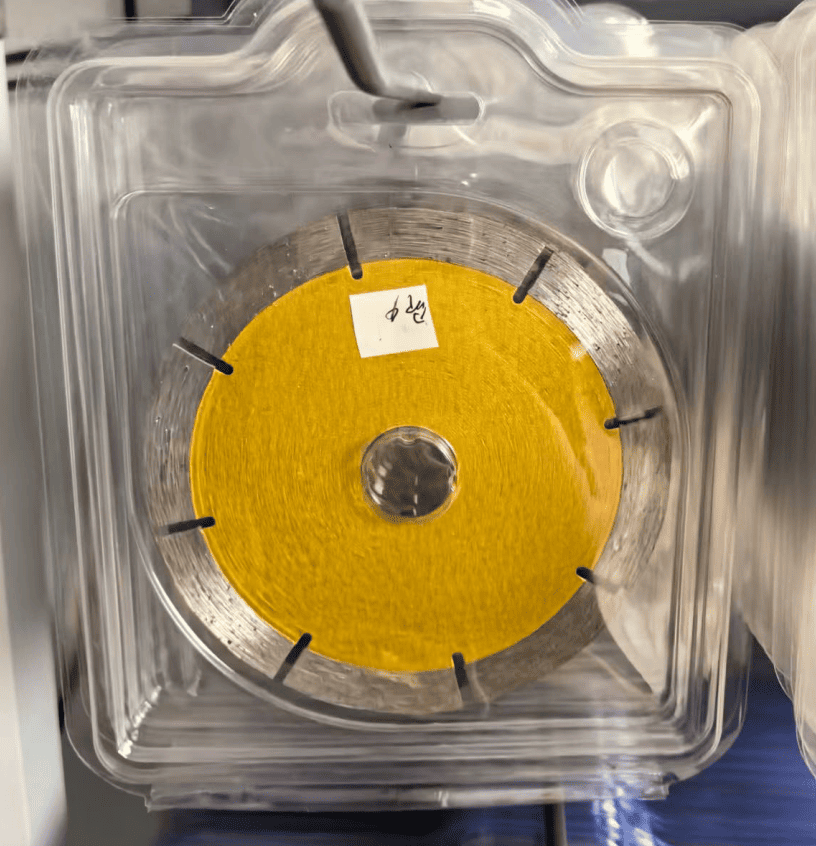
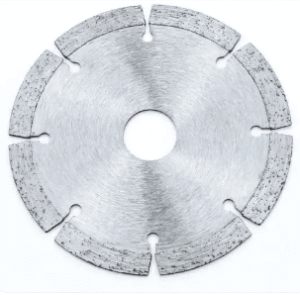
In the long term, diamond blades are more economical when cutting large quantities of hard materials. Because they are made of artificial diamond particles, diamond blades are incredibly strong and resistant to wear. This implies they can withstand difficult materials such as granite, concrete, and ceramics without deteriorating quickly. They last significantly longer than carbide blades, thus they require fewer blade changes, resulting in increased production and less downtime. Although diamond blades have a higher upfront cost, their extended lifespan often makes them a more cost-effective option for heavy-duty applications.
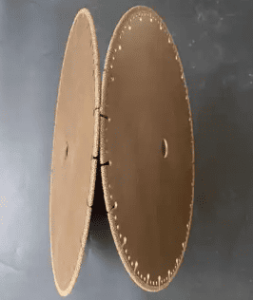
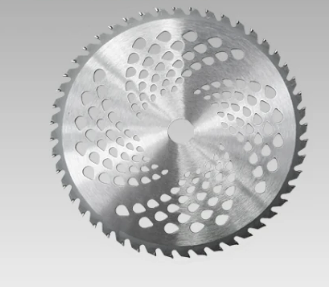
Carbide blades, on the other hand, are a more cost-effective option for cutting low-volume and soft materials. These blades are constructed of tungsten carbide, which is a durable but less hard material than diamond. Because they are substantially less expensive to purchase, they are suitable for occasional use or cutting materials such as wood, plastic, or metal. In these scenarios, carbide blades wear down at a slower rate, so frequent replacements aren’t necessary. Their affordability and sufficient performance for lighter tasks make them a practical choice for many workshops and small-scale operations.
Key Differences Between Diamond Blades and Carbide Blades
Their performance and composition are where they diverge most. Industrial-grade diamond particles are embedded in the cutting edges of diamond blades, giving them exceptional hardness and the capacity to effortlessly cut through very difficult materials. They are the recommended option for reinforced concrete, stone, and masonry because they remain sharper for longer. Despite their durability, carbide blades work better for general-purpose cutting and softer materials. When used on hard materials, they might need to be sharpened or replaced more frequently, but because they are less expensive, they are a popular choice for metalworking and woodworking.
Cost is yet another important consideration. Because of the high price of synthetic diamonds and sophisticated manufacturing techniques, diamond blades are more costly. But in industrial settings, their longevity frequently makes the investment worthwhile. blades made of carbide,
Choosing the Right Diamond Blade: Hard Carbide vs. PCD
When selecting a diamond blade, another consideration is whether to opt for traditional hard carbide or PCD (polycrystalline diamond) blades. Both have distinct advantages depending on the application.
Hard carbide blades, typically fitted with tungsten carbide tips, offer excellent wear resistance and hardness, making them suitable for cutting hard materials. However, their lifespan is shorter compared to PCD blades. In contrast, PCD blades feature a diamond-coated cutting edge, significantly enhancing durability. They excel in cutting non-ferrous metals like aluminum, providing smoother cuts and lasting much longer—sometimes up to 10 times more than carbide blades.
In practical terms, a standard carbide blade might last for 3,500–4,500 cuts when used with coolant, while a PCD blade can endure 30,000–40,000 cuts under the same conditions. PCD blades perform better than carbide alternatives, even when dry cutting. Additionally, PCD blades can be reconditioned multiple times, further extending their usability.
Ultimately, the decision comes down to the specific cutting requirements. For high-volume, precision cutting of hard or abrasive materials, diamond or PCD blades are the better investment. For lighter, occasional use on softer materials, carbide blades provide a cost-efficient solution without compromising performance.
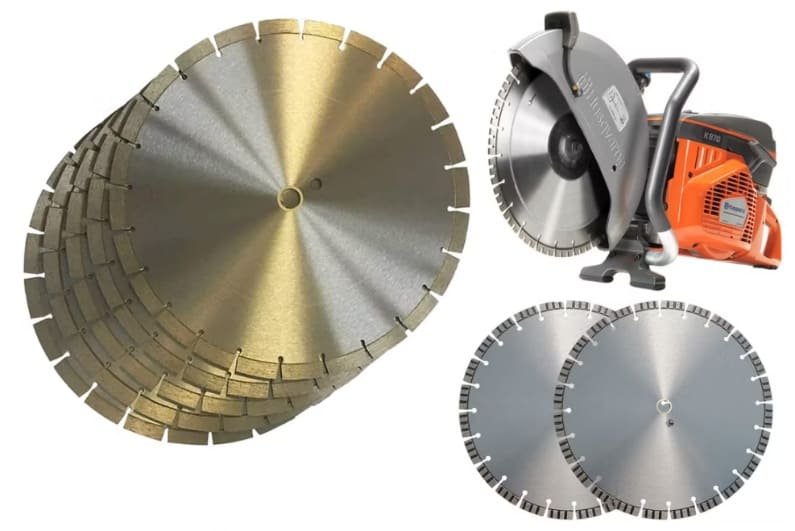
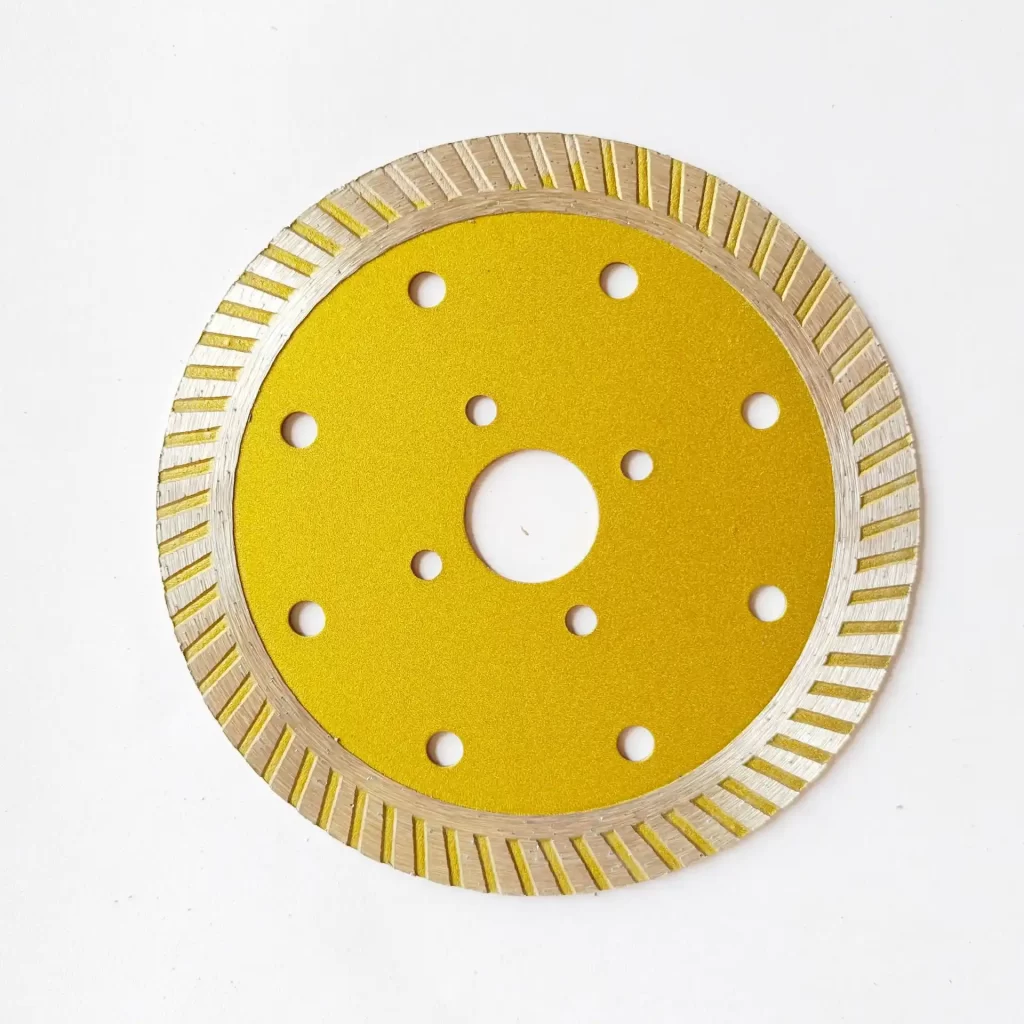
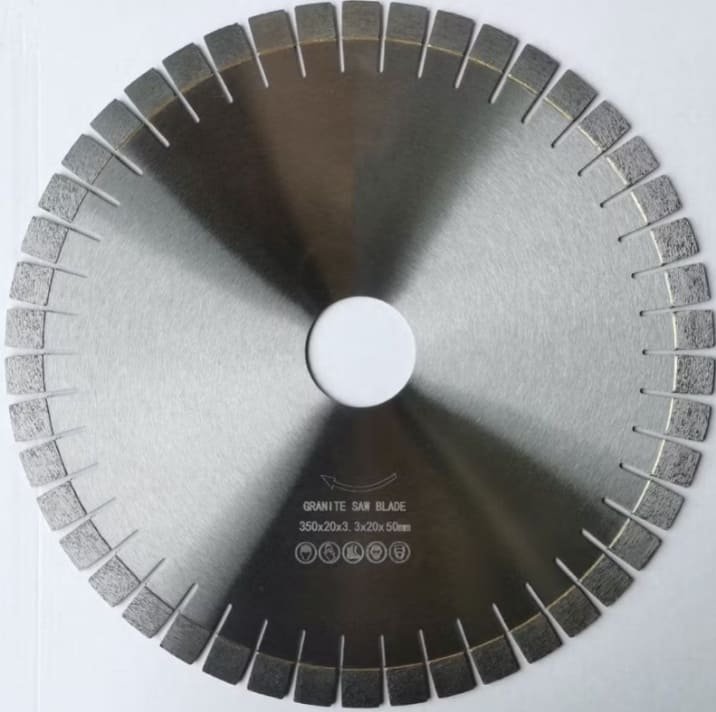
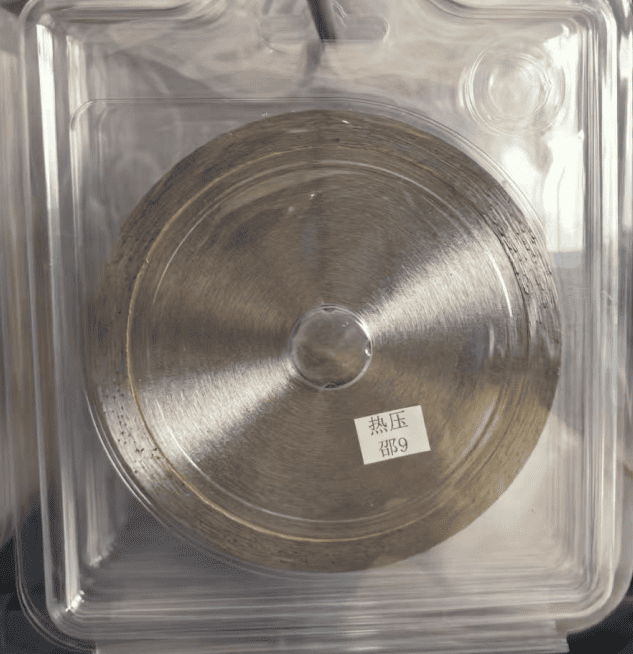
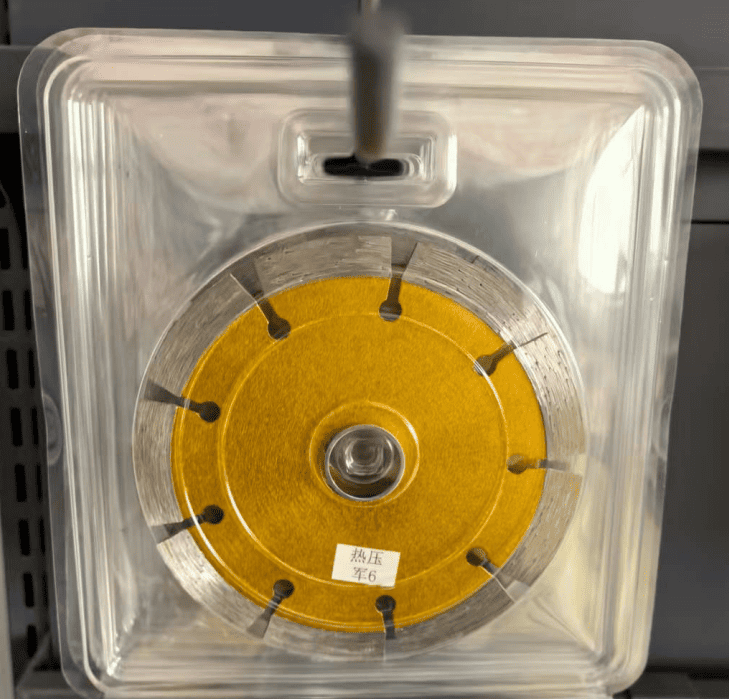
Diamond Blade for Sale:

Related Post about diamond blade
Di
More Post:

Can a diamond blade break?