Which is better diamond blade or abrasive blade?
Diamond Saw Blades vs. Cutting Discs: The Ultimate Guide for Precision Cutting
In our relentless pursuit of efficiency and precision, the choice between diamond saw blades and conventional cutting discs becomes a critical factor in industrial and construction success. As they say, “the early bird catches the worm”—in highly competitive industries, even a small operational advantage through superior cutting technology leads to market leadership. This thorough examination looks at both technologies to help you make better decisions.
I. Fundamental Definitions and Distinctions in Structure
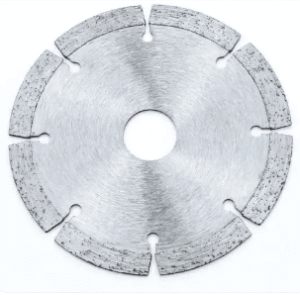
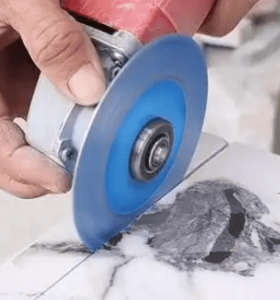
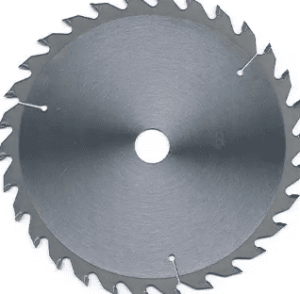
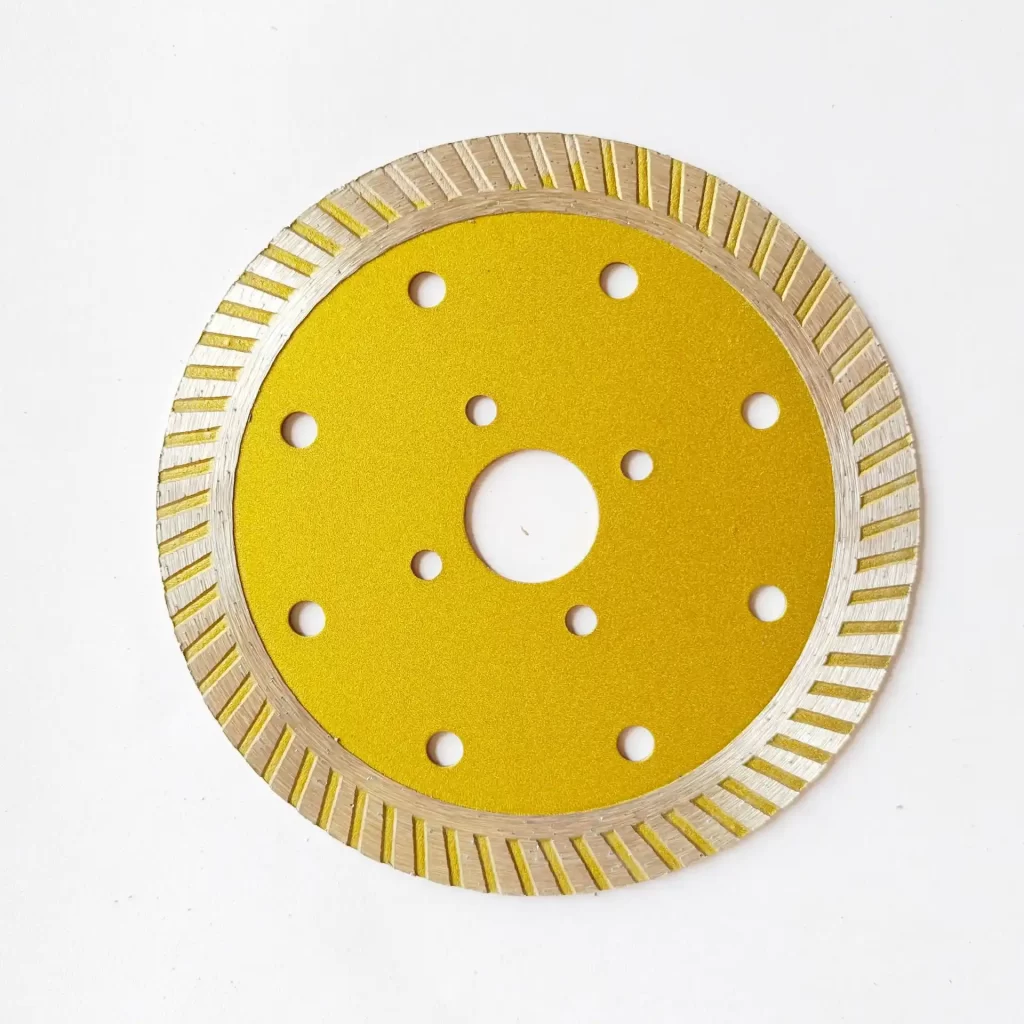
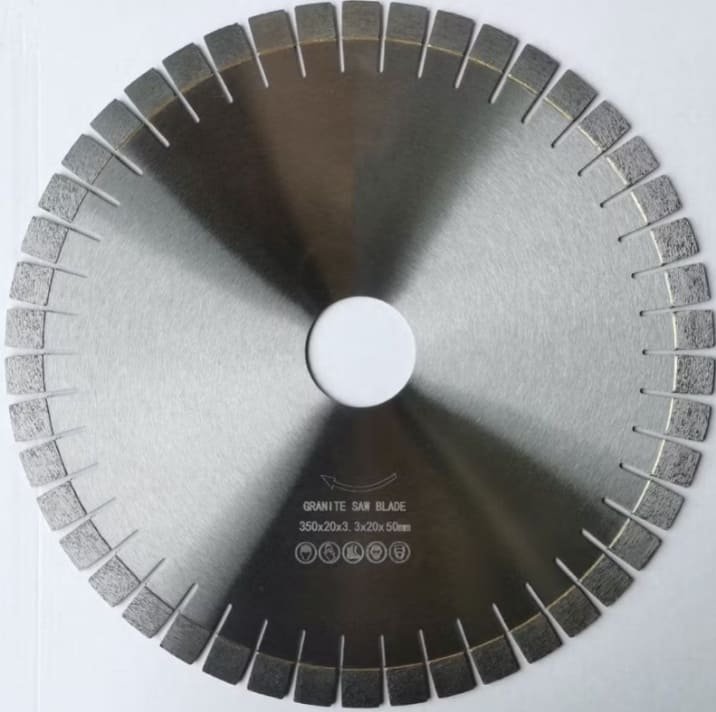
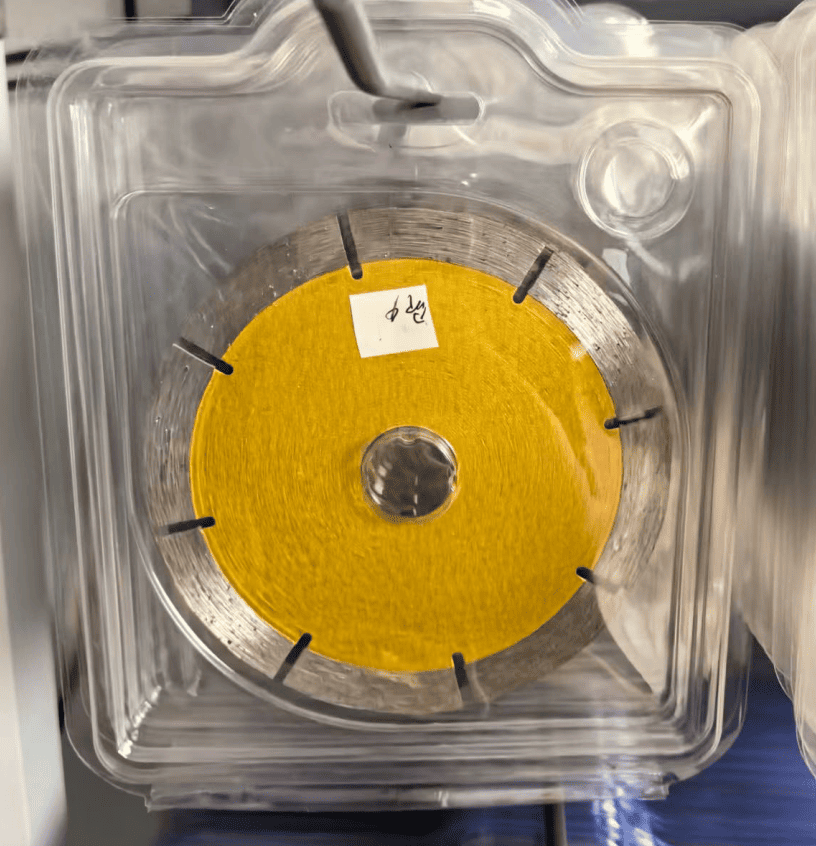
Diamond Saw Blades: Engineered for extreme hardness, these blades feature a steel core with segments (the “teeth”) embedded with synthetic industrial diamonds – the hardest known substance. The segments are bonded to the core using advanced sintering or laser welding techniques. Designed specifically for cutting rigid, abrasive, non-ductile materials where conventional abrasives fail rapidly.
- Cutting discs, also known as abrasive wheels, are usually made of fiberglass mesh layers that have been impregnated with abrasive grains, such as silicon carbide or aluminum oxide, then sealed with resin. Although some more expensive models might include diamond grit (also known as “diamond cutting discs”), segmented diamond blades and their basic structure are still very different. mostly employed to cut through ductile materials.
II. Material Compatibility: Matching Tool to Task
- Diamond Saw Blades Excel On:
- Hard, Brittle, Abrasive Substrates: Natural stone (granite, marble, slate), engineered stone (quartz), concrete (reinforDiamond Saw Blades Excel On:
- Hard, Brittle, Abrasive Substrates: Natural stone (granite, marble, slate), engineered stone (quartz), concrete (reinforced and plain), asphalt, brick, pavers, ceramic tile, porcelain, glass.
- The Function of Diamonds: The diamond crystals act as micro-chisels, fracturing the hard material at a microscopic level. For constant sharpness, new diamonds are exposed as the link matrix progressively deteriorates. This mechanism generates less heat and friction than grinding abrasives.
- Cutting Discs (Abrasive) Excel On:
- Organic materials and ductile metals include copper, brass, rebar, mild steel, stainless steel (use certain, clean discs!), aluminum alloys (non-diamond discs), wood, plastic, and fiberglass.
- How Abrasives Work: By creating friction, the hard, sharp grains on the disc’s edge remove material. This process inherently generates significant heat and wears down the disc relatively quickly as grains fracture and are shed.
III. Performance Deep Dive: Beyond Basic Specs
- Diamond Saw Blades:
- Unmatched Hardness & Wear Resistance: Operating at Mohs 10 (diamond is the benchmark), they can effectively cut materials up to Mohs 9. Segments are tailored to specific wear characteristics.
- Superior Longevity: Lifespans vary significantly (100-3000+ hours) depending on blade quality, material cut, cooling, and operator technique. High-quality blades for moderately abrasive concrete can readily withstand hundreds of abrasive discs.
- High Precision & Clean Cuts: Engineered with low vibration and deflection. Create smooth, chip-free edges with tight tolerances that often require little or no further polishing.
- Faster Cutting Speeds: Reduced kerf loss conserves material. Due to continual diamond exposure, they maintain stable cutting rates throughout their lifetime. On suitable materials, it works much faster than abrasive discs.
- Cooler Operation: Efficient chip clearance and reduced friction lower heat generation, protecting both the blade and the material (critical for preventing concrete spalling or tile cracking).
- Higher Initial Cost: Reflects the expensive diamond grit and advanced manufacturing. Requires compatible power equipment (higher torque/horsepower often needed).
- Material-Specific Design: Optimal performance requires blades engineered for the exact material (e.g., green concrete vs. cured concrete, granite vs. asphalt).
- Conventional Cutting Discs (Abrasive):
- Lower Initial Cost: Significantly cheaper per disc upfront.
- Wide Material Versatility (Within Limits): A single disc type (e.g., for steel) can handle various similar metals.
- Accessibility & Ease of Use: Work with standard angle grinders and chop saws. Simple replacement.
- Rapid Wear & Performance Degradation: Cutting speed noticeably decreases as the disc wears. Frequent disc changes required, especially on hard metals or thick sections.
- Rougher Cut Quality: Prone to creating burrs on metal, chipping on tile/stone, and wider kerfs. Often necessitates secondary finishing (deburring, grinding).
- High Heat Generation: Can damage material temper (e.g., stainless steel), cause warping, or create hazardous sparks/dust. Requires strict safety protocols.
- Shorter Lifespan: Efficiency drops quickly; discs are consumables. Total project cost can exceed diamond blades due to high replacement frequency.
- Safety Concerns: Higher risk of disc shattering under stress (pinching, side-loading) compared to robust diamond blades. Mandatory use of guards and PPE is critical.
IV. The Aluminum Cutting Conundrum: A Case Study
The rise of aluminum across industries (automotive, aerospace, construction, consumer goods) demands efficient cutting solutions. Traditionally, carbide-tipped saw blades (TCT) mounted on high-speed circular saws replaced slower band saws.
- Carbide TCT Blades: Offer good speed and initial cost-effectiveness. However, aluminum’s abrasiveness and tendency to “gum up” blades lead to:
- Frequent blade changes due to carbide tip chipping and wear.
- Downtime for cleaning and re-sharpening.
- Degrading cut quality over time.
- Diamond Saw Blades for Aluminum: Represent a technological leap:
- Extended Life: 3-5x the lifespan of premium carbide blades under comparable conditions. Diamond’s hardness resists aluminum abrasion far better than carbide.
- Consistent Performance: Maintain sharpness and cutting speed throughout their life, minimizing slowdowns.
- Superior Cut Quality: Produce exceptionally smooth, burr-minimized edges, often eliminating secondary finishing.
- Reduced Gumming: Specialized segment designs and coatings (like non-stick PTFE) significantly reduce aluminum adhesion.
- Long-Term Cost Efficiency: Despite the higher initial cost, reduced downtime, fewer blade changes, and lower finishing costs often yield a better ROI for high-volume operations.
- The Trade-off: Diamond blades require significantly higher initial investment and are typically used on dedicated, high-precision aluminum cutting saws, not standard woodworking equipment. They are generally not cost-effective for very low-volume or occasional use.
V. Key Distinctions Summarized
| Feature | Diamond Saw Blades | Conventional Abrasive Cutting Discs |
|---|---|---|
| Primary Use | Hard, brittle, abrasive materials (stone, concrete, tile) | Ductile metals (steel, aluminum*), wood, plastics |
| Cutting Edge | Diamond grit embedded in metal segments | Abrasive grains (AlOx, SiC) in resin bond |
| Cutting Action | Grinding/fracturing | Grinding/friction |
| Cut Quality | Smooth, precise, minimal chipping | Rougher, potential burrs/chips |
| Speed | Fast & consistent | Starts fast, slows with wear |
| Lifespan | Very long (100-3000+ hours) | Short (consumable) |
| Heat Gen. | Lower | High |
| Material Loss | Lower (narrower kerf) | Higher (wider kerf) |
| Cost (Init.) | High | Low |
| Cost (Long) | Often lower for suitable applications | Higher due to frequent replacement |
| Equipment | Requires robust saws (high HP/torque) | Standard angle grinders/chop saws |
| Safety | Lower shatter risk (when used correctly) | Higher shatter risk; strict PPE needed |
| Aluminum Note | Specialized diamond blades excel for high-volume | Standard abrasive discs work, but wear fast |
VI. Strategic Selection Guidelines
Choosing the right tool is paramount for efficiency, cost control, and safety:
- Prioritize the Material:
- Granite, Concrete, Porcelain Tile, Asphalt? Diamond Saw Blades are the only efficient choice.
- Steel, Stainless Steel, Wood, Plastics? Abrasive Cutting Discs are typically the most practical and economical solution. For high-volume aluminum cutting, evaluate specialized diamond blades.
- Consider Volume & Precision:
- High-Volume Production, Demanding Tolerances: Diamond blades justify their cost through speed, longevity, and precision, especially on hard materials. Essential for professional stone fabrication or concrete cutting.
- Small Jobs, Occasional Use, Lower Precision Needs: Abrasive discs offer unbeatable convenience and low upfront cost for tasks like cutting rebar on-site or DIY metalwork.
- Evaluate Total Cost of Ownership (TCO):
- Look beyond the sticker price. Factor in:
- Blade/Disc replacement frequency and cost.
- Labor time lost changing tools.
- Material waste (kerf loss).
- Energy consumption (diamond blades often cut faster with less load).
- Costs of secondary finishing (deburring, grinding).
- For frequent cutting of hard materials, diamond blades almost always win on TCO.
- Look beyond the sticker price. Factor in:
- Match the Tool to the Machine:
- Never use a diamond blade rated for higher RPM than your saw’s maximum.
- Ensure your saw has adequate power (HP/kW) and torque for diamond blades, especially on dense materials.
- Use correct blade diameter and arbor size.
- Abrasive discs must match the grinder/saw’s RPM rating and guard specifications.
- Prioritize Safety:
- Diamond Blades: Use proper blade guards. Ensure material is secured. Avoid twisting or forcing the blade. Use water cooling if specified (masonry blades).
- Abrasive Discs: ALWAYS use the guard! Wear full PPE (face shield, gloves, hearing protection, respirator). Never exceed the disc’s rated RPM. Discard damaged discs immediately. Avoid excessive pressure or side-loading. Be acutely aware of kickback potential.
Conclusion: Synergy, Not Supremacy
It is a fallacy to declare that one tool is “better” than the others. Diamond saw blades and abrasive cutting discs are complimentary technologies that dominate particular domains based on material attributes and operational requirements. Diamond blades reign supreme in the realm of hard, brittle, and abrasive substances, offering unparalleled longevity, speed, and precision where these attributes translate directly into productivity and cost savings. Abrasive discs remain the indispensable workhorse for ductile metals and general-purpose cutting, valued for their accessibility, versatility, and low initial cost.
The path to true cutting efficiency lies in meticulous analysis: understand the materials you predominantly work with, calculate the true operational costs (including labor and waste), invest in the appropriate power equipment, and prioritize operator safety above all.By strategically deploying both diamond blades and cutting discs according to their inherent strengths, businesses unlock maximum productivity, quality, and profitability in today’s demanding industrial landscape.
In our relentless pursuit of efficiency and precision, the choice between diamond saw blades and conventional cutting discs becomes a critical factor in industrial and construction success.
Diamond Blade for Sale:

Related Post about diamond blade
Di