Demolition hammer price
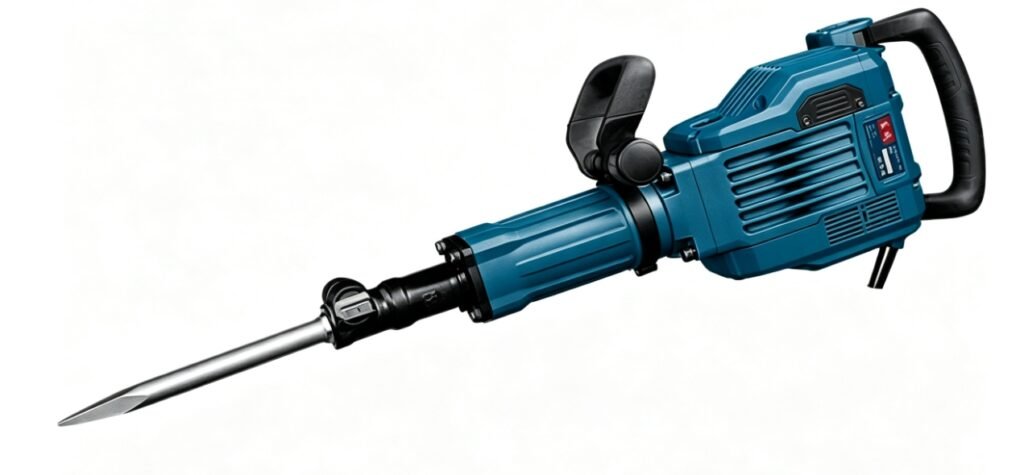
Demolition hammer prices vary greatly, mostly because of equipment performance configurations, brand quality, after-sales services, market supply and demand, and usage scenarios. These factors collectively create the distinct price gradient of various demolition hammer models available on the market.
Product performance and configurations determine basic prices
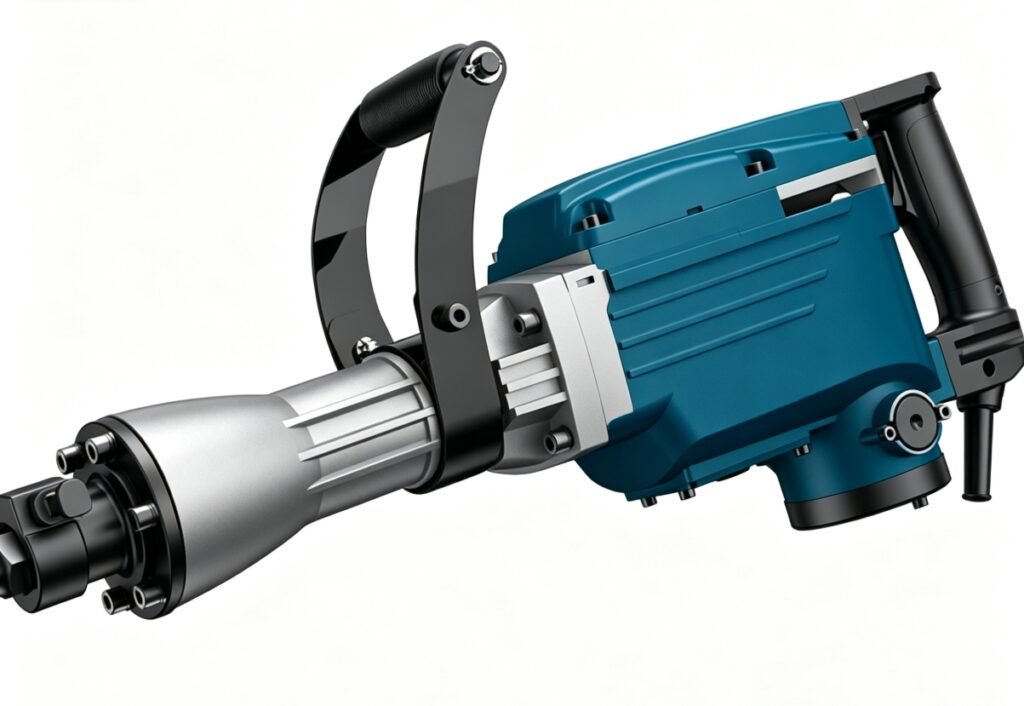
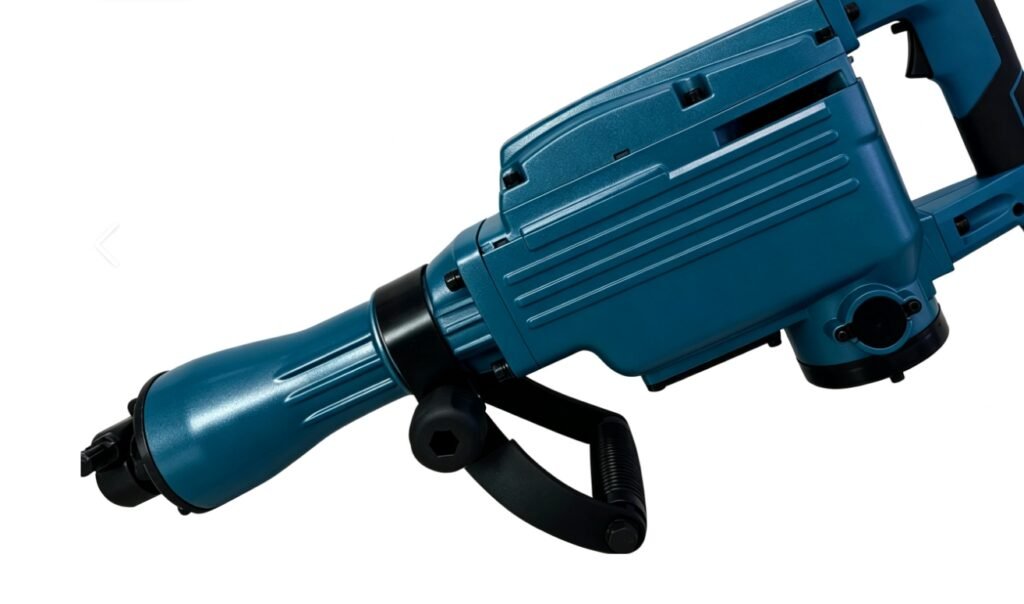
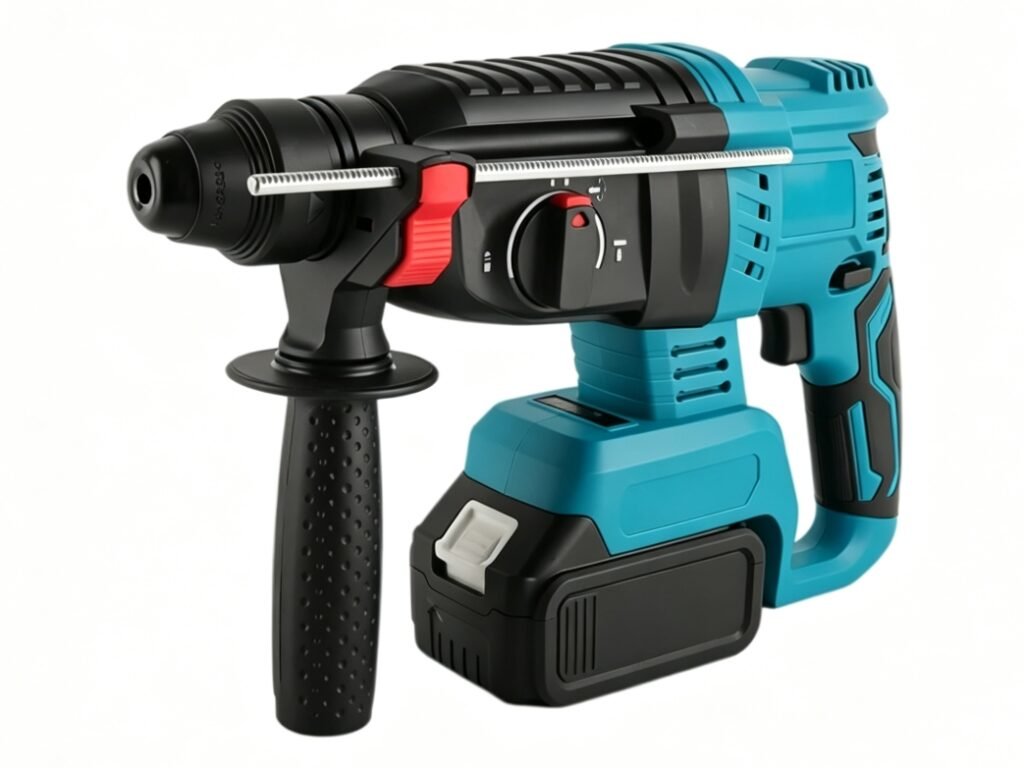
The most important aspect influencing a demolition hammer’s price is its core performance parameters; the primary price difference between products is caused by variations in power and impact specifications. The typical pricing range for entry-level demolition hammers with limited motor power and low impact energy is $50 to $150. These versions can only do basic light demolition tasks like shattering thin cement layers and little wall plaster since their power is typically less than 1000W and their impact energy is less than 10J. Because of their straightforward internal construction, common motor accessories, and simple shock absorption design, their manufacturing costs are minimal, and their market selling price is relatively affordable for typical family do-it-yourselfers.
The mainstream market price range for mid-range demolition hammers with balanced performance is between $150 and $400, and the mild price increase is directly caused by configuration upgrades. With impact energy between 10J and 20J and 1000W to 1800W high-power motors, this kind of equipment can reliably finish medium-difficulty demolition operations like brick wall removal and concrete floor chipping. They use strengthened gear and spindle components and enhanced heat dissipation structures, which significantly lower failure rates during continuous work when compared to entry-level items. Their cost performance is enough for daily usage by small construction teams and renovation workers, but their price is more than entry-level models due to better material cost and processing technology.
The cost of high-performance professional demolition hammers is more than $400; top-tier versions can cost as much as $1000 to $1500, depending on their functional combinations. These heavy-duty demolition hammers have powerful industrial-grade motors with impact energies greater than 20J. Some hydraulic and fuel-powered variants have larger breaking capacities, making them appropriate for large-scale engineering demolition of hard stone structures and thick concrete layers. Additionally, they have quick-change drill bit constructions, overload prevention mechanisms, and intelligent damping systems, all of which significantly increase operation safety and productivity. Their base price is significantly more than that of regular civilian models due to the expensive industrial materials and precise manufacturing procedure.
Brand and after-sales service create price gaps
For demolition hammers with the same configuration, different brand positioning results in noticeable price disparities, and well-known worldwide brands have intrinsic pricing advantages. Top-tier companies with stringent product quality inspection requirements, like Bosch and Hilti, have decades of experience in tool manufacture. When compared to generic brand products, their demolition hammers have longer service lives, reduced failure rates, and more consistent performance. The selling price of branded models is 30% to 50% higher than that of regular random brands, albeit with the same power and impact specifications. In reality, customers are paying for consistent product quality and established brand credibility.
The high premium of expensive demolition hammers is largely due to comprehensive after-sales service and warranty plans. The majority of premium branded demolition hammers include expert after-sales maintenance services and an official warranty lasting two to three years. Through official channels, users can receive free maintenance and replacement parts in the event of motor failure, component damage, or performance attenuation. Low-cost generic items, on the other hand, may have no after-sales guarantee or merely a brief 3-month warranty. The low initial purchase price is deceptive because consumers must pay substantial maintenance charges and part replacement prices once the equipment is damaged.
The long-term pricing structure of demolition hammers is also influenced by the availability of accessories and the capacity for product iteration. Well-known manufacturers have extensive worldwide supply chains for accessories, and wearing components like gears, drill bits, and shock-absorbing parts are easily accessible at any time, guaranteeing the equipment’s long-term regular use. Simultaneously, they consistently improve safety performance and energy-saving impacts by iterating products in response to market demand. Small brands frequently have single product models, inadequate inventories of accessories, and products that are easily discontinued by the market. Because of this differential in long-term use value, branded demolition hammers continue to command a higher market price.
Market factors affect actual transaction prices
The pricing and market placement of various demolition hammer models are directly influenced by various usage scenarios and usage frequency. Because there is little market demand for civilian demolition hammers used for sporadic home remodeling and minor repairs, the price is constant and inexpensive. Manufacturers primarily introduce low-cost entry-level models to satisfy market demand since users in this scenario seek low cost and basic availability and do not require long-term continuous work performance. On the other hand, producers would charge more for such expensive professional equipment because there is a strong market demand for engineering-grade demolition hammers for long-term, high-intensity building projects.
Demolition hammer transaction pricing will fluctuate in real time due to changes in market supply and demand as well as regional variations. Demolition hammers are in high demand during the busiest construction season each year, which causes a minor increase in retail and rental rates. The cost of shipping and the scarcity premium will raise the local sales price of demolition hammers in remote construction regions with limited equipment supply. Conversely, merchants will initiate preferential actions to minimize inventory during the off-season of construction or in areas with concentrated tool manufacture and enough supply. As a result, actual transaction prices will be lower than the official guiding price.
The final cost of demolition hammers varies depending on the sales and service channels. With transparent pricing and comparatively cheap total prices, online direct sales by manufacturers and major e-commerce platforms do away with middlemen and are appropriate for consumers buying a single product for personal use. The sales price will be marginally higher since physical hardware stores and dealers of construction equipment must pay for store rent, labor, and inventory. Additionally, channels have an impact on the demolition hammer rental pricing scheme. Ordinary variants can be rented for $50 to $100 per day, while professional heavy-duty models can cost up to $150 per day. These models offer a low-cost option for customers who use demolition hammers infrequently and have an impact on the demolition hammer market price system as a whole.
Demolition Hammer & Rotary Hammer for Sale
Demolition Hammer Rotary Hammer Blog
Angle
Diamond Blade

Welcome to call us
Contact Us to get quotation
Working Time: 8:00~17:00 Monday to Friday.
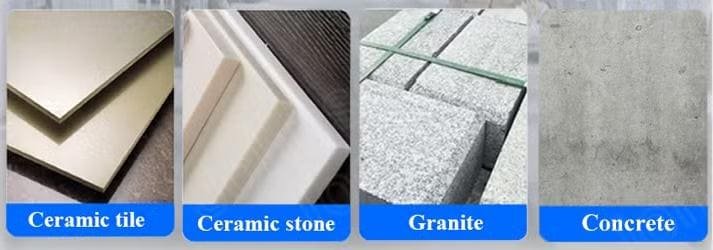
Applications:
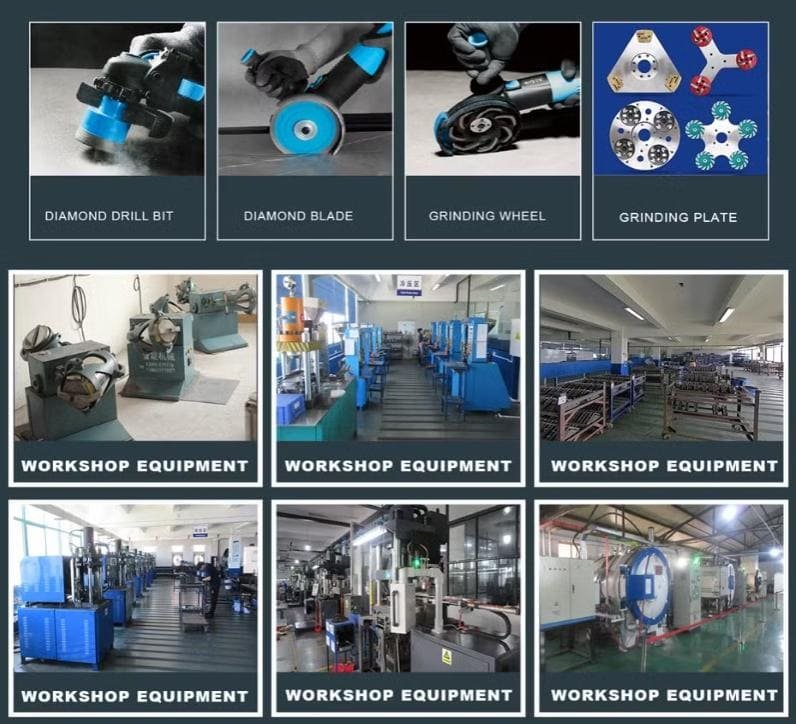
Factory:
FAQ
Welcome to call us
Contact Us to get quotation
Working Time: 8:00~17:00 Monday to Friday.