Do high velocity fans cool better?
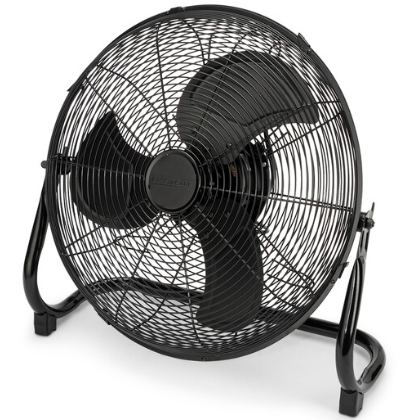
Do high velocity fans cool better?
High velocity fans deliver superior cooling performance in specific scenarios, yet they do not outperform regular fans in all environments, as their cooling effectiveness comes with clear application limits and scenario-based constraints. Many people assume that faster fan speed always equals better cooling results, but the actual cooling effect of high velocity fans depends on space size, usage environment and cooling demands. These fans excel at targeted, rapid local cooling thanks to their high-speed airflow output, while they show obvious deficiencies in large-space uniform cooling, long-term comfort and comprehensive energy efficiency. Only by matching them with suitable usage scenarios can their cooling advantages be fully exerted.
What core cooling advantages do high velocity fans possess?
High velocity fans significantly boost human body cooling comfort by accelerating skin sweat evaporation, which is their most intuitive and core cooling advantage. The high-speed airflow output by these fans greatly increases the air circulation speed around human skin. Normally, sweat evaporates slowly in still or low-speed air, leaving heat lingering on the skin surface and causing a sticky, hot feeling. When high-velocity airflow continuously sweeps across the body surface, it quickly takes away water vapor and heat around the skin, speeding up sweat evaporation efficiency to a great extent. Since sweat evaporation absorbs heat from the human body, this rapid heat dissipation method can produce an immediate and obvious sensory cooling effect, quickly relieving the sultry heat felt by workers in high-temperature working environments.
High velocity industrial floor fans support precise fixed-point cooling, solving local high-temperature problems more efficiently than ordinary low-speed fans. In industrial production sites, heat is often concentrated in fixed areas such as densely staffed workstation zones and around heat-generating mechanical equipment, rather than evenly distributed across the entire space. Ordinary fans produce soft, diffused airflow with weak penetration and short conveying distance, failing to deliver effective wind power to fixed high-temperature positions. In contrast, high velocity fans can gather and eject high-speed concentrated airflow, accurately targeting local overheating areas. This targeted cooling mode focuses wind energy on heat-prone positions, rapidly reducing local ambient temperature and effectively improving the sultry working conditions of key work areas.
In small, enclosed and stuffy spaces, high velocity fans speed up hot and cold air replacement to rapidly lower the overall ambient temperature. Small enclosed spaces tend to accumulate hot air and form static air environments with poor air fluidity, leading to persistent stuffiness and humid heat. Relying on their powerful airflow stirring capacity, high velocity fans can break the static air state in a short time, accelerate the flow and exchange of indoor hot air and outdoor fresh cold air. This rapid air circulation eliminates the dead zone of hot air accumulation inside the space, quickly dissipates gathered heat, balances the overall ambient temperature, and thoroughly improves the sticky and stuffy indoor sensory experience.
The rapid airflow activation capability of high velocity fans also helps reduce indoor residual temperature and prevent heat accumulation recurrence. After high-temperature production or indoor heat accumulation, even if the heat source disappears, residual heat will remain in the air and on the surface of objects. The strong airflow of high velocity fans can continuously scour the indoor space and equipment surfaces, take away residual waste heat, and avoid repeated rise of indoor temperature caused by residual heat accumulation. This continuous heat dissipation effect further optimizes the local cooling advantage of high velocity fans in small and medium-sized closed spaces.
What are the inherent limitations of high velocity fans’ cooling performance?
High velocity fans have weak full-space coverage capacity, making their overall uniform cooling effect far inferior to large HVLS ceiling fans in open and high-ceiling large spaces such as factories and stadiums. The airflow of high velocity fans is concentrated and fast-flowing, featuring strong directional penetration but extremely limited diffusion range and airflow propagation distance. In large-area venues with wide space and high ceilings, this single directional high-speed airflow can only cool a small local area, failing to form large-scale circulating air flow. Unlike HVLS large ceiling fans that drive overall air convection and realize full-space uniform cooling, high velocity fans cannot eliminate the temperature difference between different areas of large spaces, resulting in uneven overall cooling and poor global temperature regulation effect.
Long-term direct blowing of high-speed airflow will reduce human body comfort, and high velocity fans are prone to deteriorating the indoor air environment in high-humidity and dusty scenarios. The strong wind pressure generated by high-speed airflow is far stronger than the soft wind of ordinary fans. Long-term direct blowing on the human body will easily cause discomfort such as dry skin and stiff body, and even affect physical state during long working hours. In addition, in humid and dusty industrial environments, the fast-flowing airflow will stir up floating dust and fine particulate matter suspended in the air, making dust drift randomly with the wind. This not only reduces indoor air quality but also greatly declines the overall usage experience while cooling down.
High velocity fans come with higher operating noise and energy consumption, leading to higher comprehensive long-term usage costs. To sustain stable high-speed rotation and powerful airflow output, the matched motor of high velocity fans needs to maintain high-power operation for a long time. Compared with ordinary low-speed large fans with low power and high air volume, high velocity fans consume significantly more electricity per unit of operating time. At the same time, high-speed rotating blades and high-load motors will generate stronger mechanical vibration and airflow friction, producing louder operating noise. Long-term continuous operation will not only increase enterprise power consumption expenditure but also cause persistent noise interference to the working environment, bringing hidden troubles to staff comfort and on-site environmental management.
The cooling mode of high velocity fans is single and lacks overall temperature adjustment capability, making it difficult to adapt to complex large-space cooling demands. These fans rely entirely on high-speed airflow to accelerate heat dissipation, without the function of balancing overall space temperature and improving air circulation. In large open spaces with uneven heat distribution, single high velocity fan operation can only improve local sensory temperature but cannot solve the fundamental problem of poor overall air fluidity. Excessive reliance on high velocity fans for cooling will lead to partial over-cooling and overall still stuffy phenomenon, which cannot achieve systematic and efficient space cooling.
What are the best application scenarios for high velocity fans to maximize cooling effects?
Long-term full-speed continuous operation will bring continuous thermal aging and mechanical fatigue wear to industrial fans, making them reach the service life limit faster than intermittently operated fans. Although high-quality industrial fans support 24-hour continuous operation, any mechanical equipment will produce cumulative loss during long-term high-load work. Continuous power-on operation makes the motor coil in a constant heating state, and the bearings and rotating structure bear uninterrupted friction load. This operating mode presents the characteristics of slow and uniform aging, with no sudden failure in the short term, but the cumulative loss of components continues to increase. Compared with fans with regular shutdown and rest cycles, fully continuous operating fans have a faster aging rate and a shorter overall service cycle.
Harsh working environments with high temperature, heavy dust and chemical corrosion will seriously accelerate equipment aging and greatly shorten the actual service life of industrial fans. High ambient temperature will increase the operating temperature of the motor, accelerate the oxidation and failure of internal lubricating grease, and reduce the heat dissipation efficiency of the equipment. Heavy dust environments will cause dust to block heat dissipation holes and adhere to core components, increasing operating load and mechanical wear. Corrosive gas and humid air will cause rust and corrosion on metal structures, bearings and circuit parts, destroying the structural stability of the fan. These harsh environmental factors will act on the equipment for a long time, leading to continuous performance attenuation and greatly shortening the safe service life of the fan.
Reasonable adjustment of operating frequency and proper shutdown in low-temperature idle periods can effectively reduce equipment operating burden and extend the overall service life of industrial fans. Many enterprises keep industrial fans running at full speed all day and night regardless of environmental changes, resulting in unnecessary idle loss and mechanical fatigue. Appropriately reducing the operating frequency when ventilation demand is low, and shutting down the equipment for rest and heat dissipation in low-temperature seasons or idle periods can effectively relieve motor thermal load and mechanical friction fatigue. This flexible operation mode avoids invalid long-term high-load operation, reduces cumulative equipment loss, and significantly prolongs the long-term service life of industrial fans.
Stable operating voltage and standardized operation habits are also important conditions to maintain the service life of industrial fans. Frequent voltage fluctuations and irregular start-stop operations will cause impact damage to the motor circuit, resulting in unstable internal current and local overheating. Long-term irregular operation will accelerate the aging of electrical components and reduce the overall stability of the equipment. Maintaining stable voltage output and standardized operation can avoid additional man-made loss and keep the fan aging speed within the normal design range.
With standardized daily maintenance and mild and stable working conditions, the actual service life of ordinary industrial fans can generally reach 7 to 15 years, giving full play to the design advantages of industrial-grade equipment. Under good operating environments with low dust, normal temperature and stable load, and matched with regular cleaning, lubrication and fault inspection, the core components of industrial fans can maintain long-term stable performance. The aging and wear speed of bearings, motors and blade structures is completely controlled within the normal range, and there will be no premature failure or performance attenuation. Most standard industrial fans can stably serve industrial production for more than a decade under scientific maintenance management.
On the contrary, if daily maintenance is completely ignored and the fan operates under long-term high-load and harsh working conditions, the overall service life of industrial fans will drop sharply to only 3 to 5 years. Long-term lack of cleaning leads to dust blockage and overloaded operation, insufficient lubrication causes serious bearing wear, and harsh environments accelerate structural corrosion and aging. Multiple adverse factors overlap and superpose, making the equipment lose its normal operating performance in a short time. In severe cases, continuous vibration and structural aging will cause shell cracking, component falling off and overall equipment scrapping, resulting in extremely shortened actual service life.
The gap between the upper and lower limits of industrial fan service life fully reflects the importance of configuration quality and operation maintenance. Low-configuration fans with oil-containing bearings have a short inherent design life, and poor maintenance will make them scrapped in a few years. High-configuration dual-ball and fluid dynamic bearing fans have ultra-long design life, which can be fully realized only with matched standardized maintenance and mild working conditions. The actual service life of industrial fans is not only determined by factory design, but also depends on the long-term operation and maintenance management level of the user.
Distinguishing the service life reference standards under different working conditions can help enterprises formulate targeted equipment maintenance plans. For high-load and harsh industrial scenarios, increasing maintenance frequency and optimizing operation modes can effectively delay equipment aging and avoid premature scrapping. For conventional mild scenarios, standardized routine maintenance can ensure that the fan maintains the upper limit of service life, maximizing the cost performance and long-term use value of the equipment.
Q&A
Q1: Is there a fixed service life standard for all industrial fans?
A: No, there is no unified fixed service life for industrial fans. Their actual lifespan is comprehensively affected by bearing configuration, daily maintenance quality and on-site operating conditions, with extremely obvious differences in service life under different equipment configurations and usage environments.
Q2: What kind of industrial fan bearing has the longest service life?
A: Fluid dynamic bearing (FDB) industrial fans have the longest extreme service life of up to 200,000 hours, suitable for 24-hour full-speed continuous operation of high-end precision equipment. Dual ball bearing fans are the most practical long-life choice for conventional industrial scenarios, with a rated life of 50,000 to 100,000 hours.
Q3: How much can daily maintenance extend the service life of industrial fans?
A: Regular 3-6 month impeller dust cleaning, timing lubricant replacement and daily dirt removal can extend the fan’s service life by at least 3-5 years, effectively avoiding premature aging, bearing jamming and lifespan sharp drop caused by poor lubrication and dust accumulation.
Q4: What is the actual service life range of ordinary industrial fans?
A: With standard maintenance and good working conditions, ordinary industrial fans can be used stably for 7 to 15 years. Without any maintenance and operating in harsh high-load environments for a long time, the service life will drop sharply to 3 to 5 years, and even face overall scrapping in severe cases.
Summary
The actual service life of industrial fans has no fixed unified standard, which is comprehensively restricted and affected by core bearing type, daily maintenance level and on-site operating conditions, bringing significant lifespan gaps in different usage scenarios. Different bearing configurations determine the basic rated life of industrial fans, among which fluid dynamic bearings have the longest limit life, dual ball bearings adapt to long-term high-load industrial work, while oil-containing bearings are only suitable for short-term intermittent use. Scientific daily maintenance including regular dust cleaning and lubrication replacement can effectively delay equipment aging and prolong actual service life, while harsh high-temperature, high-dust and high-corrosion working environments and long-term full-load continuous operation will accelerate component wear and greatly shorten service life. Reasonable reference to the actual service life range of industrial fans under different conditions and matching targeted operation and maintenance strategies can maximize the long-term stable use value of industrial ventilation equipment.
Industrial Fan for Sale:
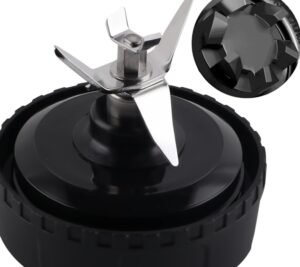
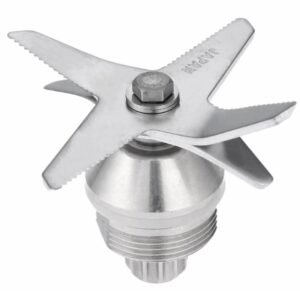
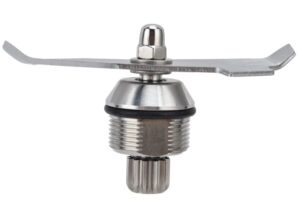
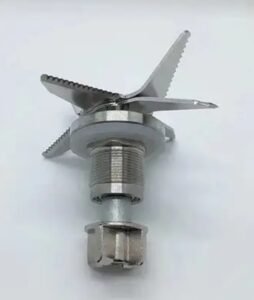
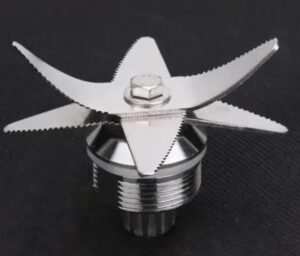
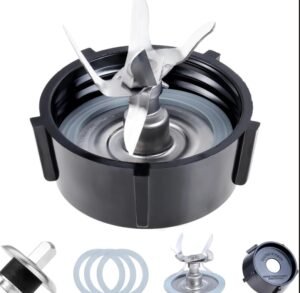
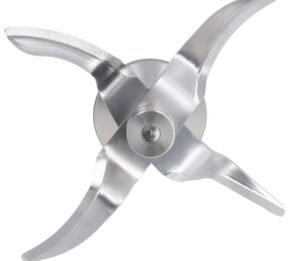
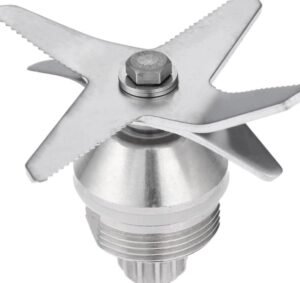
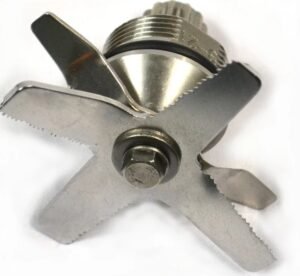
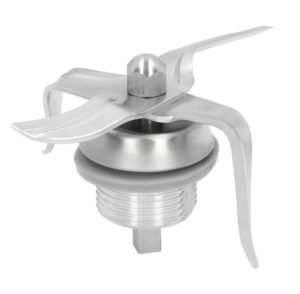
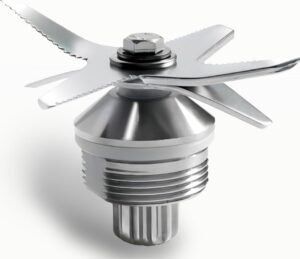
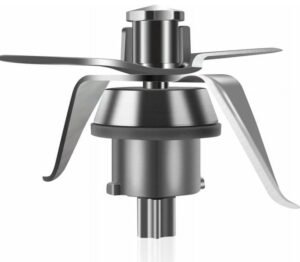
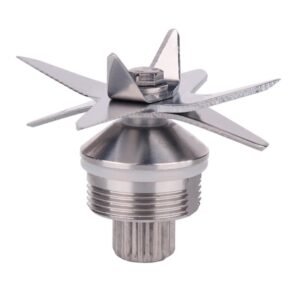
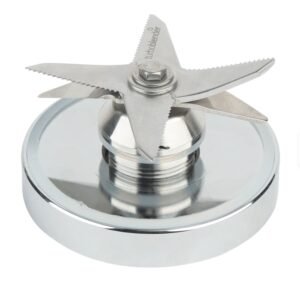
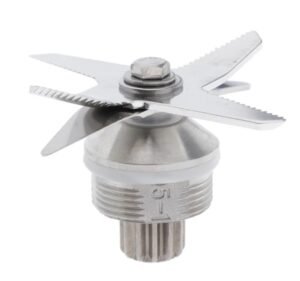
Blender Blade for Sale:
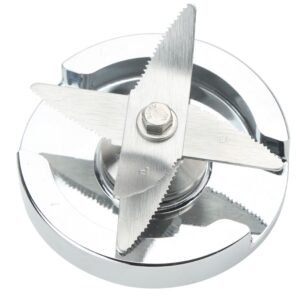
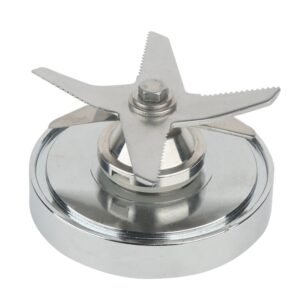
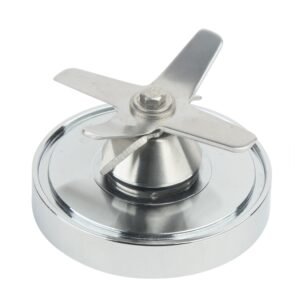
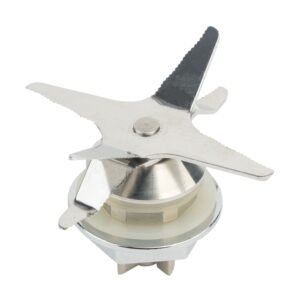
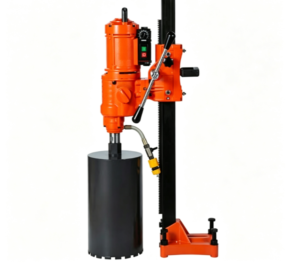
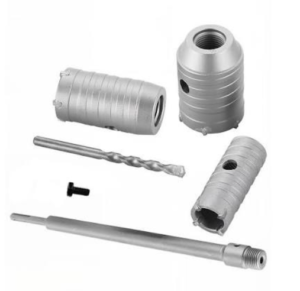
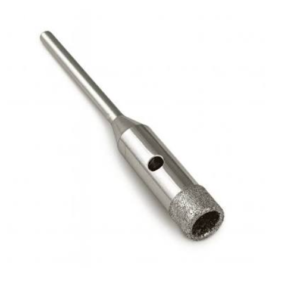
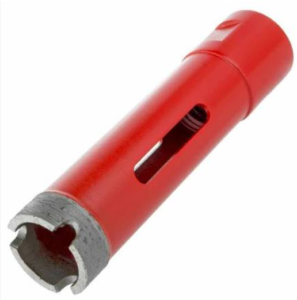
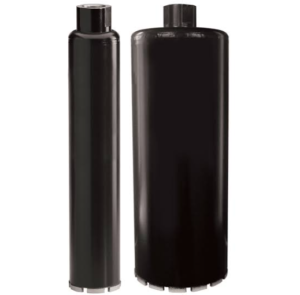
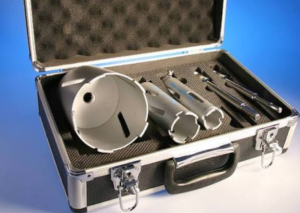
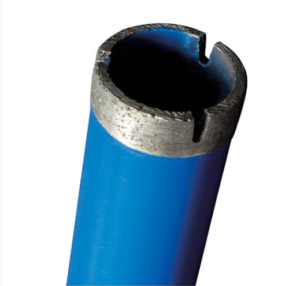
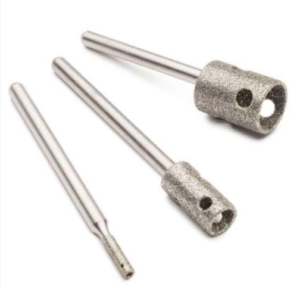
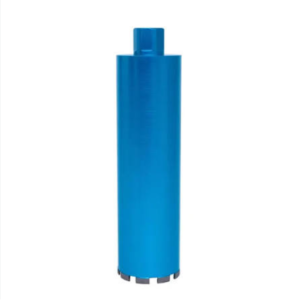
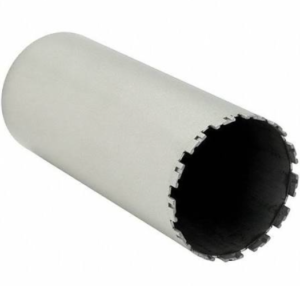
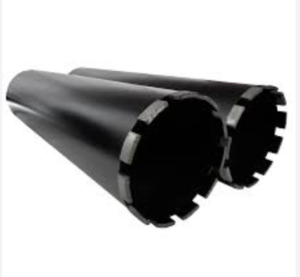
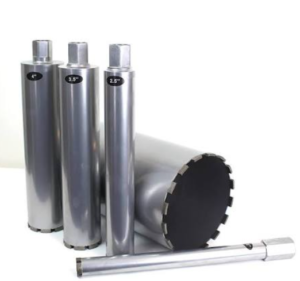
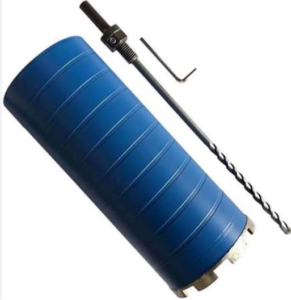
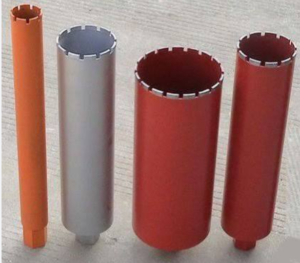
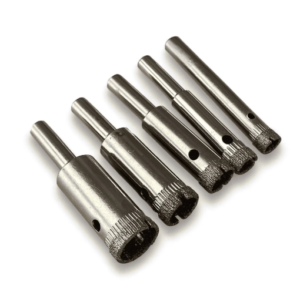
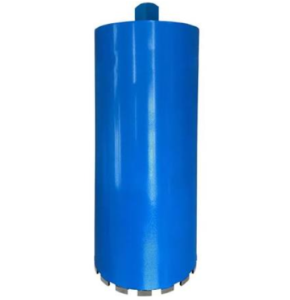
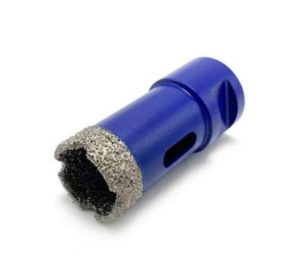
Core drill bit for Sale:
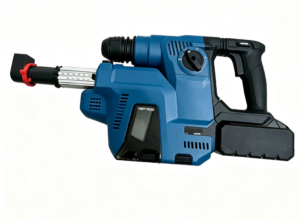
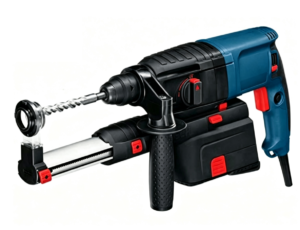
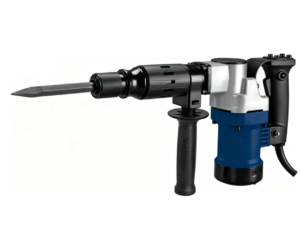
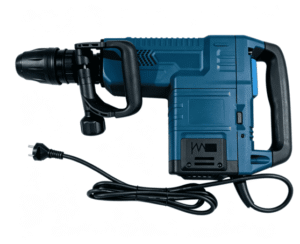
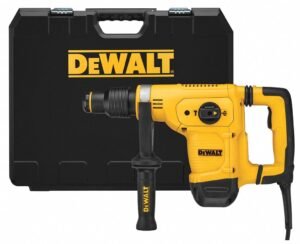
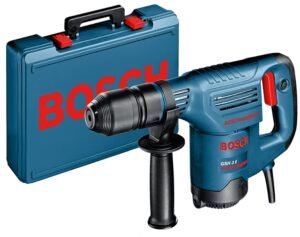
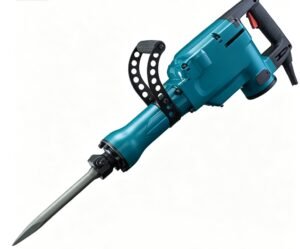
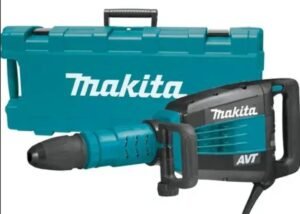
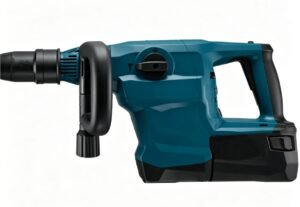
Rotary Hammer & Demolition Hammer for Sale:
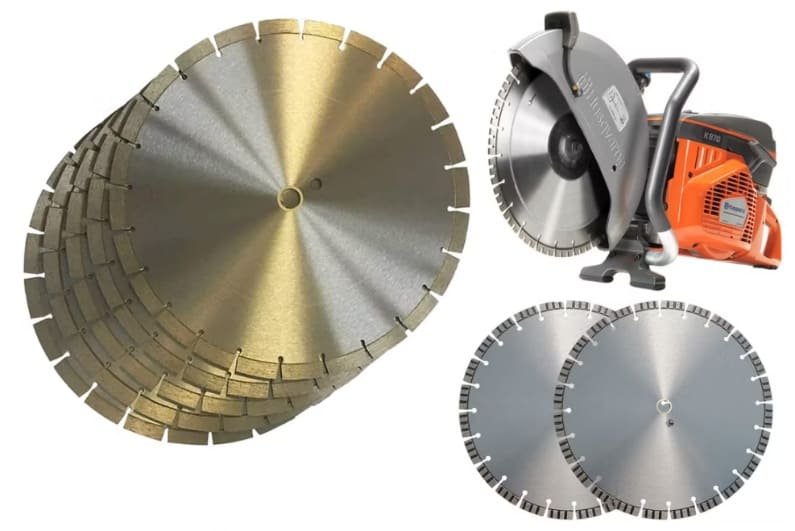
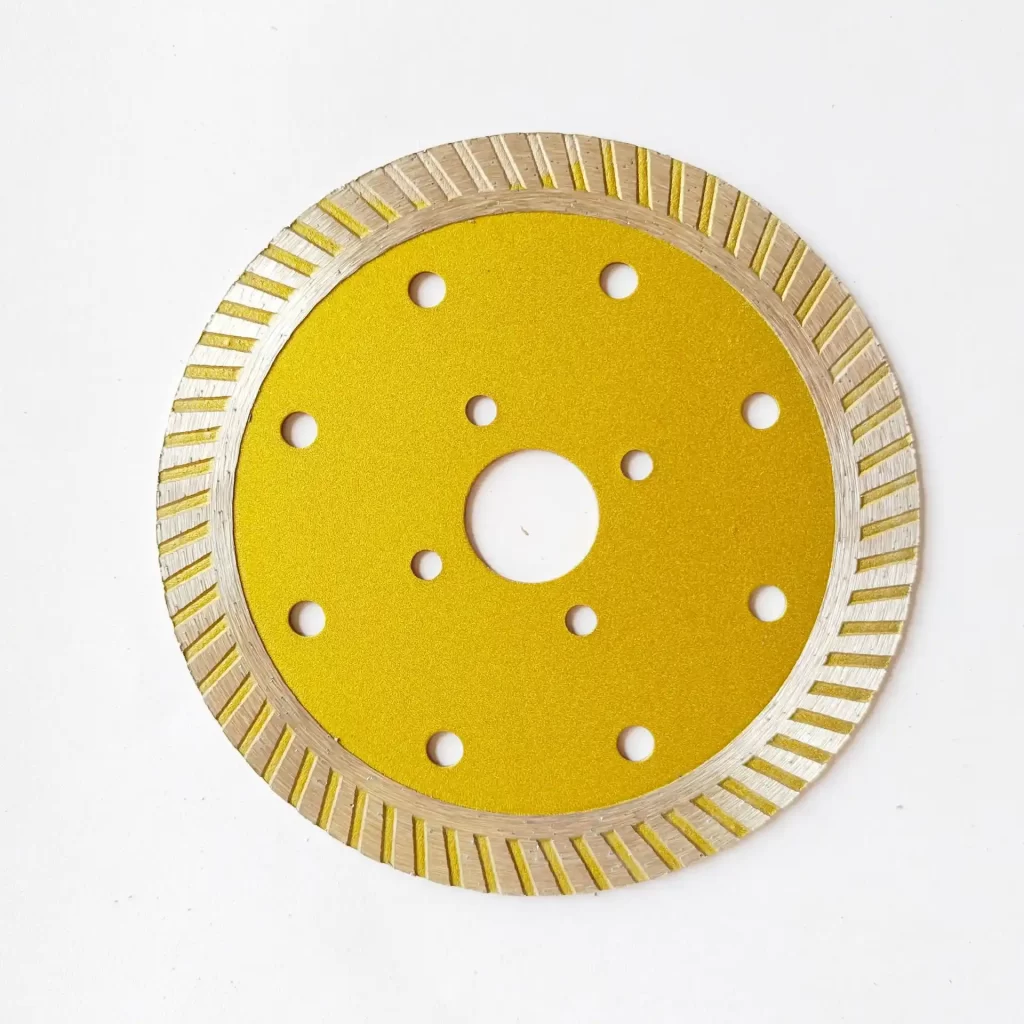
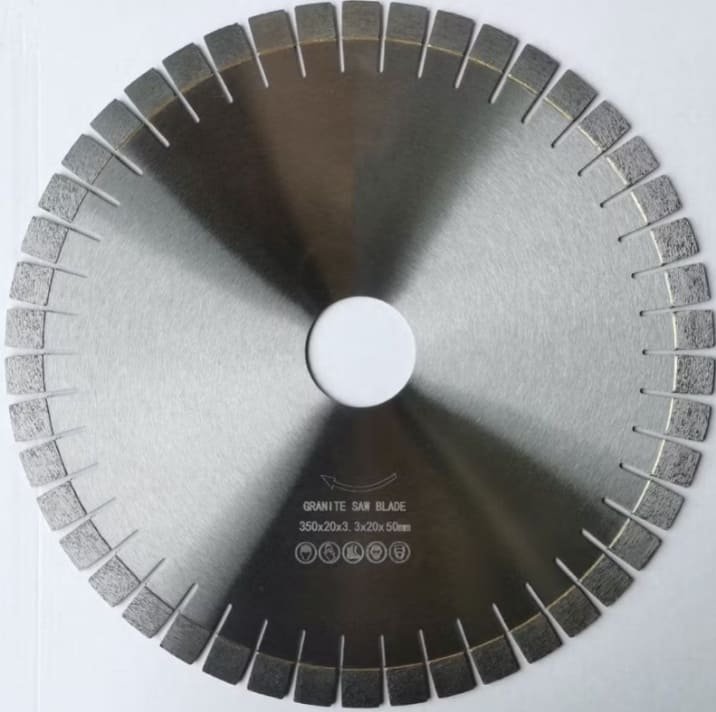
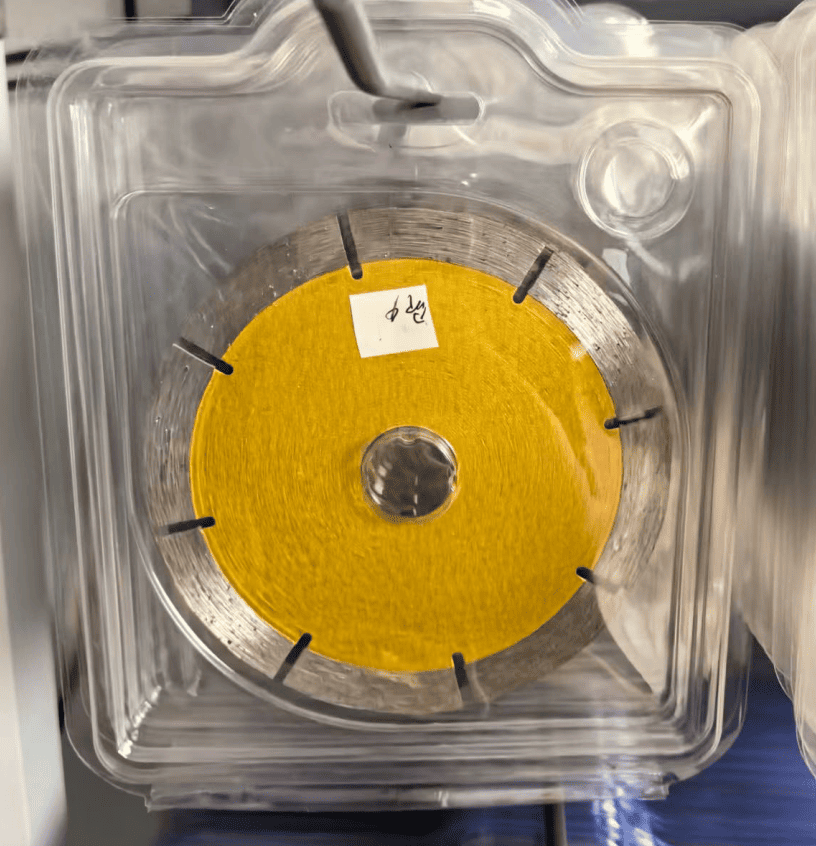
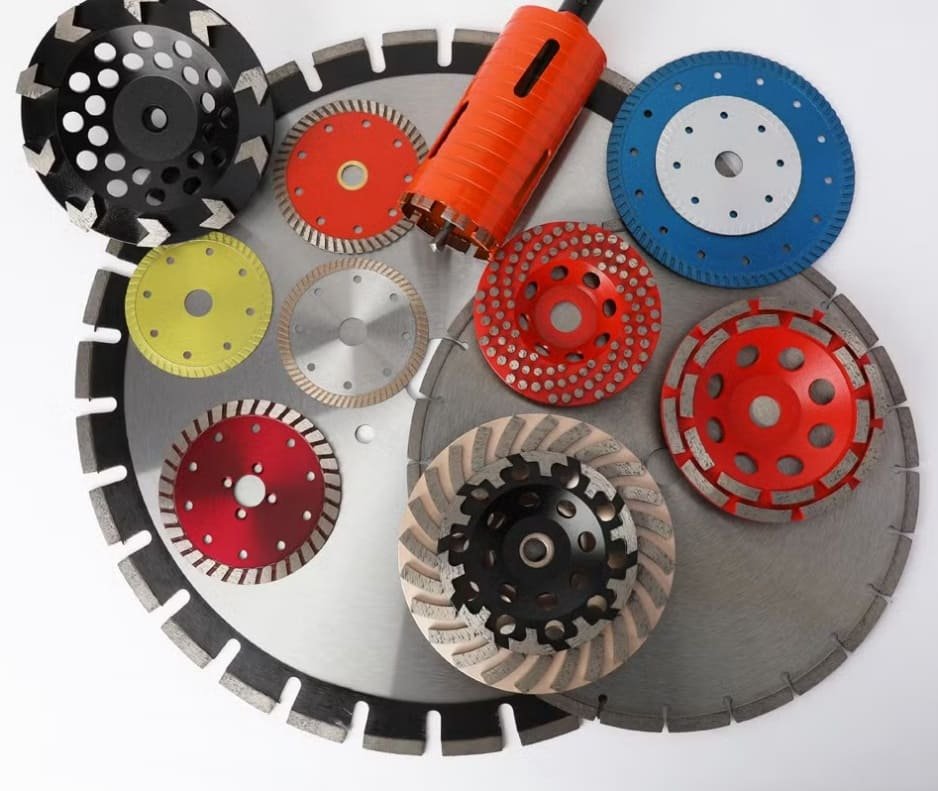
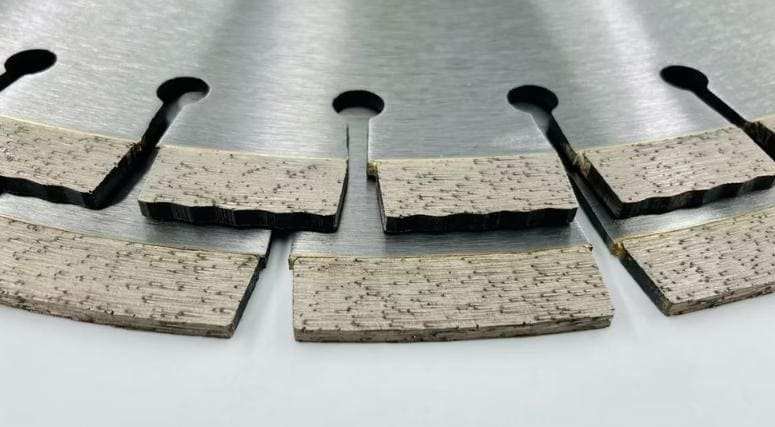
Diamond Blade

Welcome to call us
Contact Us to get quotation
Working Time: 8:00~17:00 Monday to Friday.
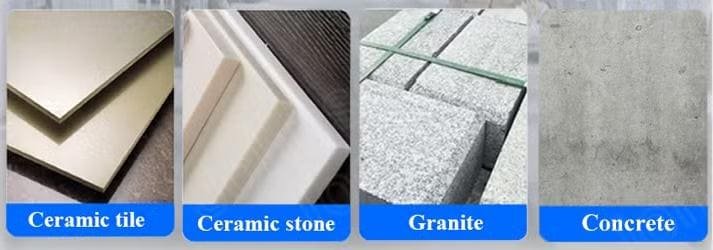
Applications:
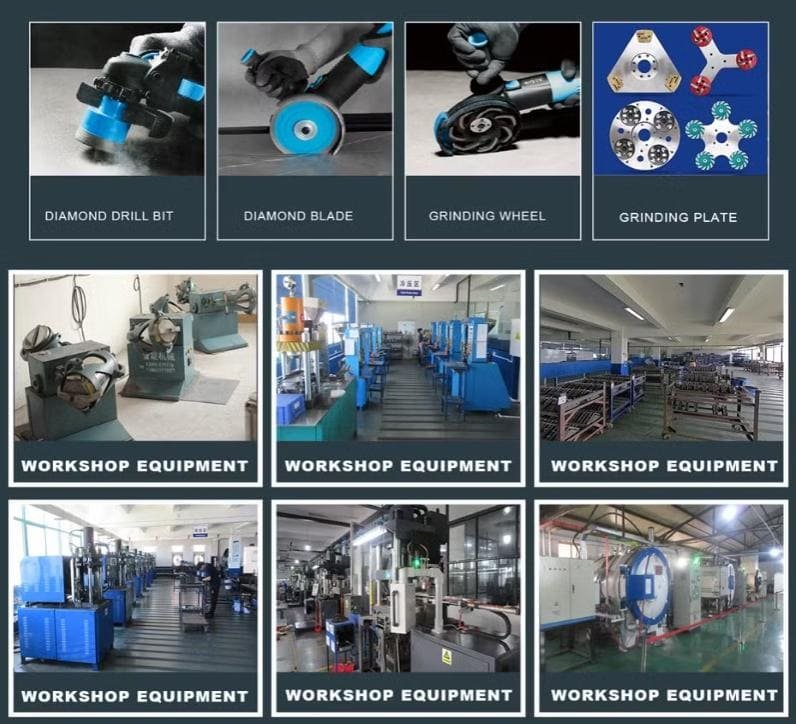
Factory:
FAQ
Welcome to call us
Contact Us to get quotation
Working Time: 8:00~17:00 Monday to Friday.
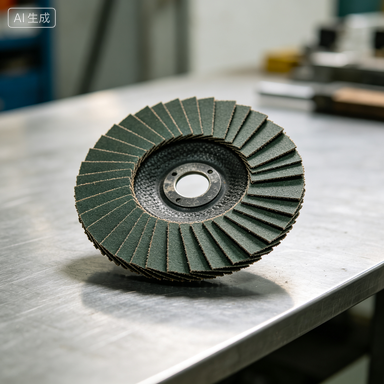
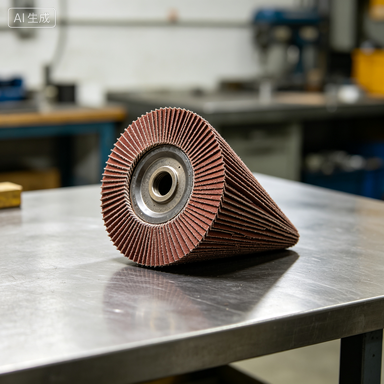
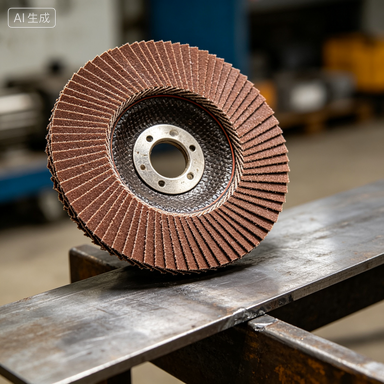
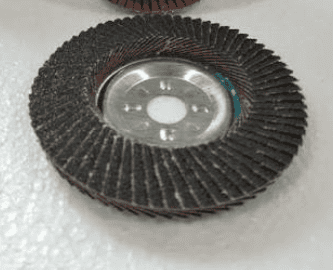
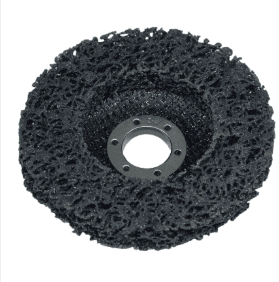
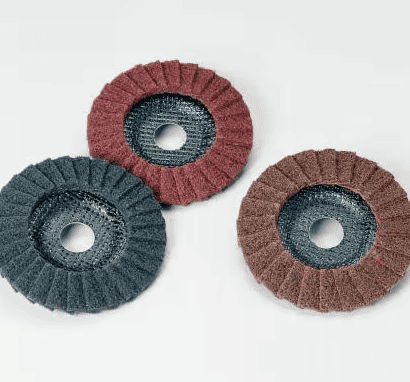
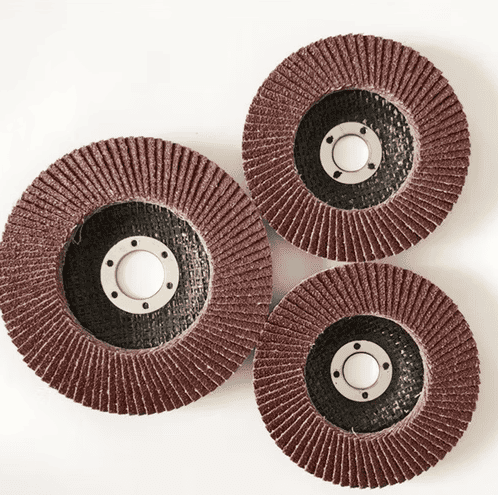
Flap Disc for Sale
Blogs:
You May also Interest in other topics:
Granule filling machine Automatic Diamond Powder Production Line ball mill for graphite grinding Mode 2 Charging Box