Are blender blades dishwasher safe?
Are blender blades dishwasher safe?
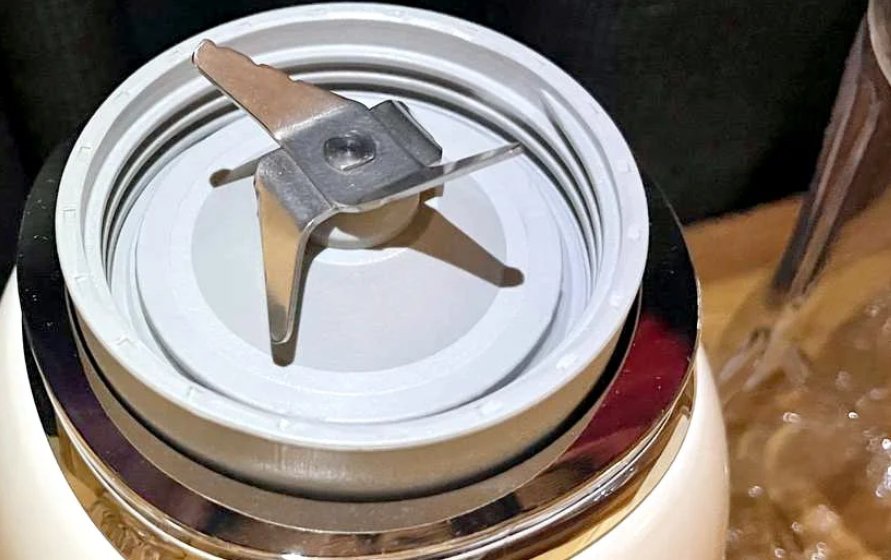
Blender blades are not always dishwasher safe, and their suitability for dishwasher cleaning primarily depends on the official product model certification and blade manufacturing material. For long-term blade protection and equipment safety, there are specific safe and unsafe usage scenarios as well as standard cleaning guidelines to adhere to. Blender blade damage, coating failure, and even equipment burnout can result from the careless placing of blender blades, despite the fact that many users use dishwashers for easy daily cleaning. Conventional dishwasher cleaning is only possible for models with food-grade stainless steel detachable blades and approved dishwasher-safe labeling. Dishwasher washing is not appropriate for blades with non-detachable structural designs, special surface coatings, or official certification. Cleaning convenience and blade service life can be successfully balanced by mastering scientific judgment standards and conventional cleaning procedures.
Situations in Which Blender Blades Are Dishwasher Safe
The most trustworthy criterion for safe washing is that certain popular blender models with official dishwasher-safe certification permit blade assembly cleaning in dishwashers. The published specifications for certain old Philips blender models, such as the HR2006, HR2003, and HR2100, state that all detachable parts—aside from the motor host shell—can be safely washed in a dishwasher. These models fully satisfy everyday convenient cleaning needs for household use because they are professionally tested and optimized for high-temperature water flow and detergent environments during the design process. Additionally, their detachable blade structures will not rust, deform, or fail after long-term standardized dishwasher cleaning.
To facilitate dishwasher cleaning, food-grade stainless steel blades are a necessary precondition. Standard food-grade stainless steel used to make qualified domestic blender blades has exceptional resistance to oxidation, corrosion, and high temperatures. Without surface rust, metal oxidation, or structural damage, they can endure the standard high-temperature washing process and neutral detergent cleaning of home dishwashers. Long-term stable operating performance is maintained by this stable material performance, which guarantees that the blade’s flatness, sharpness, and safety won’t be impacted by frequent dishwasher washing.
Situations in Which Dishwasher Cleaning with Blender Blades Is Not Advised
Dishwasher cleaning is not appropriate for blades that do not have official dishwasher-safe markings in the product handbook. Uncertified blender blades typically use standard metal processing technologies without specific testing for corrosion resistance and high temperatures. The sharp blade edge will gradually deteriorate due to the constant impact of high-speed water flow and chemical detergent when forced into a dishwasher for cleaning, leading to passivation and subpar cutting ability. Long-term unapproved dishwasher washing will also cause the uncertified blades’ surface protective layer to peel off, hastening metal oxidation and reducing food safety and service life.
Dishwasher washing is strictly forbidden for blades with special non-stick functional coatings. Professional non-stick protection coatings are applied to the surface of some high-end blender blades to address the issue of food adhesion and residue sticking. The particular coating’s molecular structure will be destroyed by the dishwasher’s high temperature and alkaline detergent, which will lead to the coating peeling off, fading, and failing. When the non-stick coating is destroyed, the blade will readily adhere to materials during further churning and crushing, and leftover food will be challenging to clean, totally eliminating the coated blade’s initial functional benefits.
It is completely impossible to clean integrated non-detachable blade structures in a dishwasher. Certain integrated blenders do not allow the blade to be removed separately; instead, they fix the blade and the mixing cup together. Water vapor and cleaning sewage will enter the internal motor position along the fuselage gap if the entire machine is put in the dishwasher for cleaning. In addition to causing significant financial losses and possible safety risks, this will directly result in motor water inflow, short circuit, and circuit burnout, which will cause irreversible damage to the blender host and total equipment failure.
Important Safety Measures for Cleaning Blender Blades in the Dishwasher
The fundamental assurance of safe dishwasher blade cleaning is standard placement. The blade assembly must be placed on the upper tableware basket of the dishwasher rather than the lower section near the heating pipe for cleaning detachable dishwasher-safe blades. Blade metal thermal deformation and severe surface wear are easily caused by the bottom heating area’s extremely high temperature and significant water flow impact. In addition to reducing water flow impact force and avoiding high-temperature baking, placing blades on the top layer also keeps sharp blades from scraping other dinnerware while washing.
Blade wear and safety hazards can be successfully decreased by using protective treatment during cleaning. Before placing the dismantled blade in the dishwasher, it is advised to place it in a special hollow dinnerware protection box. By fixing the blade position during washing, the protective box can significantly reduce surface scratch damage and blade edge wear by preventing random rolling and collisions with other crockery. Simultaneously, the closed protective design can enhance the overall safety of cleaning operations by preventing users from being scratched by sharp blades when taking and placing dinnerware.
Hidden sanitary and structural risks are prevented by prompt post-cleaning inspection and maintenance. Instead of leaving the blades in the humid dishwasher for an extended period of time, users must remove them as soon as the cleaning process is over. To get rid of any remaining moisture, thoroughly wipe the blade’s surface and gaps with a soft, dry towel. After making sure there are no anomalies, carefully inspect the blade edge for wear, deformation, and residue adherence. Then, store the blades in a dry, well-ventilated area. This procedure can successfully stop bacterial growth brought on by prolonged moisture, as well as secondary rust and blade oxidation.
Supplementary Q&A
Q:How to quickly judge whether a blender blade is dishwasher safe?
A:Users can judge through official certification and material properties. Blades of officially certified models such as Philips HR2006, HR2003 and HR2100, which are made of food-grade stainless steel and detachable in structure, are dishwasher safe. Unmarked, coated or non-detachable blades are not suitable for dishwasher cleaning.
Q:What damage will be caused by washing non-dishwasher-safe blades in a dishwasher?
A:Uncertified blades will suffer edge wear and surface coating peeling. Coated blades will lose their non-stick function due to high-temperature damage. Non-detachable integrated blades will cause motor water inflow and short circuit, leading to permanent equipment damage.
Q:What are the core skills for safe dishwasher cleaning of qualified blades?
A:Place blades on the upper dishwasher basket away from the heating pipe, use a special protective box for anti-collision protection, and take out and dry the blades thoroughly immediately after cleaning. This standardized operation ensures cleaning safety and protects blade performance.
Final Decision
In conclusion, official model certification, blade material, and structural design are the only factors that determine whether a blender blade is compatible with a dishwasher. While unmarked conventional blades, special coated blades, and non-detachable integrated blades should not be washed in a dishwasher, detachable food-grade stainless steel blades of certain approved models can be securely cleaned in a dishwasher. Cleaning safety and blade service life can be maximized by adhering to standard positioning guidelines, safety precautions, and post-cleaning maintenance techniques. The secret to striking a balance between convenient cleaning and long-term steady operation of blender blades is to identify suitable cases and standardize cleaning procedures.
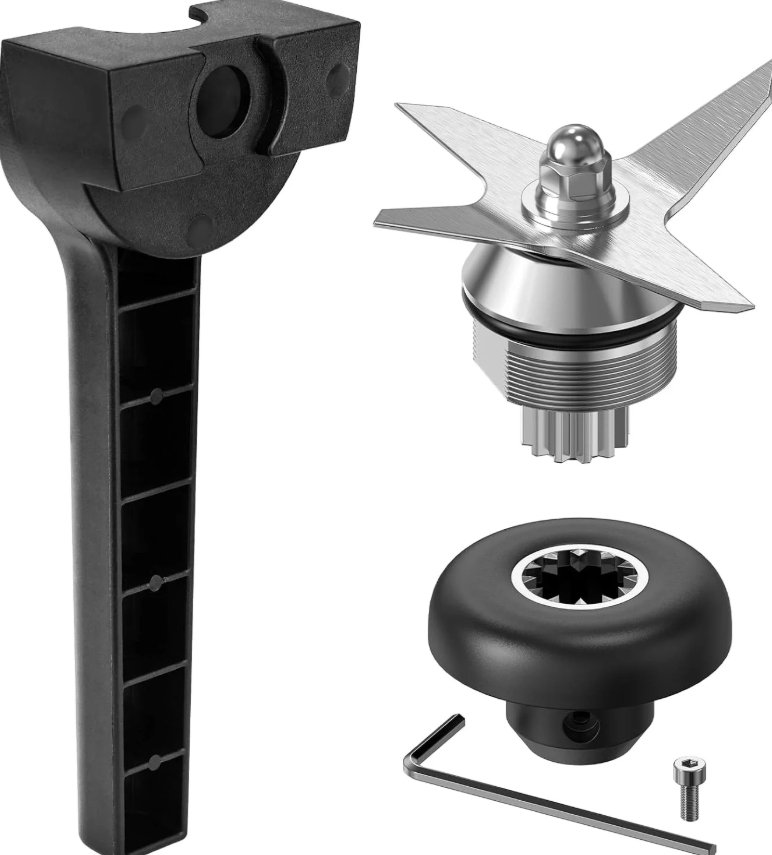
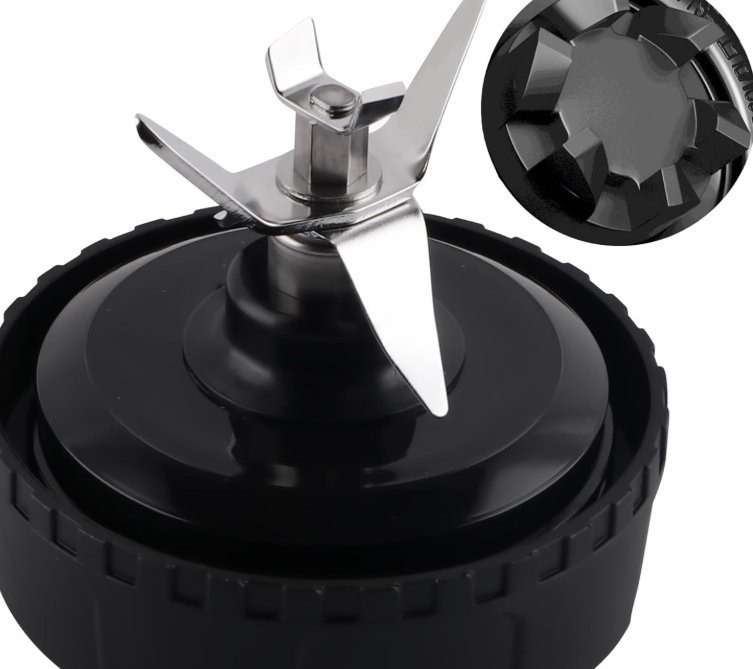
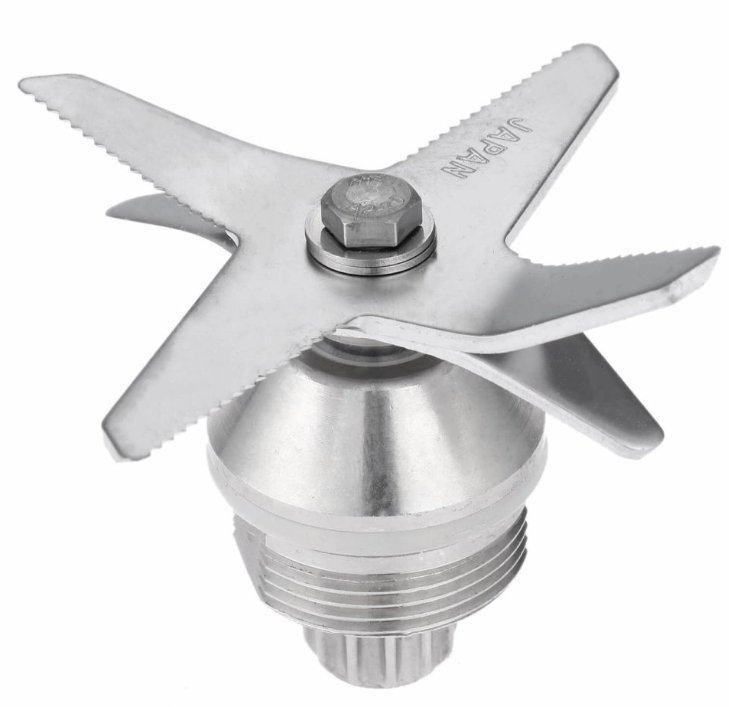
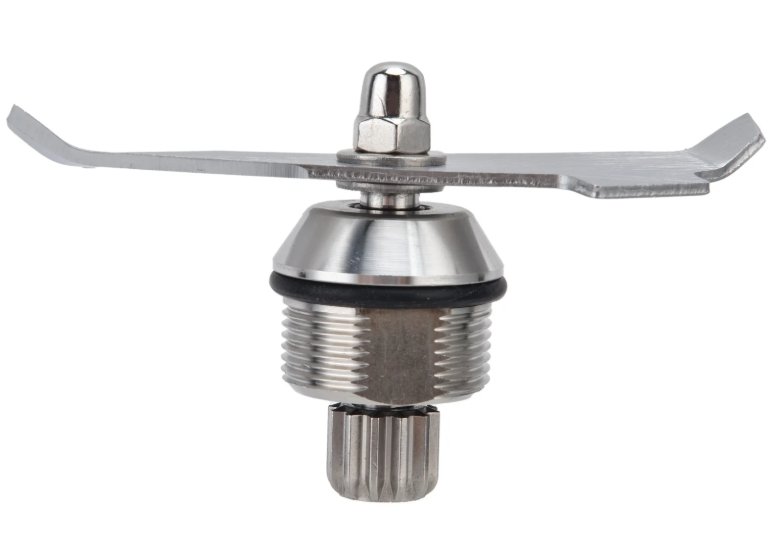
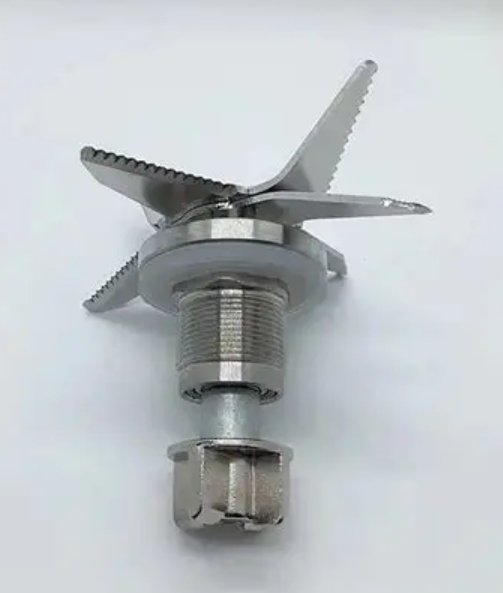
Blender Blade for Sale
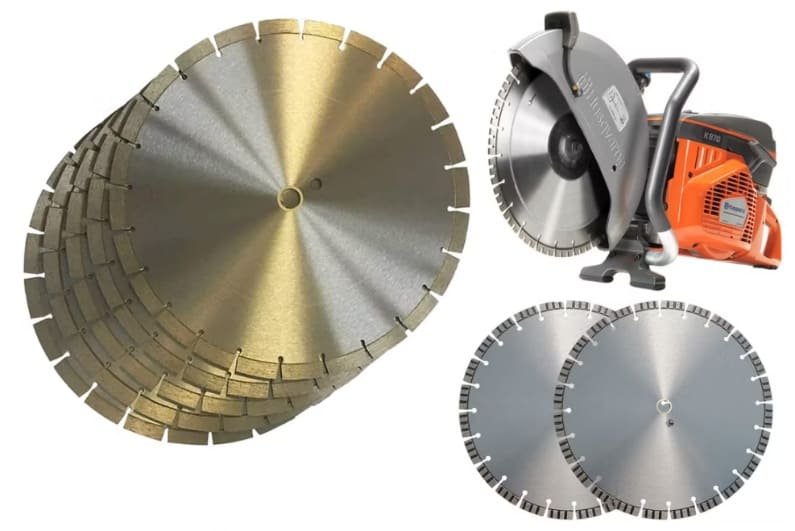
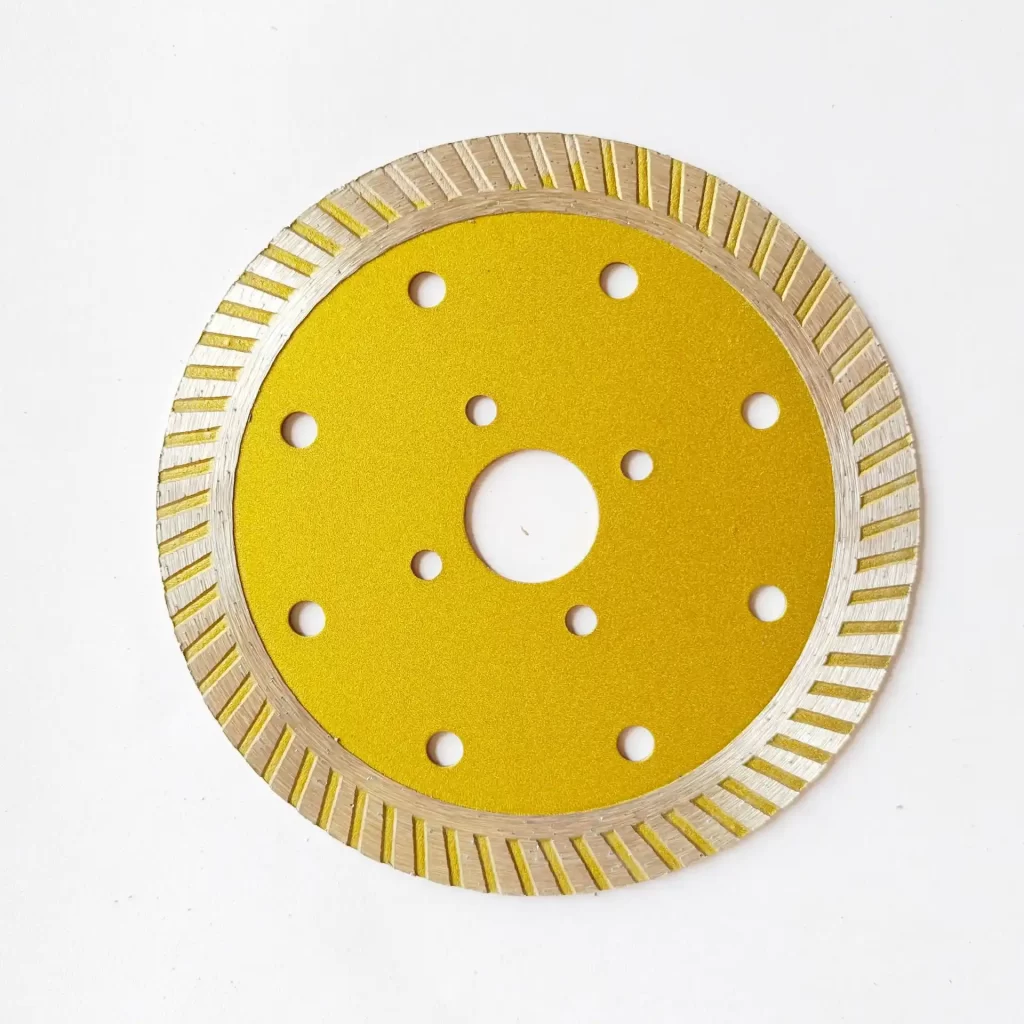
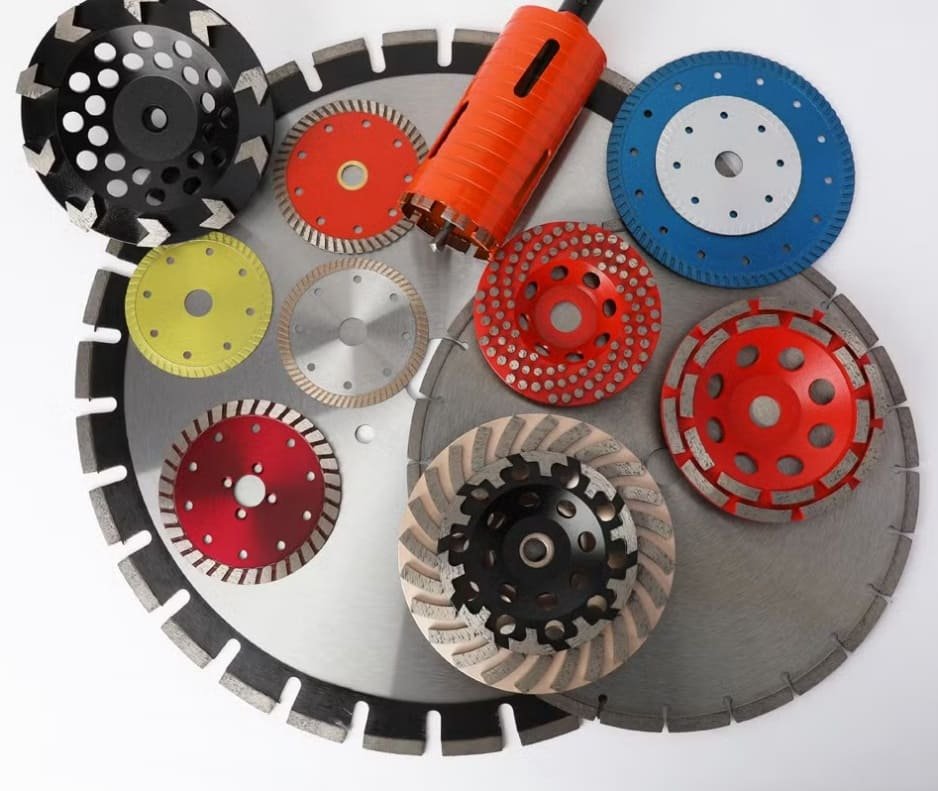
Diamond Blade for Sale

Demolition Hammer & Rotary Hammer for Sale
Angle
Welcome to call us
Contact Us to get quotation
Working Time: 8:00~17:00 Monday to Friday.
FAQ
Welcome to call us
Contact Us to get quotation
Working Time: 8:00~17:00 Monday to Friday.