How to fix wobbly blender blade?
How to fix wobbly blender blade?
By using targeted, step-by-step correction and replacement techniques, standardized pre-repair safety procedures, and post-repair functional verification, wobbly blender blades can be fully fixed. This will solve blade shaking caused by loose installation, aging bearings, missing limit structures, and damaged accessories to restore stable and balanced blade operation. One of the most frequent equipment problems in everyday usage is a shaking blender blade, which, if left unfixed, can result in uneven ingredient crushing, unusual operation noise, severe blade wear, and even equipment jamming. The majority of blade jitter issues are brought on by dirty mounting locations, inadequate locking, loose internal bearings, absent anti-loosening structures, and worn locking accessories rather than damage to the blade’s quality.By following professional repair procedures and completing strict post-repair testing, users can thoroughly eliminate blade wobble and ensure the long-term stable operation of the blender cutting assembly.
Detailed Repair Techniques for Wobbly Blades
The simplest and most efficient way to fix minor blade wobbling brought on by a loose installation is to realign and lock the blade base. After prolonged use, food residues and sticky juice frequently build up on the thread opening of the blending cup and the bottom metal contacts of the blade base. During high-speed operation, these microscopic contaminants will result in poor fitting and insufficient locking of the blade base, which will cause the blade to shake. To guarantee a clean and level fitting surface, users must first remove the loose blade base and use a dry, soft cloth to completely wipe and clean any remaining debris on the bottom contacts and thread gaps.After cleaning, position the blade base vertically in the cup body clamping groove and turn it carefully and steadily until it is completely in position. Successful engagement is indicated by a distinct clicking locking sound. To finish the basic fastening repair, lightly shake the blade base by hand to make sure there is no offset or looseness.
Persistent blade wobble that cannot be resolved with simple locking can be resolved by replacing loose blade bearings. The primary reason of imbalanced rotation of the blade shaft is mostly loose and aged internal bearings if the blade base is well cleaned and secured in place but the blade still shakes noticeably during rotation.Long-term high-speed operation will result in bearing loosening, internal ball wear, and decreased precision, which will ruin the blade’s rotational balance. The bearing is the fundamental support component for blade operation. The blade group structure must be reasonably disassembled, the old, defective bearing must be removed, and a new, high-precision bearing that precisely fits the equipment model must be installed. The blade group’s stable rotation state can be efficiently restored and eccentric shaking eliminated by gently pressing and manually fixing the bearing for approximately 30 seconds to achieve complete reset and tight fitting.
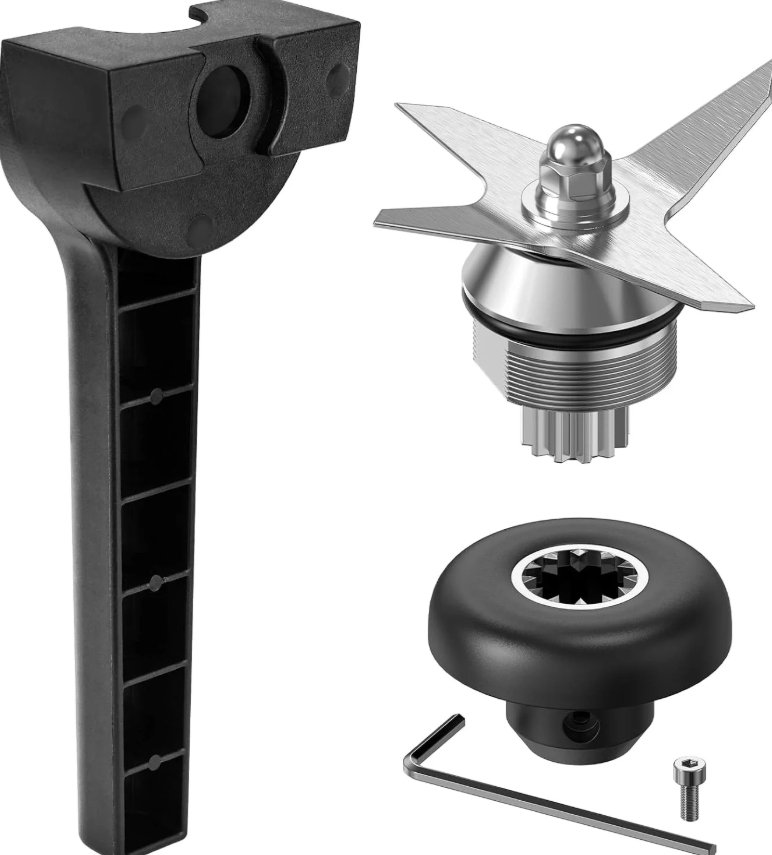
Auxiliary anti-loosening limit structures can be installed to address recurring blade wobble in industrial and residential blenders. The screw rod and fastening nut of industrial-grade blender blades that operate under prolonged high-load circumstances are susceptible to progressive loosening because of ongoing vibration. Users can insert a fixing clamping rod to fully lock the thread structure, preventing nut displacement and loosening during high-speed operation, and drill coaxial through holes at the appropriate locations of the screw rod and nut to produce a permanent anti-loosening effect. Drilling transformation is not necessary for most domestic blenders with straightforward structural designs. Spring gaskets only need to be installed at the blade base’s thread connection location.The elastic friction of the gasket can effectively enhance the thread fastening force, avoid thread slipping caused by vibration, and greatly reduce the probability of blade loosening and shaking.
The basic remedy for blade wobble brought on by structural failure is to replace badly damaged accessories. The riveting structure between the blade and the base sleeve becomes loose and unstable when the blade is bent by an external impact or prolonged overload operation. As a result, the blade loses its fixed balance point and continuously jitters while rotating. To restore the structural fixing strength in this situation, users must either replace the original blade of the same model or rivet the blade base sleeve. Additionally, the locking gap will result in blade displacement and shaking if the blade base’s locking buckle wears down and is unable to securely clamp the cup body thread after prolonged usage.Timely replacing the original adaptive blade base can realize tight seamless engagement, ensuring no offset and wobble during high-speed blade operation.
Points of Verification Following Blade Repair
To verify the repair impact and prevent concealed flaws, rigorous post-repair inspection and testing are crucial. Users must manually rotate the blade group to verify the operational status after finishing all correction, replacement, and locking procedures. Without jamming, stalling, or left-right offset deviation, a competent mended blade rotates smoothly and flexibly. Pour a tiny amount of clean water into the blending cavity for a trial run once the manual inspection has been qualified. Run the blender at a standard speed for ten seconds or so, then pay close attention to the blade’s condition and the equipment’s noise. The equipment can be used normally for formal purposes if there is no unusual blade shaking, which indicates that the blade wobble issue has been totally fixed.
Supplementary Q&A
Q:What is the most common cause of a wobbly blender blade?
A:The most common reason is incomplete locking of the blade base caused by residual food impurities on the fitting surface. Dirty thread gaps and unaligned clamping grooves lead to poor fitting, while loose aging bearings and worn locking buckles are also main causes of persistent blade shaking.
Q:How to fix a blender blade that still wobbles after tightening the base?
A:If simple locking fails to solve the problem, the internal bearing is mostly loose or worn. Users need to replace the adaptive high-precision bearing and reset it tightly. Installing spring gaskets for anti-loosening or replacing damaged blade base accessories can completely eliminate persistent wobble.
Q:Why is post-repair trial operation necessary for wobbly blade fixing?
A:Manual rotation inspection can check for jamming and offset problems, while short-time water trial operation can verify the actual operating stability. It effectively eliminates hidden faults such as incomplete locking and unbalanced rotation, ensuring safe and stable formal use of the blender.
Final Decision
In conclusion, consistent safety procedures, focused classified repair, and stringent post-repair verification are necessary to remedy an unsteady blender blade. Simple loose wobbling can be fixed by cleaning and relocking the blade base; imbalanced rotation can be fixed by replacing bad bearings; recurring failures may be avoided by installing anti-loosening structures; and structural jitter defects can be eliminated by replacing damaged accessories. After repair, users can fully restore the blade’s stable rotating balance with the help of manual inspection and water trial operation. All types of blade wobble issues can be successfully resolved by standardized repair and verification techniques, which can also increase the lifespan of blender accessories and guarantee the equipment operates safely and effectively every day.
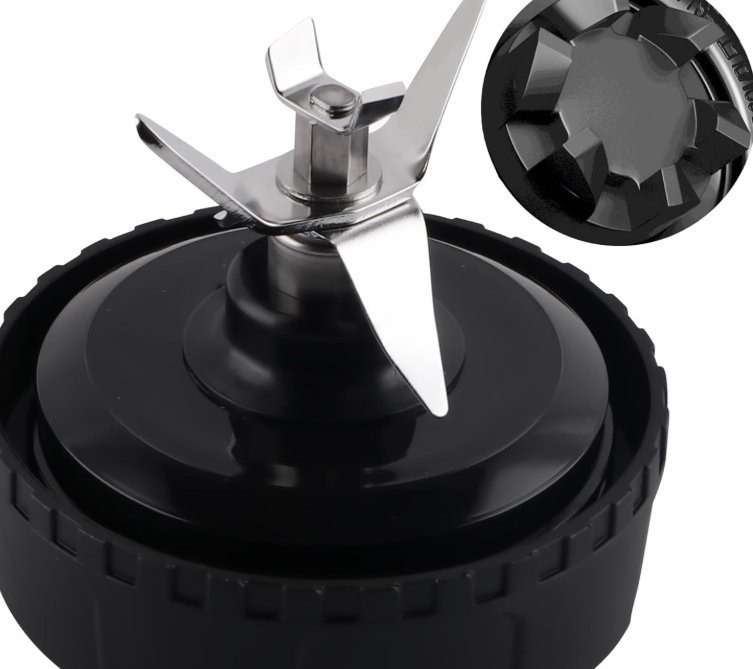
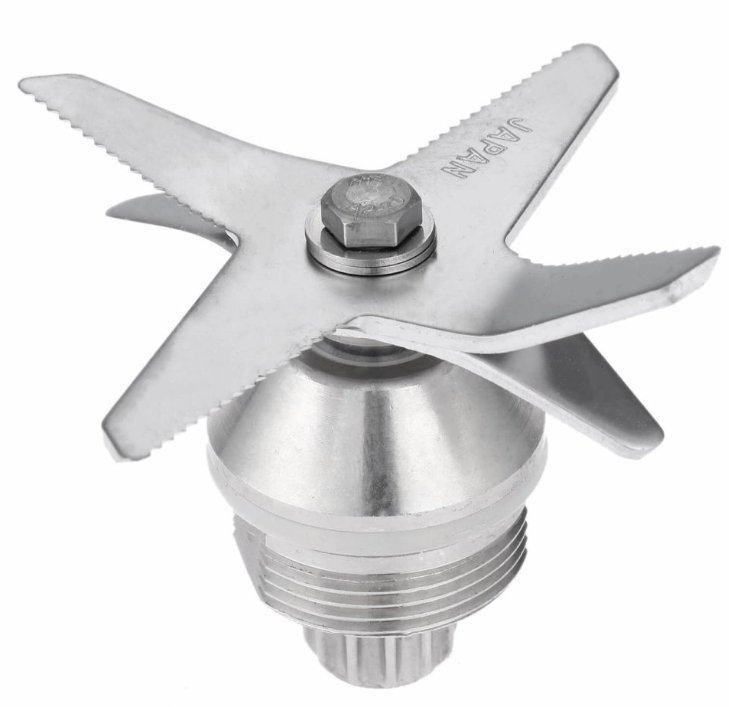
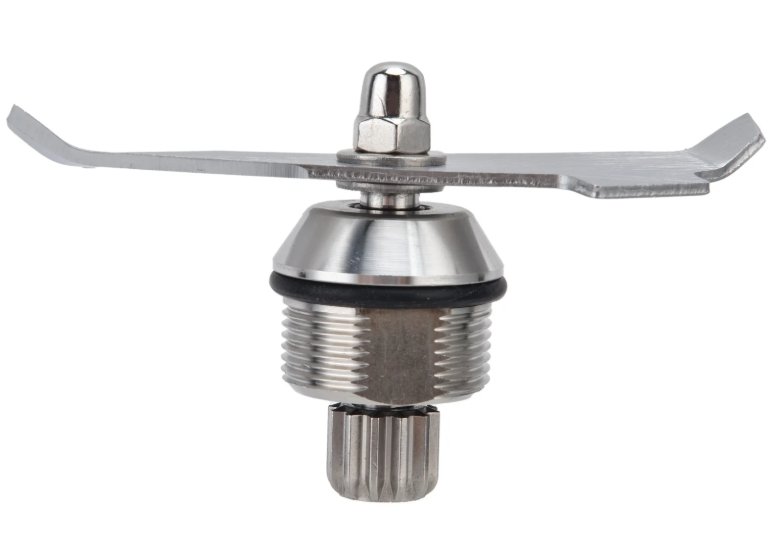
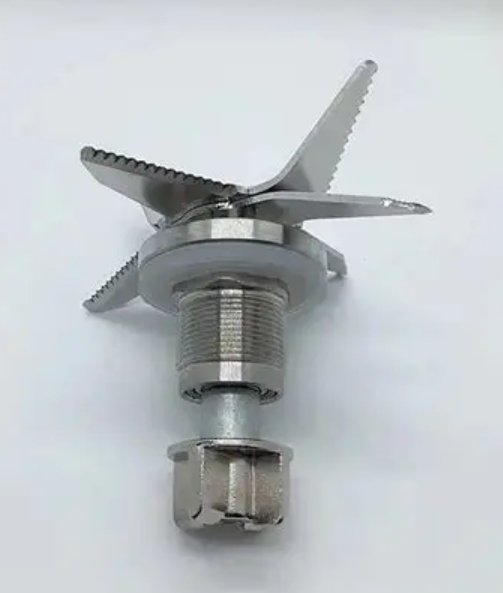
Blender Blade for Sale
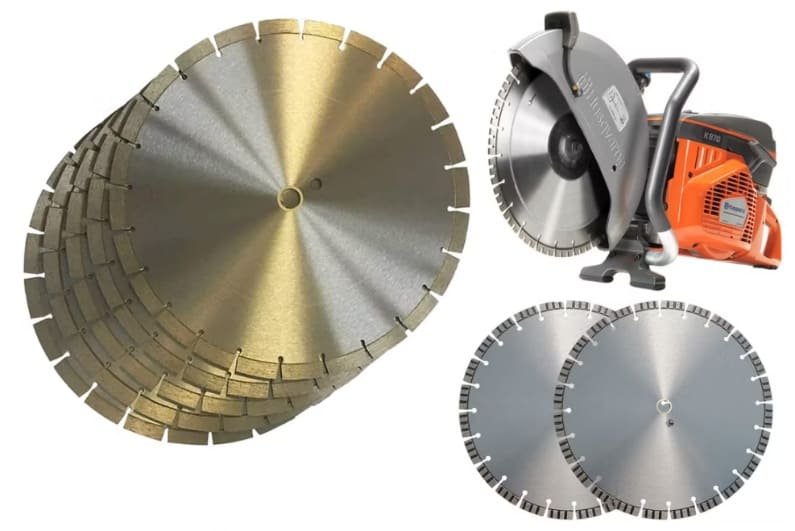
Diamond Blade for Sale

Demolition Hammer & Rotary Hammer for Sale
Angle
Welcome to call us
Contact Us to get quotation
Working Time: 8:00~17:00 Monday to Friday.
FAQ
Welcome to call us
Contact Us to get quotation
Working Time: 8:00~17:00 Monday to Friday.