Can I replace carbon brushes myself?
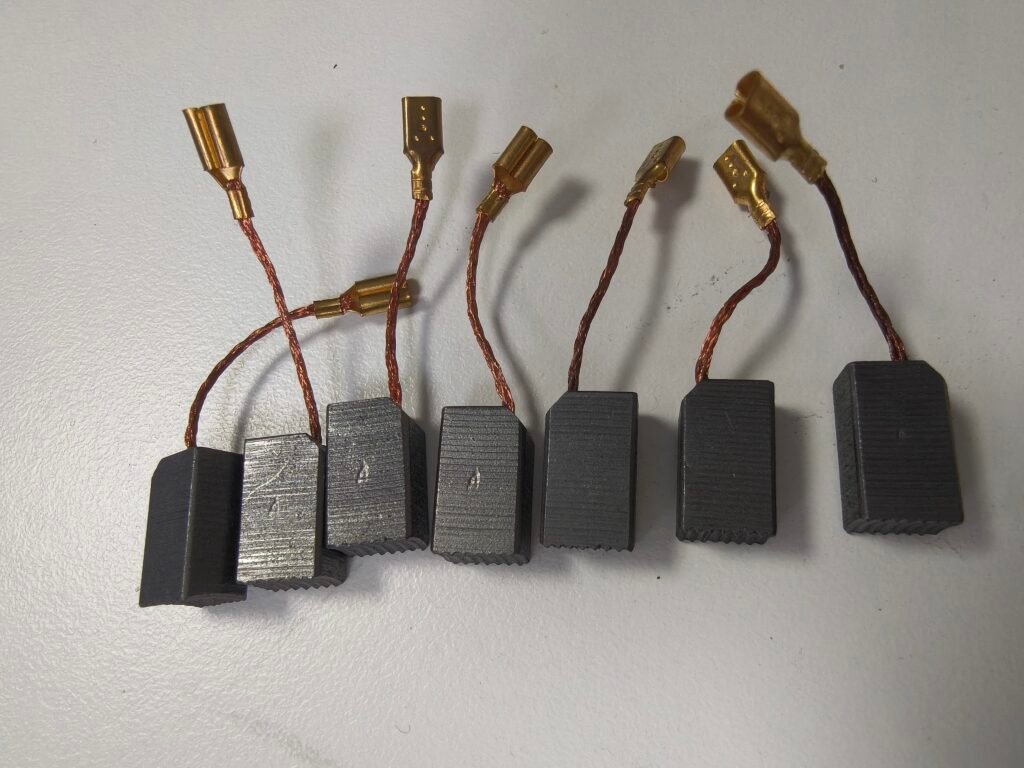
Can I replace carbon brushes myself?
Can I replace carbon brushes myself?Carbon brush replacement can be completed by ordinary users through DIY operation in most daily household and small equipment scenarios with simple structures and low safety risks, while high-power, high-voltage and faulty complex equipment requires professional maintenance personnel to operate, and whether self-replacement is feasible depends on equipment type, fault status and standardized operation conditions.
Applicable Scenarios for DIY Carbon Brush Replacement
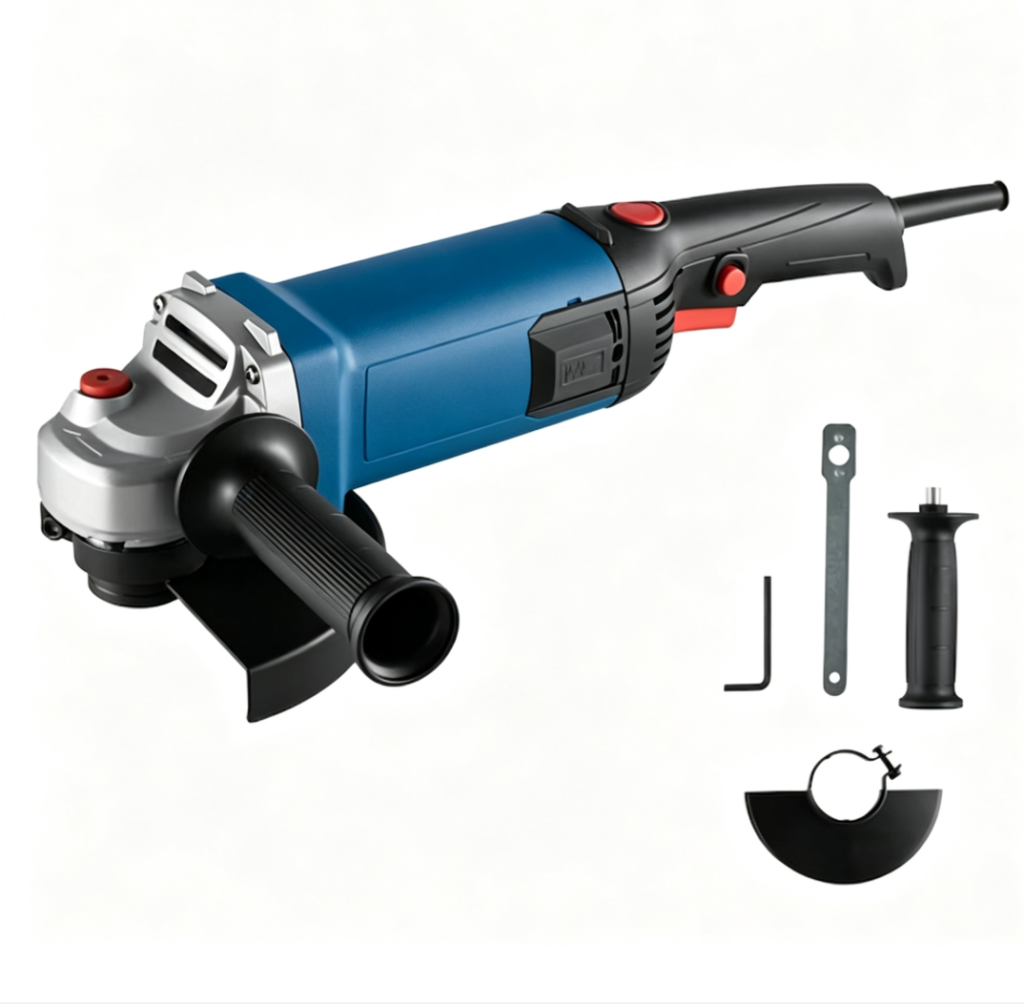
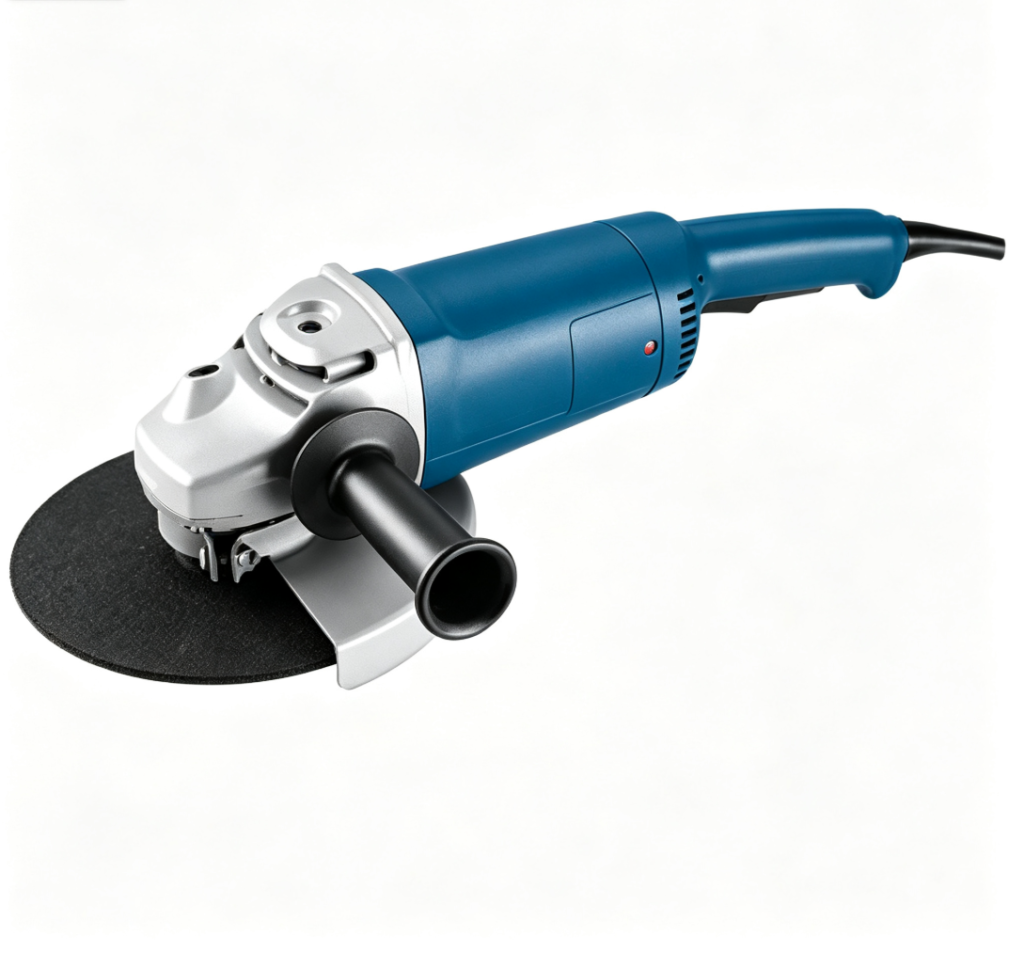
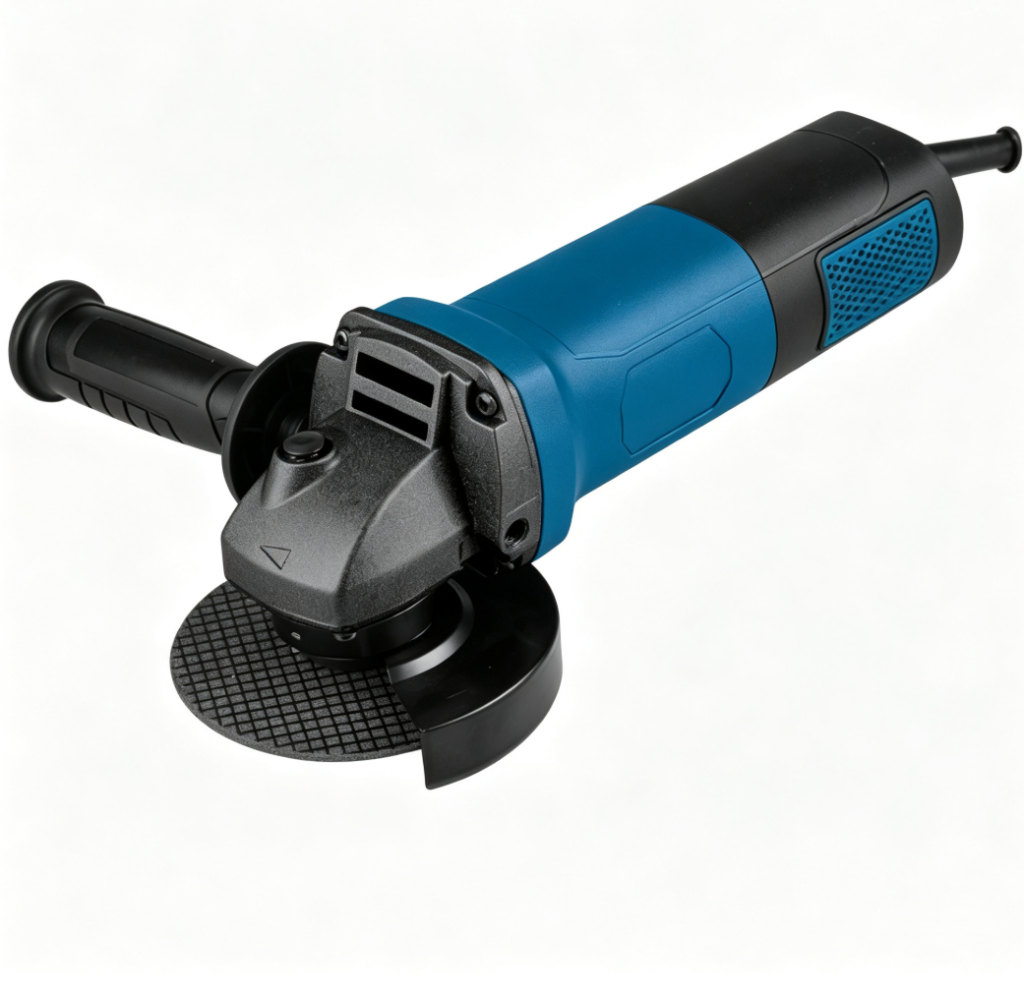
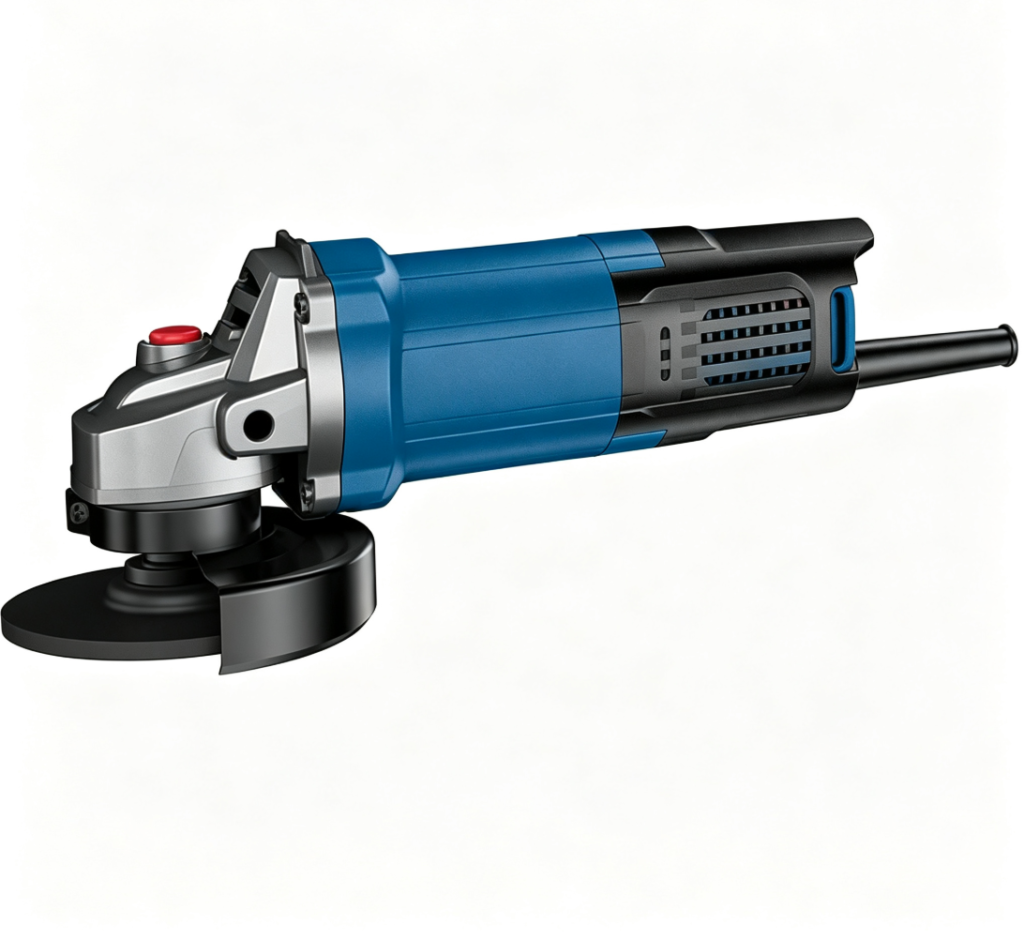
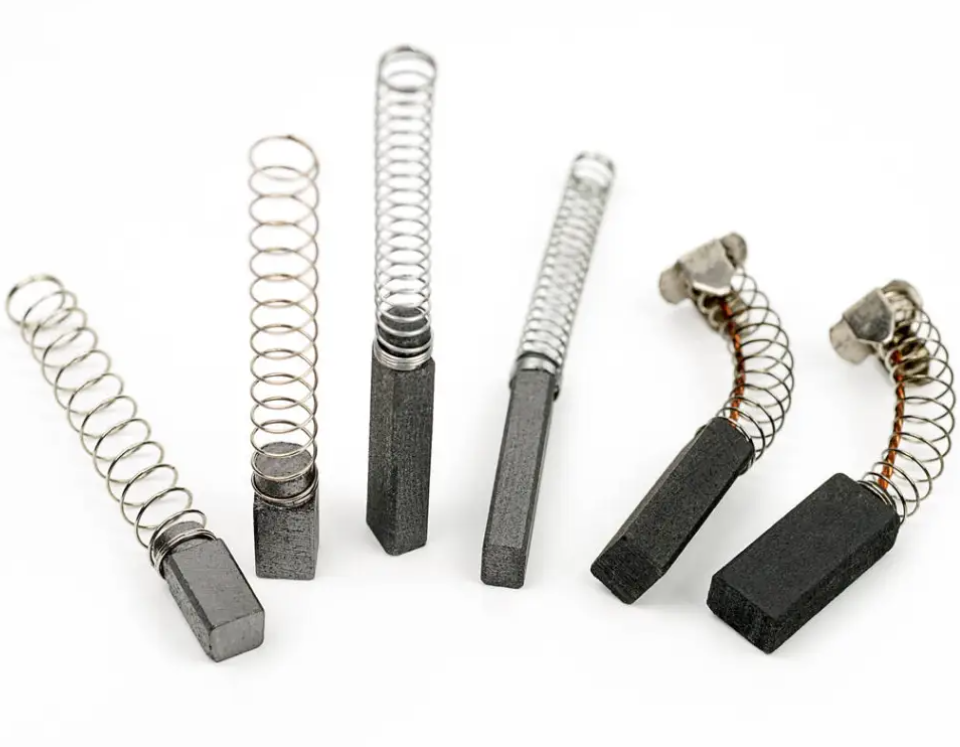
Small household electric tools and home appliances are the most suitable equipment for self-conducted carbon brush replacement, featuring simple internal structure and convenient operation space. Common equipment such as household hand drills, angle grinders, vacuum cleaners and washing machines are equipped with exposed and easy-to-access carbon brush structures. Most of these devices have external brush caps on the motor shell, allowing users to directly access and replace internal carbon brushes without disassembling complex internal components.
The failure causes of such household equipment are single in most cases, and power attenuation, abnormal noise and intermittent startup faults are basically caused by simple carbon brush wear. There is no need for professional electrical knowledge or complex debugging skills during maintenance. Ordinary users can complete the whole replacement process with basic manual tools, realizing low-cost self-repair and effectively avoiding the high cost of returning equipment for official maintenance.
Small vehicle-mounted auxiliary motors are also ideal scenarios for DIY carbon brush replacement, which can greatly save daily vehicle maintenance costs. Automotive seat adjustment motors and window lift motors are typical low-power auxiliary motors with simple internal transmission and conductive structures. The carbon brush replacement process of these parts is simple and safe, requiring only basic hand tools to complete disassembly and installation.
The cost of self-purchasing matching carbon brush accessories is only a few dozen yuan, which forms a huge price gap with the overall motor replacement quotation of 4S stores. Most official maintenance outlets tend to replace the entire motor assembly directly rather than repairing individual wearable parts, resulting in extremely high maintenance costs. Self-replacement can accurately target carbon brush wear faults, retain intact original motor components, and achieve highly cost-effective equipment repair.
DIY replacement is only applicable when the equipment fault is clearly confirmed as single carbon brush wear without damage to other core components. Before starting replacement, users need to simply judge the equipment status to ensure that the rotor, commutator and internal coil structures are intact and free of ablation, deformation and short-circuit faults. If the equipment only has functional attenuation caused by carbon brush aging and wear without other secondary faults, self-replacement can completely restore the equipment’s normal operating performance.
This single-fault maintenance scenario avoids complex auxiliary repair operations. Users only need to complete carbon brush disassembly, cleaning and installation without additional professional debugging and component repair work, which greatly reduces the difficulty of DIY operation and ensures the safety and effectiveness of self-maintenance.
Essential Preconditions for Successful DIY Replacement
Complete power cut and standardized safety protection are the primary prerequisite for all DIY carbon brush replacement operations, which can effectively avoid electric shock and equipment short-circuit risks. For conventional plug-in electric tools and household appliances, users must unplug the power cord completely to cut off all power input, instead of just turning off the equipment switch. For vehicle-mounted motor equipment, it is necessary to turn off the vehicle system and disconnect the corresponding battery wiring to eliminate residual current in the circuit.
Throughout the disassembly and replacement process, users need to maintain basic insulation protection awareness and avoid touching exposed metal conductive parts with wet hands. Thorough power-off operation can completely eliminate potential safety hazards such as accidental equipment startup and electric shock injury during maintenance, creating a safe operating environment for DIY replacement.
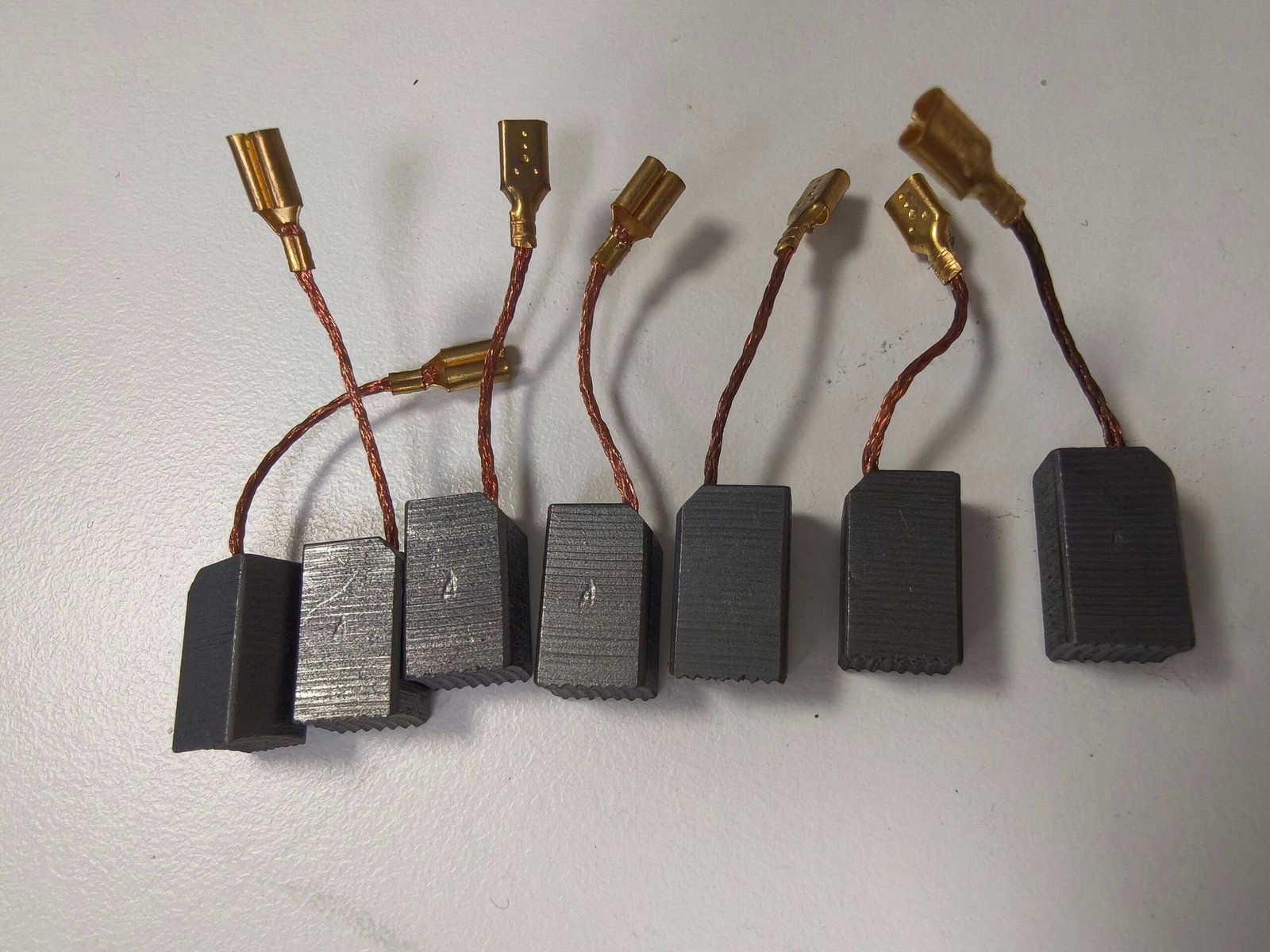
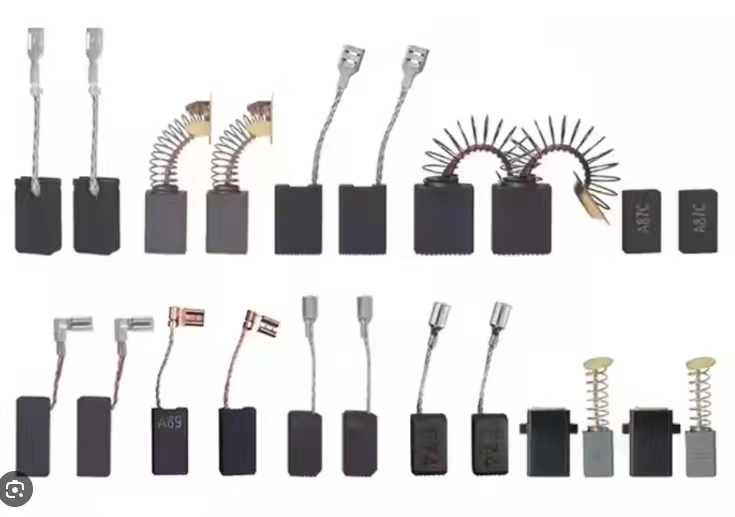
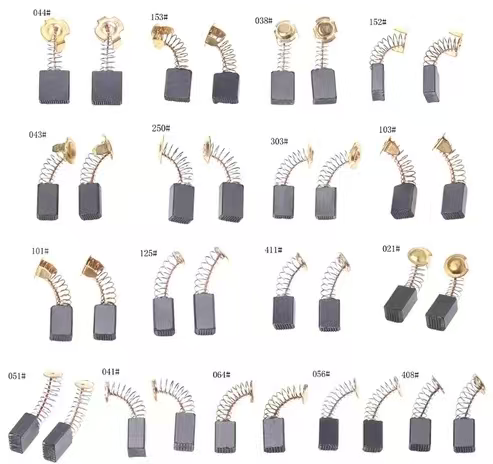
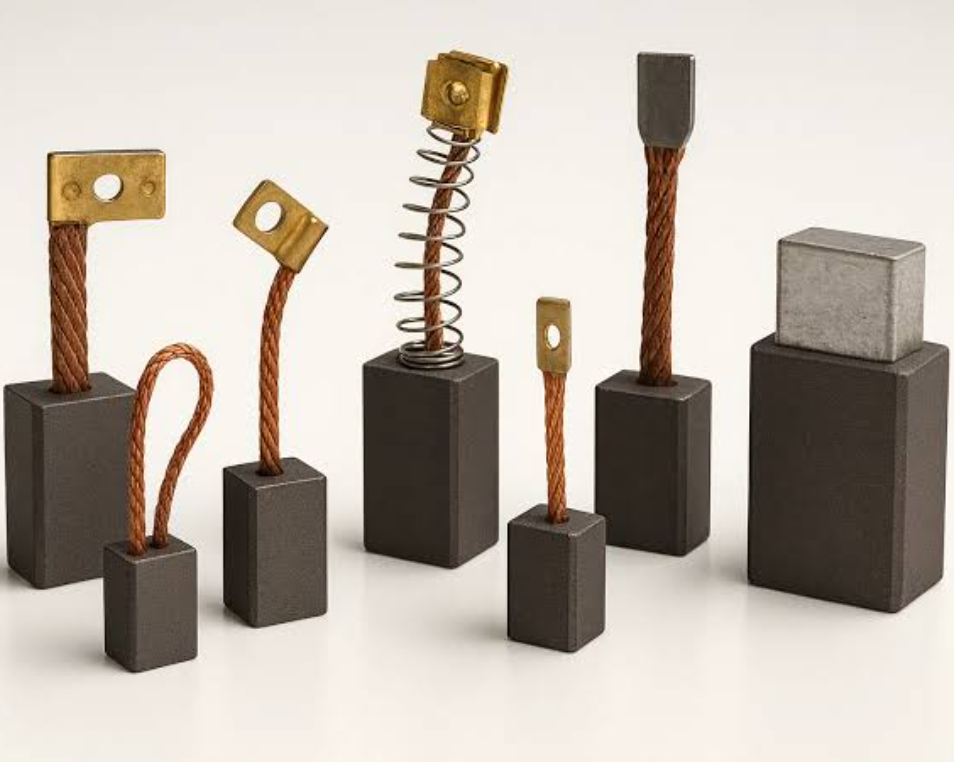
Accurate matching of carbon brush models and sizes is the core precondition to ensure qualified replacement effect and stable equipment operation. Before purchasing and installing new carbon brushes, users must carefully compare the dimensional parameters and material specifications of new and original carbon brushes. Even a tiny size deviation of one millimeter will affect the sliding state and fitting effect of carbon brushes in the brush holder.
Mismatched carbon brush sizes will cause stuck sliding, skewed installation and poor contact between the carbon brush and commutator. These problems will further lead to abnormal motor sparking, operating overheating and power attenuation after installation, and even accelerate the wear of commutator and spring components in severe cases. Only fully matched carbon brush accessories can ensure uniform contact pressure and stable current conduction, restoring the motor’s optimal operating state.
Preparing complete basic maintenance tools is an indispensable guarantee for standardized and efficient DIY replacement. The conventional tool kit for carbon brush replacement includes cross and flat screwdrivers for shell disassembly, needle-nose pliers for adjusting springs and taking out carbon brushes, as well as soft brushes or compressed air for cleaning internal carbon deposits and sundries. These basic tools can meet the full-process operation needs of most household and small equipment maintenance.
In some scenarios where the commutator surface has slight oxidation and wear, fine sandpaper can be used for minor polishing treatment to smooth the contact surface. Complete tool preparation can avoid operational jams caused by missing tools, ensure each maintenance step is carried out in a standardized manner, and effectively improve the success rate and repair quality of DIY replacement.
Standard DIY Operation Procedures for Carbon Brush Replacement
After completely cutting off the power supply, users need to wait for the equipment to fully cool down before starting disassembly and maintenance to avoid high-temperature scalding and thermal deformation of internal parts during operation. High-temperature operation of the motor will heat the commutator, carbon brush and shell parts, and immediate disassembly may cause scalding injuries. Meanwhile, high-temperature parts are prone to structural deformation during contact, which affects the subsequent installation accuracy.
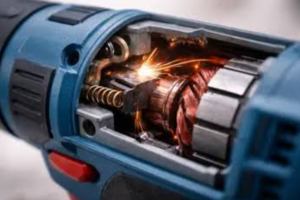
After cooling down, locate the carbon brush installation position on the motor shell. Most handheld electric tools are designed with independent plastic brush caps on both sides of the motor, which can be directly unscrewed to expose the internal carbon brush components. For a small number of household appliances with integrated shells such as washing machines and vacuum cleaners, it is necessary to remove the fixing screws of the motor shell first and open the shell to reveal the internal motor assembly and carbon brush structure.
When taking out the old carbon brush, operate gently and standardly to avoid damaging internal precision structures. Use needle-nose pliers to slowly lift the fixed spring or buckle structure, and slide out the worn old carbon brush smoothly along the straight track of the brush holder. Violent prying and forced pulling are strictly prohibited to prevent deformation of the brush holder, damage to internal wiring and fracture of the fixed spring.
Before disassembling the wiring, take photos to record the connection position and wiring mode of the carbon brush tail wire and terminal in advance. This simple recording method can effectively avoid wiring errors during reinstallation, prevent reverse current and short-circuit faults after equipment power-on, and ensure the correct circuit connection state.
Thorough internal cleaning is a key step to optimize the post-replacement operating effect. A large amount of fine carbon powder and tiny metal debris will accumulate in the gaps of the brush holder and commutator after long-term equipment operation. Residual carbon deposits will hinder the sliding of new carbon brushes and affect the stability of current conduction.
Use a soft brush to thoroughly sweep away the accumulated carbon powder and sundries in the internal gaps to keep the brush holder track and commutator surface clean and unobstructed. Effective cleaning can eliminate hidden troubles such as poor contact and motor overheating caused by carbon powder accumulation, and lay a good foundation for the stable operation of new carbon brushes.
Install the new carbon brush in place in a standardized manner to ensure accurate fitting and stable compression. Align the new carbon brush with the brush holder chute and slide it in smoothly and slowly, ensuring that the arc contact surface of the carbon brush is completely facing and closely fitted with the commutator surface. Avoid skew, deviation and jamming during installation to ensure the carbon brush can slide flexibly with wear consumption.
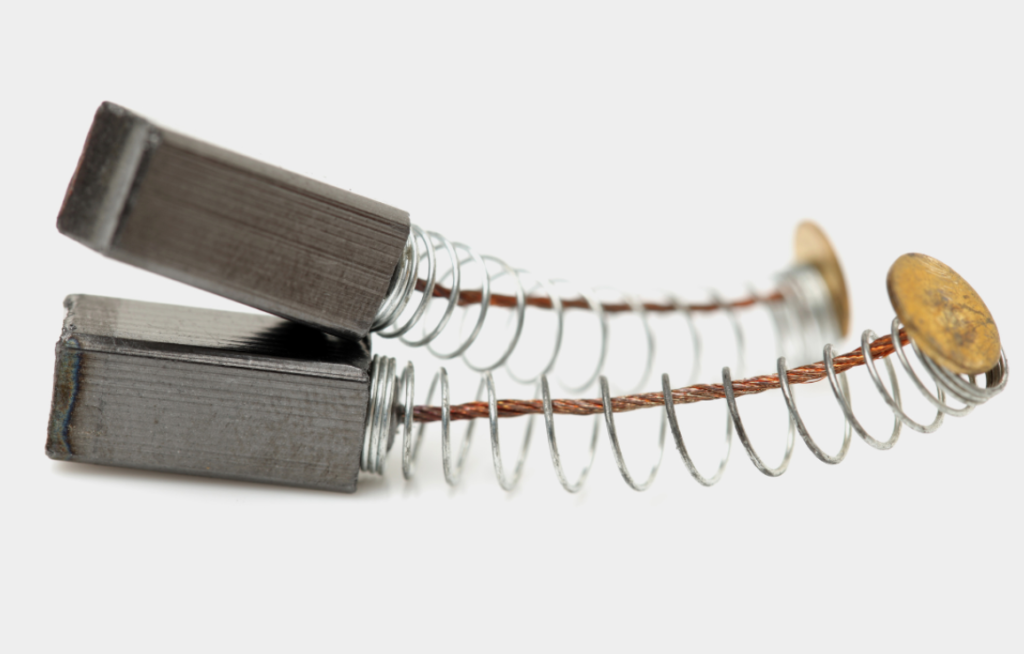
Reset and fix the spring structure to ensure the spring provides uniform and stable compression force, which can tightly press the carbon brush on the commutator surface at all times. Uniform contact pressure is the key to stable current transmission and uniform wear of carbon brushes, effectively preventing local overheating and abnormal sparking caused by uneven stress.
After resetting the shell and fixing parts, perform no-load running-in and operation inspection first before formal use. Let the equipment run without load for about 10 minutes to complete the natural running-in between the new carbon brush and commutator, so that the contact surface can be fully fitted to form a stable conductive and friction interface.
During the running-in process, observe the motor operating state in real time to confirm smooth rotation, no obvious large sparks at the commutator and no abnormal operating noise. After verifying that all indicators are normal, the equipment can be put into daily load use, which can effectively extend the service life of the new carbon brush and ensure long-term stable operation of the motor.
Scenarios Not Suitable for DIY Self-Replacement
High-power industrial motors, high-voltage generators and new energy vehicle drive motors are completely unsuitable for user DIY maintenance, and must be operated by certified professional electricians. Such high-power equipment involves high-voltage and large-current operating environments, with extremely high safety risks during disassembly and replacement. Non-professional operators lack professional electrical safety knowledge and high-voltage operation protection capabilities, and random disassembly is very likely to cause electric shock accidents and equipment burnout.
In addition, the carbon brush matching and debugging standards of high-power industrial equipment are extremely strict. Multiple groups of carbon brushes need to maintain consistent contact pressure and uniform current distribution. Slight installation deviation will lead to unbalanced current operation, local overheating and commutation failure, causing large-scale equipment failure. Professional technicians can rely on professional testing tools and rich experience to complete accurate debugging, which cannot be achieved by ordinary DIY operations.
Equipment with multiple composite faults is also not suitable for self-replacement of carbon brushes, as single part replacement cannot solve the fundamental problem. If the equipment has severe commutator ablation, rotor deformation, coil aging and other faults in addition to carbon brush wear, the internal motor structure has been permanently damaged.
Simply replacing the carbon brush can only restore temporary power conduction, and the equipment will still have abnormal noise, sparking and power attenuation during operation, and even cause secondary damage to new carbon brushes and commutators. For such complex faulty equipment, users need to contact professional maintenance personnel for comprehensive inspection and integrated repair to completely eliminate equipment faults.
Q&A Session
Q1: Can ordinary users replace carbon brushes by themselves?
Ordinary users can complete carbon brush DIY replacement for small household appliances, handheld power tools and low-power vehicle auxiliary motors with single carbon brush wear faults. These devices have simple structures, low safety risks and easy operation. However, high-voltage, high-power industrial equipment and multi-fault complex equipment must be maintained by professional personnel.
Q2: What preparations must be done before DIY carbon brush replacement?
Before self-replacement, users must completely cut off the equipment power to avoid electric shock risks. It is necessary to confirm that the new carbon brush size and model are completely consistent with the original one, and prepare basic tools such as screwdrivers, needle-nose pliers and cleaning tools. Sufficient pre-operation preparation is the key to ensuring safe and effective replacement.
Q3: What risks will mismatched carbon brushes bring after installation?
Even tiny size deviations will cause carbon brush jamming, skewed installation and poor contact with the commutator. This will lead to unstable motor current, abnormal sparks, operating overheating and power attenuation, and will accelerate the wear of commutator and spring components, resulting in more serious equipment faults in the long run.
Q4: Why are industrial high-power motors not allowed DIY replacement?
High-power industrial and high-voltage equipment has high current and high voltage safety hazards, and requires extremely high precision in carbon brush pressure adjustment and current balance debugging. Improper operation by non-professionals will easily cause electric shock, equipment short circuit and component burnout, leading to greater safety accidents and economic losses.
Summary
In summary, carbon brush replacement supports safe and effective DIY operation in simple scenarios such as small household appliances, handheld power tools and low-power vehicle motors with single wear faults, which can greatly reduce daily equipment maintenance costs. Successful self-replacement relies on three core preconditions: complete power-off safety protection, accurate carbon brush model matching and complete basic tool preparation. Standardized processes including cooling standby, disassembly and recording, internal cleaning, accurate installation and no-load running-in ensure the repair quality and stable operation of the equipment. At the same time, high-power high-voltage industrial equipment and motors with composite structural faults are not suitable for DIY maintenance and require professional personnel to handle. Distinguishing applicable scenarios and abiding by standardized operating specifications can help users safely complete self-replacement and avoid equipment damage and safety risks.
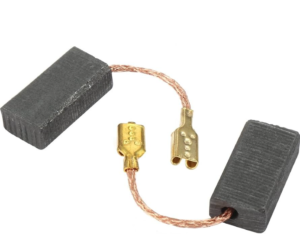
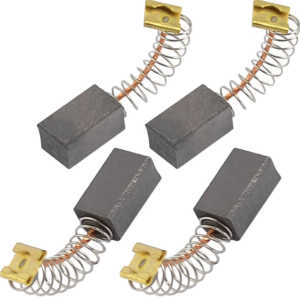
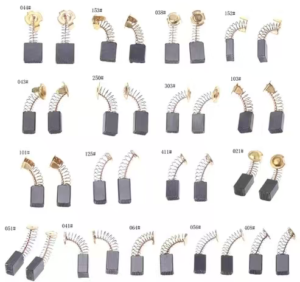
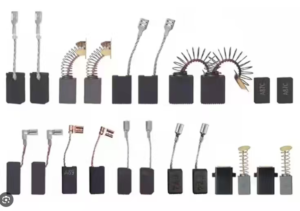
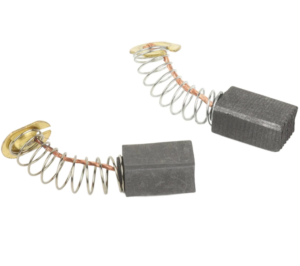
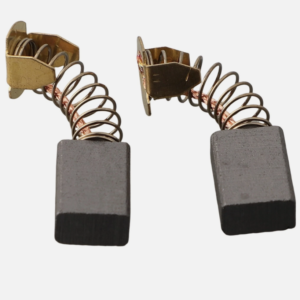
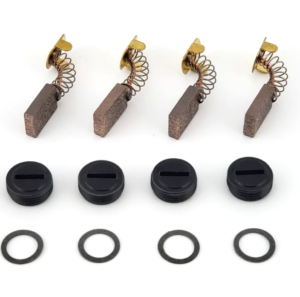
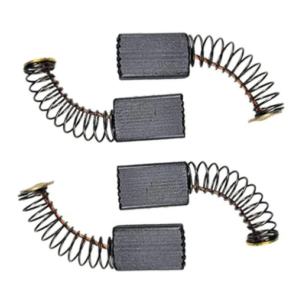
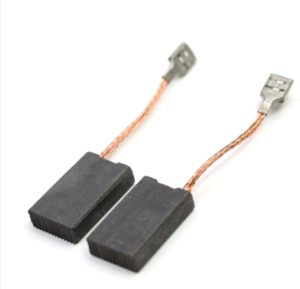
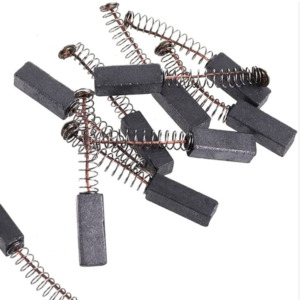
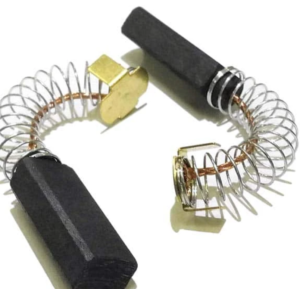
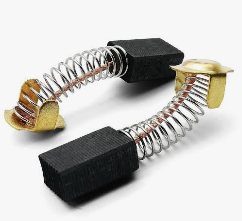
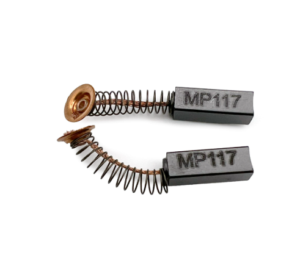
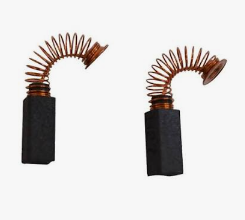
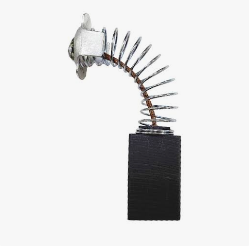
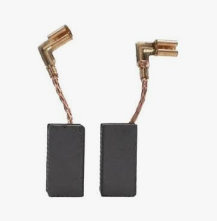
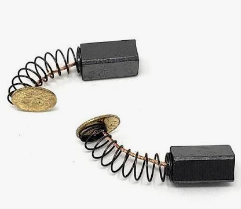
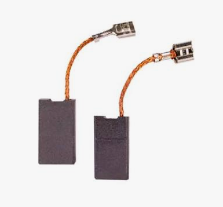
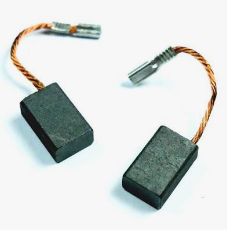
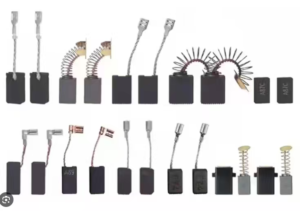
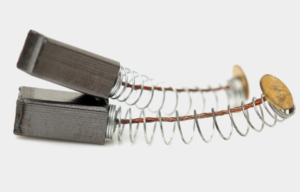
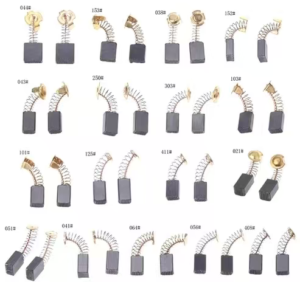
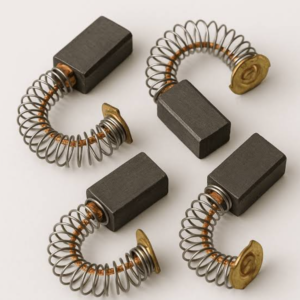
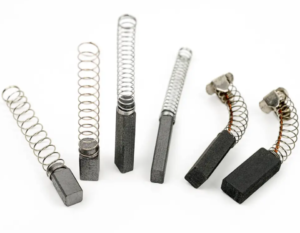
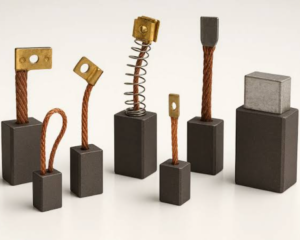
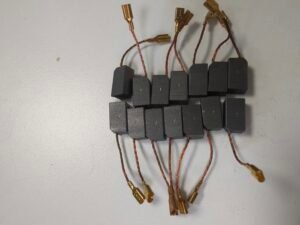
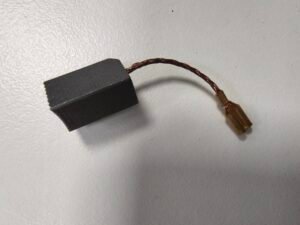
Carbon Brush for Sale:
Post about Carbon Brush:
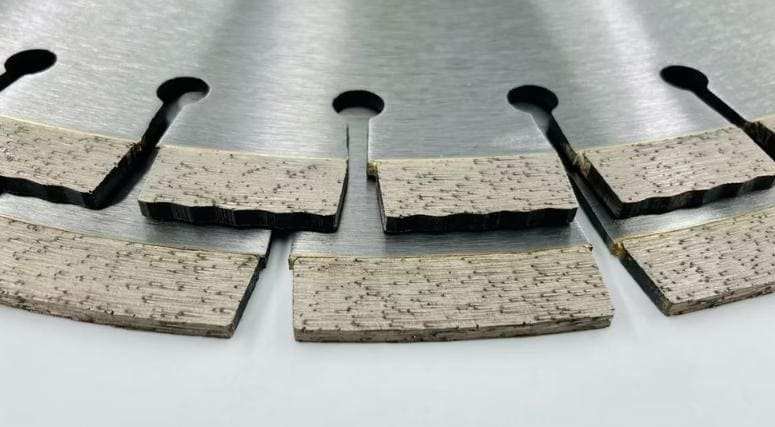
Diamond Blade

Welcome to call us
Contact Us to get quotation
Working Time: 8:00~17:00 Monday to Friday.
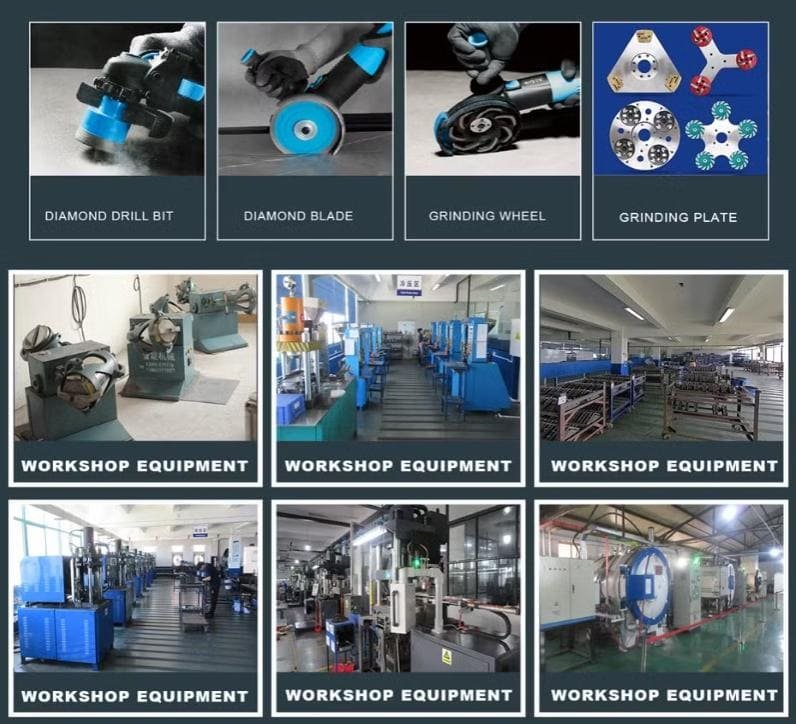
Applications:

Factory:
FAQ
Welcome to call us
Contact Us to get quotation
Working Time: 8:00~17:00 Monday to Friday.
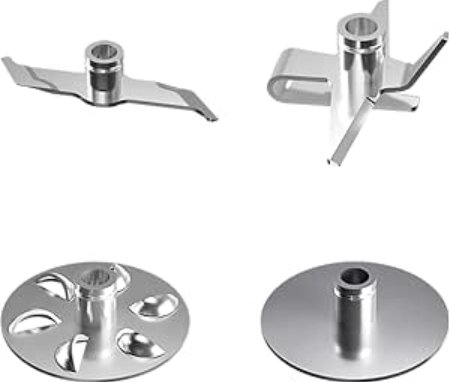
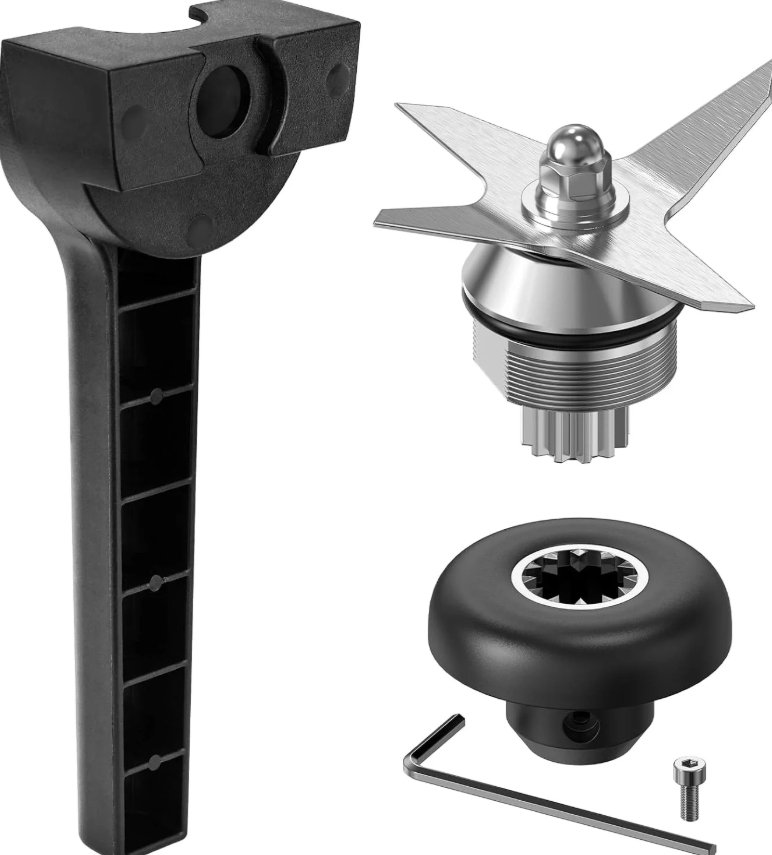
Blender Blade:
Chisel Bit:
Cutting Wheel:
Diamond Core Drill Bit:
Flap Disc:
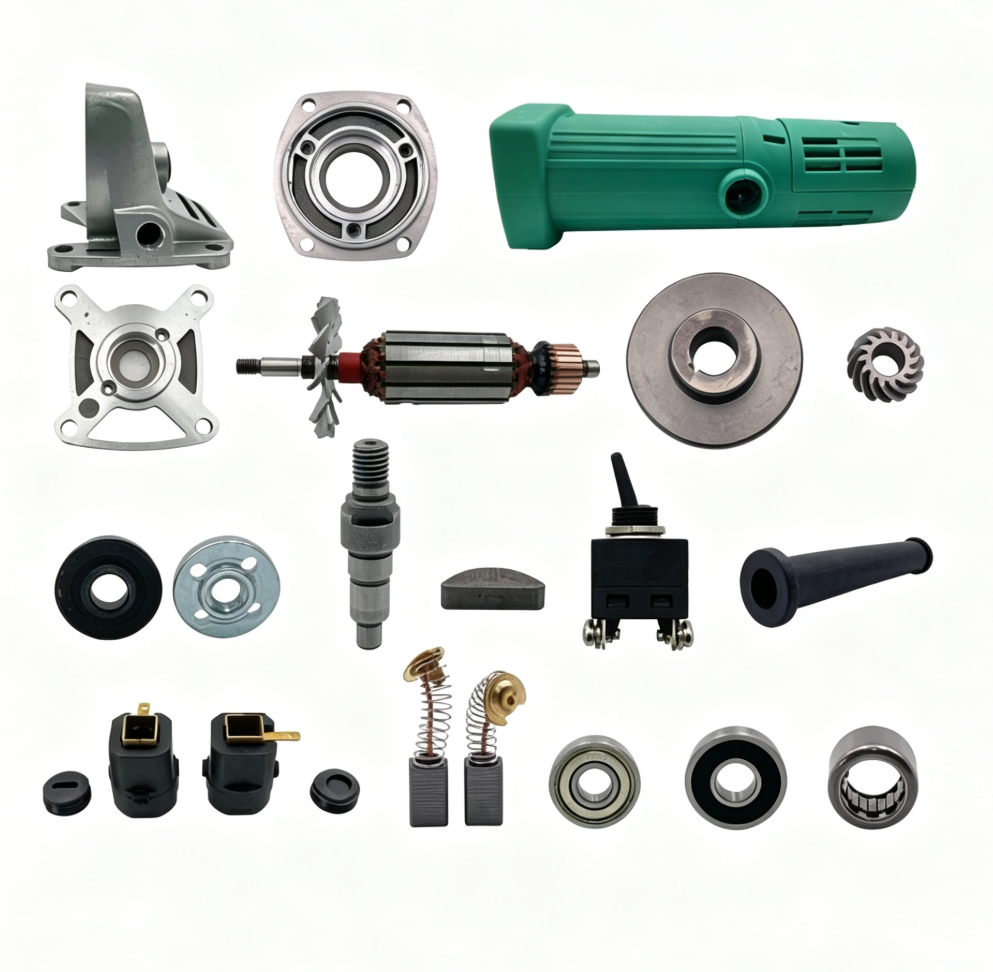
Angle Grinder:
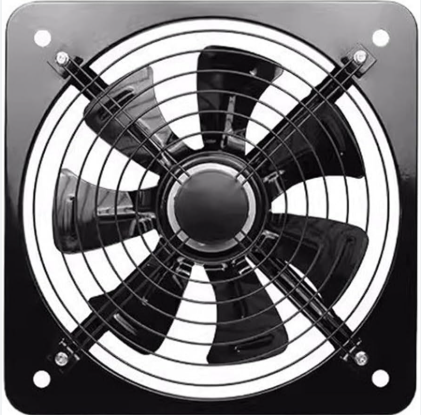
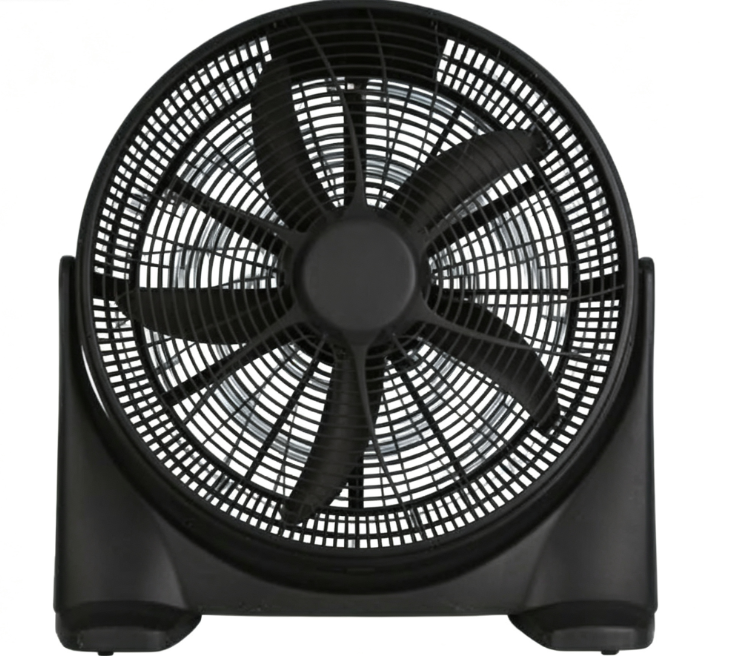
Industrial fan:
Demolition Hammer:
Blogs:
You May also Interest in other topics:
120kw ev charger
120 KW EV Charger Bus Charing Station China Manufacturer