Can a Demolition Hammer Break Reinforced Concrete?
Can a Demolition Hammer Break Reinforced Concrete?
Reinforced concrete can be broken using a demolition hammer, but in order to avoid long-term tool damage, standard operating procedures and appropriate tool specifications are required. While mid-to-heavy-duty breakers provide dependable results for conventional reinforced concrete, lightweight consumer hammers like the Willa model struggle with steel rebar, and inappropriate striking on exposed steel may quickly wear out internal machine parts. We go into great depth about relevant tool standards and important operating guidelines below, along with typical user inquiries for actual renovation projects.
Applicable Scenarios
The impact energy and motor power of various demolition hammer classes vary greatly, which directly affects the thickness and grade of reinforced concrete they can effectively handle. Heavy hydraulic jackhammers, medium-duty commercial breakers, and light household electric hammers all have distinct applications. Using a low-power small hammer carelessly on thick, high-strength reinforced slabs will only waste time and cause the tool’s internal mechanical structure to burn out.
Only plain non-reinforced concrete of grade C20 or lower with thin thickness is suitable for use with standard lightweight demolition hammers, the popular type sold for house repair, including the Willa entry-level model. This type of tool may crush loose cement matrix without steel inside, such as thin patio slabs, small concrete blocks, and old tile foundation screeds, with an impact energy of less than 20J and a motor power of less than 1200W. The hammer can only gradually chip small pieces around the steel if it comes into contact with concrete that has wire mesh or thin steel rebar implanted in it, and constant pounding would place a significant additional strain on the motor.
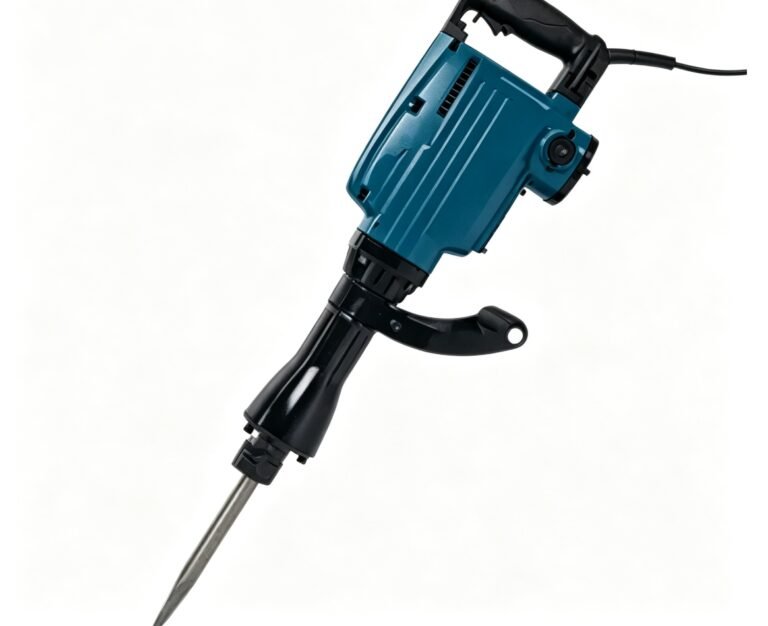
For traditional C30 to C40 reinforced concrete, which is frequently used in buildings, medium and heavy-duty electric demolition hammers with impact energy greater than 30J and rated power greater than 1300W are the best option. These tools are intended for small engineering renovations; their strong percussion force can handle wall beams, floor slabs, and foundation components with a typical steel reinforcement arrangement, swiftly split the cement wrapping around rebar, and remove big pieces of concrete off steel surfaces. They feature thicker internal piston assemblies and improved heat dissipation structures in comparison to light household hammers, allowing them to operate on reinforced structures for longer periods of time without frequently shutting down due to overheating.
Hydraulic heavy-duty breakers are the most effective choice for large-scale whole-floor demolition operations, thick load-bearing foundation slabs, and ultra-high-strength reinforced concrete structures above C40. Dense aggregate concrete and thick multi-layer steel rebar can be broken quickly by this type of equipment, which uses hydraulic power to provide impact energy significantly stronger than electric hammers. On major reinforced projects, residential electric demolition hammers of any grade—medium or light—cannot match its operational efficiency. Renting hydraulic heavy hammers is more economical than repeatedly wearing down medium electric breakers for major commercial demolition projects with dense, thick steel bars.
Concrete thickness, steel bar diameter, and distribution density all have an impact on the construction effect in addition to tool characteristics. 30J medium hammers can easily handle thin slabs under 4 inches with sparse thin wire mesh, but slabs over 5 inches with thick main rebar arranged closely will significantly slow down breaking progress even for medium-duty tools, and users must divide the work into small sections with enough cooling intervals.
Standard Operation Rules
Rough and improper use will still jam chisels, shatter internal impact components, and reduce the machine’s overall service life, even if you have a medium or heavy-duty hammer that may theoretically break reinforced concrete. Every stage of handling exposed rebar has set standard processes to adhere to, and the fundamental operating logic is to fully separate concrete and steel rather than hitting steel reinforcement with the chisel.
Instead of hammering the combined area of cement and steel at the beginning of construction, the concrete surrounding the steel rebar is always chipped and stripped first. To fully reveal the steel bar, you can hold the hammer at a 30 to 45 degree angle to the concrete surface, make fracture lines around the suspected rebar location with a pointed chisel, and then progressively remove the outer cement layer layer by layer. The steel bar will be freed from the cement matrix once the concrete surrounding the rebar has been completely removed, and the chisel won’t inadvertently strike hard steel during further breaking action.
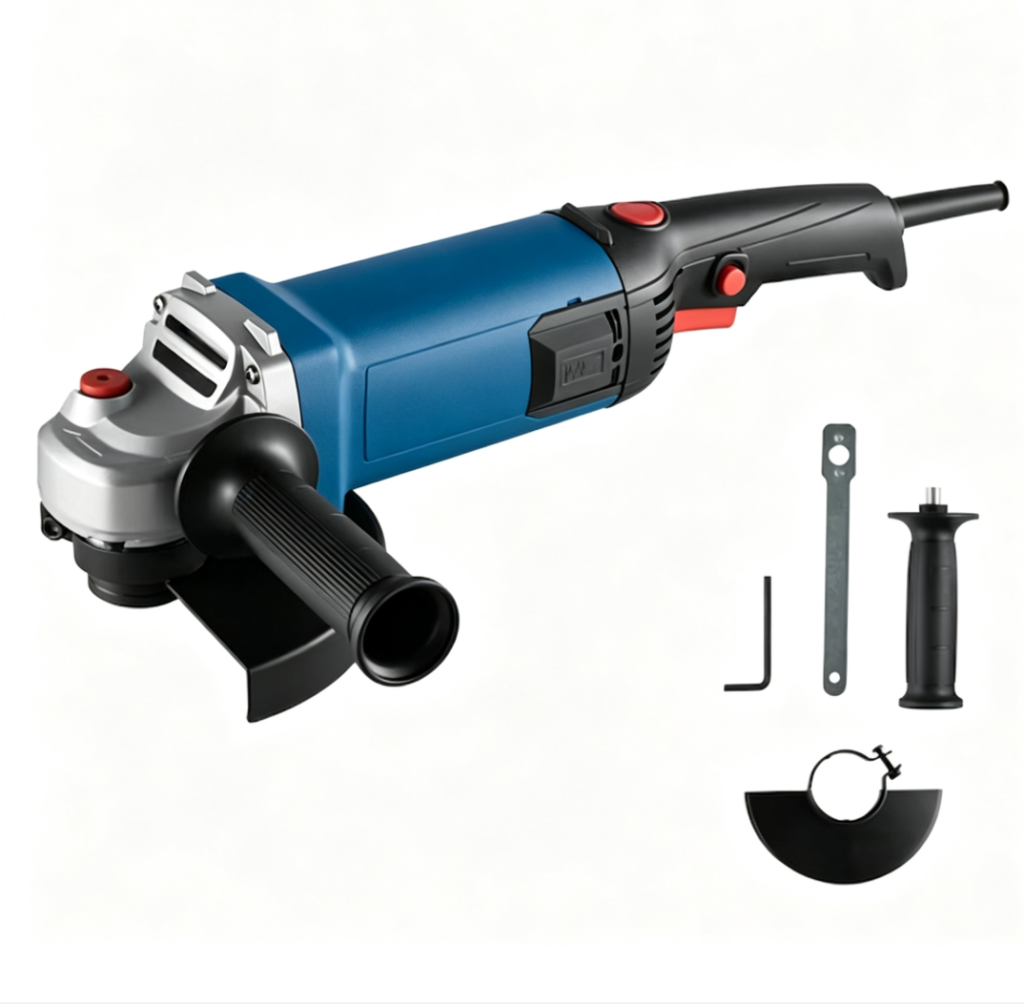
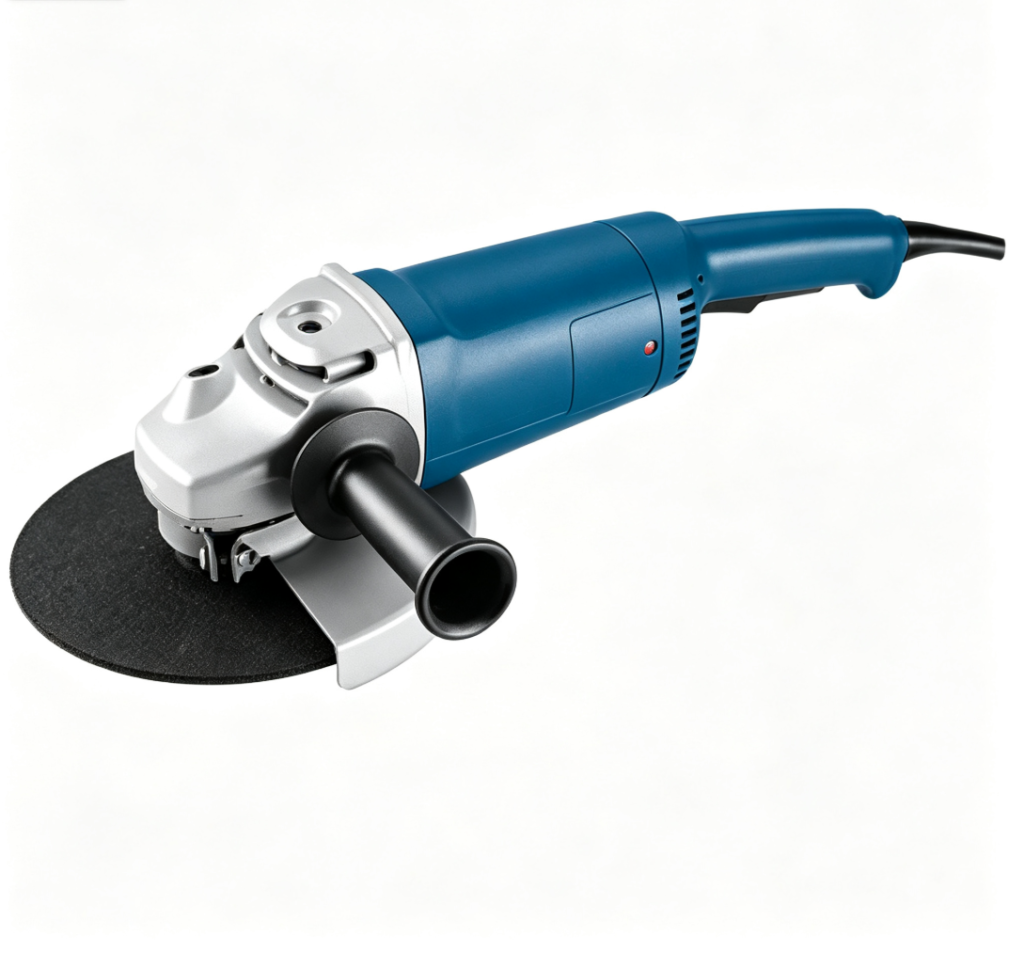
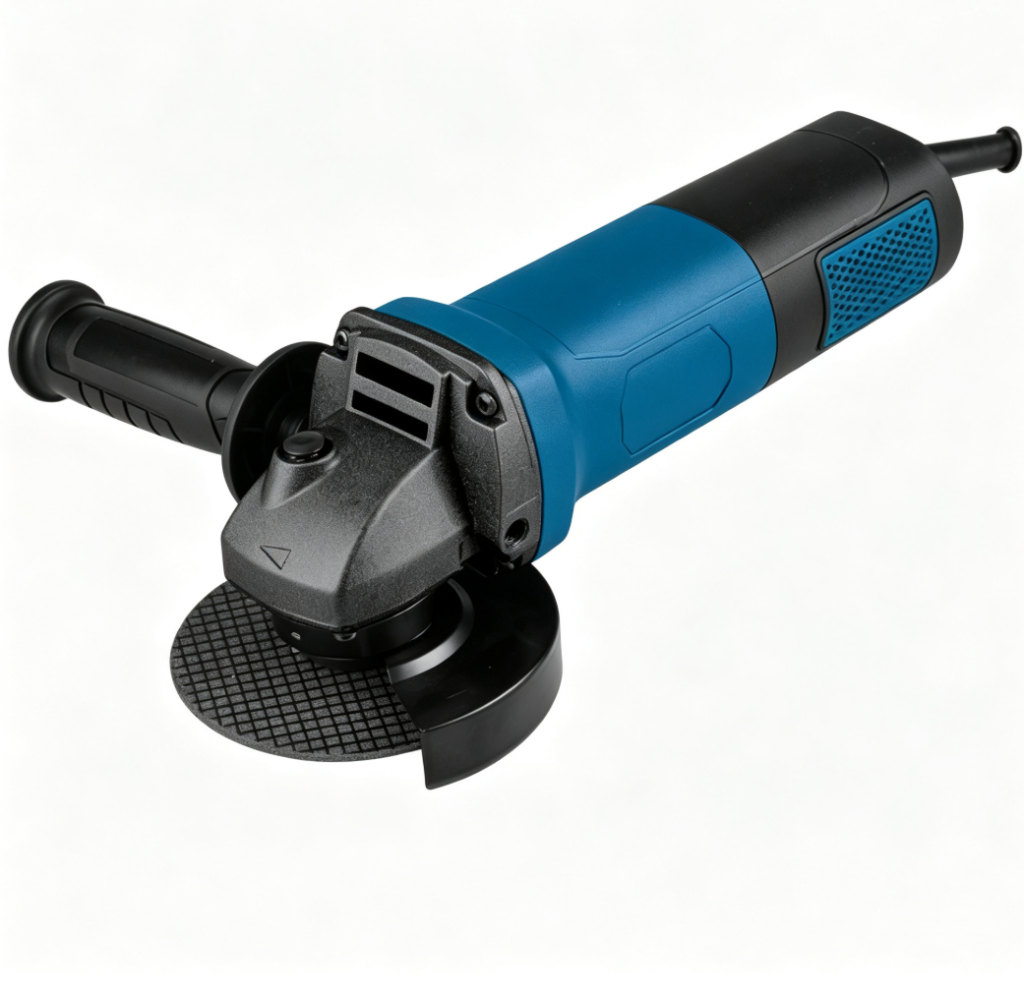
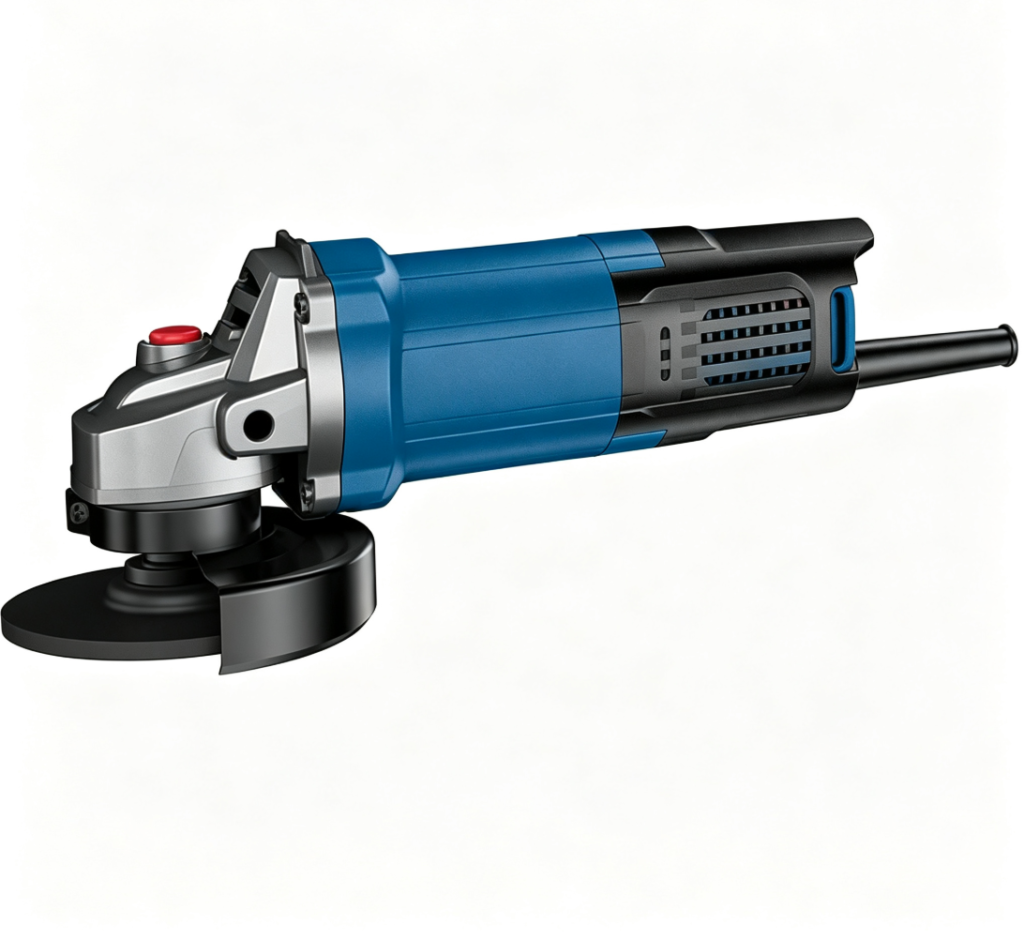
After removing the surrounding concrete, you must immediately stop using the demolition hammer and use an angle grinder with metal cutting discs to chop the steel rebar into little pieces. In an attempt to accelerate the process, avoid repeatedly striking the exposed rebar with the chisel. Intense reverse impact from direct hammer strikes on strong rebar instantly locks the chisel in place, bends the chisel shank, damages the front tool holder, and quickly wears down the internal impact mechanism. After working on rebar, many users of Willa and comparable mid-range hammers describe an abrupt decrease of striking force; this damage is nearly always caused by striking bare steel without changing cutting tools.
In order to avoid engine overheating during the demolition of reinforced concrete, continuous working duration must also be controlled. After 15 to 30 minutes of impact work, medium electric hammers should take a 3 to 5 minute break. Because reinforced concrete has more resistance than regular concrete, the motor operates at a higher load and heats up more quickly. By stopping the machine to cool down, long-term wear is decreased and coil burnout is prevented.
Frequently Asked Questions About Demolition Hammer Use
Q1: Can reinforced concrete driveways be broken by my lightweight Willa demolition hammer?
A1: Thick reinforced driveways with thick rebar cannot be effectively broken by it; it can only chip small sections of thin concrete around fine wire mesh. The low impact energy will cause frequent overheating, constant motor overload, and incredibly slow development. A 1300W+ medium demolition hammer or a hired hydraulic breaker are suggested for driveway destruction.
Q2: If I continue to hammer exposed steel rebar, what harm will result?
A2: The motor will experience high reverse load, which may cause weak impact, unusual noise, or permanent burnout; the chisel will become stuck or bend; and the front cylinder and impact piston will experience severe impact deformation. The majority of tool warranties do not cover these problems.
Q3: Is it possible to use a medium demolition hammer to destroy reinforced concrete more quickly?
A3: Use sharp, intact pointed chisels, avoid long, continuous single-point pounding, cut exposed rebar with an angle grinder promptly, and first carve fracture lines around rebar to remove concrete from steel beforeh
Final Verdict
A demolition hammer can handle reinforced concrete, but it is imperative to rigorously adhere to normal operating procedures and match the tool’s power to the strength of the concrete. Heavy hydraulic breakers are needed for high-strength thick reinforced structures; light home hammers are only suitable for thin, lightly meshed concrete; medium 1300W/30J+ electric hammers effectively handle typical C30-C40 reinforced concrete. To ensure a smooth demolition process without reducing the lifespan of your hammer, always strip concrete before rebar is exposed, stop hammering once steel is seen, and use grinders to cut rebar.
Demolition Hammer & Rotary Hammer for Sale
Demolition Hammer Rotary Hammer Blog
Angle
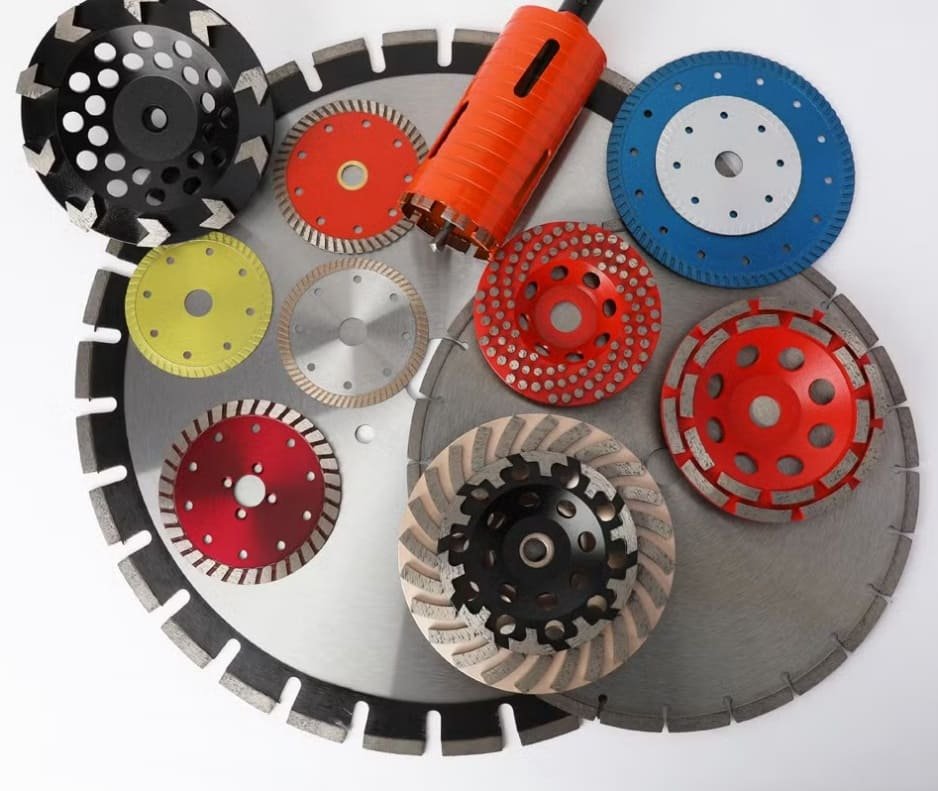
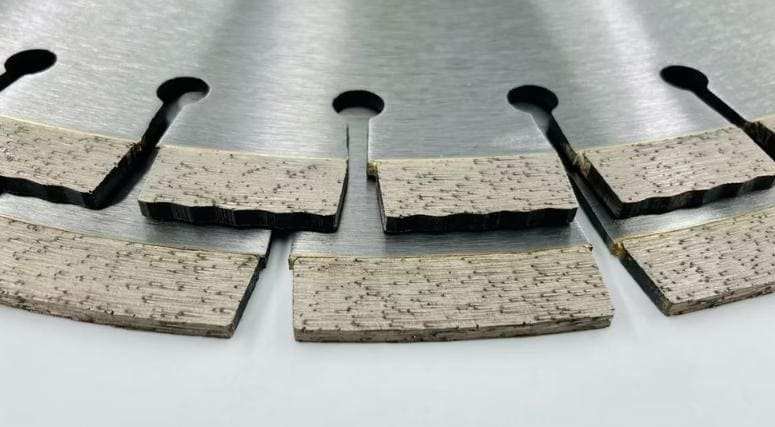
Diamond Blade

Welcome to call us
Contact Us to get quotation
Working Time: 8:00~17:00 Monday to Friday.
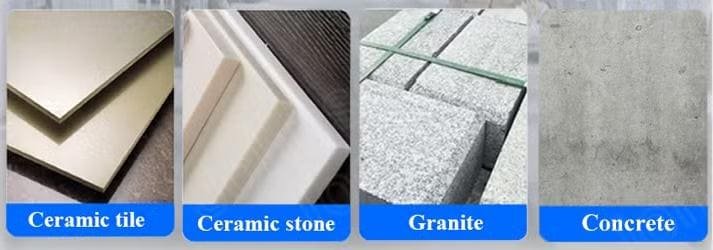
Applications:
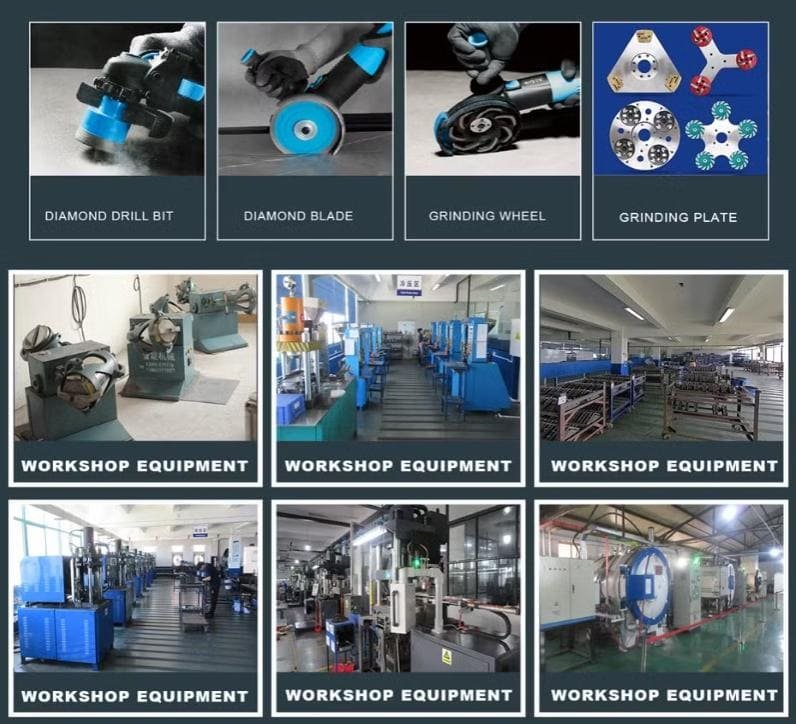
Factory:
FAQ
Welcome to call us
Contact Us to get quotation
Working Time: 8:00~17:00 Monday to Friday.