What is a chisel tool used for?
What is a chisel tool used for?
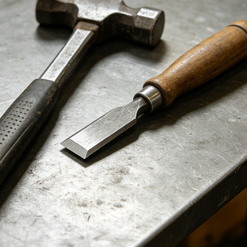
What is a chisel tool used for? At its core, a chisel is a handheld cutting tool built to shape, carve, cut, or strip hard materials like wood, stone, metal, masonry, and concrete. You apply controlled force to its blunt end, usually with a hammer or mallet, and the sharp edge does the rest. It’s so versatile that it’s a staple in construction, woodworking, metalworking, stonemasonry, and restoration work, plus it’s a go-to for DIY home repairs and craft projects. To really understand all the ways you can use a chisel, you have to know the difference between its specialized variants — each is made for specific materials and tasks to get clean, precise results without wrecking your workpiece or the tool itself.
Core Working Principles and Mechanisms
All chisels work on the wedge principle. The tapered, sharpened cutting edge concentrates impact force onto a tiny contact area to shear or split material along a controlled path. When you hit the chisel’s head, the wedge-shaped blade pushes material outward from your cut line, and the bevel angle directly changes how it performs: steeper bevels (25–30 degrees) give you more edge durability for hard, dense materials, while shallower angles (20–25 degrees) make a sharper edge for smoother cuts in softer materials. The angle you hold the chisel at relative to your workpiece also controls how much material you remove: a steeper hold takes off more material per strike, while a shallow angle leaves fine, precise shavings for finishing work.
Key Components and Their Functions
A standard chisel has three core parts, each optimized for durability and control. The cutting edge is the hardened, beveled tip of the blade, ground to a material-specific angle to stop it from blunting or chipping mid-use. The blade itself is the rigid, elongated body of the tool, usually forged from high-carbon steel, alloy steel, or tungsten carbide for impact resistance. It has a flat or beveled edge profile to guide cuts and keep it from getting stuck in deep grooves. The head, or butt end, is the thick, reinforced top of the chisel made to absorb repeated hammer strikes without mushrooming or cracking. A lot of heavy-duty masonry and cold chisels have a slightly rounded head to spread impact force evenly across the striking surface.
Material and Feature Specifications
Chisel specs vary a lot depending on what they’re meant to be used for, and material composition is the biggest difference between types. Woodworking chisels usually have high-carbon steel blades hardened to 58–62 HRC on the Rockwell Hardness Scale, with bevel edges ground to 25 degrees for general carving and 20 degrees for paring, which is fine finishing work. Masonry chisels use drop-forged alloy steel or carbide-tipped blades hardened to 60–65 HRC, built to hold up to the high impact of sledgehammers when cutting concrete, brick, or stone. Cold chisels for metalworking use high-speed steel or alloy steel blades hardened to 62–65 HRC, with a 30-degree bevel angle to resist chipping when cutting through steel, cast iron, or brass. Handle options include solid wood, fiberglass, or shock-absorbing rubber, with ergonomic grips to cut down on user fatigue during long sessions.
Application Scenarios and Industries Served
Chisels are used across dozens of trades, with specialized variants made for each industry’s unique needs. In woodworking, they’re used for paring joints, carving decorative details, trimming excess wood from joinery, and shaping custom furniture parts. In masonry and construction, they cut and score concrete blocks, chip away extra mortar from brickwork, create grooves for electrical or plumbing runs, and break up small sections of damaged concrete for repair. In metalworking, cold chisels cut through steel rods, remove weld splatter, score sheet metal for controlled snapping, and shape cast metal parts. In stonemasonry and sculpting, carbide-tipped chisels carve natural stone for monuments, building facades, and custom art pieces, while restoration trades use precision chisels to remove damaged mortar and old paint from historic structures without harming the original materials underneath.
Performance Characteristics and Advantages
The biggest upside of chisels over powered cutting tools is their unmatched precision for controlled, small-scale material removal. Unlike angle grinders or rotary tools that can easily take off too much material by mistake, chisels let you adjust force and angle in real time to make cuts as shallow as 0.1 mm for fine finishing work. Their fully mechanical design needs no power source, so they work great on remote job sites, in confined spaces, or anywhere you don’t have access to electricity. High-quality chisels can also hold up to extreme impact and temperature swings, making them way more durable than delicate powered cutting accessories for heavy-duty demolition or shaping tasks. When sharpened correctly, a chisel gives you cleaner, burr-free cuts than a lot of abrasive cutting tools, so you don’t have to do as much secondary finishing work on wood, metal, or stone workpieces.
Selection Criteria and Configuration Options
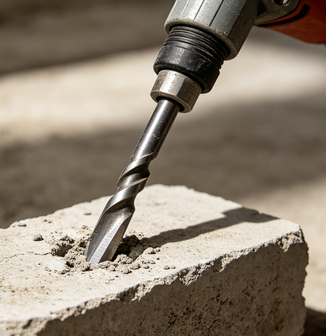
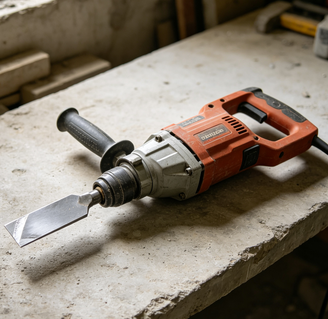
Picking the right chisel for a task comes down to three core factors: your workpiece material, the type of cut you’re making, and how much impact force you’ll need. For softwood carving or fine joinery work, go for a bevel-edge wood chisel with a wooden or composite handle, sized between 6 mm and 50 mm wide to match the joint or cut dimensions. For masonry work like cutting brick or chipping concrete, pick a carbide-tipped flat or point chisel paired with a sledgehammer or rotary hammer attachment, with a width matched to the groove or cut size you want. For metalworking tasks like cutting steel rod or removing welds, choose a cold chisel with a hardened alloy steel blade, sized to match the thickness of the metal you’re cutting. Specialty configurations include mortise chisels for cutting deep, square joints in wood, brick bolster chisels for cleanly splitting masonry units, and gouge chisels with curved blades for carving rounded details in wood or stone.
Maintenance Considerations and Best Practices
Proper maintenance extends a chisel’s service life by 2–3 times and keeps it performing consistently and safely. After each use, wipe the blade clean of debris, oil it lightly to prevent rust, and store it in a protective sheath or tool roll to keep the cutting edge from getting dulled by other tools. Sharpen the bevel edge regularly using a whetstone or diamond sharpening plate, and stick to the factory-specified angle to keep the edge durable. A dull chisel needs more force to use, which makes slips and injuries more likely. If the head of the chisel develops mushrooming — that’s the deformed, raised edges you get from repeated strikes — grind it down to a flat profile right away to stop fragments of metal from breaking off and causing injury during use. Never use a woodworking chisel to cut metal or masonry; the softer blade will chip or crack under the force needed for harder materials.
Comparative Analysis with Alternatives
Chisels fill a unique space between precision hand tools and heavy-duty powered cutting equipment, with clear tradeoffs compared to common alternatives. Compared to utility knives, chisels deliver way more cutting force for hard materials, and can remove thicker layers of material in a single pass, though they’re less precise for thin, flexible materials like drywall or cardboard. Compared to angle grinders, chisels produce no sparks or dust, need no power, and offer way more control for small, precise cuts, though they’re far slower for large-scale material removal jobs. Compared to rotary cutting tools, chisels have no moving parts to break or wear out, and can withstand much higher impact forces, so they’re better suited for heavy-duty demolition work. For fine detail work, chisels give you cleaner, smoother cuts than abrasive tools, so you don’t have to sand or grind to remove burrs from finished workpieces.
Practical Operating Tips
Following best operating practices improves cut quality and lowers the risk of workplace injury. Always wear safety glasses and work gloves when using a chisel, since flying chips of metal, stone, or wood can cause serious eye or hand damage. When making controlled cuts, mark the cut line clearly on the workpiece first, and hold the chisel at a 15–30 degree angle to the surface. Keep your non-dominant hand guiding the blade firmly, and make sure your fingers are always behind the cutting edge. For deep cuts, make a series of shallow, incremental passes instead of trying to remove all the material in one strike — that cuts down on the risk of the blade binding or slipping off the cut line. When working on fragile materials like historic stone or finished wood, use a wooden mallet rather than a metal hammer to deliver softer, more controlled impact force that won’t crack or splinter the workpiece.
Common Misconceptions Cleared Up
Q: All chisels are interchangeable, so you can use a wood chisel for masonry work if needed?
A: Nope, that’s a bad idea. Wood chisels are made from softer high-carbon steel designed for cutting low-density material, and will chip, crack, or go dull immediately if used on concrete, stone, or metal. The thinner blade of a wood chisel can also shatter under the high impact force needed for masonry work, sending sharp fragments flying and creating a serious safety hazard. Always use a chisel specifically rated for the material you’re cutting.
Q: A sharper chisel is more dangerous because it cuts more easily?
A: That’s the exact opposite of the truth. A dull chisel needs way more force to cut through material, making it far more likely to slip unexpectedly and cause injury. A sharp chisel cuts cleanly with minimal force, so you have full control over the blade and are way less likely to slip. Regular sharpening is a critical safety practice, not just a way to get better performance.
Q: The wider the chisel blade, the better it is for all tasks?
A: That’s wrong. Wider chisel blades need more impact force to cut through material, and are more prone to binding in deep cuts or twisting out of alignment, which leads to uneven or damaged workpieces. For small, precise cuts like trimming joinery or creating fine details in stone, a narrow 6–12 mm chisel gives you way better control and cleaner results than a wider blade. Pick your blade width based on the size of the cut, not a one-size-fits-all approach.
Q: Chisels only work with hammer strikes, so you can’t use them for paring or hand-pushed cutting?
A: This is a super common misunderstanding. Paring chisels, a specialized woodworking variant, are specifically designed to be pushed by hand without a mallet for ultra-fine trimming of joinery and smoothing of wood surfaces. The shallow 20-degree bevel and sharp edge let them remove thin, even shavings of wood with only hand pressure, so they’re perfect for precision work where hammer strikes would risk damaging the workpiece.
Frequently Asked Questions
Q: How do I know when my chisel needs sharpening?
A: Test the edge by running your finger gently across the blade (not along it) — if it doesn’t catch on your skin uniformly across the full width, it’s dull. You can also test it on a scrap piece of the material you’re working with: if it tears the material instead of cutting cleanly, or needs excessive force to make a cut, it’s time to sharpen.
Q: Can I use a regular hammer with a woodworking chisel?
A: For heavy mortising or chopping work, a steel hammer is fine, but for most general woodworking tasks, a wooden or rubber mallet is better. Steel hammers deliver more force than you need for soft wood, which increases the risk of splitting the workpiece or damaging the chisel handle. Softer mallets absorb extra impact for more controlled cuts.
Q: What is the difference between a cold chisel and a masonry chisel?
A: Cold chisels are made for cutting unheated metal, with a hardened, narrow bevel edge optimized for shearing through steel, cast iron, and brass. Masonry chisels have a wider, thicker blade, often with a carbide-tipped edge, built to chip and crush brittle materials like concrete, brick, and stone without chipping. Using a cold chisel on masonry will dull the edge quickly, while a masonry chisel won’t make clean cuts in metal.
Q: How do I prevent a chisel from binding in deep cuts?
A: Make incremental passes, removing no more than 3 mm of material per strike, and pull the chisel out of the cut regularly to clear debris from the groove. For deep cuts in wood, you can also make parallel relief cuts along the cut line first, breaking the material into smaller sections that are easier to remove without binding.
Q: Can chisels be used to cut tile?
A: Yes, you can use a specialized tile chisel — a variant of masonry chisel with a wide, flat carbide-tipped edge — to score and cut ceramic or porcelain tile, or to remove old tile from walls and floors. For clean, precise cuts, score the tile surface deeply along the cut line first with the chisel, then apply even pressure to snap the tile along the score mark.
Final Summary
A chisel is a versatile, mechanically simple cutting tool made for controlled material removal across woodworking, masonry, metalworking, and sculpting applications, with specialized variants built for specific materials and task requirements. To get the best performance and stay safe, pick a chisel matched to your workpiece material and cut size, keep a sharp, undamaged edge, and follow proper operating practices like wearing protective gear and making incremental cuts for deep work. When used correctly, chisels deliver unmatched precision for both fine detail work and heavy-duty demolition, making them an essential addition to any professional or home tool kit.
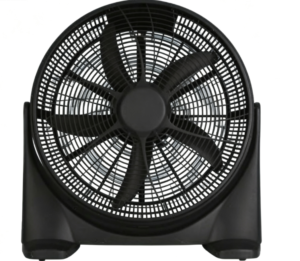
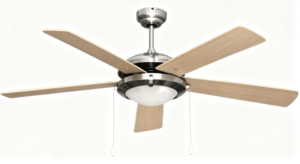
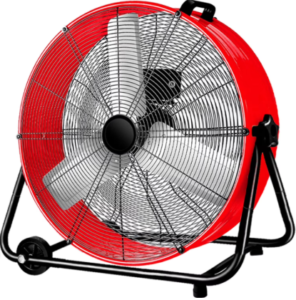
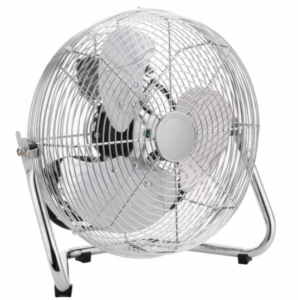
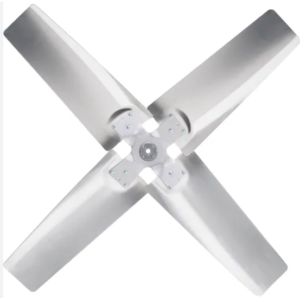
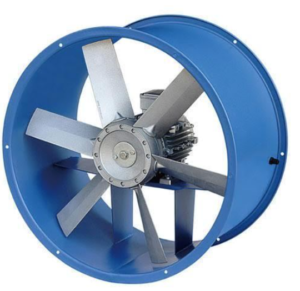
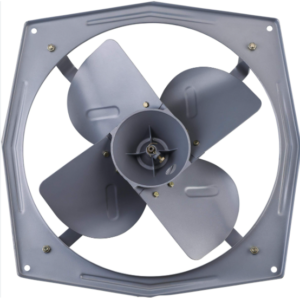
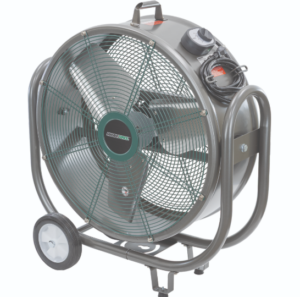
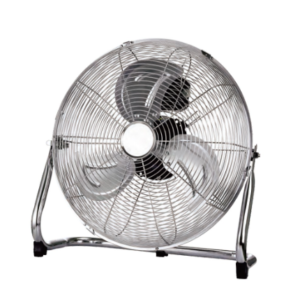
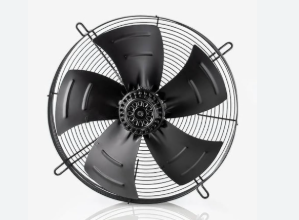
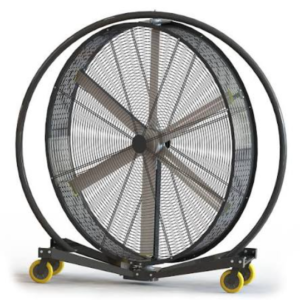
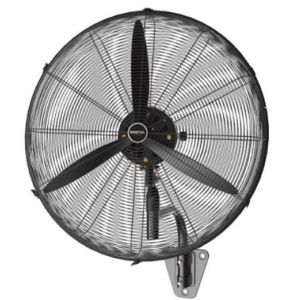
Industrial fan for Sale:









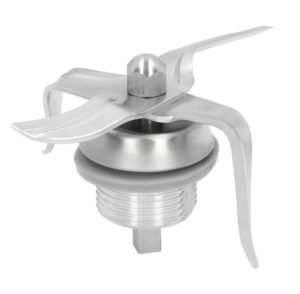
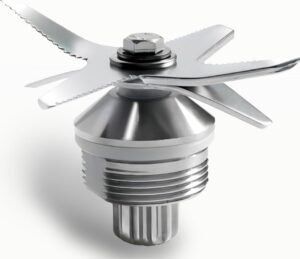
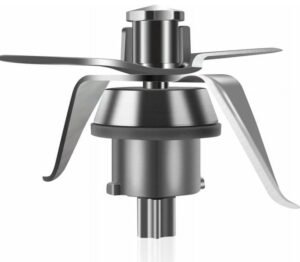
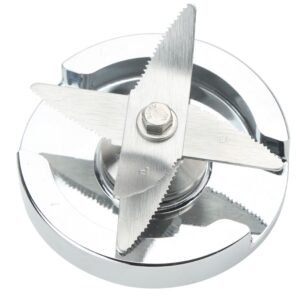
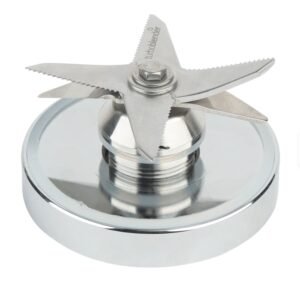
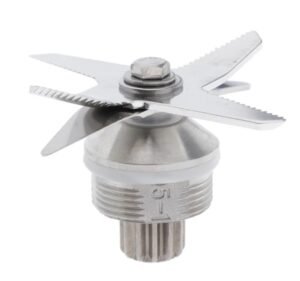
Blender Blade
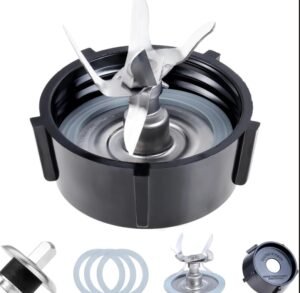
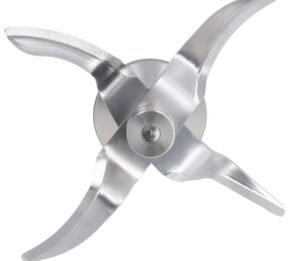
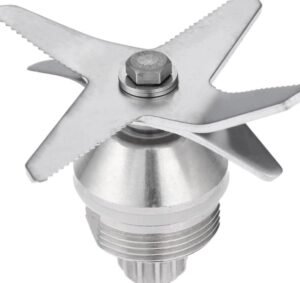
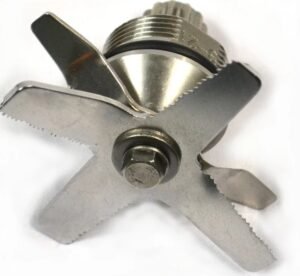
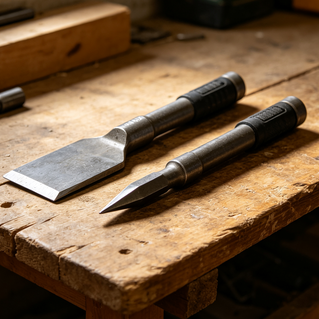
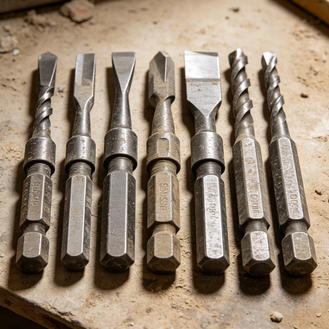
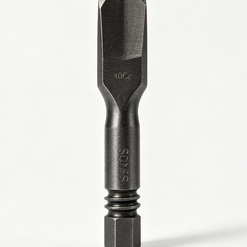
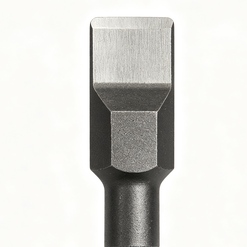
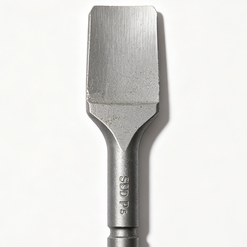
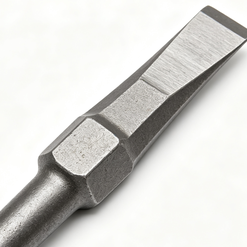
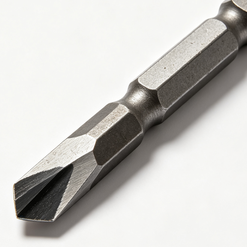
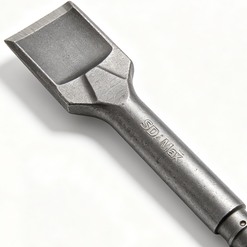
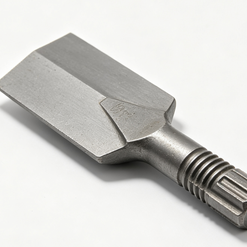
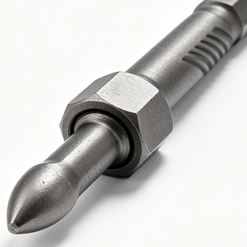
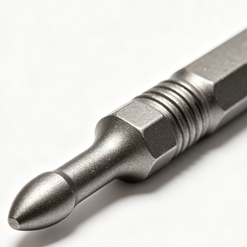
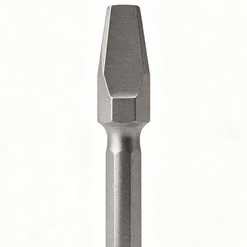
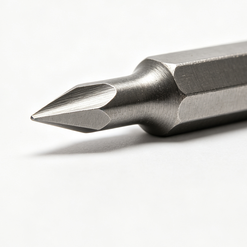
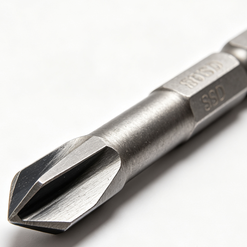
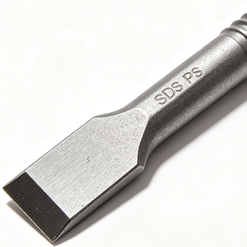
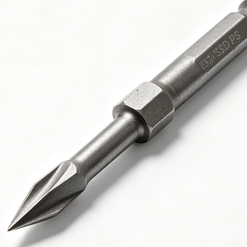
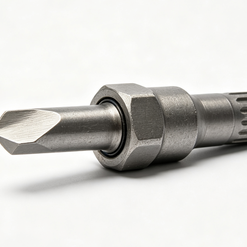
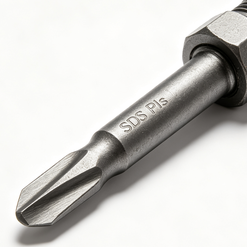
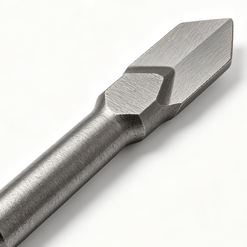
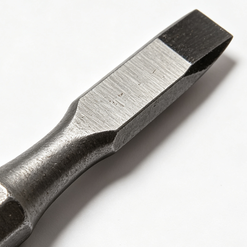
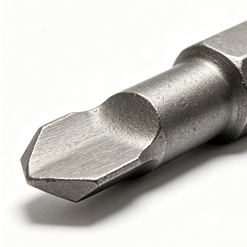
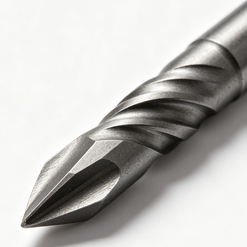
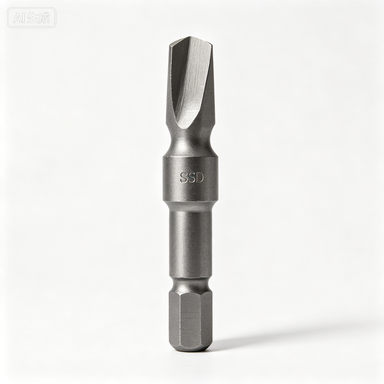
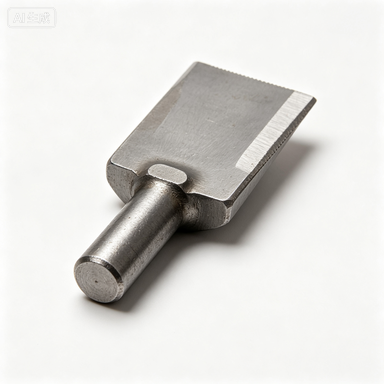
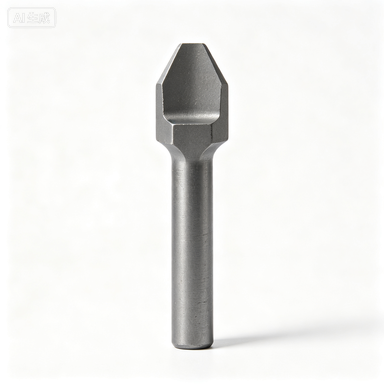
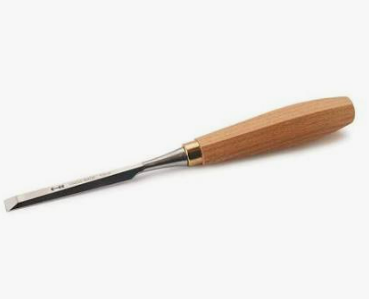
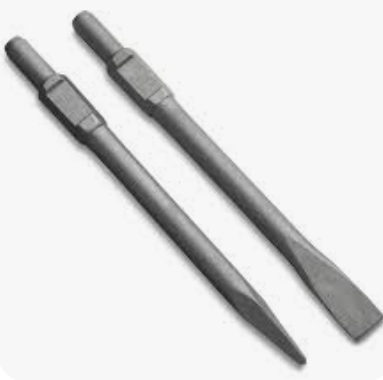
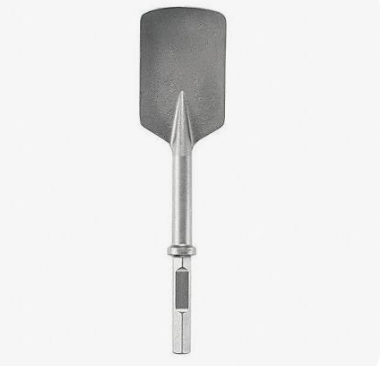
Chisel Bit for Sale
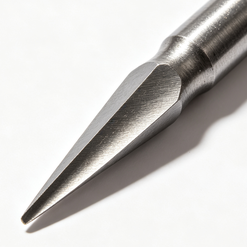
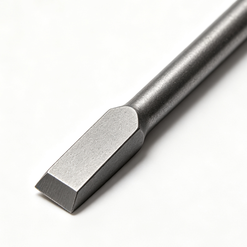
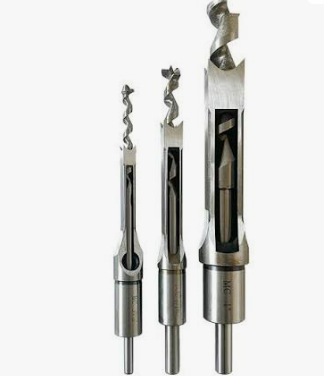
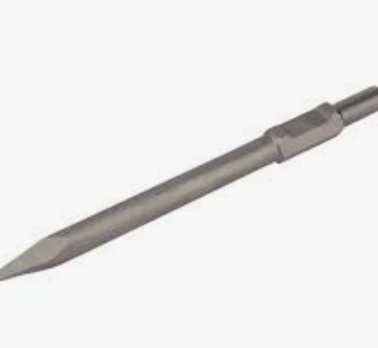
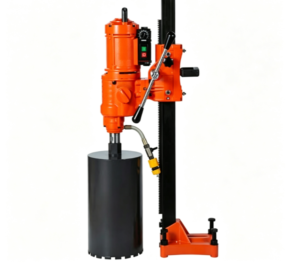
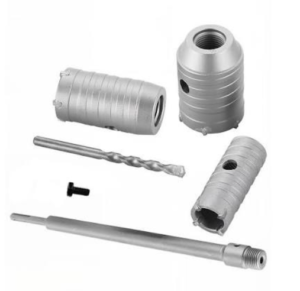
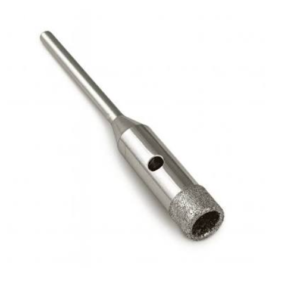
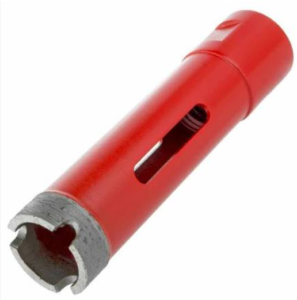
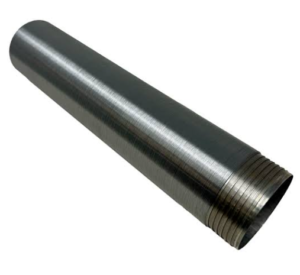
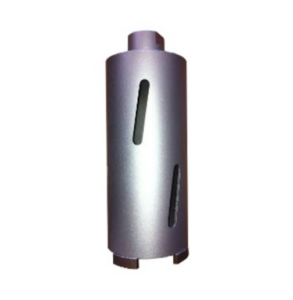
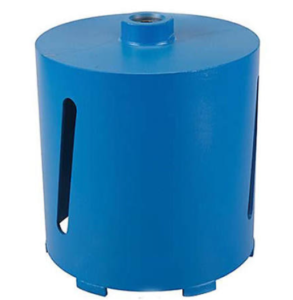
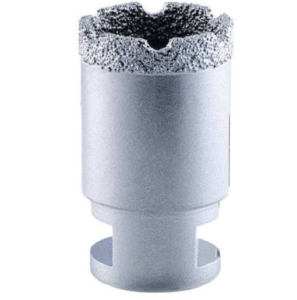
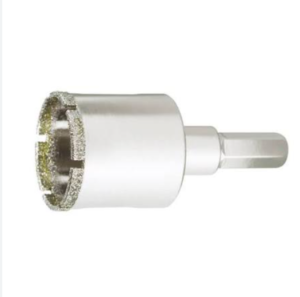
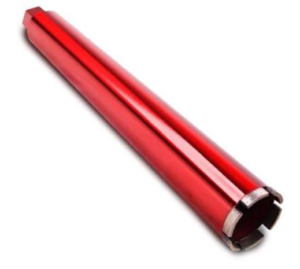
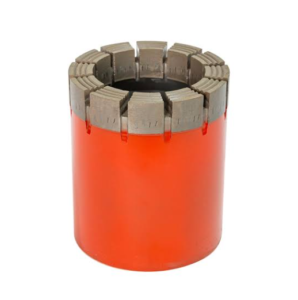
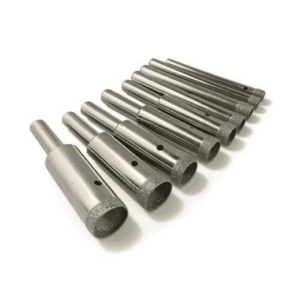
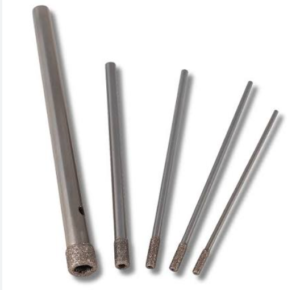
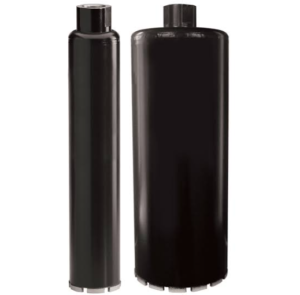
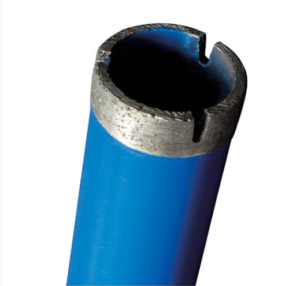
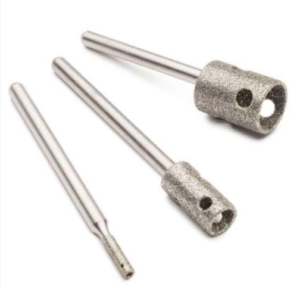
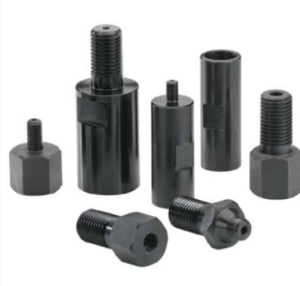
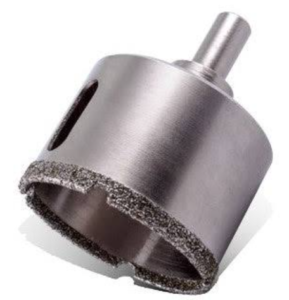
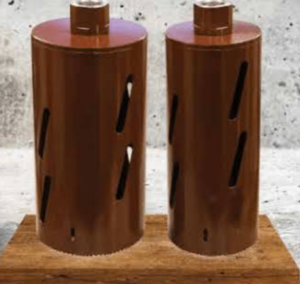
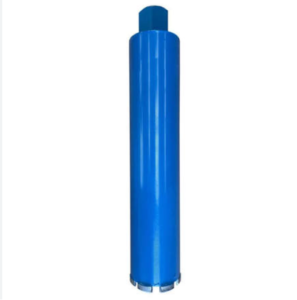
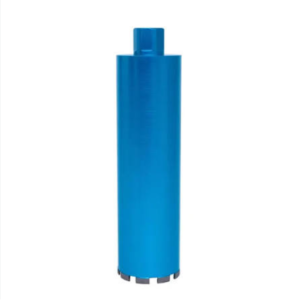
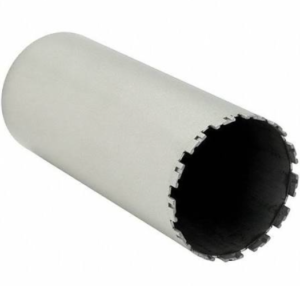
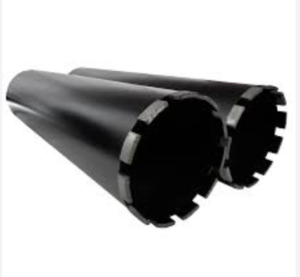
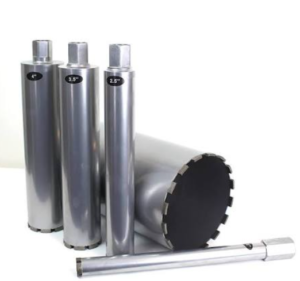
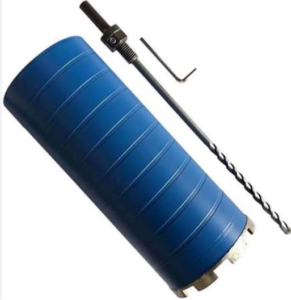
Core drill bit for Sale:

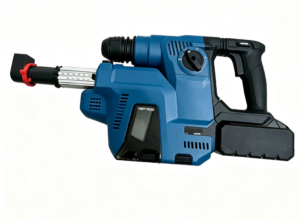
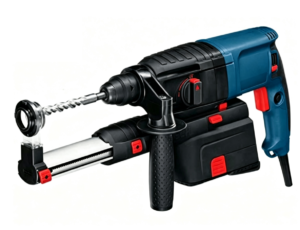
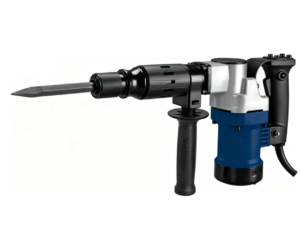
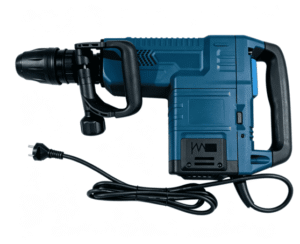
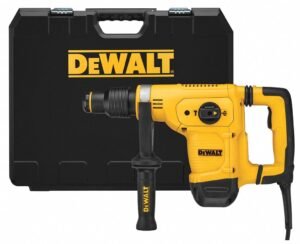
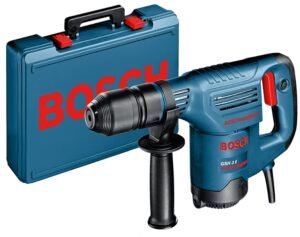
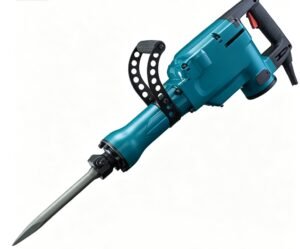
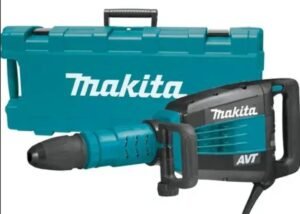
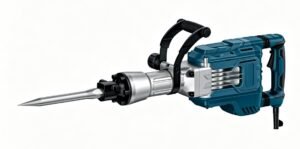
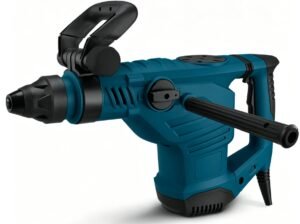
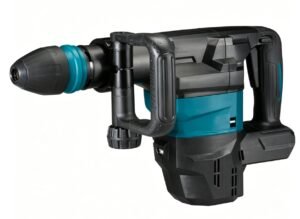
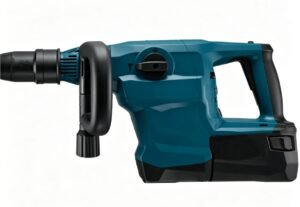
Rotary Hammer & Demolition Hammer for Sale:
Diamond Blade



Welcome to call us
Contact Us to get quotation
Working Time: 8:00~17:00 Monday to Friday.
Applications:
Factory:

FAQ
Welcome to call us
Contact Us to get quotation
Working Time: 8:00~17:00 Monday to Friday.
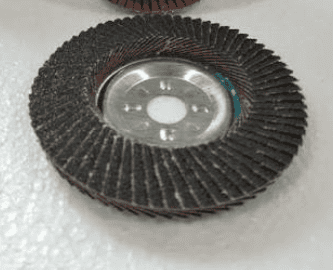
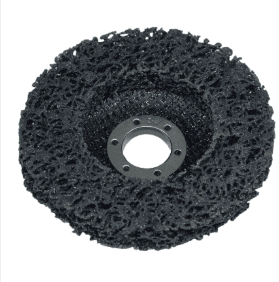
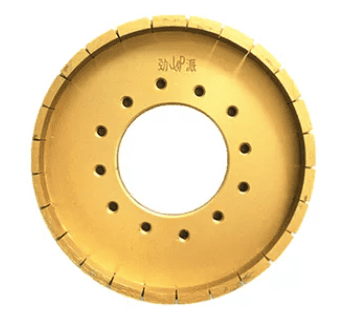
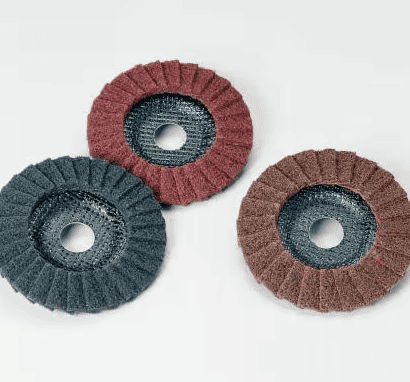
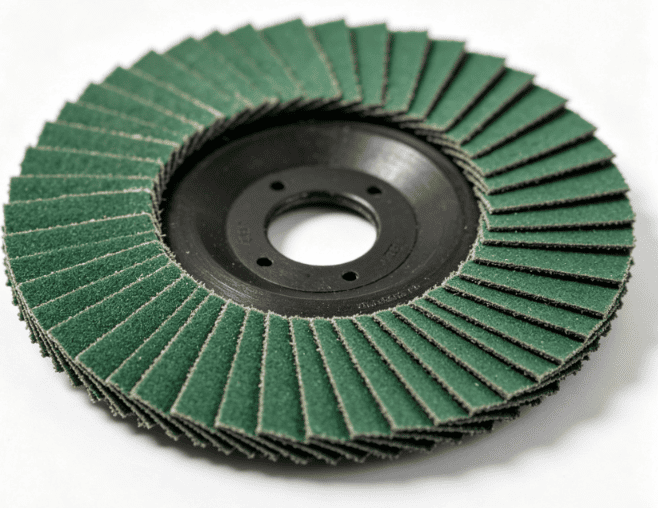
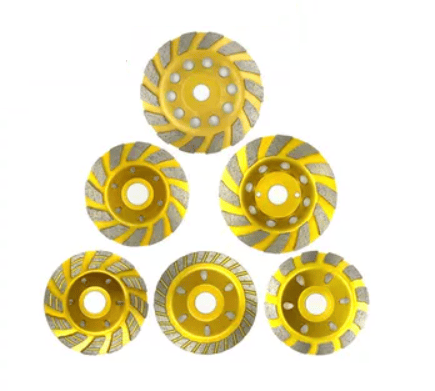
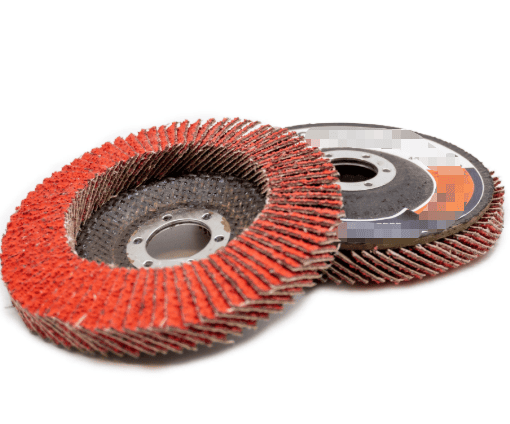
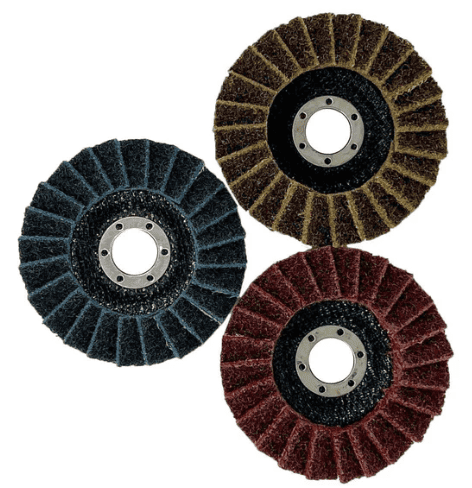
Flap Disc for Sale




Blogs:
You May also Interest in other topics:
sifter machine commercial sifter 11kw ev charger wollastonite grinding mill for refractory material vacuum capping machine