How to remove rust from blender blade?
.jpeg)
How to remove rust from blender blade?
Scientific and targeted derusting and daily maintenance of blender cutting assemblies is the core method to remove blade corrosion, restore cutting performance and extend equipment service life, as different degrees of blade rust require corresponding household and industrial derusting processes, and standardized daily protection can effectively avoid repeated oxidation and structural damage of blender blades. Blender blades are mostly made of food-grade stainless steel, but long-term contact with water, fruit acid and humid air will inevitably produce surface rust spots and corrosive layers. Mild, moderate and severe rust problems correspond to completely different derusting difficulty and treatment schemes. Only by classifying rust grades and adopting accurate derusting methods, combined with standardized daily maintenance habits, can users ensure that the blender cutting assembly remains smooth, sanitary and durable in long-term household and commercial use.
Mild Rust Removal Methods for Daily Household Scenarios
The potato derusting method is a mild and convenient solution for slight surface rust on household blender blades. Fresh potatoes contain natural oxalic acid ingredients, which can slowly dissolve superficial rust and oxide layers without damaging the stainless steel surface. Users only need to cut the fresh potato into sections, dip the smooth cutting surface in a small amount of food-grade detergent, and repeatedly wipe the rust-stained areas of the blade. The synergistic effect of oxalic acid and detergent can soften and strip tiny rust spots. After wiping, rinse the blade completely with clean water and dry it thoroughly with a soft cloth to avoid residual moisture causing secondary oxidation.
The lemon and salt derusting method is suitable for scattered mild rust spots on blade edges and surfaces. Lemon contains rich citric acid, which is a safe weak acid for food contact, and coarse salt acts as a fine physical abrasive. Sprinkle an appropriate amount of coarse salt on the cut surface of fresh lemon, and directly rub the rust areas of the blade back and forth. After fully covering the rust spots with lemon juice and salt mixture, let it stand for about 10 minutes to allow the citric acid to fully react with the rust layer. Finally, wipe the blade clean with a soft cloth and rinse and dry it completely. This method will not scratch the blade surface and can effectively restore the metallic luster of the blade.
The baking soda paste derusting method is widely applicable for uniform mild rust on large blade areas. Mix edible baking soda and clean water strictly according to a 1:2 ratio to form a fine and smooth paste without granular agglomeration. Evenly apply the baking soda paste to all rust-covered positions of the blade and let it stand for about 15 minutes to fully penetrate and soften the superficial oxide layer. Then use a soft nylon cleaning cloth to wipe the blade surface in a circular motion to strip the rust spots. After the rust disappears, rinse the blade thoroughly with clean water and wipe it dry immediately to complete mild rust removal.
Moderate Rust Removal Methods for Stubborn Household Scenarios
The white vinegar soaking method is the preferred solution for stubborn moderate rust layers that cannot be removed by conventional mild cleaning. Users need to disassemble the blender cutting assembly completely and prepare a diluted white vinegar solution with a reasonable proportion. Fully immerse the entire blade in the vinegar solution and soak for 1 to 2 hours. The weak acetic acid in white vinegar can gradually decompose and soften the aged and thickened moderate rust layer. After soaking, use a soft-bristled brush to gently scrub the blade surface to remove the peeled rust residues. Finally, rinse the blade repeatedly with clean water to eliminate residual vinegar liquid, dry it thoroughly, and apply a thin layer of edible oil on the surface to form a protective film and prevent rapid secondary rusting.
The fine sandpaper polishing method is used for localized stubborn moderate rust and faint corrosion traces on blade surfaces. It is necessary to select ultra-fine sandpaper above 2000 mesh to avoid scratching the smooth metal texture of the blade. During operation, polish the rust layer along the original metal texture direction of the blade in a single direction instead of random back-and-forth rubbing, which can effectively remove stubborn rust spots without leaving polishing scratches. After the rust layer is completely polished and removed, wipe the blade clean and dry it quickly, then apply food-grade mineral oil in time to isolate air and moisture, restore the anti-oxidation performance of the blade surface, and ensure the safe use of food contact parts.
Severe Rust Removal Methods for Industrial and Commercial Scenarios
Mechanical polishing and derusting is efficient for thick and aged severe rust layers on industrial and commercial blender blades. Equip an electric polishing and grinding machine with qualified fine abrasive sandpaper, and strictly control the operating speed below 2000 revolutions per minute to avoid high-speed friction causing blade metal overheating and surface damage. Perform uniform and comprehensive grinding on the thick rust layer of the blade to completely remove the accumulated oxide layer and corrosion dirt. After derusting, conduct fine polishing treatment on the blade surface to restore flatness and metallic smoothness, ensuring the cutting performance and sanitary standard of industrial blades.
Phosphoric acid dissolution derusting is a professional chemical derusting process for heavy corrosion of commercial blade assemblies. Prepare a low-concentration phosphoric acid solution with the concentration strictly controlled within 15% to avoid excessive acid concentration corroding the blade matrix. Place the disassembled blade into the solution for soaking, and the soaking time shall not exceed 30 minutes to prevent excessive chemical reaction from damaging the blade structure. After the severe rust layer is completely dissolved and peeled off, take out the blade and soak it in dilute sodium bicarbonate solution to neutralize the residual acid liquid on the surface. Finally, rinse the blade with clean water and dry it thoroughly for subsequent anti-rust treatment.
Electrolytic derusting is a high-precision industrial derusting technology suitable for severely rusted and aged blade assemblies. Prepare a stable sodium carbonate electrolyte solution, connect the blender blade to the negative pole of a 12V low-voltage power supply, and fix a standard stainless steel plate as the positive pole. After switching on the power and maintaining continuous electrolysis for about 20 minutes, the severe rust layer on the blade surface will be converted into loose and easily cleaned oxide film. After power-off, wipe and remove the surface oxide film completely, rinse and dry the blade, and complete professional anti-rust oil coating protection to restore the blade’s working performance.
Daily Protection Maintenance Points After Derusting
Keeping the blade dry in real time and controlling storage humidity are the most basic daily anti-rust measures. After each use and cleaning of the blender cutting assembly, users must immediately wipe off all surface moisture, residual water stains and hidden water in gaps with a dry soft cloth. The daily storage environment humidity should be controlled below 60% to avoid long-term humid air contacting the stainless steel surface and inducing repeated oxidation and rust generation. Maintaining a dry storage state can greatly reduce the probability of mild rust recurrence.
Regular oil coating maintenance can form a stable protective barrier for the blade surface. After the blade is completely dry and clean, regularly apply a thin layer of food-grade mineral oil on the entire blade surface. The uniform oil film can effectively isolate the contact between blade metal, air and moisture, block the oxidation reaction, and maintain the long-term anti-rust performance of the blade. This regular maintenance operation is simple and efficient, and is very suitable for long-term protection of household and commercial blender blades.
Timely replacement of severely corroded blades ensures food safety and equipment stability. If the blade rust has penetrated the metal surface and caused structural corrosion, pitting deformation or unpolishable residual rust spots, continued use will lead to rust debris mixing into ingredients and hidden dangers of blade fracture during high-speed operation. For such severely damaged cutting assemblies, users should abandon derusting repair and replace them with new blades directly to ensure edible safety and normal operating efficiency of the blender.
Supplementary Q&A
Q:How to choose the correct derusting method for blender blades?
A:Users need to select schemes according to rust severity. Mild superficial rust can be removed by potato, lemon salt or baking soda paste; stubborn moderate rust is suitable for white vinegar soaking and fine sandpaper polishing; thick severe rust on industrial blades requires professional mechanical grinding, phosphoric acid dissolution or electrolytic derusting to ensure thorough and safe rust removal.
Q:What is the most effective daily measure to prevent blender blade rust?
A:Timely drying after use and regular food-grade mineral oil coating are the core anti-rust methods. Keeping the blade completely dry and storing it in a humidity-controlled environment below 60% can isolate moisture oxidation, and the oil film can form a long-term protective barrier to avoid repeated rust generation.
Q:When is it necessary to replace a rusty blender blade instead of derusting?
A:If the blade suffers structural corrosion, pitting deformation or irreversible rust damage that cannot be completely removed, derusting cannot restore its safe use state. Continued use will cause rust residue contamination and operational risks, so direct replacement is the safest choice.
Final Verdict
In conclusion, blender cutting assembly derusting and maintenance require classified treatment based on different rust degrees and usage scenarios. Mild household rust can be safely and effectively removed through three mild food-grade derusting methods without damaging the blade. Stubborn moderate rust needs combination of acid soaking and fine physical polishing to restore blade smoothness. Industrial severe rust relies on professional mechanical, chemical and electrolytic processes to complete deep derusting and repair. Cooperated with standardized daily protection including timely drying, humidity control and regular oil maintenance, and timely replacement of structurally damaged blades, users can permanently maintain the sanitary condition, cutting performance and service life of blender cutting assemblies.
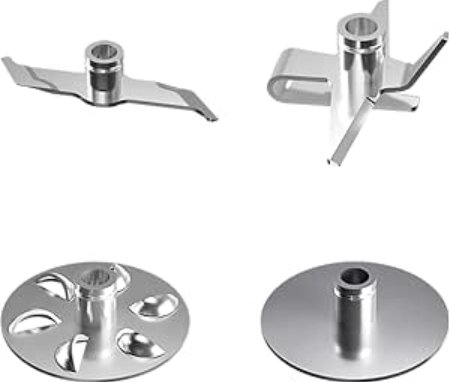
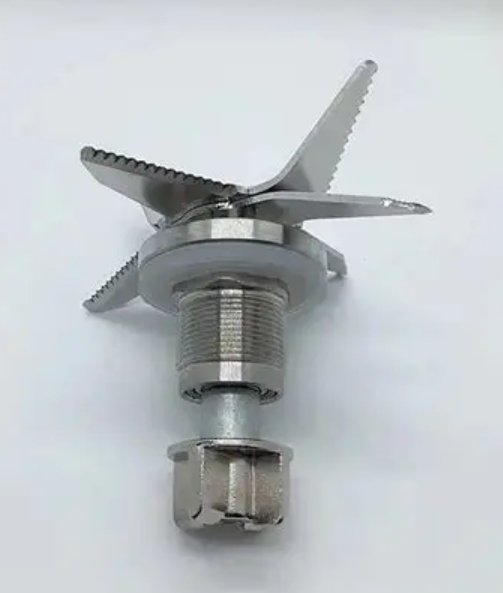
Blender Blade for Sale
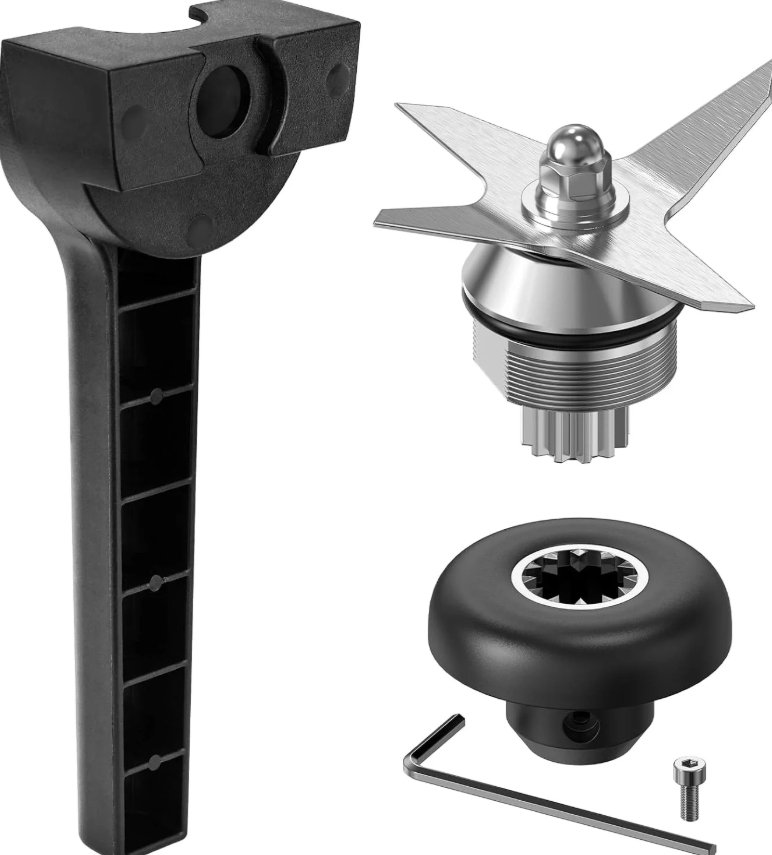
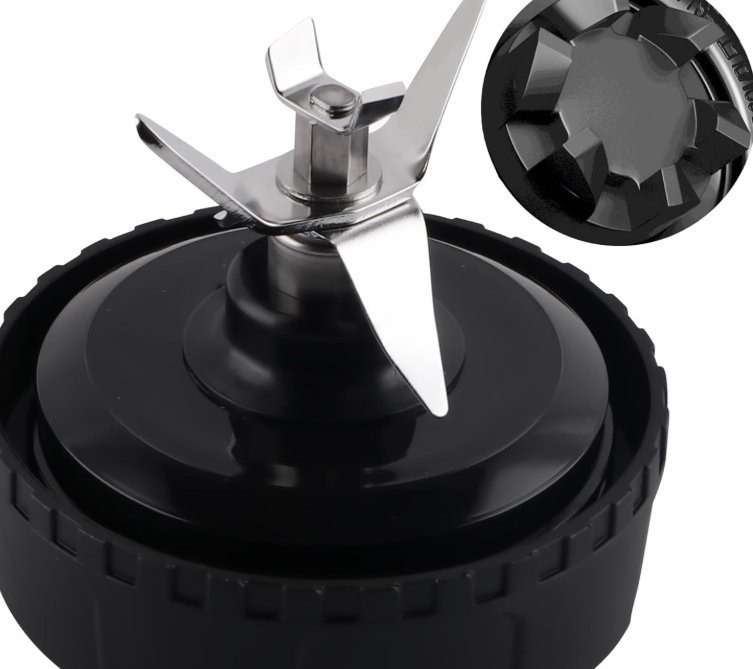
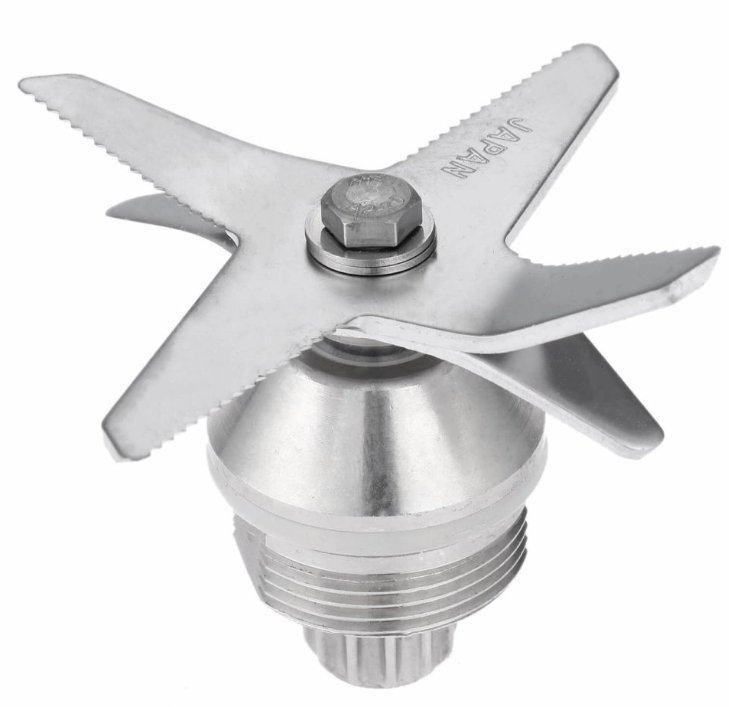
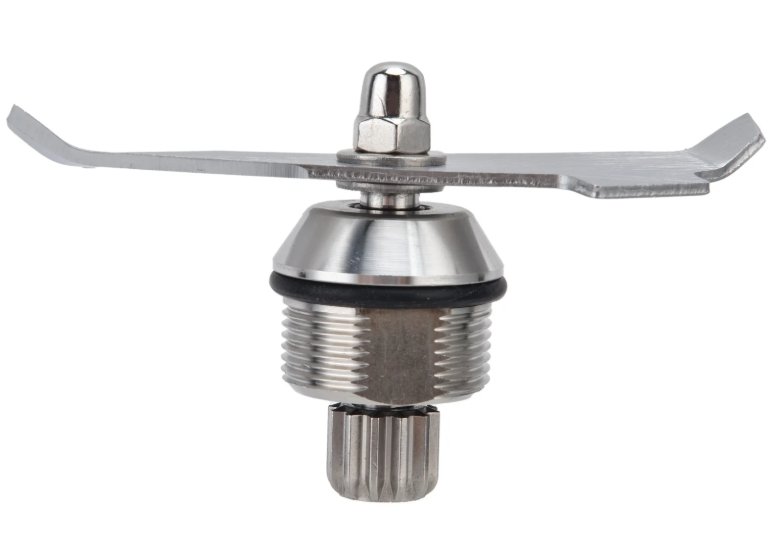
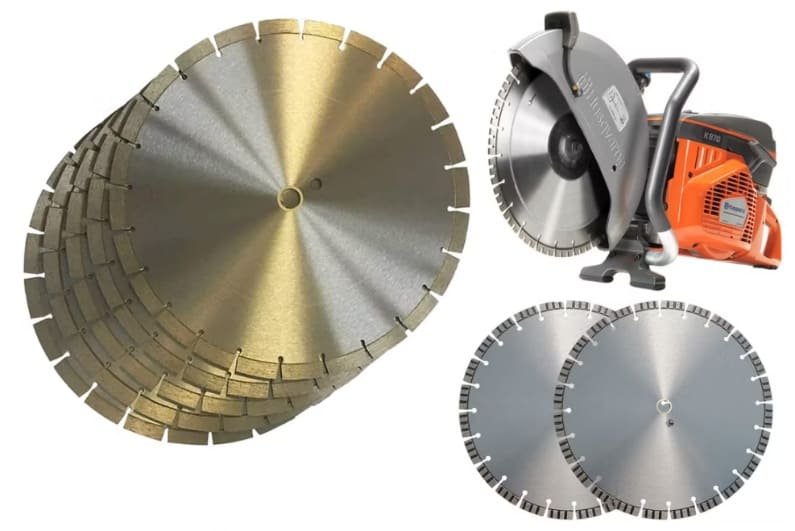
Diamond Blade for Sale

Demolition Hammer & Rotary Hammer for Sale
Angle
Welcome to call us
Contact Us to get quotation
Working Time: 8:00~17:00 Monday to Friday.
FAQ
Welcome to call us
Contact Us to get quotation
Working Time: 8:00~17:00 Monday to Friday.