What can I use to chisel concrete?
What can I use to chisel concrete?
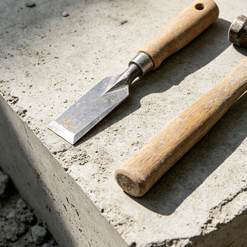
What can I use to chisel concrete? When you’re chiseling concrete, the tools that work best fall into two basic buckets: handheld manual options for small, detail-oriented jobs, and powered equipment for bigger demolition or shaping work where you need to move a lot of material fast. Picking the right one comes down to how big your project is, how precise you need to be, how strong the concrete is, and how deep you need to cut. Grab the wrong tool, and you’ll end up wasting time, wearing yourself out, or even cracking the good concrete you didn’t want to touch. Getting this match right is make-or-break for both safety and how smoothly your job goes.
Core Working Principles of Manual Concrete Chisels
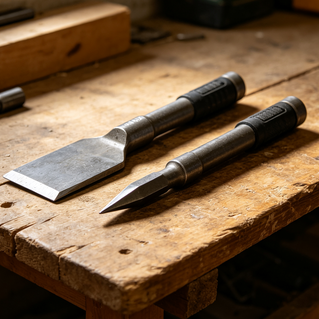
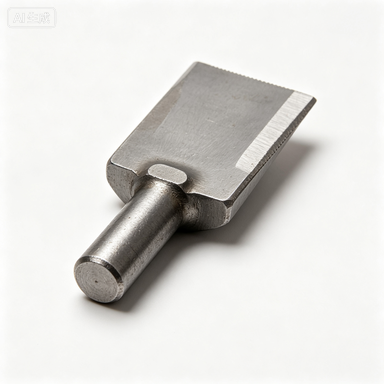
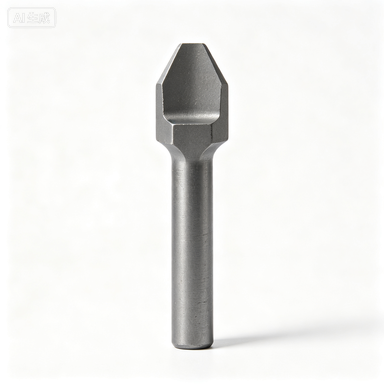
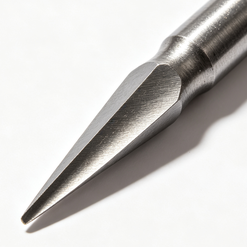
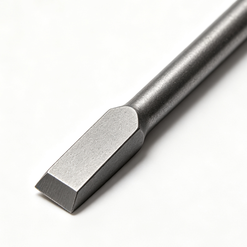
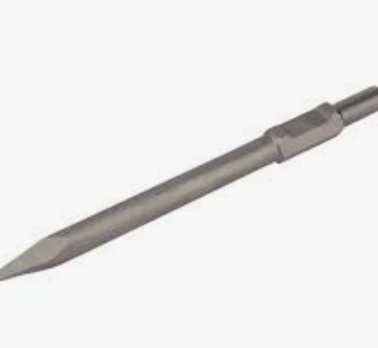
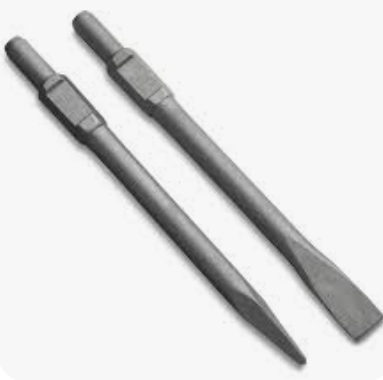
Manual concrete chisels work off simple physics: you hit the end with a hammer, that force transfers down to the cutting edge, and it fractures the concrete’s aggregate and cement matrix. The hardened steel tip crams all the kinetic energy from each strike into a tiny contact point, creating enough stress to exceed the concrete’s tensile strength (that’s usually 10–15% of its compressive strength, for reference). Cold chisels have a flat, wide edge that spreads force evenly for scraping off shallow surface layers, while point chisels focus all that energy on a tiny spot to poke deep, narrow holes or bust through thick concrete sections. All manual chisels are built to take repeated hits without chipping or bending, as long as you use the right hammer with them—usually a 2–4 lb sledge for heavy work, or a ball-peen hammer for jobs that need a lighter touch.
Key Components of Pneumatic Concrete Chiseling Tools
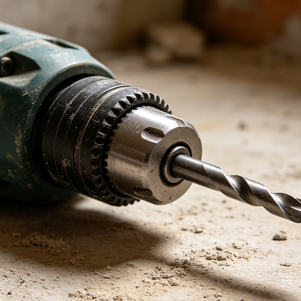
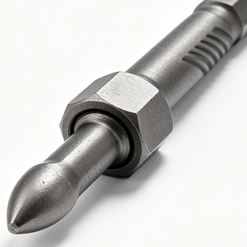
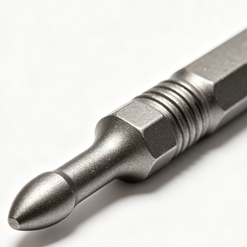
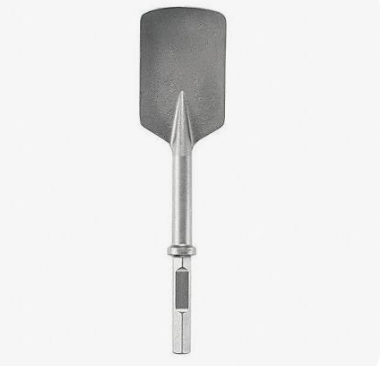
Pneumatic chipping hammers are the most common powered concrete chiseling tools out there, and they have four core parts that let them deliver consistent, hard hits hour after hour. The air motor runs off 90–120 PSI of compressed air, driving a reciprocating piston that slams the attached chisel bit 1,000–3,000 times per minute (BPM). The chuck is usually a spring-loaded or threaded quick-change design that holds the bit firmly to the hammer body, so you can swap between point, flat, scaling, or gouging bits in seconds. The vibration-dampening handle is lined with rubber or polymer padding to cut down your risk of hand-arm vibration syndrome (HAVS) during long shifts, and the throttle control on the handle lets you tweak how hard and fast the hits are for softer or harder concrete. Most units also have an exhaust port that blows used air away from your work area, so you don’t end up with a face full of dust mid-job.
Material Specifications for Concrete Chisel Bits
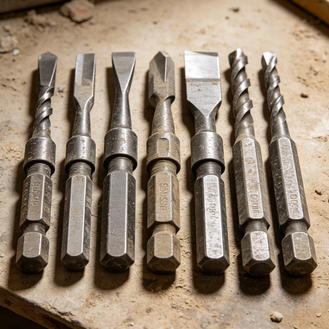
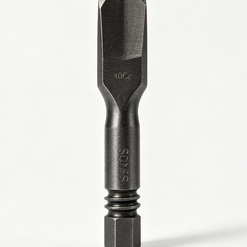
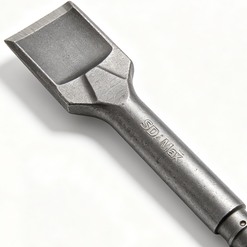
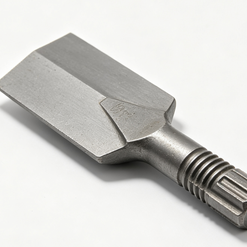
All concrete chisel bits—whether they’re for manual or powered use—are made from forged high-carbon steel (usually AISI 1045 or 1060 steel) or alloy steel with extra chromium and vanadium added to make them harder and more impact-resistant. The cutting end of the bit is heat-treated to a Rockwell hardness of 58–62 HRC, hard enough to stand up to repeated strikes against tough aggregate without going dull. The striking end (for manual chisels) or shank end (for powered tools) is tempered down to 45–50 HRC to keep it from getting too brittle and cracking when you hit it. If you’re working with high-strength concrete (over 6,000 PSI compressive strength) or reinforced concrete with rebar inside, spring for carbide-tipped bits. Their tungsten carbide cutting edges hit 87–90 HRA on the hardness scale, and they last 3–5 times longer than standard steel bits when you’re cutting through abrasive aggregate or metal rebar.
Application Scenarios for Different Concrete Chiseling Tools
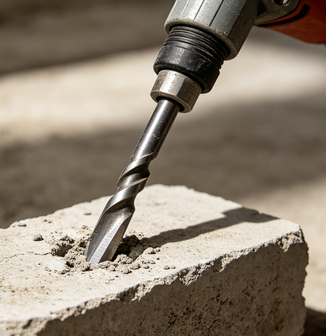
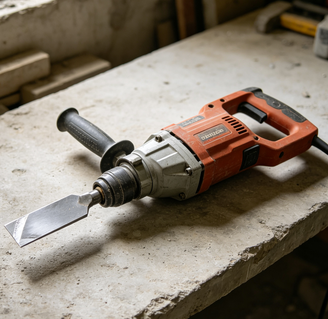
Manual chisels are perfect for small jobs where control is non-negotiable: chipping out small cracks to fill them, knocking excess mortar out of concrete joints, or shaping small decorative concrete features. Pneumatic chipping hammers are the go-to for medium-scale work, like scraping spalled concrete off bridge decks, stripping old tile adhesive from concrete slabs, or cutting out openings for pipes and electrical boxes in concrete walls. For big demolition jobs—like busting up a concrete driveway or removing thick foundation sections—rotary hammers with chisel attachments deliver way more impact energy (up to 20 Joules per blow) and can handle concrete up to 10,000 PSI compressive strength. If your job site doesn’t have access to a compressed air supply, electric demolition hammers work great, though they’re usually heavier and vibrate more than pneumatic models.
Performance Advantages of Powered Concrete Chiseling Tools
Powered chiseling tools have three big benefits over manual chisels for most commercial and industrial jobs. First, they cut labor time by a mile: a pneumatic chipping hammer can remove 2–3 cubic feet of standard 3,000 PSI concrete per hour, compared to just 0.2–0.3 cubic feet per hour with a manual chisel and sledge. Second, their impact force is consistent every single time, so you’re way less likely to accidentally chip too deep and damage the good concrete underneath. Third, modern powered tools have vibration-dampening systems that cut transmitted vibration to below 5 m/s²—way below the EU action limit of 2.5 m/s² for 8-hour daily exposure—so you don’t wear out as fast, and your risk of long-term injury is way lower than when you’re swinging a sledge all day. A lot of models also have dust extraction ports that hook up to HEPA vacuums, so you can keep silica dust levels under OSHA’s permissible exposure limit (PEL) of 50 µg/m³ over an 8-hour shift.
Selection Criteria for Concrete Chiseling Tools
When you’re picking a concrete chiseling tool, start with how big your job is. If you only need to remove less than 0.5 cubic feet of concrete, a manual point or flat chisel is the cheapest, most practical choice. For projects between 0.5 and 10 cubic feet, a lightweight 2–5 lb pneumatic chipping hammer or cordless rotary hammer with a chisel function strikes a good balance between easy to carry and powerful enough. For jobs bigger than 10 cubic feet, you’ll want a 15–30 lb electric demolition hammer or heavy-duty pneumatic breaker to get the work done fast. Next, think about the concrete itself: if it’s reinforced with rebar, you’ll need carbide-tipped bits and a tool with at least 10 Joules of impact energy to cut through the metal without dulling your bits prematurely. Finally, account for job site constraints: if you don’t have a compressed air supply, corded or cordless electric tools are your only real option. For outdoor work with no power access at all, gas-powered breakers work, though they’re louder and emit more fumes than other options.
Maintenance Best Practices for Concrete Chiseling Tools
Take care of your chiseling tools, and they’ll last 2–3 times longer, plus you won’t have to worry about them breaking mid-job and causing an accident. For manual chisels, check the striking end before every use for mushrooming—that’s the flared, deformed metal you get from repeated hammer strikes. Grind any mushroomed material down with a bench grinder before using it, otherwise metal fragments could break off and hit you or someone nearby. Sharpen the cutting edge with a grinding wheel whenever it gets dull or chipped, and keep the original 30–35 degree bevel angle so it cuts as well as it did new. For pneumatic chipping hammers, add 2–3 drops of pneumatic tool oil to the air inlet before every use to lubricate the internal piston and motor, and drain the air compressor’s water trap every day to keep moisture from rusting the inside of the tool. For electric rotary and demolition hammers, check the power cord for fraying before you plug it in, and clean the chuck and bit shank regularly to get rid of dust and debris that could cause jamming or reduce how much impact transfers to the concrete. Store all your chisel bits in a dry place so they don’t rust, and check carbide tips for cracks or loose pieces before every use—damaged carbide can shatter on impact and send dangerous flying debris everywhere.
Comparative Analysis of Concrete Chiseling Alternatives
Every concrete chiseling tool has tradeoffs that make it better for some jobs than others. Manual chisels don’t need power, cost almost nothing upfront, and give you total control, but they remove material super slowly and will wear you out fast if you’re working on a big project. Pneumatic chipping hammers have a great power-to-weight ratio, vibrate less than other powered options, and last forever, but you need a separate air compressor and hose to run them, which makes them less portable and adds to the total cost. Electric rotary hammers are super portable, can switch between drilling and chiseling modes, and are perfect if you need to both drill holes and remove concrete, but they have less impact energy than dedicated demolition hammers, so they’re not as efficient for large-scale chiseling. Hydraulic breakers, which are usually mounted on skid steers or excavators, remove more material than anything else (up to 50 cubic feet per hour for big models), but they’re only worth the cost for massive demolition jobs, and you can’t use them for any detailed work at all.
Practical Operating Tips for Safe, Efficient Concrete Chiseling
If you want to get the job done fast and without getting hurt, start by marking the area you need to remove with chalk or spray paint so you don’t accidentally chip into good concrete. Hold the chisel at a 15–30 degree angle to the surface for shallow scaling, or a 60–90 degree angle for deep breaking—this keeps the bit from getting stuck in the concrete. For powered tools, only apply light, steady pressure to the handle. Pushing harder won’t make you remove material faster, it’ll just wear out your bits faster and tire you out quicker. Always wear the right PPE: safety glasses with side shields, an N95 or better respirator to block silica dust, hearing protection (powered chisels hit 100–115 dBA, which is loud enough to cause permanent hearing loss), and steel-toe boots to protect your feet from falling concrete chunks. If you’re chiseling overhead, wear a face shield on top of your safety glasses, and tie the tool to your wrist with a lanyard so it doesn’t fall if you lose your grip.
Common Misconceptions Cleared Up
Q: Any steel chisel can be used to chisel concrete, right?
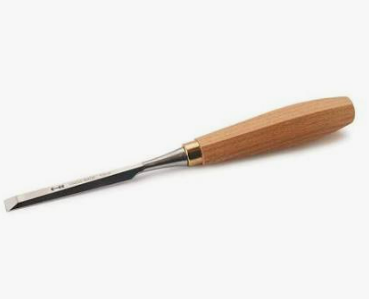
A: Nope, that’s a quick way to get hurt. Standard woodworking or metalworking chisels are made from softer steel with a lower Rockwell hardness (usually 45–55 HRC) that’s designed for cutting less dense materials. Hit one against concrete a few times, and the edge will dull, chip, or bend immediately. Worse, they can shatter under the force of a sledgehammer, sending sharp metal fragments flying. Only use chisels specifically rated for concrete, with heat-treated high-carbon or alloy steel tips—they’re the only ones that are safe and effective for this work.
Q: Higher impact force always means better concrete chiseling performance?
A: That’s a super common mistake. More impact force is great for busting through thick, high-strength concrete, but use too much for a precision job, and you’ll end up with uneven removal, crack good concrete outside your target area, and wear out your bits way faster. For example, a 30 lb demolition hammer with 20 Joules of impact energy will completely destroy a small concrete patch you’re prepping for crack repair, but a 2 lb manual chisel with controlled strikes will only remove the damaged material without touching the surrounding structure. Always match the impact force to how precise you need to be and how thick the concrete is.
Q: You don’t need to worry about silica dust when chiseling small concrete areas?
A: This is a dangerous myth. Even 15 minutes of chiseling concrete without dust control can create silica dust levels way higher than OSHA’s 8-hour permissible exposure limit of 50 µg/m³. Crystalline silica dust causes irreversible lung damage (silicosis) even with small, repeated exposure, so you should always use a NIOSH-approved respirator and either a dust extraction system hooked up to your power tool or water mist suppression for any concrete chiseling job, no matter how small.
Q: Pneumatic chisels are more powerful than electric chisels, so they are always the better choice?
A: That’s not always true. Pneumatic chipping hammers do have a higher power-to-weight ratio and last longer if you’re using them heavily every day, but they need a compressed air supply with enough capacity (a 5 lb chipping hammer needs at least a 5 CFM compressor to run right), which adds cost and makes them way less portable. For job sites without power for an air compressor, or small, remote projects, cordless electric rotary hammers with chisel functions are way more practical, and they have more than enough power for most small to medium jobs.
Frequently Asked Questions
Q: What type of chisel is best for removing thin layers of paint or adhesive from a concrete slab?
A: A flat scaling chisel with a 2–3 inch wide carbide-tipped edge is your best bet. Its wide, flat edge spreads impact force evenly to lift thin surface materials without gouging the concrete underneath, and the carbide tip stands up to wear from abrasive adhesive residue. For the best results, run it with a pneumatic chipping hammer set to a medium blow frequency.
Q: Can I use a regular hammer drill to chisel concrete?
A: Only if the hammer drill has a dedicated “hammer only” mode that turns off the rotation. Standard hammer drills that spin while they hit are made for drilling, not chiseling. If you try to use one with a chisel bit, you’ll damage the drill’s internal gearing, and it won’t deliver enough impact force to break concrete effectively anyway. For chiseling, use a rotary hammer with a chisel function or a dedicated chipping hammer.
Q: How often should I sharpen my concrete chisel bit?
A: Check the edge after every 2–3 hours of continuous use. If the edge is rounded, chipped, or you notice you have to push way harder to remove the same amount of concrete, it’s time to sharpen. For steel bits, use a bench grinder, and keep the original 30–35 degree bevel. For carbide-tipped bits, use a diamond grinding wheel so you don’t damage the hard carbide material.
Q: What is the maximum thickness of concrete I can chisel with a manual chisel?
A: For standard 3,000 PSI concrete, manual chisels only make sense for sections up to 4 inches thick. Anything thicker, and the amount of time and force you’ll need to put in makes powered tools a way better use of your energy. If you do have to chisel thicker concrete manually, drill a series of 1/2–3/4 inch diameter relief holes along your chiseling line first to weaken the concrete and make breaking it easier.
Q: Can I chisel reinforced concrete with standard steel bits?
A: We don’t recommend it. Standard steel bits will dull almost immediately when they hit embedded rebar, and they can even bend or shatter under high impact. For reinforced concrete, use carbide-tipped chisel bits specifically rated for rebar cutting, and pick a powered tool with at least 10 Joules of impact energy to cut through both concrete and steel without wearing out your bits too fast.
Final Summary
The right tool for chiseling concrete depends on how big your project is, how precise you need to be, what kind of concrete you’re working with, and what resources you have available at the job site. Options range from cheap manual chisels for small, detailed work to heavy-duty powered breakers for large demolition jobs. Always stick to tools with heat-treated or carbide-tipped bits made specifically for concrete, follow basic maintenance steps to make your equipment last longer, and use the right PPE and dust control measures to avoid silica dust exposure and other injuries. Match your tool to the specific needs of your job, and you’ll get fast, clean results without wasting time or putting yourself at unnecessary risk.
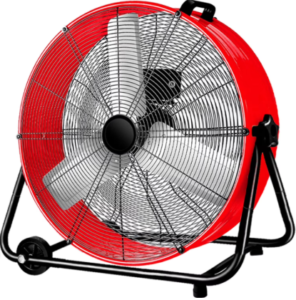
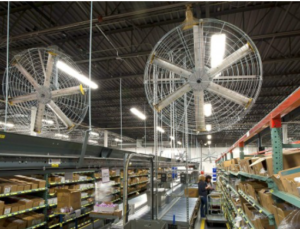
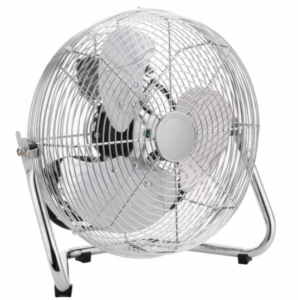
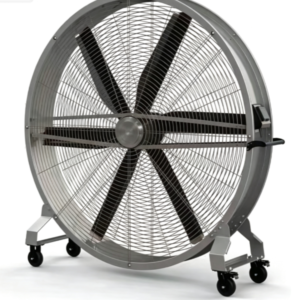
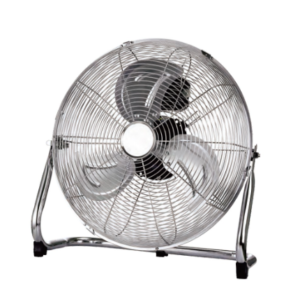
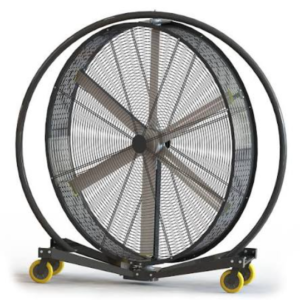
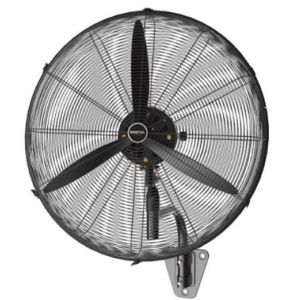
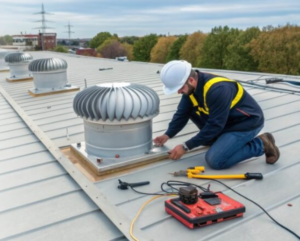
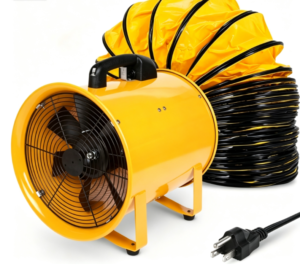
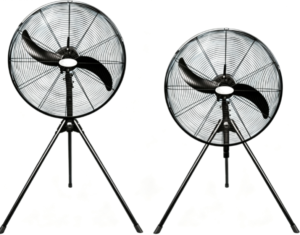
Industrial fan for Sale:


Blender Blade
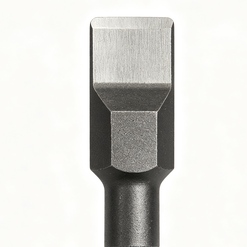
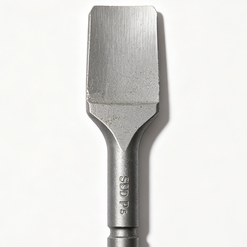
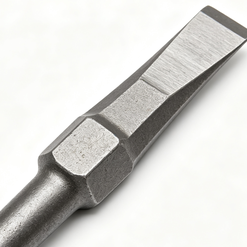
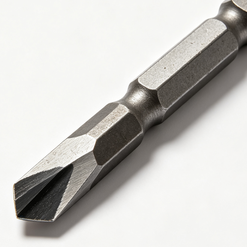
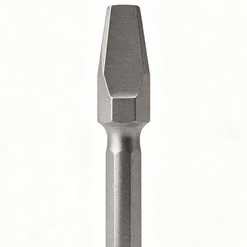
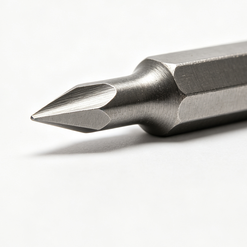
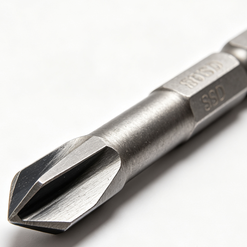
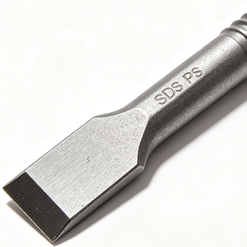
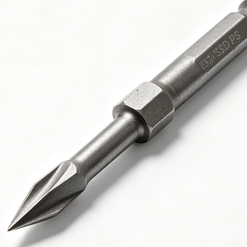
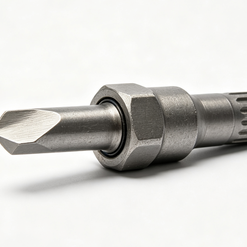
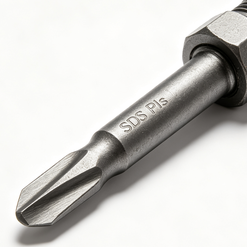
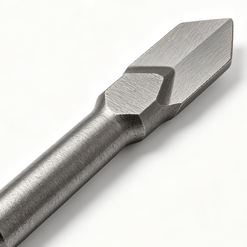
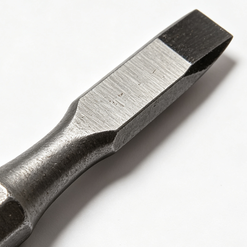
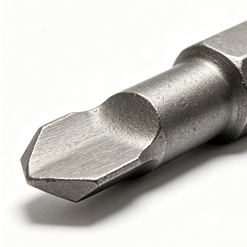
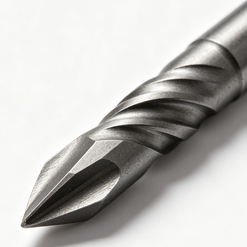
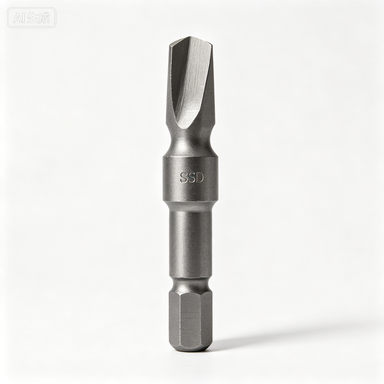
Chisel Bit for Sale
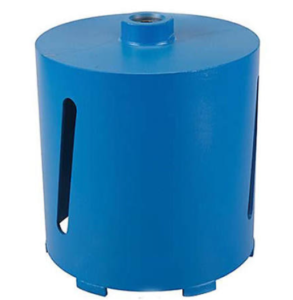
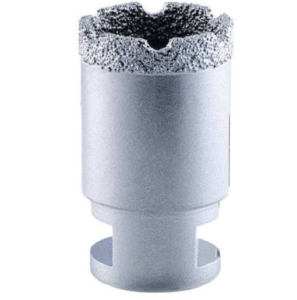
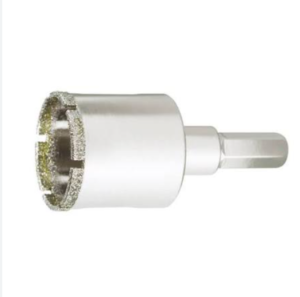
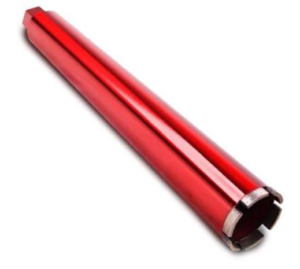
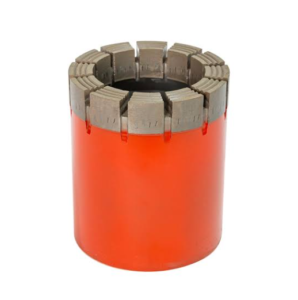
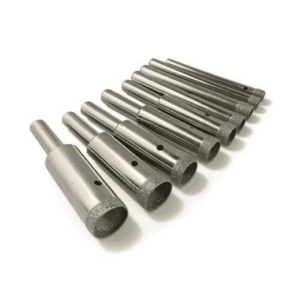
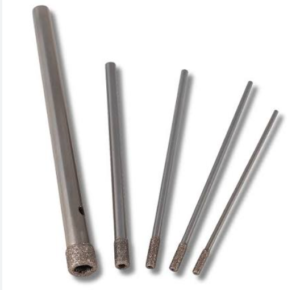
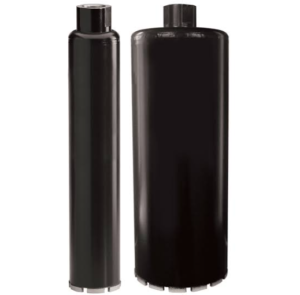
Core drill bit for Sale:
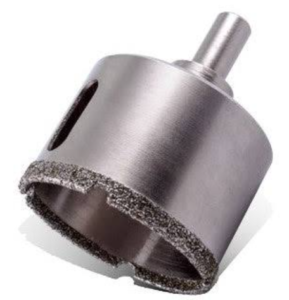
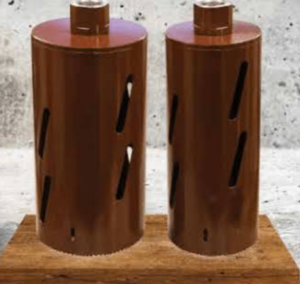
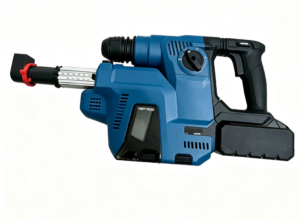
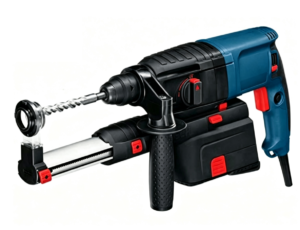
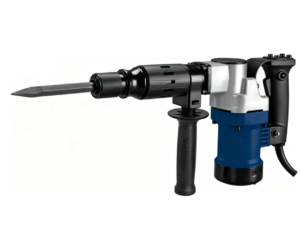
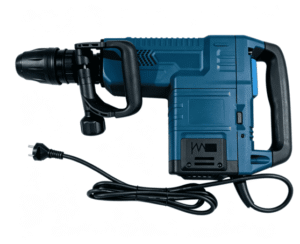
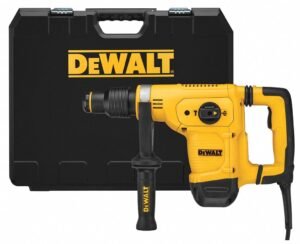
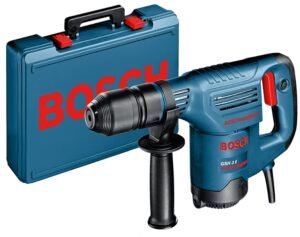
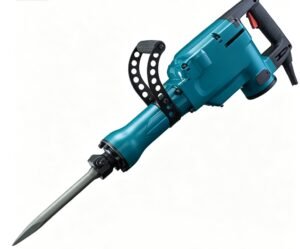
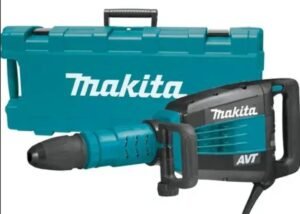
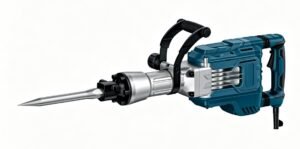
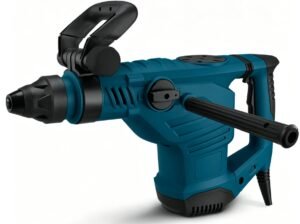
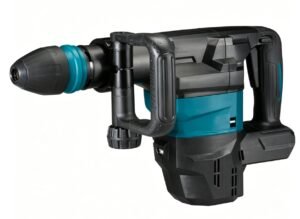
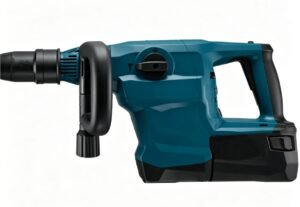
Rotary Hammer & Demolition Hammer for Sale:
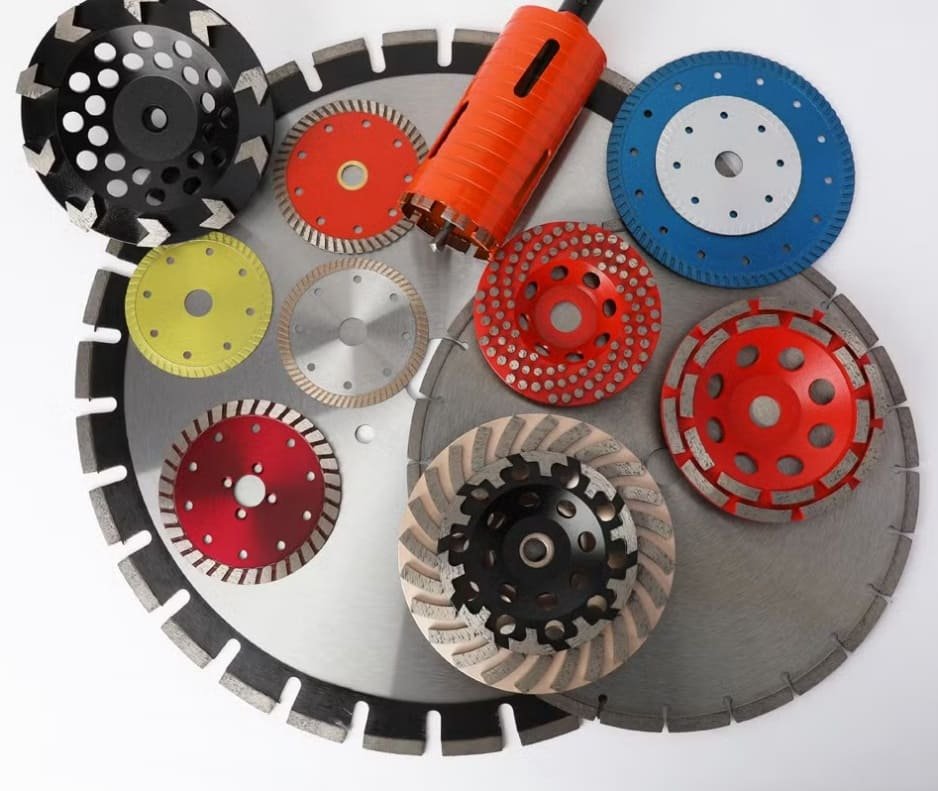
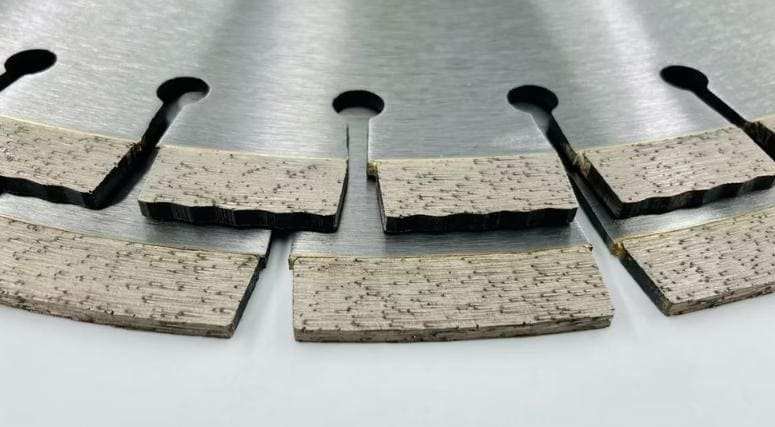
Diamond Blade

Welcome to call us
Contact Us to get quotation
Working Time: 8:00~17:00 Monday to Friday.
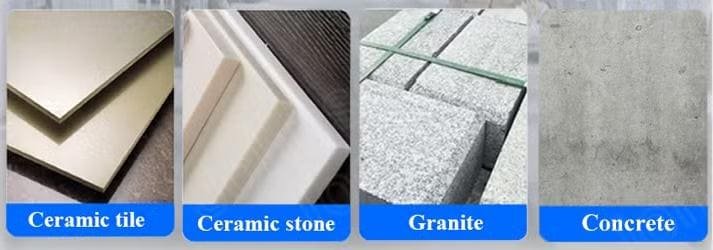
Applications:
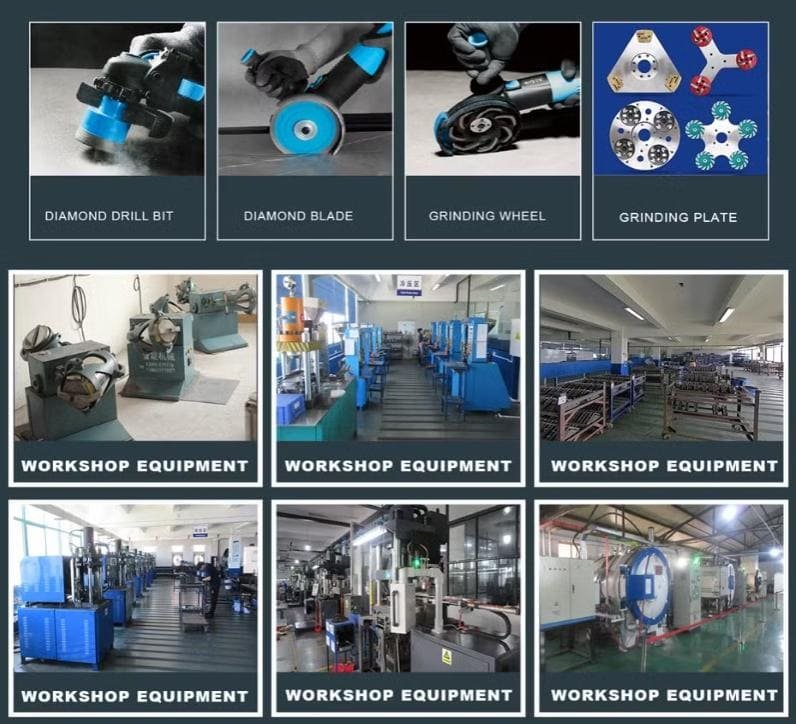
Factory:
FAQ
Welcome to call us
Contact Us to get quotation
Working Time: 8:00~17:00 Monday to Friday.
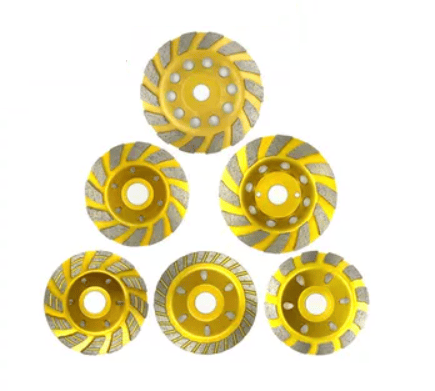
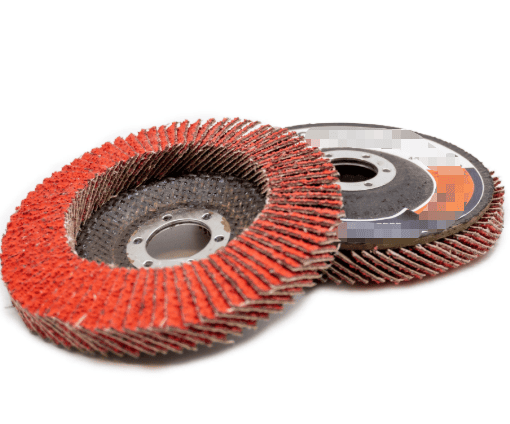
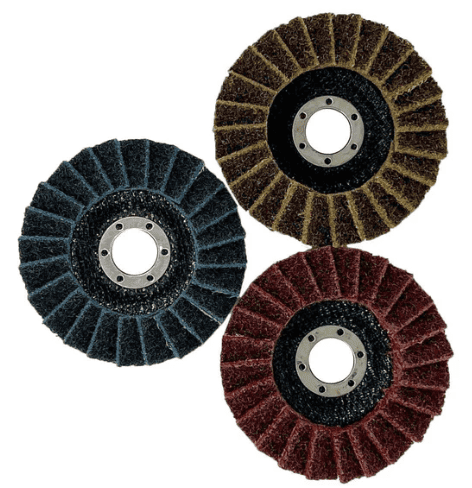
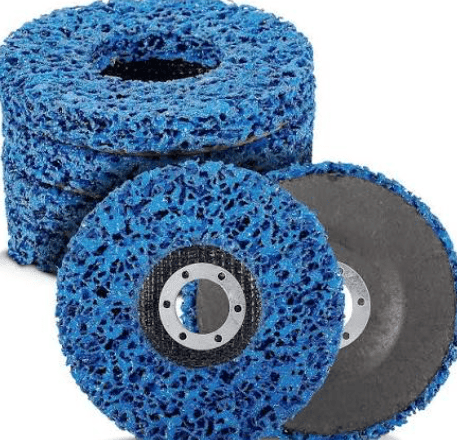
Flap Disc for Sale
Blogs:
You May also Interest in other topics:
sifter machine commercial sifter 11kw ev charger wollastonite grinding mill for refractory material vacuum capping machine