Why Does My Demolition Hammer Keep Cutting Out? Causes & Fixes
Why Does My Demolition Hammer Keep Cutting Out? Causes & Fixes
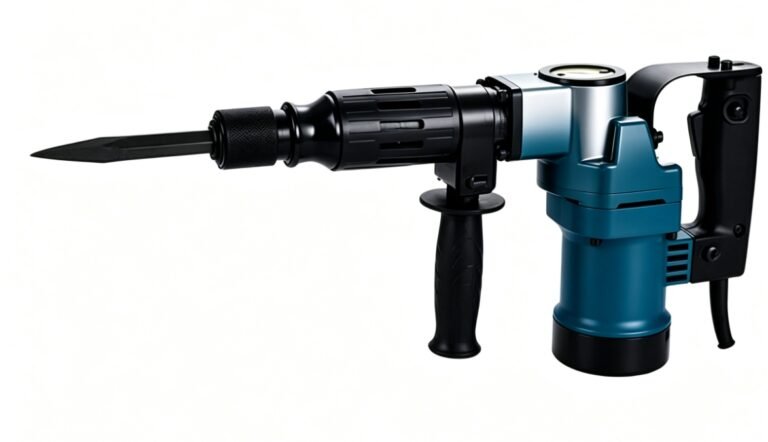
Demolition hammer intermittent shutdowns mainly fall into thermal protection triggers, electrical system failures and internal mechanical malfunctions, and targeted troubleshooting based on these three categories can stop unexpected mid-job power cuts and protect your tool from permanent damage.
Overheating Protection Related Causes and Corresponding Fixes
Uninterrupted long-duration work beyond the tool’s designed duty cycle is the most common trigger for automatic thermal cut-off. Every demolition hammer is engineered for intermittent breaking work rather than all-day nonstop operation. Once continuous usage exceeds 30 minutes, internal motor and cylinder temperatures surge rapidly and activate the built-in temperature safety switch to shut power down automatically. The simplest long-term fix is to stick to a regular work rhythm: pause the machine for a full 5 minutes to dissipate heat after every 20 to 30 minutes of breaking, which avoids repeated protective shutdowns without sacrificing overall construction speed.
Blocked heat dissipation channels also trap excess heat inside the fuselage and trigger frequent thermal cuts. Cement dust, gravel and fine concrete debris continuously build up inside air intake and exhaust vents during demolition work, forming a thick insulating layer that blocks normal airflow. Operators should develop a cleaning habit after each work shift, using a soft brush or low-pressure compressed air to sweep out all deposits from ventilation slots and cooling fan blades. Keeping the entire heat circulation path unobstructed stabilizes internal operating temperatures and eliminates random shutdowns caused by poor heat dissipation.
Overloaded working conditions and extreme ambient temperatures both force the motor to generate far more heat than its cooling system can handle. Running the hammer on ultra-hard thick reinforced concrete that surpasses the tool’s rated power creates constant heavy load, while working in direct sunlight above 50°C adds extra external heat stress. The practical solution is to match tool power to project demands and avoid long-duration demolition in extreme high-temperature outdoor environments, which eases motor load and reduces thermal protection activation frequency significantly.
Insufficient internal lubrication creates extra metal friction and amplifies heat buildup inside gear and cylinder assemblies. When lubricating grease runs low, gears and pistons grind against each other without a protective oil film, producing massive extra heat that trips the temperature sensor early. Operators must follow official maintenance standards and fill the chamber with ISO VG68 dedicated grease, and complete a full grease replacement every three months of regular use to maintain smooth internal movement and control heat output within safe limits.
Electrical System Faults and Practical Solutions
Unstable supply voltage forces the motor to draw excessive current and overheat quickly, leading to frequent automatic cuts. Thin, overlong extension cords and shared weak power outlets cause voltage drops under heavy tool load, raising internal current and heat generation sharply. To stabilize power delivery, always use heavy-gauge certified extension cables of appropriate length and plug the demolition hammer into an independent dedicated power socket to maintain consistent rated voltage during all breaking tasks.
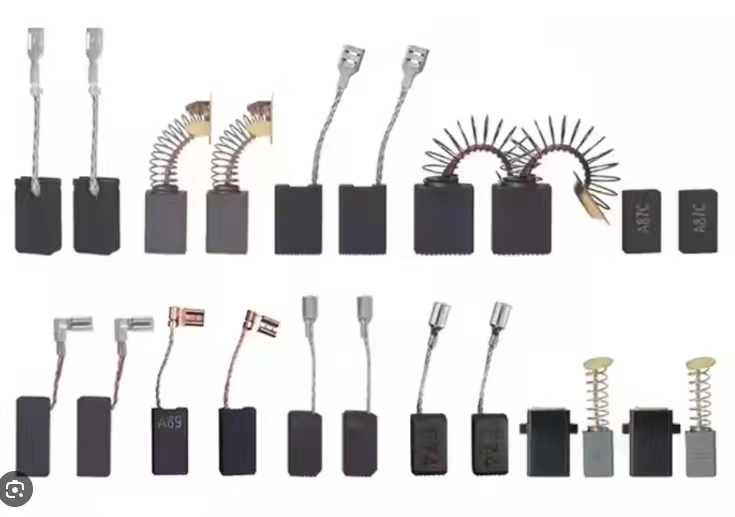
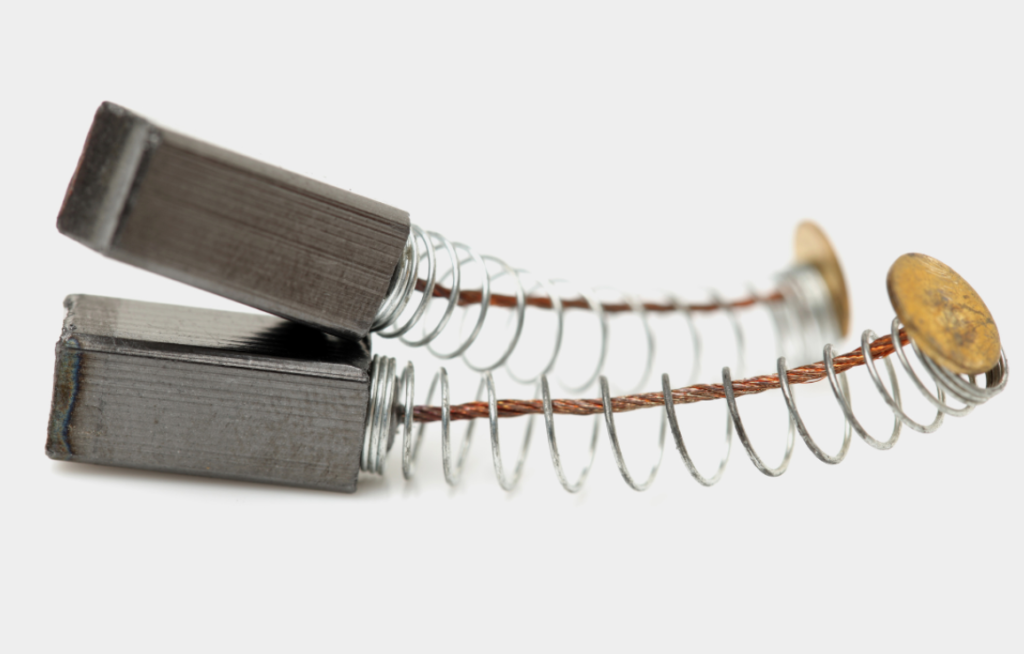
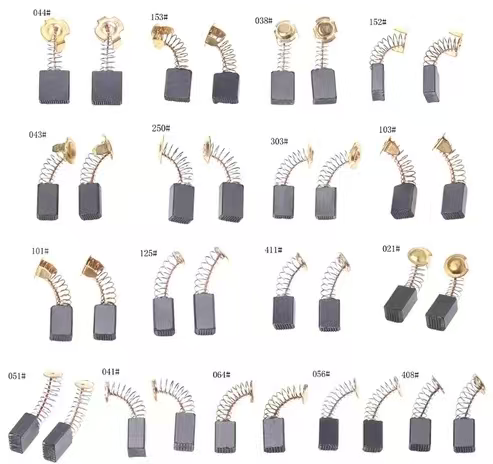
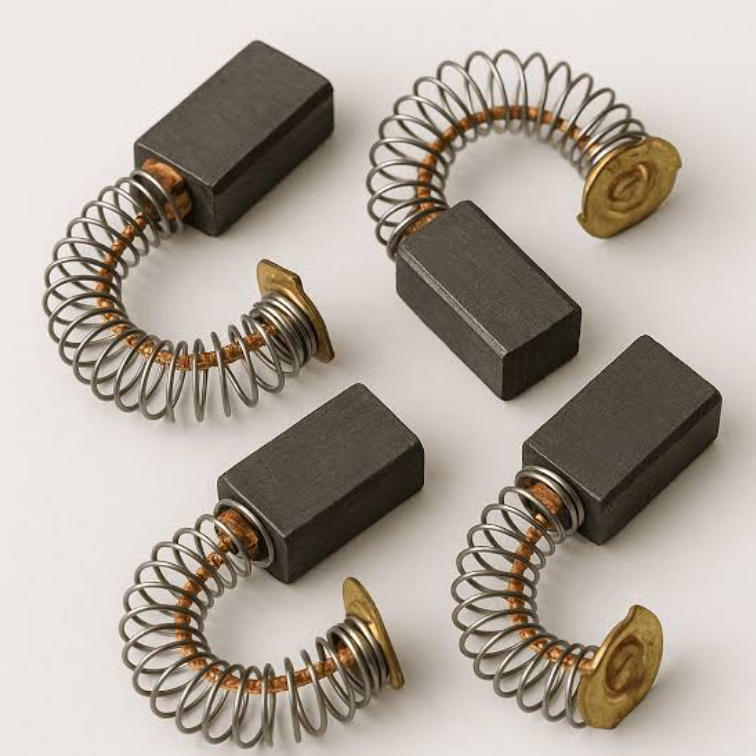
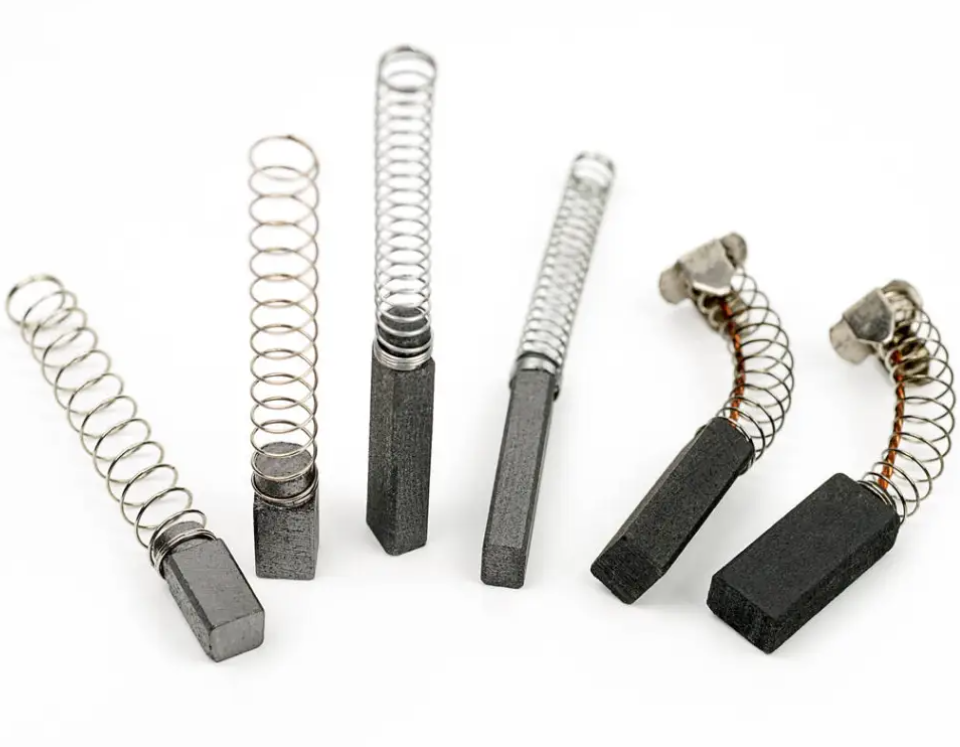
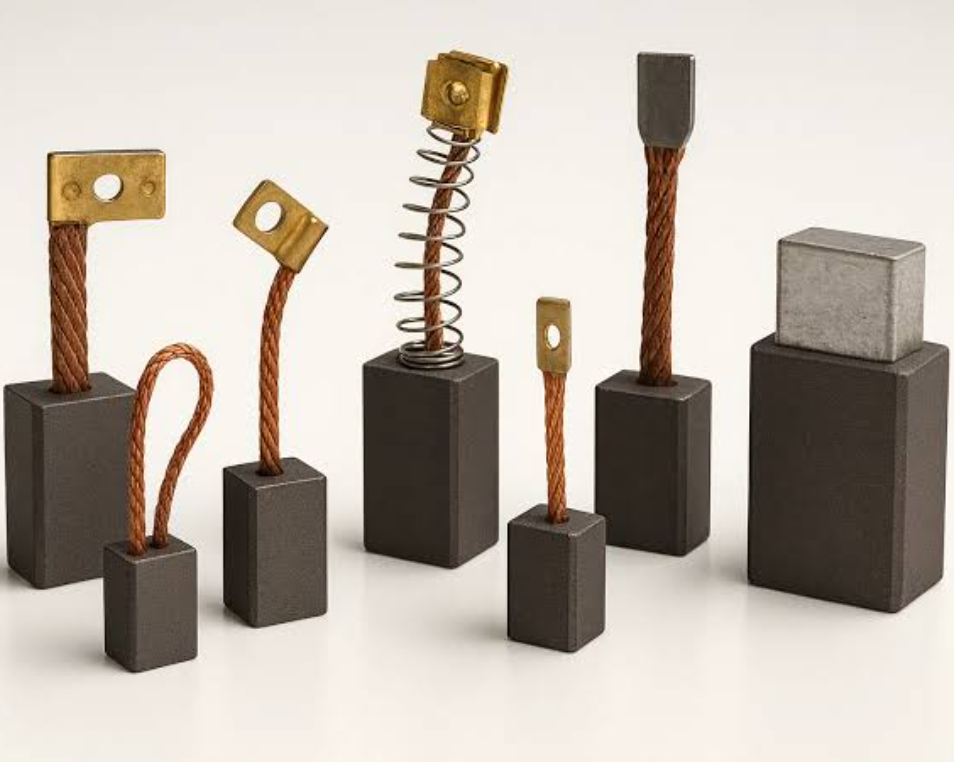
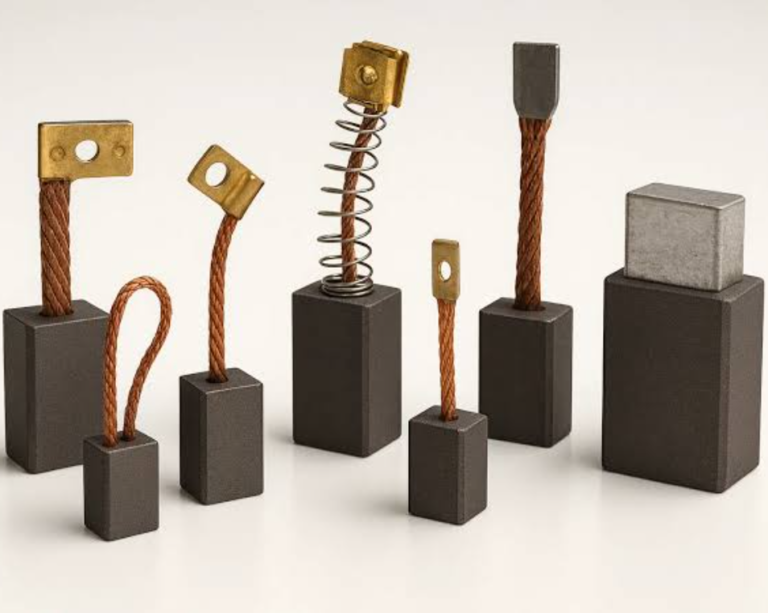
Poor carbon brush contact creates an intermittent circuit that makes the machine randomly shut on and off mid-work. After carbon brushes wear down more than one-third of their original length, the spring pressure weakens and fails to maintain steady contact with the motor commutator, causing inconsistent power transmission and sudden power loss. The permanent fix is to install brand-new original matching carbon brushes, then polish the curved contact surface with fine sandpaper to fit the commutator perfectly and restore continuous smooth current flow.
Frayed internal wiring and oxidized switch contacts create unstable power connections that trigger random shutdowns. The power cord bends repeatedly at the handgrip root during operation, leading to partial wire breakage that only connects when held at a certain angle; long-term dust and moisture also corrode metal trigger switch contacts and break the circuit intermittently. Use a multimeter to locate hidden wire breaks or faulty switch components, then replace damaged power cables or corroded switches entirely to rebuild a stable electrical loop.
Severely aged or short-circuited stator and rotor windings lead to abnormal motor heating and constant protective cutouts, which belongs to complex internal electrical damage that cannot be fixed with simple on-site maintenance. Damaged motor coils generate uneven current and rapid temperature spikes that activate safety shutdowns even under light loads. This repair task must be handed to certified professional electricians with motor testing equipment, who will inspect winding insulation and replace burnt coil assemblies if necessary to fully resolve the power-cut issue.
Mechanical Malfunctions That Trigger Intermittent Shutdowns
Worn or jammed transmission gears and bearings drastically increase motor operating resistance, pushing the tool into overload protection and sudden power cuts. When gears lose teeth or bearings rust and seize, the motor must exert extra torque to drive the impact mechanism, instantly raising current draw and activating safety shutoff. Full disassembly of the gearbox is required to clear trapped concrete grit and replace cracked gears or stuck bearings, which removes excess mechanical load and stops overload-triggered shutdowns entirely.
Damaged sealing rings inside the impact cylinder raise movement resistance and create abnormal internal heat that activates thermal protection. Worn, cracked O-rings allow lubricating grease to leak out, resulting in dry friction between pistons and strikers and generating excessive heat during reciprocating impact motion. All aged deformed sealing rings need full replacement, followed by refilling the cylinder with a sufficient volume of qualified dedicated grease to restore smooth low-friction impact operation.
A malfunctioning built-in temperature sensor causes false thermal cutouts even when the machine remains cool to the touch. If the demolition hammer shuts down after just a few minutes of light work without any visible signs of overheating, the thermostat component is likely sending incorrect overheat signals to the control circuit. This part cannot be repaired on-site by regular operators; the whole tool must be delivered to a professional service center for accurate sensor testing and replacement to eliminate unnecessary random shutdowns.
Supplementary Q&A
Q: My hammer only cuts out when breaking thick concrete slabs but works fine on thin tile layers, what is the root cause?
A: This is mostly an overload and overheating issue. Thick high-strength concrete creates heavy continuous load that raises motor heat fast and triggers thermal protection. You can extend cooling intervals and clean air vents thoroughly to ease frequent shutdowns during heavy-duty work.
Q: The tool shuts off when I twist the power cord at the handle, how do I fix this quickly?
A: The internal copper wires inside the cord root are partially fractured from repeated bending. You need to cut off the damaged cord section and reattach a new certified power cable to eliminate intermittent circuit disconnection.
Q: I fully replaced carbon brushes and cleaned all vents, but the hammer still cuts out randomly – what mechanical part should I check next?
A: Inspect the cylinder O-rings and internal lubrication first. Leaking grease from broken seals creates severe friction heat that activates the temperature sensor and causes unexpected power cuts.
Final Verdict
The vast majority of random demolition hammer shutdowns stem from preventable overheating caused by improper working cycles, clogged vents or neglected lubrication, while electrical and mechanical defects account for fewer intermittent cutout cases. Always follow an easy-to-hard troubleshooting sequence: check heat dissipation and working habits first, then inspect carbon brushes and power wiring, and disassemble internal transmission and impact structures only for persistent unresolved issues. Minor thermal and wiring problems can be fixed by operators on construction sites, but faulty motor windings or defective temperature sensors require professional service. Consistent routine cleaning, regular grease refills and reasonable intermittent operation will drastically reduce automatic shutdown failures and extend your demolition hammer’s stable service life.
Demolition Hammer & Rotary Hammer for Sale
Demolition Hammer Rotary Hammer Blog
Angle
Diamond Blade

Welcome to call us
Contact Us to get quotation
Working Time: 8:00~17:00 Monday to Friday.
Applications:

Factory:
FAQ
Welcome to call us
Contact Us to get quotation
Working Time: 8:00~17:00 Monday to Friday.