What are the downsides of carbon brushes?
What are the downsides of carbon brushes?
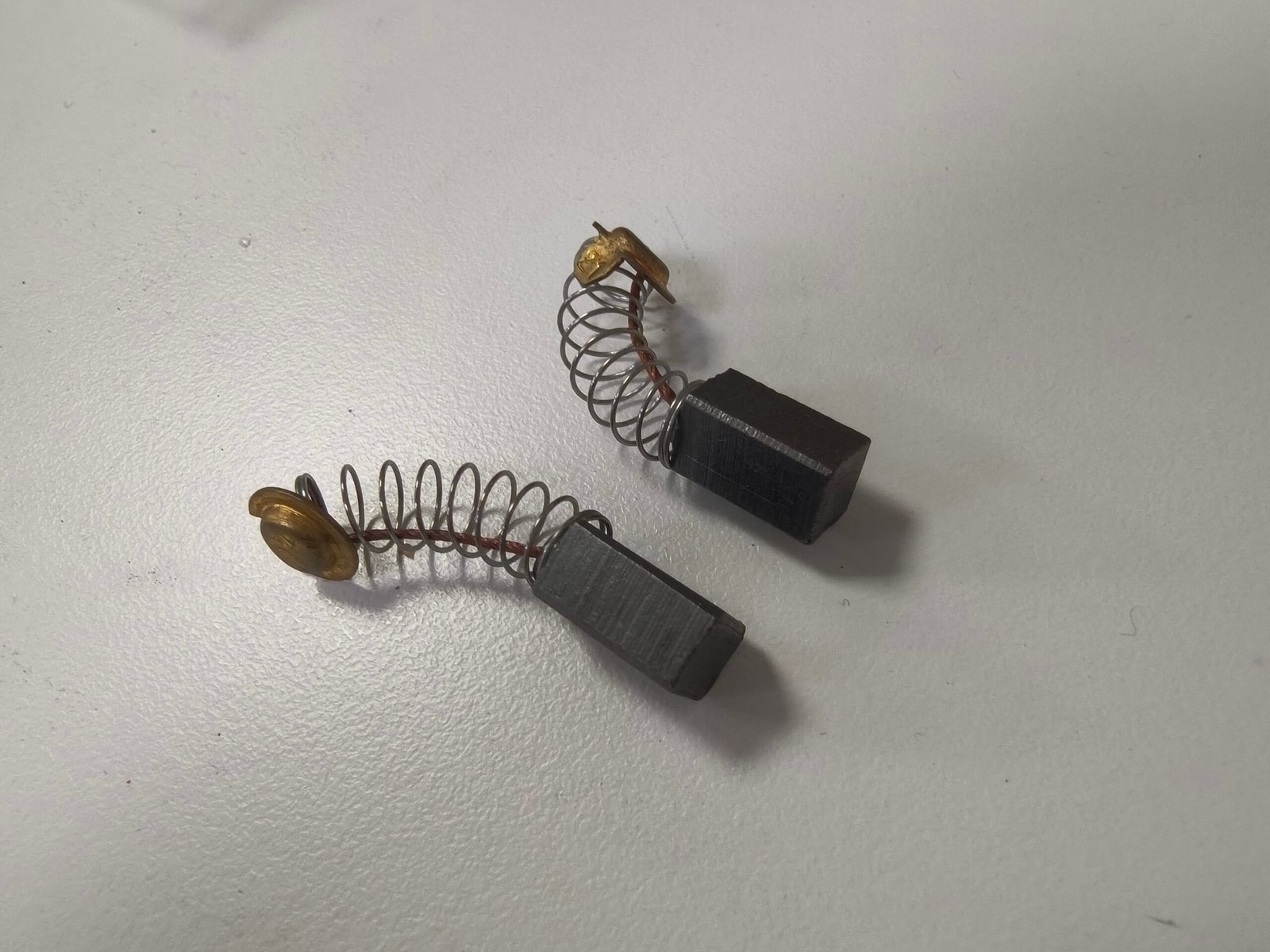
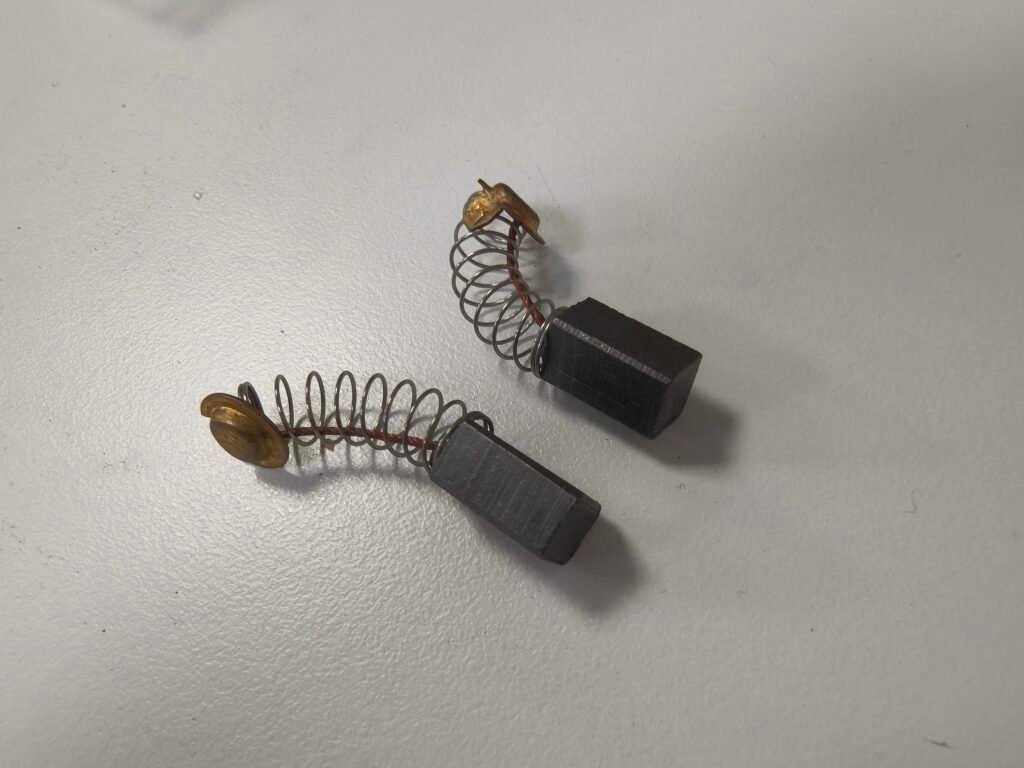
What are the downsides of carbon brushes?Carbon brushes are essential sliding conductive components for brushed motors and rotating electrical equipment, yet they come with a series of inherent limitations and practical drawbacks in environmental adaptability, installation debugging, and long-term operational use that restrict their performance stability and application scope in complex and high-standard working scenarios.
Environmental Adaptability Limitations of Carbon Brushes
Carbon brushes have highly sensitive working performance to ambient temperature and humidity fluctuations, which significantly undermines their operational stability in extreme climatic conditions. The conductive efficiency and self-lubricating properties of carbon brush materials rely heavily on moderate environmental humidity and temperature to maintain a balanced working state. In excessively dry working environments, the natural lubricating film formed between the carbon brush and commutator cannot be effectively maintained, resulting in sharply increased friction between contact surfaces. This condition doubles the wear rate of carbon brushes, greatly shortening their service life and increasing the frequency of equipment maintenance and part replacement.
On the contrary, overly humid environments also bring obvious adverse effects on carbon brush operation. Persistent high humidity will cause tiny oxidation and corrosion on the contact surface of carbon brushes and copper commutators, gradually forming a dense rust and oxide layer on the fitting interface. This abnormal surface layer directly increases the contact resistance between the carbon brush and commutator, hindering stable current transmission. Long-term operation with excessive contact resistance will generate continuous accumulation of heat, triggering motor overheating problems, and in severe cases, causing local ablation of carbon brushes and commutator surfaces.
This temperature and humidity sensitivity means carbon brushes cannot adapt to all climatic environments stably. Equipment equipped with conventional carbon brushes requires regular environmental condition adjustment and performance inspection in dry workshop environments, humid outdoor scenes, and seasonal alternating climate conditions. Without targeted maintenance, carbon brushes are prone to performance attenuation and accelerated wear, bringing hidden dangers to the stable operation of electrical equipment.
Carbon brush operation inevitably produces fine conductive carbon dust, which poses prominent pollution risks in high-cleanliness industrial scenarios. During the friction and wear process between carbon brushes and commutators, a large amount of tiny carbon particles will fall off and diffuse into the internal and surrounding space of the equipment. Unlike ordinary inert dust, these carbon powders have good electrical conductivity and can adhere freely to the surface of precision electronic components and circuit boards.
In high-standard production environments such as precision electronic workshops and optical equipment manufacturing workshops, ultra-high air cleanliness is a basic production requirement. The diffused conductive carbon dust will adhere to precision chips, sensors and circuit structures, interfering with the precision operation of electronic components. Once carbon dust accumulates on dense circuit boards, it is very likely to cause circuit bridging and short-circuit faults, resulting in equipment failure, product scrap, and even greater industrial safety accidents.
This inherent dust pollution problem makes carbon brushes unsuitable for ultra-clean precision manufacturing scenarios. Even with regular dust cleaning and equipment maintenance, it is difficult to completely eliminate the diffusion of tiny carbon particles, which fundamentally limits the application of brushed motor equipment in high-precision and high-cleanliness industrial fields.
Conventional carbon brushes show poor adaptability to high-altitude low-pressure environments, with increased operational failure risks in plateau working conditions. In high-altitude areas with thin air and low atmospheric pressure, the insulation and arc-suppression capacity of air is significantly lower than that of plain environments. When carbon brushes complete commutation actions in low-pressure conditions, the tiny electric sparks generated during sliding contact are more likely to stretch and form continuous electric arcs.
This arc amplification effect will cause the spark intensity of normally operating motors to exceed the standard range, breaking the stable commutation state of carbon brushes. Continuous over-standard sparks will not only accelerate the ablation and wear of carbon brushes and commutators, but also easily break down the motor’s internal insulation structure, triggering electrical faults such as insulation damage and motor leakage. Ordinary conventional carbon brushes do not have targeted arc suppression and low-pressure resistance design, so they cannot directly adapt to high-altitude plateau working conditions, requiring customized improved materials or structural optimization.
Installation and Debugging Drawbacks of Carbon Brushes
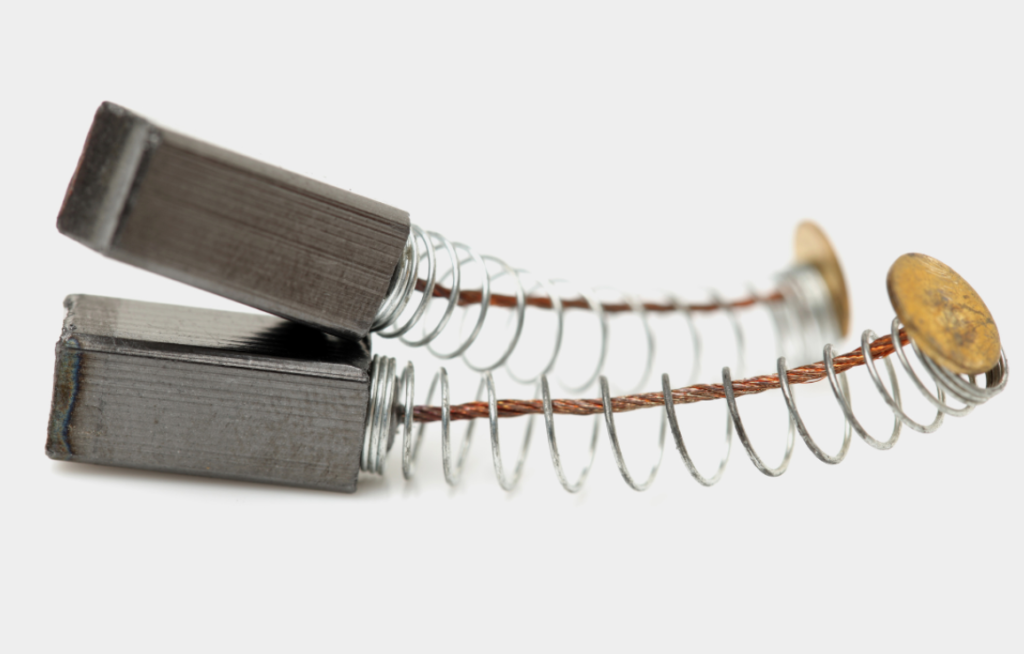
Carbon brush installation requires extremely high assembly precision, and subtle operational deviations will lead to abnormal motor operation, putting forward high requirements on the professional experience of maintenance personnel. The normal operation of carbon brushes depends on multiple precise matching parameters, including the sliding gap between the carbon brush and brush holder, the compression force of the positioning spring, and the vertical contact angle with the commutator surface. Each parameter has a strict standard range and cannot be randomly assembled.
If the installation gap is unbalanced or the contact angle is slightly deviated, the carbon brush will be in an eccentric friction state during high-speed sliding operation, resulting in serious partial wear. Unreasonable spring pressure will cause unstable contact between the carbon brush and commutator, triggering frequent commutation sparks and mechanical vibration. These abnormal problems will not only reduce carbon brush service life, but also cause jitter and power instability of the entire motor equipment.
Unlike ordinary mechanical parts that allow minor assembly errors, carbon brush assembly has almost zero tolerance for precision deviations. Novice operators without rich maintenance experience are prone to irregular installation operations, which cannot be identified in a short time, but will gradually induce various equipment faults in the subsequent operation process, increasing the difficulty of later troubleshooting and maintenance.
High-power industrial motors are usually equipped with multiple sets of carbon brushes, bringing great difficulties in uniform current distribution and overall debugging. To meet the high-current operation demand of large motors, manufacturers will design multiple groups of symmetrically distributed carbon brush structures to share the current load. However, affected by assembly errors, spring fatigue and tiny differences in carbon brush material density, it is difficult to ensure that all carbon brushes have completely consistent contact pressure and contact resistance.
In actual operation, individual carbon brushes with small contact resistance and large compression force will bear excessive current load, resulting in overload heating and accelerated wear. While other carbon brushes cannot give full play to their conductive performance, causing unbalanced current distribution of the whole motor. Maintenance personnel need to repeatedly detect, adjust spring pressure and calibrate the contact state of each carbon brush to achieve uniform current distribution, which greatly improves the complexity and time cost of equipment debugging.
Carbon brush operation will produce inevitable high-frequency friction noise and mechanical vibration, which is a prominent defect in high-silence precision application scenarios. When the motor runs at high speed, the carbon brush keeps sliding and rubbing against the rotating commutator, producing continuous high-frequency friction sound and subtle mechanical tremor. This inherent operating noise and vibration are negligible in ordinary industrial and construction equipment, but will become obvious functional defects in high-standard scenarios.
For precision instruments, office intelligent equipment and laboratory testing devices that require ultra-quiet and stable operating environments, the tiny vibration and continuous noise generated by carbon brush friction will interfere with the precision detection data and stable operation of the equipment. This defect makes brushed motors unable to be applied in high-precision silent equipment scenarios, further limiting the application range of carbon brush components.
Hidden Long-Term Operational Drawbacks of Carbon Brushes
Carbon brush wear is not an independent loss, and long-term operation will synchronously cause irreversible damage to the matching commutator, resulting in increased long-term equipment maintenance costs. In the working system of carbon brushes and commutators, the carbon brush is set as the wearable sacrificial part, but long-term high-frequency friction will still cause gradual wear on the precision copper surface of the commutator.
After long-term continuous operation, the commutator surface will produce uniform grooves, irregular pits and wear marks. These surface damages will destroy the smooth contact interface between the commutator and carbon brush, further worsening friction and conduction stability. In the later stage of equipment operation, simple carbon brush replacement can no longer restore the motor’s optimal performance.
Enterprises need to carry out professional turning processing and precision grinding repair on the worn commutator, and even replace the entire commutator assembly in serious cases. The maintenance cost and technical difficulty of commutator repair are far higher than carbon brush replacement, which greatly increases the long-term operational and maintenance investment of motor equipment and reduces the economic benefits of equipment operation.
Carbon brushes cannot support long-term maintenance-free operation, which limits the continuous working capacity of unattended and long-endurance equipment. The inherent wear and loss characteristics of carbon brushes determine that they are periodic consumable parts and must be inspected and replaced regularly. For conventional household and industrial equipment with convenient manual maintenance, regular replacement can meet the use demand.
However, in special scenarios such as unattended field monitoring equipment and long-endurance aviation equipment, manual regular maintenance is difficult to realize. The periodic replacement demand of carbon brushes forces these long-running devices to stop regularly for maintenance and part replacement. This shortens the continuous operation cycle of equipment, cannot meet the long-term uninterrupted working requirements of special equipment, and greatly restricts the operational efficiency and application value of high-end long-endurance devices.
Carbon brush material selection has extremely low fault tolerance, with no universal model applicable to all working conditions, bringing additional fault risks caused by improper selection. Different operating environments, load sizes and current intensities have strict matching requirements on carbon brush materials, including pure graphite, electrochemical graphite and metal graphite types, each with exclusive performance advantages and applicable scenarios.
There is no universal carbon brush that can adapt to all working conditions. Blindly selecting mismatched carbon brush models will directly lead to a series of faults such as rapid excessive wear, serious commutation sparks and continuous motor overheating. Once the material selection is wrong, not only the service life of carbon brushes is greatly reduced, but also the motor commutator and coil structure will be damaged in a short time, bringing unexpected equipment failure losses and maintenance costs.
Q&A Session
Q1: Why are carbon brushes unstable in extreme temperature and humidity environments?
Carbon brush conductive and lubricating properties depend on a stable surface graphite film and contact state. Dry environments destroy the self-lubricating film and accelerate wear, while humid environments cause commutator surface oxidation and increased contact resistance. Both extreme conditions break the balanced friction and conduction state, leading to overheating, sparking and rapid aging of carbon brushes.
Q2: What difficulties do multi-brush motors bring to daily maintenance?
Multi-group carbon brushes cannot achieve completely consistent contact pressure and resistance during installation and operation, easily causing uneven current distribution and local overload overheating. Maintenance personnel need repeated debugging and calibration to balance current load, which greatly improves maintenance difficulty and time cost, and unbalanced matching will also accelerate partial carbon brush aging.
Q3: What is the biggest hidden cost of long-term carbon brush use?
The biggest hidden cost is synchronous commutator wear. Long-term carbon brush friction will wear grooves and pits on the precision commutator surface. In addition to regular carbon brush replacement, users need to pay for commutator turning, grinding and repair work. The high cost of commutator maintenance far exceeds the cost of carbon brush replacement, forming long-term hidden operational expenses.
Q4: Why cannot carbon brushes realize long-term maintenance-free operation?
Carbon brushes are wearable sacrificial parts with limited service life and will gradually wear out with frictional operation. They require regular manual inspection and replacement. For unattended field equipment and long-endurance aviation devices that need uninterrupted operation, the periodic maintenance demand of carbon brushes forces equipment shutdown, making long-term continuous maintenance-free operation impossible.
Summary
In summary, carbon brushes have multiple inherent downsides in environmental adaptation, installation debugging and long-term operation that limit their application and stability. In terms of environmental adaptability, they are sensitive to temperature and humidity, prone to conductive carbon dust pollution, and poorly adapted to high-altitude low-pressure environments. In terms of installation and debugging, they require ultra-high assembly precision, bring great current balancing difficulties for multi-brush motors, and produce unavoidable friction noise and vibration. In long-term use, they cause synchronous commutator wear and high maintenance costs, fail to support maintenance-free long-cycle operation, and have low fault tolerance for material selection. These inherent drawbacks determine that carbon brushes are not suitable for high-cleanliness, ultra-quiet, extreme environment and long-endurance unattended equipment, requiring targeted optimization, precise selection and standardized maintenance to reduce operational risks.
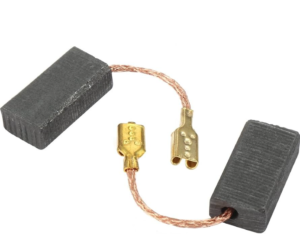
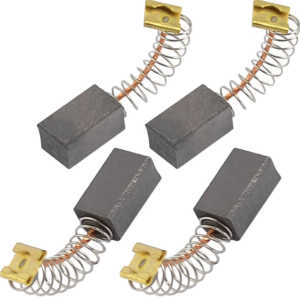
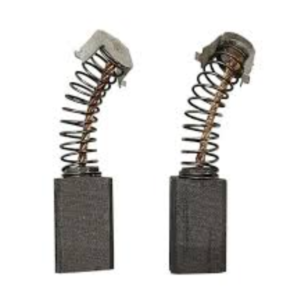
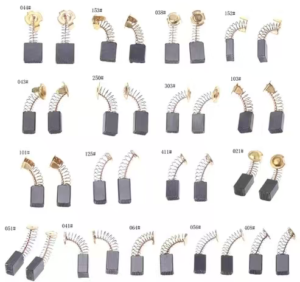
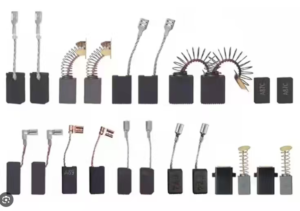
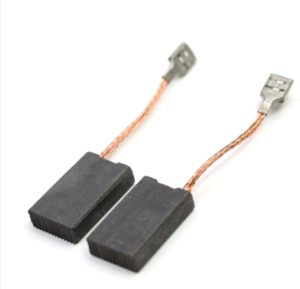
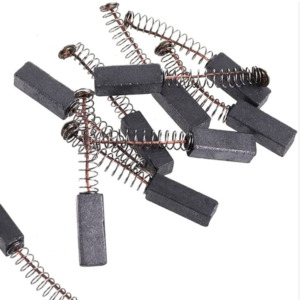
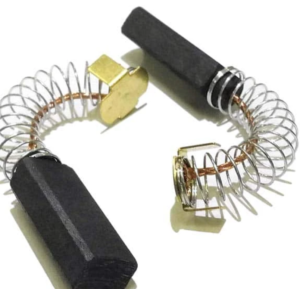
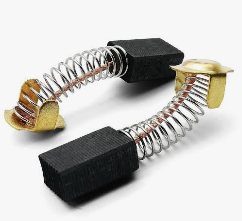
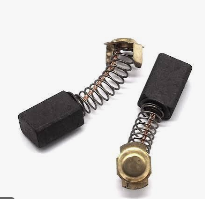
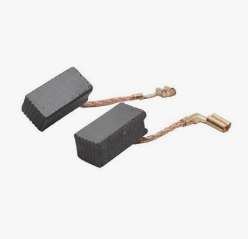
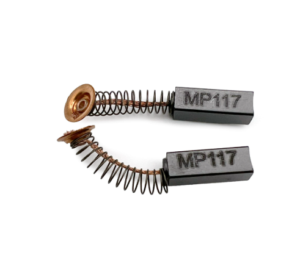
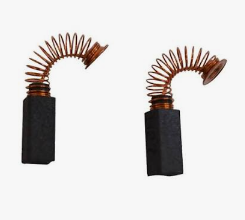
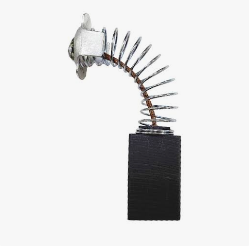
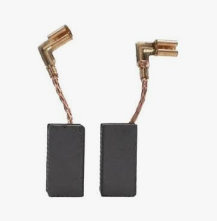
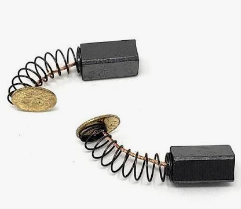
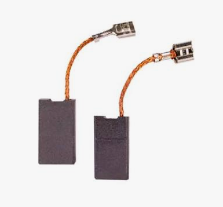
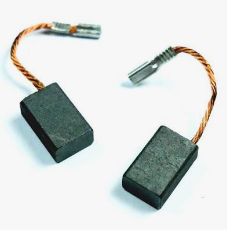
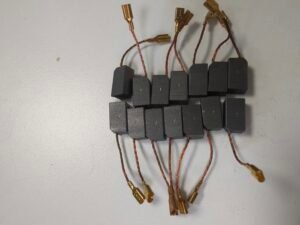
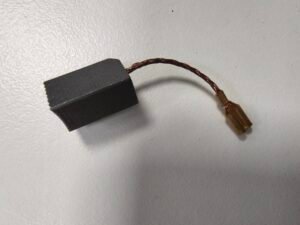
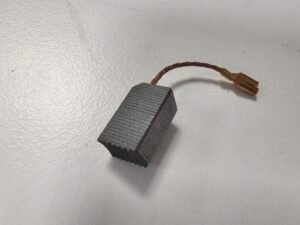
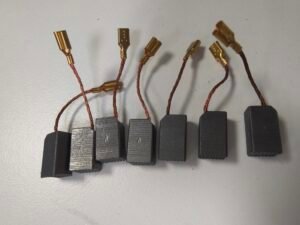
Carbon Brush for Sale:
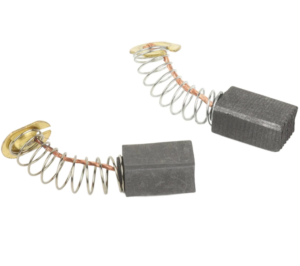
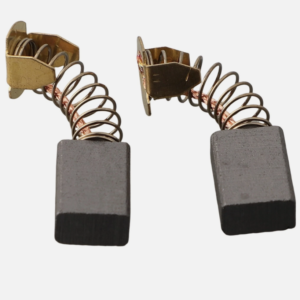
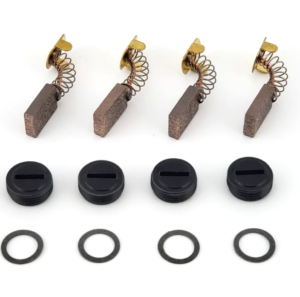
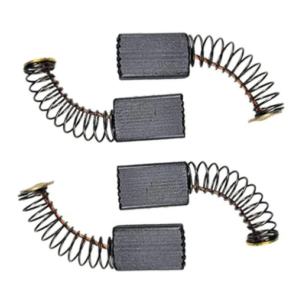
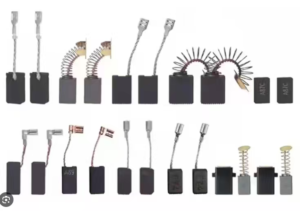
Post about Carbon Brush:
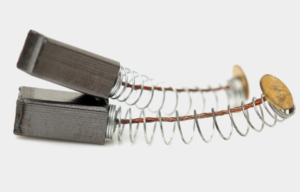
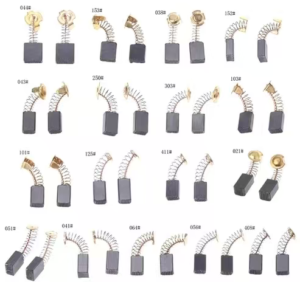
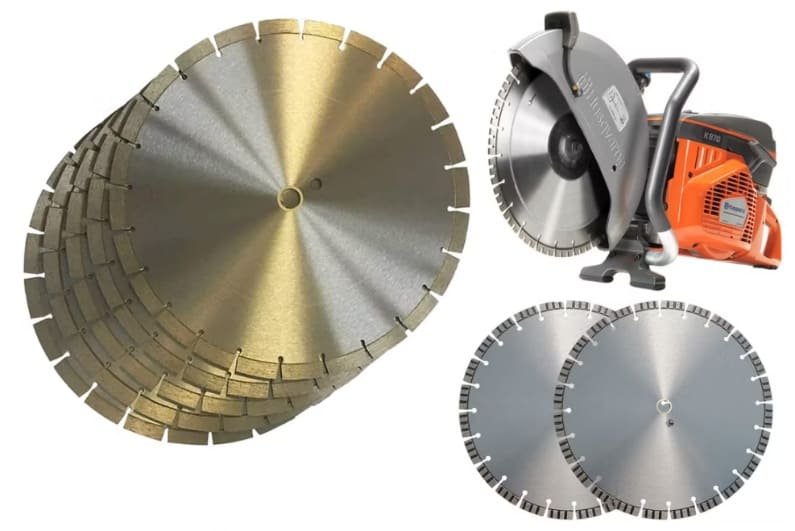
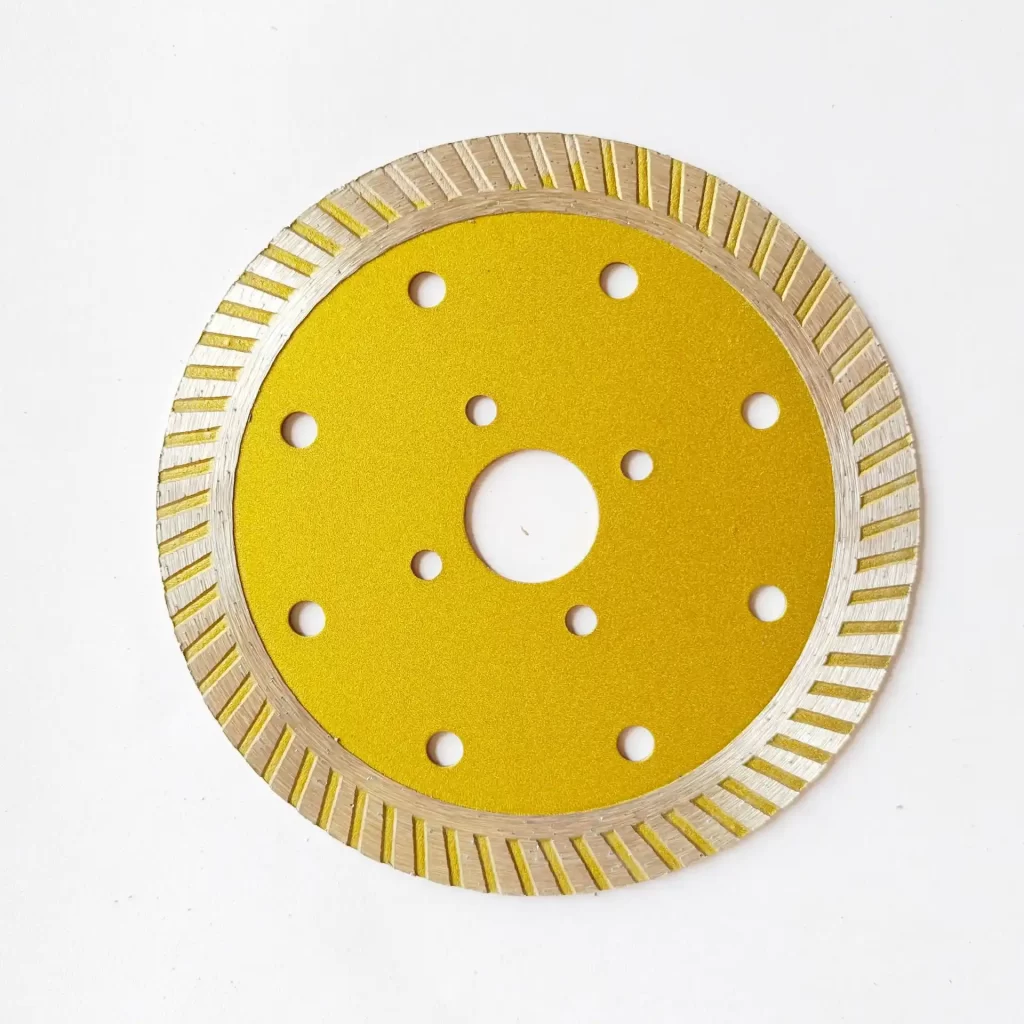
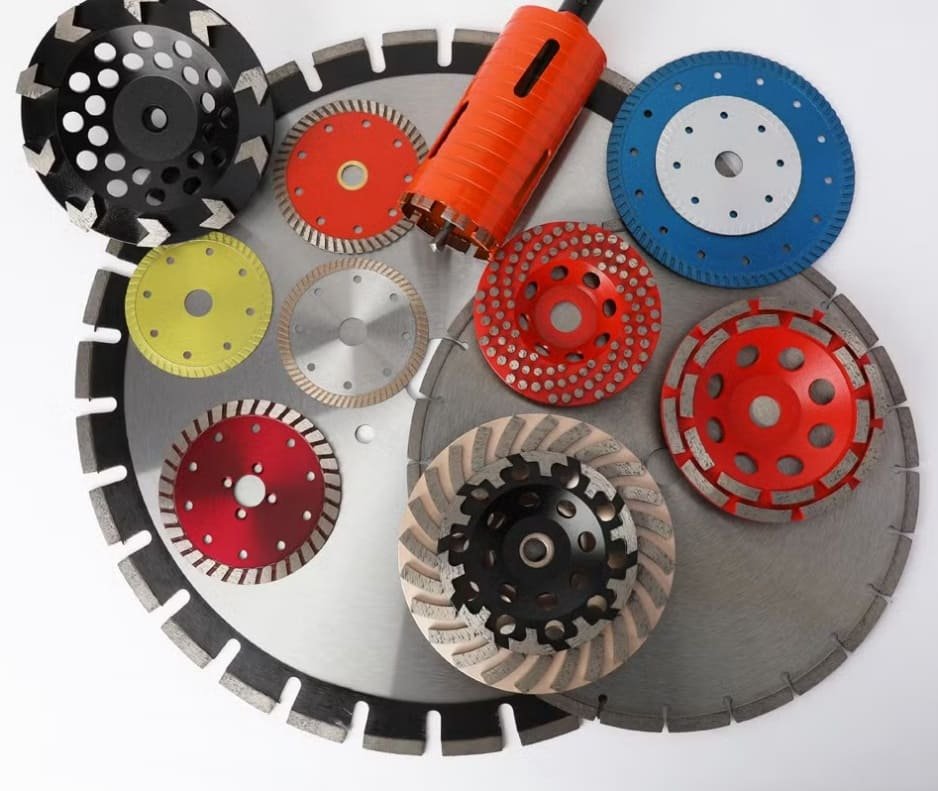
Diamond Blade

Welcome to call us
Contact Us to get quotation
Working Time: 8:00~17:00 Monday to Friday.
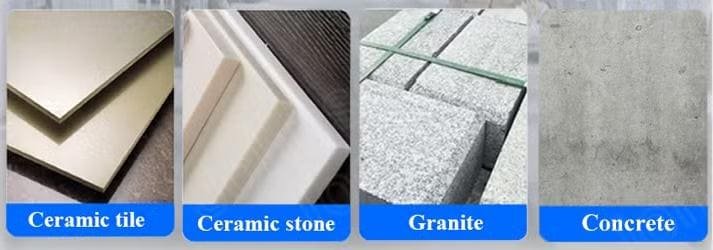
Applications:
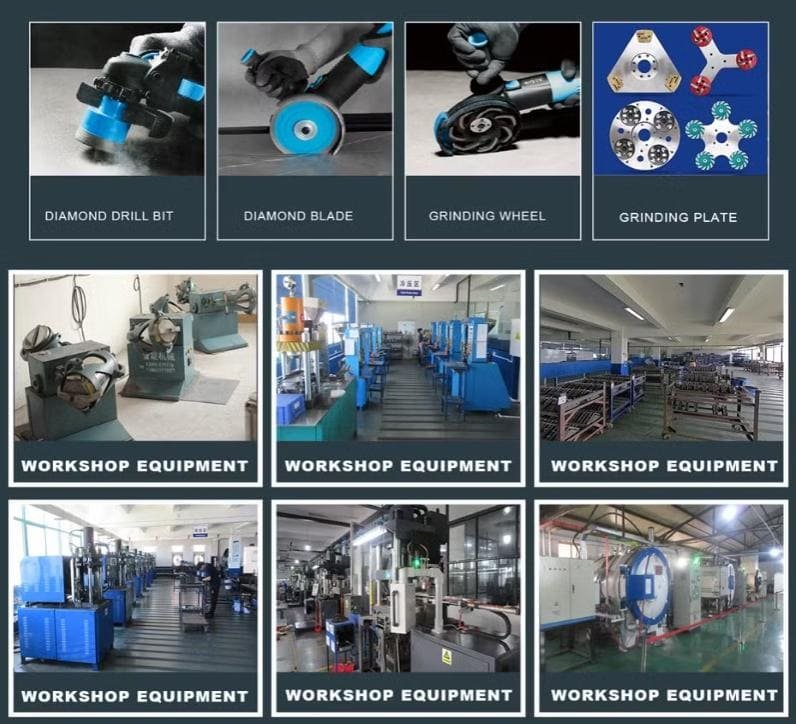
Factory:
FAQ
Welcome to call us
Contact Us to get quotation
Working Time: 8:00~17:00 Monday to Friday.