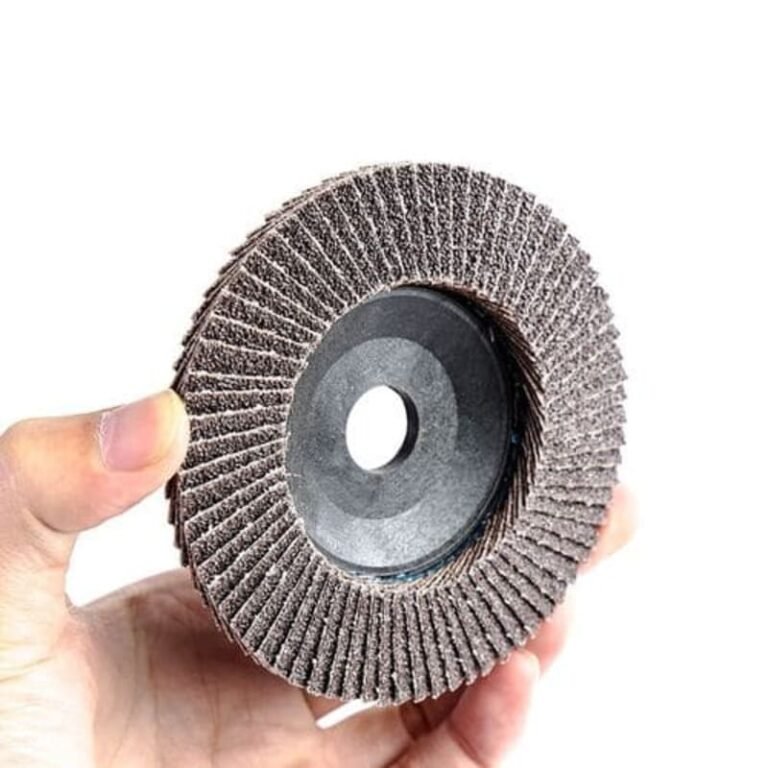
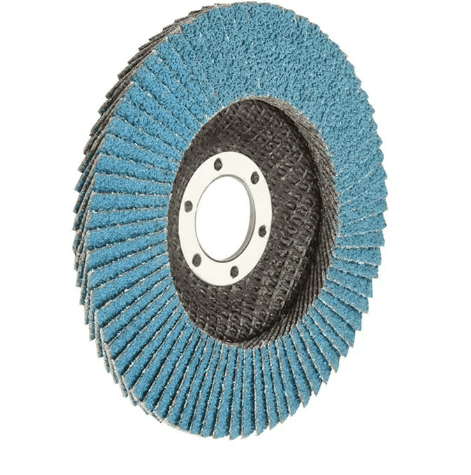
Zirconia flap disc for stainless steel
Specs
All can OEM and customize according to requirement:
Any size: 100×16 125X16 102×16 103×16
Any Material size: 24X27, 45pcs 24X27, 50pcs 21X18, 76pcs 27X15, 80pcs 27X17, 90pcs 27X16, 72pcs
Any Grit: 40/60/80/120
Zirconia flap disc for stainless steel description
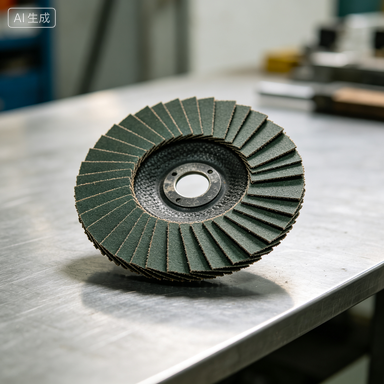
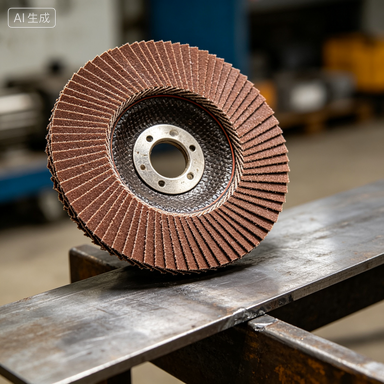
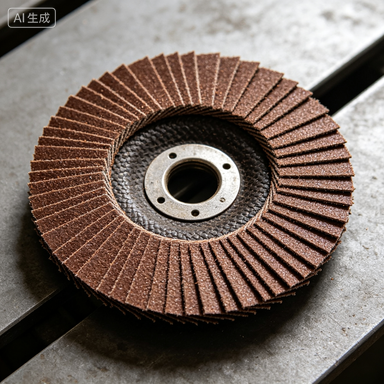
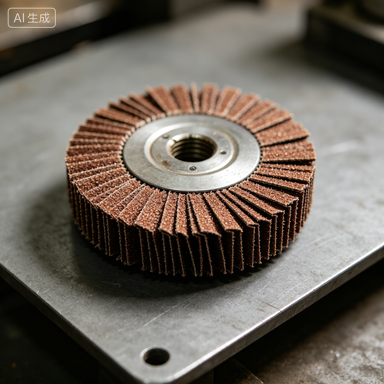
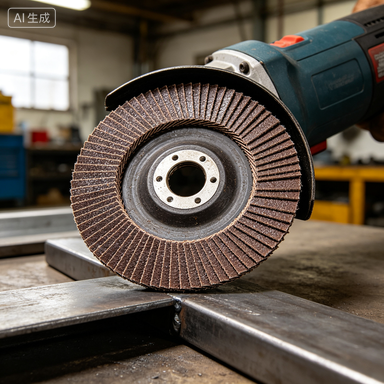
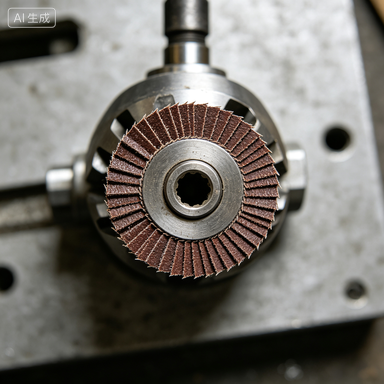
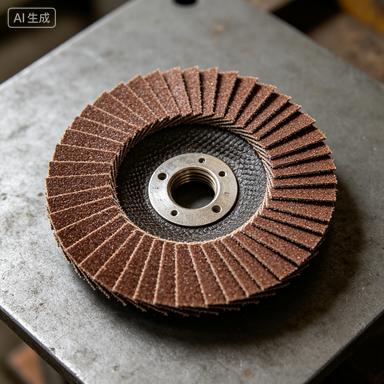
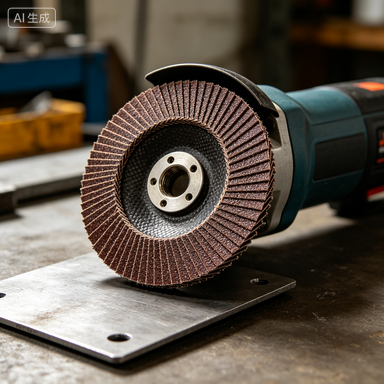
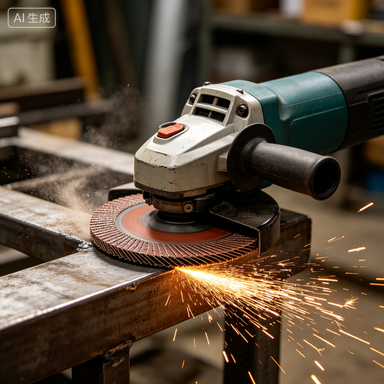
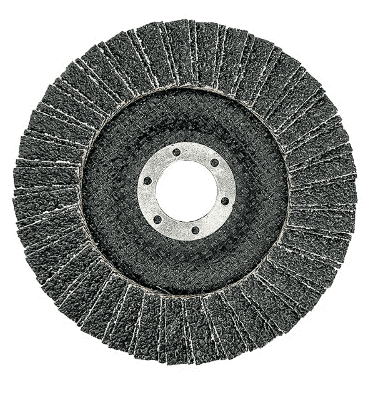
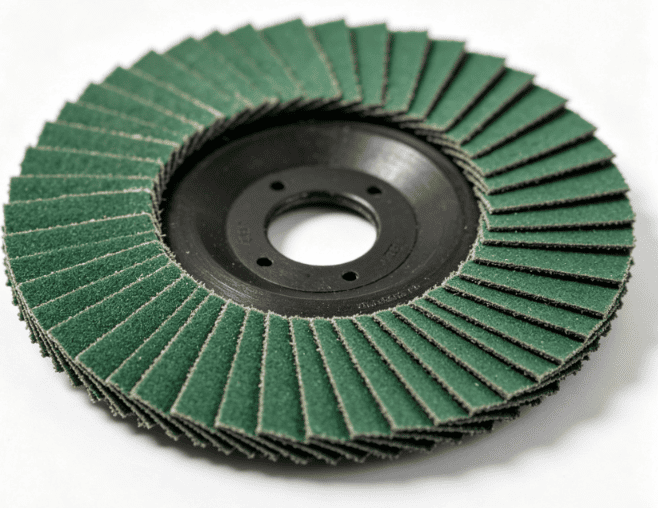
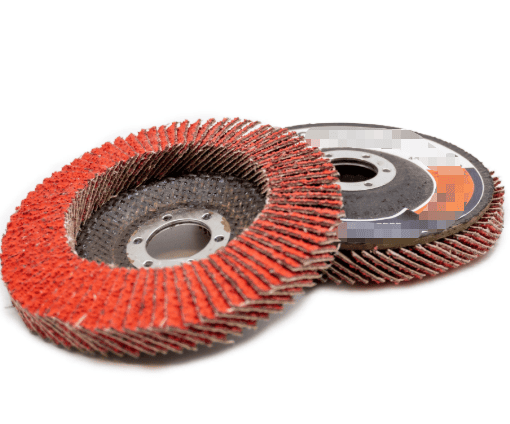
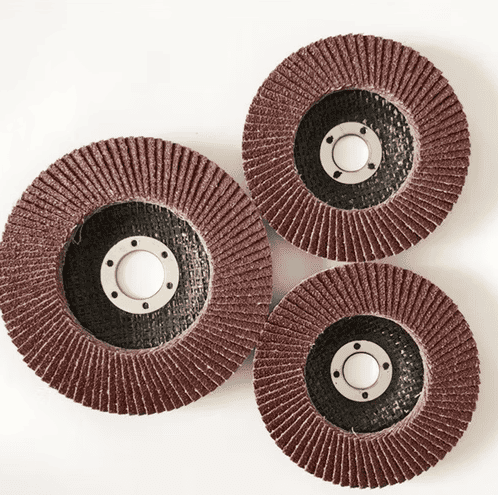
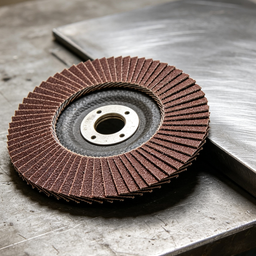
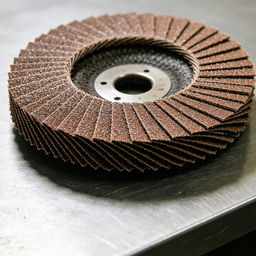
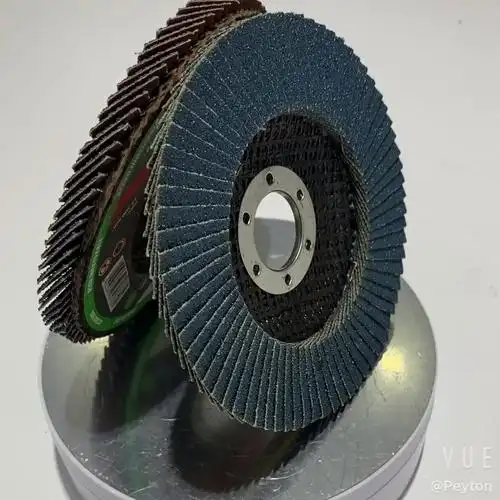
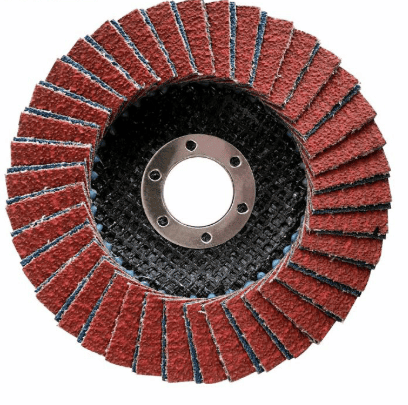
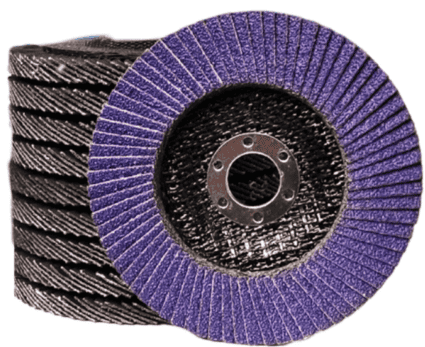
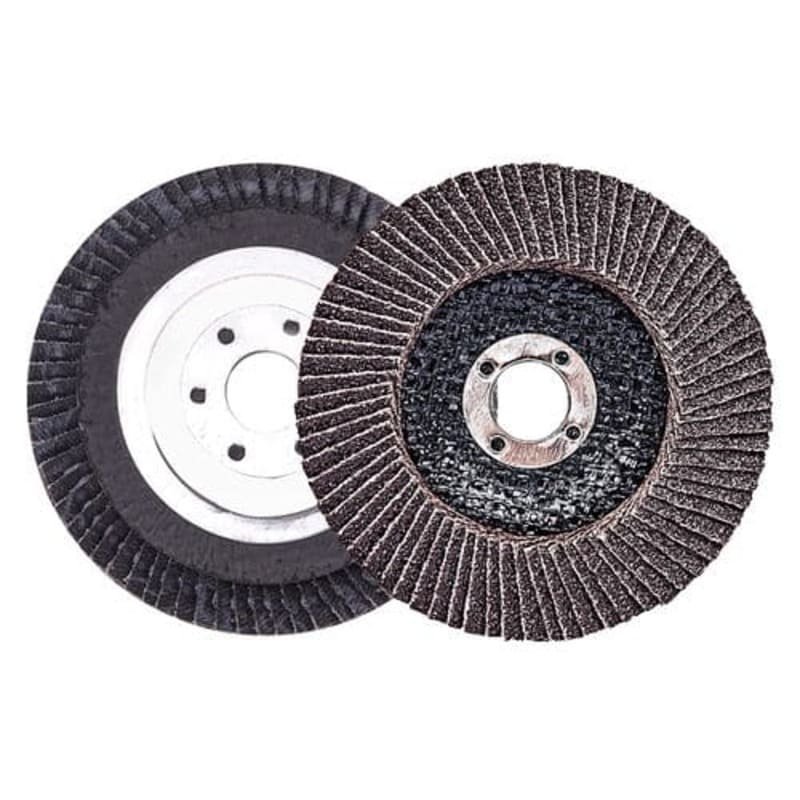
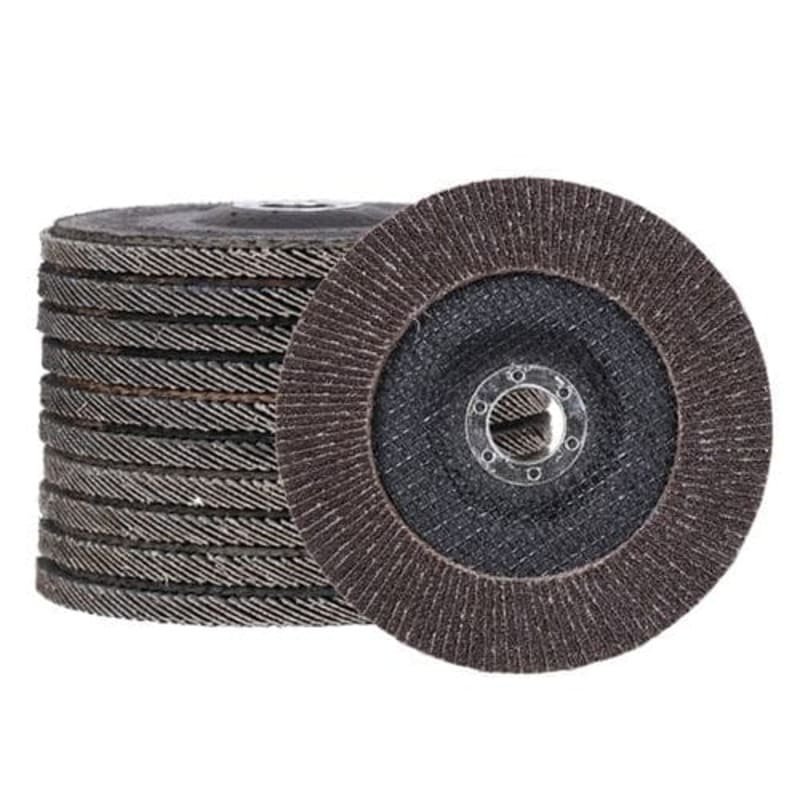
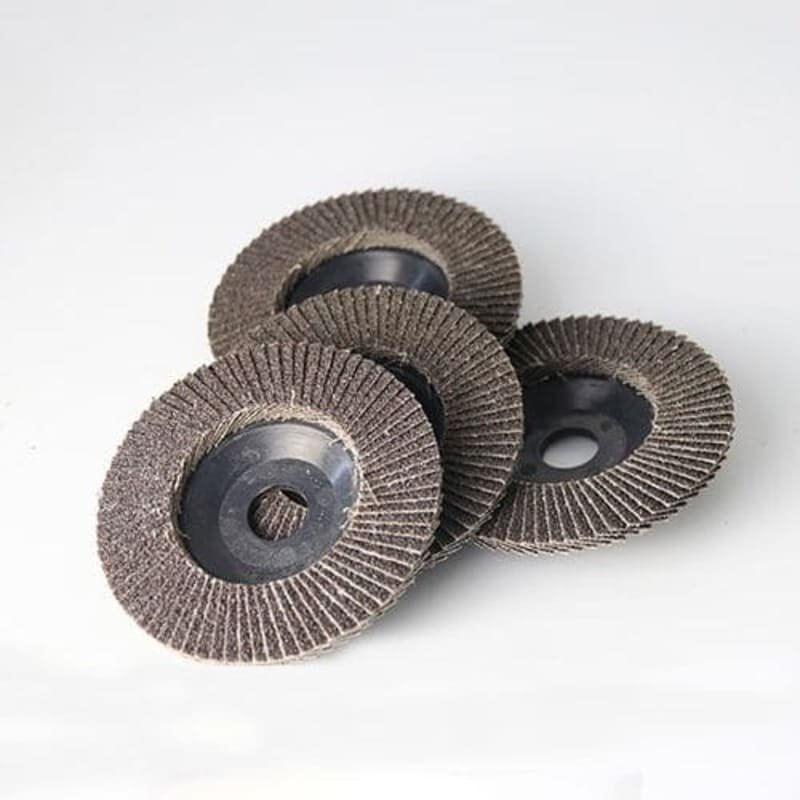
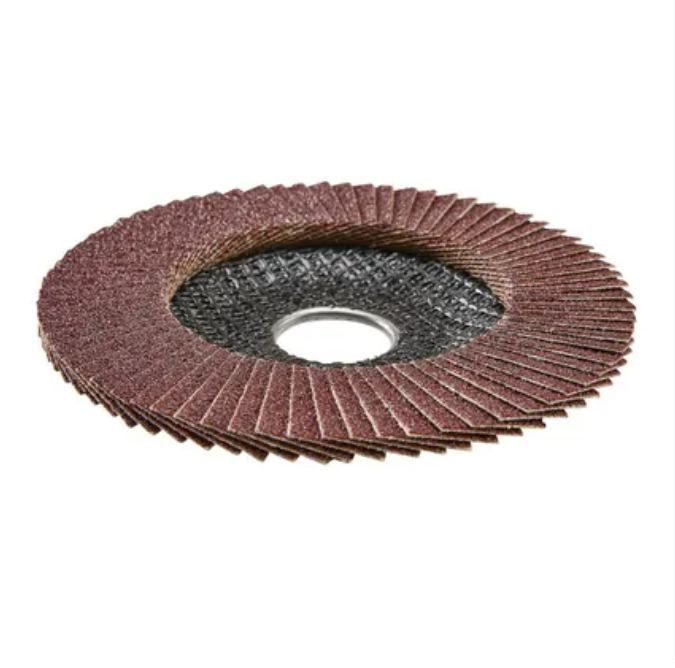
Actually, Zirconia flap disc for stainless steel is a specialized abrasive finishing and grinding tool tailored specifically for stainless steel material processing. It consists of overlapping zirconia alumina abrasive flaps bonded to a rigid backing plate—usually fiberglass or plastic—with a central mounting hole that works seamlessly with standard angle grinders. What’s great about it is that the self-sharpening zirconia grain runs cooler than common abrasives. This significantly reduces the risk of heat discoloration or warping that often damages stainless steel workpieces, all while providing consistent cutting performance throughout its service life.
What is Zirconia flap disc for stainless steel?
Simply put, it is a targeted abrasive tool engineered for surface treatment work on stainless steel. Unlike general-purpose flap discs, this tool uses zirconia alumina abrasive grains that are optimized for the hard, heat-sensitive characteristics of stainless steel. The overlapping flap design allows it to conform nicely to contoured surfaces, and it gradually wears to expose fresh abrasive grains, which effectively extends its working life. In practice, it is mostly used with hand-held angle grinders for a wide range of stainless steel processing tasks.
What is the Zirconia flap disc for stainless steel process?
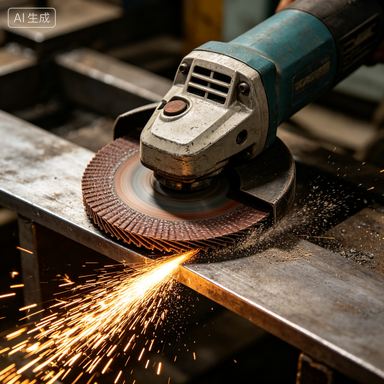
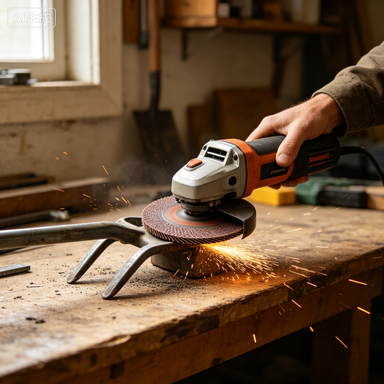
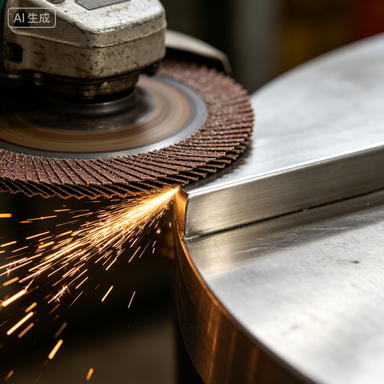
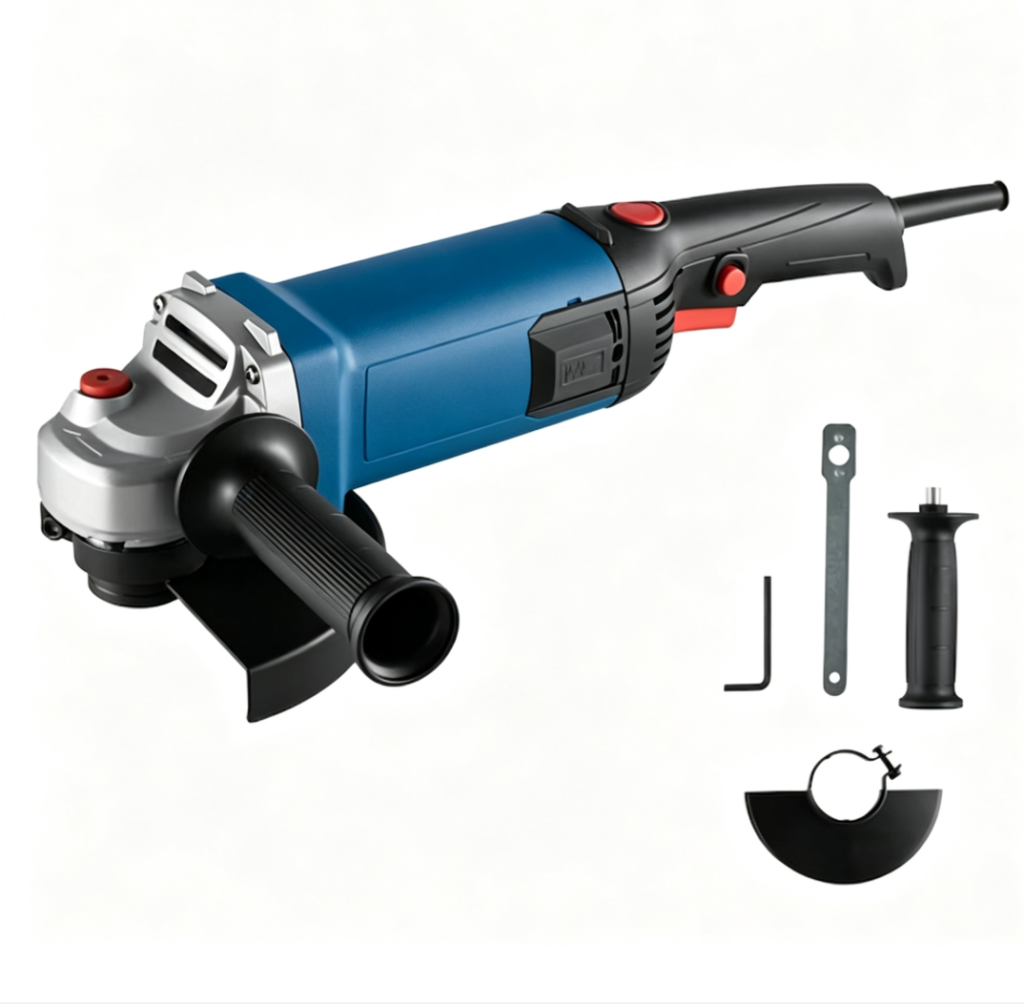
The application process when using the product follows these basic steps: First, you’ll want to firmly clamp the stainless steel workpiece and correctly mount the Zirconia flap disc for stainless steel to an angle grinder, then put on your personal protective equipment. Next, adjust the grinder to a speed that matches the disc’s rated maximum speed. Hold the grinder at a 15-30° angle to the workpiece and move the disc evenly across the surface with light, consistent pressure to complete tasks ranging from rough grinding to fine finishing. Finally, turn off the tool and wait for the disc to cool fully before removal.
What are the uses of Zirconia flap disc for stainless steel?
Its main uses include grinding weld seams on stainless steel structures, removing burrs and sharp edges from cut stainless steel workpieces, and blending surface unevenness. It’s also handy for stripping oxidation, rust, or old coatings from stainless steel surfaces, as well as shaping and contouring custom stainless steel parts. Additionally, it prepares stainless steel surfaces before subsequent polishing or coating processes. Experience shows that it is also widely used for pre-welding surface preparation of stainless steel workpieces.
What is the best Zirconia flap disc for stainless steel process?
The optimal process is really tailored to the specific task to balance efficiency, disc life, and workpiece quality. For rough grinding of heavy welds or large material removal, you can use a 36-60 grit disc at moderate speed. It’s recommended to maintain a 15-30° angle and light, consistent pressure to avoid overheating. For fine finishing, switch to 80-120 grit or higher, keeping the disc moving constantly to avoid gouges or heat discoloration. Always match the disc’s maximum speed rating to the grinder to ensure safety and consistent performance.
Zirconia flap disc for stainless steel process Application:
This application process is used across nearly all industries that process stainless steel. It is widely applied in metal fabrication workshops for processing stainless steel sheets, pipes, and custom components. In the automotive industry, you’ll find it used for finishing stainless steel exhaust systems and decorative trim. In construction, it helps with grinding and finishing stainless steel railings, structural welds, and building facades. It’s also valuable in shipbuilding for marine-grade stainless steel parts, and in kitchen appliance manufacturing for finishing stainless steel product bodies.
Zirconia flap disc for stainless steel Processing Technology:
The manufacturing processing technology for the product includes these core steps: First, zirconia alumina abrasive grains are produced via sintering and crushing, then sorted by grit size. Next, abrasive cloth is cut into strips, and the overlapping zirconia abrasive strips are bonded to a rigid fiberglass or plastic backing plate with high-temperature resistant adhesive. The assembly is cured under controlled temperature and pressure to ensure firm bonding. A central mounting hole matching standard angle grinder shafts is added, then finished products go through quality inspection for balance, grit uniformity, and bonding strength.
Guide to Zirconia flap disc for stainless steel
Here is a practical guide to getting the most out of this tool. First, select your grit based on the task: 36-60 grit is ideal for heavy material removal and weld grinding, while 80-120+ grit works best for fine finishing. Always inspect the disc for cracks or warping before use, and never use damaged discs. It’s important to confirm the disc’s maximum speed matches your angle grinder’s output speed to avoid breakage. When working, hold the grinder at 15-30°, apply light consistent pressure, and keep the disc moving to avoid stainless steel heat discoloration. Naturally, you should wear proper safety protection including goggles and a face shield. Finally, replace the disc when most abrasive flaps are worn to maintain efficiency.
What is the auxiliary equipment in a Zirconia flap disc for stainless steel plant?
Common auxiliary equipment in a manufacturing plant for this product includes adhesive mixing and automatic application systems for even bonding of flaps and backing plates. You’ll also find temperature-controlled curing ovens for curing bonded assemblies, and dynamic balancing testing equipment to ensure safe operation of finished discs. Grit sorting equipment is used to classify zirconia abrasive grains by size, while precision cutting machines handle cutting abrasive cloth and backing plates to required dimensions. Additionally, quality testing tools are essential for checking dimensions, bonding strength, and defects, along with automatic packaging equipment for sorting and packing finished products.
How to optimize Zirconia flap disc for stainless steel grinding efficiency?
To get the best results, start by selecting the proper grit for your task to avoid unnecessary extra passes. Match the disc speed to the task: moderate speed for rough grinding, and higher speed for fine finishing to reduce premature abrasive wear. It’s better to use light, consistent pressure instead of heavy force, as excessive pressure accelerates abrasive wear and causes harmful heat buildup on stainless steel, reducing efficiency. Keep the disc moving evenly across the workpiece to avoid localized uneven wear. Also, replace the disc in time when abrasive flaps are worn down, as worn discs can drastically slow grinding speed. Using a well-maintained angle grinder with sufficient power helps avoid speed drops under load.
Summary
Zirconia flap disc for stainless steel is a specialized high-performance abrasive tool designed for the unique heat-sensitive and hard properties of stainless steel. Its self-sharpening zirconia abrasive grains deliver consistent cutting performance, longer service life, and a lower risk of heat damage to workpieces compared to general-purpose abrasives. It supports a wide range of stainless steel processing tasks across multiple metalworking industries. By following proper selection and use practices, you can maximize its grinding efficiency and finished workpiece quality, making it a cost-effective solution for stainless steel surface treatment.
Features of Flap Disc – Core Advantages & Functional Characteristics
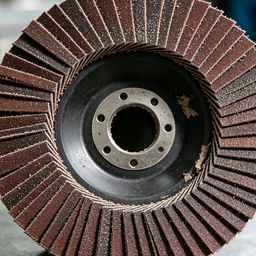
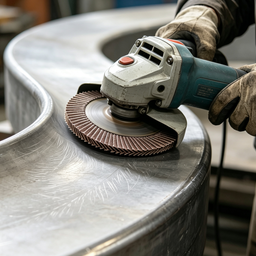
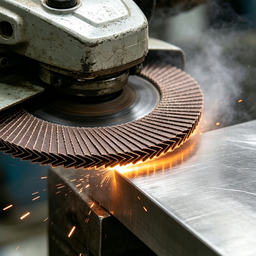
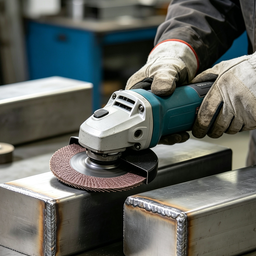
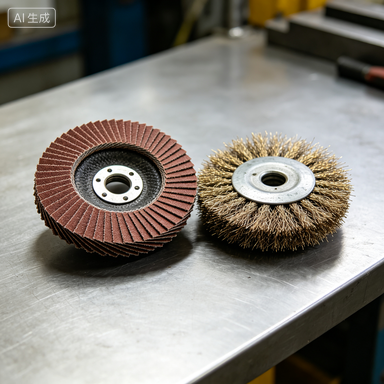
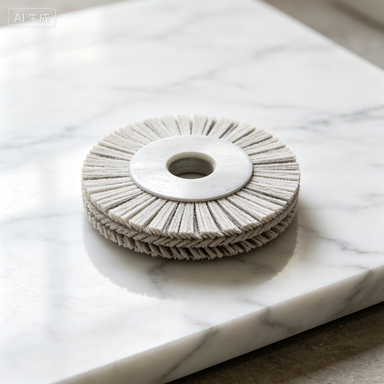
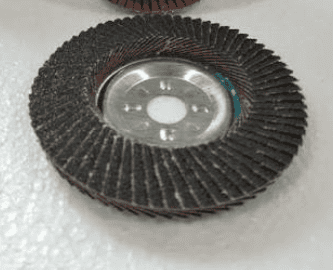
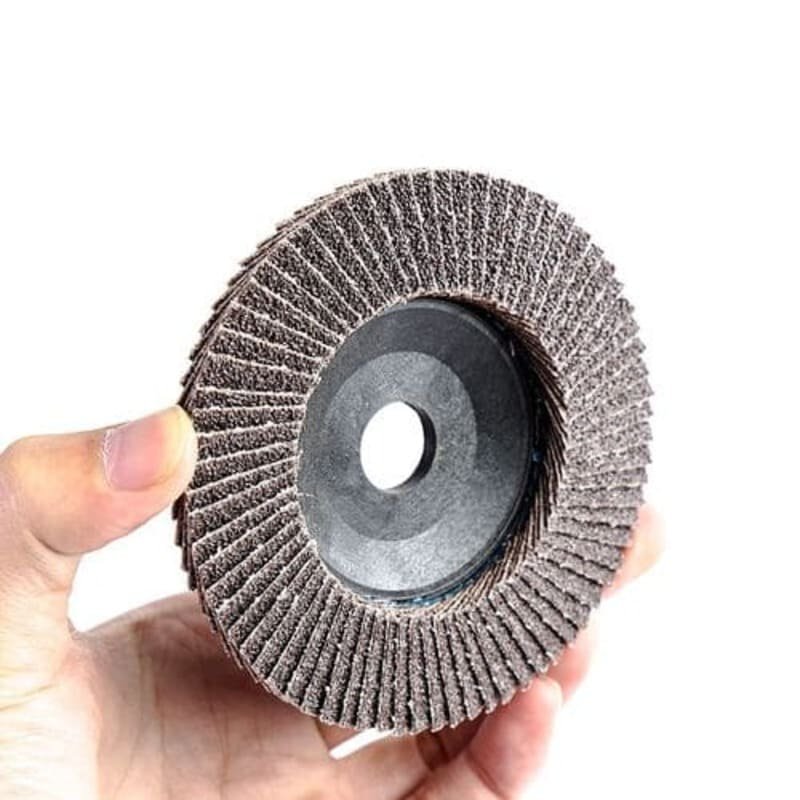
Flap discs are high-performance abrasive tools distinguished by their unique layered flap structure and multi-functional grinding capabilities. Different from conventional rigid grinding wheels, they consist of densely arranged overlapping abrasive flaps that wear evenly during operation, continuously exposing fresh sharp abrasive surfaces. This structural feature delivers long service life, stable cutting performance and consistent finishing effects throughout the entire usage cycle, avoiding sudden tool failure and uneven grinding quality.
Superior flexibility and surface adaptability are the most prominent features of flap discs. The flexible flap design allows perfect fitting on flat, curved, irregular and contoured workpieces. It effectively prevents deep grinding scratches, over-cutting and edge chipping that commonly occur with rigid grinding discs, enabling smooth blending and precise finishing on complex-shaped components. This makes it suitable for both rough material removal and fine surface polishing in one process.
Flap discs also feature low heat generation and anti-clogging performance. The gap between layered flaps enhances air circulation during high-speed rotation, efficiently dissipating grinding heat and protecting metal materials from burning, discoloration and thermal damage. Optimized abrasive grain arrangement prevents material accumulation and clogging, maintaining stable cutting efficiency when processing stainless steel, aluminum alloys and soft composite materials.
Lightweight structure, high working efficiency and cost-saving performance further highlight its practical value. It combines grinding, deburring, blending and polishing functions to simplify working procedures, reduce tool replacement frequency and lower overall processing costs. Reliable and easy to operate, the flap disc has become a universal and essential abrasive tool for modern industrial surface treatment.
Flap Disc Outer Packaging Method – Safe Packaging Solution for Abrasive Flap Discs
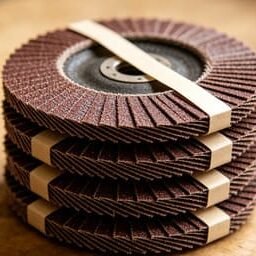
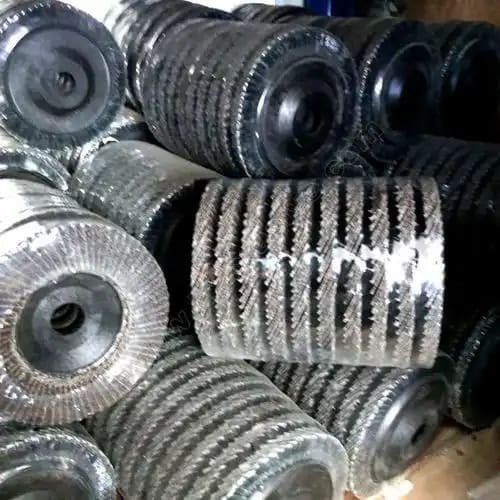
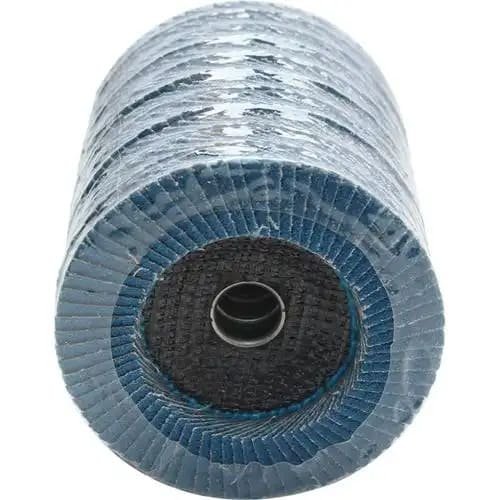
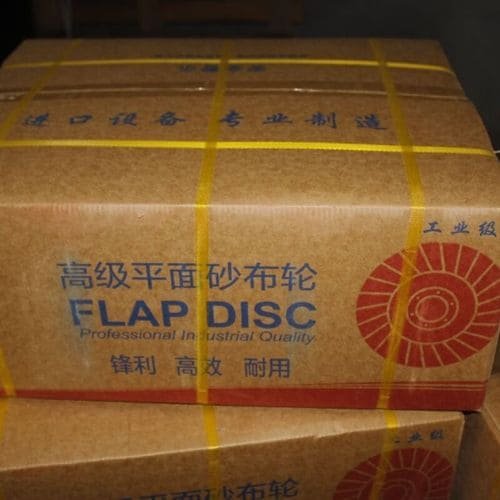
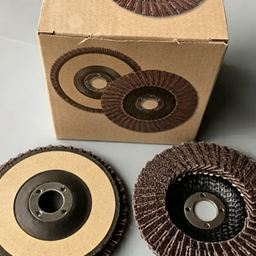
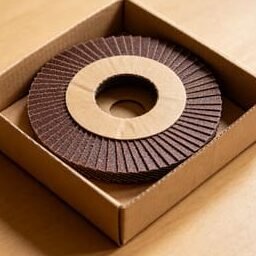
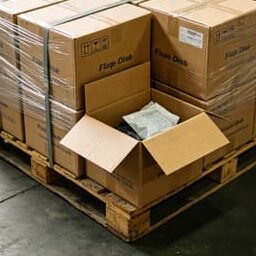

Proper outer packaging for flap discs plays a critical role in protecting abrasive surfaces, avoiding physical damage, preventing moisture contamination and keeping products intact throughout long‑distance sea or land transportation. Poor packaging often leads to bent backing plates, scratched abrasive flaps, moisture‑induced grit deterioration, and damaged disc edges, which cause product rejection when customers receive the goods. Understanding practical outer packaging methods helps maintain product quality and reduce logistics‑related losses for bulk export orders.
For small‑quantity retail‑oriented flap disc units, individual paper or plastic blister packaging is widely adopted. Each single flap disc is fitted with a central protective paper ring to shield the inner mounting hole from scraping and impact. Products are then placed into separate paper boxes or blister shells. This approach keeps every disc isolated, avoids friction between abrasive layers, and supports clear labelling for specifications, grit sizes and safety warnings. It suits small‑batch shipments, retail shelves and end‑user‑oriented sales channels.
When dealing with large‑volume wholesale and export shipments, discs are stacked neatly with separator paper sheets inserted between every two flap discs. The separators prevent direct contact between abrasive flaps, stopping scratches and flap deformation under stacking pressure. Stacked disc groups go into sturdy inner cartons first. Each inner carton fills with appropriate shock‑absorbing filler to eliminate internal movement. Multiple sealed inner cartons are then loaded into heavy‑duty outer corrugated export cartons. Reinforced corner protectors are added on carton edges, and carton seams get fully sealed with heavy‑duty packing tape. For extra‑heavy consignments, cartons are secured onto wooden pallets with stretch wrap and strapping bands. Palletised packaging improves loading‑unloading efficiency and lowers collision risks during container transport.
Special environmental protection steps cannot be ignored for outer packaging. Flap discs are sensitive to dampness. Moisture‑proof desiccant bags are placed inside each carton before sealing. Outer cartons should stay dry before packing. Storage‑and‑transport marks including moisture‑proof, fragile‑handling and stacking‑limit symbols are printed clearly on carton surfaces. Avoid over‑stacking beyond carton load capacity, otherwise bottom‑layer discs may suffer permanent deformation. When mixed‑grit‑grade discs are packed together, independent inner‑box grouping prevents specification confusion for receivers.
Choosing suitable outer packaging methods depends on order volume, transport distance and target‑market requirements. Retail‑focused orders lean toward individual‑unit packaging, while bulk export business relies on carton‑plus‑pallet packaging solutions. Well‑executed outer packaging preserves flap disc performance, cuts complaint rates and brings more reliable delivery experience for overseas buyers.
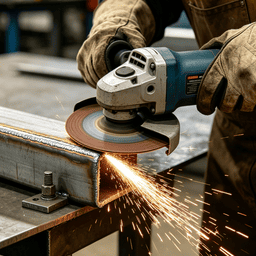
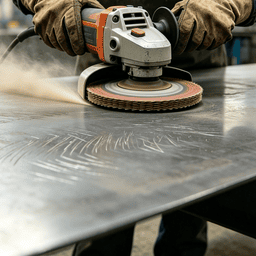

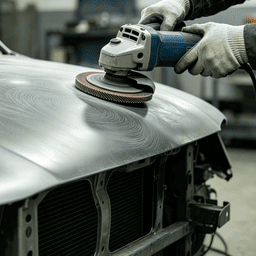
Flap Disc – Wide Industrial Applications for Grinding, Blending and Finishing
Flap discs are versatile abrasive tools widely used for industrial grinding, deburring, blending and surface finishing. Featuring overlapping abrasive flaps that continuously expose new cutting surfaces during operation, they deliver consistent polishing performance with long service life. Unlike traditional rigid grinding discs, flap discs adapt well to flat, curved and irregular workpiece surfaces, avoiding deep scratches and material over-cutting. They serve as essential processing tools across metal fabrication, automotive manufacturing, woodworking, shipbuilding and aerospace industries.
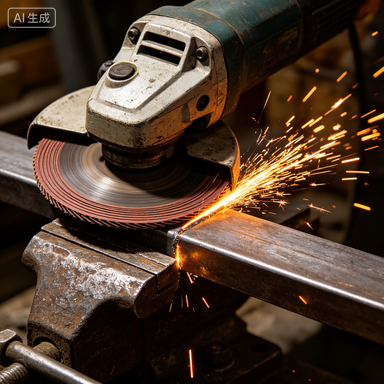
In metal processing, flap discs excel at removing weld seams, weld spatter, rust, mill scale and old paint layers. They effectively deburr sharp edges on steel plates, metal tubes and profiles, smoothing rough surfaces for subsequent welding, painting and coating treatments. Specialized flap discs are available for hard steel, stainless steel, aluminum alloy and titanium materials, preventing clogging and thermal damage while maintaining precise surface flatness.
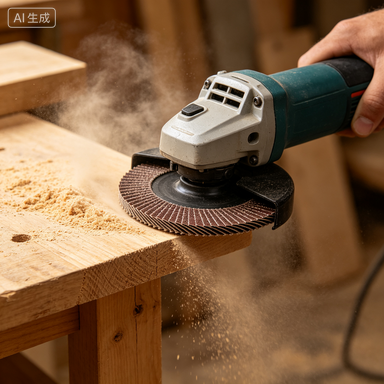
Beyond metalwork, flap discs have extensive applications in woodworking and composite processing. They shape wooden furniture, trim irregular edges and polish wood surfaces without causing excessive wear. In automotive and marine industries, they finish body panels, refine engine components and polish composite materials, achieving uniform matte and smooth surface effects. Their flexible structure ensures safe operation on intricate and contoured workpieces.
Lightweight, efficient and cost-effective, flap discs integrate rough grinding and fine finishing in one step. They reduce tool replacement frequency and improve overall processing efficiency. Suitable for both large-scale industrial production and small-batch precision finishing, they have become a preferred abrasive solution for modern surface treatment operations.
All can customize and OEM please contact us:
| NAME | SIZE | MATERIAL SIZE | BACKING | GRIDE | PACKAGE |
| Flap Disc | 100×16 | 21X17, 75pcs | Plastic backing black material color | 40 | 1pc with sticker, 20pcs/ color box, 200pcs/ctn |
| Flap Disc | 100×16 | 21X17, 75pcs | Plastic backing black material color | 60 | 1pc with sticker, 20pcs/ color box, 200pcs/ctn |
| Flap Disc | 100×16 | 21X17, 75pcs | Plastic backing black material color | 80 | 1pc with sticker, 20pcs/ color box, 200pcs/ctn |
| Flap Disc | 100×16 | 21X17, 75pcs | Plastic backing black material color | 120 | 1pc with sticker, 20pcs/ color box, 200pcs/ctn |
| Flap Disc | 100×16 | 21X17, 75pcs | Plastic backing black material color | 40 | 1pc with sticker, 20pcs/ color box, 200pcs/ctn |
| Flap Disc | 100×16 | 21X17, 75pcs | Plastic backing black material color | 60 | 1pc with sticker, 20pcs/ color box, 200pcs/ctn |
| Flap Disc | 100×16 | 21X17, 75pcs | Plastic backing black material color | 80 | 1pc with sticker, 20pcs/ color box, 200pcs/ctn |
| Flap Disc | 100×16 | 21X17, 75pcs | Plastic backing black material color | 120 | 1pc with sticker, 20pcs/ color box, 200pcs/ctn |
| Flap Disc, 5”, 72pcs | 125X16 | 27X15, 72pcs | Metal backing black material color | 40 | 1pc with sticker, 20pcs/ color box, 200pcs/ctn |
| 27X16, 72pcs | 60 | ||||
| 27X17, 72pcs | 80 | ||||
| 27X17, 72pcs | 120 | ||||
| Flap Disc, 5”, 80pcs | 125X16 | 27X15, 80pcs | Metal backing black material color | 40 | 1pc with sticker, 20pcs/ color box, 200pcs/ctn |
| 27X16, 80pcs | 60 | ||||
| 27X17, 80pcs | 80 | ||||
| 27X17, 80pcs | 120 | ||||
| Flap Disc, 5”, 90pcs | 125X16 | 27X15, 90pcs | Metal backing black material color | 40 | 1pc with sticker, 20pcs/ color box, 200pcs/ctn |
| 27X16, 90pcs | 60 | ||||
| 27X17, 90pcs | 80 | ||||
| 27X17, 90pcs | 120 | ||||
| Flap Disc | 100×16 | 21X17, 75pcs | Fiber backing black material color | 40 | 1pc with sticker, 20pcs/ color box, 200pcs/ctn |
| Flap Disc | 100×16 | 21X17, 75pcs | Fiber backing black material color | 60 | 1pc with sticker, 20pcs/ color box, 200pcs/ctn |
| Flap Disc | 100×16 | 21X17, 75pcs | Fiber backing black material color | 80 | 1pc with sticker, 20pcs/ color box, 200pcs/ctn |
| Flap Disc | 100×16 | 21X17, 75pcs | Fiber backing black material color | 120 | 1pc with sticker, 20pcs/ color box, 200pcs/ctn |
| Flap Disc, 5”, 72pcs | 125X16 | 27X15, 72pcs | Fiber backing black material color | 40 | 1pc with sticker, 20pcs/ color box, 200pcs/ctn |
| 27X15, 72pcs | 60 | ||||
| 27X16, 72pcs | 80 | ||||
| 27X17, 72pcs | 120 | ||||
| Flap Disc, 5”, 80pcs | 125X16 | 27X15, 80pcs | Fiber backing black material color | 40 | 1pc with sticker, 20pcs/ color box, 200pcs/ctn |
| 27X16, 80pcs | 60 | ||||
| 27X16, 80pcs | 80 | ||||
| 27X17, 80pcs | 120 | ||||
| Flap Disc, 5”, 90pcs | 125X16 | 27X15, 90pcs | Fiber backing black material color | 40 | 1pc with sticker, 20pcs/ color box, 200pcs/ctn |
| 27X16, 90pcs | 60 | ||||
| 27X17, 90pcs | 80 | ||||
| 27X17, 90pcs | 120 | ||||
| Flap Disc | 102×16 | 21X18, 76pcs | Metal backing Red Material color | 40 | 1pc with sticker, 20pcs/ color box, 200pcs/ctn |
| Flap Disc | 102×16 | 21X18, 76pcs | Metal backing Red Material color | 60 | 1pc with sticker, 20pcs/ color box, 200pcs/ctn |
| Flap Disc | 102×16 | 21X18, 76pcs | Metal backing Red Material color | 80 | 1pc with sticker, 20pcs/ color box, 200pcs/ctn |
| Flap Disc | 102×16 | 21X18, 76pcs | Metal backing Red Material color | 120 | 1pc with sticker, 20pcs/ color box, 200pcs/ctn |
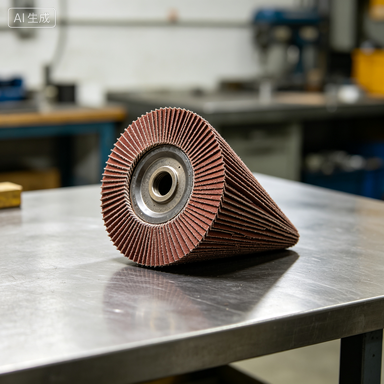
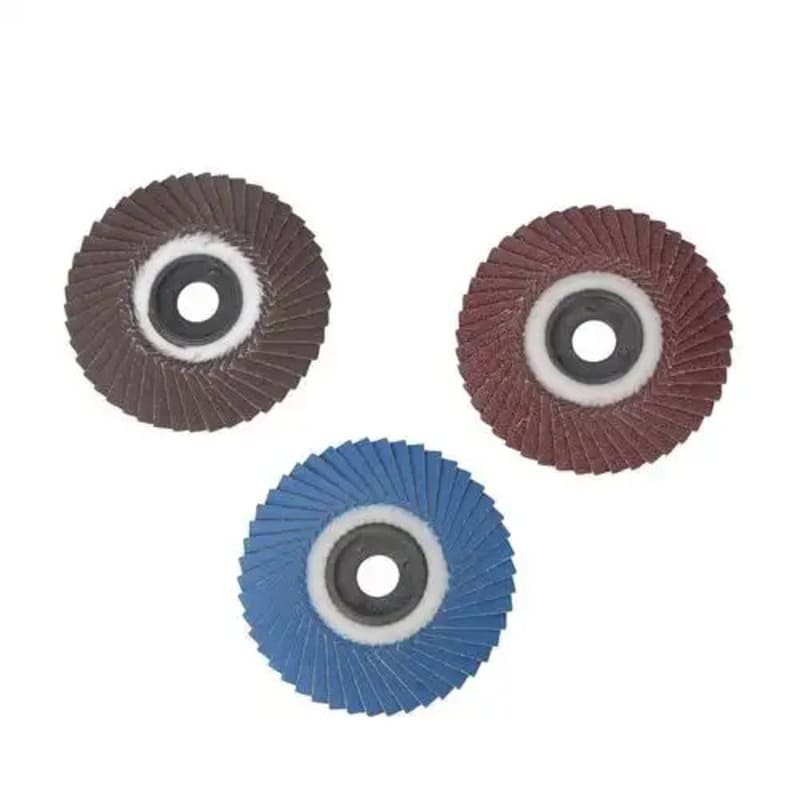
| Elastic Flap Disc | 103×16 | 24X27, 50pcs, | Plastic backing Red Material color | 40 | 1pc with sticker, 20pcs/ color box, 200pcs/ctn |
| Elastic Flap Disc | 103×16 | 24X27, 50pcs, | Plastic backing Red Material color | 60 | 1pc with sticker, 20pcs/ color box, 200pcs/ctn |
| Elastic Flap Disc | 103×16 | 24X27, 50pcs, | Plastic backing Red Material color | 80 | 1pc with sticker, 20pcs/ color box, 200pcs/ctn |
| Elastic Flap Disc | 103×16 | 24X27, 50pcs, | Plastic backing Red Material color | 120 | 1pc with sticker, 20pcs/ color box, 200pcs/ctn |
| Elastic Flap Disc | 103×16 | 24X27, 50pcs, | Plastic backing Red Material color | 220 | 1pc with sticker, 20pcs/ color box, 200pcs/ctn |
| Elastic Flap Disc | 103×16 | 24X27, 45pcs | Plastic backing Black Material color | 40 | 1pc with sticker, 20pcs/ color box, 200pcs/ctn |
| Elastic Flap Disc | 103×16 | 24X27, 45pcs | Plastic backing Black Material color | 60 | 1pc with sticker, 20pcs/ color box, 200pcs/ctn |
| Elastic Flap Disc | 103×16 | 24X27, 45pcs | Plastic backing Black Material color | 80 | 1pc with sticker, 20pcs/ color box, 200pcs/ctn |
| Elastic Flap Disc | 103×16 | 24X27, 45pcs | Plastic backing Black Material color | 120 | 1pc with sticker, 20pcs/ color box, 200pcs/ctn |
| Elastic Flap Disc | 103×16 | 24X27, 45pcs | Plastic backing Black Material color | 220 | 1pc with sticker, 20pcs/ color box, 200pcs/ctn |
| Elastic Flap Disc | 103×16 | 24X27, 45pcs | Plastic backing Black Material color | 40 | 1pc with sticker, 20pcs/ color box, 200pcs/ctn |
| Elastic Flap Disc | 103×16 | 24X27, 45pcs | Plastic backing Black Material color | 60 | 1pc with sticker, 20pcs/ color box, 200pcs/ctn |
| Elastic Flap Disc | 103×16 | 24X27, 45pcs | Plastic backing Black Material color | 80 | 1pc with sticker, 20pcs/ color box, 200pcs/ctn |
| Elastic Flap Disc | 103×16 | 24X27, 45pcs | Plastic backing Black Material color | 120 | 1pc with sticker, 20pcs/ color box, 200pcs/ctn |
| Elastic Flap Disc | 103×16 | 24X27, 45pcs | Plastic backing Black Material color | 220 | 1pc with sticker, 20pcs/ color box, 200pcs/ctn |
| Elastic Flap Disc | 103×16 | 24X27, 45pcs | Plastic backing Blue Material color | 40 | 1pc with sticker, 20pcs/ color box, 200pcs/ctn |
| Elastic Flap Disc | 103×16 | 24X27, 45pcs | Plastic backing Blue Material color | 60 | 1pc with sticker, 20pcs/ color box, 200pcs/ctn |
| Elastic Flap Disc | 103×16 | 24X27, 45pcs | Plastic backing Blue Material color | 80 | 1pc with sticker, 20pcs/ color box, 200pcs/ctn |
| Elastic Flap Disc | 103×16 | 24X27, 45pcs | Plastic backing Blue Material color | 120 | 1pc with sticker, 20pcs/ color box, 200pcs/ctn |
| Elastic Flap Disc | 103×16 | 24X27, 45pcs | Plastic backing Blue Material color | 220 | 1pc with sticker, 20pcs/ color box, 200pcs/ctn |
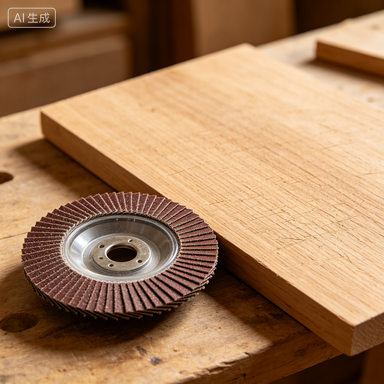
Flap Disc for Sale
Blender Blade for Sale
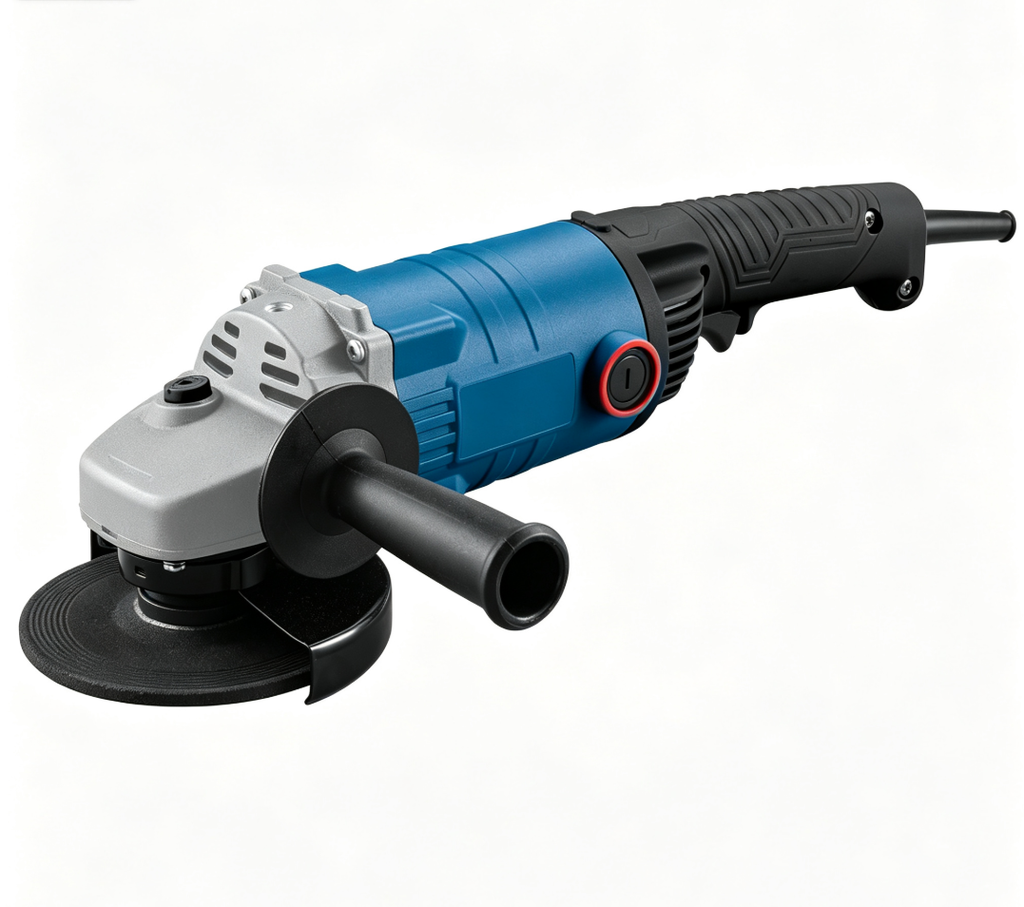
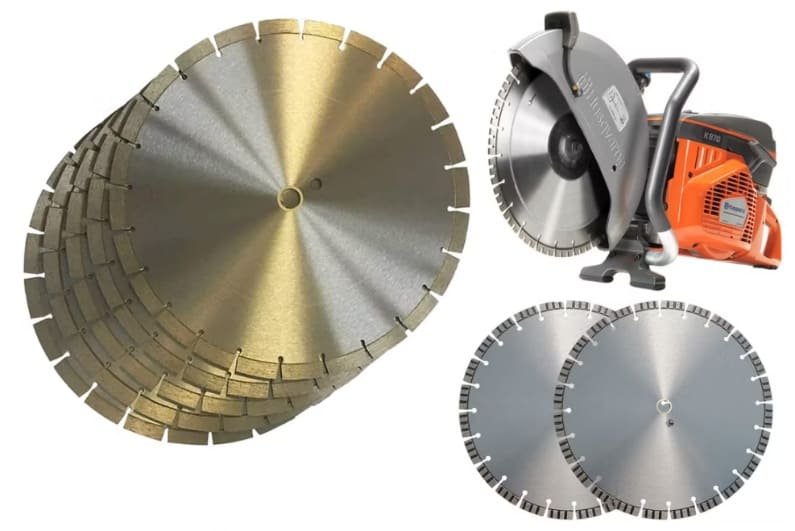
Diamond Blade for Sale
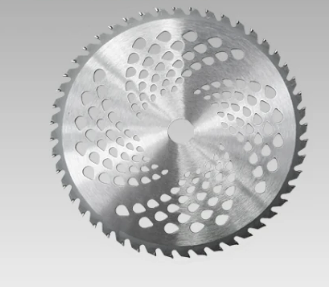
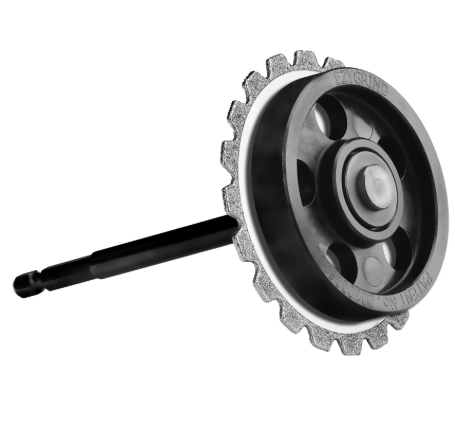

Demolition Hammer & Rotary Hammer for Sale
Welcome to call us
Contact Us to get quotation
Working Time: 8:00~17:00 Monday to Friday.
FAQ
Welcome to call us
Contact Us to get quotation
Working Time: 8:00~17:00 Monday to Friday.
Blogs:
You may also interest in other topics:
240kw EV Charger , ultrafine grinding mill , Filling and Capping , small grinder machine