How to tell if a diamond blade is good?
he Quality of Diamond Saw Blades Lies in the Details
When it comes to diamond saw blades, the difference between a high-quality product and a substandard one is typically determined by minor factors. While two blades may appear to be comparable at first appearance, their performance can differ significantly in real-world use. For those who aren’t specialists, identifying these distinctions may appear difficult, but by paying attention to a few important factors—such as segment alignment, weld seams, weight, and core hardness—you can quickly recognize a superior blade.
Understanding the Structure of Diamond Saw Blades
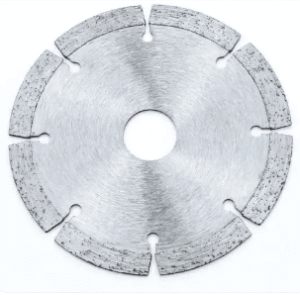
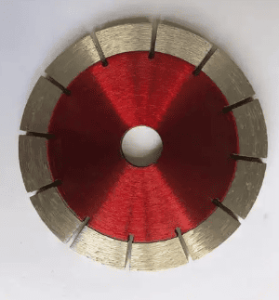
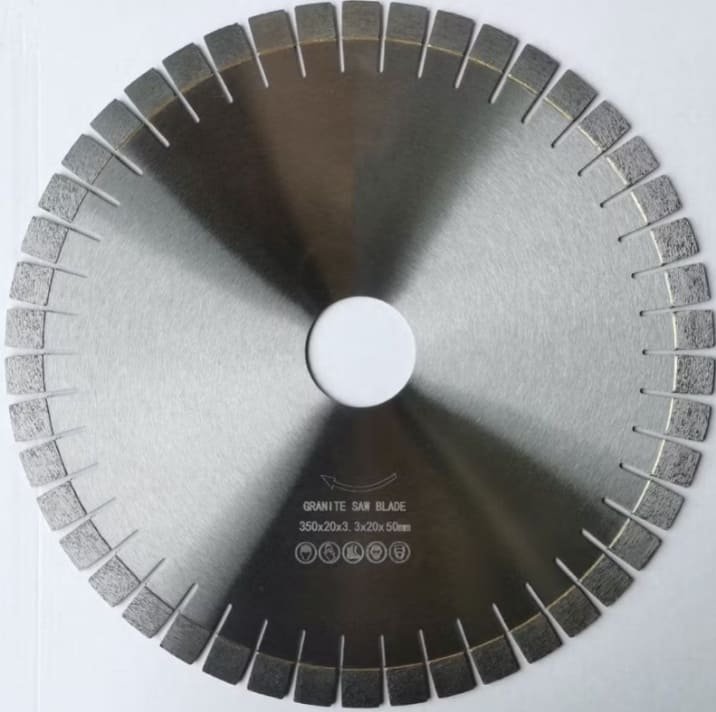
The two fundamental components of a diamond saw blade are diamond segments, also referred to as “teeth” or “blades,” and a steel core, also called a base. The diamond particles in these segments, which are joined to the core, carry out the actual cutting. Despite the fact that many blades seem to be the same, their structure and material quality affect how well they work. You can tell if a blade is made to last or will break under stress by looking at the small details.
Checking Segment Alignment
One of the first things to inspect is how evenly the diamond segments are arranged along the blade. High-quality blades have segments that are perfectly aligned in a straight line. If you notice any irregularities—such as some segments sticking out more than others or appearing misaligned—it’s a sign of inconsistent sizing. This misalignment can lead to uneven cutting, increased vibration, and even premature wear, ultimately reducing the blade’s lifespan and efficiency.
Inspecting Weld Seams and Core Bonding
Another critical factor is the weld seam where the diamond segments attach to the core. After brazing (a high-temperature welding process), a smooth, seamless bond should form between the segment’s curved base and the core. If there are visible gaps or unevenness in the weld, it means the bonding is incomplete, often due to improper grinding during manufacturing. A weak weld can cause segments to detach during high-speed cutting, posing a safety risk and ruining the blade’s performance.
Measuring Blade Weight
Weight is a reliable indicator of a diamond saw blade’s quality. A well-made blade should have a balanced weight that corresponds to its size and thickness. Heavier blades provide greater momentum during cutting, which helps maintain stability and reduces vibration. For example, a standard 350mm (14-inch) diamond blade should weigh around 2 kilograms (4.4 lbs), while a 400mm (16-inch) blade should be closer to 3 kilograms (6.6 lbs). If a blade feels unusually light, it may lack sufficient material density, making it more prone to bending or warping under stress.
Assessing Core Hardness
The hardness of the steel core is another important consideration. A high-quality core resists deformation, even under extreme heat and pressure during cutting. If the core is too soft, it can warp during welding or flex during use, leading to inaccurate cuts and reduced blade life. A good test is to check whether the blade remains perfectly flat after exposure to high temperatures—if it bends or twists easily, the core hardness is likely insufficient.
By focusing on these four key areas—segment alignment, weld quality, weight, and core hardness—you can confidently choose a diamond saw blade that delivers precision, durability, and efficiency. Remember, the best blades aren’t just about the diamonds; it’s the careful engineering behind every detail that makes them truly exceptional.
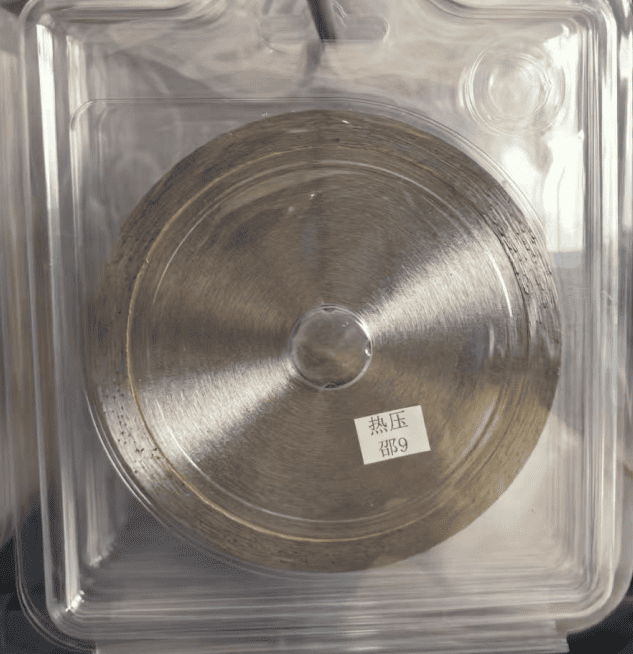
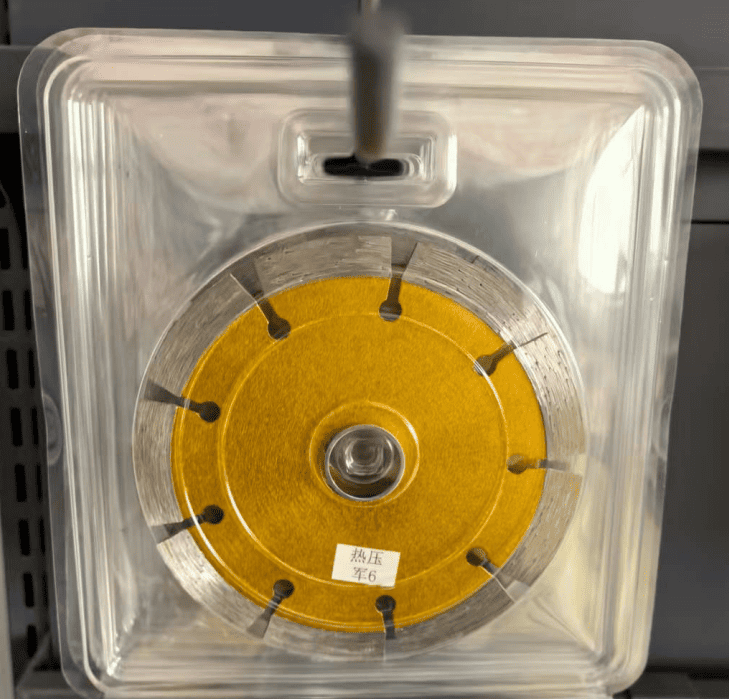
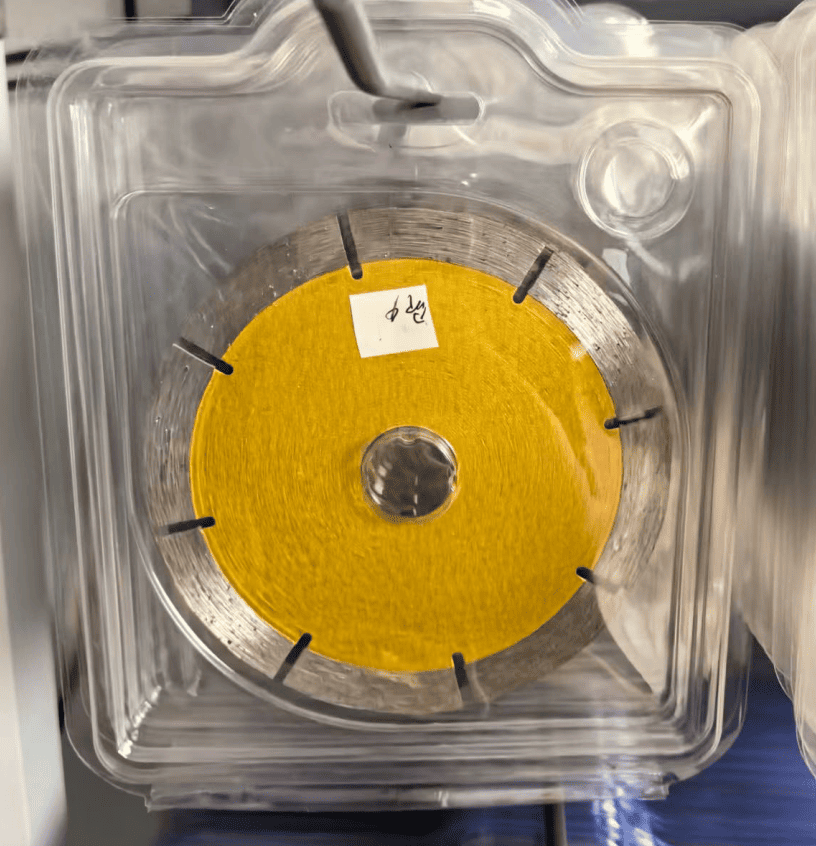
Diamond Blade for Sale:

Related Post about diamond blade
Di