Why are diamond blades so cheap?
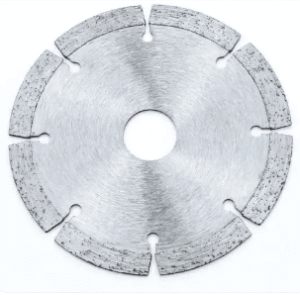
The materials and manufacturing procedures that go into making diamond cutting blades are directly related to their comparatively low cost. Let’s put it simply.
First, the raw materials are much cheaper than you might think. Industrial diamond cutting blades typically use synthetic diamonds, which cost only about one-tenth as much as natural diamonds. Synthetic diamond production has become highly efficient, allowing for mass production at a low cost. In contrast, natural diamonds are rare, and their prices are artificially inflated—partly due to marketing strategies by companies like De Beers, which have historically controlled the diamond market, especially for jewelry-grade stones.
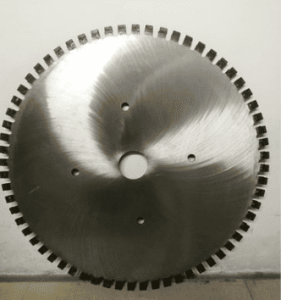
Second, there has been a simplification of the manufacturing process. Sintering, a low-cost technique that bonds diamond particles to a metal matrix (typically bronze), is used to create the majority of industrial diamond cutting blades. Additionally, improvements in blade design—such as continuous rim blades or turbo-style blades—have enhanced cutting efficiency while reducing production costs per unit.
Third, market competition has driven prices down. Advances in technology, particularly China’s six-anvil press technique, have made synthetic diamonds nearly indistinguishable from natural ones in appearance. This makes it difficult for consumers to tell the difference, weakening the premium pricing of natural diamonds. Moreover, industrial-grade diamonds often have poor color and high purity, further lowering their market value compared to gem-quality stones.
Why Are Diamonds So Cheap?
Many people assume diamonds are always expensive luxury items, but their prices vary widely depending on how they’re made and used.
1. Production Methods
Natural diamonds form deep underground and require extensive mining efforts, making them costly. However, synthetic diamond technology has advanced significantly, drastically reducing production costs and leading to a general decline in diamond prices.
2. Expanding Applications
Originally, diamonds were reserved for high-end uses like jewelry. But today, they’re widely used in industries like electronics, aerospace, and optics. As manufacturing techniques improve and demand grows in these sectors, diamond prices have continued to drop.
3. Advances in Synthetic Diamond Technology
Thanks to technological progress, lab-grown diamonds are now easier and cheaper to produce. While they may not match the quality of natural diamonds in some aspects, they meet industrial requirements at a fraction of the cost, making them a practical and economical choice.
4. Potential Risks
Although they are reasonably priced, buyers should exercise caution. Some small workshops may cut corners by using inferior materials, leading to low-quality or mislabeled products. To avoid these risks, consumers should purchase from reputable manufacturers with strong brand credibility.
In summary, the low cost of diamonds—especially industrial-grade ones—stems from efficient production methods, broader industrial applications, and the maturity of synthetic diamond technology. However, buyers should still be mindful of quality and choose trusted suppliers to ensure they get reliable products.
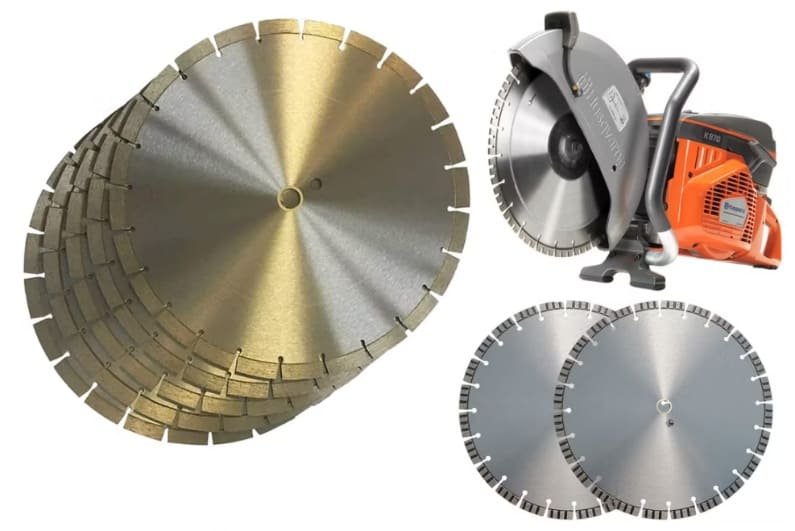
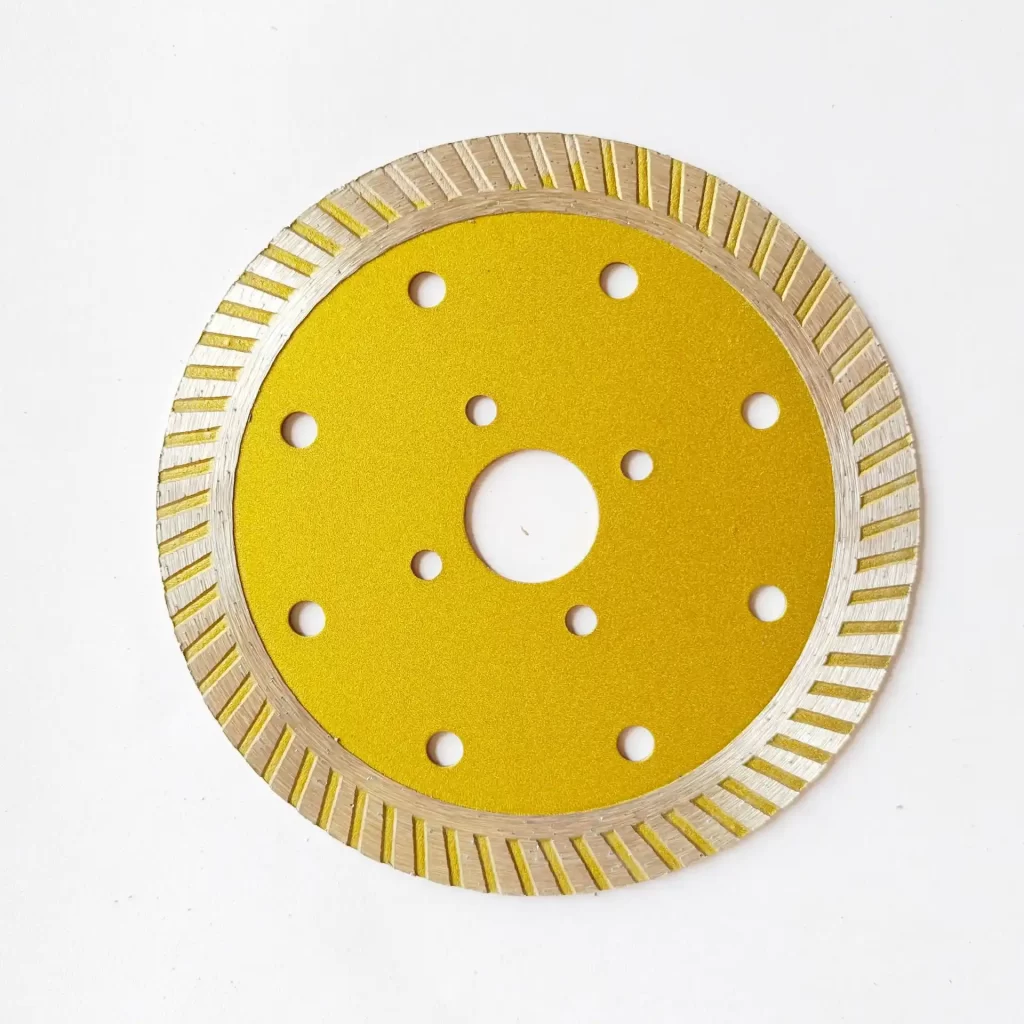
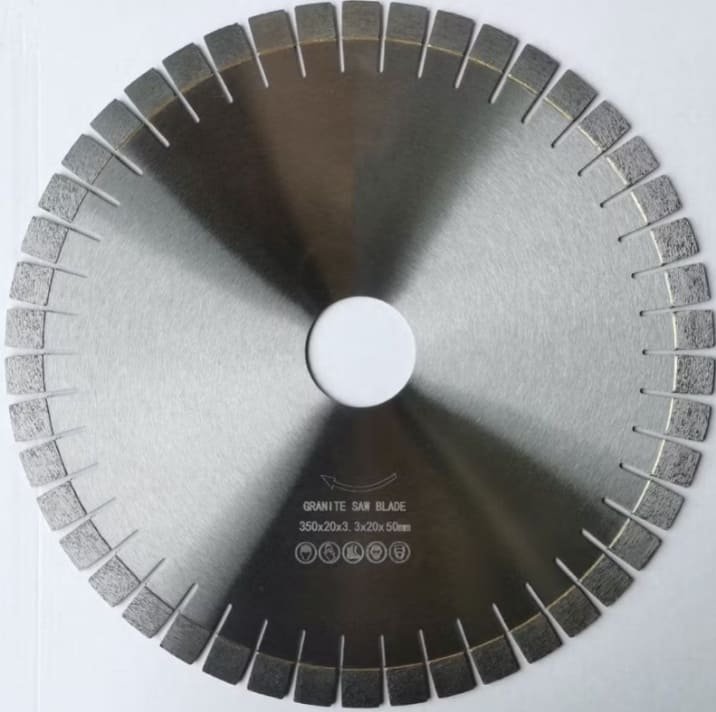
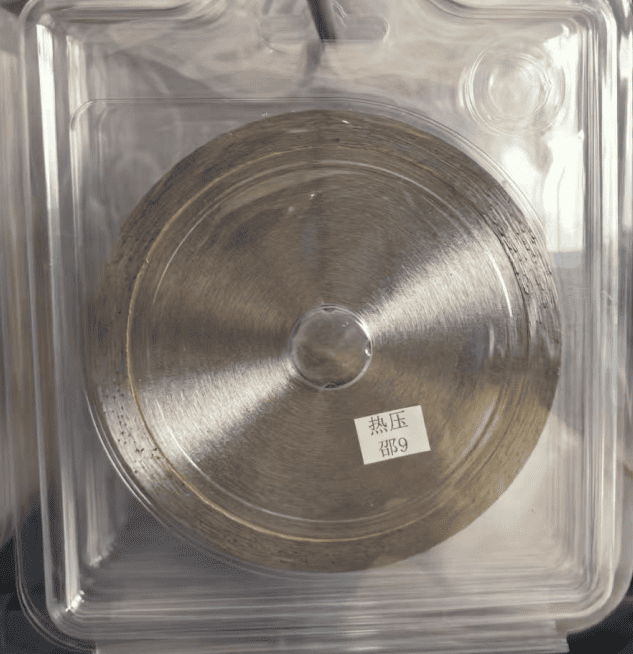
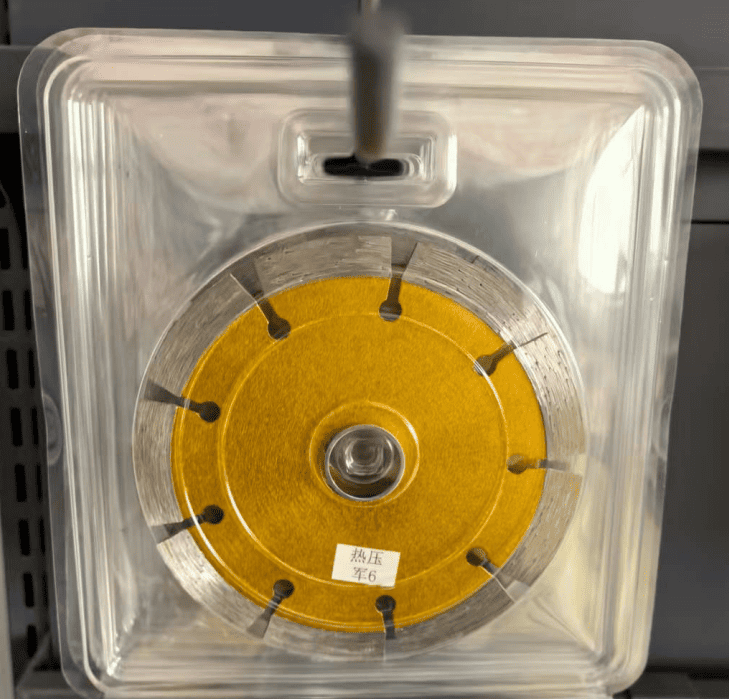
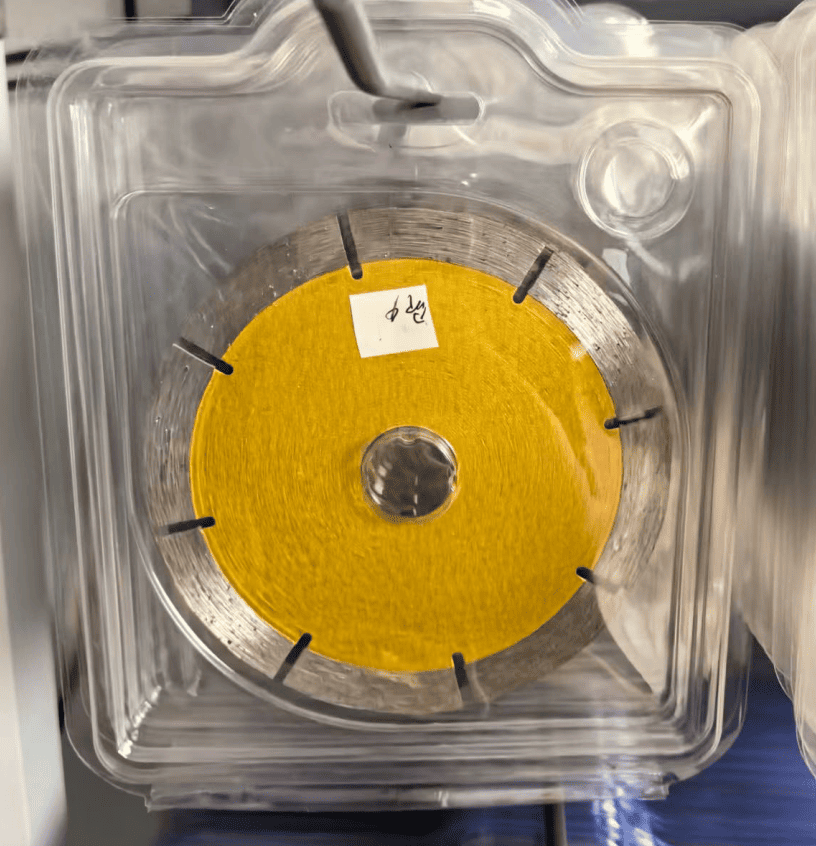
Diamond Blade for Sale:

Related Post about diamond blade
Di