How to Use a Flap Disc on Angle Grinder?
How to Use a Flap Disc on Angle Grinder?
How to Use a Flap Disc on Angle Grinder? Running a flap disc on an angle grinder isn’t just about slapping the disc on and pulling the trigger. You’ve got to follow basic safety rules and solid technique to get consistent material removal, clean finishes, and avoid hurting yourself or messing up your work. Flap discs are super versatile—they work for grinding, blending, deburring, and finishing on metal, wood, plastic, and composites—so they show up everywhere from fabrication shops to auto repair bays to construction sites. Mess up how you use them, though, and you’re looking at disc failure, kickback, or super uneven results. Even if you’ve been running grinders for years, it’s worth making sure you’ve got the setup and operation basics down.
Core Working Principles of Flap Discs
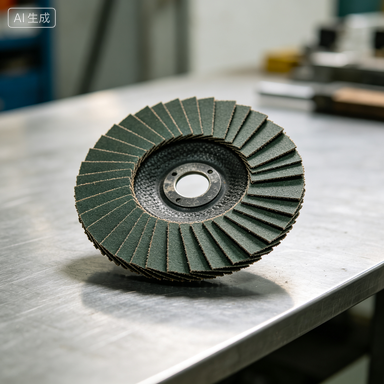
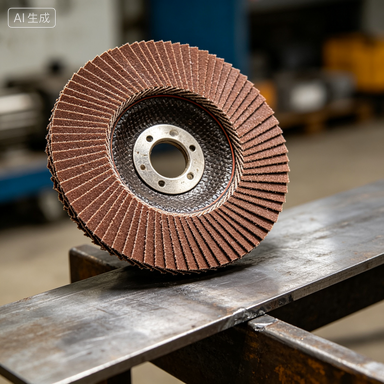
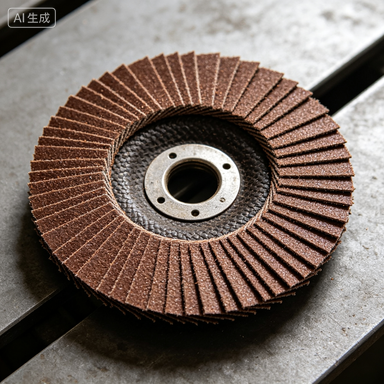
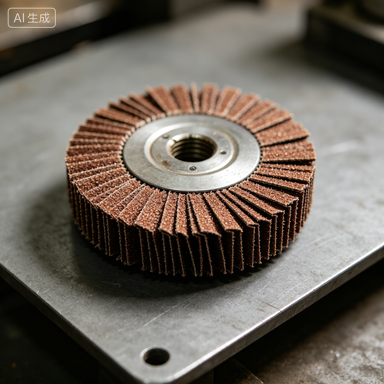
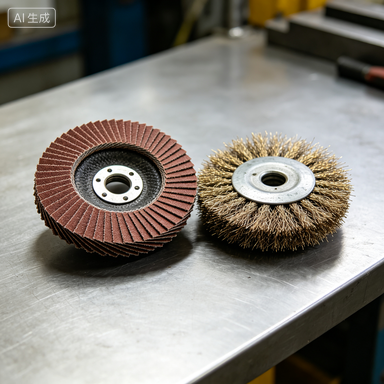
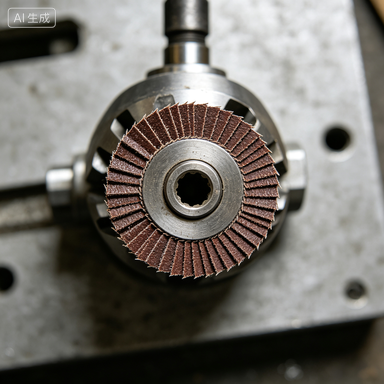
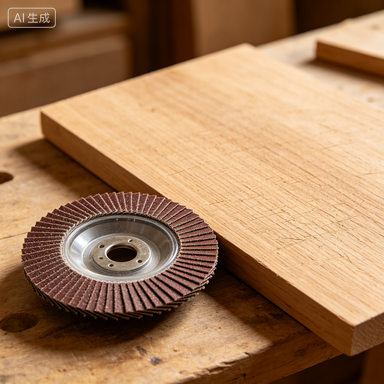
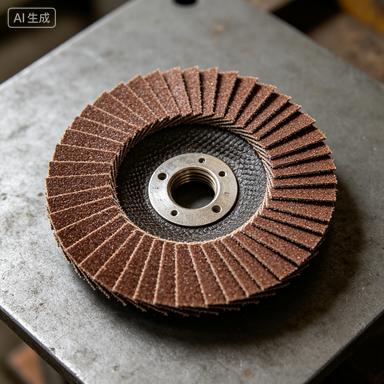
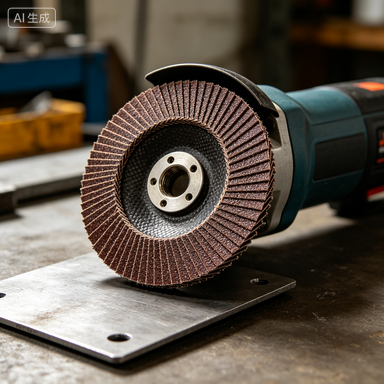
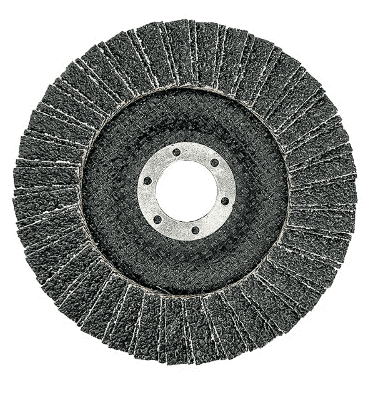
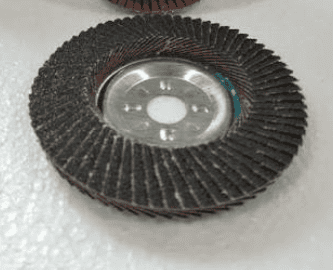
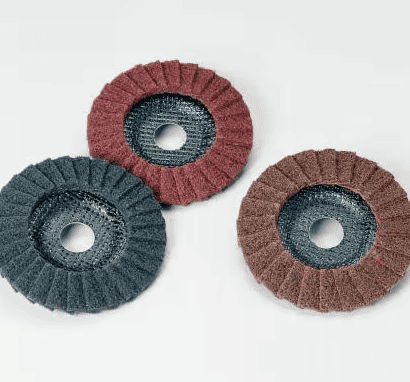
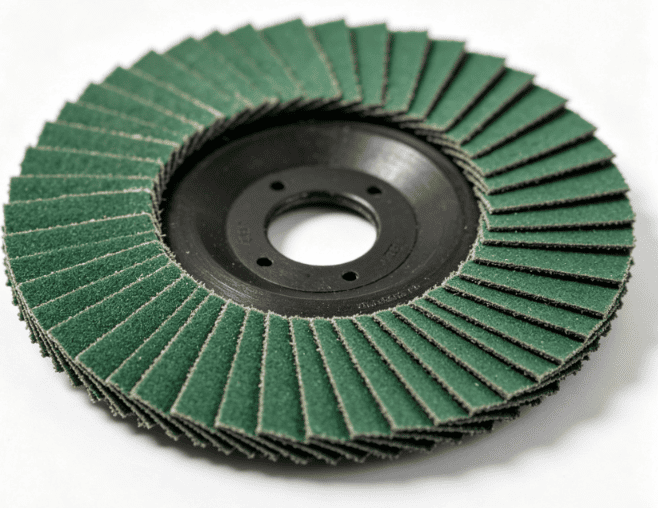
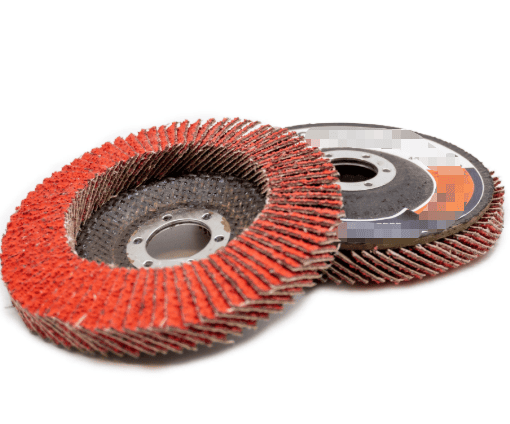
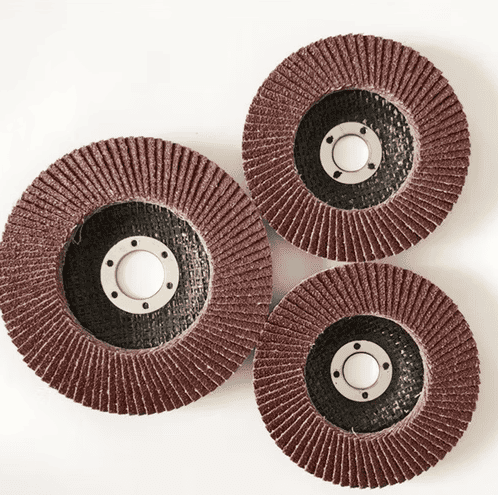
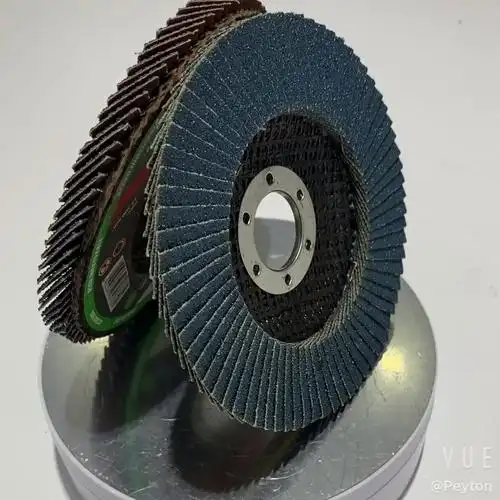
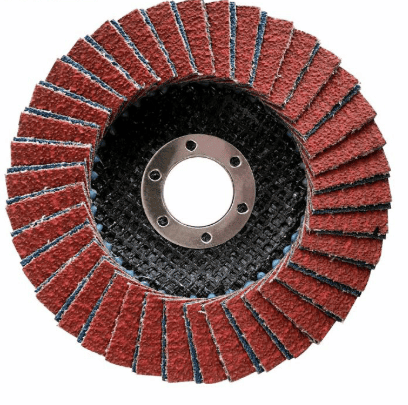
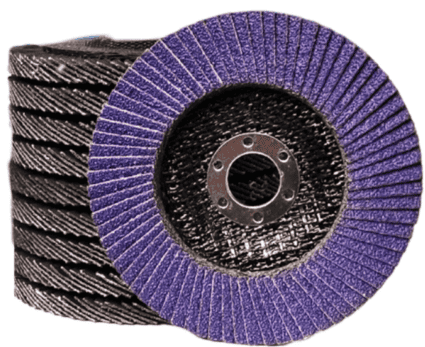
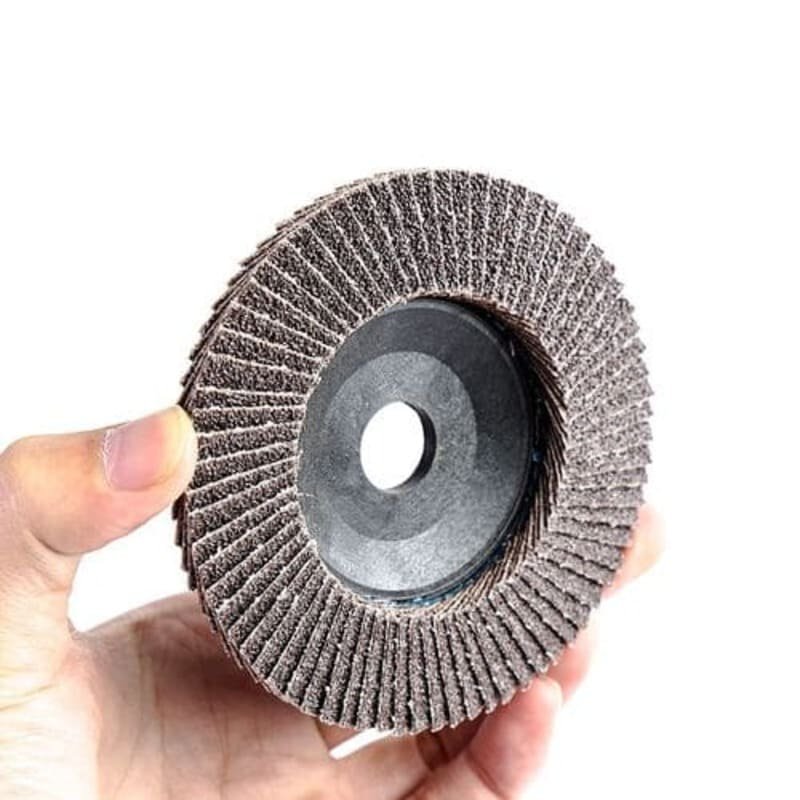
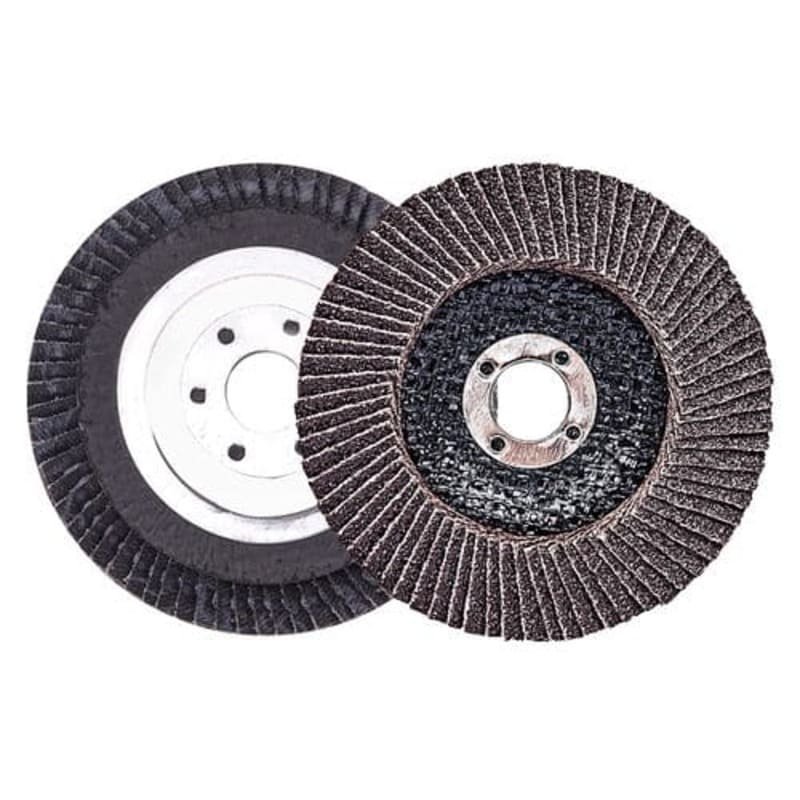
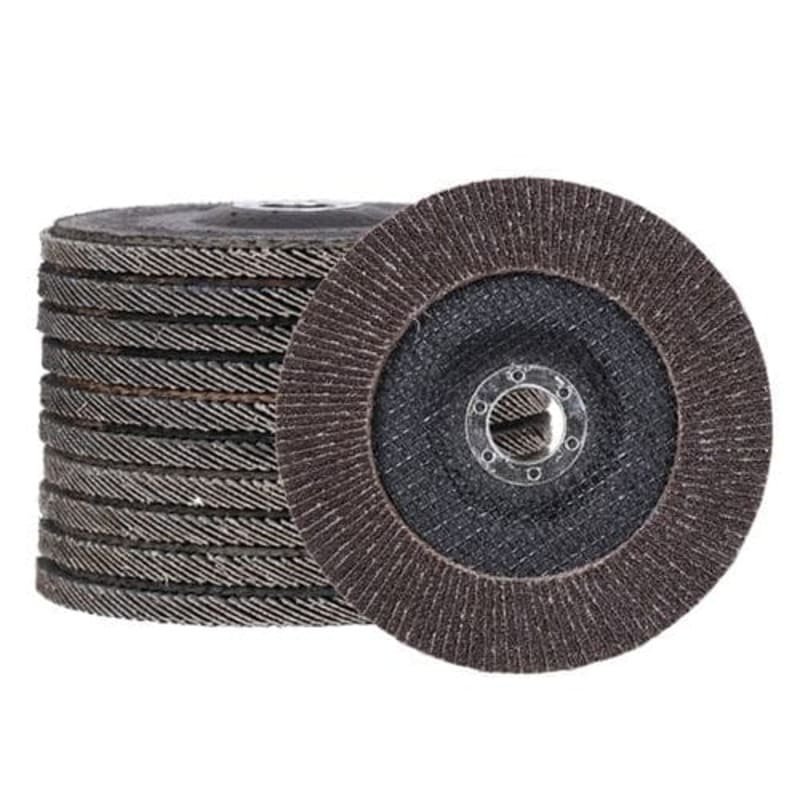
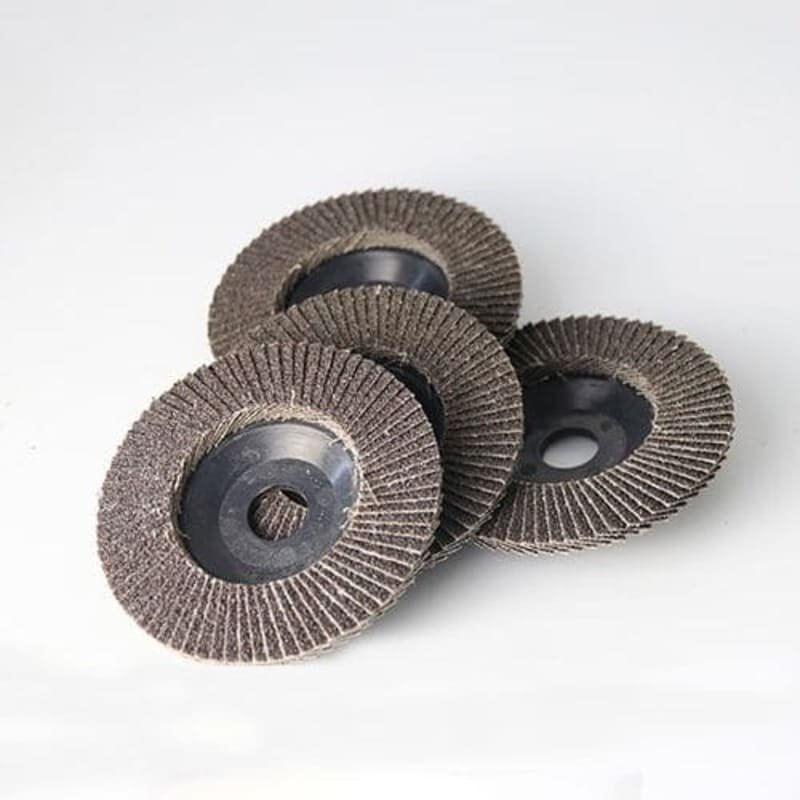
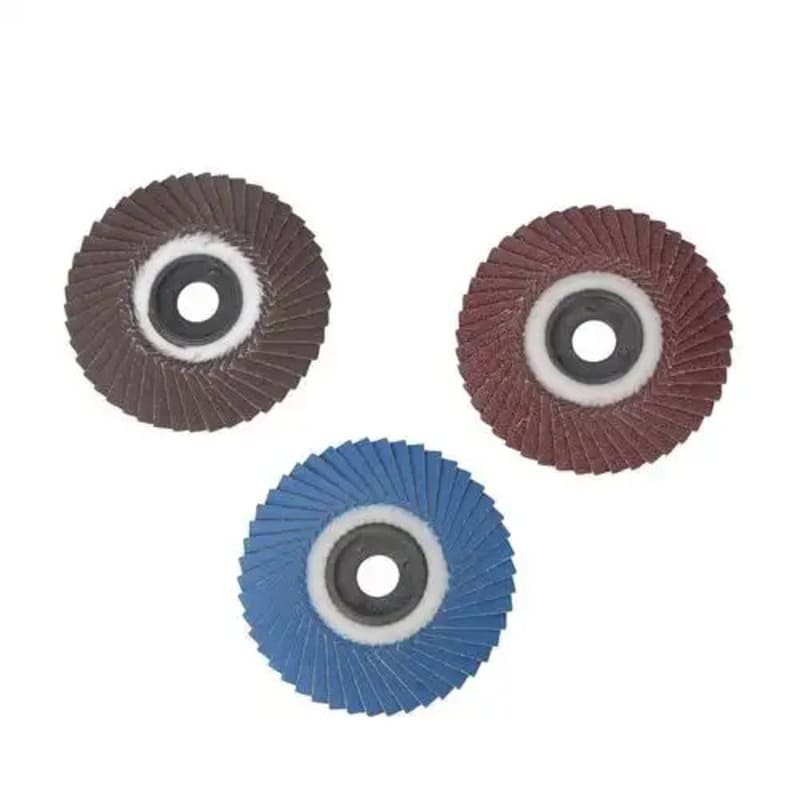
Flap discs work because their overlapping abrasive flaps wear down slowly over time, exposing fresh abrasive grains nonstop so the disc cuts consistently the whole time you use it. Unlike rigid grinding wheels that keep the same shape until they wear down to a dangerous minimum, the layered flap design gives you a more even removal rate, and you’re way less likely to gouge your workpiece as the disc wears down. The backing plate holds all the flaps in place, and the abrasive coating on each one (usually aluminum oxide, zirconia alumina, or ceramic) shears off material when it presses against the workpiece under the grinder’s rotational force. This design balances aggressive material removal and finer finishing, so you don’t have to swap out tools every five minutes for most jobs.
Key Pre-Use Safety and Equipment Checks
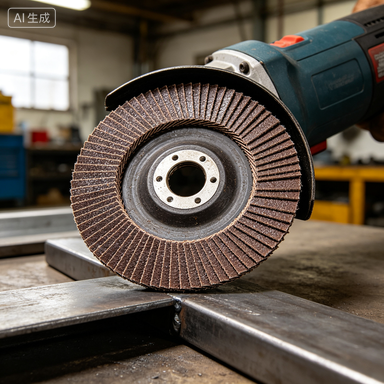
Before you mount a flap disc, first double-check that the disc’s max rated RPM is equal to or higher than your angle grinder’s no-load RPM. That number is printed on the grinder’s spec plate, no exceptions. Most 4.5-inch (115mm) grinders run at 10,000–12,000 RPM, so any disc you use has to be rated for at least that speed to keep it from flying apart mid-use. Give the disc a quick once-over for cracks, bent flaps, or water damage before you mount it, and make sure the grinder’s guard is secured properly, positioned to block debris from hitting your face and torso. Always wear ANSI Z87.1 safety glasses or a face shield, cut-resistant gloves, hearing protection, and an N95 or better respirator if you’re working on something that creates a lot of dust.
Correct Flap Disc Mounting Procedure
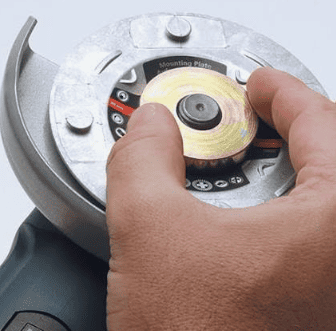
First things first: disconnect the grinder from power. Unplug corded models, yank the battery out of cordless ones. The last thing you want is the grinder spooling up accidentally while you’re fumbling with the disc. Press the spindle lock button and twist the spindle by hand until it clicks into place, then use the included spanner wrench to loosen and remove the outer flange. Set the flap disc on the spindle, make sure the arbor hole fits tight against the inner flange, and check that the rotation arrow printed on the disc lines up with the spin direction marked on the grinder’s housing. Put the outer flange back on, tighten it by hand first, then use the spanner wrench to apply firm, even torque. Don’t over-tighten—it’ll warp the disc’s backing plate and cause annoying vibration when you run the tool. Take the spanner wrench off, release the spindle lock, then reconnect power.
Optimal Operating Angles and Contact Pressure
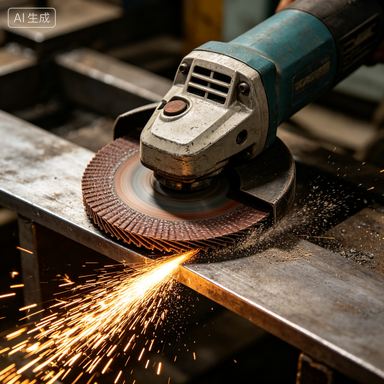
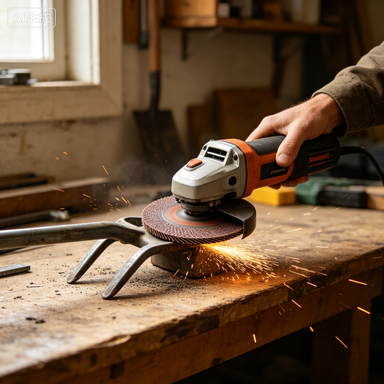
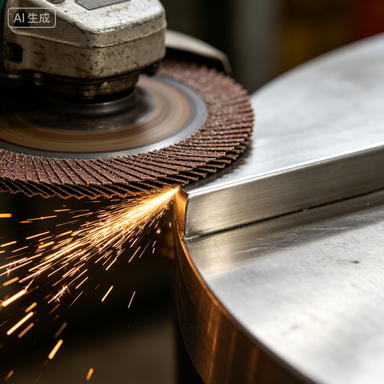
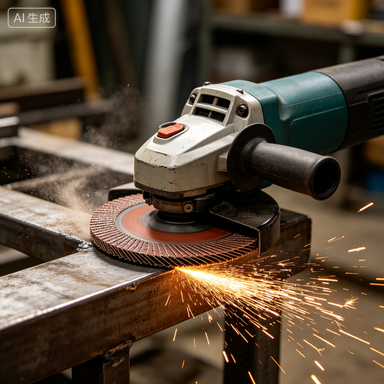
For most jobs, hold the grinder so the flap disc hits the workpiece at a 15–30 degree angle to the surface. This lets the full width of the abrasive flaps engage evenly with the material, cuts down on uneven wear on one side of the disc, and lowers your chance of gouging the work. Don’t hold the disc straight perpendicular to the workpiece, that concentrates all the pressure on a tiny section of flaps, which makes them wear out way faster, builds up too much heat, and can even make the disc slip off mid-use. Apply steady, light to moderate pressure. Forcing the disc into the material doesn’t make the job go faster—it just causes overheating, glazes over the abrasive grains so they stop cutting, and makes kickback way more likely. Let the disc’s grains do the work, and move it around often to spread wear across the whole flap surface.
Application-Specific Technique Adjustments
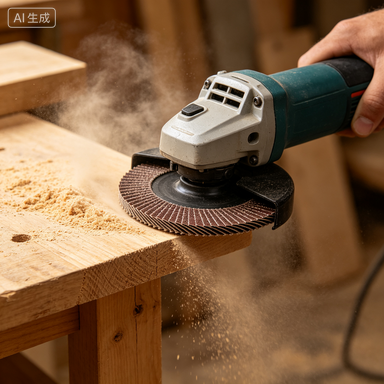
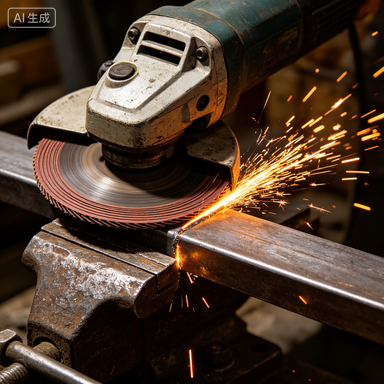
If you’re doing aggressive grinding or heavy deburring on ferrous metals, grab a coarser 36–60 grit zirconia alumina disc, keep it at a consistent 20–30 degree angle, and make overlapping passes to knock off weld splatter, excess weld material, or surface rust. If you’re blending welds to a smooth finish, switch to a medium 80–120 grit disc, ease up on the pressure a little, and use a 10–20 degree angle so you don’t remove more material than you need to. For wood or plastic, use 120–240 grit aluminum oxide or silicon carbide discs, keep the grinder moving constantly to avoid building up heat that melts plastic or scorches wood, and don’t hold it in one spot for too long. For edge rounding, tilt the disc to 30–45 degrees and make light, sweeping passes along the edge to get a consistent, even chamfer.
Performance Advantages Over Alternative Abrasives
Flap discs have clear benefits over rigid grinding wheels, fiber discs, and sanding discs when you need to do both grinding and finishing in one go. Unlike grinding wheels that leave deep scratch patterns and require a whole separate finishing step, flap discs leave a way more uniform surface, so you can often skip that second abrasive pass entirely. They’re also way more forgiving than rigid wheels, so you’re less likely to gouge thin workpieces or take off too much material while you’re blending. Compared to fiber discs, you don’t need a separate backing pad for flap discs, they last longer, and they wear more evenly, so you don’t have to stop and swap tools as often during long jobs. Their layered design also cuts down on vibration while you work, so you’re not as tired after a full day of grinding compared to using heavier rigid wheels.
Critical Maintenance and Storage Best Practices
Check flap discs before every use for wear. If the flaps are worn down to within 1/4 inch (6mm) of the backing plate, it’s time to toss it and grab a new one. Never use a disc you’ve dropped—there could be hidden cracks in the backing plate that make it fail mid-spin, even if you can’t see them. Store discs in a cool, dry spot away from direct sunlight, moisture, and big temperature swings. Those conditions break down the adhesive holding the flaps to the backing plate, which kills the disc’s performance. Clean the grinder’s spindle and flanges regularly to get rid of built-up dust and debris, because uneven gunk can make the disc run off-kilter, leading to vibration and early wear. Lubricate the grinder’s moving parts per the manufacturer’s schedule to keep it spinning at a consistent speed and reduce stress on the disc while you work.
Troubleshooting Common Operational Issues
If the disc is leaving uneven scratch patterns or wearing way more on one side, that usually means you’re holding it at the wrong angle, the grinder’s spindle is bent, or there’s gunk built up on the flanges causing runout. Stop immediately, disconnect power, and check the mounting, spindle, and flanges for damage or debris. If the disc glazes over and stops cutting effectively, you’re almost certainly pressing too hard, or running the grinder too slow for the material you’re working on. To refresh the disc, make a few light passes against a scrap piece of concrete or abrasive dressing stone to expose fresh abrasive grains. If you feel excessive vibration while you’re running the tool, that means the disc is damaged, mounted wrong, or your grinder has worn bearings. Shut it down right away and fix the issue before you go back to work.
Post-Use Shutdown and Handling Procedures
Once you’re done with the job, let go of the trigger and hold the grinder still until the disc stops spinning completely. Never set it down while the disc is still moving—it can catch on whatever you set it on and go flying, or grind a hole in something you don’t want damaged. Disconnect the power before you take the disc off or do any maintenance on the grinder. Wipe down the tool’s exterior to get rid of built-up dust and debris, then store it in a dry, locked cabinet or tool chest to keep untrained people from messing with it. Throw worn discs in designated waste containers—used abrasive discs can have traces of hazardous material depending on what you were grinding, like lead paint or hexavalent chromium from stainless steel work. Always wash your hands thoroughly after handling used discs or working with abrasive materials to avoid exposure to toxic dust or metal shavings.
Common Misconceptions Cleared Up
Q: Can I use a flap disc rated for a lower RPM than my angle grinder if I only apply light pressure?
A: That’s an incredibly dangerous thing to do. Flap discs are built to withstand specific centrifugal forces at their max rated RPM. Using one on a faster grinder, even with light pressure, can make the disc fly apart at high speed, sending sharp debris at you and anyone nearby with enough force to kill. Always match the disc’s RPM rating to or above the grinder’s no-load RPM. No exceptions.
Q: Flap discs can be used on either side, right? I can flip it over when one side wears out to extend its life.
A: No, that’s not how they work. Flap discs are only designed for single-side use. The flaps are bonded to the backing plate on one side, and reinforced to handle pressure in only one direction. Flipping the disc puts stress on the unbonded side of the flaps, which can make them tear free from the backing plate mid-use, leading to sudden disc failure and serious injury. Replace the disc once the flaps wear down to the minimum thickness marked on the backing plate.
Q: Higher grit flap discs remove material faster, so I should use a 240 grit for all jobs to save time.
A: That’s the exact opposite of how abrasive grit works. Grit number refers to the size of the abrasive particles: lower grit numbers (36–60) have bigger, more aggressive grains that remove material faster but leave rougher finishes, while higher grit numbers (120–320) have smaller grains that remove material slower but leave smoother finishes. Using a high-grit disc for heavy grinding will kill the disc’s life almost immediately, make the job take way longer, and overheat both the disc and your workpiece.
Q: I don’t need to use a guard with a flap disc because it’s softer than a grinding wheel and won’t cause injury if it breaks.
A: That’s a dangerous myth. While flap discs are more flexible than rigid grinding wheels, they still spin at over 10,000 RPM. A failed disc or loose flap can cause severe lacerations, eye injuries, or blunt force trauma just as easily as a grinding wheel fragment. The grinder’s guard is a non-negotiable safety component that blocks flying debris and contains disc fragments if something goes wrong, and it has to be properly installed and positioned for every abrasive job, no matter what disc you’re using.
Frequently Asked Questions
Q: How do I choose the right flap disc grit for my job?
A: For heavy material removal, weld grinding, and rust stripping, go with 36–60 grit. For blending welds, general deburring, and medium surface prep, use 80–120 grit. For fine finishing, edge rounding, and smoothing surfaces before painting or coating, grab 180–320 grit. Match the abrasive type to your material, too: zirconia alumina for ferrous metals and stainless steel, aluminum oxide for wood, plastic, and non-ferrous metals, and ceramic for high-volume, heavy-duty grinding work.
Q: Can I use a flap disc to cut through thick metal stock?
A: No. Flap discs are made for surface grinding, blending, and finishing, not cutting through material. Cutting thick metal needs a thin cut-off wheel built to handle the lateral forces of cutting operations. Using a flap disc for cutting will cause uneven wear, overheating, and a higher risk of disc failure, and it’ll be incredibly slow and inefficient anyway.
Q: What causes a flap disc to wear out much faster than expected?
A: Premature wear almost always comes from pressing too hard on the workpiece, running the disc at the wrong angle, using the wrong grit or abrasive type for the material, or running the grinder at a speed below the disc’s recommended operating range. Glazing of the abrasive grains, caused by overheating from too much pressure, also kills cutting efficiency, which makes you press even harder, speeding up wear even more.
Q: Is it safe to use a damaged flap disc if the damage is only on a small section of flaps?
A: No. Any disc with damaged, torn, or missing flaps should be thrown out immediately. Even small areas of damage can throw the disc off balance, leading to excessive vibration, more stress on the grinder, and potential catastrophic failure mid-use. A new flap disc costs a couple bucks. That’s nothing compared to the risk of serious injury from a failed disc.
Q: Can I use a flap disc on a variable speed angle grinder, and if so, what speed setting should I use?
A: Yes, variable speed grinders work fine with flap discs, as long as your maximum speed setting doesn’t exceed the disc’s rated RPM. For most general grinding jobs, use the grinder’s highest speed setting to get the best cutting performance. For fine finishing on heat-sensitive materials like plastic or thin sheet metal, drop the speed to 6,000–8,000 RPM to avoid overheating and deforming the material.
Final Summary
Using a flap disc on an angle grinder safely and effectively just boils down to sticking to pre-use safety checks, mounting the disc correctly, using solid operating technique, and keeping up with basic maintenance. Always match the disc’s RPM rating and abrasive type to your grinder and workpiece, keep a 15–30 degree contact angle with light to moderate pressure, and wear the right PPE for every job. Skip the common misconceptions about disc compatibility and use, pick the right grit for what you’re working on, and follow these basic best practices, and you’ll make your discs last longer, get consistent, high-quality results, and keep yourself safe on the job.
Flap Disc for Sale
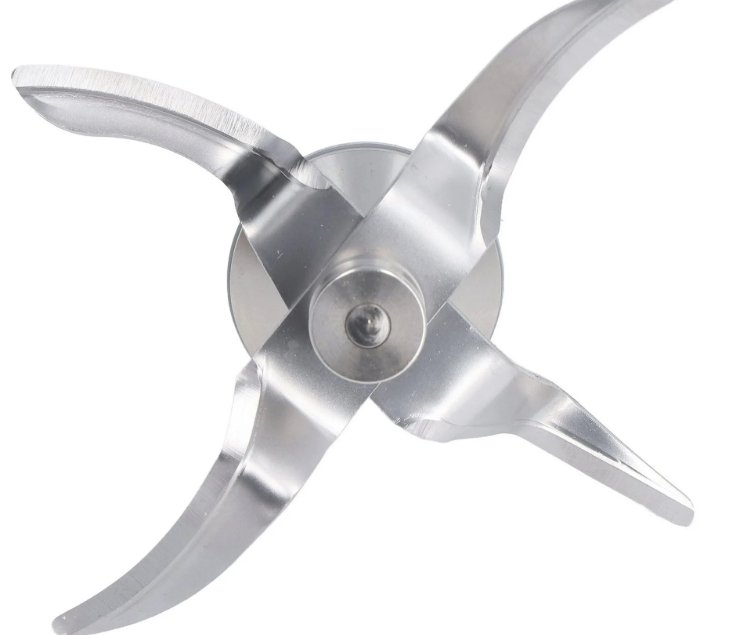
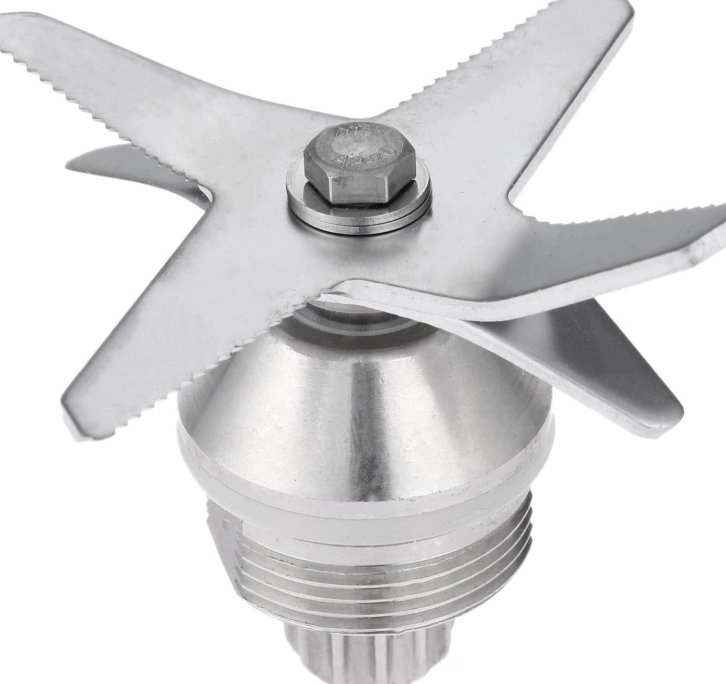
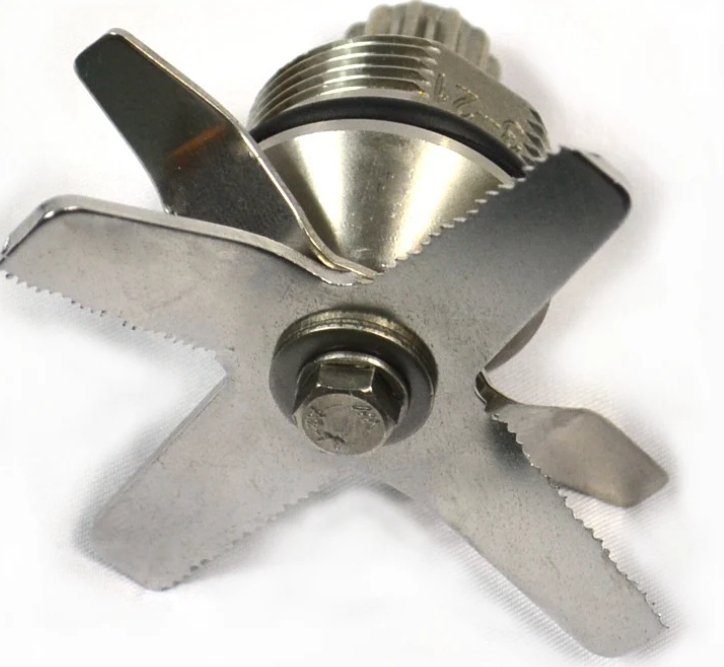
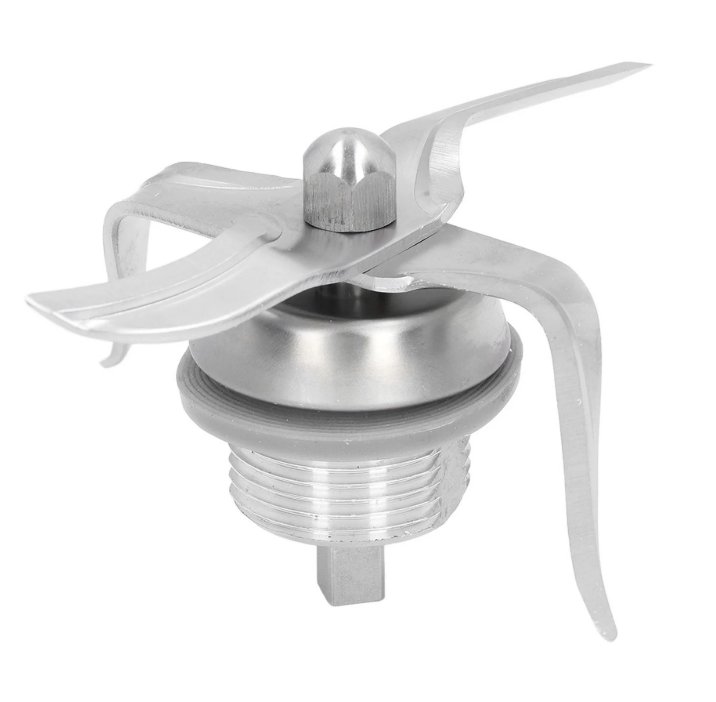
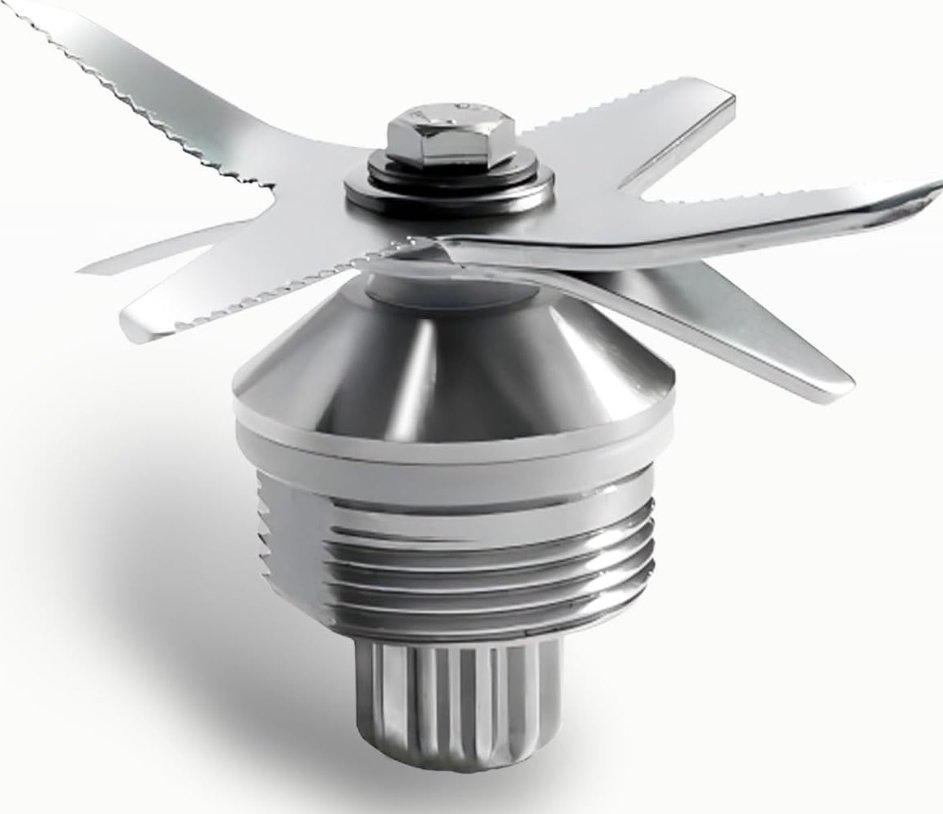
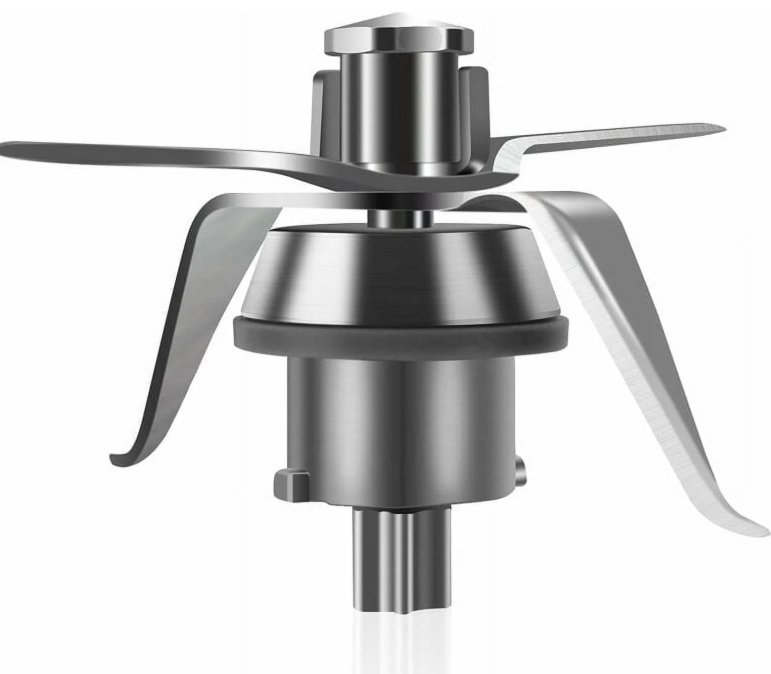
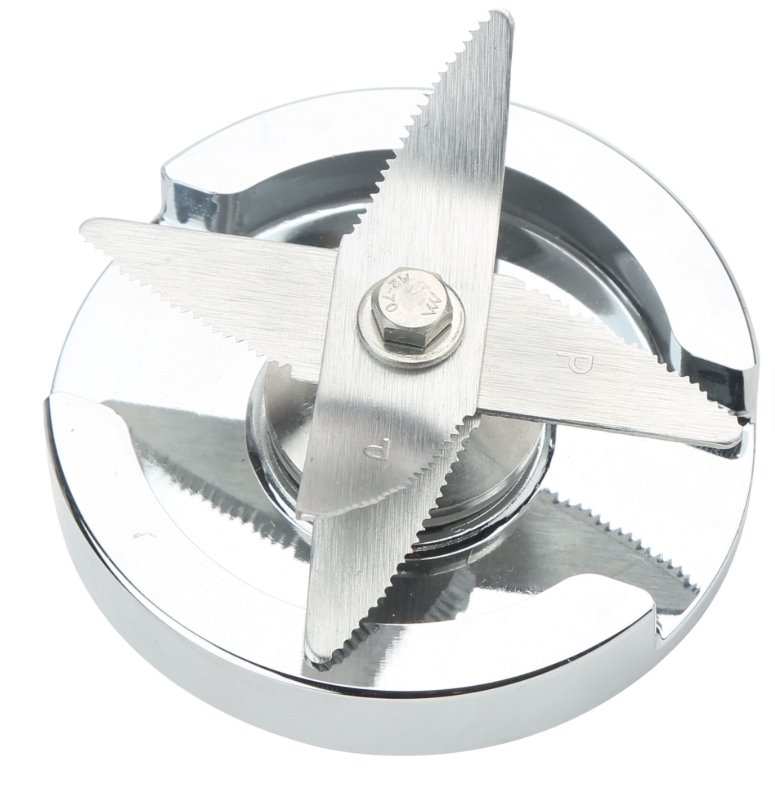
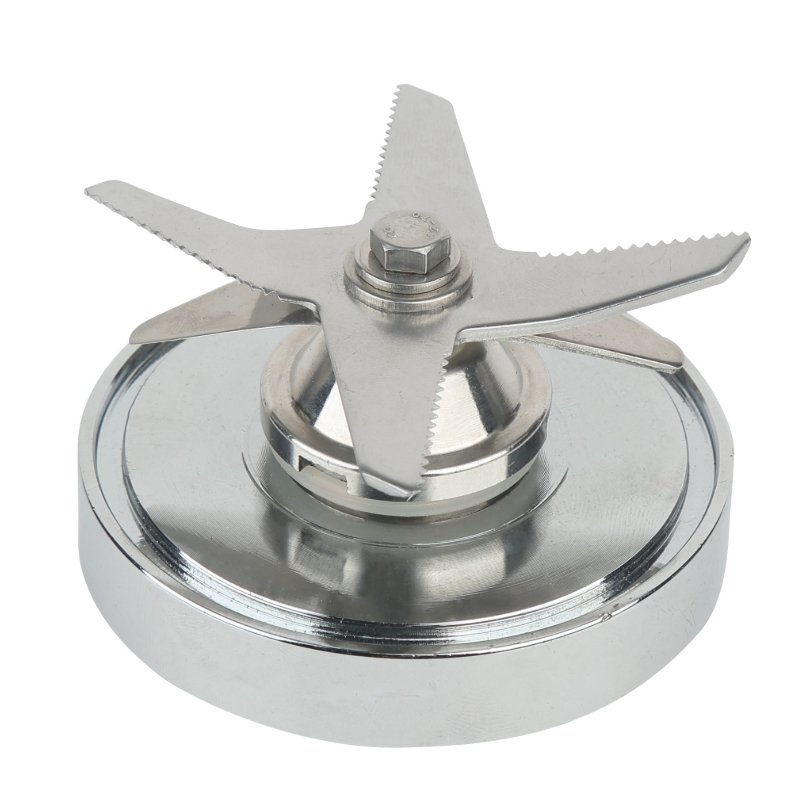
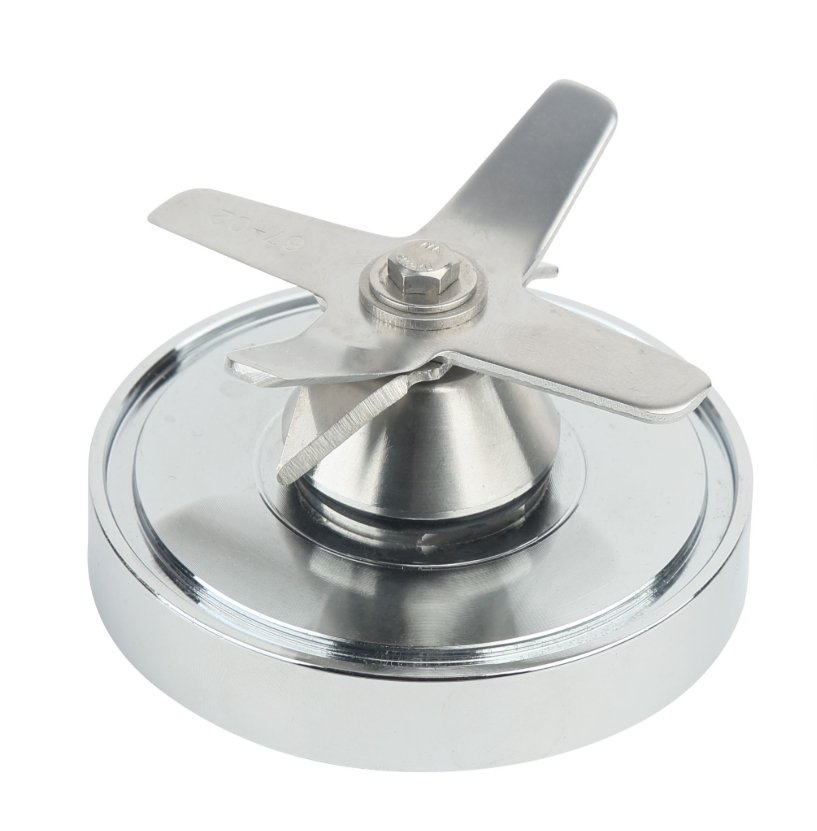
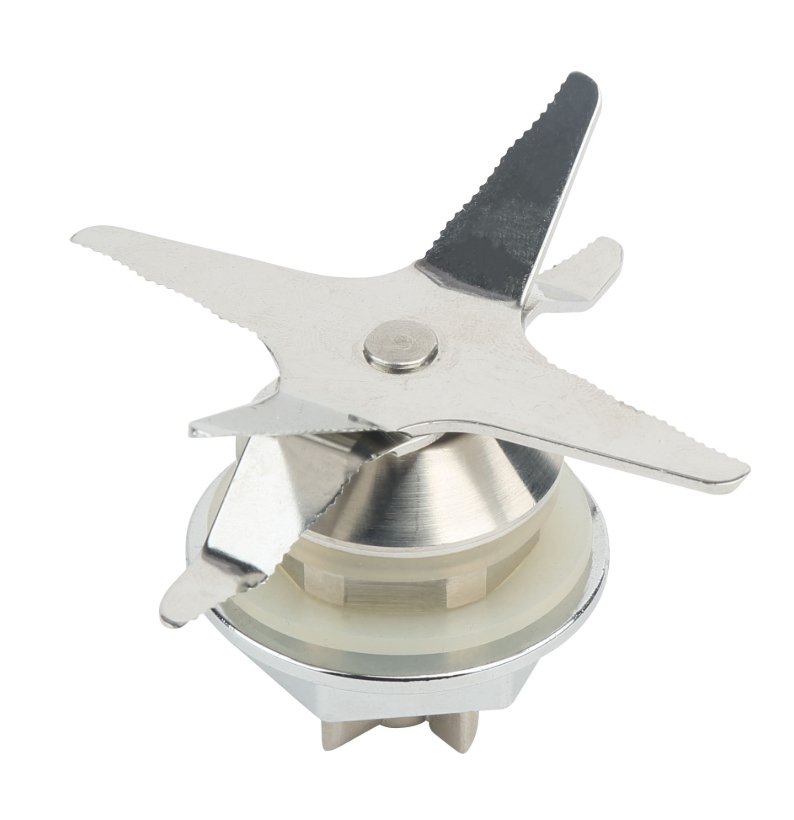
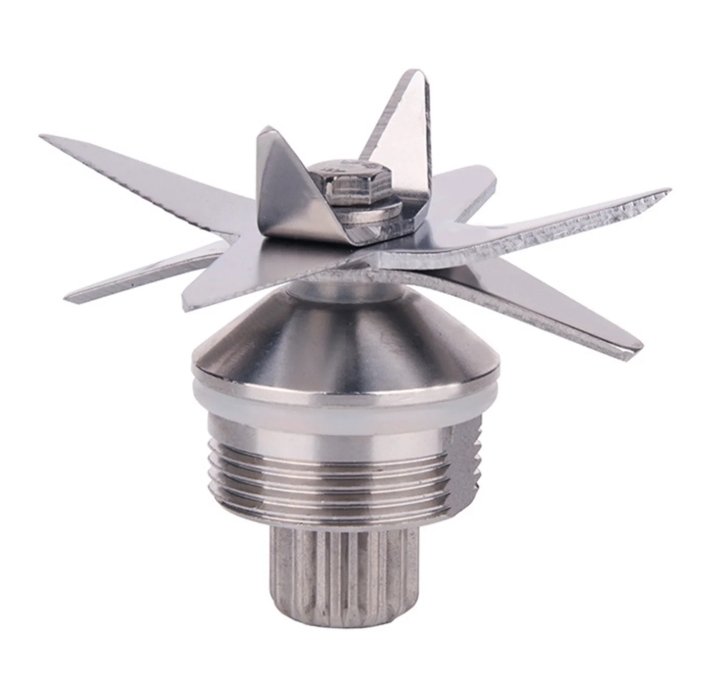
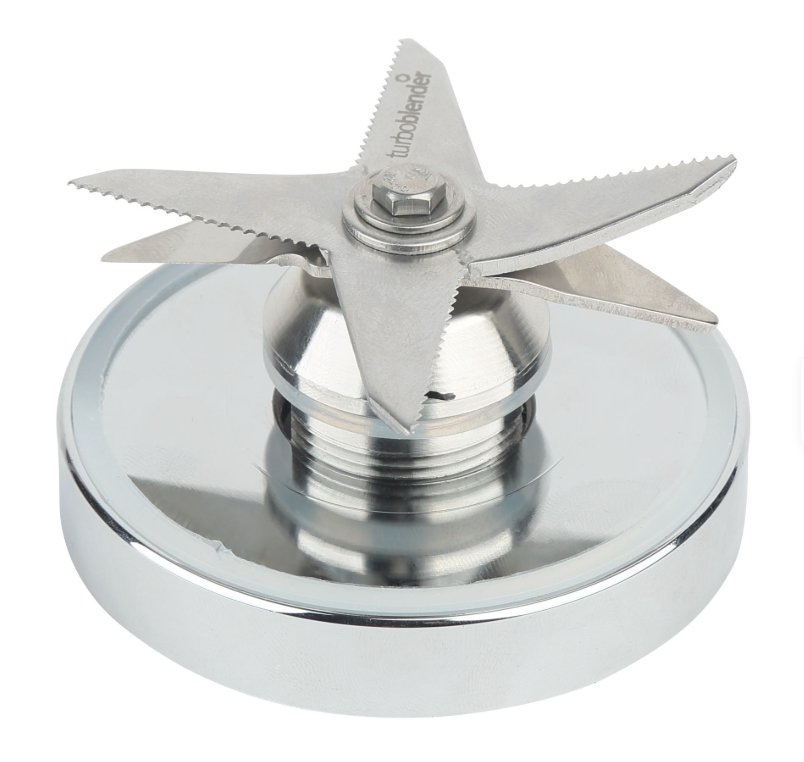
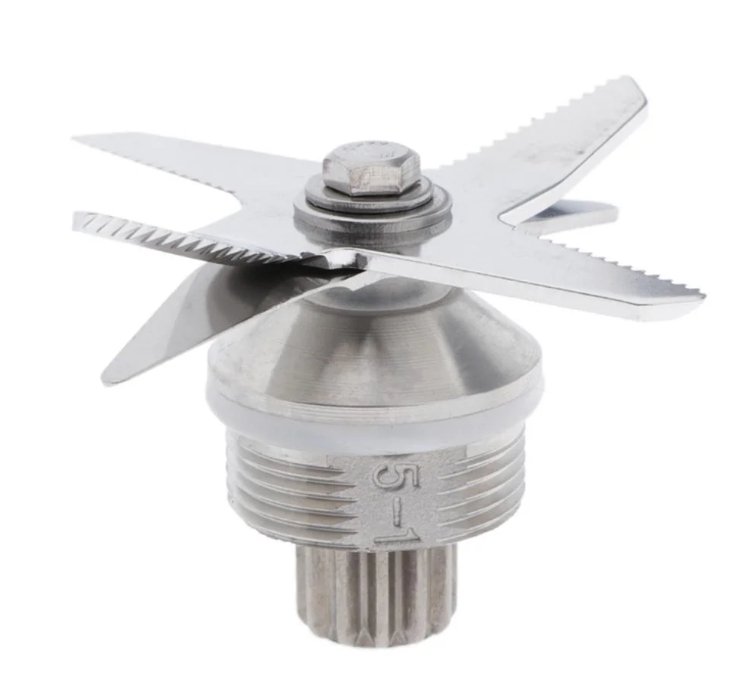
Blender Blade for Sale
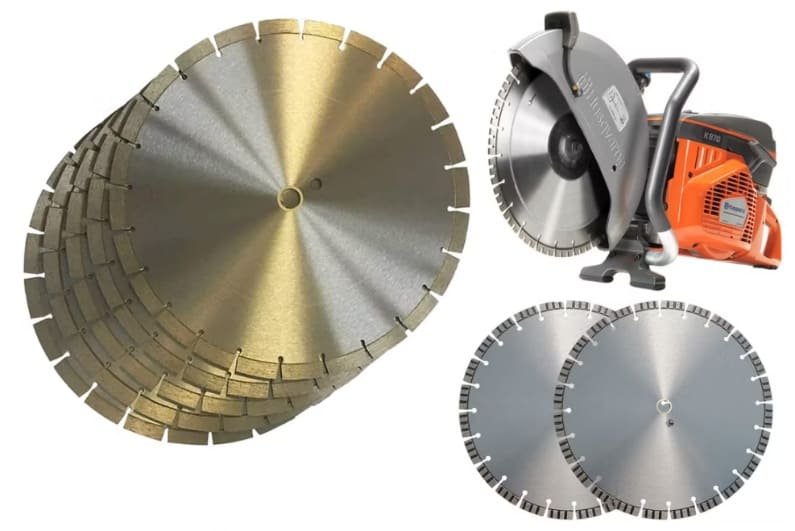
Diamond Blade for Sale

Demolition Hammer & Rotary Hammer for Sale
Welcome to call us
Contact Us to get quotation
Working Time: 8:00~17:00 Monday to Friday.
FAQ
Welcome to call us
Contact Us to get quotation
Working Time: 8:00~17:00 Monday to Friday.
Blogs:
You may also interest in other topics:
22KW EV Charger ,talc grinding mill , rotary filling machine ,