Flap Disc vs Grinding Wheel Difference
Flap Disc vs Grinding Wheel Difference
Flap Disc vs Grinding Wheel Difference. If you’ve ever stood in a fabrication shop staring at a bin of abrasive consumables wondering which one to grab for the job, you know this choice isn’t trivial. Flap discs and grinding wheels are both go-to tools for removing material and finishing surfaces, but their design differences change everything from how fast you get the job done to how much rework you’ll have to fix later. Pick the wrong one, and you could burn through consumables twice as fast, scratch up a high-tolerance part, or even create a safety risk. We’ve seen teams waste thousands of dollars a year on poor abrasive choices, so we put together this guide to break down exactly how these two tools differ, where each works best, and what to look for when you’re stocking up.
Core Working Principles and Mechanisms
Grinding wheels run on a fixed-abrasive system. Think of them as solid blocks where sharp grain particles are glued permanently into a hard matrix of resin, ceramic, or vitrified material. When the wheel spins, the exposed grain edges dig into the workpiece. As grains wear down, they crack apart to reveal fresh sharp edges – a property called friability that keeps the wheel cutting consistently. That rigid structure holds up to heavy impact, making it perfect for aggressive material removal jobs.
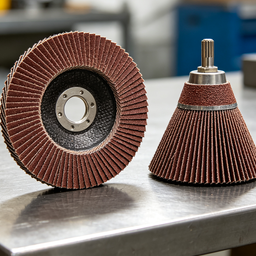
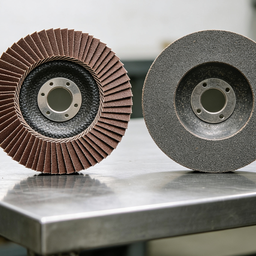
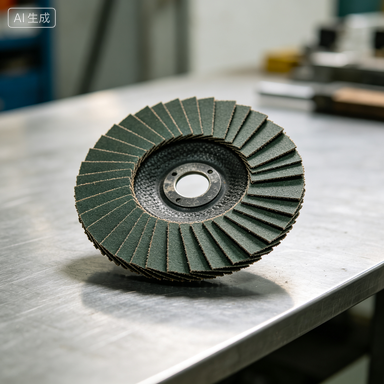
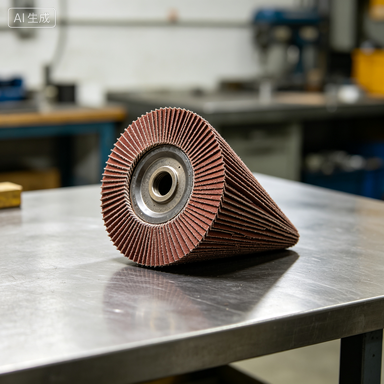
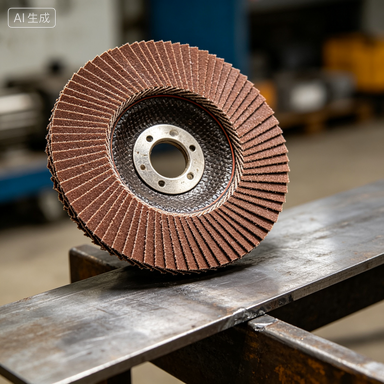
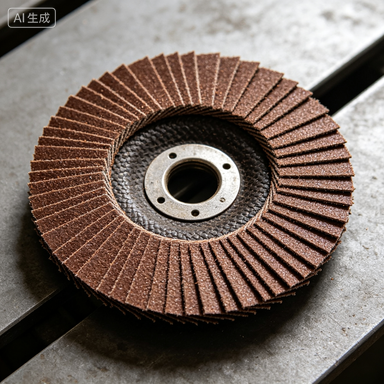
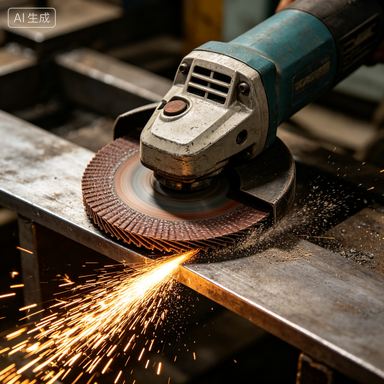
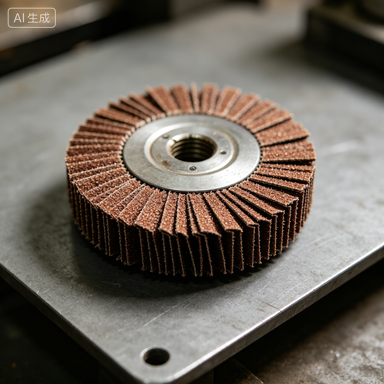
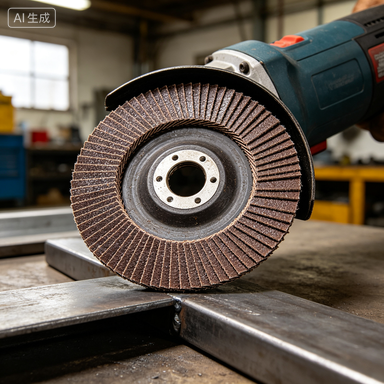
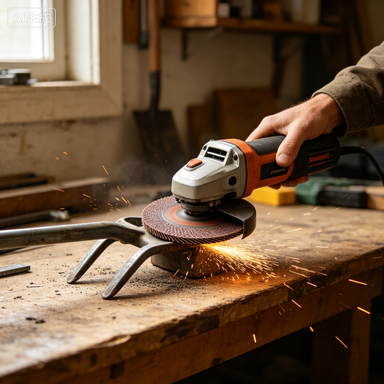
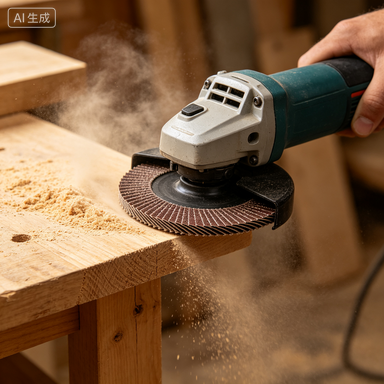
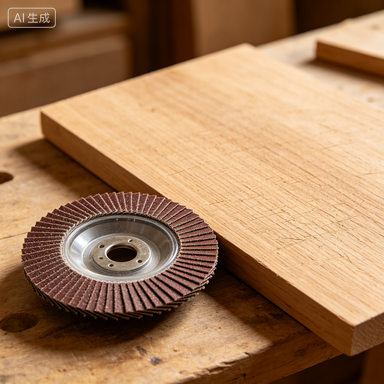
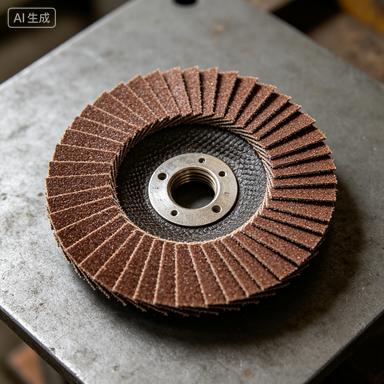
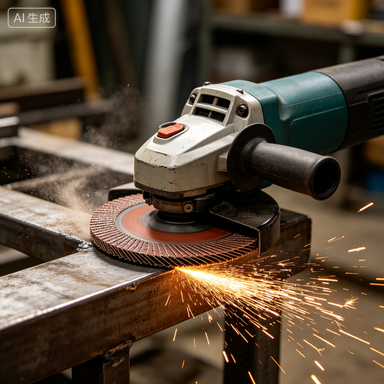
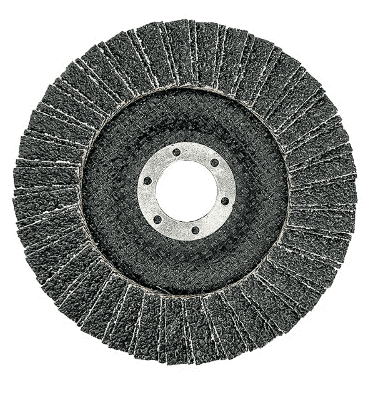
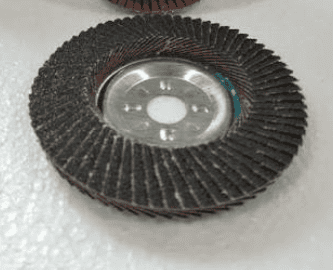
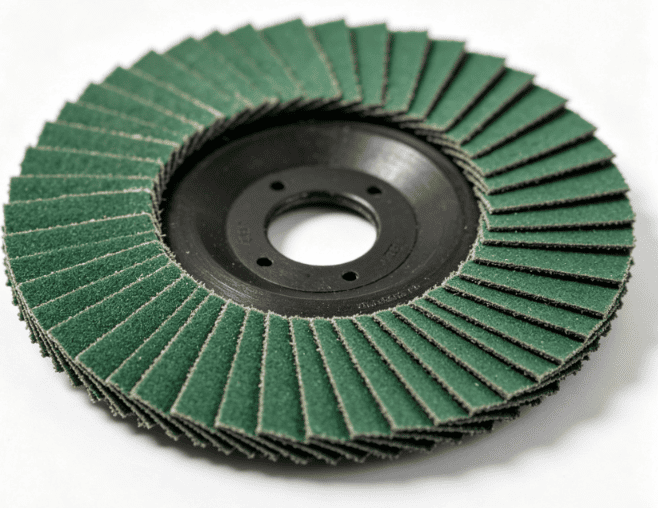
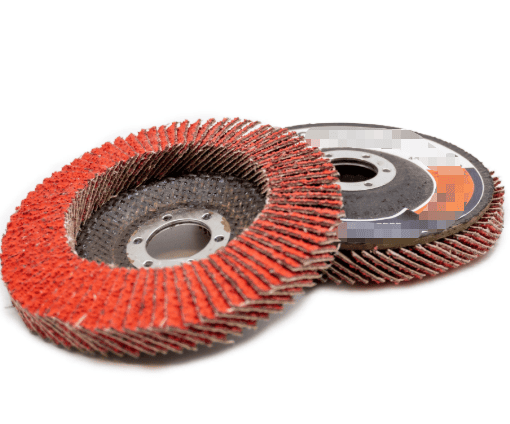
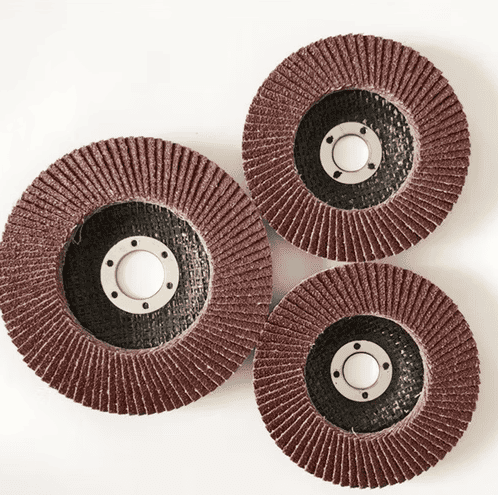
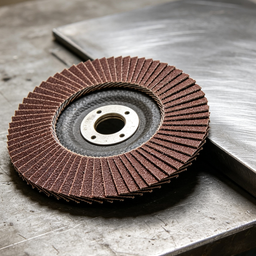
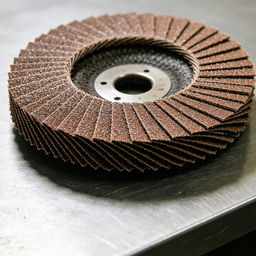
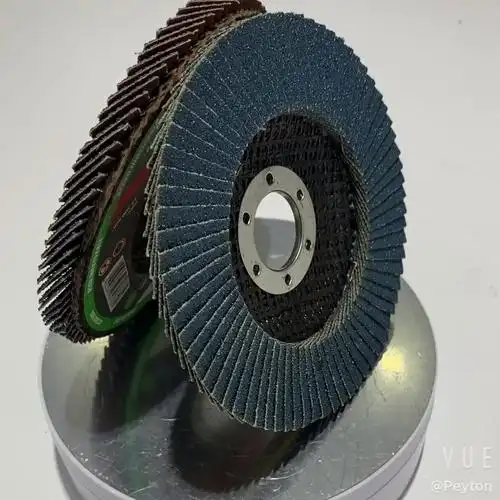
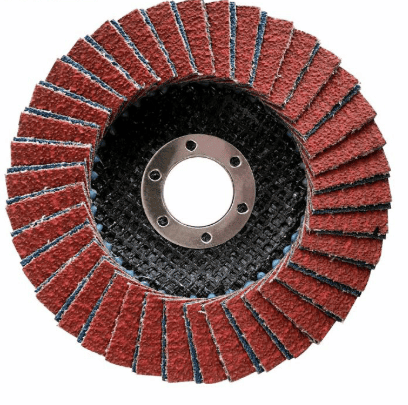
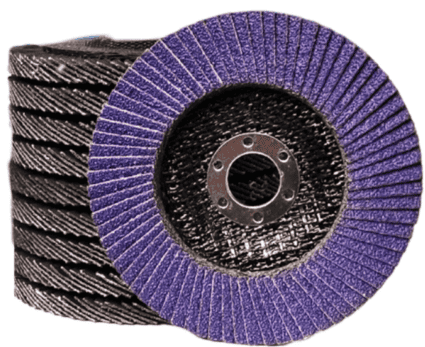
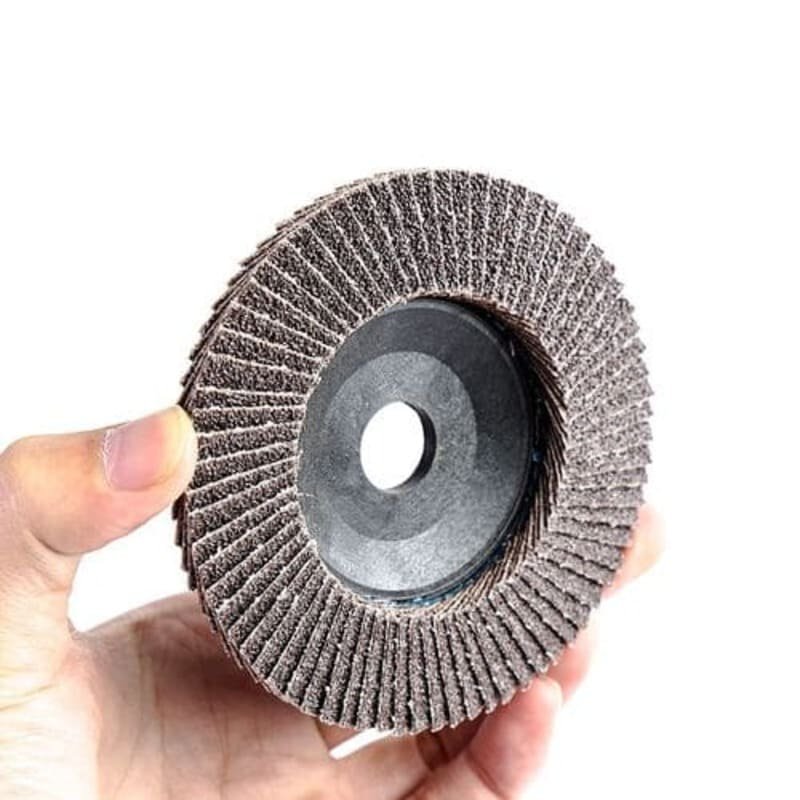
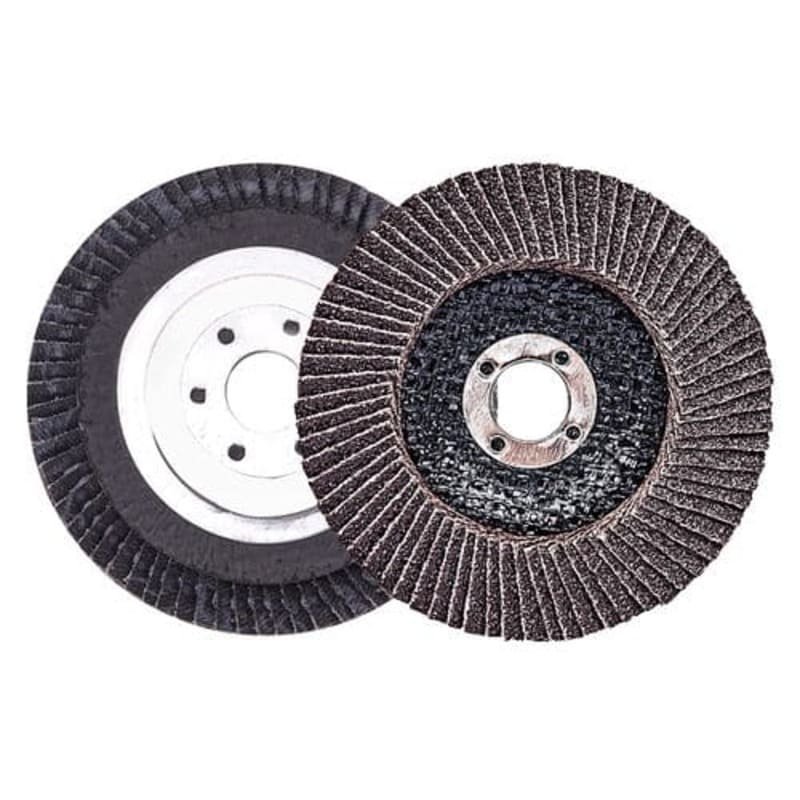
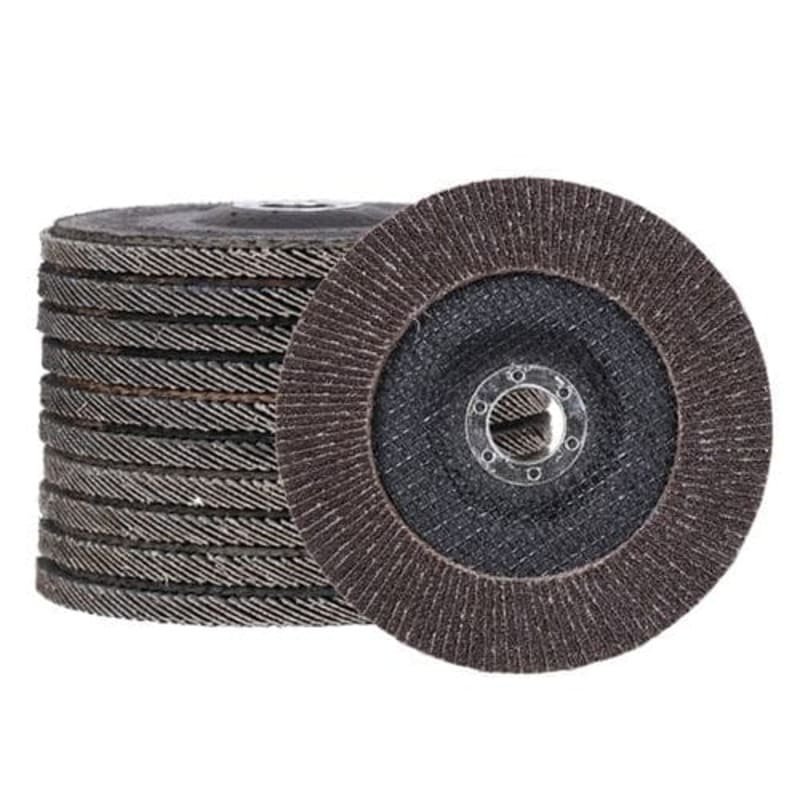
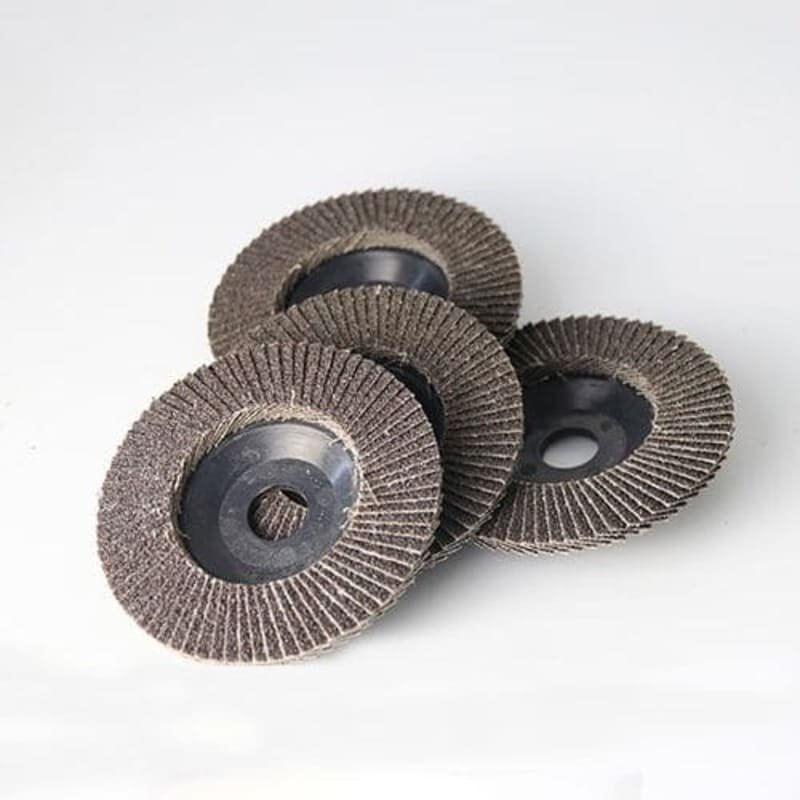
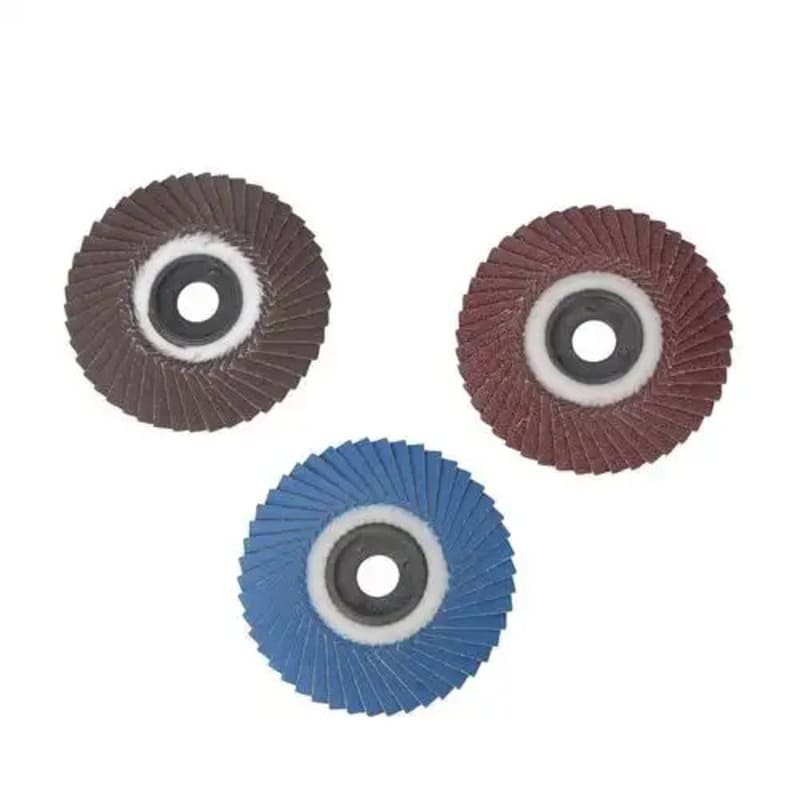
Flap discs use a totally different coated abrasive design. They’re made of overlapping, radially arranged flaps of sandpaper-like abrasive cloth mounted to a stiff fiberglass or nylon backing plate. As the disc spins, the flexible flaps wear down slowly, constantly exposing fresh abrasive on the flap surfaces. The soft, flexible contact with the part means you’re way less likely to gouge material, and it blends cutting and finishing in a single pass. A lot of the time, you won’t need a separate sanding step after using one.
Key Components and Their Functions
A standard grinding wheel has three core parts: abrasive grain, bonding agent, and tiny porous voids between the grains. Common grain types include aluminum oxide for general steel work, zirconia alumina for heavy stock removal on alloy steels, and silicon carbide for non-ferrous metals and stone. The bonding agent (usually vitrified, resinoid, or rubber) sets how hard the wheel is and how well it holds up to heat, while the voids give swarf a place to go so the wheel doesn’t clog up mid-cut. Most grinding wheels also have a reinforcing fiberglass mesh core to lower the risk of the wheel shattering under high rotational stress.
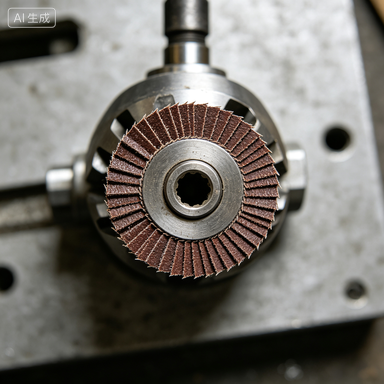
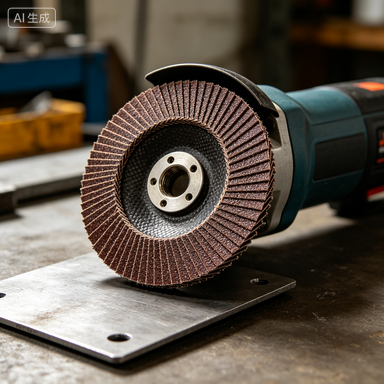
Flap discs have three main components too: abrasive cloth flaps, a backing plate, and a mounting hub. The cloth flaps are coated with grain (most often aluminum oxide, zirconia alumina, or ceramic alumina) glued to a polyester or cotton backing. Flap weight runs from 120 to 300 grams per square meter, depending on what you’re using it for. The fiberglass or nylon backing plate gives it structural stiffness, while the precision-machined hub makes sure it mounts concentrically to your angle grinder or stationary tool, cutting down on vibration while you work. Higher-quality flap discs usually have an extra cloth layer on the backing plate to keep from scuffing your part once the flaps wear down.
Material and Feature Specifications
Grinding wheels are categorized by grain type, grit size, bond type, hardness grade, and structure (porosity). Standard grit sizes run from 16 (extremely coarse) to 120 (fine), and hardness grades go from A (soft) to Z (hard) to match the hardness of the material you’re working on. For portable angle grinders, common diameters are 100mm to 230mm, with max operating speeds between 80m/s and 120m/s depending on wheel thickness and bond type. Vitrified bonded wheels, usually used for stationary grinders, can handle temperatures up to 1200°C, which makes them perfect for high-load precision grinding work.
Flap disc specs are defined by grain type, grit size, flap density, backing plate material, and max operating speed. Grit sizes range from 24 (coarse) to 320 (very fine), and flap density varies from 50% to 90% coverage. Lower density discs run cooler and work great for soft non-ferrous metals, while higher density discs last longer for heavy stock removal on steel. Standard diameters match angle grinder sizes from 100mm to 180mm, with max operating speeds usually between 80m/s and 100m/s. Premium ceramic grain flap discs can last up to 3x longer than standard aluminum oxide ones when you’re working on high-alloy steels.
Application Scenarios and Industries Served
Grinding wheels are the clear pick for heavy stock removal, aggressive deburring, weld prep, and dimensioning tasks where removing material as fast as possible is your top priority. Common industrial uses include knocking off heavy weld spatter in structural steel fabrication, beveling plate edges for welding, cleaning excess flash and gates off castings, and surface grinding hardened steel parts in machine shops. They’re also used all the time in construction for cutting and smoothing concrete, masonry, and stone, where their rigid structure can hold up to hard impacts from uneven substrate surfaces.
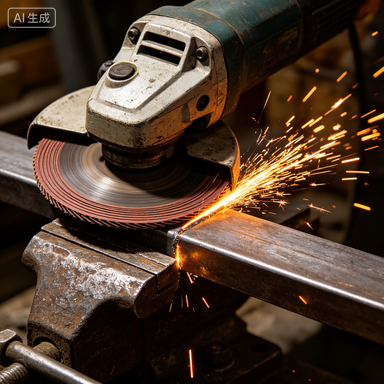
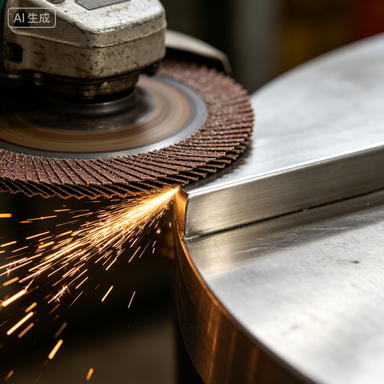
Flap discs shine in jobs that need a balance of material removal and surface finish quality, so you don’t have to switch between grinding and sanding tools mid-task. Typical use cases include blending welds to match the base material’s roughness, deburring precision machined parts without messing up their dimensions, smoothing sharp edges on stamped metal components, and finishing stainless steel or aluminum surfaces where appearance matters. They’re also super popular in automotive repair for rust removal, paint stripping, and body panel smoothing, since their flexible design is way less likely to warp thin sheet metal.
Performance Characteristics and Advantages
Grinding wheels remove material way faster than flap discs for the same grit size. Coarse-grit resin-bonded wheels can take off up to 300 grams of carbon steel per minute under optimal load conditions, for example. Their rigid structure gives you consistent cutting depth, which is perfect for precision dimensioning jobs where you need to hit tight tolerances. They also hold up better under high impact loads and high operating temperatures, with almost no risk of grains popping loose during heavy cuts. The downsides? Higher risk of gouging parts, a much coarser surface finish, and way more spark and dust generation while you’re using them.
Flap discs give you way more consistent surface finishes. A single 60-grit zirconia alumina flap disc can produce a surface roughness of Ra 1.6μm after weld blending, compared to Ra 6.3μm from the same grit grinding wheel. Their flexible design cuts down on operator fatigue during long runs and lowers the risk of gouging or over-grinding thin or contoured parts. They also make less noise, vibration, and airborne dust than grinding wheels, which makes the shop safer and cuts down on operator exposure to harmful particulates. The main limit is lower stock removal rate for heavy material loads – standard 125mm discs usually only remove 80 to 150 grams of steel per minute.
Selection Criteria and Configuration Options
When you’re picking a grinding wheel, first match the grain and bond type to your workpiece material. Go with aluminum oxide and a resin bond for general carbon steel work, silicon carbide for cast iron or masonry, and zirconia alumina with a hard bond for high-alloy steels. Pick wheel thickness based on the task: thicker 6mm to 10mm wheels for heavy stock removal, and thinner 3mm to 4mm wheels for precision beveling and light cutting. Always double check that the wheel’s max operating speed is at least 20% higher than your tool’s rated no-load speed to avoid catastrophic failure while you’re working.
For flap discs, the main things to look at are grain type, grit size, and flap backing material. Zirconia alumina grains are the most cost-effective pick for general steel and weld blending, while ceramic grains last longer for high-volume production work on hard alloys. Choose grit size based on the finish you need: 24 to 40 grit for heavy weld removal, 60 to 80 grit for general blending, and 120 to 320 grit for final finishing. For contoured or curved parts, pick a flap disc with a flexible nylon backing plate. Rigid fiberglass backings work better for flat surface work where you need consistent cutting pressure.
Maintenance Considerations and Best Practices
Grinding wheels need careful pre-use inspection and regular maintenance to run safely and reliably. Always do a ring test before mounting a new wheel: tap it gently with a non-metallic tool, and throw away any wheel that makes a dull thud instead of a clear ringing sound – that means it has internal cracking. You should true and dress wheels periodically with a diamond dresser to keep the cutting surface flat and concentric, and to clear clogged workpiece material out of the grain pores. Never use a grinding wheel for side grinding unless it’s explicitly rated for that, because side load can cause the wheel to shatter without warning.
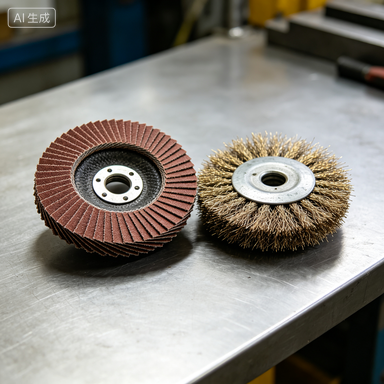
Flap disc maintenance is pretty minimal, but proper storage and use will make them last a lot longer. Store discs in a cool, dry spot away from direct sunlight and chemical fumes – exposure to moisture or UV light can break down the adhesive that holds the abrasive grain to the flap backing. While you’re using them, apply steady, moderate pressure: too much pressure will make the flaps wear unevenly or tear early, while too little pressure cuts down on cutting efficiency and makes more heat build up. If the disc gets clogged with soft material like aluminum or paint, pause and gently run the disc against a wire brush to clear the grain surfaces. Don’t keep using a clogged disc – it’ll overheat and make the grain fall off early.
Comparative Analysis with Alternatives
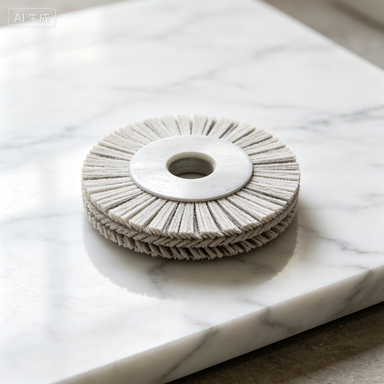
If you need even faster material removal than a grinding wheel can give you, abrasive cut-off wheels (thinner, higher-speed variants of grinding wheels) are the go-to for precision cutting of bar stock, plate, and structural steel. Just keep in mind they aren’t designed for surface grinding or blending. For ultra-fine finishing jobs, non-woven abrasive discs (made from nylon fiber soaked in abrasive grain) give consistent, scratch-free finishes on stainless steel and aluminum, but they barely remove any material compared to both grinding wheels and flap discs.
When you look at total operational cost, flap discs often give you better value for blending and finishing tasks, because they cut out the need for separate grinding and sanding steps. We’ve seen them cut labor time by up to 40% for weld finishing workflows. Grinding wheels have a lower upfront cost per unit, but they almost always require a secondary finishing step, which adds to total process time and consumable costs. That said, for heavy stock removal tasks where you’re taking off more than 3mm of material, grinding wheels are still easily the most cost-effective pick – they’ll get the job done in a fraction of the time a flap disc would take.
Practical Operating Tips
When you’re using a grinding wheel, hold it at a 15 to 30 degree angle between the wheel face and the workpiece surface to get the best cutting action and reduce wheel wear. Don’t overload the wheel – too much pressure will make the grain crack early or break down the bond, which shortens the wheel’s life. Always wear a face shield and hearing protection, since grinding wheels throw off a lot of sparks, flying debris, and noise while you use them. Never run a grinding wheel without a properly fitted guard that covers the part of the wheel not touching the workpiece.
For flap disc use, hold the disc at a 10 to 15 degree angle to the workpiece to get the most contact with the flap edges and make sure the disc wears evenly. For contoured parts, use a light, sweeping motion to follow the part’s profile instead of pressing hard – hard pressure will cause uneven flap wear and gouge the surface. When you’re working on heat-sensitive materials like aluminum or thin sheet steel, use intermittent contact to avoid overheating, which can warp the part or make grain fall off the flap backing. Replace the disc when the flaps wear down to within 5mm of the backing plate – using it past that point will cut down on efficiency and raise the risk of the backing plate scratching your workpiece.
Common Misconceptions Cleared Up
Q: Flap discs are just “softer grinding wheels” and can be used interchangeably for all tasks?
A: That’s totally wrong. Both are abrasive tools, but their structural differences make them built for completely different use cases. Grinding wheels are designed for heavy stock removal and precision dimensioning, where their rigid structure delivers fast material removal and consistent depth control. Flap discs are optimized for blending and finishing, with a flexible design that lowers gouging risk and produces smoother finishes. Use a flap disc for heavy stock removal of more than 3mm, and you’ll burn through the disc way too fast and take 2-3x longer to get the job done. Use a grinding wheel for finishing, and you’ll be left with a coarse surface that needs extra sanding to fix.
Q: Higher grit size means a faster cutting rate for both tools?
A: This is one of the most common mix-ups we see. Grit size refers to the average diameter of the abrasive grains. Lower numbers mean larger, coarser grains, and higher numbers mean smaller, finer grains. Coarser grit (lower number) tools cut faster and remove more material, but leave a rougher surface. Finer grit (higher number) tools cut slower and remove less material, but give you a smoother finish. For example, a 24-grit grinding wheel will remove material 3-4x faster than a 120-grit wheel, but it will leave a much rougher surface behind.
Q: All grinding wheels are safe for side grinding on angle grinders?
A: This is not just wrong, it’s extremely dangerous. Most standard grinding wheels are designed for face grinding only, meaning load is applied perpendicular to the wheel’s rotational axis. Side loading (pressuring the edge of the wheel) creates uneven stress that can make the wheel shatter violently, sending high-velocity debris flying everywhere. Only grinding wheels explicitly labeled as “Type 27” or “depressed center” with a reinforced core are rated for limited side grinding use. Always check the manufacturer’s rating label before using a grinding wheel for anything other than face grinding.
Q: Flap discs with more flaps always last longer?
A: This isn’t true across the board. Flap density (the percentage of the backing plate covered by flaps) changes performance depending on what material you’re working on. High-density (80-90% coverage) discs do last longer for heavy stock removal on hard materials like carbon and alloy steel, since there’s more abrasive material to work with. But for soft materials like aluminum, copper, or plastic, lower-density (50-70% coverage) discs actually last longer. The larger gaps between flaps improve chip evacuation and keep the disc from getting clogged with molten or soft material, which is the number one cause of early flap disc failure on soft substrates.
Frequently Asked Questions
Q: Can I use a flap disc to remove rust and paint from old steel surfaces?
A: Absolutely, flap discs are perfect for this job. Pick a 60 to 80 grit aluminum oxide disc with a flexible nylon backing – it will strip coating and corrosion without gouging the underlying steel. For heavily corroded surfaces, start with a 40 grit disc, then follow up with an 80 or 120 grit to smooth the surface out. This method is faster and gives you a more consistent finish than using a grinding wheel, which risks taking off too much base material by accident.
Q: What is the typical service life difference between a grinding wheel and a flap disc for weld blending?
A: For blending 6mm fillet welds on carbon steel, a standard 125mm 60-grit resin-bonded grinding wheel will process roughly 20 to 25 linear feet of weld before you need to replace it. An equivalent 125mm 60-grit zirconia alumina flap disc will process 12 to 18 linear feet. But here’s the catch: the flap disc will leave a finish ready for painting or coating, while the grinding wheel will require an extra sanding step with a 120-grit abrasive disc to hit that same surface quality.
Q: Are there any materials where grinding wheels should never be used?
A: Avoid using standard aluminum oxide grinding wheels on soft non-ferrous metals like aluminum, copper, or brass. The soft workpiece material will clog the wheel’s porous structure, causing heat buildup that can lead to wheel fracture or melting the part. For these materials, use a silicon carbide grinding wheel specifically rated for non-ferrous use, or a low-density flap disc with anti-clog coating – both will give you better chip evacuation and longer life.
Q: Can I use a larger diameter disc or wheel than my angle grinder is rated for?
A: Never do this. Larger discs have a higher peripheral speed at your grinder’s rated RPM, which can exceed the disc’s max operating speed and cause it to shatter, leading to serious injury. On top of that, larger discs won’t fit properly in your tool’s safety guard, which increases your risk of being hit by flying debris. Always match disc diameter exactly to your tool’s rated capacity.
Q: How do I choose between a fiberglass and nylon backing plate for a flap disc?
A: Fiberglass backing plates are rigid and give you consistent cutting pressure, so they’re perfect for flat surface work, heavy weld blending, and tasks where you need maximum material removal. Nylon backing plates are flexible, so the disc can conform to curved, contoured, or irregular surfaces without gouging. That makes them the better pick for automotive body work, pipe fitting, and finishing complex stamped or cast parts.
Final Summary
Grinding wheels and flap discs fill complementary roles in abrasive processing. Grinding wheels are built for heavy stock removal, precision dimensioning, and high-impact tasks on hard materials. Flap discs are designed to balance material removal and finishing, lower gouging risk, and deliver better surface quality on contoured or thin workpieces. Pick your tool first based on how much material you need to remove and the surface finish you need, then factor in the workpiece material, part geometry, and total process cost. Always match tool specs to the job, follow all safety guidelines for use and maintenance, and test both tool types on sample parts first to find the most efficient option for your specific workflows.
Flap Disc for Sale
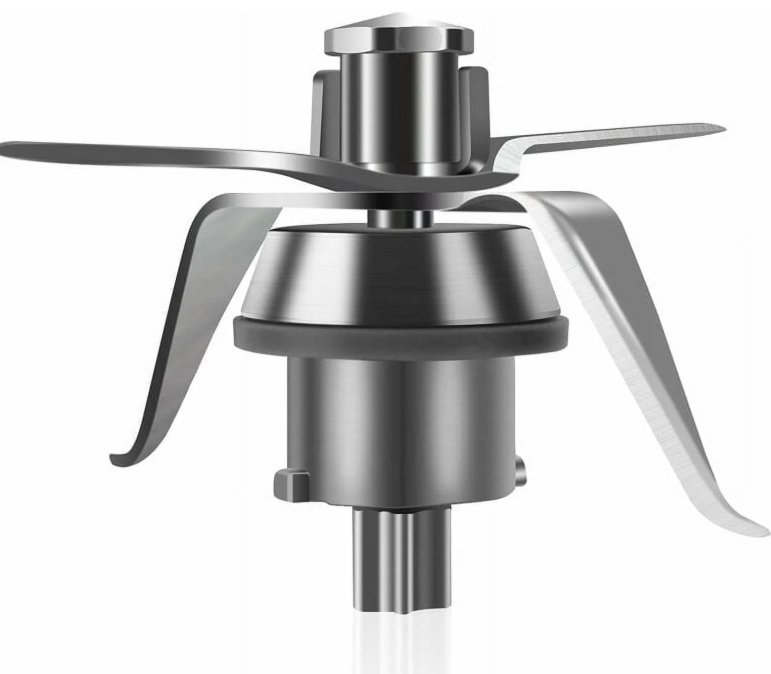
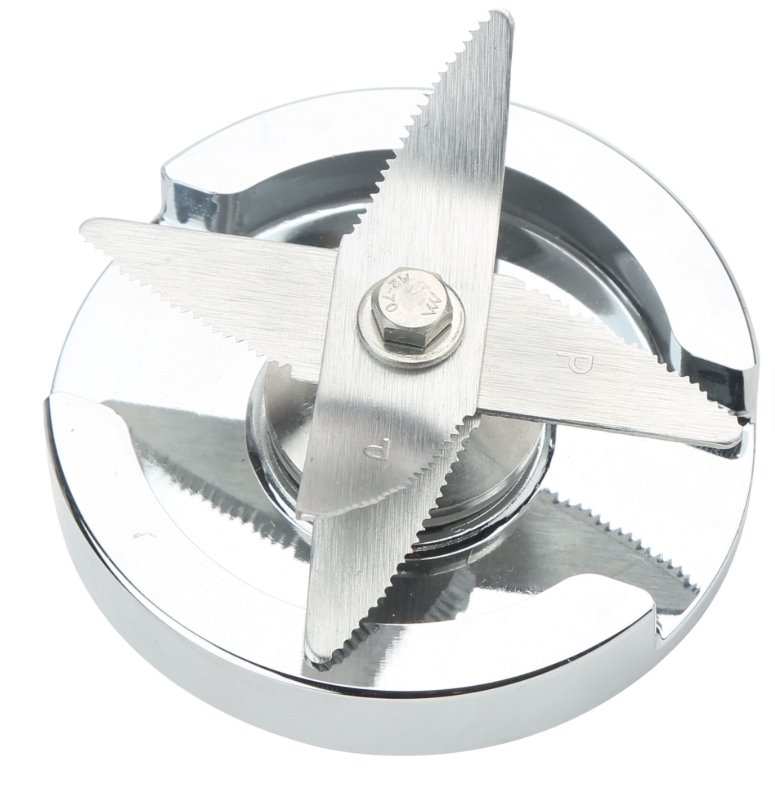
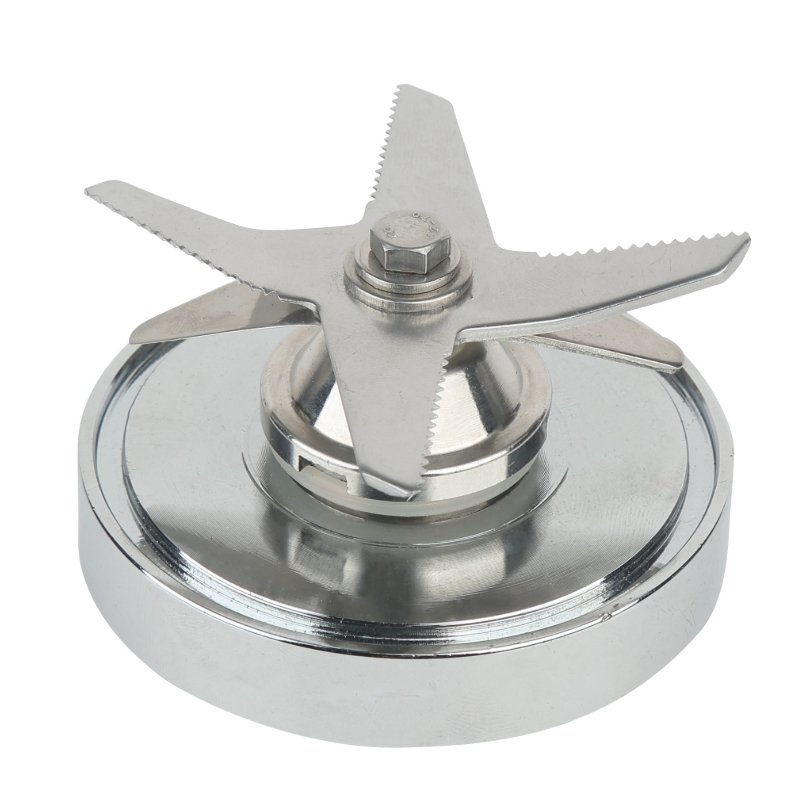
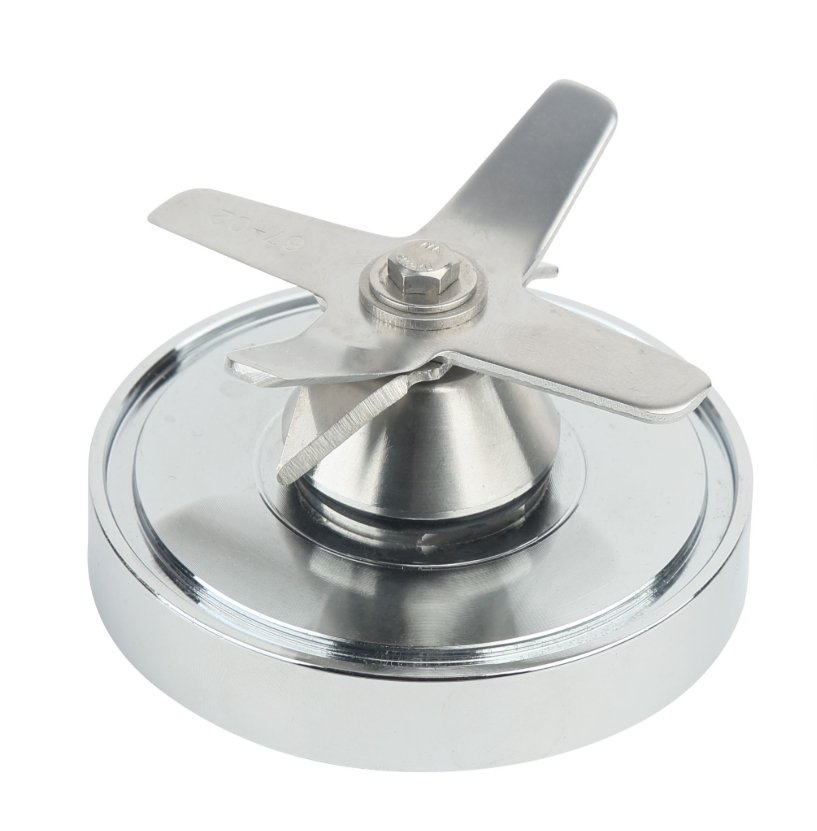
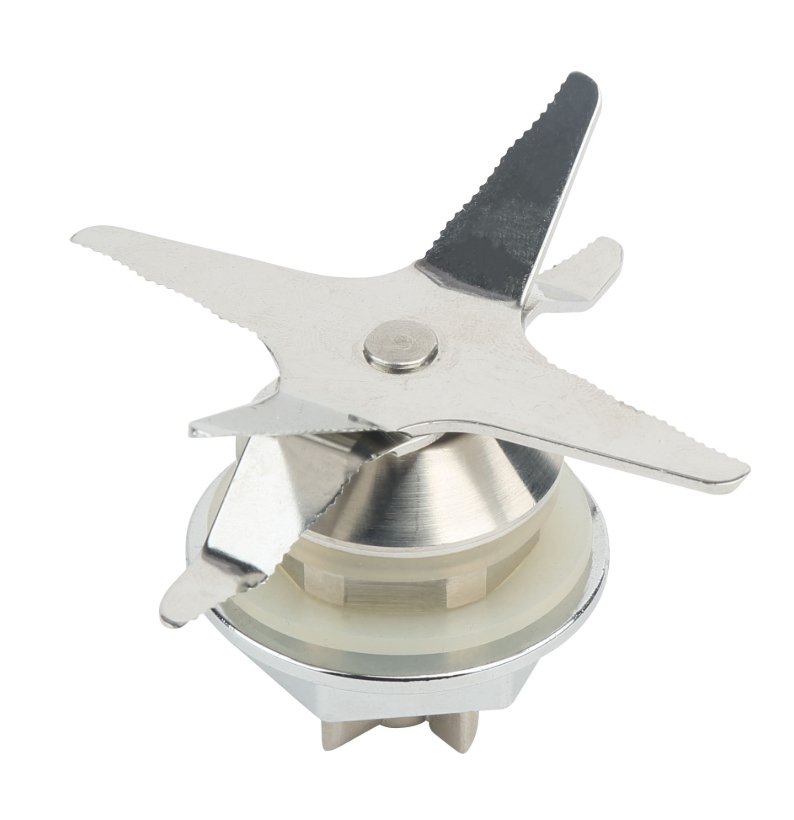
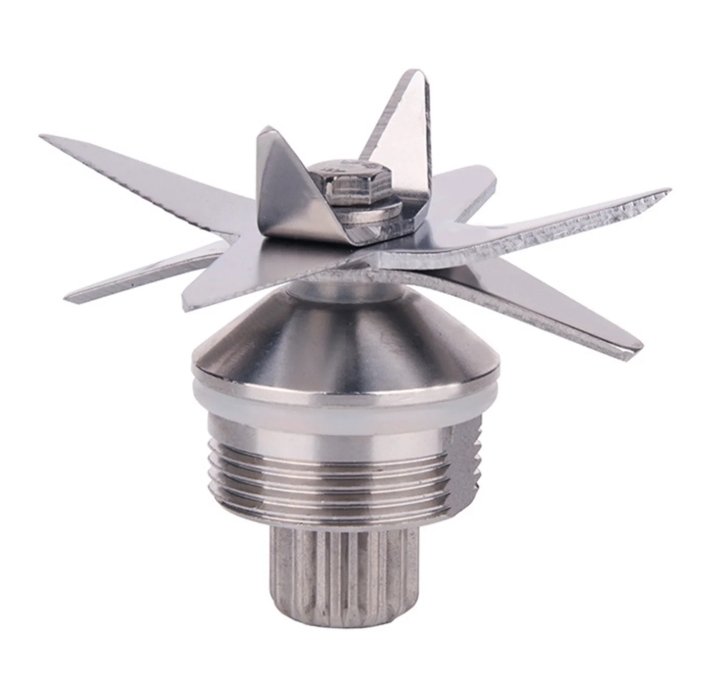
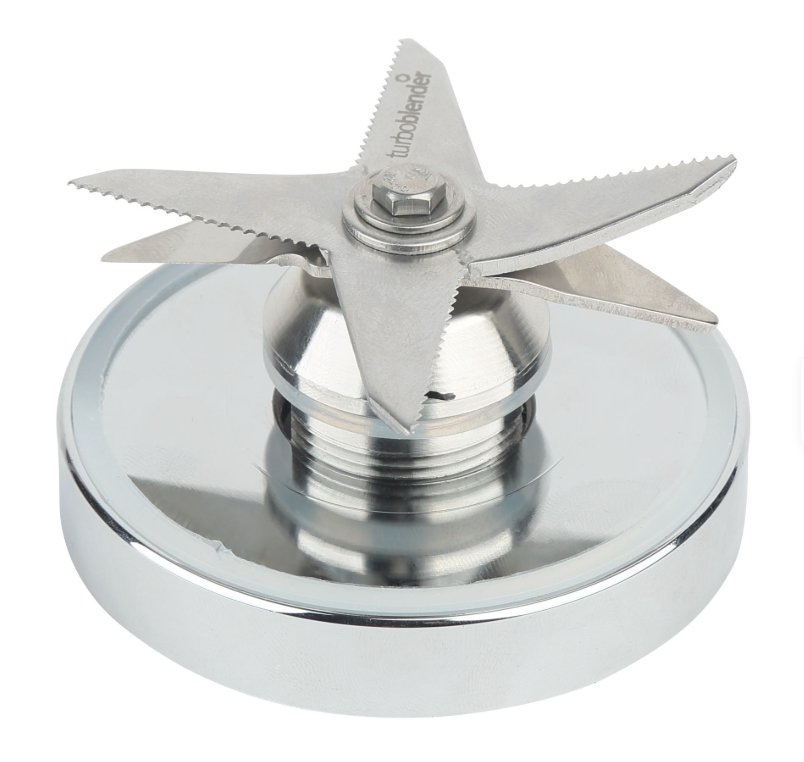
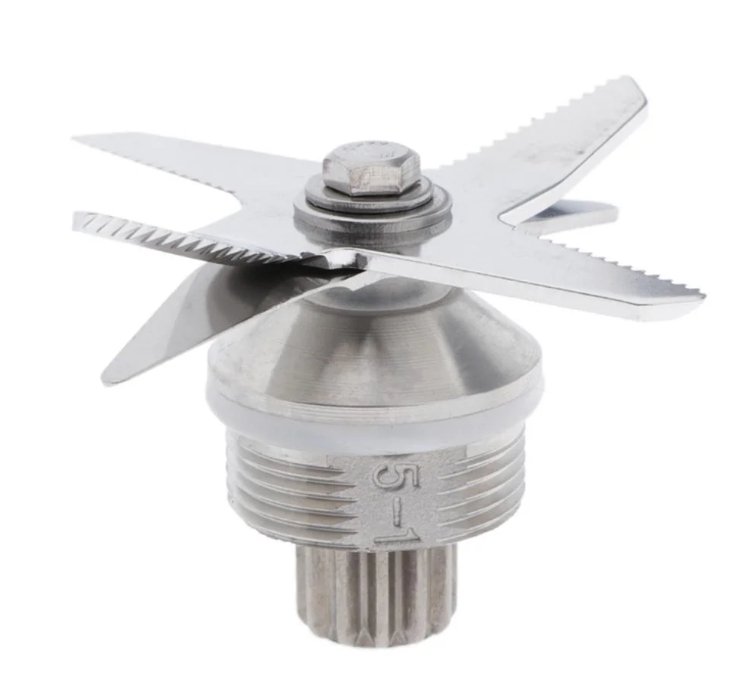
Blender Blade for Sale
Diamond Blade for Sale

Demolition Hammer & Rotary Hammer for Sale
Welcome to call us
Contact Us to get quotation
Working Time: 8:00~17:00 Monday to Friday.
FAQ
Welcome to call us
Contact Us to get quotation
Working Time: 8:00~17:00 Monday to Friday.
Blogs:
You may also interest in other topics:
22KW EV Charger ,talc grinding mill , rotary filling machine ,