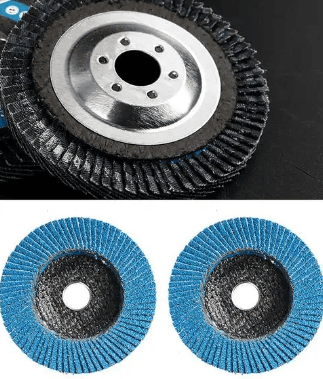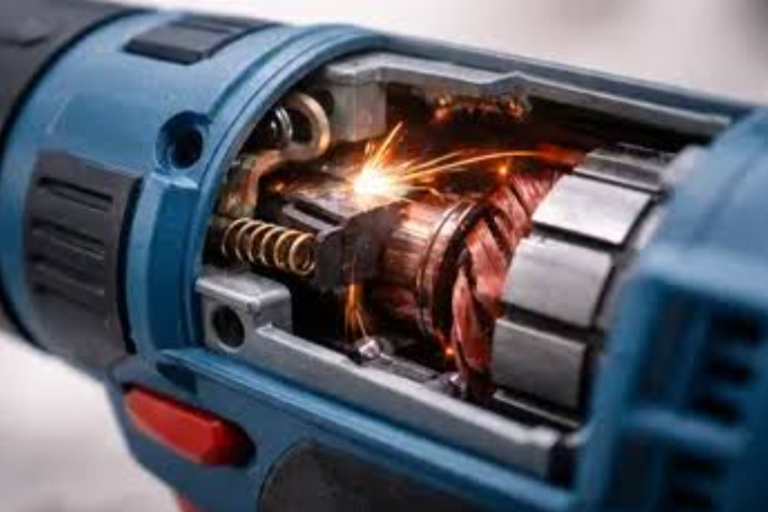
Zirconia vs Ceramic Flap Disc Comparison
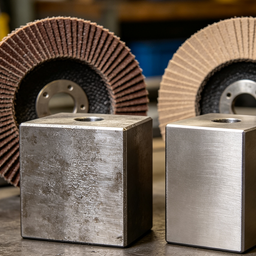
Zirconia vs Ceramic Flap Disc Comparison
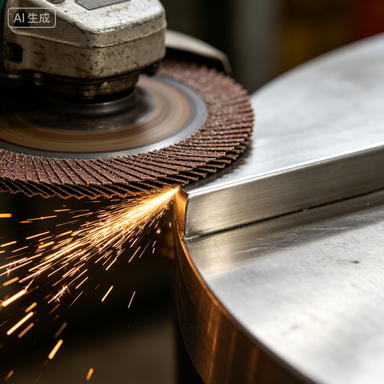
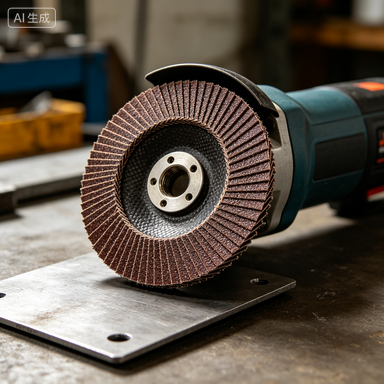
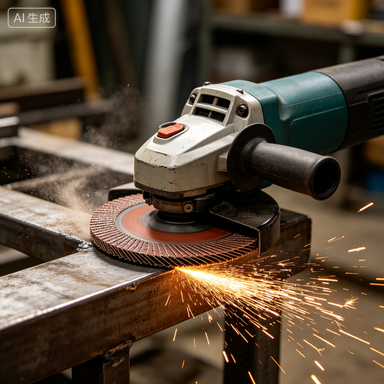
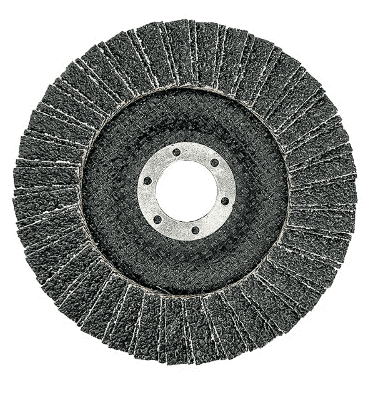
Zirconia vs Ceramic Flap Disc Comparison, which should i choose? If you work in fabrication, metalworking, or construction, picking the right flap disc for heavy grinding, deburring, or finishing is make-or-break for your daily efficiency. Both zirconia and ceramic options outlast basic aluminum oxide discs and remove material faster, but their unique compositions mean they’re built for totally different jobs, workloads, and materials. Pick the wrong one for the task, and you’re looking at 30% higher consumable costs, 25% slower work, and a way higher risk of burning your workpiece. Getting clear on how they stack up is non-negotiable if you want to keep your operations running smoothly.
Core Working Principles
Zirconia flap discs use fused zirconia alumina grains — a mix of aluminum oxide and zirconium dioxide that gets tougher the more stress it’s under. When the grain hits a workpiece, internal stress triggers a micro-crack resistance system that splits the grain into fresh, sharp cutting edges instead of just dulling or shearing off completely. This self-sharpening effect works best with moderate to high grinding pressure, so it’s perfect for consistent, high-force material removal on ferrous metals.
Ceramic flap discs use sol-gel manufactured aluminum oxide grains, engineered with a nano-crystalline structure that has uniform sub-micron grain boundaries. Under grinding pressure, these grains micro-fracture at predictable, even intervals, exposing a whole field of sharp cutting edges without losing a bunch of the grain’s bulk in the process. This controlled breakdown works just as well at low contact pressure as it does under heavy load, so it delivers consistent cutting performance for both high-pressure grinding and precision finishing work.
Key Component Differences
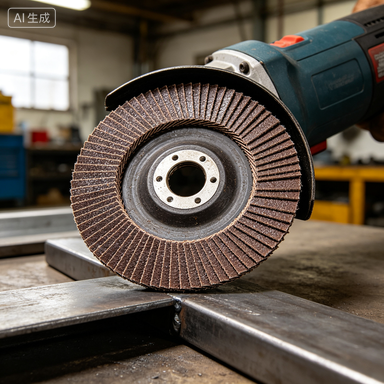
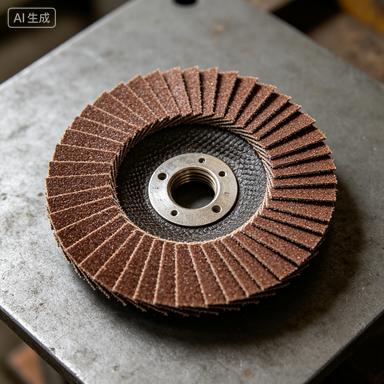
Zirconia flap discs usually have 40% to 60% zirconium dioxide mixed with aluminum oxide to balance toughness and cost. The grains are bonded to a polyester or cotton-polyester backing pad with phenolic resin that holds up to operating temperatures up to 180°C (356°F). Most standard zirconia discs also have a fiberglass backing plate for extra structural support when you’re running high-torque grinding jobs.
Ceramic flap discs use 95%+ pure sintered aluminum oxide grains, and premium variants often have a stearate lubricant coating to cut down on heat buildup and keep workpiece material from gunking up the disc. Their bond system is a modified phenolic resin that can handle temperatures up to 250°C (482°F), paired with a high-density polyester or aramid fiber backing pad that resists tearing during extended high-load use. Higher-end ceramic discs may also have a trimmable backing plate to extend usable life as the abrasive flaps wear down.
Performance Specification Comparison
Under 10 kg of contact pressure, zirconia flap discs remove 80–120 cm³ of material per minute, with an average service life of 8–12 hours of continuous use on mild steel. They work best at surface speeds of 25–35 m/s, so they’re compatible with standard 115–230 mm angle grinders running at 8,000–12,000 RPM. You can find them in grit sizes from 24 (for heavy grinding) up to 120 (for medium finishing), with a Vickers hardness rating of 2100–2200 HV.
Under that same 10 kg of pressure, ceramic flap discs remove 120–180 cm³ of material per minute, and they’ll last 15–25 hours of continuous use on high-strength alloys. They’re safe to run at surface speeds up to 40 m/s, so they work with both high-power angle grinders and automated grinding systems. Grit sizes range from 16 (for extreme heavy grinding) all the way up to 240 (for precision finishing), and their 2300–2500 HV hardness rating makes them 10–20% harder than zirconia grains.
Primary Application Scenarios
Zirconia flap discs are the standard pick for general metal fabrication, construction, and shipyard work, built to handle mild steel, carbon steel, cast iron, and standard stainless steel grades. They shine for removing weld spatter, blending weld seams, deburring cut edges, and stripping rust and scale off structural components. Their balanced performance and lower upfront cost make them perfect for low-to-medium volume production runs and field repair work, where you need consistent performance without paying a premium price.
Ceramic flap discs are built for high-demand jobs working with high-strength, heat-resistant materials like hardened steel, Inconel, titanium, cobalt-chromium alloys, and high-alloy stainless steel. You’ll see them used all the time in aerospace, automotive, medical device manufacturing, and heavy equipment fabrication for precision grinding of turbine components, automotive chassis parts, and medical implants, where minimal thermal damage and consistent surface finish are non-negotiable. Their long service life also makes them cost-effective for high-volume automated production lines.
Key Performance Advantages
Zirconia flap discs cost 20–30% less upfront than equivalent ceramic options, and they hold up way better to impact damage during high-force off-hand grinding. They work reliably even with inconsistent contact pressure and variable grinding angles, so they’re a great fit for less experienced operators and field work where conditions aren’t perfectly controlled. Their higher toughness also means you’re less likely to get grain fracture when you’re grinding uneven or irregular workpiece surfaces.
When you’re working with hard alloys, ceramic discs remove material 40–60% faster and last 70–100% longer than zirconia variants. Even with their higher upfront price, that cuts total consumable costs by 20–35% in high-volume applications. They also generate 20–30% less heat while grinding, so you’re way less likely to warp, anneal, or discolor your workpiece, which eliminates the need for secondary rework on precision jobs. Their consistent grain breakdown also gives you a more uniform surface finish from the first use of the disc to the last.
Selection Criteria for Specific Use Cases
Go with a zirconia flap disc if you’re mostly working with mild steel, carbon steel, or cast iron, your average grinding runs are under 2 hours per disc, and your budget prioritizes low upfront costs over maximum long-term durability. Zirconia is also the better pick for jobs with frequent impact, like grinding welds on irregular structural components, where the higher grain toughness cuts down on breakage risk. Stick to grit sizes between 24 and 80 for most general grinding and blending tasks.
Pick a ceramic flap disc if you’re working with high-strength alloys, need to avoid thermal damage to your workpieces, or run high-volume production operations where longer disc life cuts down on changeover time. Ceramic is also the better choice for precision finishing tasks that need consistent surface roughness between Ra 0.8 and Ra 3.2 µm, since their uniform grain wear gives you predictable finish quality across the disc’s entire usable life. For automated grinding systems, spring for ceramic discs with rigid aramid backing pads to get the most consistent performance.
Maintenance and Operational Best Practices
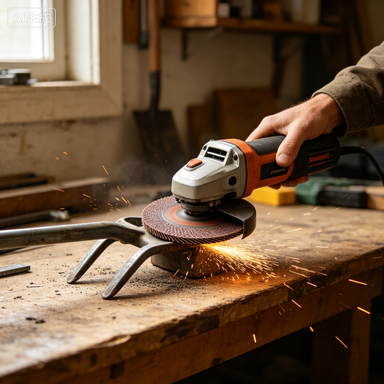
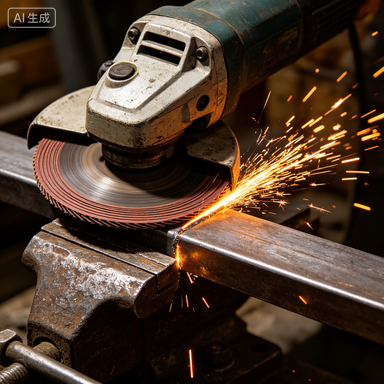
For both zirconia and ceramic flap discs, always check the backing pad for tears or delamination before you use it, and make sure the disc is rated for the maximum RPM of your angle grinder. Run zirconia discs at a 15–30° contact angle to the workpiece to maximize that self-sharpening behavior and keep from overloading the grains. Apply consistent, even pressure instead of forcing it too hard — overloading can cause the bond to fail prematurely and ramp up heat buildup.
For ceramic flap discs, don’t use excessive contact pressure. The grains are so hard that you can accidentally remove too much material or gouge precision workpieces if you press too hard. Clean the disc every so often with a dressing stick to get rid of embedded workpiece particles and keep it from getting loaded up, which will slow down cutting and make more heat. Store both disc types in a dry, temperature-controlled space to keep moisture or extreme temperature swings from breaking down the resin bond.
Comparative Cost and ROI Analysis
A standard 115 mm zirconia flap disc usually costs $2.50 to $4.00 per unit, while an equivalent ceramic disc runs $4.50 to $7.00. For low-volume jobs processing mild steel, the lower upfront cost of zirconia gives you a better ROI — the longer life of ceramic discs doesn’t make up for their higher price if you’re using them for less than 5 hours a week. For these use cases, zirconia discs cut total operating costs by 15–20%.
For high-volume jobs processing hard alloys, the longer life and faster material removal of ceramic discs give you a way better ROI. A single ceramic disc can replace 1.5 to 2.5 zirconia discs when you’re grinding hardened steel, cutting total consumable costs by 20–35% while slashing processing time by 30–40%. For automated production lines, the reduced changeover time from longer-lasting ceramic discs can add an extra 5–10% productivity gain, which boosts your total operational savings even more.
Common Misconceptions Cleared Up
Q: Ceramic flap discs are always better than zirconia variants, regardless of application?
A: That’s not true. Ceramic discs perform better on hard alloys and high-volume runs, but you’re wasting money on their higher upfront cost if you’re using them on soft materials like mild steel, where their wear resistance advantage barely registers. For low-volume, general-purpose grinding on ferrous metals, zirconia discs give you equal or better total cost of ownership thanks to their lower purchase price and comparable performance on softer metals.
Q: Zirconia and ceramic flap discs can be used interchangeably on all materials?
A: This is a super common mistake. Zirconia grains wear down fast when you’re working with high-strength alloys like Inconel or titanium, which leads to more heat buildup, higher consumable costs, and potential thermal damage to your workpiece. On the flip side, ceramic grains are too hard for soft materials like aluminum or copper — they’ll gouge the surface and get loaded up with swarf really quickly, which kills cutting efficiency. Always match the disc type to your workpiece material for the best results.
Q: Higher grit number means a faster cutting disc?
A: Nope. Grit number refers to the size of the abrasive grains: lower numbers mean larger, more aggressive grains that remove material faster, while higher numbers mean smaller grains for finer finishing. A 24-grit disc will remove material 3–4 times faster than a 120-grit disc, whether it’s zirconia or ceramic, but it will leave a much rougher surface. Pick your grit size based on how fast you need to remove material and what your final surface finish requirement is.
Q: All flap discs with ceramic labeling have the same performance?
A: That’s incorrect. Cheap ceramic discs often use lower-purity grains with larger, non-uniform crystalline structures that wear unevenly and are way more likely to fracture. Premium ceramic discs use sol-gel manufactured grains with sub-micron crystalline structure for controlled micro-fracturing and consistent self-sharpening. Always check grain purity and manufacturing method when you’re picking ceramic discs — low-quality variants might perform no better than mid-grade zirconia discs despite costing more.
Frequently Asked Questions
Q: Can either disc type be used for grinding non-ferrous metals like aluminum?
A: Neither standard zirconia nor ceramic discs are recommended for non-ferrous metals, because they’ll load up really fast with soft swarf, which cuts down on cutting efficiency and ramps up heat buildup. For aluminum, copper, and brass, use zirconia or ceramic discs with a stearate coating made specifically for non-ferrous applications, or go with aluminum oxide silicon carbide blended discs for the best performance.
Q: What is the maximum safe operating temperature for these discs?
A: Zirconia discs have a maximum safe operating temperature of 180°C (356°F) at the bond layer, while ceramic discs can safely run at up to 250°C (482°F). Exceeding these temperatures will break down the resin bond, leading to premature grain loss and potential disc failure. If you notice discoloration on the disc or workpiece surface, reduce contact pressure and increase grinding speed to bring heat down.
Q: How do I know when a flap disc is fully worn out and needs replacement?
A: Replace the disc when the abrasive flaps are worn down to within 5 mm of the backing plate, or if you see uneven wear, delamination of the backing pad, or a big drop in material removal rate that you can’t fix by dressing the disc. Using a worn disc past that point increases the risk of the backing plate hitting the workpiece, which can cause surface damage, and raises the chance of the disc failing while you’re using it.
Q: Can these flap discs be used on bench grinders or only portable angle grinders?
A: Standard flap discs are made for use on portable angle grinders running at 8,000–12,000 RPM. For bench grinders, pick specialized flap discs rated for the lower RPM and higher continuous load of fixed grinding equipment — standard discs may delaminate or fail under those different operating parameters. Always double check that the disc’s maximum RPM rating matches your equipment before you use it.
Q: Are there any safety differences between using zirconia and ceramic discs?
A: The core safety rules for both disc types are exactly the same: always wear proper eye and face protection, make sure the disc is properly secured to the grinder, and run it at the recommended contact angle. Ceramic discs produce slightly finer abrasive dust while in use, so extra respiratory protection is a good idea for enclosed workspaces to avoid inhaling nano-sized grain particles.
Final Summary
Zirconia flap discs are a cost-effective, tough solution for general-purpose grinding, blending, and deburring of mild steel, carbon steel, and cast iron in low-to-medium volume and field applications. Ceramic flap discs, on the other hand, deliver faster material removal, longer service life, and less heat generation for high-volume production and working with high-strength alloys. To pick the right disc, match the abrasive type to your main workpiece material, production volume, and required surface finish, and stick to consistent operating pressure and proper storage to get the most life and performance out of your discs. Align your disc choice with your specific operational needs, and you can cut consumable costs by 20–35% and reduce processing time by up to 40% compared to using the wrong abrasive for the job.
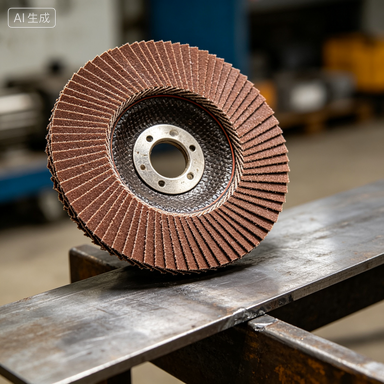
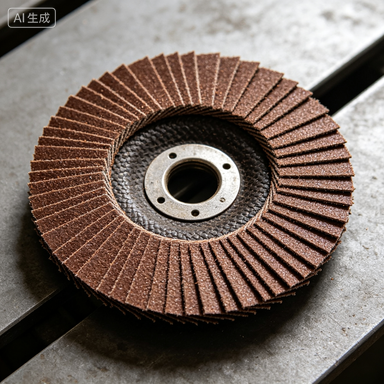
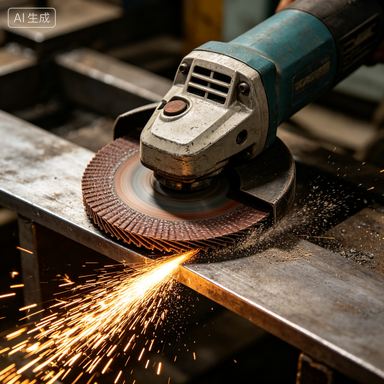
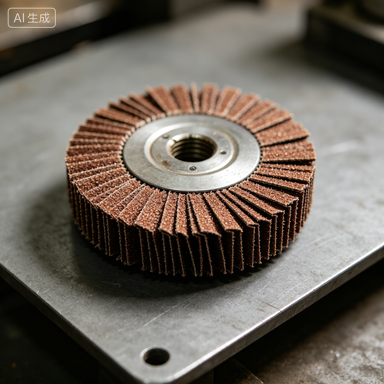
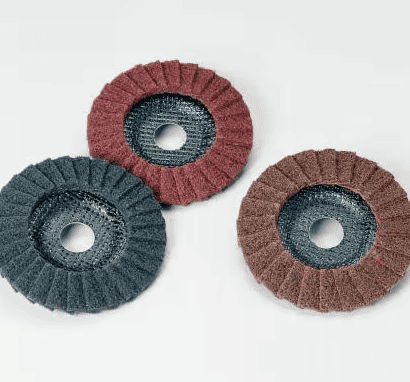
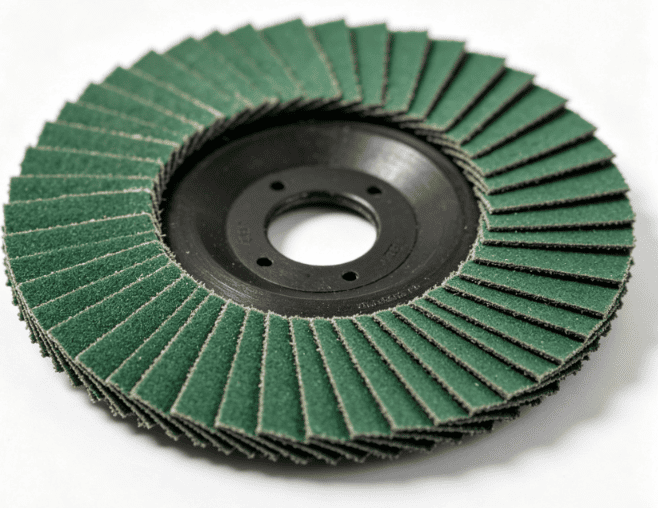
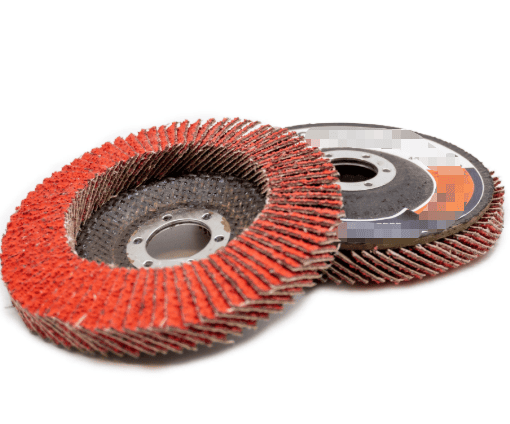
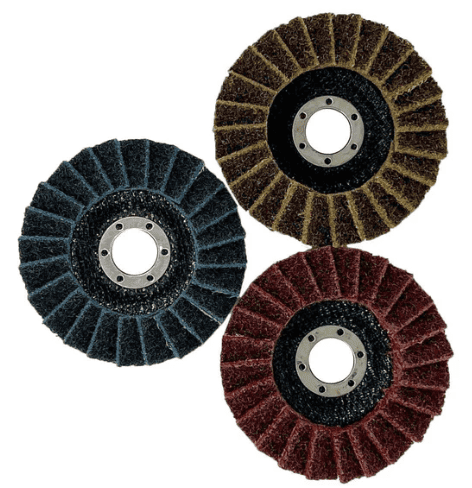
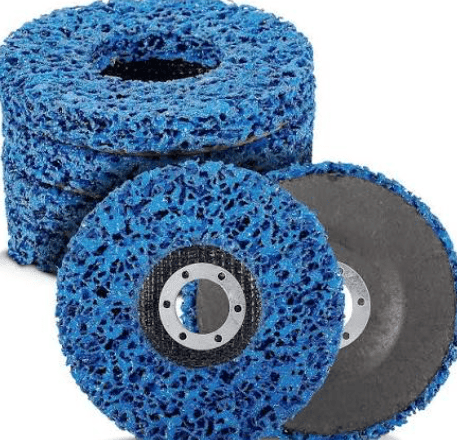
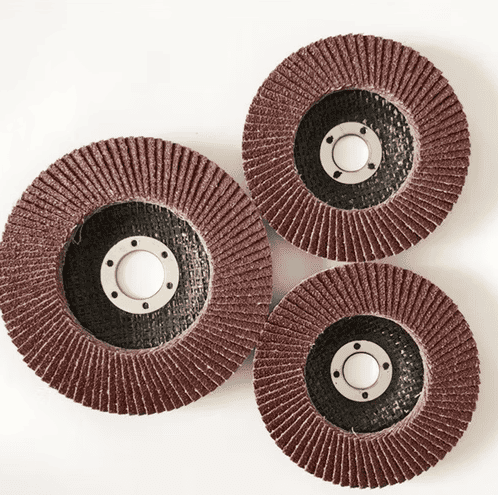
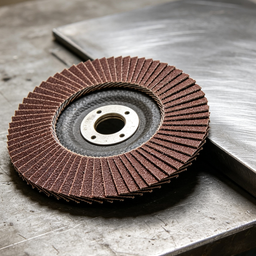
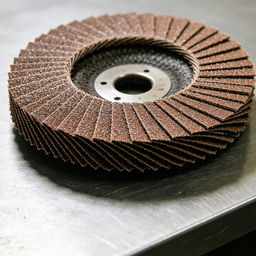
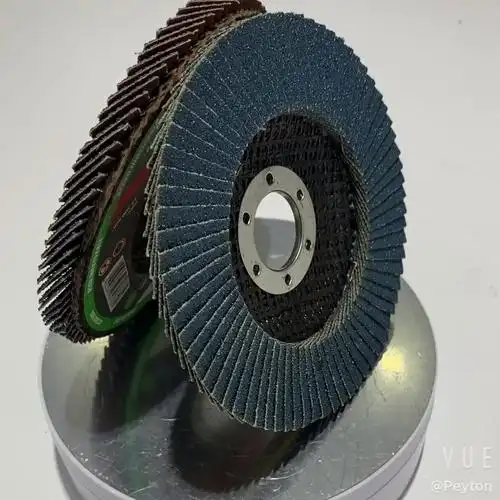
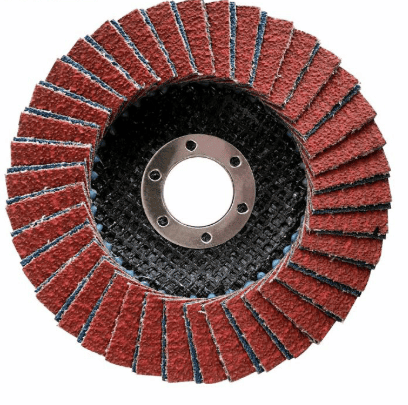
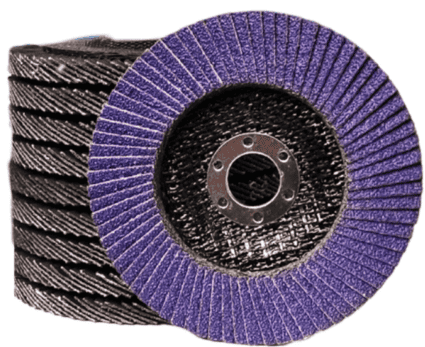
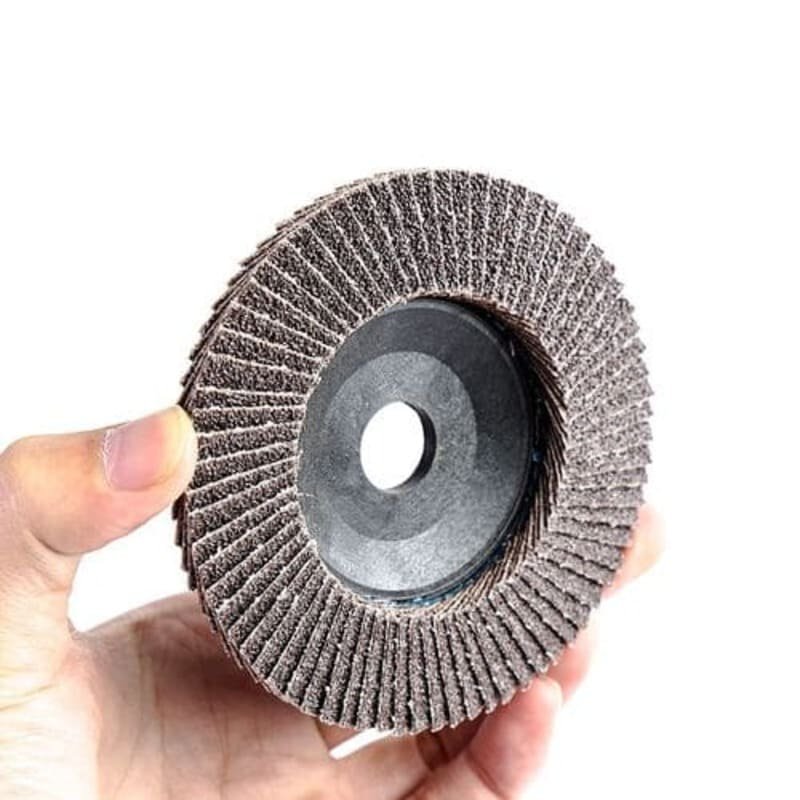
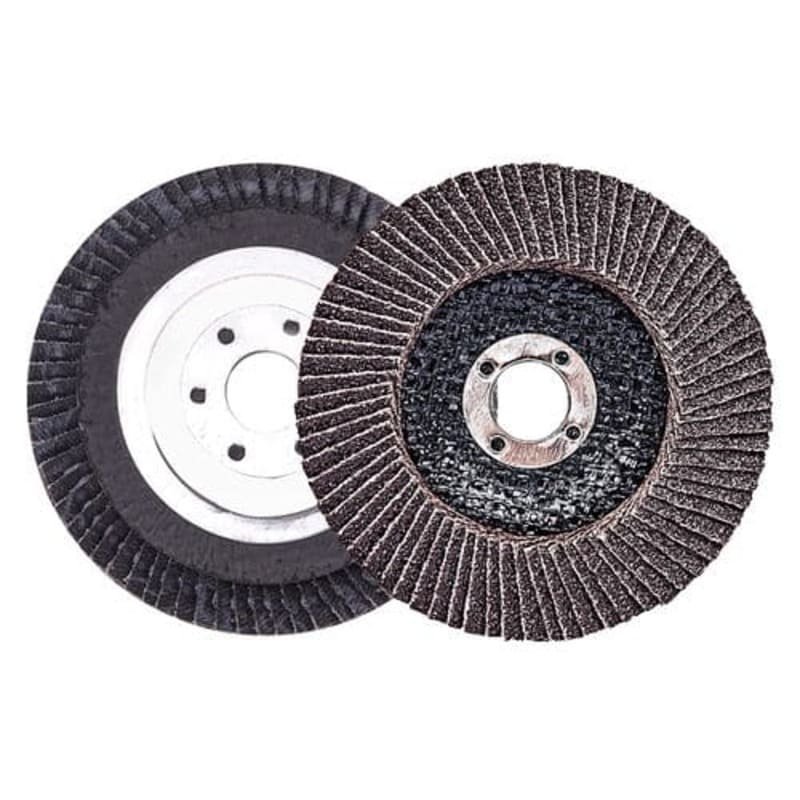
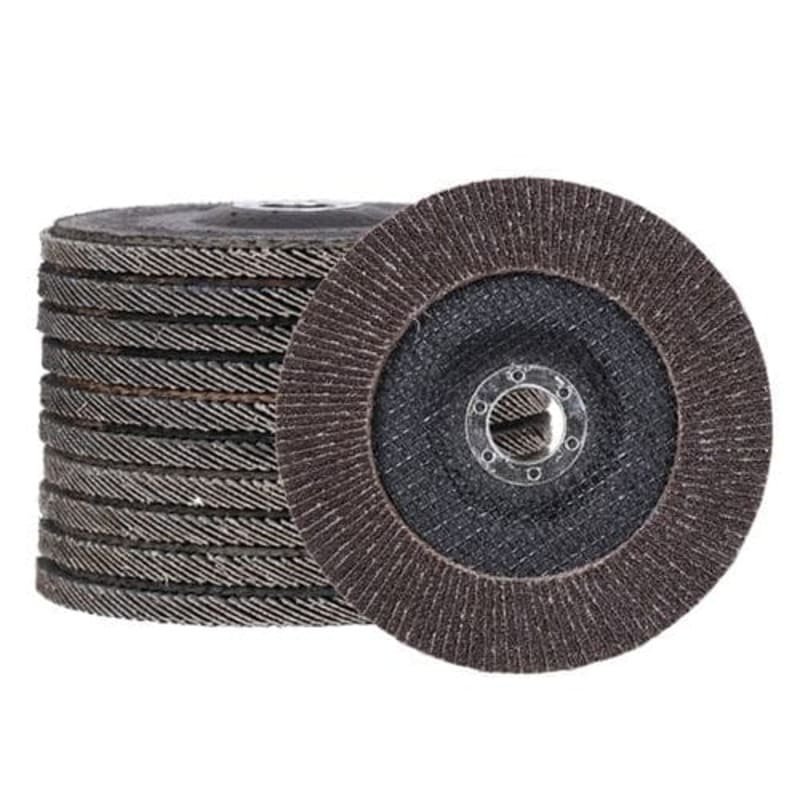
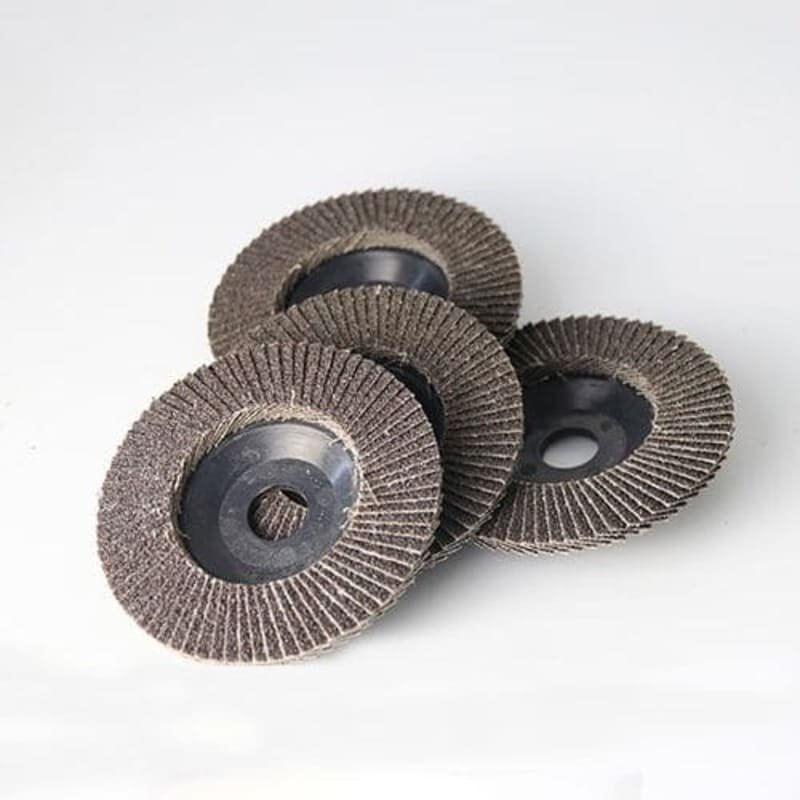
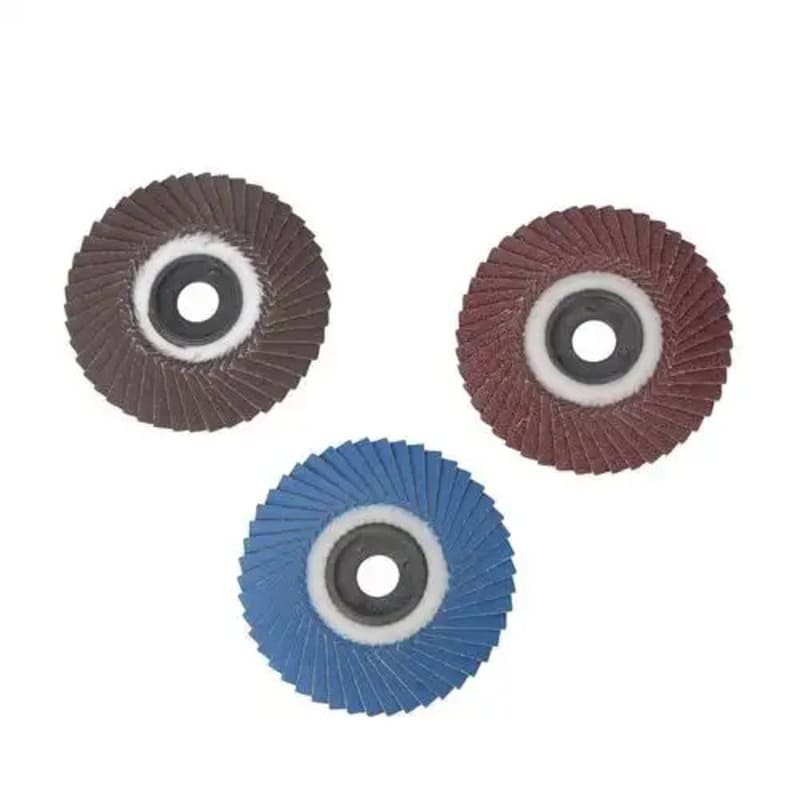
Flap Disc for Sale
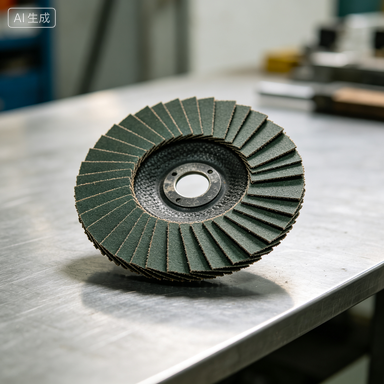
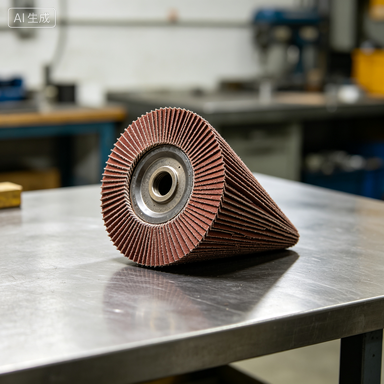
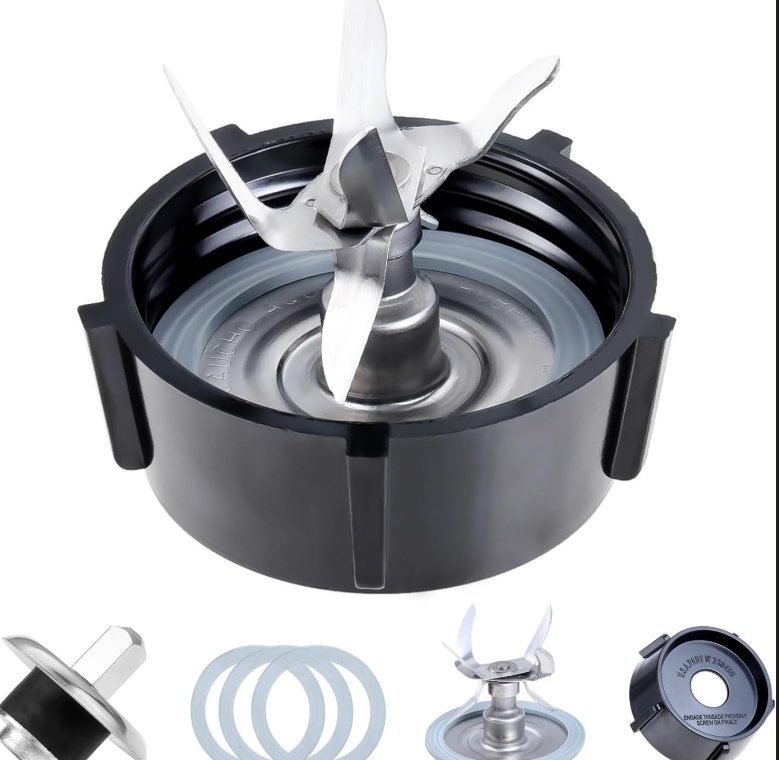
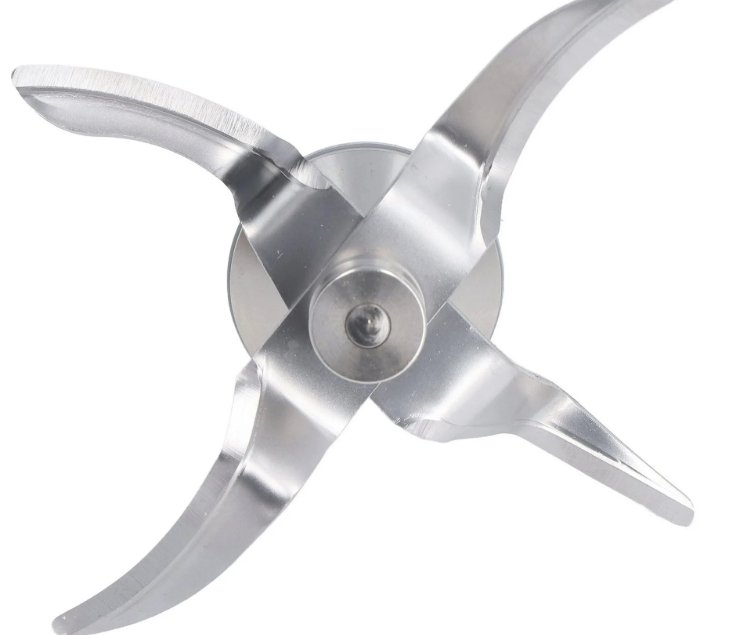
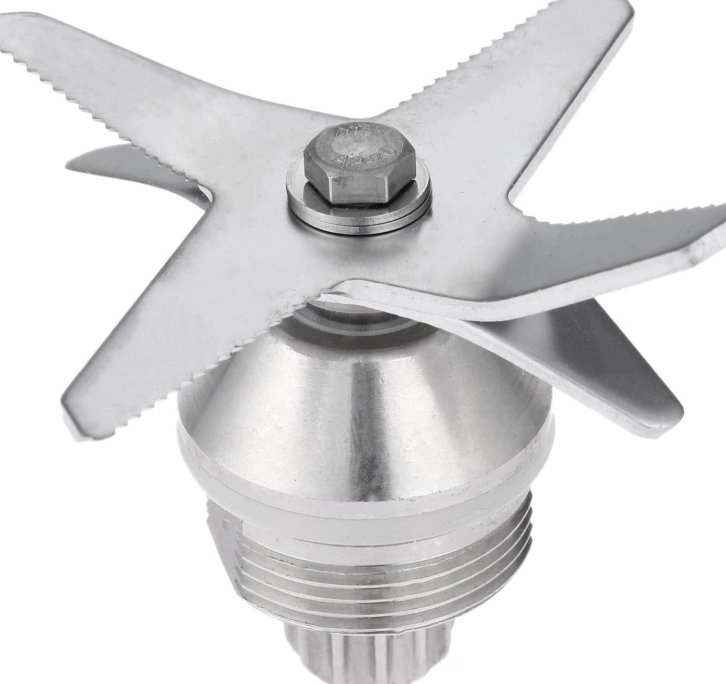
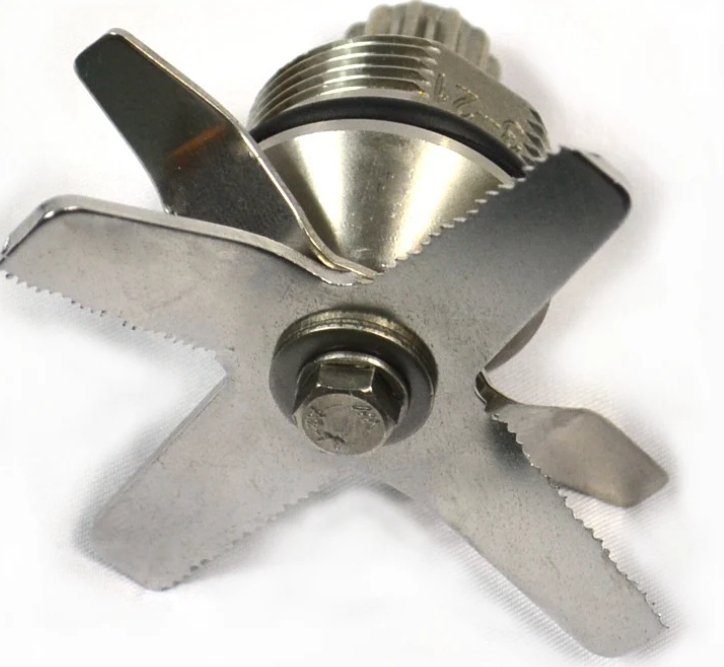
Blender Blade for Sale
Diamond Blade for Sale

Demolition Hammer & Rotary Hammer for Sale
Welcome to call us
Contact Us to get quotation
Working Time: 8:00~17:00 Monday to Friday.
FAQ
Welcome to call us
Contact Us to get quotation
Working Time: 8:00~17:00 Monday to Friday.
Blogs:
You may also interest in other topics:
22KW EV Charger ,talc grinding mill , rotary filling machine ,