Industrial Fan Installation
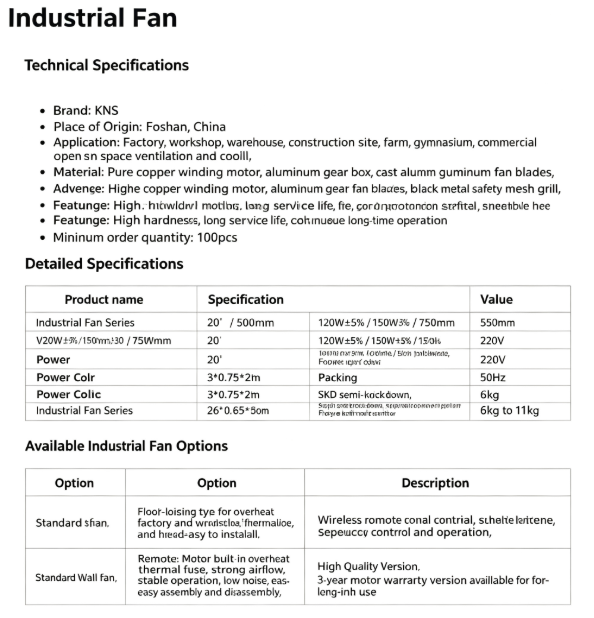
Specs
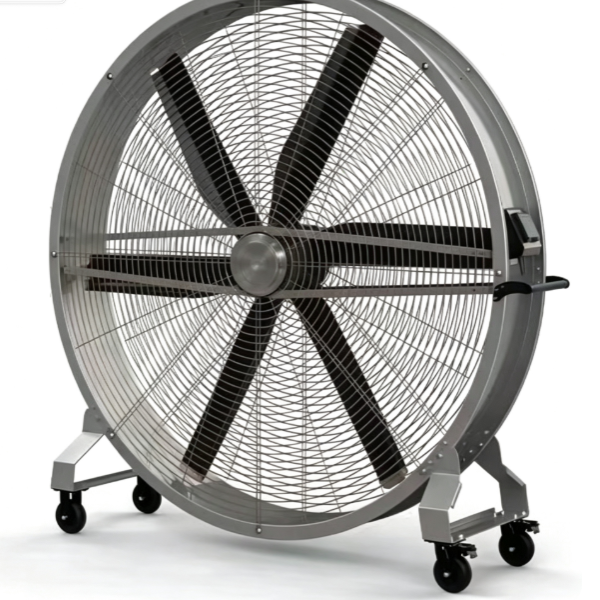
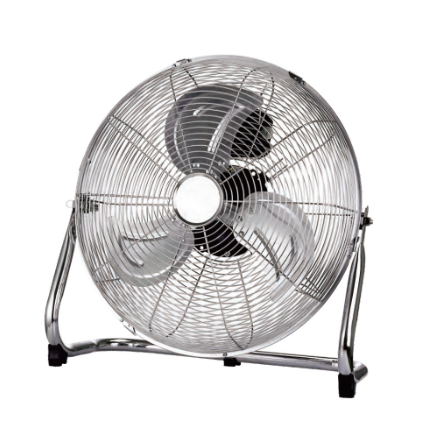
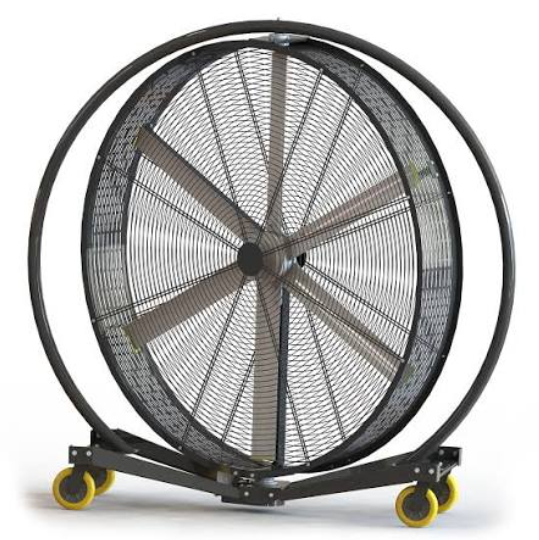
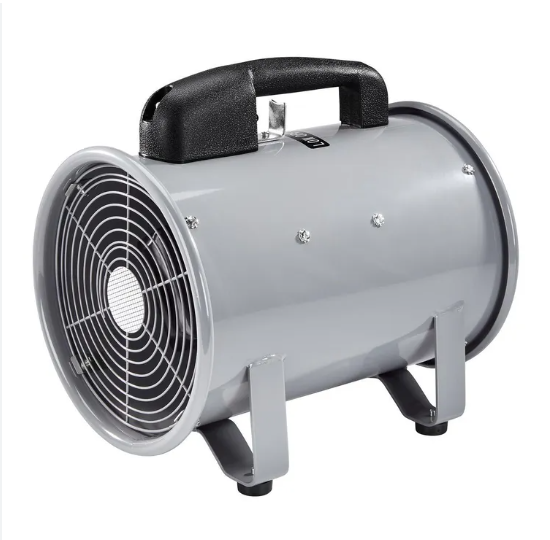
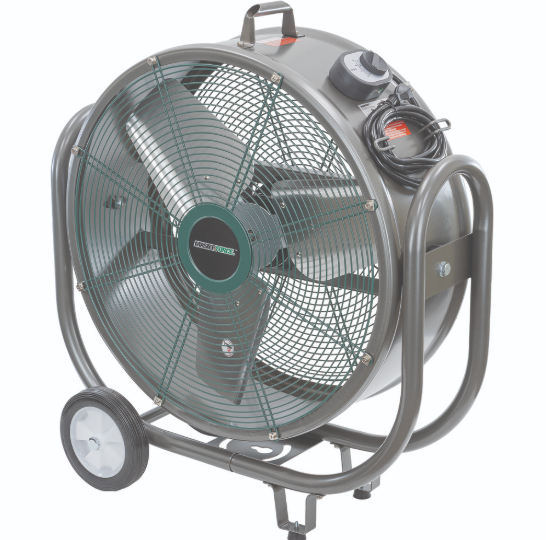
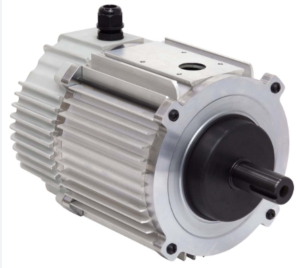
Industrial Fan Material: Pure copper winding motor, aluminum gear box, cast aluminum fan blades, black metal safety mesh grill, iron stand pole & iron base
Power Supply: 220V, 50Hz
Available Sizes: 20″ / 500mm, 26″ / 650mm, 30″ / 750mm
Power(W): 120W±5% / 150W±5% / 175W±5%
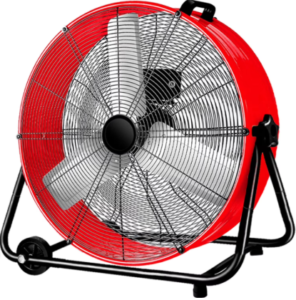
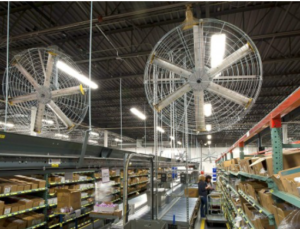
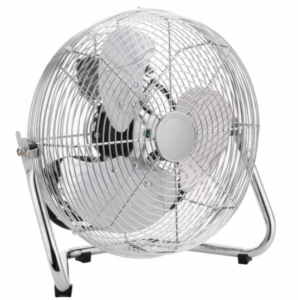
Structure Type: Industrial Stand Fan / Industrial Wall Fan / Remote Control Wall Fan
Power Cord: 30.752m French two-plug power cord
Extra Feature: Motor built-in overheat thermal fuse; Remote control version optional
Packing Mode: semi-knock-down, separate component packing, 5-layer kraft export carton
Net Weight Range(kg): 6~11kg
Application: Factory, workshop, warehouse, commercial open space ventilation & cooling
Industrial Fan Installation
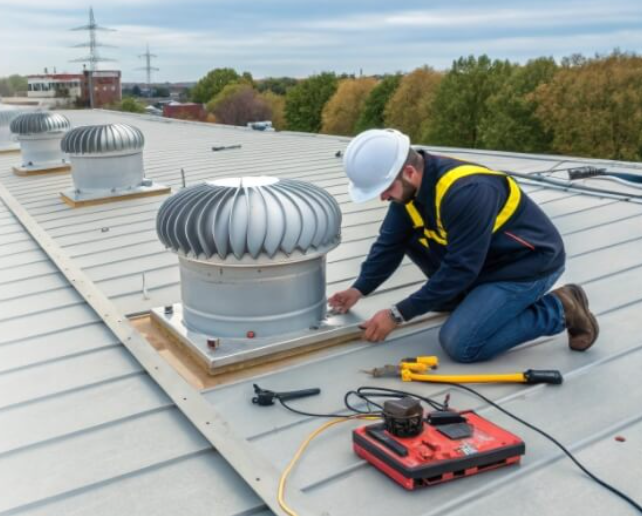
Industrial fan installation is a standardized construction process that follows strict safety codes and on-site spatial conditions, which fundamentally determines the operational stability, ventilation efficiency, and overall production safety of industrial cooling and ventilation equipment. Unlike ordinary civilian fan mounting that only requires simple fixation, industrial fan installation involves structural load verification, professional standardized fixing procedures, safety protection configuration and rigorous commissioning inspection. Every step of the construction process directly affects the long-term operating status of the equipment. Non-standard installation will easily cause fan shaking, abnormal noise, insufficient air volume, and even safety hazards such as equipment falling and electric leakage. Therefore, standardized and professional installation construction is the core foundation to ensure that industrial fans exert stable ventilation performance and meet factory safety production standards.
What basic preparation work is required before industrial fan installation?
On-site structural survey is the primary preparation step for industrial fan installation, which aims to confirm the compatibility of building space and load-bearing conditions to ensure safe and effective equipment mounting. Professional installation standards require that the clear height of the workshop installation area must reach at least 3.5 meters, which reserves sufficient rotating and air circulation space for fan blades and avoids limited air supply caused by low space height. During the survey, construction personnel need to focus on inspecting the top load-bearing structure of the workshop, giving priority to stable structural supports such as H-beams, I-beams and steel-concrete square beams. These standard building structures have strong bearing capacity and structural stability, which can safely bear the long-term operating weight and vibration load of industrial fans.
During the on-site inspection process, workers also need to eliminate weak structural areas such as thin ceiling plates, non-load-bearing light steel structures and aging deformed beams. These unstable structures cannot bear the dynamic load of fan operation, and forced installation will lead to structural deformation and even falling risks. By comprehensively measuring space height, detecting structural firmness and confirming obstacle distribution, construction personnel can accurately determine the optimal installation position, laying a safe and reasonable spatial foundation for subsequent formal construction.
Complete parts inspection and verification is essential to ensure smooth installation and avoid construction delays caused by missing or damaged accessories. Before construction, workers need to carefully count and check all supporting accessories of the industrial fan, including drive motors, integral fan blades, fixed mounting brackets, safety steel cables and various fastening bolts. It is necessary to confirm that all accessories are complete in quantity and intact in appearance, without deformation, cracking, rust, thread damage and other quality problems.
Key components such as fan blades and motors need detailed quality inspection, because damaged core parts will not only affect the installation accuracy, but also cause abnormal vibration and performance failure after equipment operation. Damaged or missing accessories must be replaced and supplemented in a timely manner. Only after ensuring that all parts are intact and qualified can the formal installation construction be carried out, effectively avoiding rework and hidden equipment risks caused by unqualified parts.
Reasonable power supply matching and circuit planning guarantee the safe power supply operation of industrial fans and eliminate electrical safety hazards. According to the rated power parameters of the industrial fan, construction personnel need to select matching wire specifications and socket models to adapt to the equipment’s operating power. Most industrial fans support 220V and 380V dual power supply modes, which can flexibly adapt to different factory power distribution systems.
In order to ensure long-term safe operation, the installation site must be equipped with an independent grounding circuit. The grounding design can effectively induce static electricity and leakage current generated during equipment operation to the ground, preventing electric shock accidents and motor burnout caused by circuit leakage. In addition, the power circuit needs to be planned in advance to avoid messy wiring and circuit extrusion. Standardized power supply configuration ensures stable power output for industrial fans and provides reliable electrical safety guarantee for subsequent equipment operation.
What core standardized specifications must be followed during industrial fan installation?
Scientific installation position and height standards are key to ensuring the best ventilation effect and safe operation of industrial fans. The installation points of industrial fans need to be arranged evenly and centrally in the workshop space, which helps form a three-dimensional circulating air field covering the whole workshop and avoids ventilation dead zones caused by unreasonable layout. In terms of height specification, the vertical distance between fan blades and the ground must be controlled between 2.5 meters and 4.5 meters. This height range not only ensures sufficient air supply coverage, but also prevents personnel from accidentally touching the operating fan blades and causing safety accidents.
Meanwhile, the vertical distance between the fan body and the roof structure must be no less than 0.5 meters, which reserves enough space for air intake and avoids roof obstruction affecting air circulation efficiency. The safety distance between the fan body and surrounding building columns, equipment and obstacles should be maintained above 0.2 meters. This standard can effectively eliminate friction and collision between the fan and surrounding objects during operation, ensuring long-term stable and unobstructed equipment operation.
Strict base fixing standards determine the structural firmness and operational stability of industrial fans, with differentiated fixing processes adopted for different workshop structures. Industrial fan installation uniformly adopts grade 8.8 high-strength industrial bolts as the core fastening parts, which have ultra-high tensile resistance and anti-loosening performance, suitable for long-term high-vibration industrial working conditions. For steel structure workshops with H-beam and I-beam load-bearing structures, non-destructive hoop fixing technology is adopted. This method does not damage the original building structure, and can achieve tight fitting and stable fixation.
For concrete frame workshops, embedded expansion bolts are used for fixed installation. In order to avoid loose fixation caused by incomplete bolt locking, all fastening bolts need to be tightened in two times according to the standard torque value. The first pre-tightening fixes the position, and the second formal tightening ensures uniform stress of all bolts. This standardized secondary fastening process effectively prevents bolt loosening caused by long-term fan vibration and improves the overall firmness of the equipment base.
Complete safety protection configuration is a necessary barrier to eliminate falling and electric leakage risks of industrial fans. Standard installation procedures require equipping each industrial fan with four professional safety steel cables to traction the main beam structure, forming multi-point stable protection for the equipment. The steel cables can effectively share the equipment load and prevent accidental falling caused by bolt failure.
In addition, each fan blade is double reinforced with safety gaskets and protective rings to prevent blade loosening and falling off during high-speed rotation. The equipment power circuit is equipped with a special waterproof sealing box, which isolates external dust and humid air, avoids circuit aging and short circuit failure, and completely eliminates potential safety hazards such as electric leakage and equipment falling during fan operation.
Targeted installation adaptation for special working conditions ensures that industrial fans can operate safely and stably in harsh industrial environments. For flammable and explosive workshops such as chemical production and dust processing, ordinary industrial fans are prohibited from installation. All ventilation equipment used in such scenarios must be explosion-proof industrial fans with complete formal explosion-proof certification. The explosion-proof structure can avoid spark generation during equipment operation and prevent explosion accidents caused by contact with flammable and explosive gases and dust in the air.
For humid workshops and corrosive industrial environments, industrial fans with high waterproof and anti-corrosion protection grades must be selected. The professional anti-corrosion shell and sealed structure can resist moisture erosion and chemical corrosion, preventing equipment rust, circuit failure and performance attenuation. The adaptive matching of equipment and working conditions is the key to ensure safe and durable operation of industrial fans in special industrial scenarios.
What commissioning and acceptance procedures are required after industrial fan installation?
Static inspection is the first step of post-installation acceptance, used to confirm the integrity and firmness of the overall structure of the industrial fan. After the installation and fixation of the equipment is completed, construction personnel need to comprehensively recheck all fastening bolts, safety steel cables and protective devices to ensure that all parts are installed in place without missing installation or loose fixation. All safety protection structures must be kept intact and effective without damage or deformation.
After the structural inspection is completed, workers need to manually rotate the fan blades slowly to test the operating state. During the manual rotation process, it is necessary to confirm that the fan blades rotate smoothly without jamming, friction and abnormal resistance. At the same time, check whether the fan body has eccentric shaking and unbalanced deviation. If abnormal static problems are found, the equipment must be adjusted and corrected immediately to ensure that the static state of the fan meets industrial operation standards before subsequent dynamic commissioning.
No-load trial operation is a key link to detect the dynamic operating performance of industrial fans, which requires continuous empty operation for 5 to 10 minutes. After the static inspection is qualified, turn on the equipment power to make the fan run without load. During the whole trial operation process, personnel need to continuously observe the operating stability of the fan body, focusing on checking whether there are abnormal vibration, offset shaking and structural resonance problems.
At the same time, monitor whether the equipment has abnormal noise, circuit leakage and local overheating of the motor. Qualified no-load operation requires the fan to run smoothly with uniform rotating speed, no abnormal friction sound and vibration noise, stable circuit operation, and no overheating failure of core components. No-load commissioning can effectively eliminate potential dynamic faults and verify the rationality of installation structure.
Full-load continuous operation acceptance is the final standard to judge whether the industrial fan installation is qualified, requiring stable operation for 2 consecutive hours. After the no-load test runs normally, the equipment enters the full-load operating state to simulate the daily long-term working condition of the factory. During the full-load operation period, professional personnel need to real-time monitor the operating current of the equipment and the temperature change of the motor core.
The acceptance standard stipulates that the equipment has no tripping, automatic shutdown, severe jitter and abnormal noise during continuous full-load operation. The motor temperature rise is within the safe allowable range, and the current operation is stable without overload fluctuation. If all indicators meet the industrial operation standards after two hours of stable full-load operation, the industrial fan installation is completely qualified and can be officially put into daily production and ventilation operation.
What key safety precautions must be followed throughout industrial fan installation?
All high-altitude installation operators must hold valid professional certificates, and wear complete safety protective equipment throughout the whole process to ensure personal construction safety. Industrial fan installation belongs to high-altitude operation work, which has high operational risks. Construction personnel must receive professional safety training and hold corresponding operation certificates to take up their posts. Before construction, workers must wear standard safety helmets and full-body safety ropes correctly, and fix the safety ropes firmly on stable building structures to prevent high-altitude falling accidents.
In addition, a closed warning isolation area must be set directly below the high-altitude operation area to prohibit irrelevant personnel from entering and passing by. The isolation setting can effectively prevent falling tools and accessories from causing injury to personnel below. Standardized personnel protection and on-site isolation management are the basic guarantees to eliminate personal safety accidents during installation construction.
Industrial fan installation positions must avoid dangerous and key functional areas to prevent equipment operation from affecting production safety and fire safety. Construction specifications clearly prohibit installing industrial fans directly above flammable and combustible material stacking areas. The wind circulation generated by fan operation will accelerate the air flow around flammable materials, increasing the risk of fire spread. At the same time, installation is not allowed above high-voltage distribution rooms, to avoid equipment falling or abnormal operation interfering with power distribution safety and causing electrical accidents.
In addition, the central axis of fire evacuation passages is also a forbidden installation area. Installing fans in fire passages will block emergency evacuation routes and affect personnel escape and fire rescue work in case of emergencies. Strictly abiding by the installation area prohibition regulations ensures that the fan equipment will not conflict with factory safety functions.
Equipment trial operation must be carried out under the condition of no personnel below the fan, and immediate shutdown inspection is required once abnormal conditions are found. Whether it is no-load debugging or full-load acceptance, the area directly below the industrial fan must be kept empty of people. Abnormal blade rotation, falling parts and sudden equipment failure during trial operation will pose a great threat to personnel safety.
Operators need to keep real-time observation during the trial operation process. Once abnormal jitter, irregular noise, burning peculiar smell and current tripping are found, the power supply must be cut off immediately to stop the machine for troubleshooting. Operation can only be continued after the hidden dangers are completely eliminated. Standardized trial operation safety management effectively avoids equipment failure expansion and accidental injury risks.
Summary
In summary, industrial fan installation is a standardized and safety-oriented construction project covering pre-construction preparation, standardized installation construction, post-installation commissioning and safety management. Complete on-site structural survey, parts inspection and power supply matching lay a solid foundation for safe construction. Strict specifications for installation height, fixed standards, safety protection and special working condition adaptation ensure the structural firmness and operational rationality of the equipment. Scientific static inspection, no-load and full-load trial operation acceptance verify the installation quality and operating performance of industrial fans. Standard high-altitude operation specifications and site safety management eliminate construction and operational risks. Professional and standardized industrial fan installation directly guarantees stable ventilation performance, long service life and factory production safety, which is an indispensable key link in industrial fan engineering deployment.


Key Features & Advantages
1. Standardized Pre-Installation Preparation System
Professional industrial fan installation starts with rigorous on-site environment and structural verification, confirming that the workshop net height and load-bearing structure meet installation standards. Complete accessory inspection eliminates hidden dangers of defective parts, and scientific power supply matching and independent grounding design ensure safe and stable power supply. Comprehensive pre-construction preparation avoids structural mismatch, accessory missing and electrical hidden dangers, laying a reliable foundation for subsequent formal construction.
2. Strict Construction and Fixing Specifications
The installation follows unified height and spacing standards to ensure reasonable ventilation coverage and operational safety. Adopting grade 8.8 high-strength bolts and differentiated fixing processes for steel structure and concrete workshops, the secondary torque fastening method ensures firm base fixation. Equipped with multi-point safety steel cables and double blade protection devices, the whole machine achieves anti-fall and anti-loosening safety performance. Targeted selection of explosion-proof and anti-corrosion models adapts to various harsh working conditions.
3. Complete Post-Installation Commissioning & Acceptance Mechanism
The project adopts three-layer acceptance standards including static re-inspection, short-term no-load operation and long-term full-load operation. Static inspection calibrates structural integrity and rotational smoothness. No-load commissioning verifies dynamic stability and no abnormal noise or electric leakage. Two-hour full-load monitoring confirms current and temperature stability. The systematic acceptance system ensures that every installed fan meets industrial formal operation standards.
4. Full-Cycle Safety Operation Specifications
The whole installation process implements standardized safety management, requiring certified high-altitude operation, complete protective equipment and on-site isolation settings. It strictly avoids dangerous areas such as flammable material stacking zones, high-voltage electrical areas and fire passages. The trial operation zero-person rule and immediate shutdown troubleshooting mechanism effectively prevent construction accidents and equipment failure risks, ensuring personal safety and factory production safety.
5. Deterministic Long-Term Operating Performance
Standardized industrial fan installation effectively avoids common problems such as equipment shaking, air volume attenuation, abnormal noise and loose falling parts. It maximizes the ventilation and cooling efficiency of industrial fans, extends the overall service life of equipment, reduces later maintenance costs, and provides stable, efficient and safe long-term ventilation operation guarantee for industrial workshops.
Packing, Delivery & Shipping
If you meet our minimum order quantity requirement, customized retail packaging is available for your industrial fans. We can produce premium hanging display color boxes matched with outer export cartons. You can choose to adopt standard factory packaging, or apply your own OEM brand totally.
Customizable items include printed brand logos, product adhesive stickers, personalized color box artwork and outer carton layouts. If you need exclusive customized packaging design, please provide your complete PDF design files for production arrangement.
If your order volume fails to reach the customized packaging MOQ, we will adopt standard neutral brown cartons for bulk SKD semi-knock-down shipment. Meanwhile, you can still attach your self-designed brand stickers on the outer packages to mark your own brand.
Packaging Details Adapted for Industrial Fan Series
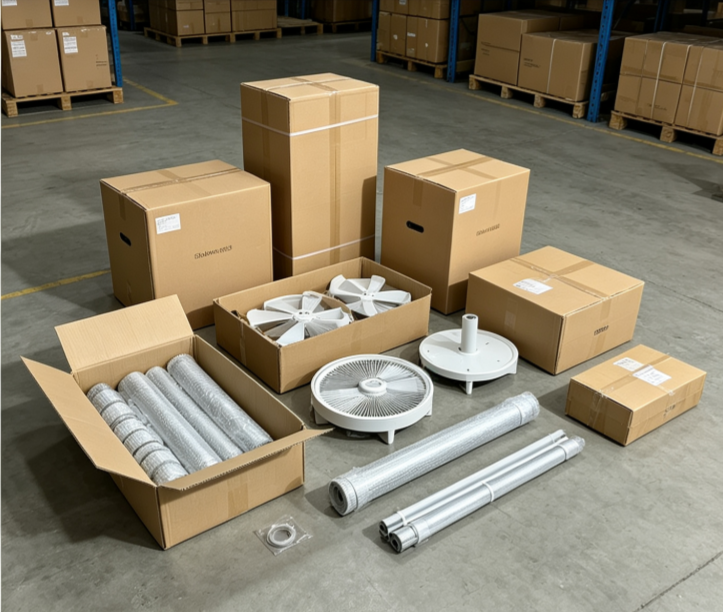
Packaging Content: Each component of industrial fan is packed separately to avoid scratch and deformation during transit, including motor, mesh grill, fan blades, support pole, base and mounting fittings.
Inner Package: Each spare part is wrapped with protective plastic film to prevent surface abrasion.
Outer Package: Five-layer kraft corrugated export carton, shockproof and compression-resistant for long-distance sea and land transportation.
All fans are shipped in SKD semi-knock-down condition to save container loading space.
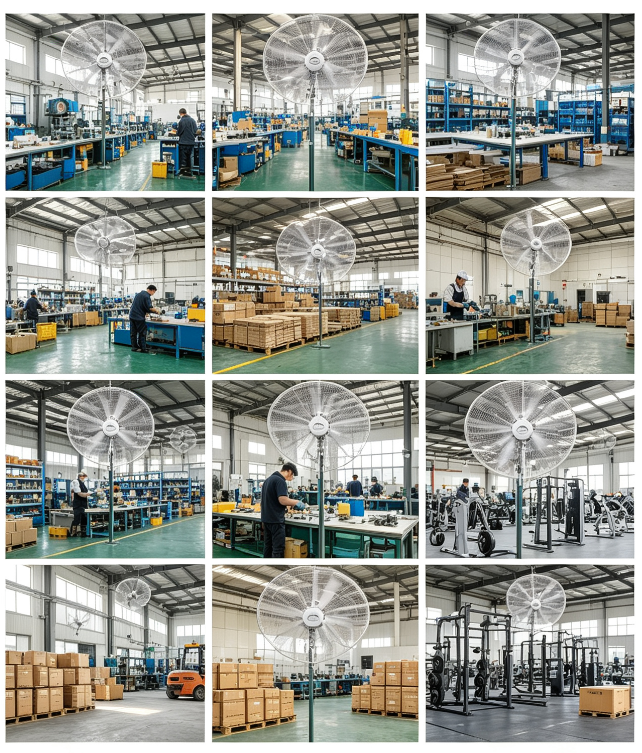
Wide Application Scenarios
Our industrial fans feature strong air output and reliable continuous operation, suitable for ventilation and cooling work across diverse commercial and industrial environments.
They are essential air circulation equipment for manufacturing workshops, warehouses, construction sites, livestock farms, supermarkets, logistics centers and large open workspaces. Widely adopted for heat dissipation, air exchange, humidity reduction and dust dispersion. Available in stand and wall-mounted types to meet different space layout demands. Equipped with copper wire motors, the fans support stable long-hour running for daily industrial ventilation.
These fans deliver steady powerful airflow and guarantee stable operation under continuous working conditions. Compatible for fixed wall installation or movable floor standing arrangement, flexible to match various site requirements.
For industrial and commercial scenarios, they are commonly used in factory workshop cooling, warehouse air circulation, market ventilation, farm dehumidification, gymnasium air exchange, station and large public space heat dissipation projects.
Well-structured industrial fans effectively accelerate indoor air convection, lower ambient temperature and improve stuffy working conditions. They help create a comfortable working environment for staff, reduce local high temperature and avoid air stagnation. Whether for fixed wall mounting along production lines, movable stand fans in temporary construction zones, or long-term continuous ventilation in storage areas, these heavy-duty industrial fans maintain stable airflow performance and outstanding durability for daily long-time operation.
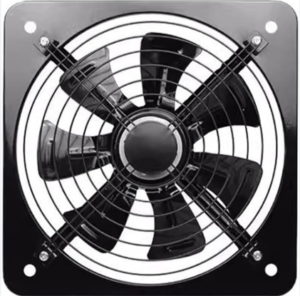
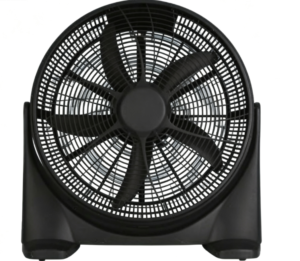
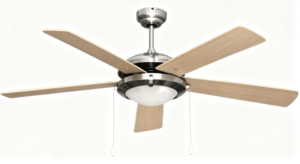
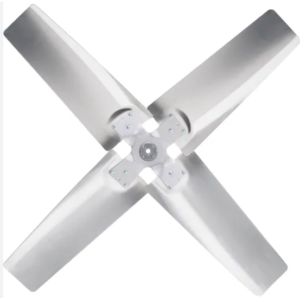
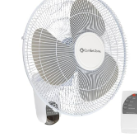
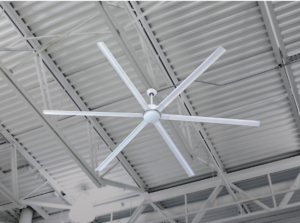
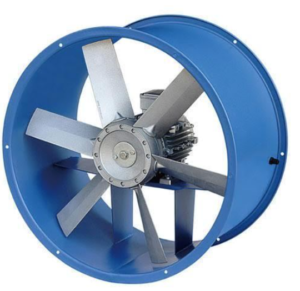
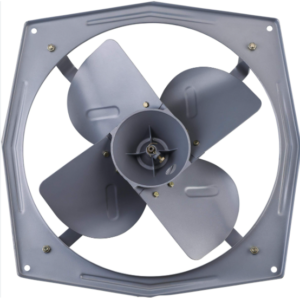
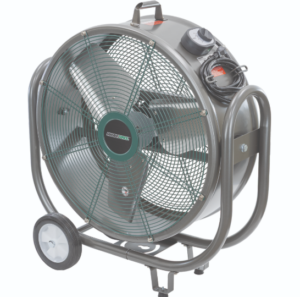
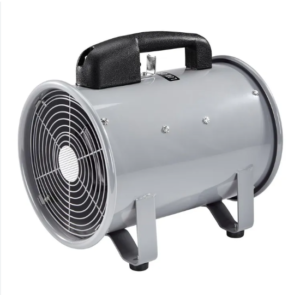
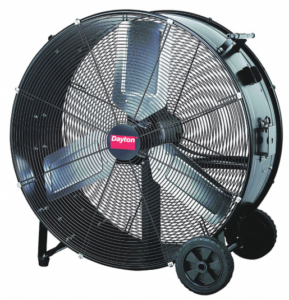
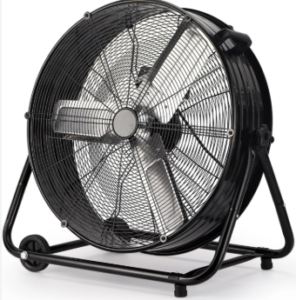
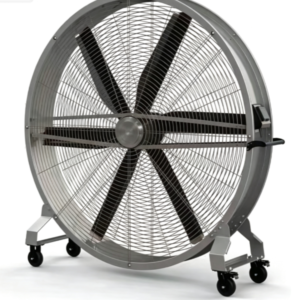
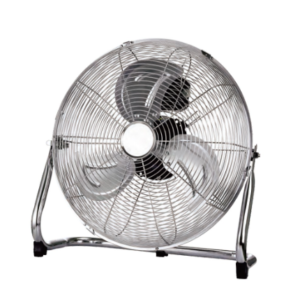
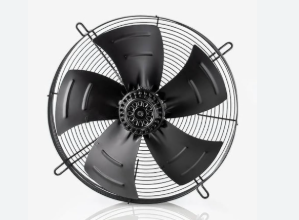
Industrial fan for Sale:


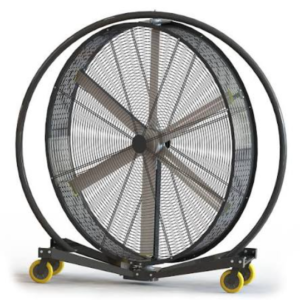
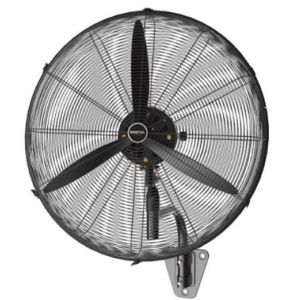
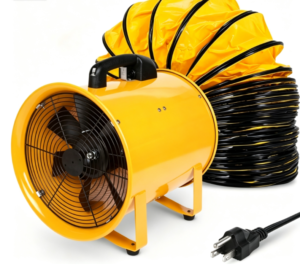
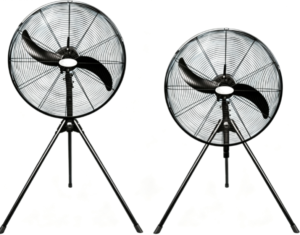
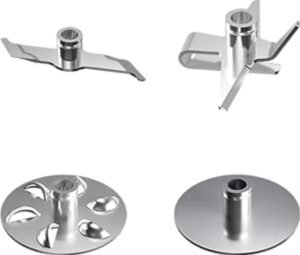
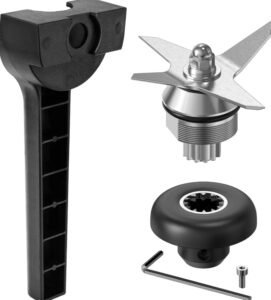
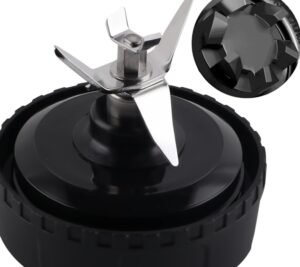
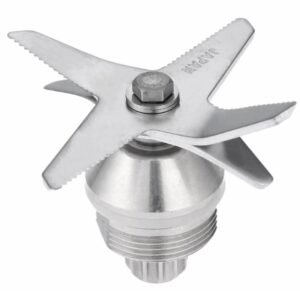
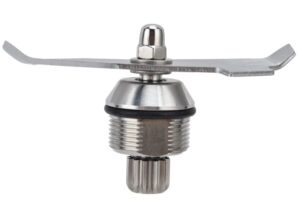
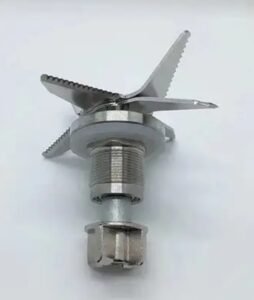
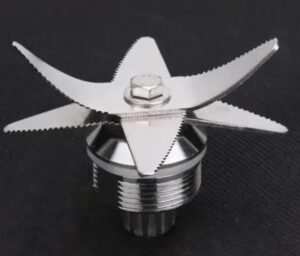
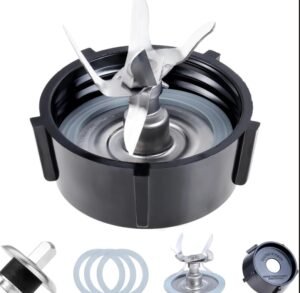
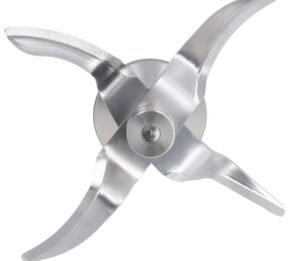
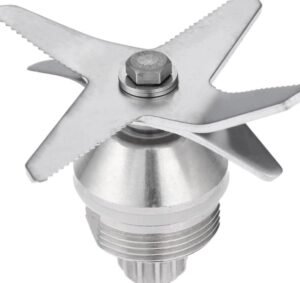
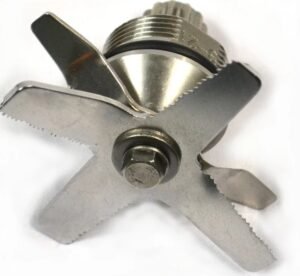
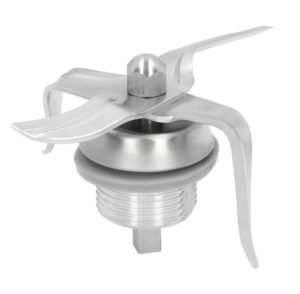
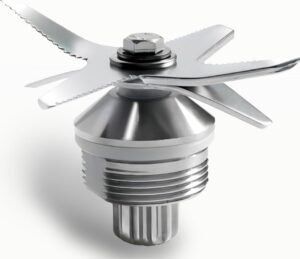
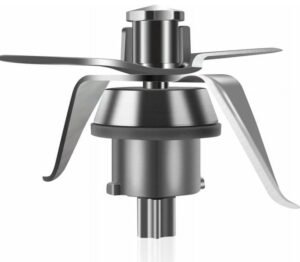
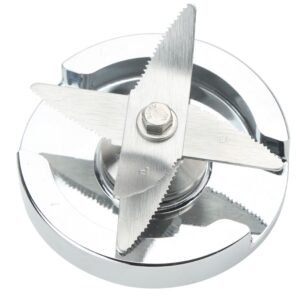
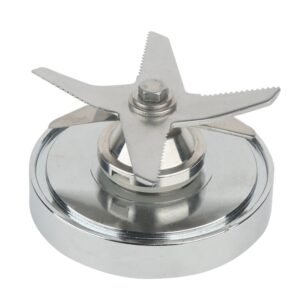
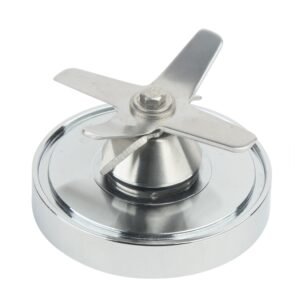
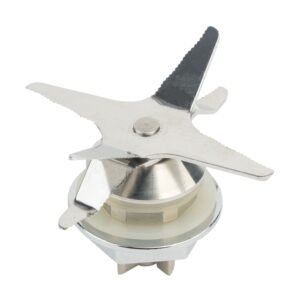
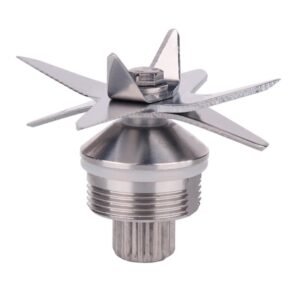
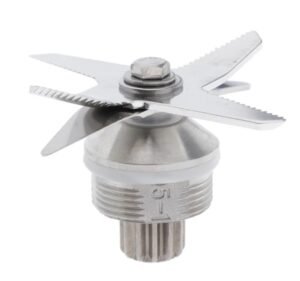
Blender Blade

Core drill bit for Sale:
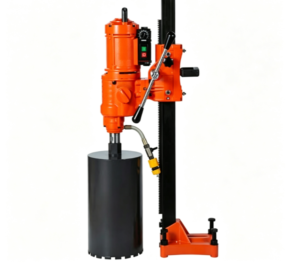
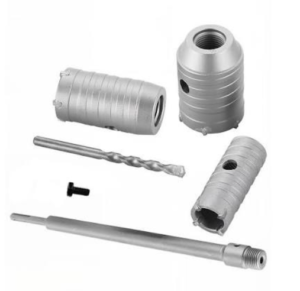
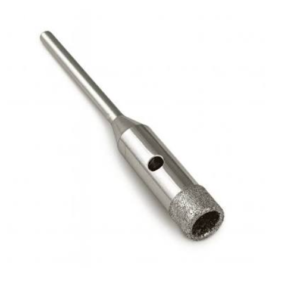
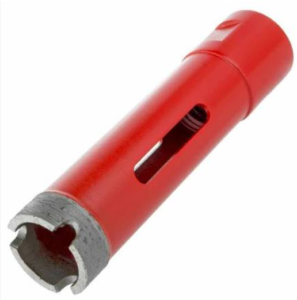
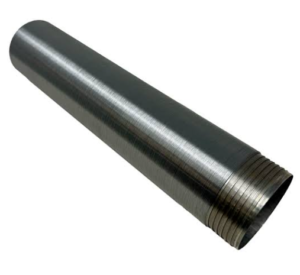
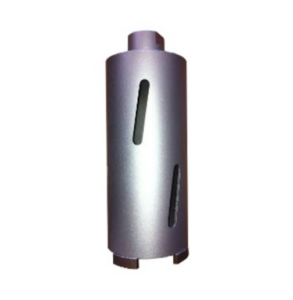
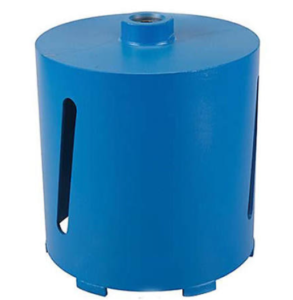
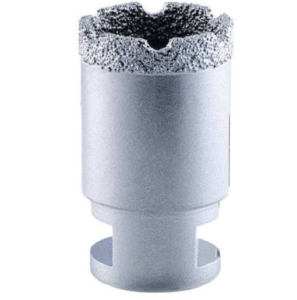
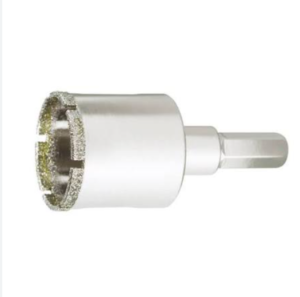
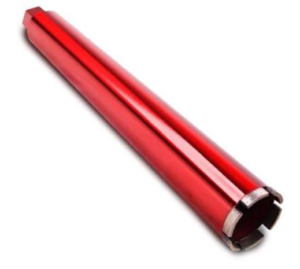
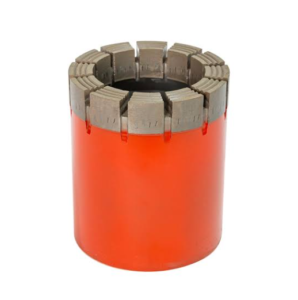
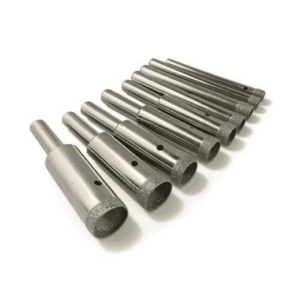
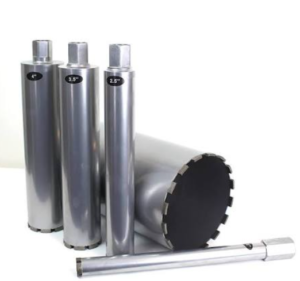
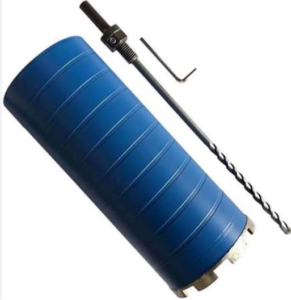
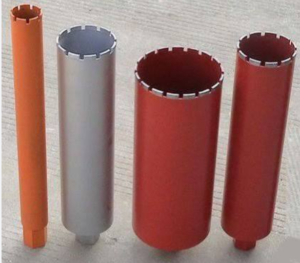
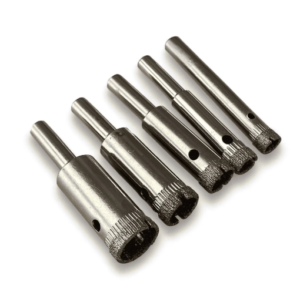
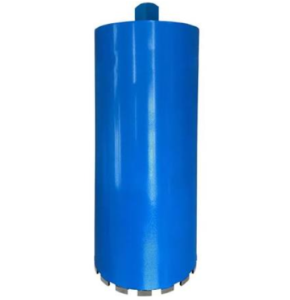
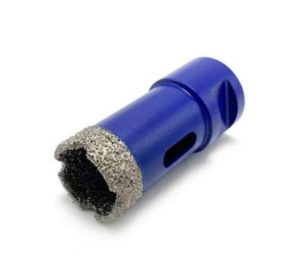
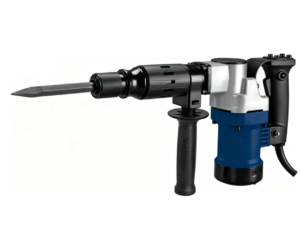
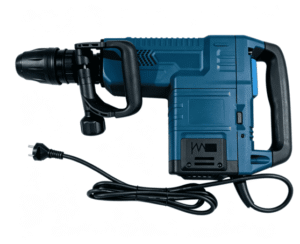
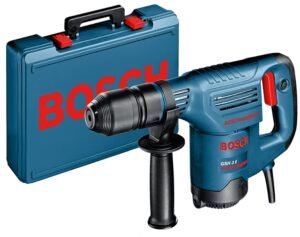
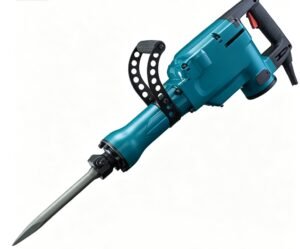
Rotary Hammer & Demolition Hammer for Sale:
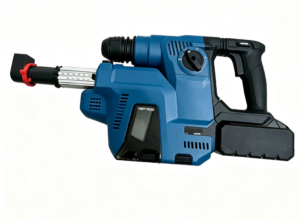
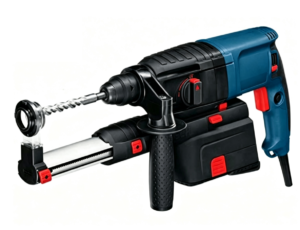


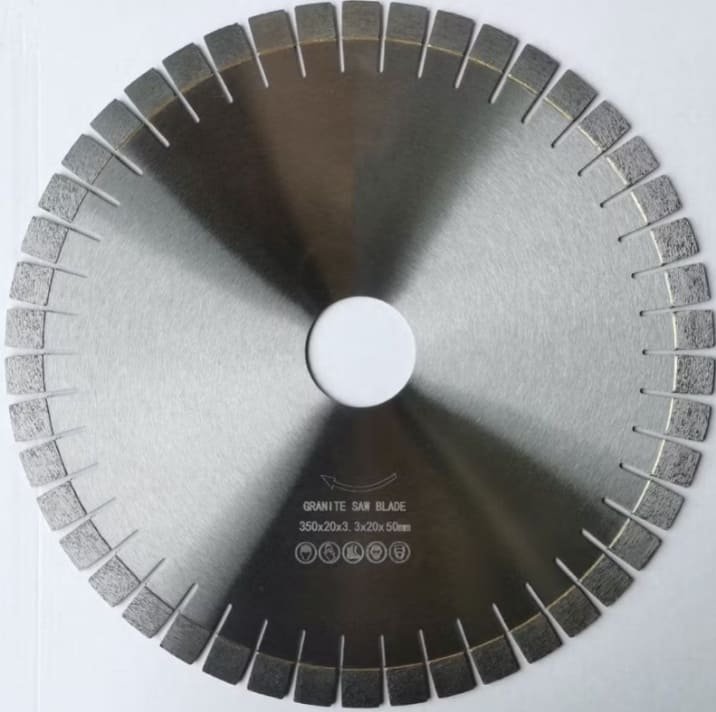
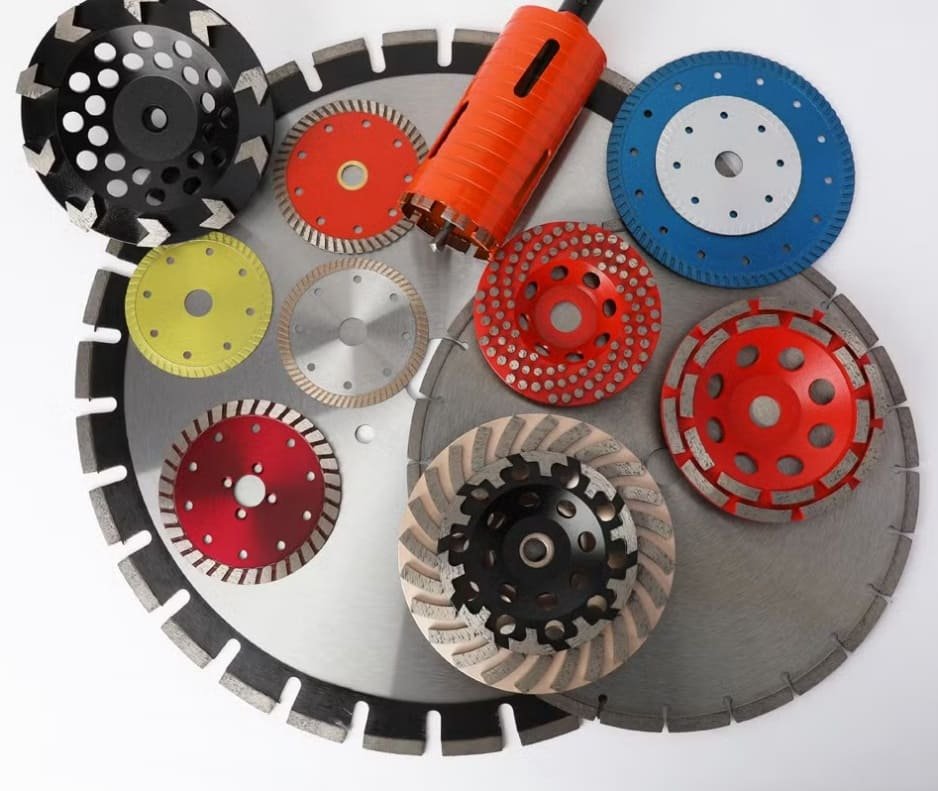
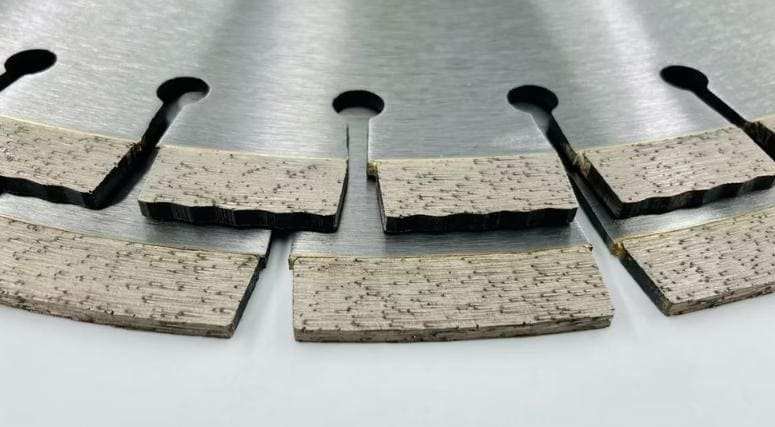
Diamond Blade

Welcome to call us
Contact Us to get quotation
Working Time: 8:00~17:00 Monday to Friday.
Applications:

Factory:
FAQ
Welcome to call us
Contact Us to get quotation
Working Time: 8:00~17:00 Monday to Friday.
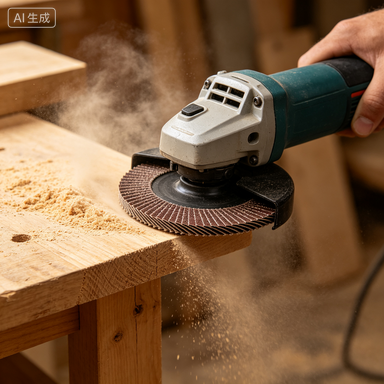
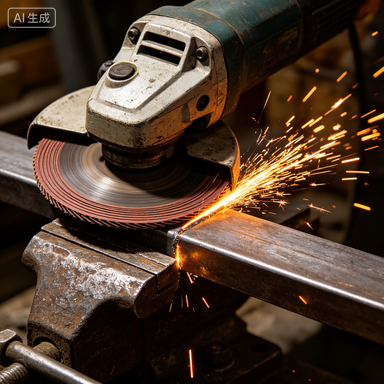
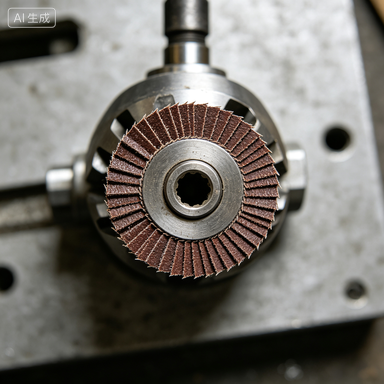
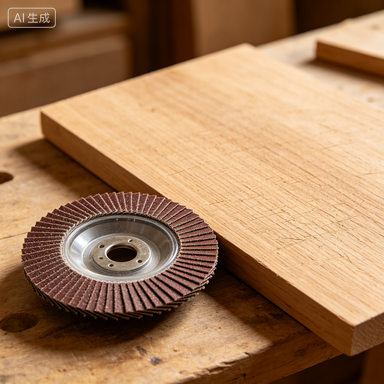
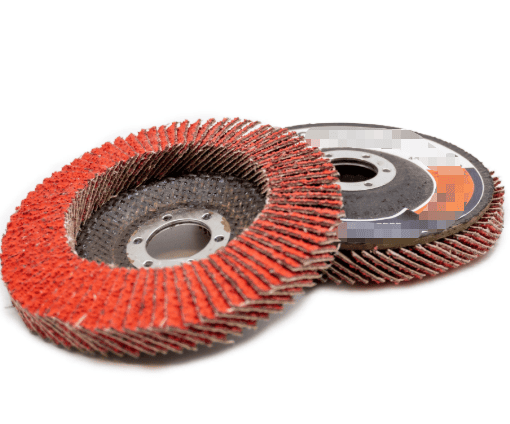
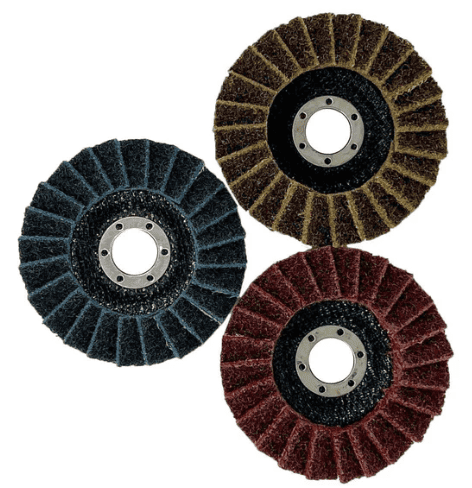
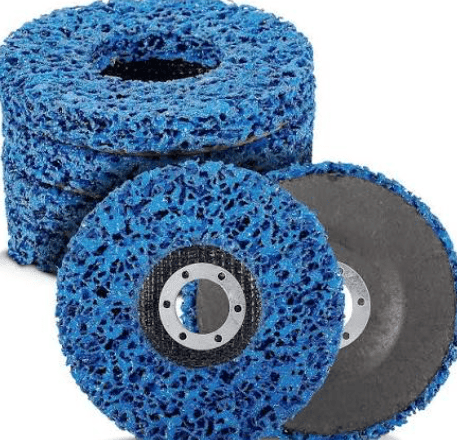
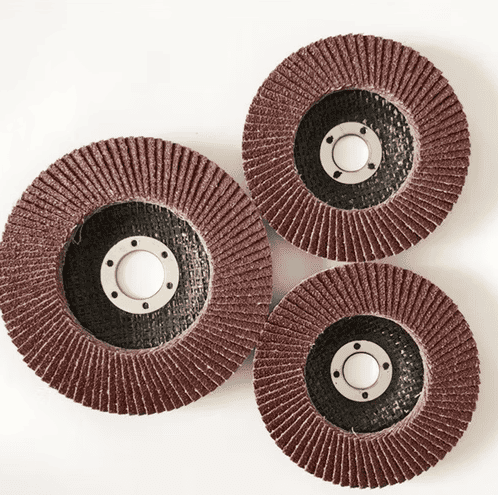
Flap Disc for Sale
Blogs:
You May also Interest in other topics:
LYLK 3 sides back Sealing Machine closed circuit ultrafine grinding mill 380V EV Charger 7KW EV Charger Type 1 &2 Floor-mounted China Manufacturer– Wet granulator