industrial fan blade
Industrial Fan for Sale
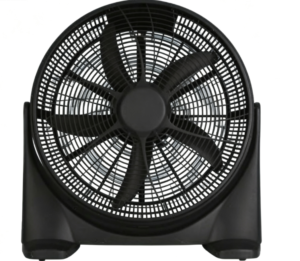
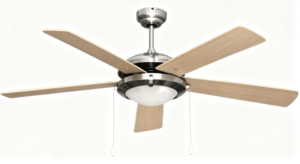
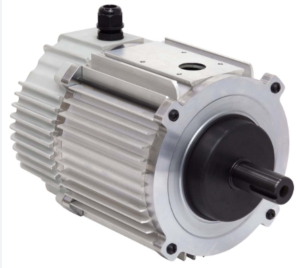
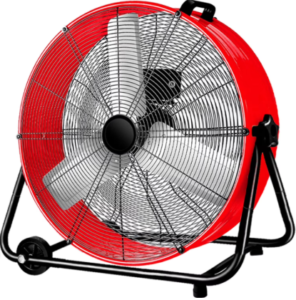
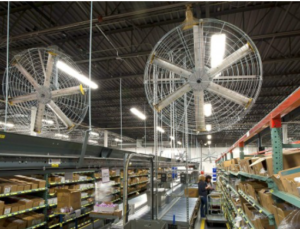
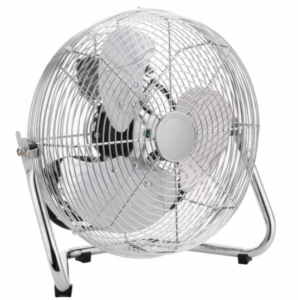


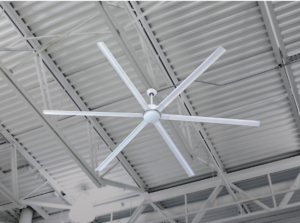
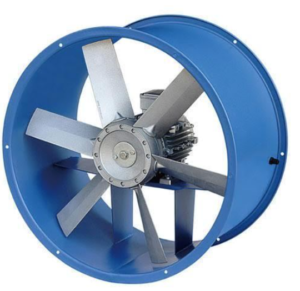
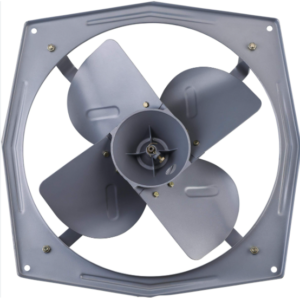
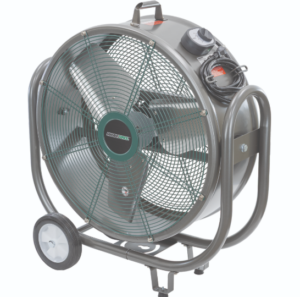
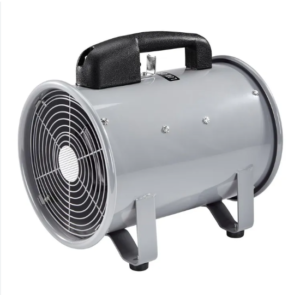
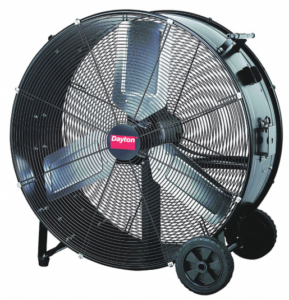
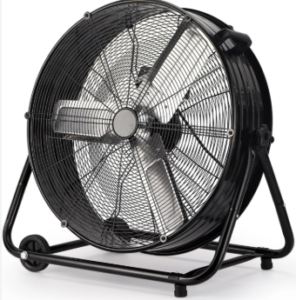
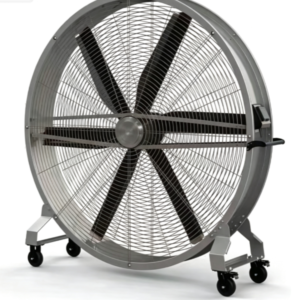
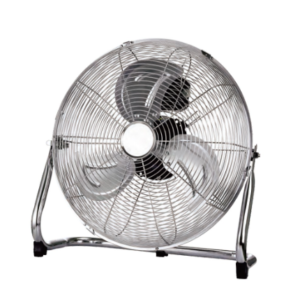
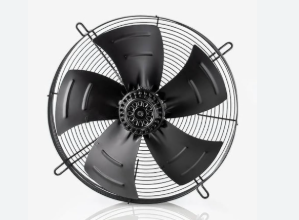
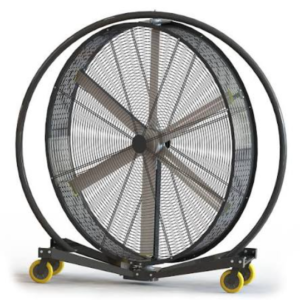
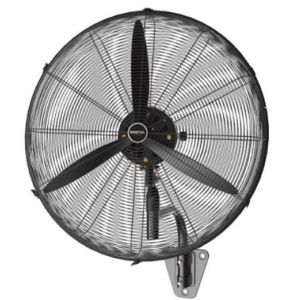
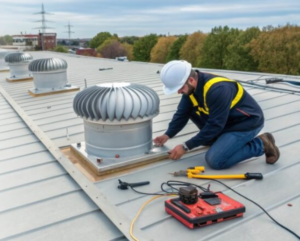
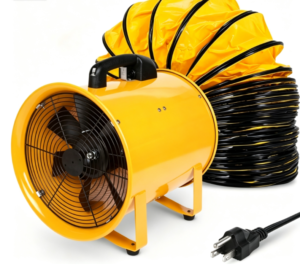
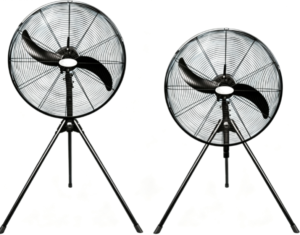
industrial fan blade
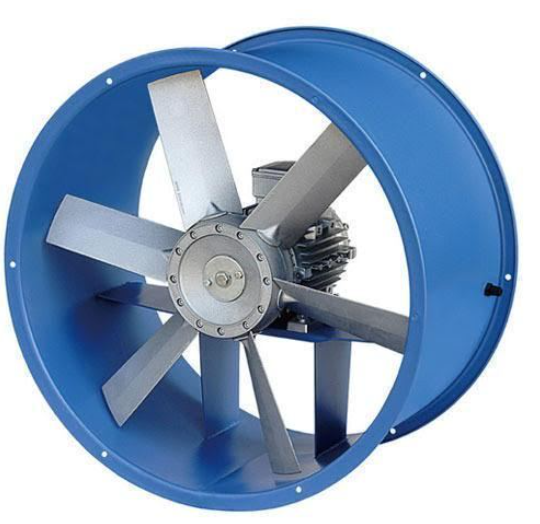
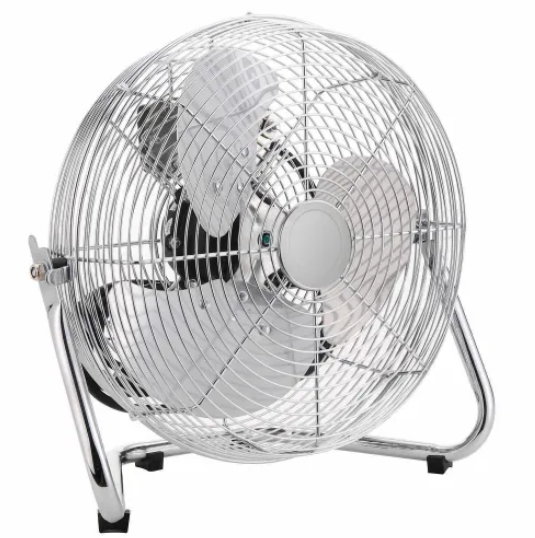
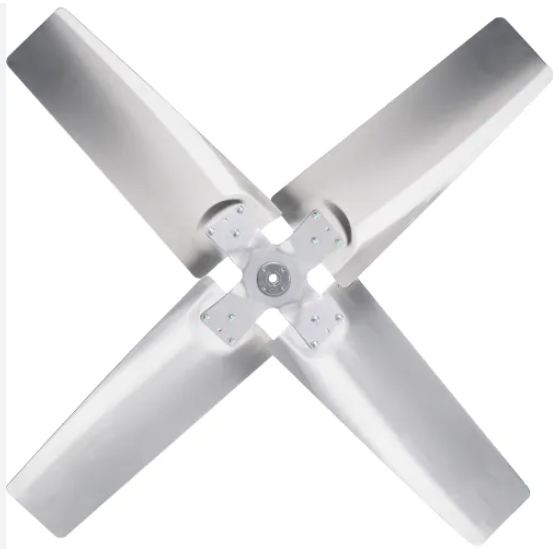
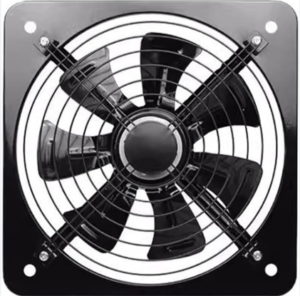
Industrial fan blades are the core functional components of all industrial fan equipment, responsible for driving air flow through continuous rotation and directly determining a fan’s overall air volume, wind pressure, noise level and long-term operational stability. Unlike auxiliary fan parts that only play a fixing or protective role, fan blades are the key working components that convert mechanical rotation into effective airflow. Every design detail, material choice and structural optimization of industrial fan blades will profoundly change the fan’s working performance. Whether it is large HVLS ceiling fans, wall-mounted exhaust fans or negative-pressure ventilation equipment, the overall operating quality fundamentally depends on the blade configuration. As the most critical core part of industrial ventilation equipment, high-quality industrial fan blades lay a solid foundation for efficient, quiet, stable and energy-saving fan operation in various industrial scenarios.
What core design features define the working performance of industrial fan blades?
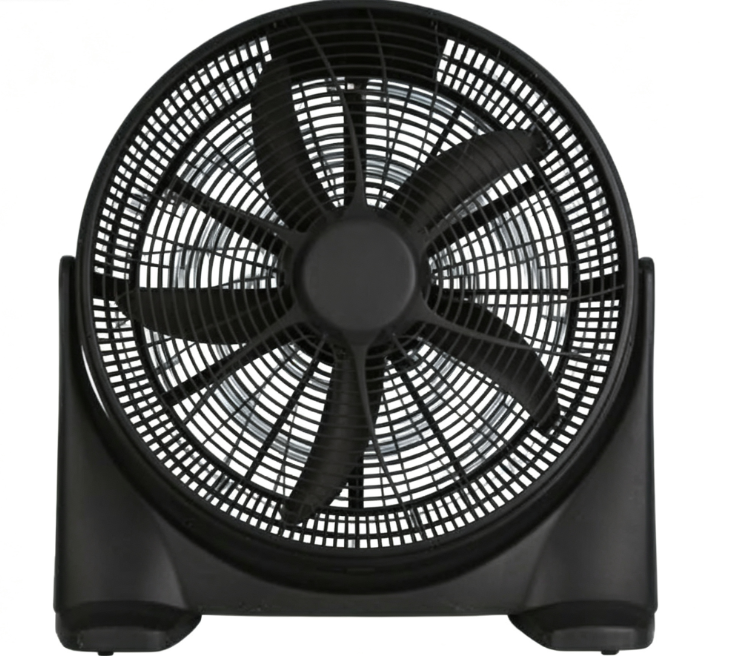
Industrial fan blades adopt a low-blade-quantity design dominated by 2-blade and 3-blade configurations, with individual special industrial models using 4-blade structures, effectively reducing motor load to achieve higher rotating speed and more concentrated directional airflow. Household and small commercial fans usually adopt multi-blade designs to pursue soft air output, but this structure is not suitable for high-intensity industrial ventilation work. Excess blades will increase contact resistance between the fan and air during rotation, raising the operating burden on the motor and consuming more power. The mainstream 2-blade and 3-blade layout for industrial equipment minimizes redundant air resistance, allowing the motor to operate with lighter load. This enables industrial fans to maintain stable high-speed rotation and form stronger directional airflow that meets the large-volume and high-efficiency ventilation demands of industrial workshops and warehouses.
The streamlined airfoil cross-section and tip-trimmed wind-cutting shape of industrial fan blades greatly reduce operational turbulence, air resistance and working noise while significantly improving air supply efficiency. Ordinary flat fan blades will produce severe turbulent airflow during rotation, forming irregular air friction and wind resistance, which not only reduces effective air output but also generates loud turbulent noise. Industrial fan blades are optimized with bionic airfoil streamline structures borrowed from aerodynamic design. The overall curved surface fits the airflow trajectory perfectly, enabling air to pass through the blade surface smoothly and stably. The specially sharpened blade tips further cut off messy turbulent airflow, avoid air swirling at the blade ends, reduce wind loss and noise generation, and make the fan’s air output more concentrated and efficient.
Most industrial fan blades adopt an odd-numbered blade layout, which fundamentally avoids symmetrical resonance problems common in even-numbered blade designs and effectively reduces jitter and noise during high-speed operation. Even-numbered symmetrical blade structures are prone to regular resonance vibration when rotating at high speed, as the symmetrical blades bear consistent air resistance at the same time, forming periodic vibration frequency. Long-term resonant jitter will not only generate continuous working noise but also loosen internal fan fasteners, accelerate component wear and shorten equipment service life. The asymmetric arrangement of odd-numbered blades disperses air resistance evenly, offsets vibration frequency during rotation, eliminates resonance phenomena, ensures smooth and stable fan operation, and greatly extends the overall service life of industrial ventilation equipment.
This series of professional aerodynamic design adjustments is specially customized for long-term high-load operation in industrial scenarios. Different from civilian fan design that only pursues comfort, industrial fan blade design takes efficiency, stability and durability as the core goals. The optimized blade quantity, streamline structure and odd-numbered layout coordinate with each other, solving the common pain points of high energy consumption, loud noise, severe vibration and unstable air output of traditional fans. It fully adapts to the 24-hour continuous operation demand of industrial sites, realizing long-term stable and efficient ventilation work.
What are the mainstream material types of industrial fan blades and their applicable industrial environments?
Aluminum alloy and magnesium-aluminum alloy are classic high-quality materials for large industrial fan blades, featuring excellent dynamic balance performance, outstanding high-temperature resistance and non-deformation characteristics to support long-term uninterrupted operation. Metal alloy blades undergo precise dynamic balance calibration after production, ensuring no eccentric jitter during high-speed rotation. Even in high-temperature workshop environments with sustained heat radiation, magnesium-aluminum alloy materials will not deform or bend due to heat, maintaining stable blade structure and consistent air output effect. Many industrial fans equipped with alloy blades can operate stably for more than 20 years in continuous working industrial environments, verifying the extremely high durability and reliability of this material.
Aluminum and magnesium-aluminum alloy blades have become the preferred material for HVLS large-diameter industrial ceiling fans due to their comprehensive performance advantages. Large fan blades with a diameter of more than 5 meters have extremely high requirements on material rigidity and balance performance. Ordinary materials are prone to deformation and vibration under large-span rotating conditions. Magnesium-aluminum alloy has the advantages of light weight and high hardness, which can reduce the self-weight load of large blades while ensuring structural firmness, avoiding excessive motor burden caused by overweight blades. Its excellent weather resistance also enables it to adapt to various indoor and semi-outdoor industrial environments without being affected by temperature changes and conventional air humidity.
Engineering plastic, plastic-steel and glass fiber composite materials are lightweight, drop-resistant and low-noise blade materials with cost-effective advantages, widely used in conventional light-load industrial ventilation equipment such as ox horn fans and wall-mounted fans. Composite materials have low overall density, making the fan blades lighter in weight, which effectively reduces motor operating load and lowers operational noise. Compared with metal blades, plastic-steel and glass fiber blades will not produce metal collision noise or harsh friction sound during operation, delivering quieter ventilation effect. With moderate cost and stable basic performance, these composite blades are very suitable for semi-industrial spaces, commercial venues and light-load workshop ventilation scenarios with low environmental harshness.
Stainless steel and galvanized steel sheets are high-strength and corrosion-resistant blade materials, specially designed for special industrial scenarios with high humidity and strong corrosion, and mostly applied to negative-pressure fans and anti-corrosion axial flow fans. Industrial environments such as chemical workshops, breeding farms and wet processing workshops contain corrosive gas, water vapor and humid dust all year round, which can easily rust and erode ordinary alloy and plastic blades. Stainless steel and galvanized steel materials have ultra-high structural strength and excellent anti-corrosion and moisture-proof capabilities. They can resist long-term chemical erosion and humid environment damage, maintain complete blade structure in harsh environments, and are the most reliable material choice for special anti-corrosion industrial ventilation equipment.
How do industrial fan blades comprehensively affect the overall ventilation performance, energy efficiency and operational safety of fans?
The radian, installation angle and overall diameter of industrial fan blades are the core factors that determine the fan’s air supply distance and effective coverage area, directly controlling the spatial ventilation capacity of the equipment. Different blade radian designs produce different air pushing forces: larger curved blades can gather more air volume for concentrated delivery, while flat and small-radian blades form uniform and wide-range air circulation. The blade installation angle determines the downward pushing direction and diffusion range of airflow. The most intuitive factor is the blade diameter; large 7.3-meter industrial fan blades can form a stable conical airflow after rotation, achieving an effective ventilation coverage of 1,000 square meters, which completely meets the overall ventilation demand of ultra-large industrial workshops and warehouses.
Optimized streamlined industrial fan blades effectively reduce the dragging resistance of the motor, minimize invalid power consumption and greatly improve the overall energy-saving performance of industrial fans. Traditional flat and thick blades have large air friction resistance during rotation, requiring the motor to output more power to maintain normal operation, resulting in serious energy waste. The aerodynamically optimized streamlined blades fit the airflow direction accurately, reducing wind resistance and mechanical friction loss to the greatest extent. This low-resistance design enables energy-saving industrial fan models to achieve an overall power consumption of only 1.5 kilowatt-hours per hour, which is even lower than the hourly power consumption of ordinary household hair dryers, creating significant long-term energy-saving benefits for industrial enterprises.
High-quality industrial fan blade configurations are equipped with complete safety protection structures, effectively avoiding blade falling off and safety accidents during high-speed operation and improving the overall operational safety of the equipment. Industrial large fans work at high altitude and high speed for a long time, and once the blades fall off or break, it will cause serious safety hazards to on-site personnel and equipment. Regular industrial fan blades are matched with professional anti-fall steel cables and reinforced fastening accessories. These safety structures fix the blades in multiple directions, preventing loosening, falling and fracture caused by long-term vibration, air impact and gravity. Even during long-term high-intensity operation, the blades can remain firmly installed, ensuring zero safety risks in industrial ventilation work.
The comprehensive performance of industrial fan blades also determines the later maintenance cost and operational stability of the equipment. Well-designed and high-quality blades have uniform stress, stable rotation and low vibration, which will not cause excessive wear to the motor and bearings, effectively extending the overall service life of the fan. Blades with unreasonable design or inferior materials are prone to deformation, vibration and unbalanced rotation, which will accelerate motor aging, increase failure rate and raise maintenance costs. Therefore, excellent blade design and material selection are not only the basis for improving ventilation efficiency, but also the key to ensuring long-term stable and low-cost operation of industrial fans.
Summary
In conclusion, industrial fan blades are the core functional components that determine the comprehensive performance of industrial fans, dominating the equipment’s air volume, wind pressure, noise level and operational stability through design structure and material attributes. With optimized low-blade quantity, aerodynamic streamline modeling and anti-resonance odd-numbered blade design, they solve the pain points of high noise, large vibration and low efficiency of traditional fans. Covering high-durability alloy materials, cost-effective composite materials and anti-corrosion metal materials, they accurately adapt to light-load conventional scenarios and harsh high-corrosion industrial environments. Meanwhile, blade radian, angle and diameter determine ventilation coverage, streamlined structures improve energy-saving performance, and matched safety accessories guarantee operational safety. As the core component of industrial ventilation equipment, industrial fan blades provide reliable performance support and safety guarantee for efficient, stable and energy-saving ventilation in various industrial and commercial scenarios.
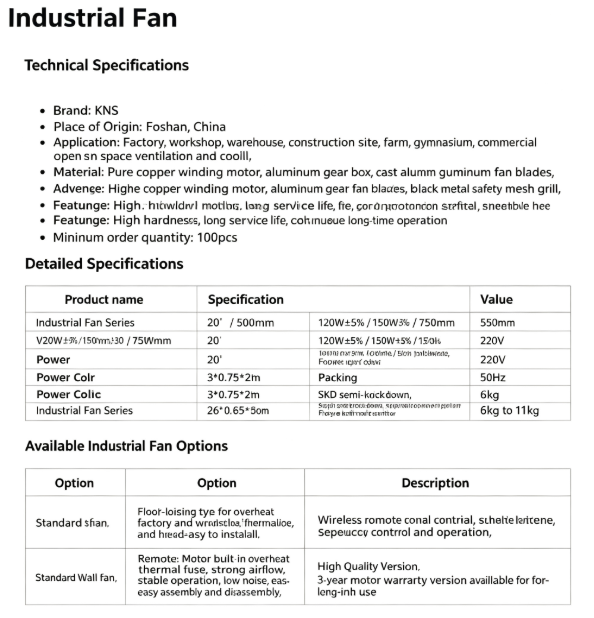


Key Features & Advantages
1. Stable and Durable Structural Design
1. Professional Structural Design and Diversified Classification
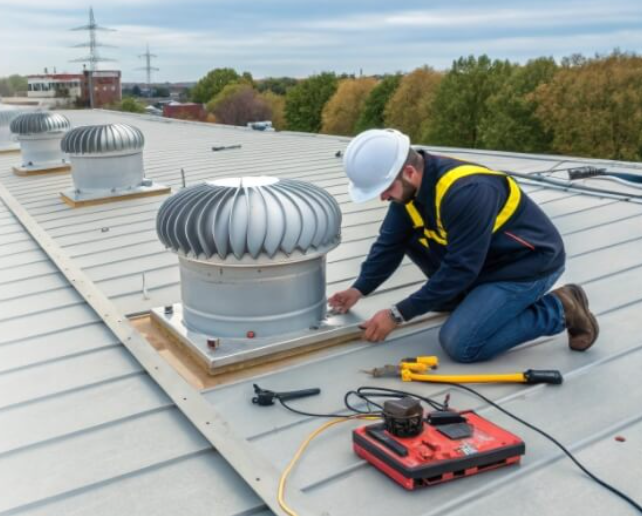
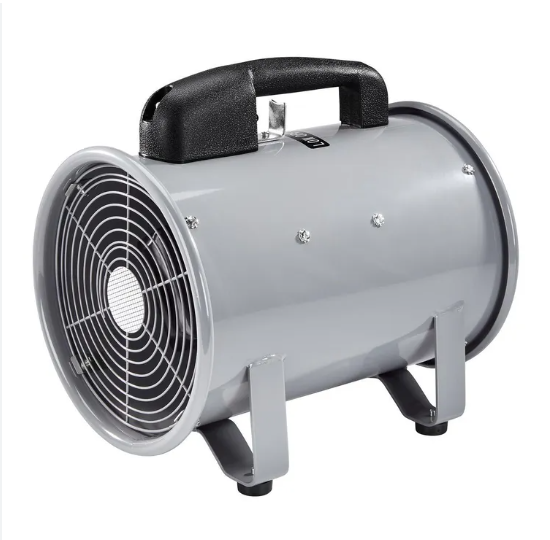
Industrial fan extractors adopt modular professional structural configuration, complete with drive motors, suction blades, filter systems and anti-corrosion shells, supporting air exhaust and air purification dual functions. With centrifugal, axial flow and mixed flow multi-type product layout, they can adapt to high-resistance long pipeline ventilation, large-space rapid air exchange and medium-load comprehensive ventilation scenarios respectively. The customizable high-temperature and anti-corrosion material design further expands the equipment’s environmental tolerance, meeting the ventilation demands of various ordinary and harsh industrial scenes.
2. Scientific Working Principle and High Ventilation Efficiency
Relying on negative pressure suction and centrifugal pressurization principle, industrial extractor fans realize directional and efficient air replacement, completely solving the problem of incomplete ventilation of ordinary circulating fans. Different types of fans have differentiated performance advantages in air volume and wind pressure, which can be accurately matched according to on-site pipeline resistance and space conditions. Multiple controllable factors such as equipment size and installation layout ensure that the ventilation efficiency can be flexibly adjusted according to actual demand, realizing precise and efficient industrial air treatment.
3. Ultra-High Energy-Saving Performance and Standard Compliance
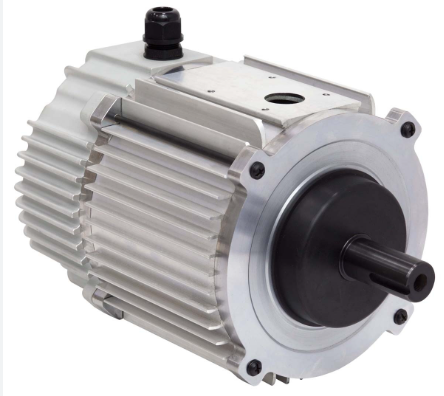
Equipped with advanced EC centrifugal technology and IE5 high-efficiency motors, industrial fan extractors achieve 30% to 50% lower energy consumption than traditional AC fans, with additional energy-saving optimization effects. All products strictly comply with DOE FEI fan efficiency standards, meeting industrial energy-saving assessment and environmental protection compliance requirements. Long-term operation can greatly reduce enterprise power consumption and operating costs, conforming to the green and energy-saving development trend of modern industrial production.
4. Super Durability and Harsh Environment Adaptability
Optional high-grade 304/316 stainless steel and anti-corrosion coating materials enable the equipment to resist high temperature, chemical corrosion and heavy dust erosion. The reinforced shell and stable transmission structure ensure long-term uninterrupted stable operation in harsh industrial environments, with low failure rate and long service life. It avoids frequent equipment replacement and maintenance caused by environmental erosion, greatly reducing the later operation and maintenance cost of enterprises.
5. Wide Scenario Coverage and Strong Practicality
With adjustable CFM air volume and static pressure parameters, industrial fan extractors can adapt to various complex pipeline systems and space environments. They fully cover food processing ventilation, industrial dust removal, equipment cooling and chemical safety ventilation scenarios, realizing integrated functions of odor removal, dust extraction, heat dissipation and harmful gas dilution. They are multi-functional and high-practical professional ventilation equipment necessary for modern industrial production, commercial operation and laboratory scientific research scenarios.
Packing, Delivery & Shipping
If you meet our minimum order quantity requirement, customized retail packaging is available for your industrial fans. We can produce premium hanging display color boxes matched with outer export cartons. You can choose to adopt standard factory packaging, or apply your own OEM brand totally.
Customizable items include printed brand logos, product adhesive stickers, personalized color box artwork and outer carton layouts. If you need exclusive customized packaging design, please provide your complete PDF design files for production arrangement.
If your order volume fails to reach the customized packaging MOQ, we will adopt standard neutral brown cartons for bulk SKD semi-knock-down shipment. Meanwhile, you can still attach your self-designed brand stickers on the outer packages to mark your own brand.
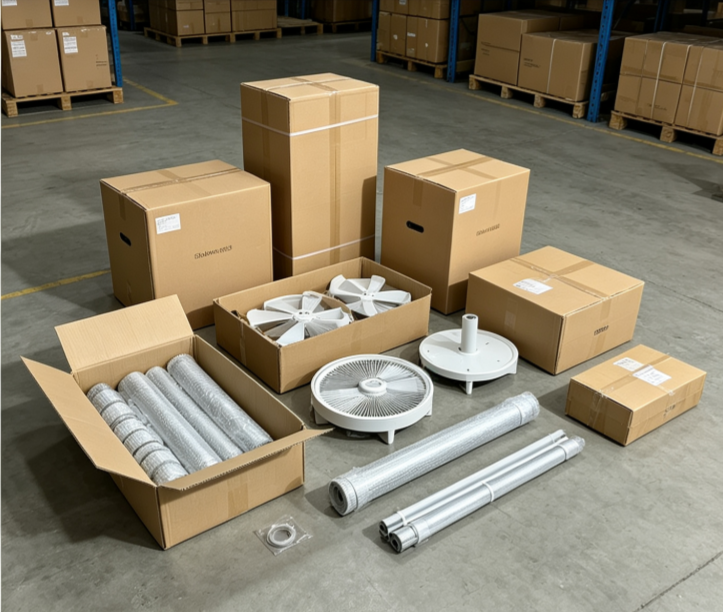
Packaging Details Adapted for Industrial Fan Series
Packaging Content: Each component of industrial fan is packed separately to avoid scratch and deformation during transit, including motor, mesh grill, fan blades, support pole, base and mounting fittings.
Inner Package: Each spare part is wrapped with protective plastic film to prevent surface abrasion.
Outer Package: Five-layer kraft corrugated export carton, shockproof and compression-resistant for long-distance sea and land transportation.
All fans are shipped in SKD semi-knock-down condition to save container loading space.
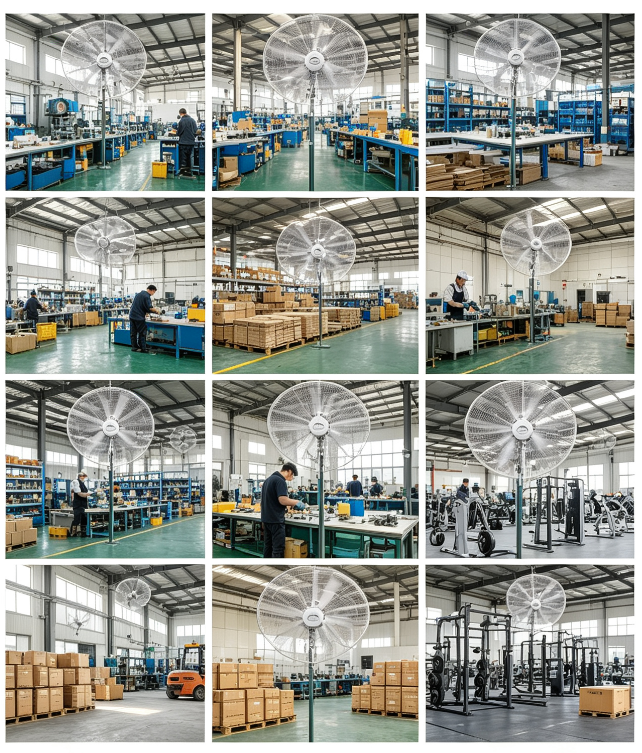
Wide Application Scenarios
Our industrial fans feature strong air output and reliable continuous operation, suitable for ventilation and cooling work across diverse commercial and industrial environments.
They are essential air circulation equipment for manufacturing workshops, warehouses, construction sites, livestock farms, supermarkets, logistics centers and large open workspaces. Widely adopted for heat dissipation, air exchange, humidity reduction and dust dispersion. Available in stand and wall-mounted types to meet different space layout demands. Equipped with copper wire motors, the fans support stable long-hour running for daily industrial ventilation.
These fans deliver steady powerful airflow and guarantee stable operation under continuous working conditions. Compatible for fixed wall installation or movable floor standing arrangement, flexible to match various site requirements.
For industrial and commercial scenarios, they are commonly used in factory workshop cooling, warehouse air circulation, market ventilation, farm dehumidification, gymnasium air exchange, station and large public space heat dissipation projects.
Well-structured industrial fans effectively accelerate indoor air convection, lower ambient temperature and improve stuffy working conditions. They help create a comfortable working environment for staff, reduce local high temperature and avoid air stagnation. Whether for fixed wall mounting along production lines, movable stand fans in temporary construction zones, or long-term continuous ventilation in storage areas, these heavy-duty industrial fans maintain stable airflow performance and outstanding durability for daily long-time operation.
Industrial fan for Sale:
Blender Blade
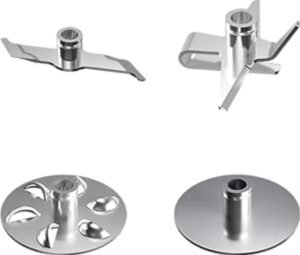
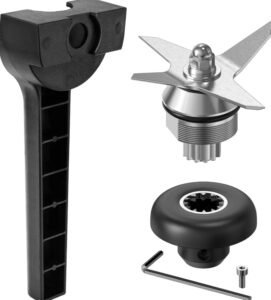
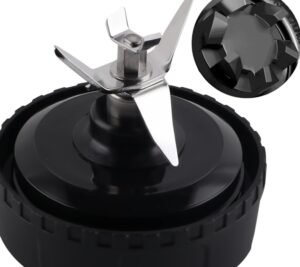
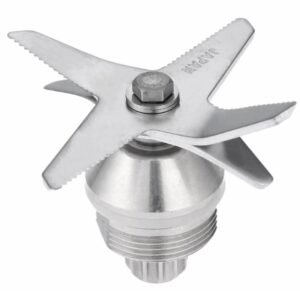
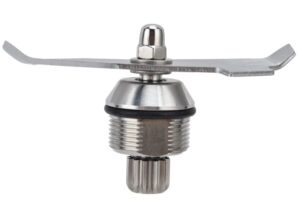
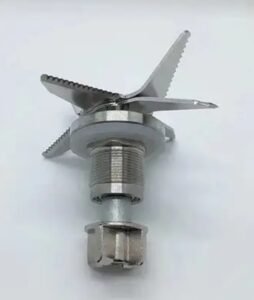
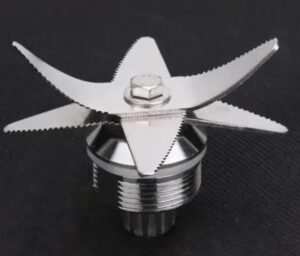
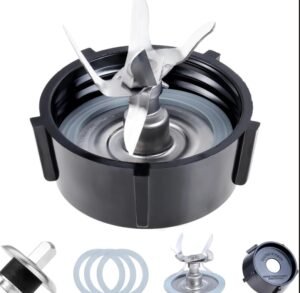
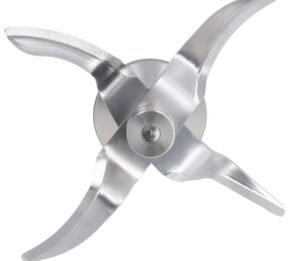
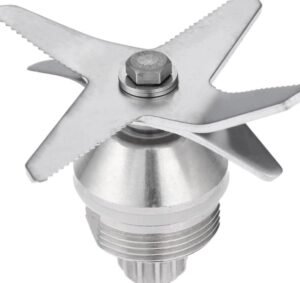
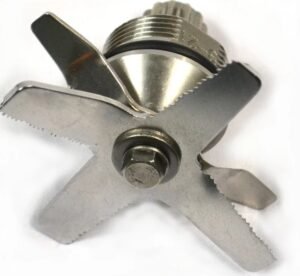
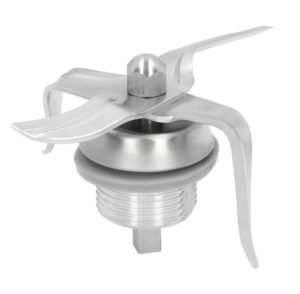
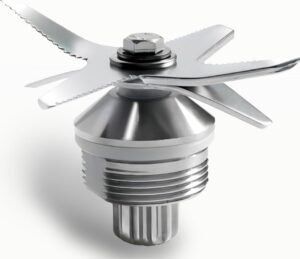
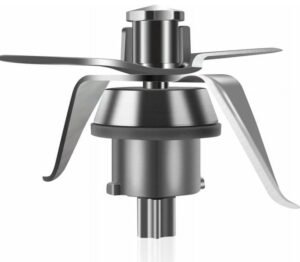
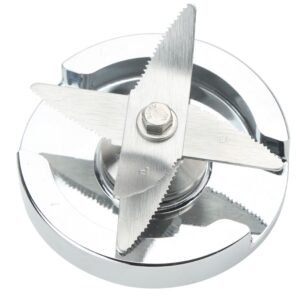
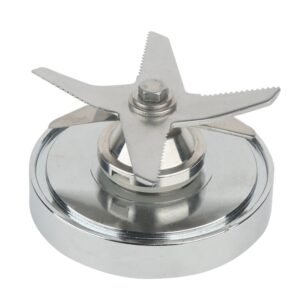
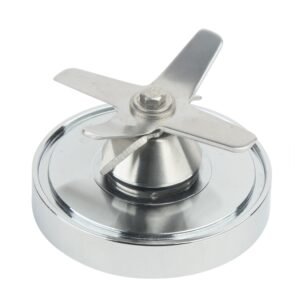
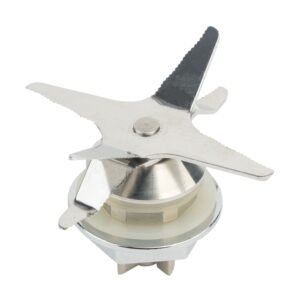
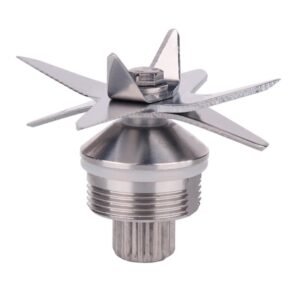
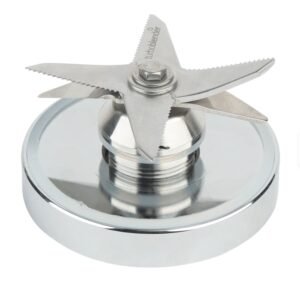
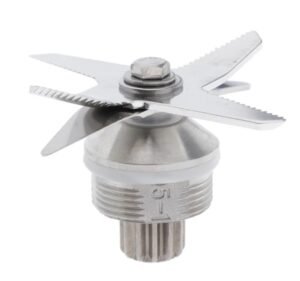
Blender Blade for Sale:
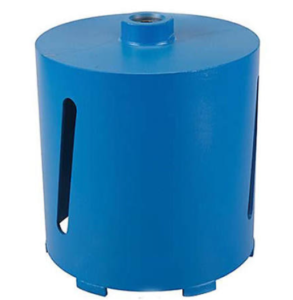
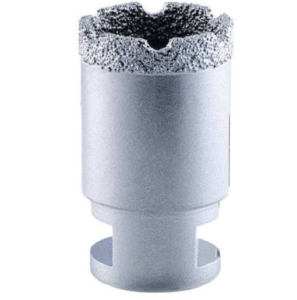
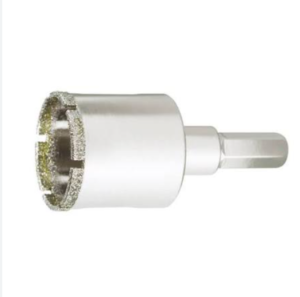
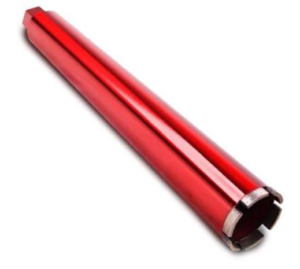
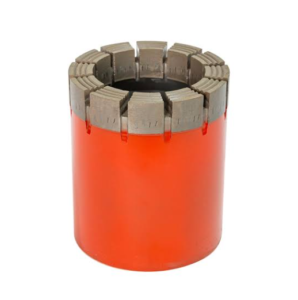
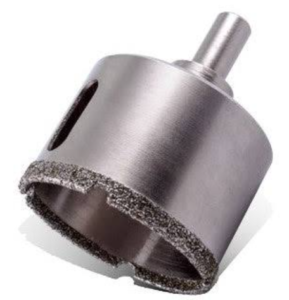
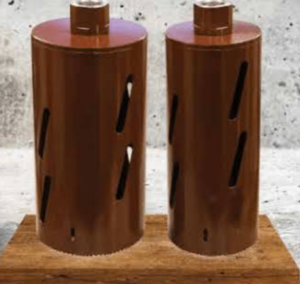
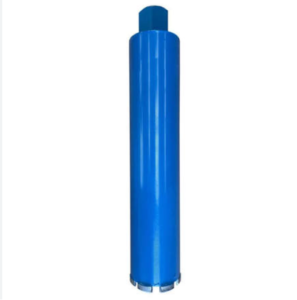
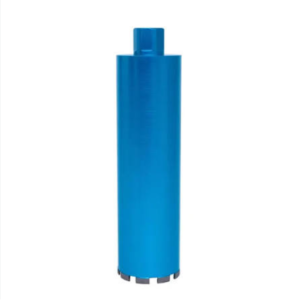
Core drill bit for Sale:
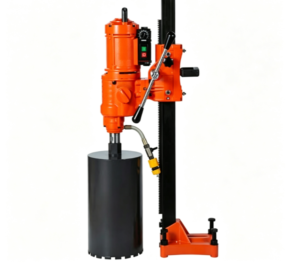
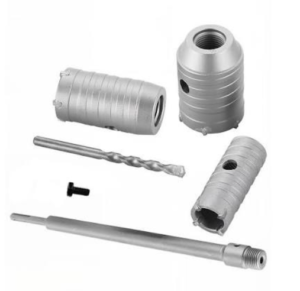
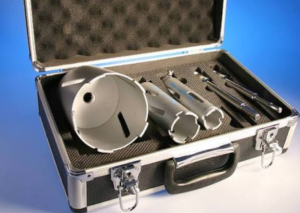
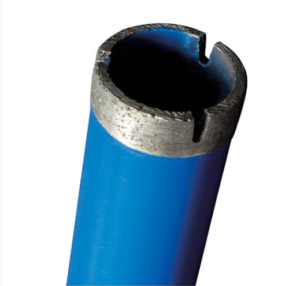
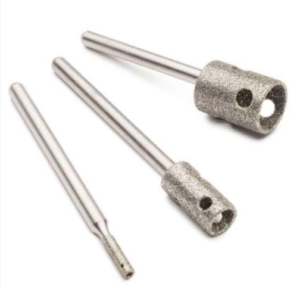
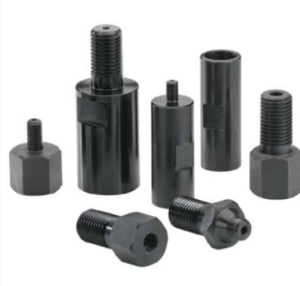
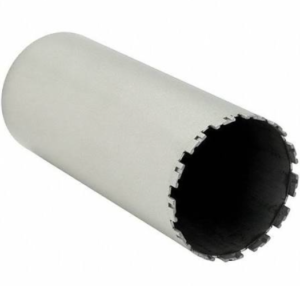
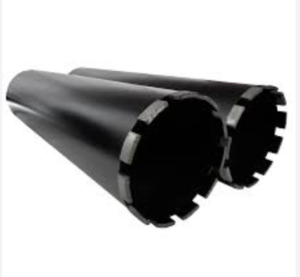
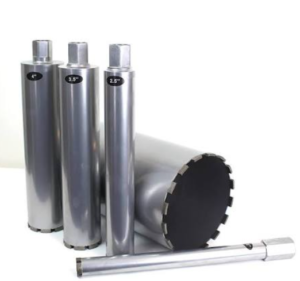
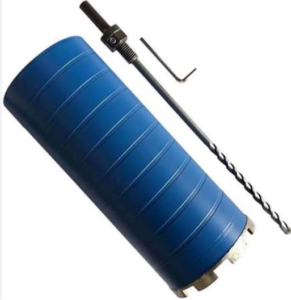
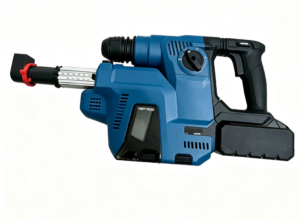
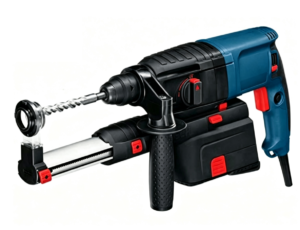
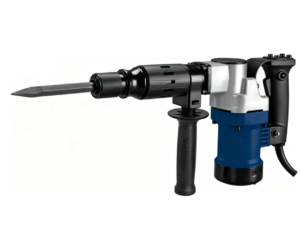
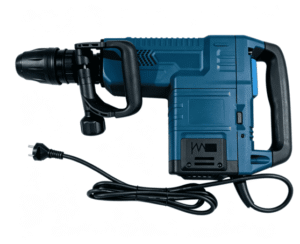
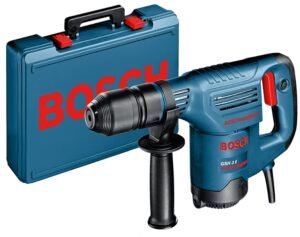
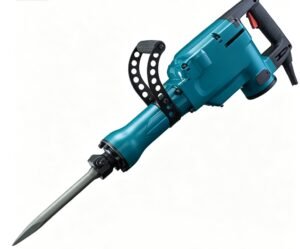
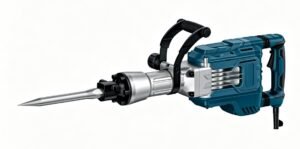
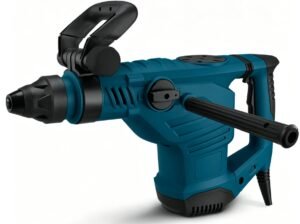
Rotary Hammer & Demolition Hammer for Sale:


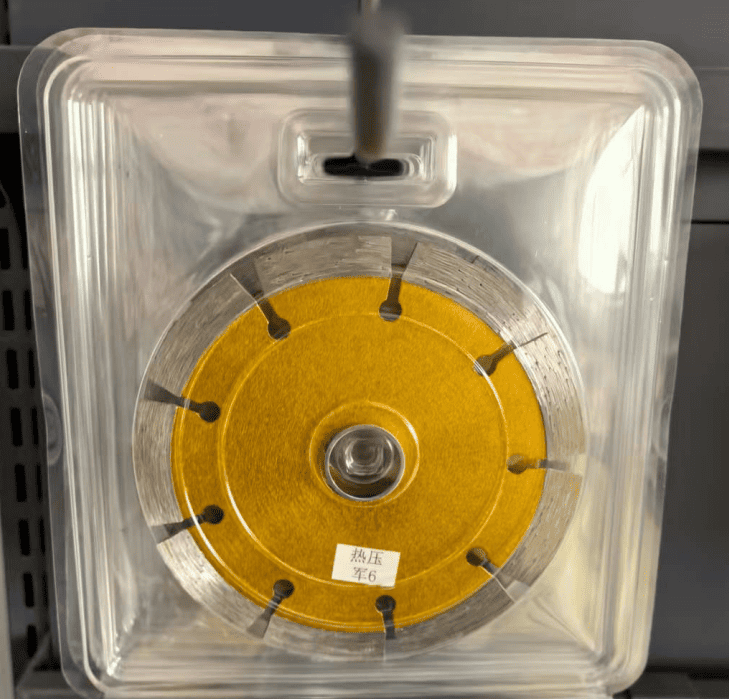
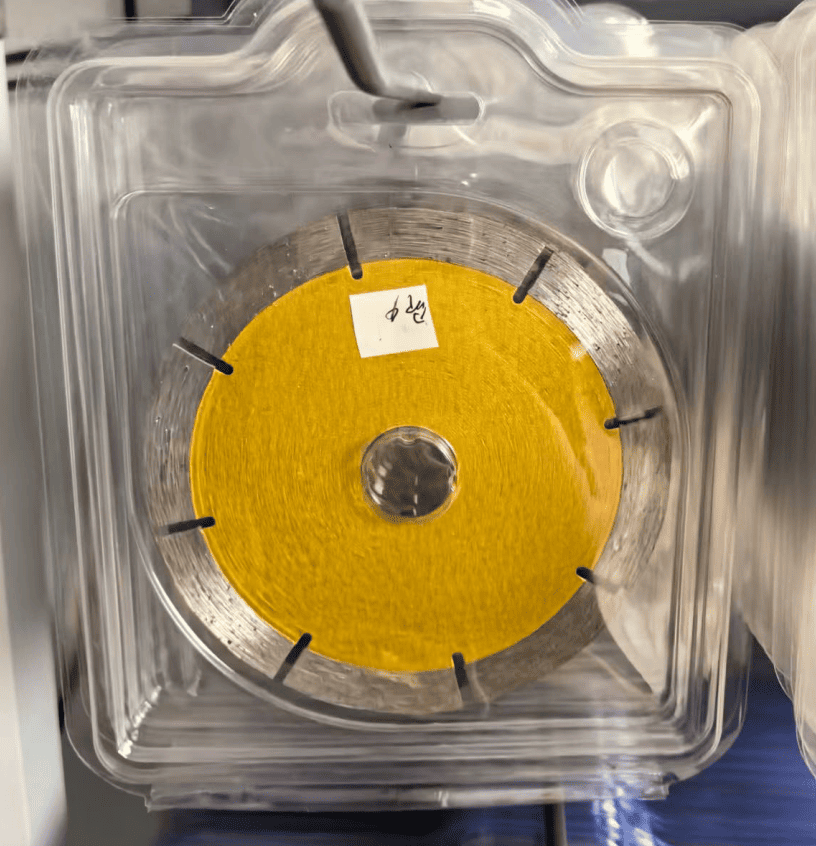
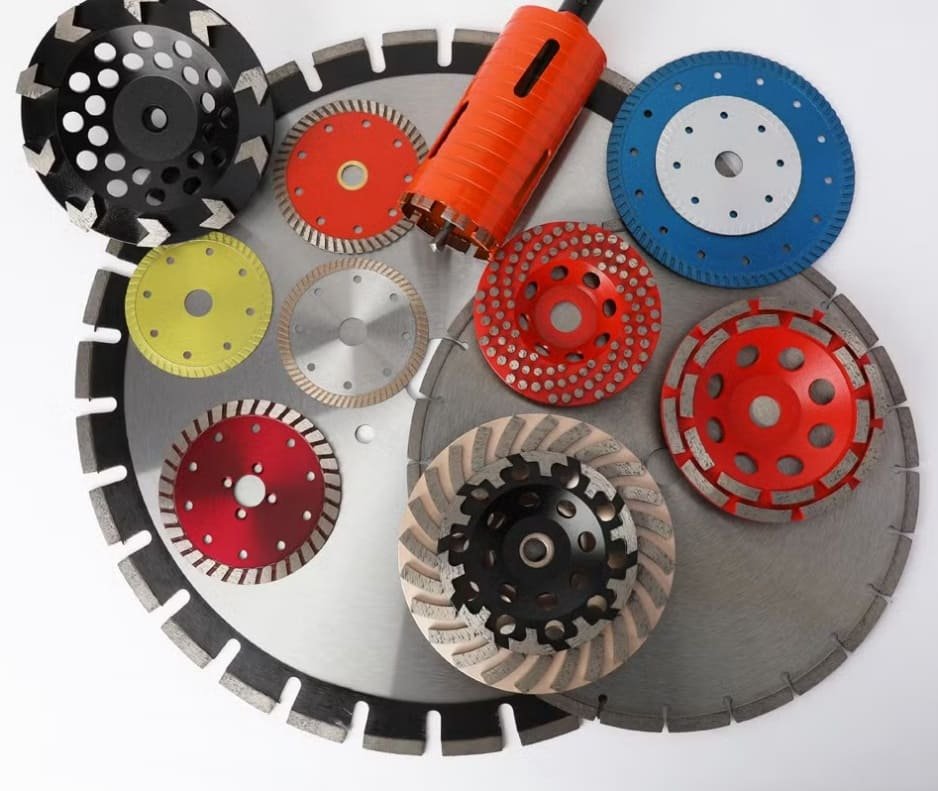
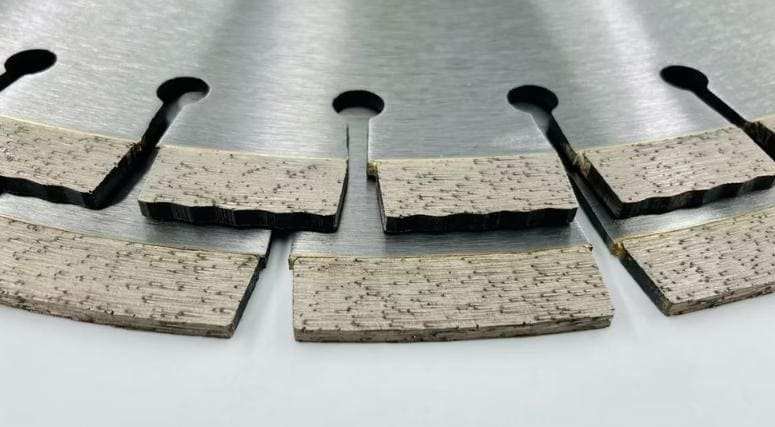
Diamond Blade

Welcome to call us
Contact Us to get quotation
Working Time: 8:00~17:00 Monday to Friday.
Applications:
Factory:
FAQ
Welcome to call us
Contact Us to get quotation
Working Time: 8:00~17:00 Monday to Friday.
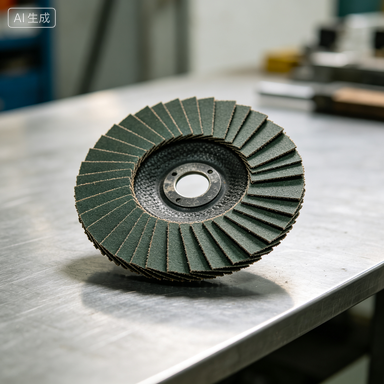
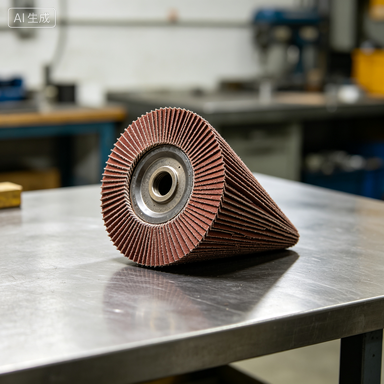
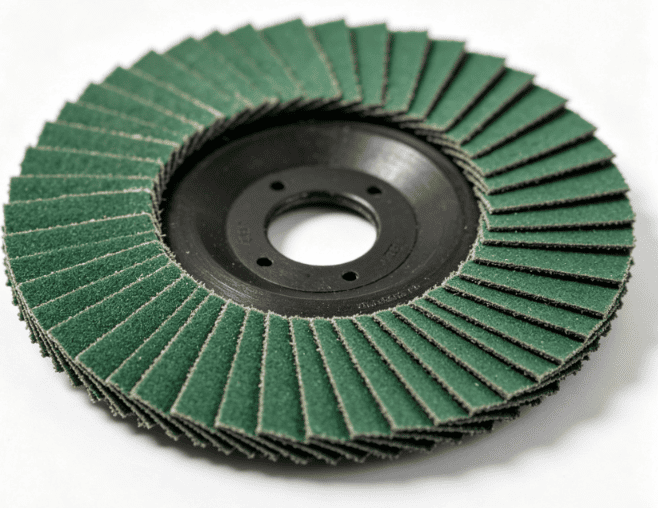
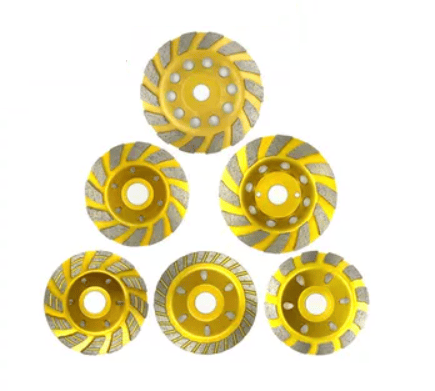
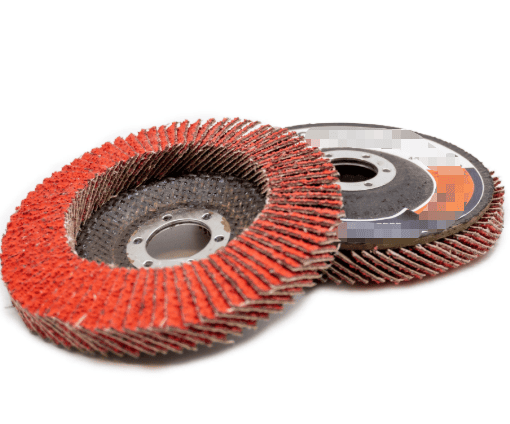
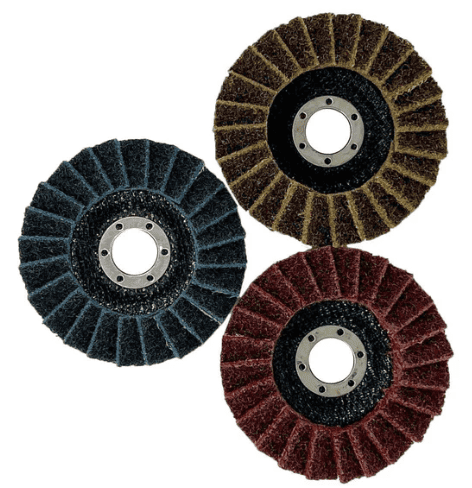
Flap Disc for Sale

Blogs:
You May also Interest in other topics:
automatic labeling machine Carrot Production Line Drying Grinding magnesium hydroxide grinding mill 240v ev charger